
The Science of Calm: Apps Using EvidenceBased Meditation for Beginners


Welcome to Mind Care Guide, your sanctuary for mental well-being.
Feeling overwhelmed by the noise? You're not alone. Discover how to harness the power of mindfulness with our guide to EvidenceBased Meditation Apps for Beginners. Learn how science-backed practices can help you cultivate inner peace, one breath at a time. Ready to begin your journey to calm?
Finding Peace: Evidence-Based Meditation Apps for Beginners (Mental Wellness Guide)
Navigating the path to mental well-being can feel daunting, especially when you're just starting out. Meditation, a practice rooted in ancient traditions, has gained significant traction in modern mental health strategies, supported by growing scientific evidence. For beginners seeking accessible tools, evidence-based meditation apps beginners offer a structured and reliable way to start.
- Understanding Evidence-Based Meditation
- Top Evidence-Based Meditation Apps for Beginners: A Comparison
- Choosing the Right Meditation App
- Starting with Evidence-Based Meditation: A Step-by-Step Guide
- Maximizing Meditation Benefits
- Expanding Your Mindfulness Practice
- Conclusion: Achieving Calm Through Science-Backed Apps
-
Frequently Asked Questions
- What exactly are evidence-based meditation apps and why are they beneficial for beginners?
- How do evidence-based meditation apps differ from other meditation apps that are available?
- What are some key features to look for in an evidence-based meditation app suitable for beginners?
- Can evidence-based meditation apps replace traditional therapy or medication for mental health conditions?
- How can beginners ensure they are using evidence-based meditation apps effectively to maximize their mental well-being?
- Final Reflection: Cultivating Inner Peace in a Digital Age
- Unlock Your Inner Calm: Start Your Meditation Journey Today!
Understanding Evidence-Based Meditation
Meditation practices come in many forms, but not all are equally supported by rigorous scientific research. Understanding what constitutes evidence-based meditation is crucial for beginners looking for tools that offer proven benefits.
What is Evidence-Based Meditation?
Evidence-based meditation refers to mindfulness and meditation techniques that have been studied and validated through scientific research, typically involving clinical trials and neuroimaging studies. These practices are often derived from structured programs like Mindfulness-Based Stress Reduction (MBSR) or Mindfulness-Based Cognitive Therapy (MBCT), which have decades of research supporting their effectiveness in reducing stress, anxiety, and depression. Unlike more esoteric or unverified methods, evidence-based meditation focuses on measurable outcomes and replicable techniques.
The core principles often involve focused attention, open monitoring, and cultivating non-judgmental awareness of thoughts, feelings, and bodily sensations. Research, such as a meta-analysis published in JAMA Internal Medicine in 2014, has indicated that mindfulness meditation programs can lead to moderate improvements in anxiety and depression symptoms. This scientific backing provides a solid foundation for beginners exploring meditation for mental wellness.
Benefits of Evidence-Based Meditation: Research-Supported Outcomes
The benefits of engaging in evidence-based meditation are wide-ranging and supported by numerous studies. For instance, research has demonstrated significant reductions in perceived stress levels. A study published in Health Psychology in 2012 found that participants in a mindfulness program showed reduced stress hormones like cortisol. Beyond stress, these practices are linked to improved emotional regulation, enhancing one's ability to manage difficult feelings without being overwhelmed.
Furthermore, regular practice has been associated with positive changes in brain structure and function, particularly in areas related to attention, self-awareness, and emotional processing. A study from Harvard University in 2011 showed that just eight weeks of mindfulness meditation practice led to increases in grey matter density in the hippocampus, an area important for learning and memory, and decreases in grey matter in the amygdala, associated with fear and stress. These findings underscore the tangible, research-supported outcomes that make evidence-based meditation apps beginners a valuable starting point.
Why Beginners Benefit from Evidence-Based Approaches
Beginning a meditation practice can sometimes feel challenging or confusing. Evidence-based meditation provides a structured, guided approach that is particularly beneficial for newcomers. These methods are often taught in a progressive manner, starting with foundational techniques like focused breathing and body scans, making them accessible and less intimidating. The step-by-step nature helps beginners build confidence and consistency.
Moreover, knowing that the techniques are backed by research can alleviate skepticism and increase motivation. Beginners can feel more confident investing their time and effort in practices that have demonstrated efficacy for others. Evidence-based meditation apps beginners specifically tailor content to guide users through these foundational principles, often starting with short, manageable sessions (e.g., 3-5 minutes) that gradually increase in length, ensuring a gentle and effective introduction to the practice.
Top Evidence-Based Meditation Apps for Beginners: A Comparison
Choosing the right app is a key step for beginners. Several apps stand out for their commitment to evidence-based meditation principles and their user-friendly interfaces designed for newcomers. Let's explore some of the leading options.
Headspace: Mindfulness and Meditation Training
Headspace is one of the most widely recognized evidence-based meditation apps beginners, known for its playful animations and approachable style. Founded by a former Buddhist monk, it translates traditional mindfulness practices into modern, accessible content.
Headspace Features for Beginners
Headspace offers a structured "Basics" course specifically designed for those new to meditation, guiding them through fundamental techniques over a series of sessions. Key features include daily guided meditations (often 10 minutes), SOS sessions for moments of crisis, and themed courses on topics like stress, anxiety, and focus. They also provide sleep meditations and mindful movement exercises. The app's interface is clean and intuitive, making it easy for beginners to navigate and find relevant content.
Headspace Pricing
Headspace operates on a subscription model. While they often offer a limited free trial (e.g., 7 or 14 days) or a few free "Basics" sessions, full access requires a subscription. Pricing typically includes monthly and annual options, with the annual plan offering significant savings (often around $70 USD per year compared to $13 USD per month). They also sometimes offer student or family plans.
Headspace: Research and Validation
Headspace has actively engaged in research collaborations to study the effects of its app-based meditation. They claim partnerships with universities and research institutions, citing studies suggesting positive outcomes. For example, research published in JMIR Mental Health in 2018 found that using Headspace for 10 days reduced symptoms of depression by 28% and anxiety by 19% in a student population. While more independent, large-scale studies are always beneficial, Headspace's commitment to researching its own platform aligns with the principles of evidence-based meditation.
Calm: Meditation and Sleep Support
Calm is another hugely popular app, often marketed alongside Headspace, but with a strong emphasis on sleep support in addition to meditation. It offers a serene interface and a wide variety of content.
Calm's Focus on Sleep: Scientific Basis
Calm is particularly well-known for its "Sleep Stories" narrated by soothing voices, including celebrities. While not traditional meditation, these are designed to promote relaxation and sleep, drawing on principles of guided imagery and hypnotic suggestion, which have some basis in sleep science. The app also offers sleep meditations and soundscapes.
Research cited by Calm, such as a study published in Frontiers in Psychology in 2019, suggested that using the Calm app for 8 weeks led to significant improvements in sleep quality among university students. This focus makes it a strong contender among evidence-based meditation apps beginners who also struggle with sleep.
Calm's Meditation Content
Beyond sleep, Calm provides a substantial library of guided meditations covering various topics like anxiety, stress, gratitude, and focus. They offer a "7 Days of Calm" program as an introduction for beginners. The app includes breathing exercises, stretching guides, and masterclasses taught by meditation experts. Its daily "Daily Calm" session is a popular feature, offering a new guided meditation each day.
Calm vs. Headspace: A Comparative Analysis
Both Calm and Headspace are leading evidence-based meditation apps beginners friendly, but they have different strengths. Headspace is often seen as more structured, with progressive courses and a consistent, friendly voice (Andy Puddicombe). It feels like a training program. Calm offers a wider variety of content types, particularly strong in sleep aids and ambient soundscapes, and features diverse instructors and narrators.
Its interface is visually calm and nature-inspired. For beginners, both offer solid foundational content, but the choice might depend on whether the primary goal is structured mindfulness training (Headspace) or a broader wellness tool including sleep support (Calm). Both require a paid subscription for full access after a limited trial.
Insight Timer: Extensive Free and Paid Meditation Library
Insight Timer stands out for its vast library of free content, making it an incredibly accessible option for anyone exploring evidence-based meditation apps beginners without a budget.
Insight Timer's Evidence-Based Content Exploration
While Insight Timer hosts thousands of meditations from a diverse range of teachers, including many non-evidence-based practices, it also contains a substantial amount of content rooted in MBSR, MBCT, and other research-supported traditions. Users can search for meditations specifically labeled as MBSR-informed or by teachers known for their adherence to evidence-based principles. The challenge for beginners is discerning which content aligns with evidence-based practices amidst the sheer volume of options. However, many reputable meditation teachers who base their work on research offer sessions on the platform.
Insight Timer's Teacher Network and Credibility
Insight Timer features over 15,000 meditation teachers from around the world. This allows beginners to explore different teaching styles and find instructors they resonate with. Many of these teachers have backgrounds in psychology, therapy, or traditional mindfulness lineages that align with evidence-based approaches. The platform provides teacher profiles, allowing users to check credentials and areas of expertise, which helps in identifying credible sources for evidence-based meditation.
Insight Timer: Free vs. Premium for Beginners
A significant advantage of Insight Timer for evidence-based meditation apps beginners is the amount of high-quality free content. Thousands of guided meditations and talks are available without a subscription. The premium subscription, "Insight Timer Member," unlocks additional features like offline listening, advanced player features, and structured courses (many of which are evidence-based). For beginners on a budget, the free version provides an excellent entry point to explore various evidence-based practices before considering a paid option on any app.
Ten Percent Happier: Meditation for Skeptics Explained
Ten Percent Happier was founded by journalist Dan Harris after a televised panic attack led him to discover meditation. The app is specifically tailored for people who are skeptical about meditation or find it intimidating, focusing on practical, no-nonsense approaches grounded in science.
Ten Percent Happier's Science-Based Approach
Ten Percent Happier strongly emphasizes the science behind meditation, featuring interviews and guided practices from renowned meditation teachers and neuroscientists. The content frequently explains why meditation works from a psychological and neurological perspective, appealing to a skeptical audience. They often reference research findings and discuss the evidence-based nature of the practices they teach. This makes it a particularly strong choice among evidence-based meditation apps beginners who value a rational, scientific explanation.
Ten Percent Happier: Content and Practical Application
The app offers guided meditations, video lessons, and interviews. A core feature is the "Introduction to Meditation" course, designed specifically for beginners and skeptics, breaking down the practice into simple, manageable steps. Content focuses on integrating mindfulness into daily life and addressing common challenges like a wandering mind. The tone is often humorous and relatable, avoiding jargon.
Ten Percent Happier: Unique Features
One of Ten Percent Happier's unique features is its focus on Q&A with experts, allowing users to submit questions and get evidence-based answers about meditation and mindfulness. The app also features a diverse roster of respected teachers, many with backgrounds in evidence-based modalities like MBSR. Its explicit mission to cater to skeptics sets it apart from other evidence-based meditation apps beginners might consider, offering a different entry point into the practice.
Choosing the Right Meditation App

With several excellent evidence-based meditation apps beginners can choose from, selecting the best fit requires considering personal preferences and needs.
Identifying Personal Needs and Goals
Before downloading an app, consider what you hope to gain from meditation. Are you primarily seeking stress reduction, better sleep, improved focus, or help managing anxiety? Some apps specialize in certain areas (e.g., Calm for sleep, Ten Percent Happier for skepticism), while others offer a broader range of content. Identifying your main goals will help narrow down the options and find an app with content specifically tailored to your needs.
Comparing App Features: Guided Meditations, Sleep Stories, and More
Look at the specific features offered by each app. Do you prefer short, daily meditations or longer, in-depth sessions? Are sleep aids important? Do you want access to talks, courses, or mindful movement? Evidence-based meditation apps beginners should offer clear guidance and foundational courses. Compare the variety of content, the quality of instruction, and additional features like progress tracking, community forums (if available), or offline access.
Evaluating Pricing Options
Consider your budget. While the benefits of evidence-based meditation are significant, cost can be a factor. Insight Timer offers extensive free content, making it highly accessible. Headspace, Calm, and Ten Percent Happier operate primarily on paid subscriptions, though they typically offer free trials. Evaluate the annual cost versus the perceived value and compare free trial periods to test apps before committing financially.
Analyzing User Reviews and Research
Check user reviews on app stores to get a sense of other beginners' experiences. Look for comments on ease of use, content quality, and effectiveness. Furthermore, investigate any research or studies the app creators reference. While not all apps have extensive peer-reviewed research specifically on their platform, look for apps whose content is based on well-established evidence-based programs like MBSR or MBCT. This helps ensure you are choosing from reputable evidence-based meditation apps beginners can trust.
Starting with Evidence-Based Meditation: A Step-by-Step Guide
Once you've chosen an app from the selection of evidence-based meditation apps beginners can access, getting started is straightforward. Follow these steps to begin your journey towards greater calm and mindfulness.
App Download and Installation
The first step is to download the chosen app from your device's app store (Apple App Store or Google Play Store). Ensure you have a stable internet connection. Once the download is complete, tap the app icon to install it on your device. This process is typically quick and easy, requiring minimal technical skill.
Account Creation and Profile Setup
Upon opening the app, you will likely be prompted to create an account. This usually involves providing an email address and setting a password, or signing up via a Google or social media account. Some evidence-based meditation apps beginners might ask a few questions about your goals or experience level during profile setup to personalize content recommendations. Be honest in your responses to help the app suggest the most suitable starting points for a beginner.
Finding Suitable Meditations
Navigate the app's library to find meditations appropriate for beginners. Look for introductory courses (like Headspace's "Basics" or Calm's "7 Days of Calm"), sessions specifically labeled "for beginners," or short guided meditations (5-10 minutes). Most evidence-based meditation apps beginners feature a prominent section dedicated to getting started. Start with basic techniques like focusing on the breath or a body scan, as these are foundational evidence-based practices.
Regular Practice and Progress Tracking
Consistency is key to experiencing the benefits of evidence-based meditation. Aim to practice daily, even if only for a few minutes. Many apps offer features to track your meditation streaks, total meditation time, or sessions completed. Use these tools to monitor your progress and stay motivated. Establishing a routine, such as meditating at the same time each day, can help make the practice a consistent part of your life.
[ ] Download the chosen evidence-based meditation app.
[ ] Create an account and complete profile setup.
[ ] Locate and start a beginner-specific meditation course or session.
[ ] Schedule a regular time each day for practice.
[ ] Utilize the app's progress tracking features (if available).
Maximizing Meditation Benefits
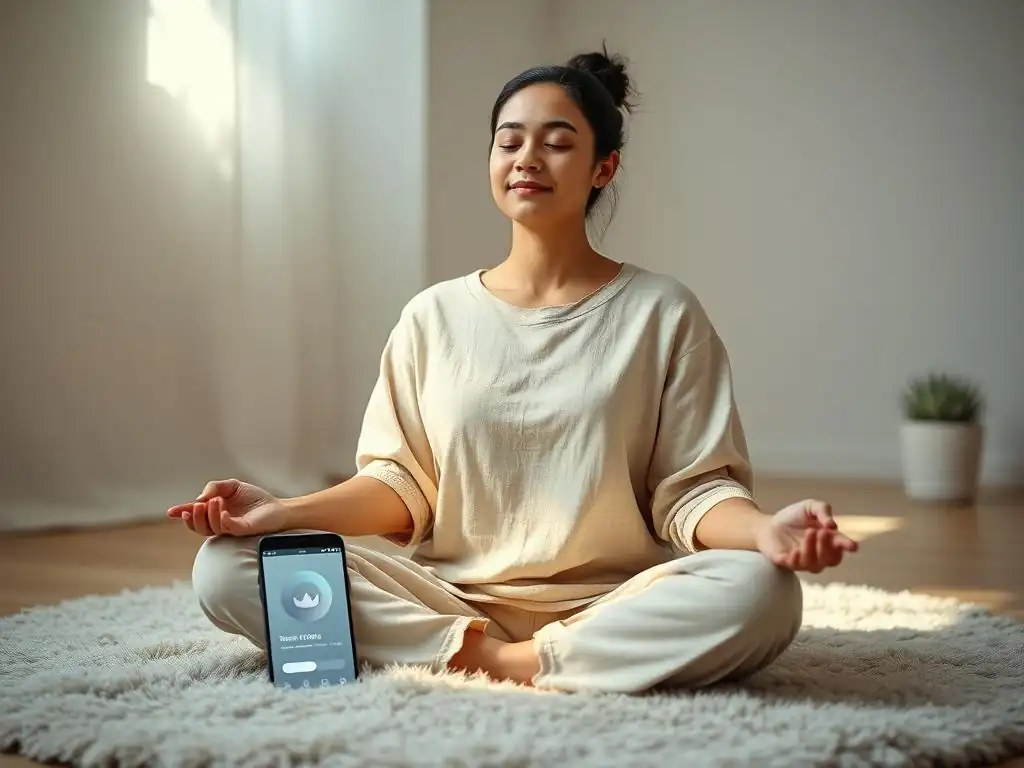
Simply using an app is the first step; cultivating a practice that yields maximum benefits requires a little intention and effort, particularly when using evidence-based meditation apps beginners rely on for guidance.
Creating a Conducive Meditation Environment
Find a quiet space where you are unlikely to be interrupted. This doesn't need to be elaborate; a quiet corner in your room is sufficient. Ensure you are comfortable, whether sitting on a cushion, a chair, or even lying down if the meditation is for sleep. Dim the lights if preferred and minimize distractions like notifications on your phone (consider putting it in airplane mode). A consistent environment can help signal to your mind that it's time to practice mindfulness.
Focusing on Breath and Body
Many evidence-based meditation techniques, especially for beginners, start with bringing awareness to the breath or bodily sensations. This anchors your attention to the present moment. Don't try to control your breath; simply notice it as it is. Pay attention to the feeling of air entering and leaving your nostrils or the rise and fall of your abdomen. Similarly, a body scan involves systematically bringing gentle awareness to different parts of your body, noticing sensations without judgment. These practices, core to MBSR, are readily available in evidence-based meditation apps beginners can use.
Accepting Thoughts Non-Judgmentally
A common misconception is that meditation is about emptying your mind. In evidence-based meditation, it's about noticing thoughts without getting carried away by them or judging yourself for having them. Think of thoughts like clouds passing in the sky – you observe them without needing to interact with them. When your mind wanders (which it will! ), gently guide your attention back to your chosen anchor, like the breath, without self-criticism. This non-judgmental awareness is a crucial skill cultivated through these practices.
Integrating Mindfulness Daily
The goal isn't just the 10 minutes you spend meditating; it's about bringing mindfulness into your everyday life. Use the principles learned from evidence-based meditation apps beginners offer throughout your day. Practice mindful eating by paying attention to the taste and texture of your food, or mindful walking by noticing the sensation of your feet on the ground. Even short moments of mindful breathing during stressful situations can help regulate your nervous system. Apps like Headspace and Calm offer short "mindful moments" sessions for this purpose.
Expanding Your Mindfulness Practice
As you become more comfortable with the basics provided by evidence-based meditation apps beginners use, you might wish to deepen your practice and explore other avenues for mental wellness.
Exploring Additional Mindfulness Techniques
Beyond guided breath focus and body scans, evidence-based meditation encompasses techniques like walking meditation, loving-kindness meditation (Metta), and mindful movement. Many apps offer introductions to these practices as you progress. Exploring these variations can help keep your practice fresh and cultivate different aspects of mindfulness, such as compassion or focused presence during activity. Look for courses or sessions on these specific techniques within your chosen app.
Consulting Mental Health Professionals
While evidence-based meditation apps beginners are excellent tools for supporting mental wellness, they are not a substitute for professional mental health care. If you are experiencing significant challenges with anxiety, depression, trauma, or other mental health conditions, it is important to consult with a qualified therapist, counselor, or psychiatrist. Mindfulness practices can be a valuable complement to therapy, and many mental health professionals incorporate evidence-based mindfulness techniques into their treatment plans. Discuss your meditation practice with your therapist.
Resources for Evidence-Based Meditation
To further your understanding of evidence-based meditation, consider exploring resources beyond the apps. Books by pioneers in the field, such as Jon Kabat-Zinn (creator of MBSR) or Mark Williams and Danny Penman (authors on MBCT), offer deeper insights into the scientific underpinnings and practice. Websites of reputable mindfulness research centers at universities (like the Oxford Mindfulness Centre or the UCLA Mindful Awareness Research Center) often provide information, research findings, and sometimes free guided meditations that align with evidence-based principles.
Conclusion: Achieving Calm Through Science-Backed Apps
Embarking on a meditation journey is a powerful step towards enhancing mental wellness. By choosing from evidence-based meditation apps beginners can easily access, you are starting with tools and techniques validated by scientific research, offering a reliable path to cultivating calm and mindfulness.
The Impact of Evidence-Based Meditation on Mental Wellness
Regular practice of evidence-based meditation has a demonstrable impact on various aspects of mental wellness. Studies consistently show reductions in symptoms of stress, anxiety, and depression. Beyond symptom reduction, it fosters greater self-awareness, emotional resilience, and an improved ability to navigate life's challenges with greater ease and presence. For beginners, experiencing these tangible shifts can be incredibly motivating and reinforcing.
Choosing an App to Begin Your Journey
Selecting the right app from the array of evidence-based meditation apps beginners can explore depends on individual preferences for style, features, and cost. Whether you prefer the structured courses of Headspace, the sleep focus of Calm, the extensive free library of Insight Timer, or the skeptical-friendly approach of Ten Percent Happier, there is a science-backed option available to suit your needs. Consider trying free trials to see which platform resonates most with you.
Taking the First Step Towards Mindfulness
The most important step is simply beginning. Don't wait for the perfect moment or expect instant results. Start with short, regular sessions using one of the recommended evidence-based meditation apps beginners can easily integrate into their daily routine. Be patient and compassionate with yourself as you learn. With consistent practice, the principles of evidence-based meditation can become powerful allies in finding peace and strengthening your mental well-being.
Frequently Asked Questions
What exactly are evidence-based meditation apps and why are they beneficial for beginners?
Evidence-based meditation apps utilize techniques proven effective through scientific research. This approach offers beginners a structured and reliable path to mental well-being.
How do evidence-based meditation apps differ from other meditation apps that are available?
These apps prioritize techniques backed by scientific studies demonstrating their efficacy in reducing stress, anxiety, and improving focus. Other apps may lack this rigorous validation.
What are some key features to look for in an evidence-based meditation app suitable for beginners?
Look for features such as guided meditations, progress tracking, and personalized recommendations based on your experience and needs.
Can evidence-based meditation apps replace traditional therapy or medication for mental health conditions?
While helpful, these apps are generally not a replacement for professional help. They can be a valuable supplement to therapy or medication under a doctor's guidance.
How can beginners ensure they are using evidence-based meditation apps effectively to maximize their mental well-being?
Consistency is key. Start with short sessions, follow the guided instructions carefully, and track your progress to identify what works best for you.
Final Reflection: Cultivating Inner Peace in a Digital Age
The accessibility of evidence-based meditation through apps is revolutionizing mental wellness, offering a powerful antidote to the pervasive stress of modern life. No longer a niche practice, mindfulness techniques are becoming increasingly integrated into daily routines, thanks to the user-friendly interfaces and scientifically-backed approaches offered by these digital tools. This shift represents a significant step towards prioritizing mental health and well-being on a global scale.
The journey towards inner peace is a deeply personal one, and the impact of these apps extends far beyond stress reduction. They provide a structured pathway for beginners to explore the profound benefits of meditation, fostering self-awareness and emotional regulation. This resonates deeply with my own experience; learning to quiet the mental chatter has been transformative. The mind is everything. What you think you become.
– Buddha. This ancient wisdom, now readily accessible through technology, underscores the power of mindful practice in shaping our thoughts, actions, and ultimately, our lives.
You, the reader, now hold the key to unlocking a calmer, more centered self. Consider exploring the apps discussed in this article, committing to even a few minutes of daily practice. Don't be discouraged by initial challenges; consistency is key. Embrace the journey, and witness the transformative power of evidence-based meditation unfold within you. The path to inner peace begins with a single, mindful breath.
Unlock Your Inner Calm: Start Your Meditation Journey Today!
Thank you for taking the time to explore the science-backed world of meditation! We hope you gained valuable insights into how these apps can help you find your center. Now it's time to put that knowledge into practice.
- Begin your free trial of a meditation app mentioned in the article. Choose the one that resonated most with you and experience the transformative power of regular practice firsthand. This is your first step towards a calmer, more focused you.
- Share your experience! Tell us (and others!) which app you chose and what your initial experience was like. Your feedback helps others on their journey.
- Explore different meditation techniques beyond those covered in this article. Experiment to discover what resonates best with your personal style and preferences.
Ready to embrace a more peaceful and present you? What's the first step you'll take on your meditation journey?