
Your First App: A Beginner's Guide to Free and Paid Meditation Options


Welcome to Mind Care Guide.
Feeling overwhelmed and unsure where to begin your mental wellness journey? You're not alone. Finding the right tools can make all the difference. This guide explores accessible pathways to inner peace, starting with a look at meditation apps for beginners. Discover our curated list of both free and paid options, designed to gently guide you towards a calmer, more centered you. Ready to find your perfect fit? Let's begin.
Your First App: A Beginner's Guide to Free and Paid Meditation Options
- Introduction: Finding Calm with Meditation Apps for Beginners
- Step 1: Understanding Your Meditation Needs and Goals
- Step 2: Exploring Free Meditation App Options for Beginners
- Step 3: Evaluating Paid Meditation Apps for Deeper Engagement
- Step 4: Maximizing Your Meditation App Experience
- Step 5: Integrating Meditation into Your Overall Mental Wellness
- Conclusion: Embarking on Your Meditation Journey
- Frequently Asked Questions
- Final Reflection: Finding Your Inner Peace Through Technology
- Unlock Your Inner Peace: Start Your Meditation Journey Today!
Introduction: Finding Calm with Meditation Apps for Beginners
Embarking on a meditation practice can feel like a significant step towards enhancing mental wellness. For many newcomers, the sheer volume of information and techniques can be overwhelming. This is where technology steps in, offering accessible tools right at your fingertips. Meditation apps for beginners provide structured guidance, soothing environments, and flexible options to fit into busy lives. They serve as a helpful starting point, demystifying the process and making mindfulness practices feel achievable, even if you've never meditated before.
Choosing the right tool is crucial for building a sustainable habit. The market is flooded with options, ranging from completely free resources to premium subscription services. Understanding what each type of app offers and aligning it with your personal needs is the first step in finding the best meditation app for you as a beginner. This guide will walk you through the process, exploring popular free and paid platforms designed with the novice in mind, helping you find the perfect digital companion for your journey into meditation.
Step 1: Understanding Your Meditation Needs and Goals
Before diving into the vast landscape of meditation apps for beginners, taking a moment to reflect on what you hope to gain and how you prefer to learn can significantly streamline your search. Meditation is a diverse practice, and apps cater to various preferences and objectives. Identifying your personal needs will help you filter options and find an app that truly resonates with your initial intentions and learning style.
Consider your current lifestyle, your primary reasons for wanting to try meditation, and how much structure or freedom you prefer in learning. Are you looking for quick, guided sessions to de-stress during the workday, or are you hoping for longer, unguided periods of quiet reflection? Are you struggling with sleep, anxiety, or focus? Answering these questions will provide a clearer path toward selecting a suitable app among the many meditation apps available for beginners.
Identifying Your Meditation Style: Guided vs. Unguided
One of the fundamental distinctions you'll encounter in meditation apps is the choice between guided and unguided sessions. Guided meditations involve a teacher's voice leading you through the practice, offering instructions on posture, breath, and focus points. This is often the preferred starting point for meditation apps for beginners, as it removes guesswork and provides clear direction, making it easier to stay present and understand the technique. Many apps offer themed guided sessions, such as body scans, loving-kindness, or mindfulness of breath, tailored to specific goals or experiences.
Unguided meditation, on the other hand, typically involves setting a timer and meditating in silence or with ambient background sounds. The app might provide interval chimes but offers no vocal instruction. While this style offers more freedom, it can be challenging for absolute beginners who may not know how to structure their practice or handle distractions without guidance. Some meditation apps for beginners start with highly structured guidance and gradually introduce elements of unguided practice as you become more comfortable, offering a progressive learning path.
Defining Your Meditation Goals: Stress Reduction, Sleep Improvement, Focus Enhancement
Your reasons for starting meditation are key to finding the right app. Many people turn to meditation apps for beginners specifically to manage stress. Apps often feature short, accessible sessions designed to cultivate calm amidst daily pressures, perhaps focusing on mindful breathing or quick body scans that can be done anywhere. Research often indicates that even brief, consistent meditation can lead to reduced perceived stress levels over time.
Another very common goal is improving sleep. Apps frequently include dedicated sections for sleep, offering bedtime stories, relaxing music, and guided meditations designed to quiet the mind and prepare the body for rest. For example, certain apps report that a significant percentage of their users utilize sleep-related content regularly. Similarly, if your goal is to enhance focus or concentration, apps offer meditations aimed at training attention, often involving practices like single-pointed focus on the breath, which can help improve cognitive function and productivity throughout the day.
Step 2: Exploring Free Meditation App Options for Beginners

Starting with free meditation apps for beginners is an excellent way to sample different styles and interfaces without financial commitment. Many high-quality options provide substantial content that is more than sufficient for establishing a foundational practice. These platforms demonstrate that effective tools for mental wellness can be accessible to everyone, regardless of budget.
Exploring free apps allows you to experiment and discover what type of guidance, duration, and style of meditation resonates most with you. While paid apps often offer more extensive libraries or premium features, the core functionality needed to learn and practice meditation is widely available for free, making these options incredibly valuable for anyone just starting out.
Insight Timer: A Vast Library of Free Meditations
Insight Timer stands out as one of the most comprehensive free meditation apps for beginners and experienced practitioners alike. It boasts an enormous library, often cited as containing over 100,000 free guided meditations and talks contributed by thousands of teachers worldwide. This vast selection covers virtually every topic imaginable, from stress and anxiety to sleep, focus, and specific techniques like Vipassana or Zen. The sheer volume can be daunting but also ensures there's something for everyone.
Beyond guided sessions, Insight Timer offers a popular free meditation timer with customizable sounds and interval bells, perfect for those who prefer unguided practice. It also features discussion groups and community features, allowing users to connect. While it offers a premium subscription for offline listening and advanced courses, the core library of guided meditations and the versatile timer are entirely free, providing immense value for anyone seeking meditation apps for beginners.
UCLA Mindful Awareness Research Center: Simple and Accessible
The UCLA Mindful Awareness Research Center (MARC) offers a free app that provides a straightforward and academically-backed introduction to mindfulness meditation. Developed by experts in the field, its content is grounded in research and presented in a clear, accessible manner. The app includes a set of basic guided meditations ranging from 3 to 12 minutes, designed to teach fundamental mindfulness skills like body scan, mindful breathing, and loving-kindness.
This app is particularly well-suited for absolute beginners who prefer a no-frills, research-informed approach. The guidance is gentle and easy to follow, making it a safe and reliable starting point. While its library is much smaller compared to platforms like Insight Timer, the quality and focus on foundational practices make it an excellent, uncluttered option among meditation apps for beginners looking for a simple, effective introduction.
Other Free Meditation Apps to Consider
Several other free meditation apps cater to beginners, each with its unique strengths. Smiling Mind, developed by a non-profit organization, offers programs specifically designed for different age groups, including children and adults, with modules focused on mindfulness for various aspects of life, such as relationships or work. Its structured programs provide a clear path for learning.
Another option is the Healthy Minds Program, based on a framework developed by neuroscientists. It breaks down mindfulness into components like awareness, connection, insight, and purpose, offering a progressive curriculum through podcast-style lessons and guided practices. While some apps listed here might offer premium upgrades, the core free content available in many of these apps is substantial and provides ample resources for a beginner to explore and establish a consistent meditation habit.
Step 3: Evaluating Paid Meditation Apps for Deeper Engagement
While free options offer a great starting point, paid meditation apps often provide a more structured, comprehensive, and polished experience. Subscriptions typically unlock larger libraries, multi-session courses, advanced features like offline downloads, and exclusive content. If you've explored free options and are ready for a deeper dive or prefer a more curated, premium feel, investing in a paid app might be the next step in your journey with meditation apps for beginners.
These premium platforms often invest heavily in high-quality audio, diverse teachers, and well-designed user interfaces, creating a more immersive and potentially more motivating experience. They are designed to guide you from the very basics through more advanced practices, offering pathways for continuous learning and growth in your meditation practice.
Headspace: A Structured Approach to Mindfulness
Headspace is one of the most popular and widely recognized meditation apps for beginners. Co-founded by a former Buddhist monk, it takes a structured, progressive approach, starting with its famous "Take 10" course – ten sessions of 10 minutes each, designed to introduce the absolute fundamentals of mindfulness meditation. The app uses playful animations and simple language to demystify meditation, making it feel approachable and non-intimidating for newcomers.
Beyond the beginner courses, Headspace offers hundreds of guided meditations, courses on specific topics (like stress, anxiety, focus, and sleep), and single sessions for quick practice. It also includes sleep sounds, movement exercises, and mindful eating guides. While it requires a paid subscription after a short free trial (typically around $13 per month or $70 annually), its clear learning path and engaging content make it a top choice among structured meditation apps for beginners.
Calm: Soothing Sounds and Sleep Stories
Calm is another leading subscription-based app, often highlighted for its focus on relaxation, sleep, and atmosphere. Its interface is designed to be serene, featuring calming nature scenes and sounds. Calm is particularly famous for its "Sleep Stories" – bedtime tales narrated by soothing voices (including celebrities) designed to help users drift off to sleep. This feature alone attracts many users specifically looking for sleep aids within meditation apps.
The app also offers a wide range of guided meditations covering various topics, breathing exercises, stretching routines, and exclusive music tracks for focus and relaxation. Like Headspace, it provides daily meditations and multi-session programs. Calm operates on a subscription model (often around $15 per month or $70 annually), offering a free trial to explore its features. Its emphasis on sleep and a calming user experience makes it a strong contender for beginners whose primary goal is relaxation and improved rest.
Ten Percent Happier: Practical Mindfulness for Everyday Life
The Ten Percent Happier app, inspired by the book of the same name, is designed for "fidgety skeptics" – people who might be hesitant about meditation but are open to its science-backed benefits. It features guided meditations and, uniquely, video interviews and talks from renowned meditation teachers and scientists, providing context and demystifying the practice from a practical, non-dogmatic perspective.
This app is excellent for beginners who appreciate understanding the 'why' behind meditation and prefer a less overtly spiritual approach. It offers introductory courses and daily meditations focused on integrating mindfulness into everyday challenges. While it requires a subscription (often priced around $100 annually), its unique combination of guided practice and educational content from diverse experts makes it a distinct and valuable option among paid meditation apps for beginners seeking a pragmatic path.
Comparing Paid Apps: Headspace vs. Calm vs. Ten Percent Happier
When comparing leading paid meditation apps for beginners, their strengths lie in different areas:
- Headspace: Excels in providing a structured, step-by-step learning path. Its beginner series is highly regarded for its clarity and effectiveness in teaching foundational skills. Best for those who want a clear curriculum.
- Calm: Stands out for its focus on relaxation, sleep, and atmosphere. Its Sleep Stories and serene interface are major draws. Ideal for beginners prioritizing stress reduction and improved rest.
- Ten Percent Happier: Offers a practical, science-backed approach with strong educational content from diverse teachers. Great for beginners who are skeptical or analytical and want to understand the practice deeply.
All three offer high-quality guided meditations and courses, but their overall 'feel' and emphasis differ. Consider your primary motivation for meditating and your preferred learning style when choosing between these top-tier meditation apps for beginners. Many offer free trials, allowing you to test the waters before committing to a subscription.
Step 4: Maximizing Your Meditation App Experience
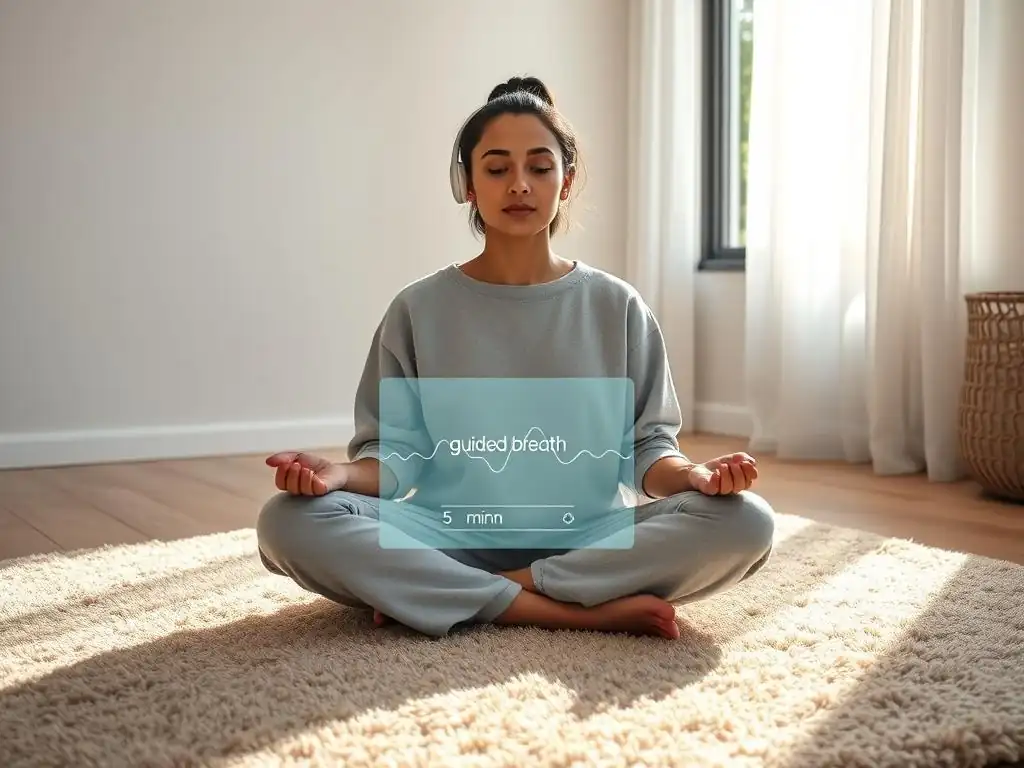
Simply downloading a meditation app is the first step; consistently using it effectively is key to reaping the benefits. To truly integrate meditation into your life and make the most of the best meditation apps for beginners, it's helpful to approach the process with intention and utilize the features designed to support your practice.
Think of the app not just as a collection of audio files, but as a personal guide and tracking tool. Engaging with its functionalities beyond just pressing 'play' can enhance your learning, maintain your motivation, and help you build a sustainable habit over time.
Setting Reminders and Creating a Routine
Consistency is often cited as more important than duration when starting meditation. Meditation apps for beginners typically offer features to help you build this consistency. Setting daily reminders within the app is a simple yet powerful way to prompt yourself to practice, especially in the early days when forming a new habit. Choose a time that works best for you – perhaps first thing in the morning, during a lunch break, or before bed – and set a recurring notification.
Creating a routine around your meditation practice can also increase adherence. This might involve finding a quiet space, sitting comfortably, and then opening the app. Pairing meditation with an existing habit, like having your morning coffee or brushing your teeth, can make it feel less like an extra chore and more like a natural part of your day. Many apps provide suggestions for incorporating mindfulness into your daily schedule.
Utilizing App Features: Tracking Progress and Customizing Settings
Most meditation apps for beginners come equipped with features designed to support your journey. Tracking your progress, for instance, can be highly motivating. Apps often log the number of sessions completed, total meditation time, and streaks of consecutive days. Seeing your practice accumulate can provide a sense of accomplishment and encourage you to continue.
Customization options also enhance the experience. This might include adjusting background sounds, choosing different voices for guided meditations, or setting session lengths. Some apps allow you to download sessions for offline use, which is invaluable if you commute or have unreliable internet access. Exploring all the settings and features available can help you tailor the app to your specific preferences and needs, making your practice more comfortable and effective.
Exploring Different Meditation Techniques within the App
Meditation is not a single, monolithic practice. There are numerous techniques, each offering different benefits and approaches. Meditation apps for beginners provide an excellent platform to explore this diversity safely and accessibly. Don't feel limited to just one type of meditation; experiment with different styles offered within the app.
Try a body scan meditation one day to cultivate awareness of physical sensations. On another day, practice loving-kindness meditation to foster compassion. Explore mindfulness of breath, walking meditation (some apps offer guidance for this), or even short, informal practices like mindful eating or listening. Most apps categorize their content, making it easy to find sessions focused on specific techniques or outcomes, helping you discover what resonates most deeply with you.
Step 5: Integrating Meditation into Your Overall Mental Wellness
Finding the best meditation app for beginners is a fantastic starting point, but remember that meditation is one piece of a larger puzzle when it comes to comprehensive mental wellness. While a consistent meditation practice can offer significant benefits for stress, focus, and emotional regulation, integrating it with other healthy habits and resources is crucial for holistic well-being.
Think about how meditation fits into your broader lifestyle choices. Does it complement your exercise routine, your sleep hygiene, or your social connections? Recognizing that mental wellness is multifaceted encourages a balanced approach, preventing reliance on any single tool and promoting overall resilience.
Combining Meditation with Other Mental Health Practices
Meditation apps for beginners can serve as a powerful tool when combined with other beneficial practices. For example, regular physical activity is known to reduce stress and improve mood; pairing a morning walk with a short guided meditation can amplify the benefits of both. Similarly, practicing mindfulness learned through the app can enhance the experience of activities like journaling, yoga, or spending time in nature, making these activities more grounding and impactful.
Healthy eating habits, sufficient sleep, and maintaining social connections are also vital components of mental health. Using your meditation app to cultivate awareness can help you make more conscious choices in these areas, such as noticing stress-induced eating patterns or recognizing when you need social support. Meditation complements these practices by strengthening your ability to be present and responsive to your internal and external environment.
Consulting with a Mental Health Professional
While meditation apps for beginners provide valuable support and guidance, they are not a substitute for professional medical or mental health care. If you are experiencing significant challenges with anxiety, depression, trauma, or other mental health conditions, it is important to consult with a qualified therapist, counselor, or psychiatrist.
Meditation can be a helpful adjunct to therapy or other treatments, and some mental health professionals may even recommend specific meditation apps as part of a broader treatment plan. Be open with your healthcare provider about your meditation practice and any apps you are using. They can offer personalized advice and ensure that your approach to mental wellness is safe, effective, and tailored to your specific needs and circumstances.
Conclusion: Embarking on Your Meditation Journey
Choosing your first meditation app for beginners marks the beginning of a rewarding journey towards greater mindfulness and mental well-being. Whether you start with a free platform like Insight Timer or UCLA MARC, or opt for a paid subscription to Headspace, Calm, or Ten Percent Happier, the goal is to find a tool that supports you in building a consistent practice.
Remember to explore different styles, utilize the app's features to set routines and track progress, and integrate meditation into a broader approach to health. The path of meditation is personal and unfolds over time. Be patient and compassionate with yourself as you learn. With the right meditation app for beginners as your companion, you have a powerful resource to cultivate inner calm, reduce stress, and enhance your overall quality of life. Your first step has been taken; now, enjoy the journey.
Frequently Asked Questions
What are the benefits of using meditation apps for beginners?
Meditation apps offer structured guidance and easy access to mindfulness practices. They can help beginners reduce stress and improve focus through guided sessions and personalized programs.
Are free meditation apps effective for beginners?
Yes, many free meditation apps offer introductory courses and basic meditations suitable for beginners. These can be a great way to explore different techniques and establish a meditation habit without any financial commitment.
How do I choose the right meditation app for my needs?
Consider your personal preferences and specific goals, such as stress reduction or improved sleep. Look for apps with beginner-friendly interfaces, varied meditation styles, and positive user reviews.
What features should I look for in a paid meditation app?
Paid apps often offer more advanced content, personalized coaching, and offline access. Consider features like progress tracking, customizable sessions, and expert-led meditations to justify the cost.
How often should I use a meditation app as a beginner?
Start with short, consistent sessions, such as 5-10 minutes per day. Gradually increase the duration as you become more comfortable. Even a few minutes daily can provide significant benefits for your mental well-being.
Final Reflection: Finding Your Inner Peace Through Technology
The accessibility of meditation apps has democratized mindfulness, making this ancient practice available to millions seeking solace and self-improvement in our increasingly hectic world. This isn't just a trend; it's a testament to the growing recognition of mental wellbeing as a crucial aspect of overall health. The sheer number of apps available, ranging from free guided sessions to sophisticated personalized programs, underscores the widespread need and desire for accessible tools to manage stress and cultivate inner peace.
The journey into meditation, as explored in this guide, is deeply personal. It's a process of self-discovery, requiring patience, consistency, and a willingness to embrace the present moment. The mind is everything. What you think you become.
– Buddha. This quote perfectly encapsulates the transformative power of consistent meditation practice, a power amplified by the ease of access provided by modern technology. The shift from monastic retreats to readily available smartphone applications represents a significant cultural change, reflecting a growing societal understanding of the importance of mental health and self-care.
Now, consider your own journey. Which app resonates most with your needs and personality? What initial challenges did you encounter, and how did you overcome them? More importantly, what positive changes, however small, have you noticed in your daily life since incorporating meditation into your routine? Don't just download an app; engage with the practice. Commit to even a few minutes each day, and witness the profound impact it can have on your mental clarity, emotional resilience, and overall sense of well-being. Your journey to inner peace starts now.
Unlock Your Inner Peace: Start Your Meditation Journey Today!
Thanks for taking the time to explore the world of meditation with us! We hope this guide helped you understand the diverse options available for finding your perfect meditative practice. Now it's time to turn knowledge into experience.
- Begin your free trial: Many apps offer free introductory periods – take advantage and discover what resonates with you. This is the most impactful first step!
- Share your experience: Tell a friend or family member about your newfound practice and encourage them to join you. Shared journeys are more enriching.
- Explore different techniques: Try a guided meditation, a body scan, or even a mindful walk – the possibilities are endless!
What aspect of meditation are you most excited to explore further?