
Free vs. Paid: Choosing Your First Meditation App as a Beginner

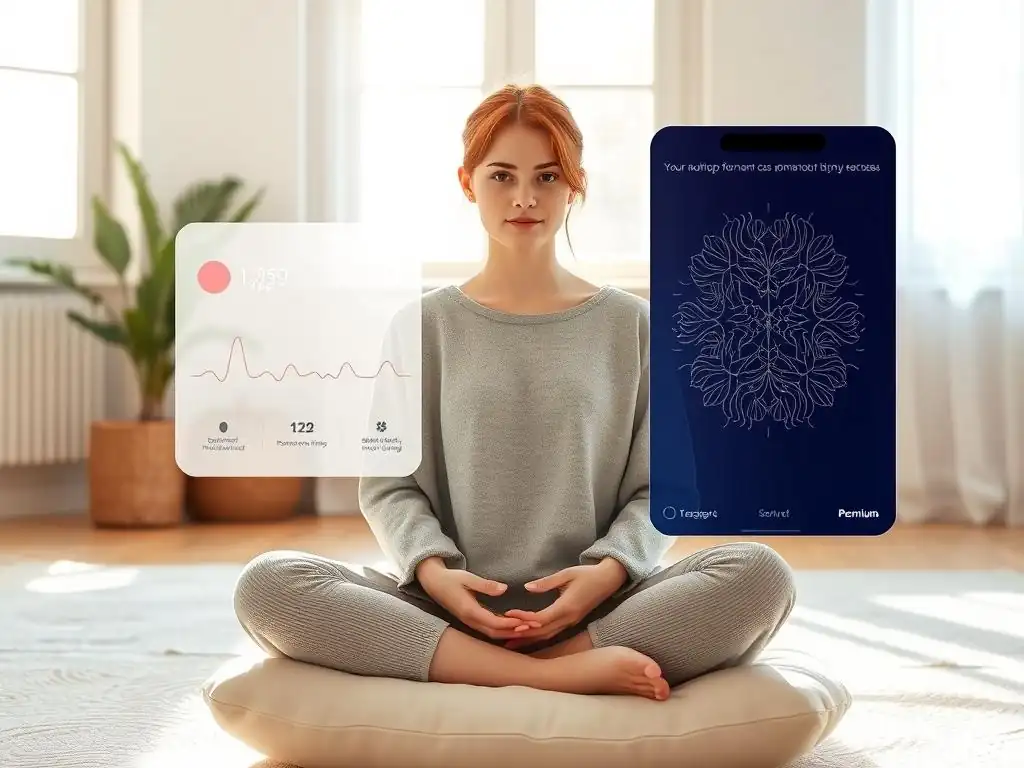
Welcome to Mind Care Guide, a space dedicated to nurturing your mental well-being.
Feeling overwhelmed by the sheer number of meditation apps out there? You're not alone. It can be daunting to choose, especially when you're just starting out. That's why we've created this comprehensive guide to help you navigate the world of meditation apps for beginners. Discover the pros and cons of free versus paid options, and find the perfect app to kickstart your mindfulness journey. Let's explore together!
Free vs. Paid: Choosing Your First Meditation App as a Beginner
- Finding the Right Meditation App for Beginners: A Comprehensive Guide
- Understanding Your Meditation Needs as a Beginner
- Exploring Free Meditation Apps for Beginners
- Diving into Paid Meditation Apps for Beginners
- Free vs. Paid Meditation Apps: A Detailed Comparison
- Making Your Choice: Which Meditation App is Right for You?
- Maximizing Your Meditation App Experience for Mental Wellness
-
Frequently Asked Questions
- What are the key differences between free and paid meditation apps for beginners?
- Is a paid meditation app necessary for a beginner to experience the benefits of meditation?
- How do I determine which features are most important in a meditation app?
- Are there any risks associated with using meditation apps, especially for beginners?
- How can I find reputable and effective meditation apps, whether free or paid?
- Final Reflection: Finding Your Path to Inner Peace Through Meditation Apps
- Unlock Your Inner Peace: Start Your Meditation Journey Today!
Finding the Right Meditation App for Beginners: A Comprehensive Guide
Starting a meditation practice can be a transformative step towards improving mental well-being. For many beginners, the first point of contact with meditation is often through a smartphone app. These tools offer convenience and structure, making the ancient practice accessible in modern life. However, the sheer number of available meditation apps can be overwhelming, especially when faced with the decision between free and paid options.
This guide aims to simplify that choice for newcomers. We will explore the key differences between free and paid meditation app for beginners options, examining their features, costs, and overall user experience. By understanding what each type of app offers, beginners can make an informed decision that aligns with their personal goals and budget, setting a positive foundation for their meditation journey.
Understanding Your Meditation Needs as a Beginner
Embarking on meditation is a personal journey, and your initial needs as a beginner will shape which tools are most helpful. Before diving into the app stores, taking a moment to reflect on what you hope to gain from the practice is crucial.
Identifying Your Goals with a Beginner Meditation App
For many starting out, the primary goals are often related to managing stress, improving focus, or getting better sleep. A meditation app for beginners can provide guided sessions specifically designed for these common challenges. Someone looking to reduce daily anxiety might seek short, calming exercises, while another hoping to improve concentration might look for mindfulness practices focused on attention training.
Clarifying your motivation helps narrow down the features you'll need. If your goal is purely relaxation before bed, an app with extensive sleep stories and ambient sounds might be appealing. If you're interested in understanding the why behind meditation, an app that includes talks or lessons on the science of mindfulness could be a better fit. Recognizing these initial goals is the first step in finding the right digital companion for your practice.
Free vs. Paid: Recognizing the Differences in Meditation App Features
The most significant distinction between free and paid meditation app for beginners lies in the breadth and depth of their features and content libraries. Free apps typically offer core functionalities, such as basic guided meditations, a simple timer for unguided sessions, and perhaps a few introductory courses. They provide a solid entry point to learn the fundamentals of sitting meditation or basic breathing exercises.
Paid apps, on the other hand, usually unlock a much wider array of content and premium features. This often includes extensive libraries of guided meditations across diverse topics (like focus, relationships, pain management), multi-day or multi-week courses, sleep content (stories, sounds), exclusive music, teacher talks, offline access, detailed progress tracking, and sometimes features like community forums or personalized recommendations. Think of it as moving from a basic toolkit to a comprehensive workshop.
Exploring Free Meditation Apps for Beginners
Starting with a free meditation app for beginners is an excellent way to explore the practice without financial commitment. Several high-quality free options are available, each offering unique benefits.
Insight Timer: A Wide Variety of Free Guided Meditations
Insight Timer is renowned for its vast collection of free content, reportedly offering over 100,000 guided meditations, talks, and music tracks contributed by over 15,000 teachers globally. For a beginner, this means access to an incredible diversity of styles, lengths, and topics, allowing exploration to find what resonates most. The app also features a popular, customizable meditation timer with ambient sounds.
While the sheer volume can sometimes feel overwhelming, the app's strong search and filter functions help beginners navigate the library. You can search by duration (e.g., 5 or 10 minutes, perfect for beginners), specific topics (stress, anxiety, sleep), or teacher. This makes Insight Timer a powerful free resource for those who want to sample many different approaches before settling on a preferred style or teacher.
UCLA Mindful Awareness Research Center: Free Guided Meditations and Resources
The UCLA Mindful Awareness Research Center (MARC) offers a collection of free guided meditations rooted in scientific research. Often available directly on their website or through a simple, no-frills app, these meditations are led by experienced teachers and are based on established mindfulness principles. The focus is on providing accessible, high-quality instruction without commercial features.
The benefit for beginners is access to reliable, research-backed content from a reputable institution at no cost. These resources are straightforward and focus purely on the practice itself, free from distractions like premium upsells or social features. While the content library is much smaller than commercial apps, the quality and foundational nature of the meditations make it an excellent starting point for understanding core mindfulness techniques.
Healthy Minds Program App: Free Introductory Course
The Healthy Minds Program, developed by neuroscientist Dr. Richard Davidson and the Center for Healthy Minds, offers a unique, systematic approach to well-being based on four pillars: Awareness, Connection, Insight, and Purpose. The core introductory program of their app is often available completely free, providing a structured path for beginners to learn foundational skills.
This app stands out because it's not just a collection of meditations but a progressive training program. Beginners are guided through lessons and practices designed to build specific skills related to these pillars. The free core program offers substantial value, providing a solid educational foundation alongside the meditation practices. It's ideal for beginners who prefer a structured, science-informed approach to developing mental well-being.
Diving into Paid Meditation Apps for Beginners
If you're looking for a more structured experience, extensive content libraries, or premium features like offline access and high-quality production, a paid meditation app for beginners might be worth considering. Many offer free trials, allowing you to test the waters.
Headspace: Comprehensive Meditation Programs for All Levels
Headspace is one of the most well-known meditation apps, recognized for its friendly, animated interface and clear, concise guidance provided by co-founder Andy Puddicombe. It offers structured courses starting with the basics, making it particularly welcoming for absolute beginners. The "Take 10" program, for instance, introduces meditation in bite-sized 10-minute sessions over 10 days.
Beyond the introductory content, Headspace boasts a vast library covering topics from managing anxiety and stress to improving focus and relationships. It includes specific meditations for different times of day, "SOS" sessions for moments of crisis, and content for physical activities like running or walking. The app's strength lies in its consistent voice, progressive curriculum, and engaging design, which helps beginners build a regular practice. After a free trial, access requires a paid subscription, typically around $13 per month or $70 annually.
Calm is another highly popular paid meditation app for beginners, often highlighted for its focus on relaxation and sleep. While it offers guided meditations covering various topics, it's perhaps best known for its extensive library of "Sleep Stories" narrated by celebrities and soothing ambient sounds and music. The app features a visually appealing interface often displaying serene nature scenes.
For beginners primarily seeking stress reduction or help falling asleep, Calm provides a wealth of tailored content. It offers daily guided meditations ("The Daily Calm"), breathing programs, and masterclasses. The premium subscription unlocks all content, including the full Sleep Story library (reportedly over 200 stories) and exclusive music tracks. Like Headspace, it operates on a subscription model, often priced similarly, making it a significant investment after the initial free trial.
Ten Percent Happier: Science-Backed Meditation for Skeptics
Born from the book by ABC News anchor Dan Harris, Ten Percent Happier targets users who might be skeptical about meditation. The app features guided meditations and video lessons from renowned meditation teachers and scientists, often addressing common doubts and providing evidence-based explanations for how meditation works.
This approach makes it an excellent meditation app for beginners who prefer a rational, no-nonsense introduction to the practice. The content is curated and high-quality, featuring diverse teaching styles from respected figures in the mindfulness world. While it requires a paid subscription after a limited free trial, it offers a unique blend of practical guidance and educational content, appealing to those who value understanding the 'why' alongside the 'how' of meditation.
Free vs. Paid Meditation Apps: A Detailed Comparison

Choosing between a free and paid meditation app for beginners ultimately comes down to weighing the pros and cons of each model against your personal needs and willingness to invest. A direct comparison of key aspects can help clarify the decision.
Meditation App Features: Side-by-Side Comparison
When comparing features, free apps typically provide foundational tools: basic guided meditations (often limited in number or topic), a simple timer, and perhaps short introductory series. Think of a free offering having maybe 10-20 core guided sessions and a timer. They are excellent for learning the absolute basics of sitting and breathing mindfully.
Paid apps expand significantly on this. They offer hundreds, sometimes thousands, of guided sessions covering specific emotions, situations, or goals. Features like personalized recommendations, progress tracking with detailed statistics (e.g., total minutes meditated, session streaks), offline downloads, exclusive music, sleep stories, and advanced courses on specific techniques (like loving-kindness or body scans) are standard in premium versions. For example, a paid app might offer a 28-day course specifically on cultivating gratitude, a feature rarely found in free versions.
Meditation App Cost: Understanding Subscription Models
The cost structure is the most obvious difference. Free meditation app for beginners options require no payment, though some might have optional donation features or limited premium tiers. Their sustainability often relies on donations, institutional funding (like UCLA's), or serving as a gateway to other paid services.
Paid apps almost universally use subscription models, typically billed monthly or annually. Monthly costs often range from $10 to $15, while annual subscriptions can range from $50 to $100, offering a significant discount over the monthly rate. For instance, an annual plan might cost roughly $70, breaking down to less than $6 per month. This recurring cost grants full access to the app's entire content library and premium features for the subscription period.
Meditation App User Experience: Finding What Works for You
The user experience (UX) can vary significantly. Paid apps generally invest heavily in polished interfaces, intuitive navigation, and high-quality audio/visuals. They aim to create a seamless and engaging experience that encourages regular use. The design often feels professional and user-friendly, with features like easy progress tracking and personalized content suggestions.
Free apps can have a wider range in UX quality. Some, like the UCLA resource, are intentionally simple and functional. Others, like Insight Timer, manage a vast amount of content reasonably well but can feel less curated than a premium app. The voice of the instructor, the background music, and the overall flow of the app are subjective elements of UX that greatly impact a beginner's experience. Trying free trials or exploring the free content is essential to find an interface and style that feels comfortable and motivating.
Making Your Choice: Which Meditation App is Right for You?
Deciding on the best meditation app for beginners involves considering your financial situation, personal preferences regarding learning style and content, and how you see meditation fitting into your life long-term.
Budget Considerations for a Beginner Meditation App
For someone just starting out and unsure if meditation will become a regular practice, beginning with a completely free app or utilizing the free trials offered by paid apps is the most sensible approach. Resources like UCLA MARC or the core Healthy Minds Program provide high-quality foundational content without any financial risk. Insight Timer's vast free library also allows extensive exploration at no cost.
If, after using free resources or trials, you find that meditation is beneficial and you crave more variety, structure, or specific features (like sleep support or advanced courses), then investing in a paid subscription might be justified. Consider the annual cost as an investment in your mental wellness, similar to a gym membership or a class fee. It's a decision based on perceived value and commitment.
Personal Preferences: Finding a Meditation Style that Resonates
Meditation is not one-size-fits-all. Different teachers have different voices and styles. Some beginners prefer a warm, calming voice, while others respond better to a direct, instructional approach. The type of meditation (mindfulness of breath, body scan, loving-kindness) and the presence or absence of background music or nature sounds also play a big role in comfort and engagement.
Experimentation is key here. Since many apps offer free content or trials (typically 7 to 30 days), take advantage of these opportunities. Try a few different apps and listen to various teachers. See which voice feels most soothing or trustworthy, which style of meditation feels most accessible, and which app interface is most intuitive. Finding a style that resonates increases the likelihood of sticking with the practice.
Long-Term Commitment: Investing in Your Mental Well-being
Consider how you envision your meditation practice evolving. If you see it as a long-term commitment to mental wellness, a paid app might offer advantages. Premium apps often provide content designed for progression, moving from beginner basics to intermediate and advanced techniques. They can offer fresh content regularly, keeping the practice engaging over months and years.
While free resources are invaluable for starting, they might not offer the same depth or structure for continuous learning. A paid subscription can feel like a commitment to yourself and your well-being, providing access to a comprehensive library that supports growth over time. However, consistency with any app, free or paid, is more important than the app itself.
Maximizing Your Meditation App Experience for Mental Wellness
Choosing a meditation app for beginners is just the first step. To truly benefit from it for your mental wellness, you need to integrate it effectively into your life.
Creating a Consistent Meditation Routine
Consistency is far more important than duration or perfection, especially when you're a beginner. Aim to meditate for a short period daily, even just 5 to 10 minutes. Many apps offer short sessions designed for busy schedules. Try linking your meditation practice to an existing daily habit, such as right after waking up, before breakfast, or before going to bed.
Most meditation apps include features like daily reminders, session tracking, and "streak" counters. Use these tools to help build and maintain your routine. Finding a specific time and a quiet space where you won't be interrupted will also significantly improve the quality and consistency of your practice.
Tracking Your Progress and Adjusting Your Approach
Many meditation app for beginners options, especially paid ones, offer detailed progress tracking, showing you how many sessions you've completed or total minutes you've meditated. While the goal isn't just accumulating numbers, seeing your consistency can be highly motivating and provide a sense of accomplishment.
Beyond the numbers, take time to reflect on how the practice is impacting you. Are you feeling slightly less stressed? Are you noticing moments of mindfulness during the day? If a particular type of meditation or teacher isn't working after a few weeks, don't hesitate to explore other options within the app or even try a different app altogether. Your meditation journey is dynamic, and your approach can be adjusted as you learn more about what helps you.
Integrating Meditation into Your Daily Life
The ultimate goal of using a meditation app for beginners is not just to become good at sitting still for a set amount of time, but to cultivate mindfulness and awareness that extends into all aspects of your life. Use the skills learned in your guided sessions – like noticing thoughts without judgment or bringing your attention back to the present moment – throughout your day.
Many apps offer short, informal practices that can be done while walking, eating, or doing chores. These exercises help bridge the gap between formal seated meditation and everyday life. By consciously applying mindfulness in various situations, you harness the full potential of your meditation practice to improve focus, manage difficult emotions, and enhance your overall mental well-being. The app is a valuable tool, but the practice is about cultivating a mindful way of being.
Frequently Asked Questions
What are the key differences between free and paid meditation apps for beginners?
Free apps often offer a limited selection of guided meditations and features. Paid apps usually provide a wider variety of content, including specialized programs and personalized support.
Is a paid meditation app necessary for a beginner to experience the benefits of meditation?
No, a paid app is not strictly necessary. Many free apps offer excellent introductory content to learn the basics and establish a meditation practice.
How do I determine which features are most important in a meditation app?
Consider your specific needs and preferences. Do you prefer guided meditations, unguided sessions, or specific focus areas like sleep or anxiety? Review app descriptions and trials to find the best fit.
Are there any risks associated with using meditation apps, especially for beginners?
While generally safe, some individuals may experience increased anxiety or discomfort when confronting difficult emotions. It's important to start slowly, listen to your body, and consult a professional if needed.
How can I find reputable and effective meditation apps, whether free or paid?
Look for apps developed by qualified professionals or organizations with a strong reputation in mental health. Read user reviews and compare ratings to assess the app's effectiveness and user experience.
Final Reflection: Finding Your Path to Inner Peace Through Meditation Apps
The quest for mindfulness in our increasingly frenetic world has led many to seek solace in meditation apps, but navigating the vast landscape of free and paid options can be daunting for beginners. The sheer number of choices, coupled with the often-vague descriptions, makes choosing the right app feel overwhelming. This article aimed to demystify this process, providing a clear framework for evaluating different apps based on your individual needs and budget.
The impact of readily accessible meditation apps on our collective well-being is undeniable. The ease of incorporating mindfulness into daily life, even in small increments, has democratized access to practices once considered esoteric. The mind is everything. What you think you become.
– Buddha. This ancient wisdom is now readily available through the simple download of an app, highlighting the transformative power of technology when harnessed for personal growth. The ongoing evolution of these apps, with new features and personalized approaches constantly emerging, promises even greater accessibility and effectiveness in the years to come.
Now, consider your own journey. Which aspects of the apps discussed resonated most with you? What features are essential for your meditation practice? Don't be afraid to experiment! The perfect app isn't a one-size-fits-all solution. Take the insights gained from this article, reflect on your personal needs, and embark on your own exploration of the world of meditation apps. Find the app that speaks to your soul, and begin your journey towards a calmer, more centered you.
Unlock Your Inner Peace: Start Your Meditation Journey Today!
Thanks for taking the time to explore the world of meditation with us! We hope this guide helped you understand the differences between free and paid meditation apps and empowered you to choose the right one for your needs. Now, it's time to take the next step on your journey to inner peace.
- Download your chosen app and start your first guided meditation session. This is the most important step! Even 5 minutes can make a difference.
- Share your experience with other beginners in the comments below. Let's build a supportive community! What app did you choose and why?
- Explore different meditation techniques within your chosen app to discover what resonates best with you. Experiment and find what works!
Ready to embrace the calming power of mindfulness? What's the first meditation you'll try?