
Chronic Pain, Chronic Sadness? Addressing Depression with Physical Illness in Seniors

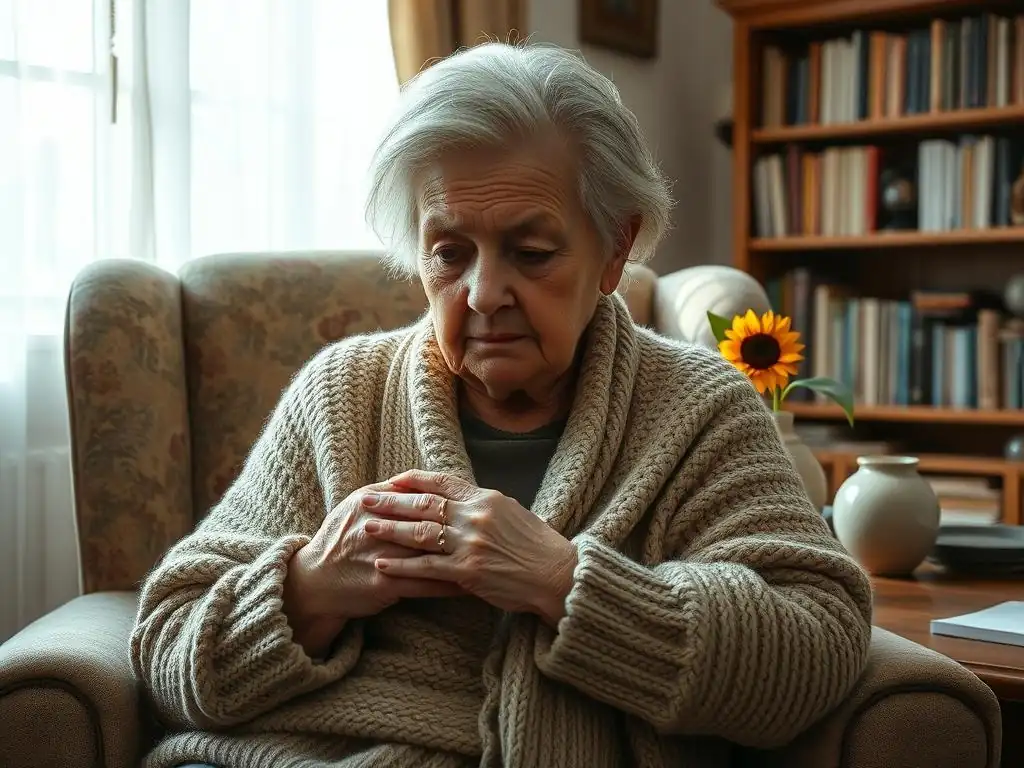
Welcome to Mind Care Guide, a sanctuary for navigating the complexities of mental well-being. Feeling overwhelmed by the intersection of chronic pain and depression, especially as a senior? You're not alone. This week, we delve into the intricate connection between Senior Depression Chronic Pain, offering insights and support to help you understand and manage this challenging combination. Discover practical strategies and resources that can illuminate a path towards greater comfort and emotional resilience. Let's explore together.
Chronic Pain, Chronic Sadness? Addressing Depression with Physical Illness in Seniors
- Understanding the Link Between Chronic Pain and Depression in Older Adults
- Recognizing the Symptoms of Depression Alongside Chronic Pain in Seniors
- The Interplay of Senior Depression, Chronic Pain, and Physical Illness
-
Effective Treatment Strategies for Senior Depression and Chronic Pain
- Integrated Approaches: Treating Both Physical and Mental Health Simultaneously
- Psychological Therapies for Seniors Coping with Chronic Pain and Depression
- Medication Management for Depression in Seniors with Chronic Pain
- The Role of Physical Therapy and Exercise in Managing Both Pain and Depression in Seniors
- Lifestyle Modifications and Self-Care for Seniors Living with Chronic Pain and Depression
- Seeking Professional Help for Senior Depression and Chronic Pain
-
Frequently Asked Questions
- How are chronic pain and depression linked in seniors?
- What are some of the specific challenges seniors face when dealing with both chronic pain and depression?
- What non-pharmacological treatments are effective for seniors experiencing chronic pain and depression?
- How can family members and caregivers support a senior struggling with chronic pain and depression?
- Where can seniors and their families find resources and support for managing chronic pain and depression?
- Final Reflection: Weaving Together Body and Mind in Aging
- Unlock Your Senior Years: Find Joy & Relief from Chronic Pain
Understanding the Link Between Chronic Pain and Depression in Older Adults
The Prevalence of Depression with Chronic Pain in Seniors
Chronic pain and senior depression often coexist, creating a complex challenge for older adults. Studies indicate a significant overlap between these two conditions in the senior population. For instance, research suggests that up to 50% of older adults living with chronic pain also experience significant depressive symptoms.
This is considerably higher than the rate of depression in older adults without chronic pain, which is estimated to be around 1-5% for major depression in community-dwelling seniors and higher in those with medical illnesses. Addressing this co-occurrence is vital for improving the quality of life for seniors grappling with senior depression chronic pain.
The statistics paint a clear picture of the intertwined nature of these conditions. Data from various health surveys highlight that as the severity of chronic pain increases, so does the likelihood and intensity of depressive symptoms in older adults. Pain conditions like osteoarthritis, back pain, neuropathic pain, and fibromyalgia are particularly associated with higher rates of depression in seniors. This highlights the importance of recognizing that chronic pain is not just a physical issue but one that significantly impacts mental well-being and can contribute to senior depression chronic pain.
How Chronic Pain Contributes to Feelings of Sadness and Hopelessness in Older Adults
Living with persistent, unrelenting pain can be profoundly debilitating, eroding an individual's sense of control and well-being. Chronic pain often leads to a cycle of reduced activity, social isolation, and sleep disturbances, all of which are known risk factors for depression. The constant physical discomfort can make even simple daily tasks feel overwhelming, leading to frustration, sadness, and a sense of hopelessness about the future. This persistent negative state can pave the way for the development of senior depression chronic pain.
Furthermore, the neurobiological pathways involved in pain processing are closely linked to those regulating mood. Chronic pain can alter brain chemistry, affecting neurotransmitters like serotonin and norepinephrine, which are crucial for mood regulation. This biological connection, combined with the psychological burden of enduring pain, creates a fertile ground for depressive symptoms to take root. The emotional toll of chronic pain is immense, often leading seniors to feel like a burden, lose interest in activities they once enjoyed, and experience profound feelings of sadness – classic signs of senior depression chronic pain.
The Impact of Physical Limitations on Mental Well-being in Seniors
Physical limitations imposed by chronic pain significantly impact an older adult's independence and quality of life, directly affecting their mental well-being. Mobility issues can restrict participation in social activities, hobbies, and even simple outings, leading to isolation and loneliness. A senior who once enjoyed gardening or playing with grandchildren may find these activities too painful, resulting in a loss of purpose and enjoyment. This forced reduction in cherished activities can contribute substantially to feelings of sadness, frustration, and the onset of senior depression chronic pain.
The inability to perform daily self-care tasks without difficulty or assistance can also be a major blow to an older adult's self-esteem. Relying on others for help with dressing, bathing, or meal preparation, due to pain-related limitations, can foster feelings of inadequacy and dependence. This loss of autonomy, coupled with the constant reminder of their physical limitations, can exacerbate feelings of depression and anxiety. Understanding this profound impact is crucial when addressing senior depression chronic pain.
Recognizing the Symptoms of Depression Alongside Chronic Pain in Seniors
Identifying Depressive Symptoms Often Overlooked in Seniors with Chronic Pain
Recognizing depression in older adults with chronic pain can be challenging because some symptoms overlap or are attributed solely to the physical condition. For example, fatigue, sleep disturbances, and reduced appetite are common in both chronic pain and depression. Family members or even healthcare providers might dismiss these as expected consequences of the pain or aging itself, missing the underlying senior depression chronic pain. It's crucial to look for other indicators beyond these, such as persistent sadness, loss of interest or pleasure in activities (anhedonia), feelings of worthlessness or guilt, difficulty concentrating, and changes in psychomotor activity.
Moreover, depression in seniors might manifest less as overt sadness and more as irritability, withdrawal, anxiety, or somatic complaints that aren't fully explained by the physical illness. A senior might complain more about their pain or other physical ailments, using these as a way to express distress rather than articulating feelings of sadness. They might also show a marked decrease in motivation or engagement with their medical care for the pain, which can be a sign of depression. Being attuned to these subtle presentations is key to identifying senior depression chronic pain.
It is essential to differentiate between the natural suffering associated with chronic pain and the distinct symptoms of clinical depression. Suffering from pain involves distress, frustration, and limitation, which are valid responses to a difficult physical condition. However, senior depression involves a pervasive low mood or loss of interest that colors all aspects of life, not just those directly impacted by pain.
For instance, a senior with chronic knee pain might be sad about not being able to walk long distances, but they might still enjoy reading or talking with family. A senior experiencing senior depression chronic pain, however, would likely lose interest even in these activities.
Key distinctions lie in the presence of anhedonia (loss of pleasure), feelings of worthlessness or excessive guilt unrelated to the pain, recurrent thoughts of death or suicide, and a significant decline in overall functioning and self-care beyond what the physical pain alone would cause. While pain causes suffering, depression adds layers of pervasive negativity, self-blame, and a profound sense of hopelessness that extends beyond the physical discomfort. Carefully assessing these psychological dimensions is vital for accurate diagnosis of senior depression chronic pain.
The Importance of Early Detection and Diagnosis of Depression in Elderly Patients with Chronic Pain
Early detection and accurate diagnosis of senior depression chronic pain are critical for effective management and improving outcomes. Untreated depression can exacerbate pain perception, impair cognitive function, increase disability, and even shorten lifespan in older adults. It can also make managing the chronic pain itself more difficult, as depression can reduce motivation to engage in physical therapy, take medication as prescribed, or maintain healthy lifestyle habits.
Identifying depression early allows for timely intervention with appropriate treatments, which can significantly improve both mood and pain levels. Prompt diagnosis prevents the downward spiral where untreated depression worsens pain, which in turn deepens depression. Healthcare providers caring for seniors with chronic pain should routinely screen for depression using validated tools and be aware of the unique ways senior depression chronic pain can present. Educating seniors and their families about the link between pain and mood is also crucial for encouraging them to seek help.
The Interplay of Senior Depression, Chronic Pain, and Physical Illness

Exploring the Biological Mechanisms Linking Pain and Mood Disorders in Seniors
The biological link between chronic pain and depression in seniors is complex and involves shared neurochemical pathways and brain regions. Both conditions are associated with dysregulation of neurotransmitters such as serotonin, norepinephrine, and dopamine, which play roles in mood, pain perception, and reward processing. Chronic pain can deplete these neurotransmitters, contributing to depressive symptoms, while depression can alter the brain's pain processing centers, potentially increasing sensitivity to pain. This biological connection underscores why senior depression chronic pain is so common.
Furthermore, structural and functional changes in the brain, particularly in areas like the prefrontal cortex, amygdala, and hippocampus, are observed in both chronic pain and major depression. These areas are involved in emotional regulation, stress response, and cognitive function. Chronic stress associated with persistent pain can lead to neuroinflammation and changes in brain plasticity, further contributing to mood disturbances. Understanding these biological underpinnings is essential for developing targeted treatments for senior depression chronic pain.
The Role of Inflammation in Both Chronic Pain and Depression in Older Adults
Inflammation is increasingly recognized as a key player in the development and maintenance of both chronic pain and depression, particularly in older adults. Chronic pain conditions, such as osteoarthritis or inflammatory bowel disease, often involve systemic inflammation. This inflammatory process releases cytokines and other signaling molecules that can cross the blood-brain barrier and affect brain function. These inflammatory mediators can influence neurotransmitter metabolism, neuroendocrine function, and neuroplasticity, contributing to depressive symptoms.
Conversely, psychological stress and depression can also activate inflammatory pathways, creating a vicious cycle. In seniors, age-related increases in baseline inflammation (often referred to as "inflammaging") may make them particularly vulnerable to the co-occurrence of chronic pain and depression. Targeting inflammation may therefore be a promising avenue for treating both aspects of senior depression chronic pain. For example, certain anti-inflammatory approaches, both pharmacological and lifestyle-based, are being explored for their potential benefits in mood disorders alongside pain management.
How Physical Illness Can Exacerbate Depression in Seniors Experiencing Chronic Pain
Chronic physical illnesses, beyond the pain itself, can significantly exacerbate senior depression chronic pain. Conditions like cardiovascular disease, diabetes, respiratory illnesses, or neurological disorders often involve fatigue, functional decline, frequent medical appointments, and complex medication regimens. These factors add layers of physical and psychological burden onto an already challenging situation of chronic pain, increasing the risk and severity of depression.
Managing multiple chronic conditions can be overwhelming, leading to feelings of stress, anxiety, and being out of control. The symptoms of the physical illness itself, such as breathlessness from COPD or weakness from heart failure, can further limit activity and social engagement, deepening isolation. Polypharmacy, common in seniors with multiple conditions, can also contribute to depressive symptoms or interact with medications used for pain or mood. The cumulative effect of multiple health challenges creates a heightened vulnerability to severe senior depression chronic pain.
Effective Treatment Strategies for Senior Depression and Chronic Pain
Integrated Approaches: Treating Both Physical and Mental Health Simultaneously
The most effective approach to managing senior depression chronic pain is an integrated one that addresses both the physical pain and the mental health aspects concurrently. Treating only the pain without addressing depression may result in inadequate pain relief and persistent low mood. Conversely, treating only depression might not alleviate pain sufficiently, which can hinder recovery from depression. A coordinated care plan involving primary care physicians, pain specialists, and mental health professionals is ideal.
Integrated care models often involve a multidisciplinary team working together to develop a holistic treatment plan. This plan might include pain management techniques, physical therapy, psychological therapy, medication management, and lifestyle interventions. For instance, a senior might receive medication for neuropathic pain, attend physical therapy sessions, participate in cognitive behavioral therapy (CBT) for depression and pain coping, and work on improving sleep hygiene. This comprehensive strategy targets the complex interplay of senior depression chronic pain.
Psychological Therapies for Seniors Coping with Chronic Pain and Depression
Psychological therapies are cornerstone treatments for senior depression chronic pain, helping individuals develop coping skills and change negative thought patterns.
Cognitive Behavioral Therapy (CBT) for Chronic Pain and Depression in Older Adults
CBT is a well-established therapy that is highly effective for both chronic pain and depression. For seniors with chronic pain and depression, CBT helps identify and challenge negative thoughts about pain, limitations, and self-worth. It teaches strategies for pain coping, activity pacing, and improving sleep. A typical course might involve 8-12 weekly sessions. Studies have shown that CBT can significantly reduce pain intensity, improve physical function, and decrease depressive symptoms in older adults with chronic pain. For example, research on seniors with osteoarthritis pain found that CBT led to measurable improvements in mood and daily functioning.
Mindfulness-Based Interventions for Pain and Mood Management in Seniors
Mindfulness-based interventions, such as Mindfulness-Based Stress Reduction (MBSR), teach techniques to increase awareness of the present moment without judgment. For seniors with chronic pain and depression, mindfulness can help them relate differently to their pain and distressing thoughts. Instead of fighting the pain, they learn to observe it with acceptance, which can reduce suffering.
These interventions often involve meditation, gentle movement, and body scans. While research in seniors is growing, studies in broader populations with chronic pain and depression show that mindfulness can reduce pain intensity, improve mood, and enhance quality of life. A typical MBSR program lasts 8 weeks.
Acceptance and Commitment Therapy (ACT) for Seniors Living with Chronic Pain and Depression
ACT is another valuable therapy for senior depression chronic pain. It focuses on accepting what cannot be changed (like chronic pain) and committing to actions aligned with personal values, regardless of pain levels. ACT helps seniors reduce the struggle against pain and difficult emotions, freeing up energy to pursue meaningful activities. It encourages psychological flexibility and living a rich, full life even with limitations. For seniors struggling with hopelessness associated with chronic pain and depression, ACT can provide a framework for finding meaning and purpose. Evidence suggests ACT can improve function and reduce distress in individuals with chronic pain.
Medication Management for Depression in Seniors with Chronic Pain
Medication can be an important part of treating senior depression chronic pain, but it requires careful consideration due to age-related changes in metabolism and the presence of multiple health conditions.
Considerations for Antidepressant Use in Older Adults with Physical Illnesses
Selecting an antidepressant for a senior with chronic pain and other physical illnesses involves weighing efficacy, side effect profiles, and potential drug interactions. Selective Serotonin Reuptake Inhibitors (SSRIs) and Serotonin-Norepinephrine Reuptake Inhibitors (SNRIs) are often first-line treatments. SNRIs like duloxetine (which is also approved for certain chronic pain conditions) can be particularly beneficial as they may address both depression and pain simultaneously.
However, dosages typically start lower in seniors and are increased gradually. Tricyclic antidepressants (TCAs) are generally used with caution due to a higher risk of side effects like sedation, confusion, and cardiac issues, although some, like nortriptyline, may be used at low doses for neuropathic pain and depression.
Potential Side Effects and Interactions to Monitor
Monitoring for side effects is crucial when prescribing antidepressants to seniors. Common side effects include nausea, dizziness, insomnia, or fatigue. More serious concerns in older adults can include hyponatremia (low sodium levels), increased risk of falls, and potential cardiac effects depending on the medication class. Drug interactions are also a significant concern, as seniors with chronic pain and multiple physical illnesses often take several medications. A thorough review of all current medications is necessary before starting an antidepressant to avoid adverse interactions, such as those affecting blood thinners or cardiac medications. Close monitoring and regular follow-up are essential.
The Role of Physical Therapy and Exercise in Managing Both Pain and Depression in Seniors
Physical therapy and regular exercise are invaluable tools in managing both chronic pain and senior depression chronic pain. A physical therapist can design a tailored exercise program that is safe and effective for the individual's specific pain condition and physical capabilities. Exercise helps improve strength, flexibility, and balance, which can reduce pain and improve function. For example, targeted exercises can significantly reduce knee pain in seniors with osteoarthritis, improving their ability to move and engage in activities.
Beyond the physical benefits, exercise has well-documented positive effects on mood. Physical activity releases endorphins, which have mood-boosting effects. Regular exercise can also improve sleep quality and provide a sense of accomplishment and control, counteracting feelings of helplessness associated with chronic pain and depression. Even moderate activity, such as walking for 20-30 minutes a few times a week, has been shown to reduce depressive symptoms in older adults. Combining physical therapy to address pain mechanisms with regular exercise for both pain and mood benefits is a powerful integrated strategy for senior depression chronic pain.
Lifestyle Modifications and Self-Care for Seniors Living with Chronic Pain and Depression
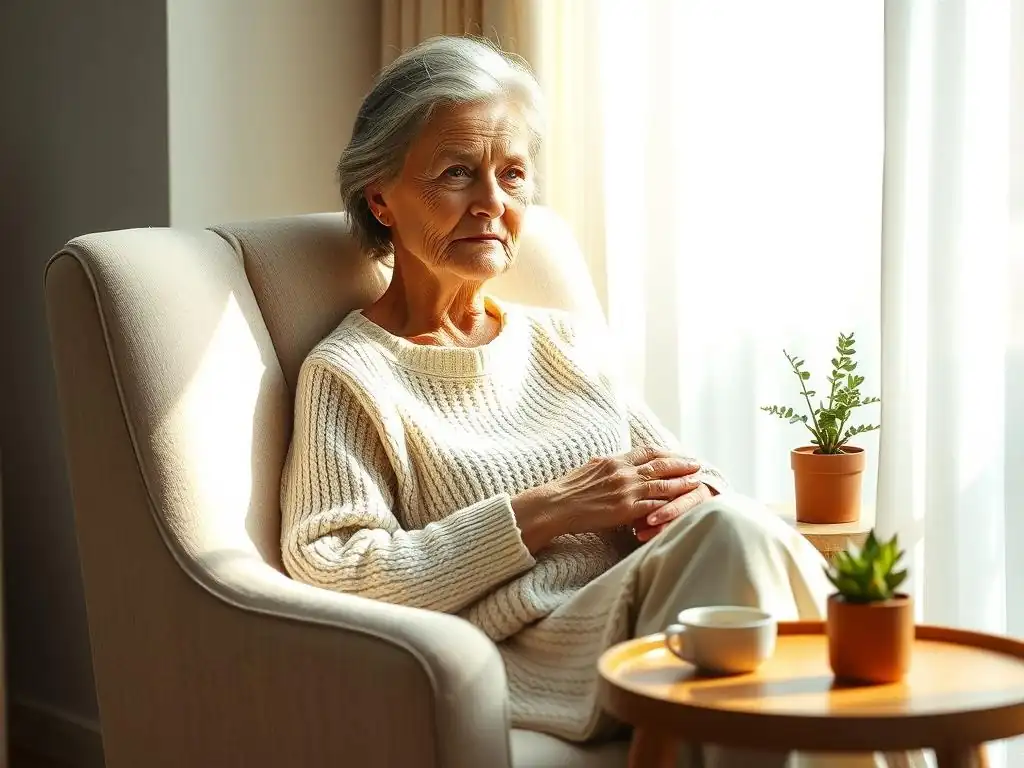
Social isolation is a major risk factor for depression in seniors, and chronic pain often exacerbates this by limiting mobility and participation in social activities. Actively promoting social engagement is a critical lifestyle modification for managing senior depression chronic pain. Encouraging participation in senior centers, community groups, religious services, or simply regular visits with family and friends can provide emotional support and reduce feelings of loneliness. Technology, such as video calls, can also help seniors stay connected, especially if mobility is severely limited.
Simple steps like scheduling regular phone calls, arranging transportation to social events, or finding pain-friendly group activities (like gentle yoga or water aerobics) can make a significant difference. Studies show that seniors with strong social networks report lower levels of pain and depression compared to those who are isolated. Fostering these connections is not just about entertainment; it's a vital component of mental and physical health for seniors dealing with senior depression chronic pain.
Nutritional Strategies to Support Mood and Pain Management in Seniors
Nutrition plays a role in both inflammation and mood regulation, making it a relevant area for lifestyle modification in senior depression chronic pain. While diet alone won't cure these conditions, adopting an anti-inflammatory diet rich in fruits, vegetables, whole grains, lean proteins, and healthy fats (like omega-3 fatty acids found in fish) can potentially help manage inflammation associated with chronic pain and may support brain health and mood. Limiting processed foods, excessive sugar, and unhealthy fats is also generally recommended.
Specific nutrients are linked to mood; for example, deficiencies in B vitamins, Vitamin D, and omega-3 fatty acids have been associated with increased risk of depression. Ensuring adequate intake through diet or supplements (under medical guidance) may be beneficial. Staying well-hydrated is also important for overall health. While direct evidence linking specific diets definitively to reduced senior depression chronic pain is still evolving, adopting a balanced, nutrient-dense diet supports overall well-being and can complement other treatment strategies.
The Importance of Sleep Hygiene for Seniors with Chronic Pain and Depression
Sleep disturbances are incredibly common in individuals with chronic pain and depression, and poor sleep can worsen both conditions, creating a negative feedback loop in senior depression chronic pain. Improving sleep hygiene is a crucial lifestyle modification. This involves establishing a regular sleep schedule, creating a dark, quiet, and cool sleep environment, and avoiding stimulants like caffeine and nicotine, especially in the afternoon and evening.
Limiting naps, particularly long or late-afternoon ones, can help consolidate nighttime sleep. Establishing a relaxing bedtime routine, such as reading or taking a warm bath, can signal the body that it's time to wind down. Managing pain before bed, perhaps with medication or gentle stretching as recommended by a doctor, can also help reduce sleep disruptions. Addressing sleep problems is a vital step in breaking the cycle of pain and poor mood in senior depression chronic pain.
Seeking Professional Help for Senior Depression and Chronic Pain
Finding a Geriatric Mental Health Specialist Experienced in Pain Management
Given the complexity of senior depression chronic pain, seeking help from healthcare professionals experienced in both geriatric mental health and pain management is highly recommended. A geriatric psychiatrist or a clinical psychologist specializing in older adults can accurately diagnose depression in the context of chronic illness and recommend appropriate psychological therapies or medication management tailored to the senior's needs and other health conditions.
Ideally, finding a professional or a clinic that uses an integrated care model can be most beneficial. These specialists understand the unique challenges faced by older adults, including the physiological changes of aging, potential drug interactions, and the psychological impact of multiple chronic conditions. They can work collaboratively with the senior's primary care physician and pain specialists to ensure a cohesive and effective treatment plan for senior depression chronic pain.
Building a Support Network for Seniors and Their Caregivers
Living with senior depression chronic pain is challenging not only for the individual but also for their caregivers and family members. Building a strong support network is crucial for both. This network can provide emotional support, practical assistance with appointments or daily tasks, and help monitor for changes in symptoms. Encouraging the senior to maintain connections with friends and family is vital, as discussed earlier.
For caregivers, support is equally important to prevent burnout. Support groups for caregivers of individuals with chronic illness or mental health conditions can provide valuable resources, coping strategies, and a sense of community. Educating family members about the link between chronic pain and senior depression can also help them understand and support their loved one more effectively and recognize when professional help is needed.
Resources and Organizations Dedicated to Supporting Seniors with Chronic Pain and Depression
Numerous resources and organizations are available to provide information, support, and advocacy for seniors living with chronic pain and depression. National organizations focused on specific pain conditions (like the Arthritis Foundation or the National Headache Foundation) often have resources related to the emotional impact of pain. Mental health organizations (like the National Alliance on Mental Illness - NAMI or the Depression and Bipolar Support Alliance - DBSA) offer support groups and educational materials relevant to senior depression.
Government health agencies and local aging services can also provide information on available resources, including mental health services, pain clinics, and support programs for seniors. These resources can offer valuable guidance, connection to support groups, and information on managing senior depression chronic pain, empowering seniors and their families to navigate these challenges effectively.
Frequently Asked Questions
How are chronic pain and depression linked in seniors?
Chronic pain can significantly impact a senior's quality of life, leading to feelings of hopelessness and isolation, which are major contributors to depression. The constant discomfort and limitations can also disrupt sleep and reduce activity levels, further exacerbating depressive symptoms.
What are some of the specific challenges seniors face when dealing with both chronic pain and depression?
Seniors often face unique challenges, such as increased social isolation due to mobility issues, potential medication interactions, and a greater likelihood of underreporting their mental health struggles due to stigma or fear of being a burden.
What non-pharmacological treatments are effective for seniors experiencing chronic pain and depression?
Several non-pharmacological approaches can be beneficial, including physical therapy to improve mobility and reduce pain, psychotherapy (like CBT) to address negative thought patterns, and mindfulness techniques to manage pain and stress.
How can family members and caregivers support a senior struggling with chronic pain and depression?
Family and caregivers can provide crucial support by encouraging treatment, assisting with daily tasks, offering emotional support and companionship, and actively listening to the senior's concerns. Creating a supportive environment is key.
Where can seniors and their families find resources and support for managing chronic pain and depression?
Resources are available through organizations like the Mind Care Guide, local senior centers, mental health clinics, and online support groups. Seeking professional help from a doctor or therapist specializing in geriatric mental health is essential.
Final Reflection: Weaving Together Body and Mind in Aging
The inextricable link between chronic pain and depression in seniors is not merely a correlation; it's a crisis demanding immediate attention. Millions of older adults grapple daily with the debilitating effects of both, a reality often overlooked in healthcare and societal support systems. This silent suffering necessitates a fundamental shift in how we approach geriatric care, moving beyond isolated treatments to a holistic understanding of the interconnectedness of physical and mental well-being.
The pervasive impact of chronic pain on the emotional landscape of seniors is deeply unsettling. It steals joy, diminishes independence, and isolates individuals from the very connections that sustain them. The body remembers what the mind forgets,
a poignant reminder that physical suffering profoundly shapes our emotional experience. This article has explored the multifaceted nature of this challenge, highlighting the need for integrated care models, improved pain management strategies, and a greater emphasis on fostering social engagement and emotional support for our aging population. The lack of awareness and adequate resources is a societal failing we must actively address.
Consider the implications of this for your own life, and for the lives of the seniors you know. Are you actively listening to the stories of pain and sadness that may be hidden beneath the surface? Perhaps it's time to reach out to an elderly neighbor, family member, or friend. Perhaps it's time to advocate for better healthcare policies that prioritize holistic care for seniors. Let this reflection serve as a call to action, urging you to become a part of the solution, ensuring that our aging population receives the compassion, understanding, and support they so richly deserve.
Unlock Your Senior Years: Find Joy & Relief from Chronic Pain
Thanks for taking the time to explore the connection between chronic pain and depression in seniors. We hope this article provided valuable insights and empowered you to take proactive steps towards a healthier, happier future.
Now, let's turn those insights into action:
- Prioritize a personalized pain management plan: Reach out to your doctor to discuss strategies for managing your pain, exploring options like physical therapy, medication adjustments, or alternative therapies. This is the crucial first step towards feeling better.
- Connect with a support network: Share this article with a friend, family member, or support group to initiate conversations about chronic pain and depression. Open communication can make a world of difference.
- Explore mindfulness techniques: Try incorporating simple mindfulness practices, like deep breathing or meditation, into your daily routine. These small steps can significantly impact your overall well-being.
What small change could you make today to prioritize your physical and mental health? Let's discuss in the comments below!