
Beyond Medication: How Mindfulness Complements Depression Treatment


Welcome to Mind Care Guide, a safe space to explore your mental well-being. Feeling overwhelmed? You're not alone. Many are discovering the power of mindfulness in their journey to healing. But how exactly does mindfulness complement depression treatment, and can it truly make a difference? Discover insightful perspectives and practical techniques in our feature article, "Beyond Medication: How Mindfulness Complements Depression Treatment," and begin your path to a more balanced and resilient you. Let's explore together.
- Beyond Medication: How Mindfulness Complements Depression Treatment - A Mind Care Guide
- Understanding Depression and the Role of Traditional Treatment
- Mindfulness Complements Depression Treatment: A Holistic Approach
-
Specific Mindfulness Techniques for Depression Relief
- Mindfulness-Based Cognitive Therapy (MBCT) for Depression: A Detailed Overview
- Mindfulness Meditation for Managing Depressive Symptoms: A Step-by-Step Guide
- Body Scan Meditation for Increased Awareness and Emotional Regulation
- Mindful Breathing Exercises for Anxiety and Depression Reduction
- Walking Meditation: Connecting with the Present Moment Through Movement
- Benefits of Integrating Mindfulness into Your Depression Treatment Plan
- Practical Tips for Incorporating Mindfulness into Daily Life
- Real-Life Examples: Mindfulness Success Stories for Depression
- Addressing Common Concerns and Misconceptions about Mindfulness for Depression
- Resources for Learning More About Mindfulness and Depression
- Conclusion: Embracing Mindfulness as a Powerful Tool for Depression Recovery
-
Frequently Asked Questions
- What exactly does Mindfulness mean, and how does it relate to depression treatment?
- How can practicing Mindfulness techniques help individuals struggling with depression?
- Is Mindfulness a replacement for traditional treatments like medication and therapy for depression?
- What are some specific Mindfulness exercises that can be easily incorporated into a daily routine to support depression treatment?
- Where can I find reliable resources and support to learn more about Mindfulness and its role in managing depression?
- Final Reflection: Cultivating Inner Peace in the Face of Depression
- Unlock Your Inner Calm: Take Charge of Your Well-being
Beyond Medication: How Mindfulness Complements Depression Treatment - A Mind Care Guide
Depression is a complex mood disorder that affects millions worldwide, significantly impacting daily life and overall wellbeing. While traditional treatments like medication and therapy are cornerstones of care, many individuals seek additional tools to support their recovery journey. This article explores how mindfulness complements depression treatment, offering a holistic approach to managing symptoms and fostering lasting mental wellness.
Understanding Depression and the Role of Traditional Treatment
Depression, clinically known as Major Depressive Disorder (MDD), is more than just feeling sad. It's a persistent mood disorder characterized by symptoms such as deep sadness, loss of interest or pleasure, changes in appetite or sleep, fatigue, feelings of worthlessness, difficulty concentrating, and sometimes thoughts of death or suicide. These symptoms can interfere significantly with a person's ability to function at work, school, or in social relationships.
Traditional treatment typically involves psychotherapy, medication, or a combination of both. Antidepressant medications, such as SSRIs (Selective Serotonin Reuptake Inhibitors) or SNRIs (Serotonin-Norepinephrine Reuptake Inhibitors), work by affecting neurotransmitters in the brain believed to regulate mood. Psychotherapy, like Cognitive Behavioral Therapy (CBT) or Interpersonal Therapy (IPT), helps individuals identify and change negative thought patterns or improve relationships. These methods have proven efficacy and are often the first line of defense against depressive episodes.
The Prevalence of Depression and Its Impact on Mental Wellbeing
Depression is a widespread global health concern. According to the World Health Organization (WHO), hundreds of millions of people suffer from depression globally, making it a leading cause of disability worldwide. In the United States alone, estimates suggest that over 21 million adults experienced at least one major depressive episode in the past year, representing approximately 8.4% of the adult population.
The impact of depression extends far beyond mood. It can manifest physically through symptoms like chronic pain, digestive issues, and headaches. Socially, it can lead to isolation as individuals withdraw from friends and family. Professionally, it often results in reduced productivity, absenteeism, and difficulty maintaining employment. The economic burden is substantial, stemming from healthcare costs, lost productivity, and disability claims, underscoring the critical need for effective and accessible treatments.
Limitations of Medication-Only Approaches for Treating Depression
While antidepressant medications are vital for many, they are not a universal solution and come with limitations. A significant portion of individuals, estimated to be around 30-40%, do not achieve full remission with the first antidepressant tried, and some may not respond adequately to medication at all. Furthermore, even when effective, medication often primarily addresses the biochemical symptoms without equipping individuals with psychological tools to manage stressful life events or negative thought patterns that can trigger future episodes.
Another limitation is the potential for side effects, which can range from mild (like nausea or insomnia) to more severe, sometimes leading patients to discontinue treatment prematurely. Perhaps most importantly, medication alone does not teach coping skills. It can help lift the low mood, but it doesn't necessarily change how a person relates to their thoughts and feelings, which is crucial for preventing relapse. Studies indicate that relapse rates remain a significant challenge, even for individuals who initially respond well to medication.
Introduction to Mindfulness and Its Potential Benefits for Mental Health
Mindfulness is a practice that involves paying deliberate, non-judgmental attention to the present moment. It's about noticing thoughts, feelings, bodily sensations, and the surrounding environment as they arise, without getting caught up in them or trying to change them. Rooted in ancient contemplative traditions, mindfulness has gained significant traction in modern psychology and healthcare as a complementary approach to various mental health conditions.
For mental health, mindfulness offers several potential benefits. It can help individuals become more aware of their internal states, recognize negative thought loops earlier, and develop a sense of distance from distressing emotions. By cultivating present-moment awareness, it can reduce the tendency to dwell on the past or worry about the future, common patterns in depression. Research suggests that regular mindfulness practice can contribute to reduced stress, anxiety, and improved emotional regulation.
Mindfulness Complements Depression Treatment: A Holistic Approach
Integrating mindfulness into a treatment plan acknowledges that depression has biological, psychological, and social dimensions. While medication addresses the biological and therapy addresses the psychological and behavioral, mindfulness offers a way to cultivate a different relationship with one's internal experience. This shift in perspective is where mindfulness complements depression treatment powerfully, moving beyond symptom suppression towards building resilience and self-awareness.
This holistic approach recognizes that sustained recovery involves more than just lifting the low mood. It requires developing skills to navigate life's challenges, understand one's own patterns, and cultivate a sense of inner stability. Mindfulness provides a framework for developing these skills, empowering individuals to become active participants in their own mental wellbeing journey alongside professional support.
What is Mindfulness? Defining the Practice and its Core Principles
At its core, mindfulness is about intentional awareness. It's the practice of bringing one's attention to experiences occurring in the present moment, without evaluation or judgment. Think of it like stepping back to observe your internal landscape rather than being consumed by it.
The core principles of mindfulness often include:
- Non-judging: Observing thoughts and feelings without labeling them as good or bad.
- Patience: Understanding that things unfold in their own time.
- Beginner's Mind: Seeing things as if for the first time, with curiosity.
- Trust: Trusting your own experience and intuition.
- Non-striving: Not trying to force anything to happen, just being present.
- Acceptance: Acknowledging things as they are, in this moment.
- Letting Go: Releasing the tendency to cling to or push away experiences.
These principles guide the practice, helping individuals cultivate a more accepting and compassionate relationship with themselves, particularly when facing difficult emotions characteristic of depression.
How Mindfulness Differs from Traditional Cognitive Behavioral Therapy (CBT)
While both mindfulness and CBT are valuable therapeutic approaches that can be used to treat depression, they operate with different core mechanisms. CBT focuses on identifying and challenging distorted or negative thought patterns and behaviors. The goal is often to change maladaptive thoughts and replace them with more realistic or positive ones, and to modify behaviors that maintain depression. For example, a CBT therapist might help someone challenge the thought "I am a failure" by looking for evidence to the contrary.
Mindfulness, on the other hand, emphasizes observing thoughts and feelings without necessarily trying to change them. The goal is to develop a different relationship with thoughts – seeing them as transient mental events rather than absolute truths. Instead of challenging the thought "I am a failure," a mindfulness practice might involve noticing the thought, acknowledging it's a thought, and letting it pass without getting caught in its narrative.
This doesn't mean acceptance of the negative thought itself, but rather acceptance of its presence in the mind in that moment, creating space to respond more skillfully. This distinction is key to understanding how mindfulness complements depression treatment by offering a complementary approach to cognitive restructuring.
The Science Behind Mindfulness: Brain Changes and Neuroplasticity in Depressed Individuals
Research into the neuroscience of mindfulness has revealed fascinating insights into how the practice can affect the brain, particularly in individuals with depression. Studies using fMRI (functional Magnetic Resonance Imaging) have shown that regular mindfulness practice can lead to changes in brain structure and activity. For example, the amygdala, a region associated with processing emotions like fear and anxiety, often shows reduced reactivity in experienced meditators. This suggests a decreased automatic emotional response to stressors.
Furthermore, mindfulness appears to increase activity in the prefrontal cortex, particularly areas associated with attention, self-awareness, and emotional regulation. This part of the brain is often less active in individuals experiencing depression.
The changes observed are linked to the concept of neuroplasticity – the brain's ability to reorganize itself by forming new neural connections throughout life. By repeatedly bringing attention to the present moment and observing thoughts without judgment, individuals can strengthen neural pathways associated with focus and emotional regulation while potentially weakening pathways associated with rumination and negative self-reference, thus demonstrating how mindfulness complements depression treatment at a neurological level.
Specific Mindfulness Techniques for Depression Relief
Integrating mindfulness into daily life can feel daunting, but it involves a variety of practices, some of which are specifically adapted for treating depression. These techniques are not a cure-all but powerful tools that, when practiced consistently, can help individuals navigate the challenging landscape of depressive symptoms.
The key is to find techniques that resonate and to approach them with patience and self-compassion. Starting with short, manageable sessions is often recommended, gradually increasing duration as comfort and familiarity grow. Consistency is generally more beneficial than long, infrequent sessions.
Mindfulness-Based Cognitive Therapy (MBCT) for Depression: A Detailed Overview
Mindfulness-Based Cognitive Therapy (MBCT) is an evidence-based program specifically designed for individuals with recurrent depression. It combines elements of traditional CBT with mindfulness meditation practices. The core idea is that depression often involves falling into habitual patterns of negative thinking, especially when experiencing low mood. MBCT teaches individuals to become aware of these patterns as thoughts rather than identifying with them as reality.
The standard MBCT program typically runs for eight weekly sessions, each lasting about two hours, often with a full-day retreat between sessions six and seven. Participants learn various mindfulness meditations (like the body scan, sitting meditation, and mindful movement) and integrate these practices with psychoeducation about depression and cognitive principles. A key focus is on recognizing the early warning signs of relapse and responding to them mindfully rather than automatically falling back into depressive thought patterns.
Research, including a significant study published in The Lancet in 2015, has shown that MBCT can be as effective as maintenance antidepressant medication in preventing relapse for individuals with a history of recurrent depression, reducing relapse rates by approximately 40-50% over a two-year period compared to usual care in some populations. This highlights how MBCT, a form of mindfulness, complements depression treatment by providing long-term preventative strategies.
Mindfulness Meditation for Managing Depressive Symptoms: A Step-by-Step Guide
Mindfulness meditation involves sitting quietly and focusing attention on a specific anchor, such as the breath, bodily sensations, or sounds. When the mind inevitably wanders (which it will! ), the practice is simply to notice where it went and gently bring the attention back to the anchor, without judgment.
Here is a basic step-by-step guide:
- Find a comfortable posture: Sit on a cushion on the floor or in a chair, with your spine relatively straight but relaxed. Your hands can rest comfortably in your lap or on your thighs.
- Close your eyes gently or soften your gaze: If keeping your eyes open, let them rest on a spot on the floor a few feet in front of you.
- Bring attention to your breath: Notice the physical sensations of breathing – the rise and fall of your abdomen or chest, the air moving in and out of your nostrils. You don't need to change your breath, just observe it as it is.
- Anchor your attention: Allow your breath to be your primary focus.
- Notice when your mind wanders: Thoughts, feelings, sounds, or sensations will pull your attention away. This is normal.
- Gently redirect attention: As soon as you notice your mind has wandered, simply acknowledge it without judgment ("Ah, thinking") and gently guide your attention back to the sensation of the breath.
- Continue for a set time: Start with 5-10 minutes and gradually increase as you feel comfortable.
Regular practice, even for short periods daily, can help cultivate the ability to observe thoughts and feelings with greater distance and less reactivity, supporting the management of depressive symptoms.
Body Scan Meditation for Increased Awareness and Emotional Regulation
The body scan is a foundational mindfulness practice that involves systematically bringing mindful attention to different parts of the body, from the toes to the top of the head. It's a way to connect with physical sensations in the present moment, helping to ground oneself and increase awareness of the mind-body connection.
This practice can be particularly helpful for depression as it can interrupt the cycle of rumination by shifting focus away from thoughts and towards the physical realm. It can also help individuals recognize where stress or difficult emotions are held in the body, fostering a sense of embodied awareness that can aid emotional regulation. For example, someone might notice tension in their shoulders while feeling anxious, and simply acknowledging this sensation without trying to fix it can sometimes reduce its intensity.
Mindful Breathing Exercises for Anxiety and Depression Reduction
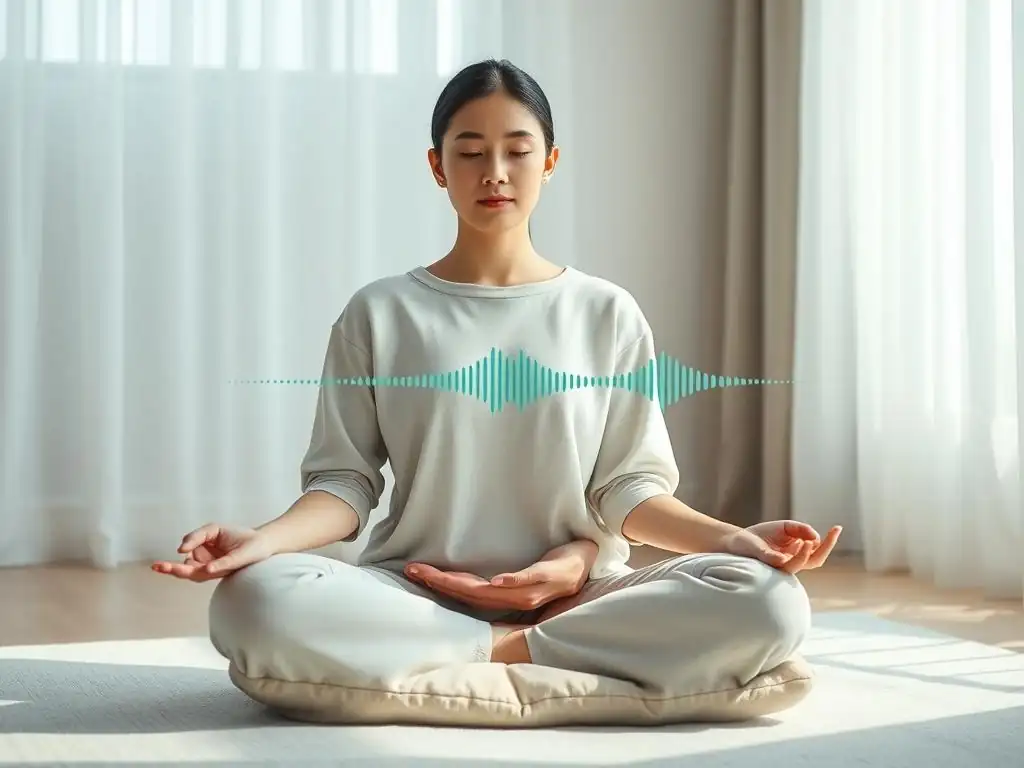
Focusing on the breath is a simple yet powerful mindfulness technique that can be used anytime, anywhere, to help regulate the nervous system. Slow, conscious breathing can activate the body's relaxation response, which is often suppressed during states of anxiety or depression.
A basic mindful breathing exercise involves simply paying attention to the inhale and exhale. You can count your breaths (e.g., inhale 1, exhale 1; inhale 2, exhale 2, up to 10, then start again) or simply notice the sensation of the breath moving in and out. When thoughts arise, as they inevitably will, gently guide your attention back to the breath.
Practicing mindful breathing for just a few minutes can provide a sense of calm and presence, offering a brief respite from overwhelming thoughts or feelings. Studies have shown that even short periods of focused breathing can reduce physiological markers of stress, such as heart rate and cortisol levels.
Walking Meditation: Connecting with the Present Moment Through Movement
Mindfulness doesn't have to be practiced while sitting still. Walking meditation is a form of practice that involves paying attention to the physical sensations of walking – lifting a foot, moving it forward, placing it down. It's a way to bring mindfulness into everyday activities and connect with the present moment while in motion.
This can be especially beneficial for individuals with depression who may find sitting meditation challenging due to restlessness or low energy. Walking meditation can be done indoors or outdoors. The focus is on the physical experience: the feeling of your feet on the ground, the movement of your legs, the swing of your arms, the air on your skin.
When the mind wanders, simply notice it and gently return your attention to the sensations of walking. This practice helps cultivate awareness of the body and the environment, providing a grounding experience that can counteract the tendency to get lost in internal narratives.
Benefits of Integrating Mindfulness into Your Depression Treatment Plan
Incorporating mindfulness into your depression treatment plan offers a range of benefits that extend beyond symptom management. It provides tools for building resilience, enhancing self-understanding, and cultivating a greater sense of peace and presence in daily life.
By practicing mindfulness regularly, individuals can develop new ways of relating to their internal experiences, leading to lasting positive changes in their mental and emotional landscape. This practice empowers individuals, giving them agency in their recovery process alongside professional support.
Reduced Rumination and Negative Thought Patterns Through Mindfulness
One of the hallmarks of depression is rumination – the tendency to repeatedly dwell on negative thoughts, problems, and past experiences. This can create a vicious cycle, deepening feelings of sadness and hopelessness. Mindfulness helps break this cycle by teaching individuals to observe thoughts without getting entangled in them.
Through mindfulness practice, you learn to recognize a thought like "I'm worthless" not as a fact, but as a mental event. You can observe it, acknowledge its presence, and let it pass without feeding it or believing it implicitly. This creates distance from the thought, reducing its power. Research indicates that mindfulness training significantly reduces rumination compared to control groups, often showing a reduction in self-reported rumination scores by 20-30% or more in studies. This ability to step back from negative thoughts is a key way mindfulness complements depression treatment.
Improved Emotional Regulation and Resilience to Stress
Emotional dysregulation is common in depression, leading to intense or volatile emotional responses. Mindfulness helps improve emotional regulation by increasing awareness of emotions as they arise and fostering the ability to experience them without being overwhelmed. By practicing non-judgmental observation, individuals learn to tolerate difficult emotions rather than avoiding or being consumed by them.
This enhanced emotional regulation builds resilience to stress. Instead of reacting automatically to stressors with anxiety or despair, individuals can learn to pause, notice their reaction, and respond more skillfully. Studies have shown that mindfulness practitioners exhibit lower physiological stress responses (like reduced cortisol levels) and report greater emotional stability when faced with challenging situations, demonstrating how mindfulness complements depression treatment by building inner strength.
Enhanced Self-Awareness and Acceptance in Managing Depression
Mindfulness cultivates a deeper understanding of oneself – thoughts, feelings, triggers, and patterns. This increased self-awareness is crucial for managing depression. Recognizing early warning signs of a depressive episode, for instance, allows for proactive intervention. Understanding personal thought patterns helps in applying learned coping strategies.
Coupled with awareness is acceptance. Mindfulness encourages accepting present reality, including difficult emotions or circumstances, without resignation. This doesn't mean liking or agreeing with the situation, but acknowledging it exists. For someone with depression, this might mean accepting that they are experiencing low mood today without self-blame, which can alleviate the secondary suffering often caused by resistance to one's current state. Studies on MBCT show significant increases in self-compassion and acceptance scores among participants, often by 15-25%. This accepting stance is a powerful antidote to the self-criticism often present in depression.
Greater Sense of Calm and Inner Peace
Regular mindfulness practice can foster a sense of calm and inner peace, even amidst the internal turbulence of depression. By consistently returning attention to the present moment, individuals create mental space away from the worries of the future or regrets of the past.
The practice of gentle, non-striving attention inherently promotes a state of relaxation and ease. While it doesn't eliminate difficult feelings, it can reduce their intensity and frequency over time. Many individuals report feeling more grounded, centered, and less reactive to internal and external triggers after incorporating mindfulness into their routine. This cultivation of inner peace is a vital component of overall wellbeing and recovery, illustrating how mindfulness complements depression treatment by fostering internal stability.
Improved Sleep Quality and Overall Wellbeing
Sleep disturbances are a common and debilitating symptom of depression. Difficulty falling asleep, staying asleep, or waking too early can exacerbate depressive symptoms and impact overall functioning. Mindfulness techniques, particularly body scan and mindful breathing, can help calm the mind and body, making it easier to fall asleep and potentially improving sleep continuity.
By reducing rumination and anxiety before bed, mindfulness creates a more conducive mental state for sleep. Furthermore, the overall benefits of mindfulness – reduced stress, improved emotional regulation, and increased self-awareness – contribute to a general improvement in overall wellbeing. This holistic improvement across multiple domains underscores how mindfulness complements depression treatment, addressing not just the core mood symptoms but also associated challenges like sleep disturbances, contributing to a more robust recovery.
Practical Tips for Incorporating Mindfulness into Daily Life
Integrating mindfulness into a busy or challenging life, especially when experiencing depression, requires intention and consistency. It's not about adding another burden but finding small ways to infuse present-moment awareness into existing routines.
The key is to be patient with yourself and approach practice with kindness. Some days will be easier than others. The goal isn't perfection, but progress and persistent gentle effort.
Starting Small: Short Mindfulness Sessions for Beginners
Beginners often feel intimidated by the idea of meditating for long periods. The most effective way to start is small. Even 2-5 minutes of focused mindful breathing or a brief body scan can be beneficial. Choose a time of day when you can realistically commit to this short period – perhaps first thing in the morning, during a lunch break, or before bed.
Consistency is more important than duration in the beginning. Practicing for 5 minutes every day is generally more impactful than practicing for 30 minutes once a week. As you become more comfortable, you can gradually increase the duration of your sessions if you wish. This gentle approach helps build the habit without feeling overwhelming.
Creating a Dedicated Mindfulness Practice Space
While you can practice mindfulness anywhere, having a designated space can help establish a routine and signal to your brain that it's time to practice. This doesn't need to be an elaborate meditation room. It could be a quiet corner of a room, a specific chair, or even just a clean spot on the floor.
Ideally, choose a place where you are less likely to be interrupted. Minimize distractions like phones or clutter. Making the space comfortable – perhaps with a cushion, blanket, or a simple object you find calming – can make the practice more inviting. This dedicated space serves as a physical anchor for your mental practice.
Using Mindfulness Apps and Guided Meditations
Many find it helpful to use guided meditations, especially when starting out. Apps like Headspace, Calm, Insight Timer, or Ten Percent Happier offer a wide variety of guided practices, ranging from a few minutes to longer sessions. They often have specific programs for stress, anxiety, sleep, and even depression.
Guided meditations provide instructions and gentle prompts, which can be very supportive when the mind is restless or concentration is difficult. They remove the pressure of having to "do it right" on your own. Many resources are free or offer free introductory periods. Exploring different guides can help you find voices and styles that resonate with you.
Overcoming Challenges and Maintaining Consistency in Your Mindfulness Journey

Maintaining a consistent mindfulness practice, especially when dealing with the low motivation and negative self-talk associated with depression, can be challenging. It's common to feel discouraged, think "I'm bad at this," or skip practice altogether.
- Acknowledge the struggle: It's okay to find it difficult. Don't judge yourself for a wandering mind or missed sessions.
- Lower expectations: Some days, just sitting for 2 minutes and noticing one breath is a success.
- Schedule it: Treat your practice like any other appointment.
- Find an accountability partner or group: Practicing with others can provide support and motivation.
- Remember your motivation: Connect with why you want to practice and how mindfulness complements depression treatment for you personally.
- Be flexible: If sitting isn't working, try a walking meditation or mindful stretching.
[ ] Acknowledge difficult days with self-compassion.
[ ] Set realistic, small goals for practice duration.
[ ] Schedule practice time like an appointment.
[ ] Explore guided meditations or group practice for support.
[ ] Be flexible with the type of practice (sitting, walking, etc.).
Combining Mindfulness with Other Therapies
Mindfulness is not intended to replace traditional depression treatments like medication or therapy, but rather to complement them. Its greatest benefits are often realized when integrated into a comprehensive treatment plan developed with a healthcare professional.
Working with a therapist, such as one trained in MBCT or other mindfulness-informed therapies, can provide valuable guidance on how to apply mindfulness principles to your specific challenges. Similarly, continuing medication as prescribed while incorporating mindfulness can offer synergistic benefits. Discussing your interest in mindfulness with your doctor or therapist is a good first step to ensure it aligns with your overall treatment strategy.
Real-Life Examples: Mindfulness Success Stories for Depression
Hearing about others' experiences can be inspiring and illustrate the practical impact of mindfulness. While individual results vary, these approximated examples reflect common themes in how mindfulness complements depression treatment.
These stories highlight that mindfulness is not a quick fix but a journey of gradual change and skill-building that can significantly improve quality of life for individuals managing depression.
Case Study 1
"Sarah," a 45-year-old graphic designer, had struggled with recurrent depression for years, often triggered by work stress. Medication helped manage acute episodes, but she frequently relapsed. She joined an MBCT program after her third major depressive episode. Initially skeptical, she found the body scan challenging, her mind racing with worries. However, with consistent practice (starting with 10 minutes daily), she began to notice subtle shifts.
She learned to observe her thoughts about work deadlines ("I'm going to fail") as just thoughts, rather than absolute truths. During moments of stress, she would pause and do a short mindful breathing exercise instead of immediately spiraling into anxiety. Over several months, she reported a significant reduction in rumination and felt more equipped to handle stressful situations without them triggering a full depressive episode.
While she continued her maintenance medication, she felt mindfulness gave her an active tool to manage her internal world, significantly reducing her fear of relapse. Her therapist noted a marked improvement in her ability to observe and detach from negative cognitive patterns.
"David," a 60-year-old retiree, experienced depression after his wife's death and struggled with feelings of isolation and worthlessness. Therapy was helpful, but he found himself constantly dwelling on the past. His therapist suggested trying simple mindful breathing and mindful walking during his daily walks.
David started with 5 minutes of mindful breathing each morning. He focused on the sensation of his breath, gently bringing his attention back whenever his mind drifted to memories or regrets. During his walks, he focused on the feeling of his feet on the ground and the sights and sounds around him.
Gradually, he noticed moments where he wasn't lost in thought – brief periods of simple presence. He reported feeling slightly more grounded and less overwhelmed by his grief and negative self-talk. While his depression didn't disappear overnight, these small practices provided moments of relief and helped him feel a greater connection to the present world, complementing his grief counseling and helping him manage his depressive symptoms.
Addressing Common Concerns and Misconceptions about Mindfulness for Depression
It's natural to have questions or doubts about mindfulness, especially when struggling with depression. Addressing these common concerns is important to encourage exploration of how mindfulness complements depression treatment.
Understanding what mindfulness is and isn't can help set realistic expectations and make the practice more accessible.
"Mindfulness is just relaxation" - Debunking the Myth
"I'm too depressed to relax. So mindfulness isn't for me."
This is a common misconception. While relaxation can be a byproduct of mindfulness, it is not the primary goal. Mindfulness is about awareness and acceptance of whatever is present, including difficult emotions like sadness, anxiety, or restlessness. In fact, sometimes mindfulness practice can initially bring more awareness to discomfort.
The practice isn't about trying to feel better or achieve a state of calm (though that may happen). It's about learning to be present with your experience, whatever it is, without judgment. This capacity to be with difficult feelings without being overwhelmed by them is precisely what makes mindfulness so valuable for managing depression. It teaches you how to navigate the storm rather than just hoping it goes away.
"It's too difficult to focus when I'm depressed" - Practical Solutions
"My mind races or feels foggy. I can't possibly focus on my breath for even a minute."
Difficulty concentrating and a restless or foggy mind are common symptoms of depression. It is absolutely true that focusing can feel incredibly hard when depressed. However, mindfulness practice is not about achieving perfect focus. It's about the process of noticing when your mind wanders and gently bringing it back.
Think of it like training a puppy – it will wander off, and you gently guide it back. The strength comes from the repeated act of returning, not from the puppy never leaving your side. For a depressed mind, simply noticing "My mind is thinking about..." and gently returning to the anchor (like the breath or the feeling of your feet) is the practice.
Start with very short durations (even 30 seconds or a minute), use guided meditations, or focus on bodily sensations which can sometimes be easier to anchor to than breath alone. Acknowledging the difficulty with self-compassion is part of the practice.
"How long does it take to see results?" - Realistic Expectations
"I tried meditating for a week and don't feel better. Does it work?"
Mindfulness is a practice, not a quick fix. The benefits typically unfold gradually with consistent effort over time. Just as you wouldn't expect to be physically fit after one workout, you shouldn't expect profound mental shifts after a few meditation sessions.
Many studies on MBCT show significant reductions in relapse risk after completing an 8-week course and maintaining a practice. Individuals often report noticing subtle shifts in their relationship with thoughts and feelings within a few weeks or months of regular practice. Major symptomatic improvements may take longer. It's more helpful to focus on the process and the small moments of awareness gained, rather than fixating on a specific outcome or timeline. Patience and persistence are key when using mindfulness complements depression treatment.
Resources for Learning More About Mindfulness and Depression
If you're interested in exploring how mindfulness complements depression treatment further, numerous resources are available. Finding reliable information and qualified guidance is crucial.
Remember to consult with your healthcare provider before making significant changes to your treatment plan or starting a new practice, especially if you have severe symptoms.
Recommended Books and Articles on Mindfulness and Mental Health
Numerous accessible books and articles can introduce you to mindfulness and its application for mental health:
- Full Catastrophe Living by Jon Kabat-Zinn (the foundational text for MBSR, the precursor to MBCT)
- Mindfulness: An Eight-Week Plan for Finding Peace in a Frantic World by Mark Williams and Danny Penman (based on the MBCT program)
- The Mindful Way Through Depression by Mark Williams, John Teasdale, Zindel Segal, and Jon Kabat-Zinn (specifically for those with depression)
- Articles published by reputable mental health organizations (like the National Alliance on Mental Illness - NAMI, or Mental Health America - MHA) often discuss mindfulness as a complementary therapy.
- Academic journals in psychology and psychiatry frequently publish research on mindfulness interventions for depression.
Reputable Mindfulness Training Programs and Workshops
Structured programs can provide in-depth training and a supportive learning environment:
- Mindfulness-Based Stress Reduction (MBSR): While not specific to depression, this 8-week program teaches foundational mindfulness skills applicable to stress and emotional regulation. Developed by Jon Kabat-Zinn.
- Mindfulness-Based Cognitive Therapy (MBCT): An 8-week program specifically for preventing relapse in recurrent depression. Look for programs offered by certified MBCT teachers.
- University-based mindfulness centers: Many universities offer public mindfulness programs and teacher training.
- Reputable retreat centers: Some centers offer mindfulness retreats that can deepen practice, though this may be more suitable after gaining some initial experience.
When choosing a program, look for qualified instructors with significant training and experience.
Finding a Qualified Mindfulness Therapist or Practitioner
Integrating mindfulness with therapy can be highly effective. Look for mental health professionals who have received specific training in mindfulness-based therapies, such as MBCT, Dialectical Behavior Therapy (DBT - which includes mindfulness as a core component), or Acceptance and Commitment Therapy (ACT - which incorporates mindfulness principles).
- Ask potential therapists about their training and experience with mindfulness.
- Professional organizations may have directories of practitioners with specific specializations.
- Sometimes, therapists who do not specialize in mindfulness may still incorporate mindfulness exercises into their sessions.
A qualified practitioner can help you tailor mindfulness practices to your specific needs and challenges related to depression and ensure that mindfulness complements depression treatment effectively within your overall care plan.
Conclusion: Embracing Mindfulness as a Powerful Tool for Depression Recovery
Depression is a challenging condition, but recovery is possible, and a holistic approach often yields the best results. While medication and traditional therapy remain essential pillars of treatment, mindfulness offers a powerful and evidence-based complement. By teaching individuals to relate differently to their thoughts and emotions, cultivate present-moment awareness, and build resilience, mindfulness complements depression treatment in profound ways.
From reducing rumination and improving emotional regulation to enhancing self-awareness and fostering inner peace, the benefits of mindfulness are far-reaching. Practices like MBCT, mindful breathing, and body scans provide concrete tools that can be integrated into daily life, empowering individuals to actively participate in their own healing journey.
The Future of Mindfulness in Mental Health Care
The role of mindfulness in mental health care is steadily growing. Research continues to explore its efficacy for a wider range of conditions and populations. As its benefits become more widely recognized and understood, mindfulness-based interventions are increasingly being integrated into clinical guidelines and public health initiatives.
There is growing interest in making mindfulness training more accessible, potentially through digital platforms or community programs. As our understanding of the mind-body connection deepens, mindfulness is likely to become an even more integral part of comprehensive mental health treatment plans, solidifying its position as a valuable complementary therapy.
Taking the Next Step: Integrating Mindfulness into Your Life for Lasting Wellbeing
If you are managing depression and feel ready to explore additional avenues for support, consider how mindfulness complements depression treatment for you. Start small, be patient, and explore different techniques or guided resources.
Speak with your doctor or therapist about your interest in mindfulness and how it might fit into your existing treatment plan. Embracing mindfulness isn't about replacing other forms of care; it's about adding a powerful tool to your recovery toolkit, one that can help you navigate challenges with greater awareness, acceptance, and resilience on your path towards lasting wellbeing.
Frequently Asked Questions
What exactly does Mindfulness mean, and how does it relate to depression treatment?
Mindfulness is the practice of paying attention to the present moment without judgment. It complements depression treatment by helping individuals become aware of negative thoughts and develop coping mechanisms.
How can practicing Mindfulness techniques help individuals struggling with depression?
Mindfulness techniques can reduce rumination and increase self-compassion, which are crucial in managing depressive symptoms. It helps individuals develop a healthier relationship with their thoughts and feelings.
Is Mindfulness a replacement for traditional treatments like medication and therapy for depression?
No, mindfulness is not a replacement. It's a complementary approach that can enhance the effectiveness of traditional treatments. It should be used in conjunction with medication or therapy, as recommended by a healthcare professional.
What are some specific Mindfulness exercises that can be easily incorporated into a daily routine to support depression treatment?
Simple exercises include mindful breathing, body scan meditations, and mindful walking. These practices can help individuals become more present and reduce stress and anxiety.
Where can I find reliable resources and support to learn more about Mindfulness and its role in managing depression?
Websites like Mind Care Guide offer information and resources on mindfulness. You can also consult with a mental health professional who can guide you on integrating mindfulness into your treatment plan.
Final Reflection: Cultivating Inner Peace in the Face of Depression
The integration of mindfulness practices into depression treatment is no longer a fringe concept; it's a vital component of a holistic approach to healing. The overwhelming evidence presented throughout this article demonstrates the powerful synergy between medication and mindfulness in combating the debilitating effects of depression. This isn't about replacing medication, but rather enriching its efficacy and empowering individuals to actively participate in their own recovery.
The journey through depression is deeply personal, and the lasting impact of mindfulness extends far beyond symptom reduction. It fosters a profound sense of self-awareness, allowing individuals to observe their thoughts and feelings without judgment. This ability to cultivate emotional distance, to witness rather than be consumed by negativity, is transformative. The mind is everything. What you think you become.
– Buddha. This quote encapsulates the core principle of mindfulness: by changing our relationship with our thoughts, we can change our experience of the world and, ultimately, our experience of ourselves.
You, the reader, now hold the key to unlocking a deeper understanding of your own mental well-being. Consider incorporating even small acts of mindfulness into your daily life – a few minutes of deep breathing, a mindful walk in nature, or simply paying attention to the sensations in your body. Don't underestimate the power of these seemingly small practices; they are the building blocks of a more resilient, compassionate, and ultimately, happier you. Begin your journey towards inner peace today.
Unlock Your Inner Calm: Take Charge of Your Well-being
Thanks for taking the time to explore the powerful connection between mindfulness and depression treatment. We hope you gained valuable insights into how these practices can complement each other for a more holistic approach to well-being. Now, let's put that knowledge into action!
- Start a daily mindfulness practice: Even 5 minutes a day can make a significant difference. Try guided meditations or simple breathing exercises to begin. This is your primary step towards cultivating inner peace.
- Share this article with someone you care about: Let's spread awareness and support for those navigating depression. A simple share can make a world of difference.
- Explore different mindfulness techniques: From body scans to mindful walking, there's a method for everyone. Experiment to find what resonates with you and enhances your journey.
Ready to embark on this transformative journey? What small step will you take today to prioritize your mental well-being?