
The Role of Family & Community in East Asian Mental Health

Welcome to Mind Care Guide.
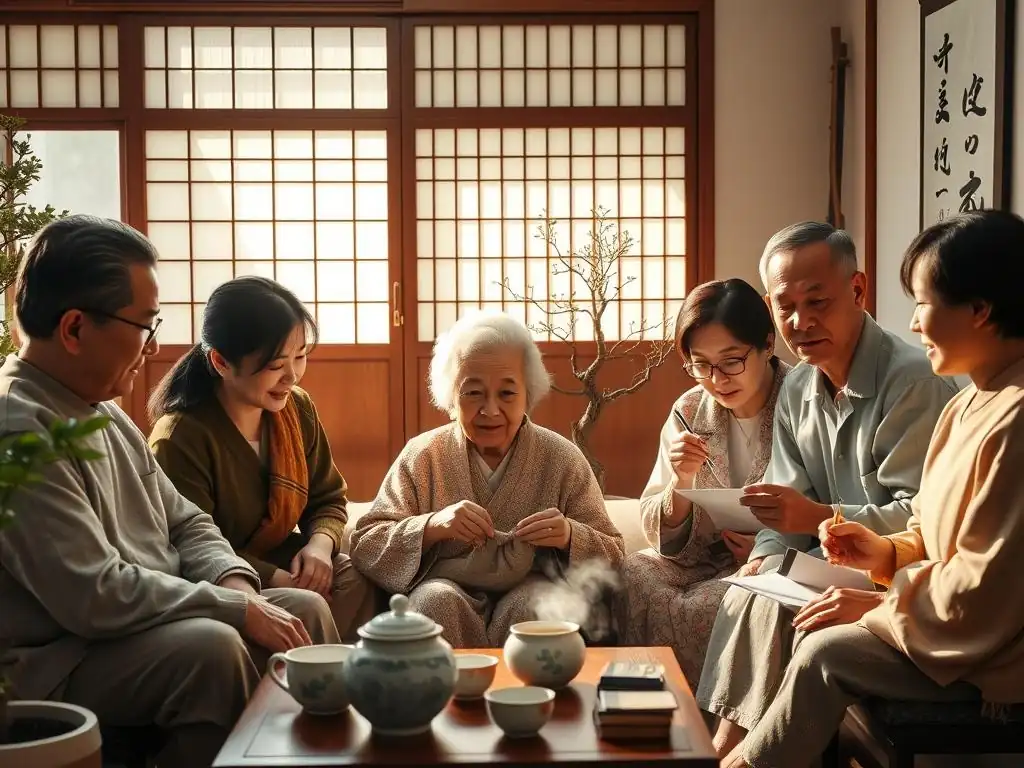
Are you searching for culturally sensitive mental health support within the East Asian community? It's understandable to feel like navigating mental well-being can be particularly challenging when cultural nuances and family dynamics come into play. This week, we delve into The Role of Family & Community in East Asian Mental Health, exploring how these vital connections can be both a source of strength and a potential hurdle. Discover insights and resources that acknowledge the unique experiences within the East Asian diaspora and learn how to foster supportive environments. Curious to understand more? Let's explore this important topic together...
- The Role of Family & Community in East Asian Mental Health
- Family's Role in Mental Health in South Korea
- Community and Mental Wellbeing in South Korea
- Traditional Practices and Community Resources in South Korea
- Navigating Cultural Barriers to Mental Health Care in South Korea
- Seeking Professional Help in South Korea: A Guide
- Fostering Open Conversations in South Korea
- Resources for Mental Health Support in South Korea
- Conclusion: Strengthening Support for Improved Wellbeing in South Korea
-
Frequently Asked Questions
- How does family structure typically influence mental health in East Asian cultures?
- What are some common cultural stigmas surrounding mental illness in East Asian communities?
- What role does community play in providing mental health support within East Asian cultures?
- What are some culturally sensitive approaches to mental health care for East Asian individuals?
- Where can East Asian individuals find culturally specific mental health resources and support?
- Final Reflection: Weaving a Stronger Net of Support for East Asian Mental Wellness
- Unlock Your Well-being: Building Stronger Support Networks
The Role of Family & Community in East Asian Mental Health
Cultural Context and Mental Wellbeing in South Korea
South Korea's cultural landscape is deeply influenced by Confucianism, emphasizing collective harmony, hierarchical relationships, and a strong sense of duty. This collective orientation often prioritizes group needs and social cohesion over individual expression, shaping how mental health is perceived and experienced. The rapid economic development the nation has undergone since the mid-20th century has also introduced unique pressures, including intense competition in education and the workplace, significant urban-rural disparities, and a fast-paced, demanding lifestyle. These factors contribute to a complex environment where traditional values intersect with modern stressors, impacting individual mental wellbeing.
Within this context, mental health challenges are often seen through the lens of family and societal expectations. There's a strong emphasis on success, particularly academic and professional achievement, which can lead to immense pressure and anxiety, especially among younger generations. The concept of nunchi (눈치), or the ability to gauge others' moods and unspoken intentions, is crucial for navigating social interactions but can also lead to individuals suppressing their own feelings or needs to maintain harmony. Understanding this intricate cultural fabric is fundamental to appreciating the unique challenges and approaches to East Asian mental health support in South Korea.
Stigma Surrounding Mental Health in South Korea Communities
Stigma remains a significant barrier to seeking East Asian mental health support in South Korea. Mental health conditions are frequently misunderstood, often associated with weakness, personal failure, or even moral deficiency rather than treatable medical conditions. This perception is heavily influenced by the desire to maintain "face" (체면 - chemyon) – protecting one's reputation and that of their family within the community. Admitting to a mental health issue can be seen as bringing shame upon the family unit, leading individuals to suffer in silence rather than seeking help.
Reports and surveys consistently highlight high levels of public stigma. For instance, a national survey conducted in recent years indicated that a substantial percentage of the population holds negative attitudes towards individuals with mental illness, viewing them as unpredictable or dangerous, or believing they should simply "pull themselves together."
This pervasive stigma creates a climate of fear and secrecy, making it difficult for individuals to openly discuss their struggles with family, friends, or colleagues. Consequently, many people delay or avoid seeking professional help altogether, often only doing so during a crisis, which complicates recovery and contributes to poorer overall mental health outcomes.
Family's Role in Mental Health in South Korea
Filial Piety and Mental Health Outcomes
Filial piety (효 - hyo), the deeply ingrained cultural value of respecting and caring for one's parents and elders, profoundly impacts mental health dynamics in South Korea. While fostering strong intergenerational bonds and providing a sense of duty and connection, the expectations associated with hyo can also create significant psychological pressure. Children, even well into adulthood, may feel immense pressure to live up to parental expectations regarding academic success, career choice, marriage, and financial stability. Failing to meet these expectations can lead to feelings of guilt, inadequacy, and shame, potentially contributing to anxiety, depression, and intergenerational conflict.
The burden of care for aging parents is another aspect of filial piety that can affect mental health. While many embrace this responsibility, the increasing demands of elder care, coupled with personal and professional obligations, can lead to caregiver burnout and stress.
Studies have shown a correlation between high levels of perceived filial obligation and increased symptoms of depression among both the younger generation caring for elders and the older generation fearing they are becoming a burden. Navigating these complex family duties while managing personal wellbeing is a delicate balance that significantly influences the need for and nature of East Asian mental health support.
Family Expectations and Stress Levels
High family expectations, particularly concerning academic and career achievement, are a major source of stress for South Koreans across all age groups. From intense competition to enter prestigious universities to the pressure to secure stable, high-status jobs, the pursuit of success is often framed as a duty to the family. This relentless pressure can lead to burnout, anxiety disorders, and depression, especially when individuals feel they are not meeting the stringent standards set by their parents or society. The college entrance exam period, for example, is widely recognized as a time of extreme stress and anxiety for students.
Moreover, there are often strong family expectations regarding marriage and starting a family, sometimes by a certain age or with a partner deemed suitable by the family. Delaying marriage or choosing a non-traditional path can lead to significant family pressure and conflict, adding another layer of stress. These pervasive expectations highlight how deeply intertwined personal life choices are with family honor and social standing in South Korea, creating an environment where individual desires may conflict with familial duties, leading to internal turmoil and a greater need for effective East Asian mental health support systems that acknowledge these unique pressures.
Family Support: Benefits and Drawbacks
The family can be a powerful source of strength and support for mental wellbeing in South Korea. Close family ties often mean individuals have a built-in network for emotional comfort, practical assistance, and a sense of belonging. During times of crisis, families frequently rally around their members, offering a level of unconditional support that can be invaluable. This strong familial bond can provide a buffer against external stressors and contribute positively to resilience. Shared meals, family gatherings, and mutual reliance are integral parts of daily life that foster connection.
However, the same close-knit nature can also present drawbacks concerning mental health. As mentioned, the fear of bringing shame upon the family can prevent open communication about struggles. Family members, while well-intentioned, may lack understanding of mental health conditions, sometimes dismissing symptoms as laziness or a lack of willpower.
In some cases, the pressure from the family can be the source of stress itself. Navigating the complexities of seeking East Asian mental health support often involves balancing the desire for family understanding and support with the potential for judgment or misunderstanding, making the family environment a double-edged sword in the context of mental health care.
Community and Mental Wellbeing in South Korea
Community Support Networks and Mental Health
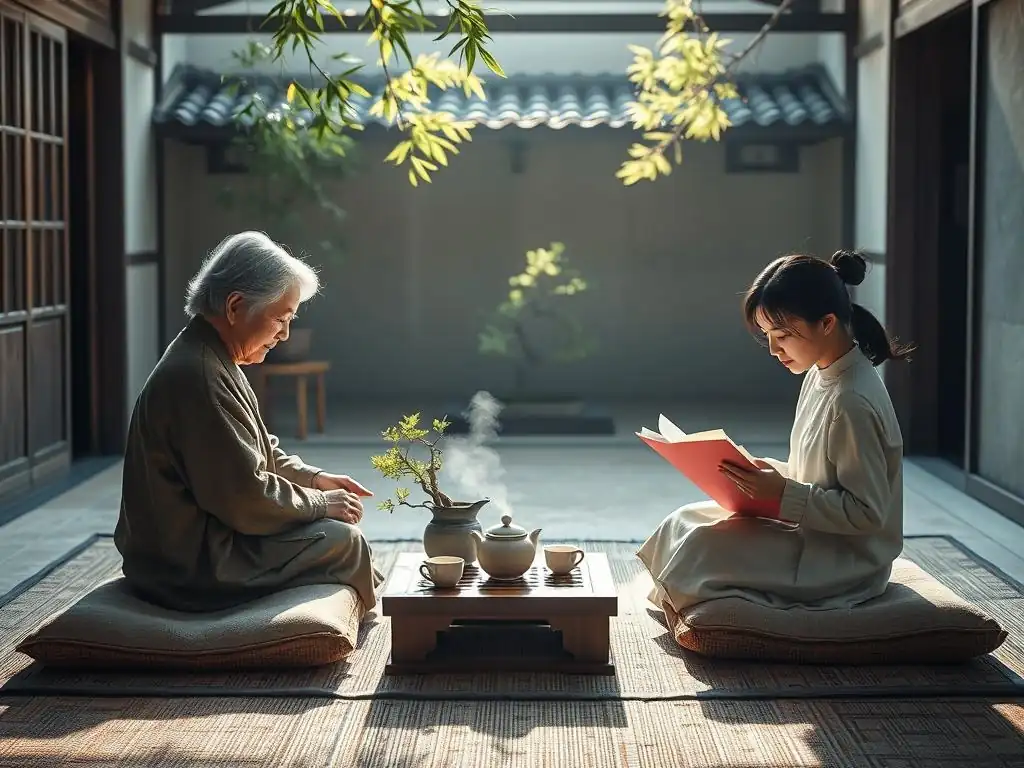
Community support networks play a vital, though sometimes informal, role in East Asian mental health support in South Korea. Beyond the immediate family, individuals often rely on connections within their local neighborhoods, workplaces, schools, or social clubs. These networks can provide a sense of belonging, shared identity, and mutual assistance. For older generations, traditional neighborhood ties (like kye, informal rotating credit and social associations) historically provided strong social safety nets. While urbanization has changed these dynamics, modern equivalents like community centers, senior centers, and hobby groups continue to offer spaces for social interaction and support.
These community connections can help combat loneliness and provide practical help, such as emotional encouragement or assistance during difficult times. For example, workplace colleagues can offer support during periods of professional stress, and school friends provide peer support during academic pressures. However, the effectiveness of these networks can vary greatly depending on the community and the individual's ability to connect. In highly competitive or individualistic environments, these networks may be less robust, highlighting the need for more structured and accessible forms of East Asian mental health support at the community level.
The strong cultural emphasis on social harmony and group conformity significantly influences mental wellbeing in South Korea. There is considerable pressure to fit in, adhere to social norms, and avoid causing disruption or disagreement within the group, whether it be the family, school, or workplace. This focus on collective harmony means that individual feelings or struggles that might challenge the group dynamic are often suppressed. Expressing vulnerability or admitting to mental health difficulties can be perceived as disrupting this harmony or standing out negatively.
This constant negotiation between individual needs and group expectations can lead to internal conflict and stress. The fear of being ostracized or viewed as problematic can prevent individuals from seeking help or even acknowledging their own struggles. While the pursuit of harmony aims to create a stable social environment, it can inadvertently create an environment where authentic emotional expression is difficult, potentially exacerbating mental health issues. Addressing mental health within this cultural context requires understanding how the value placed on social harmony impacts individual willingness to seek East Asian mental health support.
Social isolation is a growing concern in South Korea, particularly in urban areas and among specific demographics such as the elderly living alone, single-person households, and individuals who struggle to navigate intense social competition. Despite the emphasis on group harmony, modern life can be isolating, and the pressure to maintain a successful facade can make it difficult for individuals to form deep, supportive connections where they can be vulnerable. Loneliness is a significant risk factor for various mental health issues, including depression and anxiety.
Efforts to address social isolation often involve community-based initiatives aimed at creating spaces for connection. These include programs at community centers, activities for senior citizens, and efforts to build stronger neighborhood ties. However, overcoming the cultural reticence to admit loneliness or seek social connection outside of established circles remains a challenge. Effective East Asian mental health support strategies must include components that actively work to reduce isolation and build accessible, stigma-free opportunities for people to connect and share their experiences.
Traditional Practices and Community Resources in South Korea
Traditional Healing Methods and Modern Healthcare
In South Korea, traditional healing methods, primarily rooted in Korean Traditional Medicine (한의학 - Hanbang), coexist with Western biomedicine. Hanbang includes practices such as acupuncture, herbal medicine, and cupping, and is often sought for a range of ailments, including those perceived as related to stress or mind-body imbalance. Some individuals may turn to Hanbang practitioners for symptoms like insomnia, fatigue, or anxiety, viewing it as a less stigmatizing alternative or a complementary approach to Western psychiatric care.
While Hanbang can offer comfort and perceived benefits for some, it's crucial to note that its approach to mental health differs significantly from Western psychiatry. Integrating these systems effectively within East Asian mental health support frameworks is an ongoing challenge. Many practitioners of Western medicine and Hanbang operate separately, and patients may navigate both systems without clear guidance. Promoting collaboration and ensuring that individuals receive appropriate, evidence-based care, regardless of whether they also utilize traditional practices, is essential.
Community-Based Mental Health Programs: Accessibility
Community-based mental health programs are expanding in South Korea, often run by local government bodies or non-profit organizations. These programs aim to provide accessible services, including counseling, support groups, educational workshops, and outreach initiatives, closer to where people live. They represent a crucial effort to move mental health support beyond clinical settings and into the community, potentially reducing barriers related to cost, transportation, and perceived formality of hospital environments.
However, accessibility remains an issue. Awareness of these programs can be low, particularly in rural areas or among vulnerable populations. Funding and staffing levels can also limit the scope and reach of services. Furthermore, while located in the community, these programs still face the pervasive challenge of stigma; individuals may be hesitant to visit a community mental health center for fear of being seen and identified. Improving the reach and effectiveness of community-based East Asian mental health support requires sustained investment, increased public awareness campaigns, and strategies to minimize the perceived stigma associated with accessing these local resources.
Religious and Spiritual Communities and Mental Health
Religious and spiritual communities, such as Buddhist temples, various Christian churches, and other faith-based groups, often serve as informal support networks in South Korea and can play a significant role in mental wellbeing. These communities provide spaces for social connection, offer spiritual guidance, and may organize activities that promote a sense of purpose and belonging. For many, faith provides a coping mechanism during difficult times and a framework for understanding life's challenges, including emotional distress.
While offering comfort and community, the role of religious institutions in East Asian mental health support is complex. Some religious leaders may offer pastoral counseling or support, but they typically lack formal training in clinical mental health care. In some cases, religious beliefs or practices might inadvertently contribute to stigma or discourage individuals from seeking professional help, suggesting that faith alone is sufficient. Collaboration between mental health professionals and religious leaders, along with education within faith communities about mental health, is important to ensure that these valuable community resources complement rather than hinder access to appropriate care.
Language Barriers and Cultural Sensitivity
While language barriers in the sense of different spoken languages are less prevalent within South Korea (except for specific populations like foreign residents or North Korean defectors), cultural nuances in communication can act as significant barriers to effective East Asian mental health support. Expressing internal emotional states, particularly negative or complex feelings, may be difficult due to cultural norms that favor indirect communication and emotional restraint. Patients may struggle to articulate their symptoms in a way that aligns with diagnostic criteria used by Western-trained clinicians.
Furthermore, therapists need to possess cultural sensitivity to understand the context of a client's struggles. This includes recognizing the impact of filial piety, family expectations, social harmony, and the experience of intense competition. A culturally competent therapist understands that silence or indirect answers might not indicate resistance but a culturally ingrained communication style. Training for mental health professionals that specifically addresses South Korean cultural values, communication patterns, and the societal pressures faced by clients is crucial for providing effective and empathetic care.
Addressing the Internal Pressure for Achievement
The "model minority myth," while primarily a concept applied to East Asians in Western countries, has a parallel internal dynamic in South Korea: the intense pressure to achieve and present a successful image. This internal pressure, driven by family expectations, societal competition, and a strong work ethic, leads many individuals to prioritize achievement over their mental wellbeing. Admitting to stress, burnout, or mental health difficulties can be seen as a sign of weakness or failure in this high-pressure environment.
This pressure can lead to individuals pushing themselves beyond their limits, neglecting self-care, and avoiding seeking help for fear it will impede their progress or reveal their struggles. The expectation of resilience and perseverance can make it difficult for people to acknowledge when they need support. Addressing this barrier requires a societal shift that values mental wellbeing alongside academic and professional success, promoting a culture where seeking East Asian mental health support is seen as a strength rather than a weakness. Public campaigns and educational initiatives are needed to redefine success to include mental health.
Improving Access to Culturally Competent Services
Improving access to culturally competent mental health services is essential for enhancing East Asian mental health support in South Korea. This involves increasing the number of mental health professionals who are not only clinically skilled but also deeply understand the cultural context, values, and specific stressors faced by the population. Training programs for therapists, counselors, and social workers should incorporate modules on Korean culture, family dynamics, communication styles, and the specific impact of societal pressures like the education system and work culture on mental health.
Beyond individual therapist training, system-level changes are needed. This includes developing culturally adapted assessment tools and therapeutic approaches that resonate with South Korean clients. It also involves making services more accessible geographically and financially, and critically, creating safe and confidential spaces where individuals feel comfortable seeking help without fear of judgment or stigma. Expanding the availability of bilingual or culturally matched therapists for specific populations (like defectors or immigrants) is also important, though less central within South Korea itself than in diaspora communities.
Seeking Professional Help in South Korea: A Guide
Finding Culturally Sensitive Therapists
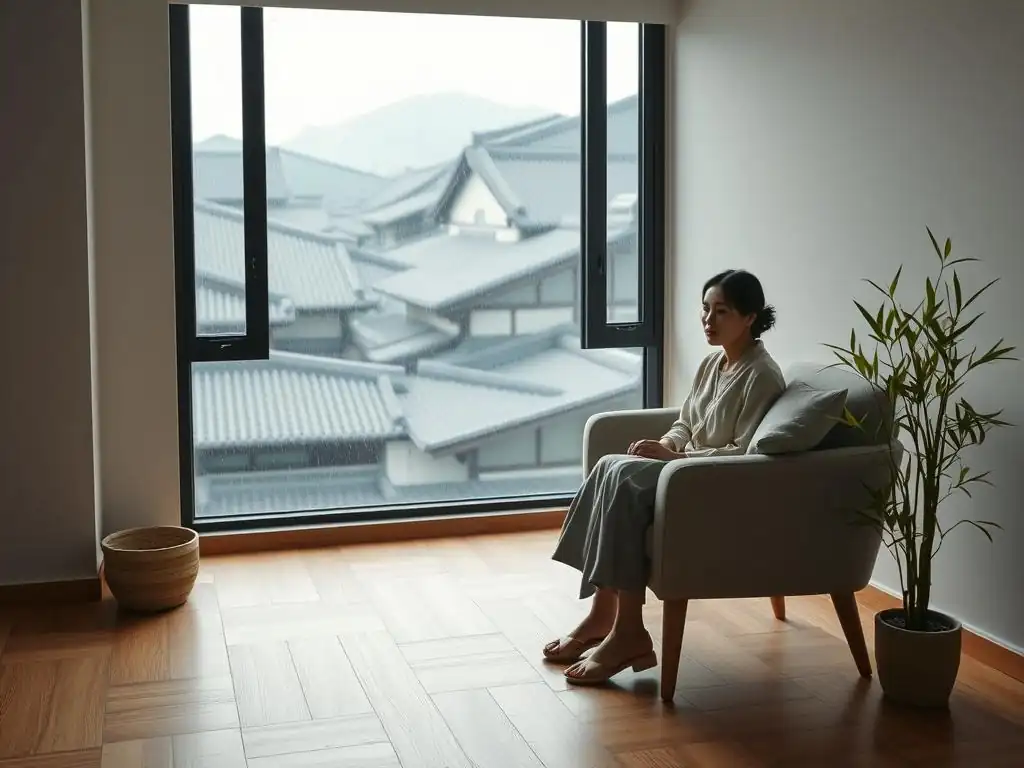
Finding a culturally sensitive therapist in South Korea involves seeking professionals who understand the unique interplay of culture, family, and individual wellbeing. Look for practitioners who explicitly mention cultural competence or experience working with clients navigating specific South Korean societal pressures. Professional associations or university counseling centers might be resources for finding such therapists. It's helpful to inquire during an initial consultation about their approach to cultural factors and how they incorporate family dynamics into therapy.
- Consider therapists trained in therapeutic modalities adapted for the South Korean context.
- Look for practitioners affiliated with universities or established mental health institutions known for research and training.
- Don't hesitate to ask potential therapists about their understanding of concepts like filial piety, nunchi, and the pressure to achieve.
- Check if they have experience working with specific issues prevalent in South Korea, such as academic stress or workplace burnout.
Types of Mental Health Support
A range of mental health support options is available in South Korea, from outpatient therapy and medication to inpatient care and community programs. Psychotherapy, including cognitive behavioral therapy (CBT), dialectical behavior therapy (DBT), and psychodynamic therapy, is offered by psychiatrists, psychologists, and licensed counselors. Medication management for conditions like depression and anxiety is typically provided by psychiatrists.
- Individual Therapy: One-on-one sessions with a therapist to explore personal issues.
- Group Therapy: Sessions with a therapist and a group of individuals facing similar challenges, offering peer support.
- Medication: Prescribed by a psychiatrist, often used in conjunction with therapy for moderate to severe conditions.
- Inpatient Care: For severe cases requiring intensive treatment and supervision in a hospital setting.
- Community Mental Health Centers: Offer a range of services including counseling, case management, and support groups at the local level.
Overcoming Barriers to Professional Care
Overcoming barriers to professional East Asian mental health support in South Korea requires addressing stigma, cost, awareness, and cultural communication challenges.
- Stigma: Actively challenging negative beliefs about mental illness through education and public campaigns.
- Cost: Exploring options like national health insurance coverage for mental health services, university counseling centers (for students), and lower-cost community programs.
- Awareness: Increasing public knowledge about available services and the benefits of seeking help.
- Cultural Communication: Encouraging open dialogue about mental health within families and communities, and seeking culturally sensitive practitioners.
Task List for Seeking Help:
- [ ] Research available mental health services in your area.
- [ ] Check your health insurance coverage for mental health.
- [ ] Look for culturally sensitive therapists or programs.
- [ ] Schedule an initial consultation.
- [ ] Prepare questions about the therapist's approach and fees.
Fostering Open Conversations in South Korea
Breaking Down Stigma Through Education
Education is a powerful tool for breaking down the stigma surrounding East Asian mental health support in South Korea. Increasing public understanding of mental health conditions as treatable illnesses, not moral failings, is crucial. This can be achieved through comprehensive mental health education in schools, workplaces, and through national public awareness campaigns. Sharing accurate information helps dispel myths and misconceptions, making people more comfortable discussing their own experiences and more empathetic towards others facing challenges.
Highlighting stories of recovery, particularly from respected public figures or celebrities, can also significantly impact public perception. These narratives demonstrate that mental health challenges are common and manageable, encouraging others to seek help. Educational initiatives should also target specific groups, such as parents, educators, and employers, to equip them with the knowledge and skills to recognize signs of distress and support those in need. This widespread educational effort is foundational to creating a society where seeking East Asian mental health support is normalized.
Encouraging Family Dialogue
Encouraging open and honest dialogue about mental health within families is vital for improving East Asian mental health support at the most fundamental level in South Korea. Given the significant role of the family, creating a safe space for family members to express their feelings and concerns without fear of judgment is paramount. This can be challenging due to cultural norms that discourage direct confrontation or emotional vulnerability, but it is essential for identifying issues early and providing timely support.
Families can be encouraged to:
- Learn together about mental health through reliable resources.
- Practice active listening without immediately offering solutions or judgment.
- Validate each other's feelings and experiences.
- Shift focus from blame to support when a family member is struggling.
- Consider family therapy if communication is difficult.
Initiatives that provide resources and guidance specifically for families on how to discuss mental health can be very beneficial. This includes workshops, online guides, and support groups for families affected by mental illness.
Creating Safe Spaces in Communities
Creating safe spaces within communities where individuals feel comfortable discussing mental health is another critical step for enhancing East Asian mental health support in South Korea. These spaces can take various forms, including community centers, support groups (both in-person and online), peer counseling programs, and initiatives within schools and workplaces. The key is to foster environments built on trust, confidentiality, and non-judgment.
Peer support groups, facilitated by individuals with lived experience, can be particularly effective as they offer relatable experiences and a sense of shared understanding. Online forums and social media groups, when moderated effectively, can also provide anonymous or semi-anonymous spaces for people to connect and share. Building these safe spaces requires intentional effort from community leaders, mental health advocates, and participants themselves, creating a culture of acceptance and mutual support that complements professional East Asian mental health support services.
-   Community centers offering mental health workshops
-   Peer support groups for specific conditions or demographics
-   Online forums and social media groups focused on mental wellbeing
-   Workplace mental health programs
-   School counseling services and mental health clubs
Resources for Mental Health Support in South Korea
Accessing reliable resources is a key component of effective East Asian mental health support in South Korea. Several government agencies, non-profit organizations, and professional bodies offer information, helplines, and services. While specific contact details cannot be provided here, general types of resources include national mental health hotlines, which provide crisis intervention and information; community mental health centers located in various districts offering counseling and support programs; and university hospitals with psychiatric departments.
Non-profit organizations dedicated to specific mental health conditions or populations also provide valuable resources, including support groups, educational materials, and advocacy. Additionally, professional associations for psychiatrists, psychologists, and counselors can sometimes provide directories of licensed practitioners. It is important for individuals seeking help to research these various avenues to find the resources that best fit their needs and circumstances, keeping in mind potential differences in cost, accessibility, and specific services offered.
Conclusion: Strengthening Support for Improved Wellbeing in South Korea
Improving East Asian mental health support in South Korea requires a multi-faceted approach that addresses the complex interplay of cultural values, family dynamics, societal pressures, and systemic barriers. While significant progress has been made in increasing awareness and expanding services, challenges related to deep-seated stigma, the pressure to achieve, and the need for culturally sensitive care persist. The family, while a potential source of strong support, can also be a source of stress and a barrier to seeking help due to cultural expectations and communication styles.
Ultimately, strengthening mental wellbeing in South Korea necessitates continued efforts to break down stigma through education and public discourse, foster open conversations within families and communities, and improve access to culturally competent and affordable mental health services. By acknowledging the unique cultural context and building upon existing community strengths while addressing systemic weaknesses, South Korea can move towards a future where seeking and receiving effective East Asian mental health support is a reality for everyone, leading to improved individual and collective wellbeing.
Frequently Asked Questions
How does family structure typically influence mental health in East Asian cultures?
Traditional East Asian cultures often emphasize familial responsibility and interdependence. This can create both strong support systems and increased pressure, potentially impacting mental well-being.
What are some common cultural stigmas surrounding mental illness in East Asian communities?
Many East Asian communities face stigmas linked to shame and "losing face". This can discourage individuals from seeking help due to fear of judgment or family dishonor.
What role does community play in providing mental health support within East Asian cultures?
Community plays a vital role through social networks and shared values. These can offer informal support, but also sometimes reinforce harmful cultural norms.
What are some culturally sensitive approaches to mental health care for East Asian individuals?
Effective approaches often involve understanding cultural values, communication styles, and incorporating family into the treatment process. Practitioners must avoid imposing Western-centric views.
Where can East Asian individuals find culturally specific mental health resources and support?
Look for organizations specializing in East Asian mental health support. Many community centers and online platforms offer culturally relevant resources and therapists.
Final Reflection: Weaving a Stronger Net of Support for East Asian Mental Wellness
The stigma surrounding mental health within East Asian communities remains a significant barrier to accessing crucial support, yet the tide is slowly turning. The interwoven threads of family and community, often viewed as sources of both strength and pressure, hold the key to unlocking better mental wellness outcomes for this population. We've explored the complex interplay of cultural expectations, familial dynamics, and the evolving landscape of mental health services, revealing both challenges and opportunities for positive change.
The journey towards greater mental well-being within East Asian communities is a deeply personal one, reflecting the unique experiences and perspectives of individuals and families. It's a journey that requires empathy, understanding, and a willingness to challenge deeply ingrained societal norms. The greatest glory in living lies not in never falling, but in rising every time we fall.
– Nelson Mandela. This quote resonates deeply, as it highlights the resilience inherent within these communities and the potential for growth and healing through collective effort and individual perseverance. The ongoing dialogue surrounding mental health is crucial, and the increasing visibility of these issues is a testament to the courage of those who share their stories.
Consider the role you play in fostering a more supportive environment. Are you willing to challenge the silence surrounding mental health within your own circles? Are you ready to learn more about the specific cultural nuances that impact East Asian mental health, and to approach conversations with sensitivity and understanding? By actively engaging in these conversations, educating ourselves, and supporting those who need it, we can collectively weave a stronger, more compassionate net of support for East Asian mental wellness, ensuring that everyone has access to the help they deserve.
Unlock Your Well-being: Building Stronger Support Networks
Thanks for taking the time to explore the vital role of family and community in East Asian mental health. We hope you gained valuable insights into fostering healthier relationships and support systems. Now, let's take action!
- Prioritize connecting: Reach out to a family member or friend this week – even a short call can make a difference. Schedule it now! This is your primary step towards building stronger, more supportive relationships.
- Explore local resources: Look for community organizations or support groups focused on mental well-being within your East Asian community. You might discover hidden gems of support!
- Share your learnings: Pass this article along to someone who might find it helpful. Let's start a conversation about mental health within our communities.
What steps will you take today to nurture your own well-being and build a stronger support network?