
Your First Step to Calm: Simple Mindfulness Practices Explained

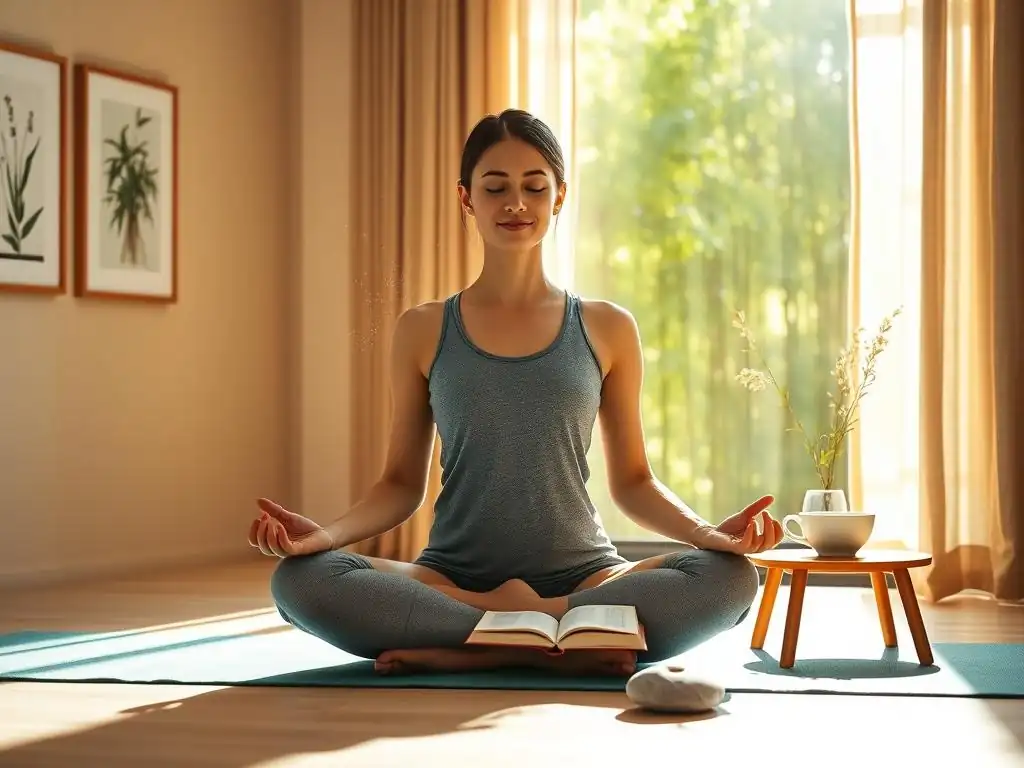
Welcome to Mind Care Guide.
Feeling overwhelmed? You're not alone. We understand the daily struggles with anxiety and stress. But what if we told you there's a simple, accessible path to calm right at your fingertips? Explore our guide and discover how mindfulness practices reduce anxiety and stress, offering you practical techniques to reclaim your inner peace. Let's embark on this journey to well-being together. Ready to learn more and find your calm?
Your First Step to Calm: Simple Mindfulness Practices Explained
- Understanding Mindfulness for Stress Reduction
- Easy Mindfulness Practices to Reduce Anxiety and Stress
- Integrating Mindfulness Practices into Your Daily Routine
- Deepening Your Mindfulness Journey
-
Frequently Asked Questions
- What exactly are mindfulness practices, and how do they relate to mental well-being?
- How do mindfulness practices reduce anxiety stress, as mentioned in the article?
- What are some simple mindfulness practices that a beginner can start with easily?
- How often should I engage in mindfulness practices to see a noticeable difference in my anxiety levels?
- Where can I find more information, support, and resources for managing my mental health beyond these simple practices?
- Final Reflection: Cultivating Inner Peace in a Frantic World
- Unlock Your Inner Peace: Start Your Mindfulness Journey Today!
Understanding Mindfulness for Stress Reduction
What is Mindfulness and How Does it Reduce Anxiety?
Mindfulness is essentially the practice of intentionally bringing one's attention to the present moment without judgment. It's about noticing your thoughts, feelings, bodily sensations, and the surrounding environment as they are, right now. This simple act of paying attention can be profoundly effective because anxiety often stems from worrying about the future or dwelling on the past. By anchoring your awareness in the present, mindfulness disrupts this cycle, creating space between you and your anxious thoughts.
When you engage in mindfulness practices, you train your brain to observe your internal state rather than being consumed by it. This skill allows you to recognize anxious thoughts as just thoughts – temporary mental events – rather than absolute truths. Over time, this detachment weakens the grip that anxiety has on your emotions and behavior. This is a core reason why mindfulness practices reduce anxiety stress for many individuals, offering a pathway to a calmer, more stable emotional state.
The Science Behind Mindfulness and Stress Relief
Research into the effects of mindfulness on the brain has revealed significant insights into its stress-reducing capabilities. Studies using fMRI scans have shown that regular mindfulness practice can lead to structural changes in the brain, particularly in areas associated with stress and emotion regulation. For instance, the amygdala, often referred to as the brain's 'fear center', tends to show reduced activity in experienced meditators when exposed to stressful stimuli.
Simultaneously, areas of the prefrontal cortex, responsible for higher-order functions like attention, decision-making, and emotional regulation, often show increased activity and connectivity. This shift suggests that the brain becomes better equipped to process stress and regulate emotional responses. Furthermore, mindfulness has been linked to a reduction in stress hormones like cortisol. While individual results vary, some studies indicate that consistent mindfulness practices can lead to a measurable decrease in cortisol levels, supporting the claim that mindfulness practices reduce anxiety stress at a physiological level.
Benefits of Daily Mindfulness Practices for Mental Well-being
Incorporating daily mindfulness practices into your routine offers a wide array of benefits beyond just stress and anxiety reduction. A consistent practice can significantly improve emotional regulation, making it easier to navigate challenging feelings without being overwhelmed. It enhances self-awareness, providing deeper insight into your triggers, patterns, and needs, which is crucial for personal growth and maintaining mental health.
Beyond emotional benefits, regular mindfulness is associated with improved focus and concentration, as it trains your attention span. Many people report better sleep quality and a greater sense of overall well-being and contentment. For example, someone struggling with constant worry might find that a daily 10-minute meditation helps them feel more grounded and less reactive to minor stressors throughout the day. These cumulative benefits demonstrate the powerful impact that consistent mindfulness practices can have on fostering resilience and promoting long-term mental well-being.
Easy Mindfulness Practices to Reduce Anxiety and Stress
Mindful Breathing Exercises for Beginners
Breathing is one of the most accessible anchors for mindfulness. It's always with you and provides an immediate connection to the present moment. Focusing on the breath helps calm the nervous system and can quickly interrupt the stress response. These simple exercises are excellent first steps for anyone looking to use mindfulness practices to reduce anxiety stress.
Starting with just a few minutes a day can make a noticeable difference. The key is not to control the breath perfectly, but simply to observe it without judgment. Notice the inhale, the exhale, the slight pause between breaths. If your mind wanders, which it will, gently guide your attention back to the breath. This gentle redirection is the core practice, building your capacity for focused attention and present-moment awareness.
Diaphragmatic Breathing: A Simple Technique for Immediate Calm
Diaphragmatic breathing, also known as belly breathing, is a fundamental technique used in many stress-reduction practices. It encourages full oxygen exchange and can slow the heart rate, creating a calming effect. To practice, find a comfortable position, either sitting or lying down. Place one hand on your chest and the other on your belly, just below your rib cage.
Breathe in slowly through your nose, allowing your belly to expand as if inflating a balloon. You should feel the hand on your belly rise, while the hand on your chest remains relatively still. Exhale slowly through pursed lips, gently contracting your abdominal muscles to push the air out. Feel your belly lower. Repeat this for several minutes, focusing on the sensation of your belly rising and falling. Many find that just 2-3 minutes of this practice can significantly reduce feelings of immediate anxiety.
4-7-8 Breathing: A Powerful Anxiety-Reducing Method
The 4-7-8 breathing technique is a simple yet potent method for calming the nervous system, often recommended for reducing anxiety and promoting relaxation, even aiding sleep. It involves a specific count for each phase of the breath. Begin by exhaling completely through your mouth, making a whoosh sound.
Then, close your mouth and inhale quietly through your nose for a count of 4. Hold your breath for a count of 7. Finally, exhale completely through your mouth, making a whoosh sound, for a count of 8. This completes one cycle. Repeat this sequence for a total of four breaths. The specific timing is less important than the ratio, and the extended exhale helps to slow the heart rate and relax the body, making it an effective tool among mindfulness practices to reduce anxiety stress quickly.
Body Scan Meditation: Cultivating Awareness and Reducing Tension
A body scan meditation involves systematically bringing your attention to different parts of your body, noticing sensations without trying to change them. This practice helps you become more aware of physical tension you might be holding and can facilitate its release. It's an excellent way to ground yourself in the present moment through physical sensation.
This practice is particularly useful when anxiety manifests physically, such as tension in the shoulders, jaw clenching, or a knot in the stomach. By mindfully observing these sensations, you begin to relate to them differently – not as problems to be fixed immediately, but as temporary experiences to be acknowledged. This non-judgmental awareness is key to reducing the reactive cycle of stress and tension.
How to Perform a Body Scan Meditation for Stress Relief
To perform a body scan, find a quiet space where you can lie down comfortably, or sit if lying isn't possible. Close your eyes if you feel comfortable doing so. Begin by bringing your awareness to your breath for a few moments. Then, gently shift your attention to your feet. Notice any sensations – warmth, coolness, tingling, pressure – without judgment. Simply observe.
Slowly move your attention up your body: ankles, lower legs, knees, thighs, hips, lower back, abdomen, upper back, chest, shoulders, arms, hands, neck, throat, face, and finally the top of your head. Spend a little time in each area, just noticing what is present. If your mind wanders, gently bring your attention back to the body part you were focusing on. Conclude by bringing awareness to the entire body as a whole, breathing gently for a few moments. A typical body scan might last 10-20 minutes, though shorter versions are also beneficial.
Benefits of Regular Body Scan Practice
Engaging in body scan meditation regularly offers several significant benefits for managing stress and anxiety. Firstly, it cultivates a heightened sense of interoception – the awareness of the internal state of the body. This improved awareness allows you to catch physical signs of stress or anxiety earlier, giving you the opportunity to intervene before they escalate.
Secondly, by practicing non-judgmental observation of physical sensations, you learn to tolerate discomfort without immediately reacting or tensing up further. This can be incredibly helpful for chronic pain or stress-related physical symptoms. Many individuals report feeling more relaxed, grounded, and less overwhelmed by physical tension after incorporating regular body scans into their routine, reinforcing how these mindfulness practices reduce anxiety stress by addressing their physical manifestations.
Mindful Walking: Connecting with the Present Moment
Mindful walking transforms a routine activity into a powerful mindfulness practice. Instead of rushing from point A to point B or letting your mind wander, you intentionally bring your awareness to the experience of walking itself. This can be done anywhere – outdoors, indoors, on a treadmill – and is a great way to integrate mindfulness into physical activity.
This practice helps ground you in the present moment by focusing on sensory input: the feeling of your feet on the ground, the movement of your legs, the air on your skin, the sounds around you. By directing your attention to these simple physical sensations, you step out of the cycle of anxious thoughts and engage directly with your immediate environment.
The Art of Mindful Walking for Anxiety Reduction
To practice mindful walking, start by simply noticing the sensation of standing. Then, as you begin to walk, bring your attention to your feet. Feel the lift of one foot, the swing forward, the placement back on the ground, the shift of weight. Notice the rhythm of your steps. You can also expand your awareness to include other sensory details: the temperature of the air, the sights you pass (without getting lost in thought about them), the sounds (cars, birds, wind).
Walk at a comfortable pace. The goal is not to reach a destination quickly, but to be fully present with each step. If your mind starts to race with worries or plans, gently acknowledge the thought and return your attention to the physical sensations of walking. Even a 5-10 minute mindful walk during a break can significantly shift your state, helping to reduce feelings of being overwhelmed and demonstrating how active mindfulness practices reduce anxiety stress.
Finding Peace in Each Step: A Guide to Mindful Movement
Mindful movement, whether walking, stretching, or doing gentle yoga, is about inhabiting your body fully as you move. It's a practice of acceptance and presence. As you walk mindfully, you might notice moments of tension or ease, fatigue or energy. The practice is simply to notice these sensations without judgment, allowing them to be there.
Consider the rhythm of your breath as you walk, perhaps coordinating steps with inhales and exhales. This integration further anchors you in the present. Finding peace in each step comes from releasing the need to be somewhere else or to be doing something else. It's about accepting the simple act of walking as enough, allowing the repetitive motion and sensory focus to soothe the nervous system and quiet the anxious mind.
Mindful Observation: Training Your Attention
Mindful observation involves consciously directing your attention to external or internal experiences without getting caught up in analysis or judgment. This could be observing an object, a sound, a thought, or an emotion. The practice trains your ability to focus and to relate to experiences with curiosity rather than reactivity.
By practicing mindful observation, you develop the skill of non-attachment. You learn that you can observe thoughts and feelings without necessarily believing them or being swept away by them. This detachment is particularly powerful when dealing with anxious or stressful thoughts, as it weakens their ability to trigger a strong emotional response.
Observing Thoughts and Emotions Without Judgment
Anxiety often involves a cascade of negative thoughts and intense emotions. Mindful observation teaches you to step back from this cascade. When a thought arises, the practice is simply to notice it – perhaps labeling it mentally as "thinking" – and let it pass without engaging with its content. If an emotion surfaces, such as fear or worry, you notice it – perhaps labeling it as "anxiety" or "sadness" – and observe where you feel it in your body, without trying to push it away or analyze why it's there.
This non-judgmental stance is crucial. It's easy to judge ourselves for having anxious thoughts or feeling certain emotions ("I shouldn't feel this way," "This thought is ridiculous"). Mindful observation encourages kindness and acceptance towards your internal experience. It's like watching clouds float by; you see them, acknowledge their presence, and let them drift on, rather than trying to grab onto one or change its shape.
Using Mindful Observation to Manage Stressful Situations
Applying mindful observation in real-time stressful situations can be incredibly effective. When faced with a challenge, instead of immediately reacting with panic or avoidance, you can pause and mindfully observe what is happening. Notice the physical sensations of stress in your body, observe the thoughts racing through your mind, acknowledge the emotions present.
This pause, created by mindful observation, gives you a moment of choice. Instead of reacting on autopilot, you can choose a more skillful response. For example, if you receive a stressful email, you might notice the tightness in your chest and the thought "This is a disaster." Mindful observation allows you to see these as temporary reactions, giving you the space to take a deep breath and decide how to respond thoughtfully, rather than reactively. This conscious choice is a key benefit of how mindfulness practices reduce anxiety stress in daily life.
Integrating Mindfulness Practices into Your Daily Routine
Making mindfulness a regular part of your life doesn't require hours of dedicated time. Even short, intentional moments can be beneficial. The key is consistency and finding ways to weave mindfulness into your existing activities. Start small, perhaps with just 2-5 minutes a day, and gradually increase the duration as it feels comfortable.
Think about moments in your day that could become opportunities for mindfulness: your morning coffee, brushing your teeth, walking to your car, waiting in line, eating lunch. These micro-moments of presence add up and help build the habit. The goal is not perfection, but progress – simply showing up for the practice, even when it's challenging.
Creating a Mindfulness Schedule That Works for You
Finding a rhythm for mindfulness practices that fits your lifestyle is essential for long-term adherence. Consider your daily schedule and identify realistic times when you can commit even a few minutes. For some, the morning works best, setting a calm tone for the day. For others, a midday break or an evening practice before bed helps unwind.
- Morning: 5-10 minutes of mindful breathing or body scan before starting your day.
- Midday: A 3-minute mindful pause during a work break, focusing on the breath or surroundings.
- Commute: Mindful walking or mindful observation during your travel time.
- Evening: A 10-15 minute guided meditation or body scan before sleep.
Experiment with different times and practices to see what resonates most. Remember, consistency is more important than duration. A daily 5-minute practice is far more beneficial than an hour-long session once a month.
Overcoming Challenges to Consistent Mindfulness Practice
It's common to face challenges when trying to establish a regular mindfulness routine. Lack of time, difficulty concentrating, feeling like you're "not doing it right," or simply forgetting are all normal hurdles. Don't let these discourage you. View them as part of the practice itself.
- Challenge: Lack of time. Solution: Start with very short practices (1-3 minutes). Integrate mindfulness into activities you already do (mindful eating, mindful showering).
- Challenge: Mind wanders constantly. Solution: This is normal! The practice isn't about an empty mind, but about noticing when it wanders and gently returning. Be patient and kind to yourself.
- Challenge: Forgetting to practice. Solution: Set reminders on your phone. Link your practice to an existing habit (e.g., "After I brush my teeth, I will sit for 3 minutes").
- Challenge: Feeling like it's not working. Solution: Trust the process. Benefits often accumulate gradually. Focus on showing up rather than achieving a specific state.
Remember that mindfulness is a skill that develops over time. Be compassionate with yourself on this journey. Even imperfect practice is beneficial.
Resources for Continued Mindfulness Learning and Growth
As you become more comfortable with basic mindfulness practices, you might wish to explore further. Numerous resources are available to support your continued learning and deepen your practice. While we cannot provide links, searching for these types of resources can be helpful:
- Mindfulness Books: Many authors offer comprehensive guides to mindfulness and meditation, explaining the concepts and providing various techniques.
- Guided Meditation Apps: Numerous mobile applications offer guided meditations of varying lengths and themes, including specific sessions for anxiety and stress reduction.
- Online Courses: Many platforms provide structured courses that teach mindfulness principles and practices in depth, often spanning several weeks.
- Local Mindfulness Centers or Classes: Check for in-person meditation groups or classes in your community, which can provide support and instruction.
Exploring different resources can help you find approaches and teachers that resonate with you, making your journey with mindfulness practices for reducing anxiety stress even more enriching.
Deepening Your Mindfulness Journey
Once you've established a consistent foundation, you might feel ready to explore more advanced or varied mindfulness techniques. Deepening your practice often involves longer meditation sessions, exploring different styles, and integrating mindfulness more fully into all aspects of your life, not just during formal practice times.
This phase is about cultivating a deeper understanding of yourself and the nature of your experience. It moves beyond simply using mindfulness as a tool for symptom reduction towards embracing it as a way of living with greater awareness, presence, and peace.
Exploring Different Types of Meditation for Stress Management
While mindful breathing and body scans are excellent starting points, the world of meditation offers diverse practices that can further support stress management and mental well-being.
- Loving-Kindness Meditation (Metta): This practice cultivates feelings of warmth, compassion, and kindness towards oneself and others. By intentionally generating positive emotions, it can counterbalance feelings of anxiety, fear, and negativity.
- Walking Meditation: As discussed, this practice grounds you in the physical sensations of movement.
- Sitting Meditation: This is a broad category often involving focusing on the breath, bodily sensations, or sounds while seated. As you deepen this practice, you might explore longer durations or different points of focus.
- Mindful Eating: Paying full attention to the experience of eating – the sights, smells, textures, and tastes of food – can be a deeply grounding and enjoyable practice.
Experimenting with these different forms allows you to discover which practices resonate most deeply with you and are most effective in helping you manage stress and anxiety.
Mindfulness and Self-Compassion: A Powerful Combination
Mindfulness and self-compassion are often described as two wings of a bird; they work best together. While mindfulness is about being present with your experience (including difficult emotions like anxiety), self-compassion is about relating to that experience with kindness, understanding, and acceptance, especially when you are suffering or feeling inadequate.
Cultivating self-compassion alongside mindfulness helps counteract the harsh self-criticism that often accompanies anxiety and stress. Instead of judging yourself for feeling anxious, you learn to offer yourself the same kindness and understanding you would offer a friend. Research suggests that self-compassion significantly enhances the effectiveness of mindfulness practices in reducing anxiety stress and improving overall psychological well-being. Practices like repeating kind phrases to yourself or acknowledging your suffering as part of the common human experience are key components of self-compassion.
Long-Term Benefits of Consistent Mindfulness Practice for Mental Health
The benefits of consistent mindfulness practice extend far beyond immediate stress or anxiety reduction. Over the long term, regular engagement with mindfulness can fundamentally reshape your relationship with your thoughts, emotions, and challenges.
Many long-term practitioners report increased emotional resilience, the ability to bounce back more effectively from setbacks. There's often a greater sense of peace and acceptance, reducing the struggle against difficult experiences. Consistent practice is associated with improved mood regulation, reduced rumination, and a greater capacity for joy and appreciation in daily life.
While individual journeys vary, dedicating yourself to regular mindfulness practices can lead to profound and lasting positive changes in your mental health and overall quality of life. It's a journey towards greater awareness, peace, and resilience, proving that mindfulness practices reduce anxiety stress and build a foundation for enduring well-being.
Frequently Asked Questions
What exactly are mindfulness practices, and how do they relate to mental well-being?
Mindfulness practices involve paying attention to the present moment without judgment. They are proven methods to improve mental well-being by cultivating awareness and reducing reactivity to stressors.
How do mindfulness practices reduce anxiety stress, as mentioned in the article?
Mindfulness helps reduce anxiety stress by encouraging you to observe thoughts and feelings without getting carried away by them. This detached observation can lessen the power of anxious thoughts and promote a sense of calm.
What are some simple mindfulness practices that a beginner can start with easily?
Beginners can start with simple practices like mindful breathing, focusing on the sensation of each breath. Another easy practice is body scan meditation, where you pay attention to different parts of your body.
How often should I engage in mindfulness practices to see a noticeable difference in my anxiety levels?
The frequency depends on individual needs, but aiming for 10-15 minutes daily can yield significant benefits. Consistency is key, so even short, regular sessions are more effective than infrequent, longer ones.
Where can I find more information, support, and resources for managing my mental health beyond these simple practices?
Mind Care Guide offers a wealth of information and resources on various mental health challenges. You can also seek guidance from qualified mental health professionals for personalized support.
Final Reflection: Cultivating Inner Peace in a Frantic World
The relentless pace of modern life leaves many feeling overwhelmed, and the search for calm is more urgent than ever. The simple mindfulness practices explored in this article offer a powerful antidote to the anxiety and stress that plague so many. These aren't esoteric techniques requiring years of dedication; they are accessible tools that can be woven into the fabric of daily life, offering immediate and lasting benefits.
The impact of mindfulness on our collective well-being is undeniable. We live in a culture that often prioritizes productivity over peace, leading to a pervasive sense of burnout. The time to repair the roof is when the sun is shining.
This proverb highlights the importance of proactive self-care, and mindfulness provides the tools to build that resilience before the storm hits. Witnessing the growing interest in mindfulness, from corporate wellness programs to individual self-help journeys, underscores its increasing relevance in navigating the complexities of the 21st century.
Now, consider your own life. What small adjustments can you make today to incorporate these practices? Perhaps it's starting with just five minutes of mindful breathing each morning, or paying closer attention to the sensations in your body throughout the day. Don't underestimate the power of these small acts; they are the seeds of a calmer, more centered you. Embrace the journey towards inner peace, one mindful moment at a time. The rewards – reduced anxiety, increased resilience, and a deeper connection with yourself – are well worth the effort.
Unlock Your Inner Peace: Start Your Mindfulness Journey Today!
Thanks for taking the time to explore the world of mindfulness with us! We hope you gained valuable insights into how simple practices can significantly impact your well-being. Ready to cultivate more calm in your daily life?
- Begin your daily mindfulness practice: Start with just 5 minutes of quiet reflection, focusing on your breath. Even this small step can make a world of difference.
- Share your experience: Tell us about your first mindfulness session! What did you notice? What resonated with you? Your insights can inspire others.
- Explore guided meditations: Many free resources are available online – try a guided meditation to deepen your practice.
What small step will you take today to embrace a more mindful existence?