
Fear of Failure: Unleashing Your Creativity by Conquering Doubt


Welcome to Mind Care Guide, your trusted companion on the path to mental well-being.
Ever felt that nagging voice whispering doubts, paralyzing you before you even begin? We understand. Many struggle with the fear of failure, and it can hold us back from pursuing our passions and reaching our full potential.
This month, we delve into overcoming fear of failure, providing actionable strategies and empathetic support to help you silence that inner critic and embrace new opportunities. Read on to discover how to unlock your creativity and build a resilient mindset, even in the face of uncertainty. What if letting go of the fear is the key to unlocking a whole new world of possibilities?
Fear of Failure: Unleashing Your Creativity by Conquering Doubt
- Understanding the Fear of Failure and Its Impact on Creative Expression
- Identifying the Specific Fears Holding You Back Creatively
-
Strategies for Overcoming Fear of Failure and Boosting Creative Confidence
- Cognitive Restructuring: Challenging Negative Thoughts and Beliefs
- Practicing Self-Compassion: Treating Yourself with Kindness and Understanding
- Setting Realistic Goals and Breaking Down Tasks into Smaller Steps
- Focusing on the Process, Not Just the Outcome: Enjoying the Creative Journey
- Embracing Experimentation and Playfulness in Your Creative Work
- Building a Supportive Creative Community: Sharing Experiences and Encouragement
- Practical Techniques to Manage Anxiety and Doubt During Creative Projects
- Reframing Failure as a Learning Opportunity for Creative Growth
- Building Resilience and Maintaining Creative Momentum in the Face of Setbacks
- Maintaining Long-Term Creative Well-being: Preventing Fear of Failure from Returning
-
Frequently Asked Questions
- How does the Mind Care Guide define fear of failure?
- What are some common signs of fear of failure discussed on the Mind Care Guide website?
- How does Mind Care Guide's article, "Fear of Failure: Unleashing Your Creativity by Conquering Doubt," suggest overcoming fear of failure?
- What resources does Mind Care Guide offer for managing anxiety related to fear of failure?
- Does Mind Care Guide advocate for seeking professional help when dealing with severe fear of failure?
- Final Reflection: Embracing Imperfection, Unleashing Potential
- Unleash Your Creative Powerhouse: Conquer Fear, Embrace Success!
Understanding the Fear of Failure and Its Impact on Creative Expression
Defining Fear of Failure: What It Is and How It Manifests
Fear of failure, or atychiphobia, is more than just a fleeting worry about not succeeding. It's a deep-seated anxiety that can paralyze individuals, preventing them from pursuing goals or taking risks. For creatives, this fear often manifests as an intense apprehension about falling short of expectations – their own or others' – or producing work that is deemed inadequate, uninspired, or simply not good enough. This can lead to procrastination, avoidance of challenging projects, or even abandoning creative pursuits entirely.
The manifestation of this fear isn't always obvious. It can appear as perfectionism, where the fear of making a mistake prevents any action from being taken. It might surface as comparisonitis, constantly measuring one's work against others and feeling inferior. Sometimes, it's a subtle but persistent voice of doubt that whispers discouraging thoughts whenever a new idea emerges. Recognizing these varied forms is the first step in effectively overcoming fear of failure and allowing your creative spirit to flourish.
The Psychological Roots of Fear of Failure in Creative Individuals
The psychological underpinnings of fear of failure in creatives are often complex, frequently stemming from early life experiences, societal pressures, or internalized beliefs about talent and success. Many creatives link their personal worth directly to the quality and reception of their work. If a project fails or receives criticism, it can feel like a fundamental rejection of their identity, rather than just feedback on a piece of work. This vulnerability is amplified in creative fields where output is inherently personal and subjective.
Furthermore, the narrative surrounding creative genius often emphasizes innate talent and effortless brilliance, rather than hard work, iteration, and learning from mistakes. This myth can foster a fixed mindset, where individuals believe their abilities are static. If they encounter difficulty or produce something they perceive as a failure, it confirms a limiting belief about their inherent lack of talent, making the prospect of future attempts terrifying. Addressing these deep-seated beliefs is crucial for effectively overcoming fear of failure and fostering resilience.
How Fear of Failure Stifles Creativity and Innovation
Fear of failure acts as a significant barrier to creativity and innovation by discouraging experimentation and risk-taking. Creative work inherently involves exploring the unknown, trying new approaches, and pushing boundaries – all activities that carry the potential for missteps or outright failure. When the fear of this negative outcome is overwhelming, individuals tend to stick to what is safe and familiar, avoiding novel ideas or unconventional methods. This leads to predictable, uninspired work that lacks originality and impact.
Consider the process of brainstorming: a phase meant for wild ideas and unrestrained exploration. Fear of failure can shut down this process prematurely, as individuals censor their thoughts, afraid of proposing something "stupid" or unworkable. This self-censorship prevents potentially groundbreaking concepts from ever seeing the light of day. Studies in organizational psychology suggest that environments where fear of failure is high exhibit significantly lower rates of innovation compared to those that foster psychological safety and a tolerance for mistakes. Conquering doubt is essential for unlocking true creative potential.
Recognizing the Symptoms of Fear of Failure in Your Creative Process
Identifying the signs of fear of failure in your own creative journey is vital for addressing it. Common symptoms include chronic procrastination, especially on important projects, or difficulty starting new work altogether. Another sign is perfectionism to an extreme degree, where endless tweaking and refining prevent completion or submission. You might also notice increased anxiety, self-doubt, or a critical inner voice becoming louder when you attempt creative tasks.
Other indicators can be more behavioral, such as avoiding feedback, shying away from opportunities that could lead to exposure (and potential criticism), or comparing yourself excessively to others, leading to feelings of inadequacy. Physical symptoms like tension, sleep disturbances, or digestive issues can also arise from the stress associated with this fear. Recognizing these patterns is the first proactive step toward overcoming fear of failure and reclaiming your creative flow.
Identifying the Specific Fears Holding You Back Creatively
Fear of Judgment: Overcoming the Need for External Validation
The fear of judgment is a powerful driver of the overall fear of failure, particularly for creatives whose work is often put on public display. This involves an intense worry about what others – critics, peers, family, or the general public – will think of your work. The creative output is seen not just as a product, but as an extension of the self, making negative feedback feel like a personal attack. This can lead to creating work that conforms to perceived expectations rather than expressing authentic ideas, thus stifling originality.
Overcoming this fear requires decoupling your self-worth from external opinions. It involves building internal validation mechanisms and understanding that not everyone will connect with your work, and that's acceptable. Many highly successful artists throughout history faced initial criticism or rejection; Vincent van Gogh sold only one painting during his lifetime. Their perseverance stemmed from an internal drive rather than external validation. Learning to trust your own creative compass is key to dealing with fear of failure rooted in seeking approval.
Fear of Imperfection: Embracing Flaws and the Learning Process
Perfectionism, often a close cousin of fear of failure, is driven by the fear of imperfection. This manifests as an inability to tolerate mistakes or flaws in one's work, leading to endless revisions or an inability to complete projects. The creative process is inherently messy and iterative; drafts are imperfect, ideas evolve, and mistakes are often stepping stones to breakthroughs. The fear of imperfection prevents engagement with this vital, experimental phase.
Embracing imperfection means accepting that "done is better than perfect" in many cases, and that flaws can sometimes add unique character or authenticity to a piece. It involves shifting focus from achieving an impossible standard of flawlessness to engaging fully with the creative process itself. Learning to see errors not as failures but as valuable information – data points guiding your next steps – is crucial for managing fear of failure and allowing your work to progress from concept to completion.
Fear of the Unknown: Stepping Outside Your Comfort Zone
Creative endeavors often require stepping into uncharted territory – exploring new mediums, tackling unfamiliar themes, or experimenting with techniques you haven't mastered. This inherent uncertainty can trigger the fear of the unknown, a significant component of the fear of failure. The lack of a guaranteed outcome or a clear path forward can feel daunting, leading creatives to stay within the confines of what they know they can do well.
Confronting the fear of the unknown involves building tolerance for ambiguity and uncertainty. It means viewing new challenges not as potential traps for failure, but as opportunities for growth and discovery. Breaking down daunting, unfamiliar projects into smaller, manageable steps can make the unknown feel less vast and intimidating. Each small step successfully navigated builds confidence and makes the next leap outside the comfort zone feel more achievable, gradually diminishing the power of this specific fear of failure.
Fear of Wasting Time or Resources: Reframing Failure as an Investment
For many creatives, especially those balancing art with other responsibilities or relying on their work for income, the fear of wasting time, effort, or financial resources on a project that doesn't succeed is a very real concern. This pragmatic fear of failure can lead to playing it safe, choosing projects with a higher perceived chance of success, or abandoning ambitious but risky ideas prematurely. The outcome becomes the sole metric of value, overlooking the learning and skill development gained during the process.
Reframing this perspective is vital. Instead of seeing an unsuccessful project as a waste, view it as an investment. Every hour spent, every dollar risked, every failed attempt provides valuable experience, refines skills, and teaches you what doesn't work, bringing you closer to what does. Thomas Edison famously made thousands of attempts before successfully creating a practical light bulb filament; he didn't see them as failures, but as discovering thousands of ways not to make a light bulb. Adopting this mindset is powerful for overcoming fear of failure related to perceived waste.
Strategies for Overcoming Fear of Failure and Boosting Creative Confidence

Cognitive Restructuring: Challenging Negative Thoughts and Beliefs
Cognitive restructuring is a powerful technique for overcoming fear of failure by directly addressing the negative thought patterns that fuel it. This involves identifying automatic negative thoughts (ANTs) that arise when you face a creative challenge – thoughts like "This isn't good enough," "I'm not talented," or "I'm going to fail." Once identified, you challenge the validity and helpfulness of these thoughts.
Ask yourself: Is this thought based on fact or feeling? What evidence supports this thought? What evidence contradicts it? What's a more realistic or helpful way of looking at this? For example, replace "I'm going to fail" with "This is a challenge, but I can learn as I go." This process requires conscious effort but, over time, can reframe your internal dialogue from one of debilitating doubt to one of realistic optimism and resilience, significantly helping in managing fear of failure.
Practicing Self-Compassion: Treating Yourself with Kindness and Understanding
Self-compassion is fundamental to overcoming fear of failure, particularly for creatives who are often their own harshest critics. It involves extending the same kindness, understanding, and acceptance to yourself that you would offer a friend facing a similar struggle. When a project doesn't go as planned or receives criticism, instead of engaging in self-blame or harsh judgment, acknowledge the difficulty with warmth and empathy.
This practice involves recognizing that imperfection and setbacks are part of the human experience, not personal failings. Mindfulness plays a role here, allowing you to observe your painful thoughts and feelings without getting consumed by them. Cultivating self-compassion reduces the intense emotional pain associated with perceived failure, making it less terrifying and enabling you to learn from the experience rather than being crushed by it. It's a vital tool for building resilience against the fear of failure.
Setting Realistic Goals and Breaking Down Tasks into Smaller Steps
Large, ambitious creative projects can feel overwhelming, amplifying the fear of failure. Setting realistic goals and breaking down complex tasks into smaller, manageable steps makes the overall objective less daunting and provides a clearer path forward. Instead of aiming to "write a novel," start with "write 500 words today" or "outline the first chapter."
Each completed small step provides a sense of accomplishment and momentum, building confidence and reducing the anxiety associated with the vastness of the project. This approach also makes it easier to identify where you might be getting stuck, allowing for targeted problem-solving rather than feeling overwhelmed by the whole. This practical strategy is effective in managing fear of failure by making the creative journey feel less like an insurmountable climb and more like a series of achievable steps.
Focusing on the Process, Not Just the Outcome: Enjoying the Creative Journey
A common trap that fuels fear of failure is an excessive focus on the final outcome – whether the work will be successful, acclaimed, or profitable. This pressure can strip the joy from the creative process itself. Shifting your focus to the journey – the exploration, the learning, the act of creation – can significantly reduce the pressure and make overcoming fear of failure more achievable.
Embrace the act of creating for its own sake. Find pleasure in the experimentation, the problem-solving, and the flow state that creative work can induce. While the outcome is important, detaching your sense of self-worth and the value of your time solely from the result allows you to take risks and make mistakes without feeling like the entire endeavor was a failure. This perspective fosters a more sustainable and enjoyable creative practice.
Embracing Experimentation and Playfulness in Your Creative Work
Fear of failure thrives in an environment where mistakes are seen as catastrophic. Introducing experimentation and playfulness into your creative process directly counteracts this. Approach your work with a sense of curiosity and a willingness to try things just to see what happens, without the pressure of needing a perfect result.
Dedicate time to low-stakes creative play – sketching without a plan, writing stream-of-consciousness, improvising music, or experimenting with materials without a specific project in mind. This removes the pressure of a "finished product" and reacquaints you with the joy of creation for its own sake. It also builds comfort with uncertainty and unexpected outcomes, making you more robust when facing potential "failures" in higher-stakes projects. Embracing this playful attitude is a powerful way of dealing with fear of failure.
Building a Supportive Creative Community: Sharing Experiences and Encouragement
Isolation can amplify fear of failure, making challenges feel unique and insurmountable. Building or joining a supportive community of fellow creatives can provide invaluable perspective, encouragement, and practical advice. Sharing your struggles with others who understand the unique pressures of creative work can normalize your fears and reduce feelings of shame or inadequacy.
A supportive community offers a safe space to share unfinished work, receive constructive feedback, and witness others navigating their own creative blocks and setbacks. Knowing you are not alone in facing doubt and fear can be incredibly empowering. Peer support, shared experiences of overcoming fear of failure, and mutual encouragement create a positive feedback loop that strengthens resilience and fosters a sense of belonging.
Practical Techniques to Manage Anxiety and Doubt During Creative Projects
Mindfulness and Meditation for Calming Anxious Thoughts
Anxiety and doubt are common companions of fear of failure. Mindfulness and meditation practices can be highly effective tools for managing these challenging emotions in the moment. Mindfulness involves paying attention to the present moment without judgment – noticing your thoughts, feelings, and physical sensations as they arise.
When anxious thoughts about failure surface during a creative project, mindfulness allows you to observe them without getting swept away. Instead of identifying with the thought "This is terrible," you can simply notice "I am having the thought that this is terrible." Meditation, even for just a few minutes daily, can help train your mind to be less reactive to negative thoughts and feelings, creating mental space to approach your work with greater calm and clarity. This practice directly supports the process of overcoming fear of failure by reducing its associated physiological and mental stress.
Visualization Techniques for Building Confidence and Positive Self-Image
Visualization is a technique used by athletes and performers alike to mentally rehearse success. Creatives can adapt this by visualizing themselves confidently engaging in their creative process, overcoming challenges, and completing their work. Spend a few minutes regularly imagining yourself in a state of flow, successfully navigating a difficult section, or receiving positive (or even constructive) feedback with grace and resilience.
This practice helps to build a positive mental blueprint and counteracts the negative scenarios often played out by fear of failure. By repeatedly visualizing successful engagement with your creative work, you strengthen neural pathways associated with confidence and capability, making it easier to access these states when faced with real-world challenges and boosting your belief in your ability to handle potential setbacks. This is a proactive step in managing fear of failure and enhancing creative self-efficacy.
Time Management Strategies to Reduce Pressure and Overwhelm
Poor time management can exacerbate fear of failure by creating last-minute pressure and increasing the likelihood of mistakes or incomplete work. Implementing effective time management strategies can reduce stress and provide a greater sense of control over your creative projects. Techniques like the Pomodoro Method (working in focused bursts with short breaks) or time blocking (scheduling specific times for creative tasks) can help.
Breaking down large projects into smaller tasks with assigned time slots makes them feel less overwhelming. Prioritizing tasks and setting realistic deadlines (and sticking to them) reduces the frantic rush that can lead to errors and fuel anxiety about not finishing or not finishing well. A structured approach to your creative time can significantly lower the stress associated with deadlines and expectations, making the prospect of engaging with your work less daunting and aiding in managing fear of failure.
Creating a Dedicated Workspace to Foster Focus and Creativity
Your physical environment can significantly impact your mental state and creative flow. Creating a dedicated workspace, even a small corner, signals to your brain that it's time to focus on creative tasks. This space should be organized and free from distractions where possible, allowing you to immerse yourself in your work without constant interruptions that can derail concentration and invite doubt.
Having a designated area for creation also helps separate creative time from other aspects of life, making it easier to transition into a productive mindset. While not a direct cure for fear of failure, a supportive physical environment reduces friction in starting and continuing work. It provides a consistent, reliable space where you can practice strategies for overcoming fear of failure, making it easier to sit down and engage with your creative challenges.
Reframing Failure as a Learning Opportunity for Creative Growth
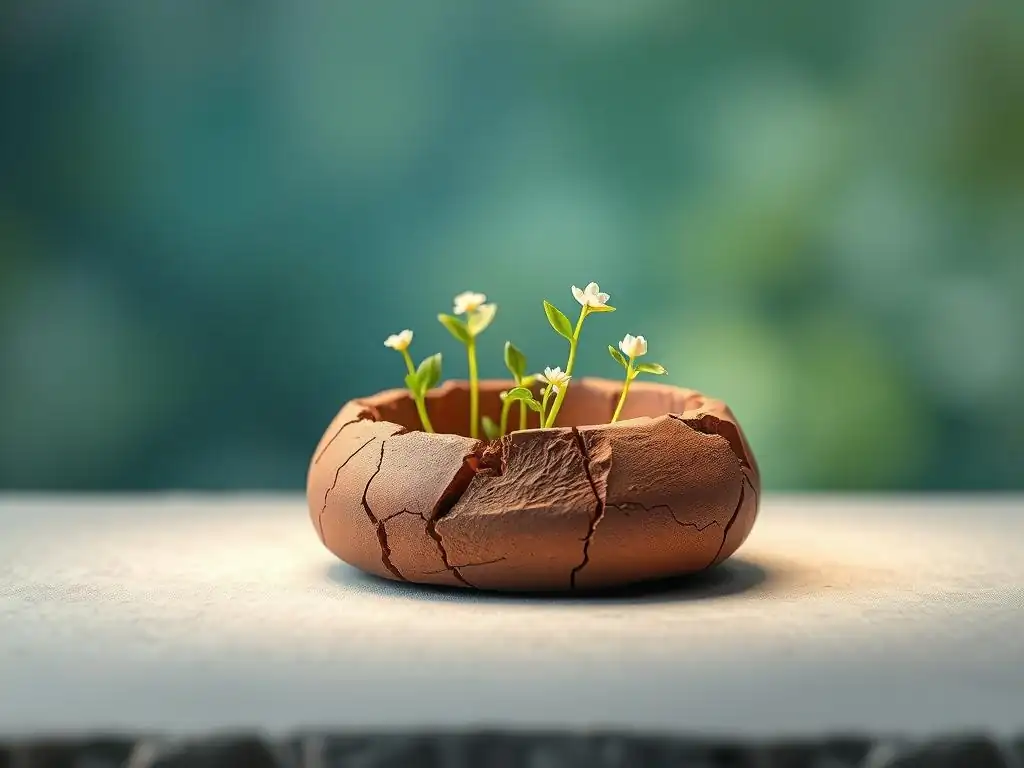
Analyzing Past Failures to Identify Areas for Improvement
True growth comes not from avoiding failure, but from understanding it. When a creative project doesn't meet expectations or receives negative feedback, instead of viewing it as a devastating endpoint, approach it analytically. What specifically didn't work? Was it a conceptual issue, a technical problem, a misjudgment of the audience, or something else?
Conducting a post-mortem on past projects allows you to extract valuable lessons. For example, a writer whose novel was rejected might realize their plot structure was weak, or a painter whose exhibition didn't sell might identify issues with pricing or marketing. This objective analysis transforms the emotional sting of failure into actionable insights, providing a roadmap for future improvement and making the prospect of future attempts less terrifying because you're equipped with new knowledge. This analytical approach is key to overcoming fear of failure by removing its power as a final judgment.
Viewing Mistakes as Valuable Data Points in the Creative Process
In science and engineering, failed experiments are not seen as disasters but as data points that inform the next iteration. Creatives can adopt a similar mindset. Every mistake, every wrong turn, every scrapped idea provides information about what works and what doesn't. These are not indicators of your inadequacy but essential pieces of data guiding you toward a better solution or a stronger piece of work.
Think of a sculptor who makes a cut too deep, or a musician who hits a wrong note while improvising. These aren't just "failures"; they are moments that provide immediate feedback, prompting an adjustment or revealing a new possibility. Embracing this perspective reduces the emotional charge associated with making errors, allowing you to experiment more freely and learn more quickly. This reframe is fundamental to managing fear of failure and fostering a resilient creative practice.
Learning from the Successes and Failures of Other Creative Professionals
You don't have to navigate the challenges of creative work in isolation. Studying the journeys of other creative professionals – both their triumphs and their setbacks – can offer invaluable lessons and perspective on overcoming fear of failure. Read biographies, interviews, and case studies of artists, writers, musicians, designers, and innovators you admire.
You'll likely discover that almost all successful creatives faced numerous rejections, criticisms, and projects that didn't pan out. Learn how they handled these setbacks, what they learned, and how they persevered. Understanding that failure is a common, often necessary, part of the creative path can normalize your own struggles and provide inspiration and practical strategies for moving forward. This external perspective can significantly reduce the feeling that your failures are unique or catastrophic.
Developing a Growth Mindset: Embracing Challenges and Perseverance
A growth mindset, as opposed to a fixed mindset, is the belief that your abilities and intelligence can be developed through dedication and hard work. For creatives, this means believing that talent isn't static but can be cultivated through practice, learning, and persistence. This belief system is foundational for overcoming fear of failure because it reframes challenges and setbacks not as proof of inherent limitations, but as opportunities for growth.
Someone with a growth mindset sees a difficult project as a chance to learn new skills, and a critique as feedback for improvement. They are less likely to be discouraged by failure because they view it as a temporary setback on a longer path of development. Cultivating this mindset through conscious effort and practice is perhaps one of the most powerful internal shifts you can make to build resilience and maintain creative momentum in the face of doubt.
Building Resilience and Maintaining Creative Momentum in the Face of Setbacks
Cultivating Self-Efficacy: Believing in Your Ability to Succeed
Self-efficacy is your belief in your own capacity to execute behaviors necessary to produce specific performance attainments. In simpler terms, it's your confidence in your ability to succeed at a task. For creatives, this means believing you can generate ideas, learn techniques, complete projects, and handle challenges. High self-efficacy doesn't mean you never doubt yourself, but that you believe you have the resources and capability to navigate difficulties.
You can build self-efficacy through several means: mastering skills through practice, learning by observing others succeed, receiving positive encouragement (especially when earned), and interpreting physical and emotional responses (like anxiety) as normal reactions to challenge rather than signs of inability. Focusing on past successes, no matter how small, and acknowledging the skills and effort involved reinforces your capabilities. This core belief is critical for overcoming fear of failure by empowering you to take action despite potential risks.
Developing a Strong Sense of Purpose and Passion for Your Creative Work
Connecting deeply with the 'why' behind your creative work – your purpose and passion – can be a powerful antidote to the fear of failure. When you are driven by a strong intrinsic motivation, such as a desire to express a particular idea, evoke an emotion, solve a problem, or simply experience the joy of creation, the potential for failure becomes less significant compared to the importance of the work itself.
Reminding yourself why you started creating, what you hope to achieve or express, and what aspects of the process you genuinely love can reignite your drive when doubt creeps in. This intrinsic motivation provides resilience, pushing you forward even when faced with criticism, rejection, or projects that don't go as planned. A strong sense of purpose anchors you and makes managing fear of failure less about avoiding negative outcomes and more about fulfilling a meaningful pursuit.
Celebrating Small Wins and Acknowledging Your Progress
In the journey of overcoming fear of failure, it's easy to focus solely on the big picture or potential negative outcomes. Actively celebrating small wins along the way provides positive reinforcement, builds momentum, and reminds you of your progress and capabilities. Did you finish a draft? Learn a new technique? Spend a focused hour on your work despite distractions? These are all achievements worth acknowledging.
Keep a journal of your accomplishments, no matter how minor they seem. Share small victories with your supportive community. This practice shifts your focus from what you haven't done or what might go wrong to what you are doing and the progress you are making. Regularly acknowledging these steps forward reinforces a positive self-image and makes the overall creative journey feel less daunting, contributing significantly to dealing with fear of failure.
Seeking Professional Support When Needed: Therapy and Counseling for Creative Blocks
Sometimes, the fear of failure can be deeply rooted or overwhelming, leading to persistent creative blocks, anxiety, or even depression. In such cases, seeking professional support from a therapist or counselor specializing in creative issues or performance anxiety can be incredibly beneficial. Mental health professionals can help you explore the underlying causes of your fear, teach you coping mechanisms, and provide strategies tailored to your specific challenges.
Therapy can offer a safe space to process past negative experiences, challenge limiting beliefs, and develop healthier thought patterns. Techniques like Cognitive Behavioral Therapy (CBT) or Acceptance and Commitment Therapy (ACT) are often effective in addressing anxiety and fear. Recognizing when the fear of failure is beyond what you can manage alone is a sign of strength, and professional support can provide the tools needed to move forward and reclaim your creative life.
Maintaining Long-Term Creative Well-being: Preventing Fear of Failure from Returning
Establishing Healthy Boundaries and Prioritizing Self-Care
Maintaining creative well-being and preventing the resurgence of fear of failure requires establishing healthy boundaries and prioritizing self-care. Creative work can be all-consuming, but burnout and exhaustion make you more vulnerable to doubt and anxiety. Set realistic boundaries around your creative time, distinguishing it from rest, social time, and other responsibilities.
Prioritizing self-care activities – adequate sleep (aim for 7-9 hours for optimal cognitive function and emotional regulation), nutritious food, regular exercise (even a 20-minute walk can reduce stress), and time for relaxation and hobbies outside of your creative field – is essential. Think of self-care not as a luxury, but as a non-negotiable part of maintaining the physical and mental energy required for sustained creative output and resilience against fear.
Regularly Engaging in Activities That Spark Joy and Inspiration
Fear of failure can drain the joy from the creative process. To counteract this and maintain long-term well-being, make time for activities that purely spark joy and inspiration, without any pressure for a finished product or outcome. This could be visiting museums, reading widely in different genres, exploring nature, attending performances, or simply doodling without a purpose.
These activities replenish your creative well, expose you to new ideas, and remind you of the fundamental pleasure of engaging with the world and different forms of expression. They serve as a counterbalance to the potential stress and pressure associated with professional or goal-oriented creative work, helping to keep your passion alive and making you less susceptible to the paralyzing effects of fear of failure.
Continuously Challenging Yourself and Seeking New Creative Opportunities
While stepping outside your comfort zone can initially trigger fear, continuously seeking new challenges and creative opportunities is vital for long-term growth and confidence. Staying stagnant in what is safe and familiar might prevent immediate failure, but it also stifles development and can eventually lead to boredom and a different kind of creative block.
Taking on new projects, learning a new skill, collaborating with others, or exploring different themes, even on a small scale, reinforces your capacity for growth and adaptation. Each successfully navigated challenge, no matter how minor, builds resilience and reduces the perceived threat of the unknown. This proactive approach to managing fear of failure transforms potential anxiety into excitement for new possibilities.
Fostering a Positive and Supportive Environment for Creative Expression
Your environment, both physical and social, plays a significant role in your creative well-being. Surround yourself with positive influences – people who support your creative aspirations, understand the challenges, and offer constructive encouragement rather than harsh criticism or indifference. Curate your physical space to be inspiring and conducive to work.
Limit exposure to overly critical or toxic environments, whether online or in person. Actively seek out opportunities to connect with fellow creatives who share your values and approach to work. A positive and supportive environment acts as a buffer against the negativity that can fuel fear of failure, helping you to feel safe, encouraged, and empowered to continue your creative journey despite inevitable setbacks.
Frequently Asked Questions
How does the Mind Care Guide define fear of failure?
The Mind Care Guide defines fear of failure as an irrational and overwhelming anxiety about the potential negative consequences of not succeeding in a particular endeavor. This can lead to avoidance behaviors and stifled creativity.
What are some common signs of fear of failure discussed on the Mind Care Guide website?
The website identifies procrastination, perfectionism, and self-sabotage as common signs of fear of failure. Other signs include avoiding new challenges and excessive worry.
How does Mind Care Guide's article, "Fear of Failure: Unleashing Your Creativity by Conquering Doubt," suggest overcoming fear of failure?
The article suggests reframing failure as a learning opportunity, setting realistic goals, and practicing self-compassion. It also emphasizes the importance of identifying and challenging negative thought patterns.
Mind Care Guide provides access to articles, guides, and potentially links to therapists specializing in anxiety disorders. These resources aim to equip individuals with coping mechanisms and strategies.
Does Mind Care Guide advocate for seeking professional help when dealing with severe fear of failure?
Yes, the website encourages seeking professional help if fear of failure significantly impacts daily life or causes severe distress. Therapy can provide personalized support and guidance.
Final Reflection: Embracing Imperfection, Unleashing Potential
The fear of failure isn't just a personal hurdle; it's a societal epidemic stifling innovation and creativity. This pervasive anxiety prevents countless individuals from pursuing their passions and contributing their unique talents to the world. We've explored the roots of this fear, the insidious ways it manifests, and, most importantly, the practical strategies to overcome it and unlock our creative potential.
The impact of this fear is far-reaching, shaping not only individual lives but also the cultural landscape. It influences our choices, from the careers we pursue to the risks we take, often leading to a life lived in the shadows of "what if." The only true failure is the failure to try.
This quote perfectly encapsulates the core message: the greatest risk isn't failing, but never attempting to fly. The journey of conquering this fear is a continuous process of self-discovery and growth, a testament to the resilience of the human spirit.
Now, it's your turn. Consider the areas in your life where the fear of failure holds you back. Identify those dreams you've shelved, those ideas you've suppressed. Take a deep breath, acknowledge the fear, and then, take a small step forward. Embrace the imperfections, celebrate the small victories, and remember that every stumble is a lesson learned, paving the way for greater success. Your unique voice and perspective are waiting to be heard – don't let fear silence them any longer.
Unleash Your Creative Powerhouse: Conquer Fear, Embrace Success!
Thanks for taking the time to explore how to overcome the fear of failure and unlock your creative potential. We hope this article equipped you with valuable strategies to boost your confidence and ignite your imagination. Now it's time to put those strategies into action!
- Prioritize one creative project: Identify a project you've been putting off due to fear and dedicate just 15 minutes to it today. This small step can make a huge difference.
- Share your progress: Tell a friend, family member, or even post a small update on social media about your progress. Accountability is a powerful tool!
- Explore a new creative outlet: Consider trying something completely different – perhaps a new painting technique, a different type of writing, or a new musical instrument. You might just discover a hidden talent!
What small, yet powerful step will you take today to conquer your fear and unleash your creativity?