
Burnout in the Arts: Recognizing the Signs and Reclaiming Your Energy

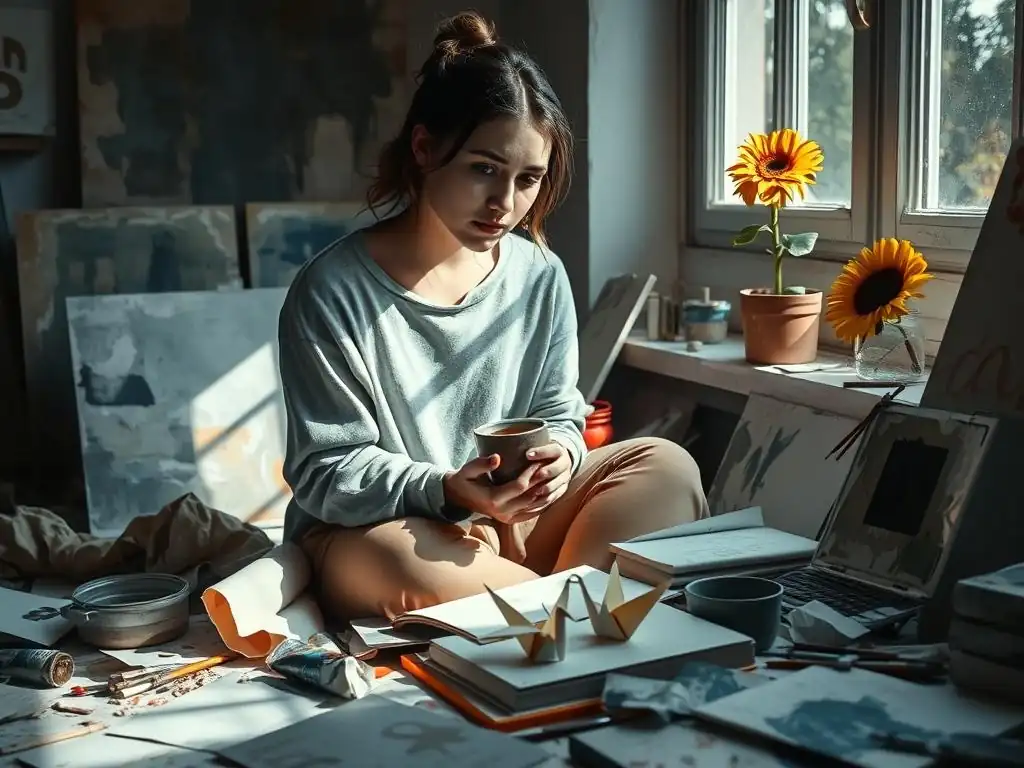
Welcome to Mind Care Guide, a space dedicated to nurturing your mental well-being. Feeling creatively drained and emotionally exhausted? You're not alone. Many artists experience burnout, a debilitating condition that can stifle passion and impact your overall health. This article delves into Arts burnout recovery strategies, offering practical and empathetic guidance to help you rediscover your spark and reclaim your creative energy. Curious to learn how to reignite your passion and find balance? Let's begin.
- Burnout in the Arts: Recognizing the Signs and Reclaiming Your Energy - A Mind Care Guide
- Identifying the Signs and Symptoms of Arts Burnout
- Factors Contributing to Burnout in Artists
- The Impact of Arts Burnout on Mental Health
- Arts Burnout Recovery Strategies: Reclaiming Your Creative Energy
- Preventing Arts Burnout: Long-Term Strategies for Sustainability
- Resources for Artists Experiencing Burnout
- Conclusion: Embracing Self-Care and Reigniting Your Creative Spark
-
Frequently Asked Questions
- What are some common signs of burnout specifically affecting artists?
- How does burnout in the arts differ from burnout in other professions?
- What is the role of self-care in arts burnout recovery?
- What are some effective strategies for reclaiming energy after experiencing arts burnout?
- Where can artists find support and resources to cope with arts burnout?
- Final Reflection: Reclaiming Creativity, Reclaiming Self
- Rediscover Your Creative Spark: Next Steps to a Thriving Artistic Life
Burnout in the Arts: Recognizing the Signs and Reclaiming Your Energy - A Mind Care Guide
Defining Burnout in Creative Professions
Burnout in creative professions, often referred to as arts burnout, is a state of physical, emotional, and mental exhaustion caused by prolonged exposure to stressful or demanding work conditions. Unlike general job stress, burnout is characterized by feelings of cynicism, detachment from one's work, and a reduced sense of personal accomplishment. For artists and creatives, this can manifest as a loss of passion for their craft, difficulty generating new ideas, and a feeling of being creatively depleted. It's more than just being tired; it's a deep erosion of the connection to the very activity that often defines their identity.
This specific form of burnout impacts individuals across the creative spectrum, from painters and musicians to writers, designers, and performers. It stems from the unique pressures inherent in artistic careers, where the line between work and personal life is often blurred, and the work itself is deeply tied to self-expression and identity. Recognizing arts burnout is the critical first step towards implementing effective arts burnout recovery strategies and regaining a healthy relationship with one's creative practice.
The Unique Challenges Faced by Artists and Creatives
Artists and creatives navigate a landscape fraught with distinct challenges that contribute significantly to burnout risk. The inherent subjectivity of creative work means that validation often depends on external reception, sales, or critical acclaim, leading to constant vulnerability and self-doubt. Many artists operate as freelancers or run small businesses, facing irregular income, lack of traditional benefits like paid time off or health insurance, and the necessity of wearing multiple hats – creator, marketer, administrator, and salesperson.
Furthermore, the expectation to constantly produce original, high-quality work can be immense. The creative process itself can be isolating and demanding, requiring long hours of intense focus, often without immediate reward. A 2018 study by the University of the Arts London highlighted that artists reported significantly higher levels of stress and anxiety compared to the general population, with financial instability and the pressure to succeed cited as major factors. These unique pressures make understanding and addressing arts burnout crucial for the well-being and sustainability of creative careers.
The Prevalence of Burnout in the Arts Industry
While precise global statistics specifically on "arts burnout" are still emerging, broader surveys on mental health in creative fields paint a concerning picture. A 2019 study conducted by the UK's Creative Industries Federation found that 60% of workers in the creative sector had experienced mental health issues, including symptoms strongly associated with burnout, such as high levels of stress and anxiety. Anecdotal evidence and small-scale studies within specific disciplines like music or theatre consistently report high rates of exhaustion and disillusionment among practitioners.
For instance, a survey of musicians by the British Association for Performing Arts Medicine (BAPAM) indicated that a significant percentage struggled with performance anxiety, depression, and burnout-like symptoms related to touring demands, financial pressures, and the emotional intensity of their work. While hard figures for burnout across the entire arts sector are difficult to aggregate due to the varied nature of the work, the prevalence of contributing factors like financial insecurity, long hours, and emotional investment suggests that arts burnout is a widespread and significant issue impacting a large portion of the creative workforce.
Identifying the Signs and Symptoms of Arts Burnout
Emotional Exhaustion: Feeling Drained and Overwhelmed
Emotional exhaustion is often the hallmark symptom of arts burnout, leaving artists feeling utterly depleted and unable to face the demands of their creative work or even daily life. This goes beyond simple fatigue; it's a profound sense of being emotionally hollowed out, as if all reserves have been used up. An artist experiencing this might find themselves tearful, irritable, or excessively sensitive to minor setbacks, feeling overwhelmed by tasks that previously felt manageable.
This persistent state of depletion makes it difficult to muster the emotional energy required for creative expression, collaboration, or even engaging with the art community. For example, a writer might stare at a blank page for hours, not because they lack ideas, but because they feel too emotionally drained to connect with their characters or themes. Recognizing this deep-seated exhaustion is a vital step in identifying arts burnout and initiating effective arts burnout recovery strategies.
Cynicism and Detachment: Losing Passion for Your Art
Another critical sign of arts burnout is the development of cynicism and detachment, where the artist begins to feel disconnected from their work, their audience, and even their initial passion. What once brought joy and fulfillment starts to feel like a chore or an obligation. This can manifest as a cynical attitude towards their own art, the art world, or their clients/patrons. They might start viewing their creative endeavors purely as a means to an end (like paying bills) rather than a source of intrinsic satisfaction.
This detachment can lead to a decline in the quality or originality of their work, as they may rush through projects or lose interest in refining details. A musician might find themselves dreading rehearsals or performances, feeling indifferent towards their instrument. This loss of passion is particularly devastating for artists, as their identity is often so closely intertwined with their creative practice. Addressing this cynicism is a key component of arts burnout recovery strategies.
Reduced Personal Accomplishment: Doubting Your Abilities
Arts burnout significantly erodes an artist's sense of personal accomplishment, leading to feelings of inadequacy and self-doubt despite past successes. Even when completing projects, the artist may feel they haven't done enough, that the work isn't good enough, or that their contributions don't matter. This internal criticism can become relentless, diminishing their confidence and making it difficult to celebrate achievements or recognize their own value.
This symptom is often exacerbated by the subjective nature of art and the constant exposure to criticism or rejection. An artist who previously felt proud of their portfolio might suddenly view it with disdain, focusing only on perceived flaws. This diminished sense of accomplishment can create a vicious cycle, where the artist feels less motivated to create, further reinforcing their feelings of inadequacy. Rebuilding this sense of worth is a fundamental part of arts burnout recovery strategies.
Physical Symptoms of Creative Burnout
Burnout is not purely psychological; it also manifests in noticeable physical symptoms. The chronic stress associated with arts burnout can weaken the immune system, leading to increased susceptibility to colds and other illnesses. Artists might experience persistent fatigue, headaches, muscle tension, or gastrointestinal issues. Changes in sleep patterns are common, ranging from insomnia to excessive sleeping.
For instance, a theatre performer experiencing burnout might suffer from chronic voice strain or persistent muscle aches that aren't related to physical exertion. These physical symptoms are the body's response to prolonged stress and emotional distress. Ignoring these signs can lead to more serious health problems, underscoring the importance of recognizing the physical toll of arts burnout and incorporating physical well-being into arts burnout recovery strategies.
Behavioral Indicators
Burnout also influences an artist's behavior. Common behavioral indicators include procrastination, avoidance of creative tasks, and withdrawal from social interactions, particularly those related to their art community. They might miss deadlines, neglect administrative tasks, or struggle to start new projects. There can be an increase in irritability or conflict with collaborators, agents, or clients.
Some artists might turn to unhealthy coping mechanisms, such as increased alcohol or drug use, overeating, or excessive spending, to numb the emotional pain. Others might become unusually withdrawn, isolating themselves from friends and family. Observing these changes in behavior – a previously prolific writer suddenly unable to finish a draft, or a sociable musician cancelling gigs and avoiding colleagues – is crucial for identifying potential arts burnout.
Factors Contributing to Burnout in Artists
Pressure to Create and Innovate
The arts industry places immense pressure on individuals to constantly create original, groundbreaking, and commercially viable work. Artists are expected to push boundaries, develop unique styles, and consistently deliver high-quality output to stay relevant and competitive. This relentless demand for innovation can be mentally exhausting, leading to creative blocks and feelings of inadequacy if inspiration doesn't strike on command.
For example, a graphic designer might feel overwhelmed by the need to constantly learn new software, adapt to fleeting design trends, and produce fresh concepts under tight deadlines for multiple clients simultaneously. This pressure cooker environment, where creative output is directly tied to livelihood and reputation, is a significant driver of arts burnout. Managing this pressure is key to developing effective arts burnout recovery strategies.
Financial Instability and Uncertainty
One of the most significant stressors for artists is the pervasive financial instability and uncertainty inherent in many creative careers. Income can be irregular, project-based, and often low, making it difficult to cover basic living expenses, save for the future, or access benefits. The need to constantly hustle for the next gig or sale adds a layer of chronic stress.
A musician might face months with no paid performances followed by a hectic touring schedule that is physically and mentally taxing but still barely covers costs. This constant worry about making ends meet can drain emotional energy and make it hard to focus on the creative process itself. Addressing financial stress is often a crucial, albeit challenging, part of comprehensive arts burnout recovery strategies.
Constant Self-Promotion and Networking Demands
In the contemporary arts landscape, artists are often required to be not just creators but also marketers, publicists, and networkers. Building an online presence, managing social media, applying for grants and residencies, attending events, and constantly promoting their work to potential buyers, galleries, or collaborators takes significant time and energy, often diverting focus from the actual art-making.
An illustrator might spend as much time curating their Instagram feed, responding to emails, and attending networking events as they do drawing. This constant need to be "on" and visible can be particularly draining for introverted artists or those who prefer to focus solely on their craft. The demand for perpetual self-promotion contributes significantly to the feeling of being overwhelmed and is a major factor in arts burnout.
Criticism and Rejection: Dealing with Negative Feedback
Exposure to criticism and rejection is an unavoidable part of an artist's life. Submitting work to galleries, publishers, grant committees, or potential clients often results in rejections, sometimes without specific feedback. Even positive reviews can be accompanied by negative ones, and public commentary on social media can be harsh. Because creative work is often deeply personal, criticism can feel like a personal attack, impacting self-esteem.
A writer might receive dozens of rejections for a manuscript they poured years into, or a painter might have a piece dismissed by a critic they respect. Learning to process and move past negative feedback without letting it paralyze their creative spirit is a constant challenge. The cumulative effect of repeated rejections and harsh criticism can wear down an artist's resilience and contribute heavily to arts burnout.
Lack of Work-Life Balance in Creative Careers
The passion-driven nature of creative work often blurs the lines between professional and personal life, leading to a significant lack of work-life balance. Artists may work unconventional hours, feel pressure to always be "on" or thinking about their work, and struggle to switch off. The home studio can easily become a source of stress rather than a sanctuary.
A sculptor might work late into the night to meet a deadline, then spend their "off" hours thinking about the next project or worrying about finances. This inability to disconnect and create clear boundaries between work and personal time prevents adequate rest and recovery, making artists highly susceptible to arts burnout. Establishing healthier boundaries is a critical element of effective arts burnout recovery strategies.
The Impact of Arts Burnout on Mental Health
Increased Risk of Anxiety and Depression
Arts burnout is strongly correlated with an increased risk of developing or exacerbating mental health conditions such as anxiety and depression. The chronic stress, emotional exhaustion, financial worries, and feelings of inadequacy associated with burnout create a fertile ground for these conditions to take root. An artist struggling with burnout might experience persistent worry, panic attacks, feelings of hopelessness, loss of interest in activities (including art), and difficulty concentrating.
For example, a dancer facing burnout might develop crippling performance anxiety, fearing failure and judgment to the point of physical sickness before shows. The constant pressure to perform, coupled with the physical demands and financial precarity of the profession, makes dancers particularly vulnerable. Addressing arts burnout is therefore not just about career sustainability but is a vital component of protecting an artist's overall mental health.
Negative Effects on Self-Esteem and Identity
Because creative work is often so closely tied to an artist's identity and self-expression, arts burnout can have a devastating impact on self-esteem. When an artist feels creatively blocked, detached from their work, or experiences a reduced sense of accomplishment, it can feel like a fundamental part of who they are is failing. This erosion of self-worth can make it difficult to engage in any activity, not just art.
A filmmaker experiencing burnout might start questioning their entire career path and doubting their talent, leading to a crisis of identity. They might feel like a failure not just as a professional but as a person. Rebuilding a healthy sense of self-esteem and separating one's worth from one's creative output is a significant challenge in arts burnout recovery strategies.
The stress and emotional depletion caused by arts burnout can significantly strain relationships with partners, family, and friends. Irritability, withdrawal, and the inability to be fully present can make it difficult to connect with loved ones. The demanding nature of creative careers, often involving long hours or travel, can already make maintaining relationships challenging, and burnout exacerbates these difficulties.
An artist consumed by burnout might snap at their partner, cancel plans with friends, or become too withdrawn to communicate their struggles effectively. This social isolation can further worsen feelings of depression and anxiety, creating a negative feedback loop. Maintaining and nurturing a supportive social network is crucial for mental well-being and plays a supportive role in arts burnout recovery strategies.
Impact on Physical Health and Well-being
As mentioned earlier, the physical symptoms of burnout can have a significant impact on an artist's overall physical health. Chronic stress contributes to inflammation, weakens the immune system, and increases the risk of cardiovascular issues, digestive problems, and chronic pain. Poor sleep quality further impairs physical and cognitive function.
A musician who is constantly touring and experiencing burnout might develop chronic fatigue, digestive issues from erratic eating habits, or repetitive strain injuries exacerbated by stress and lack of proper rest. Ignoring these physical signs can lead to long-term health consequences. Integrating physical self-care, such as regular exercise, healthy eating, and sufficient sleep, is therefore an essential element of comprehensive arts burnout recovery strategies.
Arts Burnout Recovery Strategies: Reclaiming Your Creative Energy
Self-Care Practices for Artists: Prioritizing Your Well-being
Prioritizing self-care is not a luxury for artists; it's a fundamental necessity for sustainable creative practice and effective arts burnout recovery strategies. This involves intentionally setting aside time and energy to nurture one's physical, emotional, and mental health. It means recognizing that your well-being is the foundation upon which your creativity rests, not something secondary to be addressed only when you've hit a wall.
Self-care looks different for everyone, but it generally includes activities that help you recharge, de-stress, and connect with yourself outside of your creative identity. This could involve simple daily habits like taking short breaks, ensuring adequate hydration and nutrition, or engaging in hobbies that are completely unrelated to your art. Making self-care a non-negotiable part of your routine is a powerful step towards preventing and recovering from arts burnout.
The Importance of Rest and Relaxation
Adequate rest and relaxation are non-negotiable components of arts burnout recovery strategies. Chronic lack of sleep and the inability to truly switch off prevent the mind and body from recovering from stress. Artists often glorify the "hustle" or late-night work sessions, but this unsustainable approach quickly leads to depletion. Prioritizing 7-9 hours of quality sleep per night is crucial for cognitive function, emotional regulation, and physical health.
Beyond sleep, incorporating periods of conscious relaxation throughout the day and week is vital. This doesn't mean scrolling through social media, which can be mentally draining. It means engaging in activities that genuinely help you unwind, whether it's reading a book, taking a bath, spending time in nature, or simply doing nothing for a set period. Scheduling these breaks and rest periods into your week can help combat the pervasive fatigue associated with arts burnout.
Incorporating Mindfulness and Meditation Techniques
Mindfulness and meditation can be powerful tools in arts burnout recovery strategies, helping artists manage stress, reduce anxiety, and reconnect with the present moment. Mindfulness involves paying attention to your thoughts, feelings, and bodily sensations without judgment, which can help artists observe their burnout symptoms and stressors from a more detached perspective.
Even just a few minutes of daily mindfulness practice, such as focusing on your breath or taking a mindful walk, can help calm the nervous system. Meditation, whether guided or unguided, can help quiet the internal critic, reduce rumination on financial worries or rejections, and cultivate a sense of inner peace. These practices build emotional resilience and can help artists approach their work with less stress and more clarity.
Engaging in Activities Outside of Art
While passion for art is often consuming, engaging in activities and hobbies completely unrelated to one's creative profession is essential for preventing and recovering from arts burnout. These activities provide a necessary mental break, allow for different types of skill development, and connect artists with communities outside the often-insular art world.
This could be anything from gardening, hiking, or cooking to playing a non-professional sport, volunteering, or learning a new language. The key is that it's something you do purely for enjoyment, without any pressure for performance, financial gain, or critical evaluation. These unrelated activities help artists remember that their identity is multifaceted and provides a source of fulfillment independent of their creative output, bolstering arts burnout recovery strategies.
Setting Boundaries and Managing Your Time Effectively
Establishing clear boundaries is perhaps one of the most challenging but necessary arts burnout recovery strategies for artists. Because work and life are often intertwined, artists must consciously create separation to protect their time, energy, and mental health. This involves setting limits on work hours, defining physical workspaces (if possible), and managing interactions related to work.
Effective time management goes hand-in-hand with boundary setting. This involves planning your creative time realistically, allocating time for administrative tasks, and importantly, scheduling time for rest, self-care, and personal life. Using tools like calendars, to-do lists, or time-tracking apps can help artists gain a clearer picture of how their time is spent and where adjustments are needed to prevent overload.
Learning to Say No to Demands
A critical boundary-setting skill in arts burnout recovery strategies is learning to say no. Artists, particularly those starting out or struggling financially, may feel pressured to accept every opportunity, commission, or request, even if it's outside their interest, poorly paid, or requires an unrealistic timeline. This people-pleasing tendency or fear of missing out quickly leads to being overcommitted and overwhelmed.
Saying no, politely but firmly, to projects, collaborations, or social engagements that do not align with your goals, capacity, or values is an act of self-preservation. It frees up time and energy for projects that are genuinely fulfilling and sustainable. While difficult, especially when financial pressures are high, learning to evaluate opportunities and decline those that will contribute to burnout is vital.
Establishing Realistic Goals and Expectations
Burnout often stems from setting overly ambitious or unrealistic goals and expectations for oneself and one's career. The pressure to achieve success quickly, match the perceived output of peers, or make a certain amount of money by a specific age can be debilitating. Establishing realistic goals and expectations is a core component of arts burnout recovery strategies.
This involves breaking down large aspirations into smaller, manageable steps and celebrating incremental progress. It also means adjusting expectations about the pace of success, the level of financial stability, and the amount of recognition one might receive. Comparing one's own journey to the curated highlights reel of others on social media is particularly damaging. Focusing on the process and personal growth rather than solely on outcomes can help alleviate pressure.
Creating a Sustainable Work Schedule
Developing and sticking to a sustainable work schedule is fundamental to preventing and recovering from arts burnout. This means moving away from erratic, marathon work sessions towards a more consistent and predictable routine that includes defined start and end times, regular breaks, and days off. While creative inspiration doesn't always adhere to a clock, structuring your work time provides stability.
For example, an artist might decide to work in their studio from 9 am to 5 pm, taking a lunch break and short stretch breaks, and strictly avoid working in the evenings or weekends unless absolutely necessary for a critical deadline. Establishing these regular hours, even if flexible, helps create a boundary between work and life and signals to your brain that it's okay to rest and recharge outside of those times. This predictability is key to long-term creative sustainability.
Reconnecting with Your Passion for Art
Arts burnout often involves a painful disconnection from the very passion that drove the artist in the first place. Reconnecting with this intrinsic motivation is a vital part of arts burnout recovery strategies. This is not about forcing productivity but about finding joy and meaning in the creative process itself again, free from external pressures.
This phase might involve taking a break from commercial projects or client work and dedicating time to creating purely for pleasure. It's about remembering why you started creating in the first place – the feeling of flow, the satisfaction of bringing an idea to life, the joy of experimentation. This rediscovery of intrinsic motivation is crucial for reigniting the creative spark.
Exploring New Creative Outlets
Sometimes, the burnout is tied to a specific medium, style, or industry niche. Exploring new creative outlets can be a refreshing way to reconnect with creativity without the baggage associated with the area causing burnout. This allows for experimentation, reduces pressure, and can spark new ideas that might even feed back into their primary practice later.
A musician burned out from touring and recording might try painting or writing poetry. A writer exhausted by novel deadlines might experiment with screenwriting or photography. These new outlets provide a low-stakes environment to simply play and create without the pressure of professional expectations, helping to alleviate the symptoms of arts burnout.
Returning to the Fundamentals of Your Craft
When feeling overwhelmed by complex projects or market demands, returning to the basic fundamentals of one's craft can be grounding. This involves stripping away the pressures and focusing on the core skills and techniques that initially fascinated you. It's about practicing for the sake of practice, honing skills without the immediate goal of producing a finished, marketable piece.
A painter might spend time simply sketching forms or practicing color mixing without attempting a full composition. A writer might do freewriting exercises or focus on mastering a specific grammatical concept. This return to basics can help rebuild confidence, reconnect with the tactile or technical joy of the craft, and remind the artist why they fell in love with it in the first place, aiding arts burnout recovery strategies.
Seeking Inspiration from Other Artists
When feeling creatively depleted, seeking inspiration from the work of other artists can be incredibly revitalizing. This isn't about comparison or feeling inadequate, but about being reminded of the vast possibilities of creative expression and the enduring power of art. Visiting galleries, attending performances, reading books, or listening to music can provide a much-needed influx of ideas and motivation.
Learning about the journeys and struggles of other artists, particularly those who have navigated challenges, can also provide perspective and a sense of not being alone in the experience of arts burnout. Engaging with art from a place of appreciation rather than competition can help rekindle the artist's own creative fire.
Building a Supportive Community
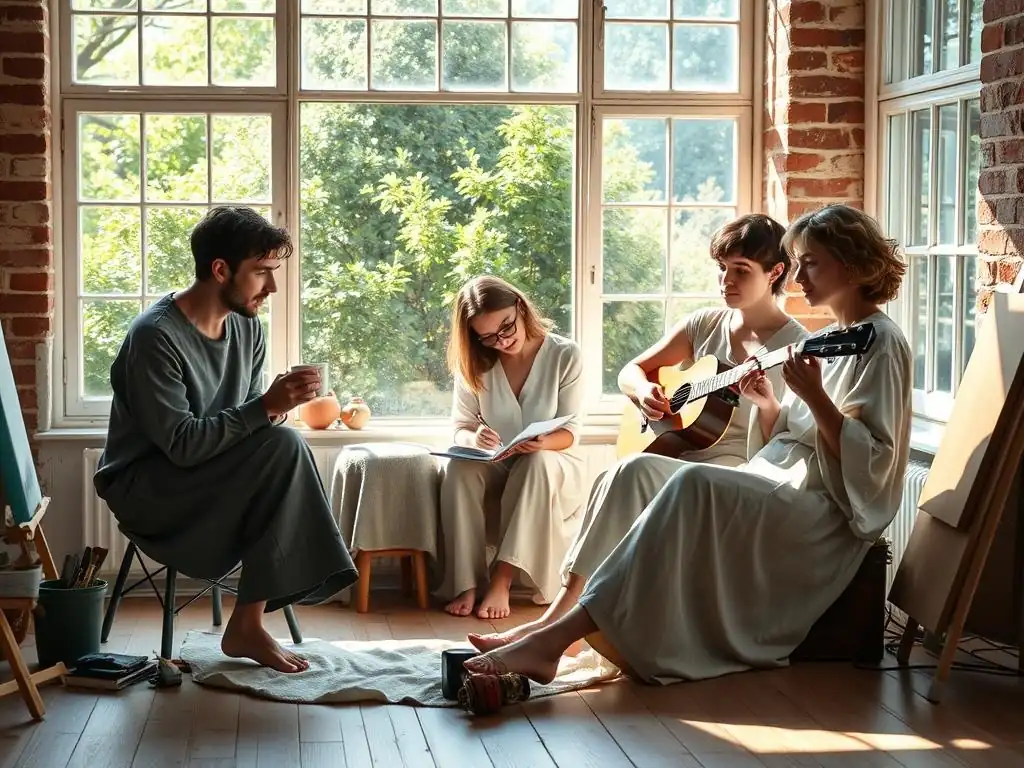
Isolation is a common experience in creative fields, and it can exacerbate arts burnout. Building and nurturing a supportive community is a powerful antidote and a key element of arts burnout recovery strategies. Connecting with others who understand the unique challenges of being an artist provides emotional support, reduces feelings of isolation, and can offer practical advice and encouragement.
This community can take many forms, from close friends and family who offer unwavering support to fellow artists who share similar experiences. Engaging with others who "get it" can help normalize feelings of burnout and provide a safe space to share struggles and celebrate small victories.
Connecting with Fellow Artists and Creatives
Intentionally connecting with other artists and creatives is invaluable. This can happen through joining local art groups, attending workshops, participating in online forums, or simply scheduling regular coffee chats with creative friends. Sharing experiences about financial struggles, creative blocks, or dealing with rejection with someone who understands the unique pressures of the arts can be incredibly validating and reduce feelings of isolation.
These connections can also lead to collaborations, peer critique, and mutual encouragement, fostering a sense of camaraderie rather than competition. Hearing how others have navigated challenges, including arts burnout, can provide practical insights and renewed hope.
Seeking Mentorship and Guidance
Finding a mentor or seeking guidance from more experienced artists can provide invaluable support and perspective when dealing with arts burnout. A mentor can offer wisdom gained from navigating the ups and downs of a creative career, provide advice on practical issues like time management or setting boundaries, and offer encouragement during difficult times.
Mentorship can provide a roadmap or simply a listening ear from someone who has likely faced similar challenges. Their perspective can help an artist see beyond the immediate difficulties of burnout and envision a sustainable future in their creative field. This guidance is a significant asset in developing effective arts burnout recovery strategies.
Joining Support Groups for Artists
Formal or informal support groups specifically for artists can provide a structured environment for sharing experiences and finding collective strength. These groups, whether in-person or online, create a safe space to discuss the unique challenges of the arts industry, including burnout, without fear of judgment.
Hearing from others who are going through similar struggles can be incredibly validating and reduce feelings of shame or failure associated with burnout. Group members can share coping strategies, resources, and provide consistent encouragement, making these groups a powerful component of comprehensive arts burnout recovery strategies.
Seeking Professional Help for Burnout Recovery
While self-care and community support are essential, sometimes arts burnout requires professional intervention, particularly if symptoms are severe or accompanied by depression or anxiety. Seeking help from a therapist, counselor, or coach specializing in working with artists or creatives can provide tailored support and strategies.
Mental health professionals can help artists understand the root causes of their burnout, develop healthier coping mechanisms, address underlying issues like perfectionism or self-worth, and build resilience. They can provide objective perspective and guidance through the recovery process. Recognizing when you need professional support is a sign of strength, not weakness.
Therapy and Counseling Options for Artists
Therapy and counseling offer a range of approaches that can be beneficial for artists experiencing burnout. Cognitive Behavioral Therapy (CBT) can help identify and challenge negative thought patterns related to self-worth, criticism, and financial anxiety. Acceptance and Commitment Therapy (ACT) can help artists clarify their values and commit to actions that align with those values, even in the presence of difficult thoughts and feelings.
Therapy provides a confidential space to process the emotional toll of burnout, explore personal history that might contribute to vulnerability, and develop personalized arts burnout recovery strategies. A therapist can help artists navigate complex feelings like grief over lost passion or anger at industry pressures.
The Role of Medication in Managing Burnout Symptoms
In some cases, arts burnout can trigger or coexist with clinical depression or anxiety disorders. If these conditions are present and significantly impacting an artist's ability to function or engage in recovery strategies, medication might be a part of a broader treatment plan. Antidepressants or anti-anxiety medications, prescribed by a psychiatrist or medical doctor, can help manage severe symptoms and create a foundation for therapeutic work and behavioral changes.
It's important to note that medication typically addresses the symptoms of co-occurring conditions rather than burnout itself, but by alleviating debilitating depression or anxiety, it can empower the artist to implement the necessary lifestyle changes and therapeutic strategies for burnout recovery. Medication is usually most effective when used in conjunction with therapy and other arts burnout recovery strategies.
Finding a Therapist Experienced in Working with Creatives
Finding a therapist who has experience working with artists or understands the unique challenges of creative professions can be particularly helpful. These therapists are often more attuned to issues like financial instability, the subjective nature of success, the impact of criticism, and the blurred lines between work and identity that are central to arts burnout.
They may have a deeper understanding of the industry's pressures and can offer more relevant insights and coping strategies. Resources like artist-specific mental health organizations or directories that list therapists by specialization can help artists find a professional who is a good fit for their specific needs related to arts burnout recovery strategies.
Preventing Arts Burnout: Long-Term Strategies for Sustainability
Preventing arts burnout is an ongoing process that requires intentional effort and a commitment to sustainable practices. It's about building resilience and developing healthy habits that support long-term creative well-being, rather than just reacting when burnout hits. These strategies involve cultivating a healthy relationship with your work, your self, and your place in the world.
Establishing these preventative measures is an investment in the longevity and fulfillment of your creative career. It means proactively integrating the lessons learned from arts burnout recovery strategies into your daily and weekly routines, making them standard practice rather than emergency measures.
Cultivating Resilience and Self-Compassion
Building resilience, the ability to bounce back from setbacks, and cultivating self-compassion, treating oneself with kindness and understanding, are crucial long-term strategies for preventing arts burnout. Resilience helps artists navigate rejection, criticism, and financial challenges without becoming completely derailed. Self-compassion counteracts the harsh self-criticism that often accompanies creative work.
This involves reframing failures as learning opportunities, developing a growth mindset, and practicing forgiveness towards oneself for not meeting unrealistic expectations. Learning to be kind to yourself when you're struggling, rather than layering on shame or frustration, builds an internal buffer against the external pressures that contribute to burnout.
Developing Healthy Coping Mechanisms
Developing a repertoire of healthy coping mechanisms is essential for managing the inevitable stresses of a creative career and preventing arts burnout. Rather than resorting to avoidance, unhealthy habits, or excessive self-criticism, artists need constructive ways to process stress and difficult emotions.
Examples include regular exercise, journaling, talking to supportive friends or a therapist, engaging in mindfulness or meditation, spending time in nature, or pursuing unrelated hobbies. Having readily available, healthy ways to de-stress and process challenges makes artists less susceptible to the cumulative effects of stress that lead to burnout.
Prioritizing Mental Health and Well-being
Making mental health a priority, not an afterthought, is perhaps the most important long-term strategy for preventing arts burnout. This means viewing mental well-being as equally important as physical health and financial stability. It involves regular check-ins with oneself, being aware of early warning signs of stress or fatigue, and being willing to adjust one's schedule or seek support when needed.
This might mean scheduling regular therapy sessions even when things are going well, building mental health days into your year, or simply giving yourself permission to rest when you feel overwhelmed. Prioritizing mental health creates a foundation of stability that can help artists weather the inherent storms of a creative career.
Creating a Sustainable and Fulfilling Creative Career
Ultimately, preventing arts burnout is about building a creative career that is sustainable and fulfilling in the long term. This involves making conscious choices about the types of projects you take on, setting realistic financial goals, establishing healthy work habits, and continuously evaluating whether your career path aligns with your values and brings you joy.
It requires a willingness to adapt, to learn from challenging experiences like burnout, and to advocate for your own needs. Building a sustainable career isn't about achieving a mythical level of success but about creating a life where you can continue to create art in a way that nourishes rather than depletes you. Implementing effective arts burnout recovery strategies when needed, and preventative measures always, is key to this goal.
Resources for Artists Experiencing Burnout
Online Communities and Support Groups
Numerous online communities and support groups exist for artists facing burnout and mental health challenges. Platforms like Facebook groups, Reddit communities (e.g., r/Artists, r/burnout), or specialized forums dedicated to mental health for creatives offer spaces to connect with peers globally. These communities provide a platform for sharing experiences, asking for advice, finding encouragement, and feeling less alone in the struggle with arts burnout.
While not a substitute for professional help, peer support can be incredibly validating and provide practical tips from others who have navigated similar situations. Searching for groups specific to your discipline (e.g., writers' groups, musicians' forums) or general creative burnout groups can be a good starting point.
Mental Health Organizations for Creatives
Several organizations are dedicated to supporting the mental health of individuals in the creative industries. Examples include the Actors Fund (primarily for performing arts professionals but with broad resources), the British Association for Performing Arts Medicine (BAPAM) in the UK, and local arts councils or foundations that may offer mental health resources or directories.
These organizations often provide resources specifically tailored to the unique challenges faced by artists, such as financial assistance programs, counseling services, or educational materials on managing stress and preventing burnout. Exploring organizations relevant to your specific art form or geographical location can uncover valuable support options.
Books and Articles on Burnout Recovery
A wealth of books and articles offer insights and strategies for understanding and recovering from burnout, many of which are highly relevant to artists. Titles focusing on creative blocks, managing the artistic life, or general burnout recovery can provide valuable information and practical exercises.
Reading about the experiences of others who have overcome burnout can be inspiring, and learning about psychological principles behind stress and recovery can empower artists to implement effective arts burnout recovery strategies. Searching for resources specifically addressing "creative burnout" or "artist well-being" can yield relevant materials.
Conclusion: Embracing Self-Care and Reigniting Your Creative Spark
Burnout in the arts is a pervasive and serious issue, born from a unique confluence of pressures including financial instability, constant demand for innovation, and the deeply personal nature of creative work. Recognizing the signs – emotional exhaustion, cynicism, reduced accomplishment, and physical and behavioral changes – is the essential first step towards healing. Ignoring these symptoms can lead to significant impacts on mental and physical health, relationships, and the ability to create.
Implementing effective arts burnout recovery strategies is not a one-size-fits-all solution but requires a personalized approach centered on prioritizing well-being. This involves dedicated self-care practices like rest, mindfulness, and engaging in non-art activities; setting crucial boundaries around time and commitments; actively working to reconnect with the intrinsic joy of creating; building a supportive community; and seeking professional help when needed.
Preventing future burnout requires cultivating resilience, developing healthy coping mechanisms, and consciously building a sustainable creative life. By embracing self-care not as a luxury but as a necessity, artists can navigate the challenges of their profession, reclaim their energy, and reignite the creative spark that fuels their unique contribution to the world.
Frequently Asked Questions
What are some common signs of burnout specifically affecting artists?
Artists often experience burnout through creative block, feelings of detachment from their art, and chronic exhaustion despite reduced output.
How does burnout in the arts differ from burnout in other professions?
Burnout in the arts is often tied to intrinsic motivation and identity, meaning it can be more deeply personal and impact self-worth. The unpredictable nature of artistic careers also contributes.
What is the role of self-care in arts burnout recovery?
Self-care is crucial and involves prioritizing personal needs, setting healthy boundaries around work, and engaging in activities that recharge creativity and energy.
What are some effective strategies for reclaiming energy after experiencing arts burnout?
Mindfulness practices, connecting with nature, and exploring new creative outlets outside of your usual work can help restore energy and perspective.
Where can artists find support and resources to cope with arts burnout?
Support groups, mental health professionals specializing in creative fields, and online communities like Mind Care Guide can provide guidance and practical strategies for recovery.
Final Reflection: Reclaiming Creativity, Reclaiming Self
The relentless pursuit of artistic expression, while deeply rewarding, often comes at a steep cost. Burnout in the arts isn't just a temporary slump; it's a pervasive threat that silences voices and stifles innovation. This article has explored the insidious nature of artistic burnout, highlighting the crucial need for self-awareness and proactive strategies for recovery.
The creative process, while inherently fulfilling, can be incredibly demanding, both emotionally and mentally. The pressure to constantly produce, innovate, and compete can leave artists feeling depleted and disillusioned. The artist must possess the courage to create, and the courage to destroy.
This quote, while seemingly paradoxical, speaks to the essential act of letting go – of old habits, of unrealistic expectations, and of the fear of failure – that is vital for recovery. The artistic landscape, constantly evolving and often hyper-competitive, necessitates a conscious effort to prioritize well-being alongside creative output.
You, the artist, hold the power to redefine your relationship with your craft. This isn't about abandoning your passion, but rather about cultivating a sustainable practice that nourishes your soul as much as it fuels your creativity. Take the time to implement the strategies discussed – prioritize self-care, set realistic boundaries, and seek support when needed. Remember that your well-being is not a luxury, but a necessity for the continued flourishing of your artistic journey. Embrace the power of self-compassion and allow yourself the space to heal, grow, and create with renewed vigor.
Rediscover Your Creative Spark: Next Steps to a Thriving Artistic Life
Thanks for taking the time to explore the often-overlooked issue of burnout in the arts. We hope this article provided valuable insights and helped you identify potential challenges in your own creative journey. Now it's time to take action!
- Prioritize one small, sustainable self-care practice: This could be anything from a 15-minute daily walk to setting clear boundaries around your work time. Even small changes can make a big difference.
- Share your thoughts and experiences: Let's build a supportive community! Share your biggest takeaway from this article in the comments below – your insights might help another artist struggling with burnout.
- Explore a new creative outlet (or revisit an old one!): Sometimes a fresh perspective is all we need. Try a different medium, revisit a hobby you've neglected, or simply allow yourself to experiment without pressure.
So, what's one small step you can take today to nurture your creative well-being and prevent burnout?