
Cultivating Resilience: How Body Scan Meditation Builds Mental Strength


Welcome to Mind Care Guide, a space dedicated to nurturing your mental well-being. Feeling overwhelmed or searching for inner strength? This week, we delve into the powerful connection between mindfulness and resilience. Discover how body scan meditation resilience benefits can help you navigate life's challenges with greater ease and cultivate lasting mental strength. Intrigued? Read on to learn how this simple practice can transform your well-being.
Cultivating Resilience: How Body Scan Meditation Builds Mental Strength
- Understanding Body Scan Meditation and Resilience
- Body Scan Meditation: Your Path to Building Resilience
- Techniques for Maximizing Body Scan Meditation Resilience Benefits
- Scientific Evidence Supporting Body Scan Meditation for Resilience
- Troubleshooting Common Challenges in Body Scan Meditation
- Real-Life Examples: Body Scan Meditation and Increased Resilience
- Resources for Learning More About Body Scan Meditation and Resilience
-
Frequently Asked Questions
- What exactly is body scan meditation, and how does it relate to resilience?
- How can body scan meditation specifically contribute to building mental resilience?
- How often should I practice body scan meditation to experience the resilience benefits?
- What are some common challenges people face when starting body scan meditation, and how can they overcome them?
- Are there any specific conditions or mental health challenges where body scan meditation might not be recommended, or where professional guidance is needed?
- Final Reflection: The Enduring Power of Inner Strength
- Unleash Your Inner Strength: Start Your Resilience Journey Today!
Understanding Body Scan Meditation and Resilience
What is Body Scan Meditation? A Beginner's Guide
Body scan meditation is a mindfulness technique that involves systematically bringing your attention to different parts of your body, from your toes to the top of your head. The goal isn't to change anything you notice, but simply to observe sensations—whether they are pleasant, unpleasant, or neutral—with curiosity and non-judgment.
It's a foundational practice in mindfulness-based programs, designed to help you become more aware of your physical self and its connection to your mental and emotional states. Unlike other forms of meditation that might focus on breathing or a mantra, the body scan anchors your awareness firmly in the present moment through bodily sensations.
This practice typically involves lying down or sitting comfortably and gently closing your eyes. You then guide your attention sequentially through the body, pausing in each area for a few moments to notice whatever sensations are present. This could be tingling, warmth, coolness, pressure, or the absence of sensation. If your mind wanders, which it inevitably will, the practice is simply to notice the wandering and gently guide your attention back to the part of the body you were focusing on. Regular engagement with this technique cultivates a heightened sense of body awareness and presence.
The Connection Between Body Scan Meditation and Mental Resilience
Resilience is the ability to adapt well in the face of adversity, trauma, tragedy, threats, or significant sources of stress. It's not about avoiding difficulty, but about navigating it effectively and bouncing back. Body scan meditation directly supports the development of mental resilience by fostering a greater capacity to tolerate discomfort, both physical and emotional, without becoming overwhelmed. By practicing observing sensations without judgment or immediate reaction, individuals train their minds to respond to challenges with greater calm and perspective.
The practice helps to interrupt the automatic pilot mode where physical sensations (like tension) trigger immediate stress responses or negative thoughts. Instead, it creates space to notice these sensations as temporary experiences. This non-reactive awareness is crucial for resilience, allowing individuals to choose how they respond to difficult situations rather than being driven by habitual patterns. The benefits of body scan meditation for resilience become apparent as individuals learn to stay present with difficult feelings or physical discomfort, reducing their tendency to avoid or suppress them, which can often amplify distress in the long run.
Exploring the Benefits of Body Scan Meditation for Overall Well-being
Beyond its direct link to resilience, body scan meditation offers a wide array of benefits for overall well-being. Regular practice has been associated with improvements in sleep quality, a reduction in chronic pain levels, and a decrease in symptoms related to anxiety and depression. By fostering a deeper connection with the body, individuals often report feeling more grounded and centered in their daily lives.
Furthermore, engaging in body scan meditation can enhance self-compassion. As you observe physical sensations without judgment, you are essentially extending kindness and acceptance to your physical self. This practice can spill over into how you relate to your thoughts and emotions, leading to a more compassionate inner dialogue. The cumulative body scan meditation resilience benefits contribute significantly to a more balanced and fulfilling life.
Body Scan Meditation: Your Path to Building Resilience
How Body Scan Meditation Enhances Emotional Regulation
Emotional regulation is a cornerstone of resilience, involving the ability to understand and manage your emotional responses. Body scan meditation directly contributes to this by increasing your awareness of how emotions manifest physically. Often, emotions are accompanied by specific bodily sensations—anxiety might feel like tightness in the chest, anger like heat, sadness like heaviness. By regularly scanning the body, you become attuned to these physical signals before emotions escalate.
This heightened awareness allows you to catch emotional reactions earlier and create a pause between feeling an emotion and reacting impulsively. Instead of being swept away by intense feelings, you learn to recognize them as transient states that are felt in the body. This capacity to observe emotions from a slightly detached perspective, noticing their physical component without getting lost in the narrative surrounding them, is a powerful tool for enhancing emotional regulation and building resilience.
Developing Stress Resilience Through Mindful Body Awareness
Stress resilience is the capacity to withstand and recover from stressful experiences. Body scan meditation cultivates this by training the mind to be present with the physical sensations of stress without adding layers of worry or resistance. When stressed, the body often exhibits physical signs like muscle tension, shallow breathing, or a racing heart. Becoming intimately familiar with these physical markers through body scanning allows you to recognize stress early.
More importantly, the practice teaches you to simply notice these sensations as they are, rather than immediately labeling them as "bad" or trying to make them go away. This non-reactive observation can prevent the stress response from spiraling. By practicing mindful body awareness regularly, individuals build a physiological and psychological buffer against the detrimental effects of stress, making them more resilient in the face of daily pressures and significant challenges. The benefits of body scan meditation for resilience in managing stress are widely recognized.
Overcoming Anxiety and Fear with Regular Body Scan Practice
Anxiety and fear often manifest strongly in the body through sensations like a racing heart, shortness of breath, trembling, or stomach unease. These physical symptoms can perpetuate the cycle of anxiety, leading to avoidance behaviors or panic. Body scan meditation offers a direct way to address these physical manifestations by allowing individuals to approach them with mindful awareness rather than fear or resistance.
By repeatedly practicing staying present with uncomfortable bodily sensations during meditation, individuals gradually reduce their reactivity to these feelings. They learn that these sensations, while unpleasant, are often temporary and tolerable. This practice can dismantle the fear of physical anxiety symptoms, which is often a significant component of anxiety disorders. Research, including studies involving individuals with generalized anxiety disorder, has shown that regular mindfulness practices, including body scan, can lead to a significant reduction in anxiety symptoms, demonstrating clear body scan meditation resilience benefits.
Techniques for Maximizing Body Scan Meditation Resilience Benefits
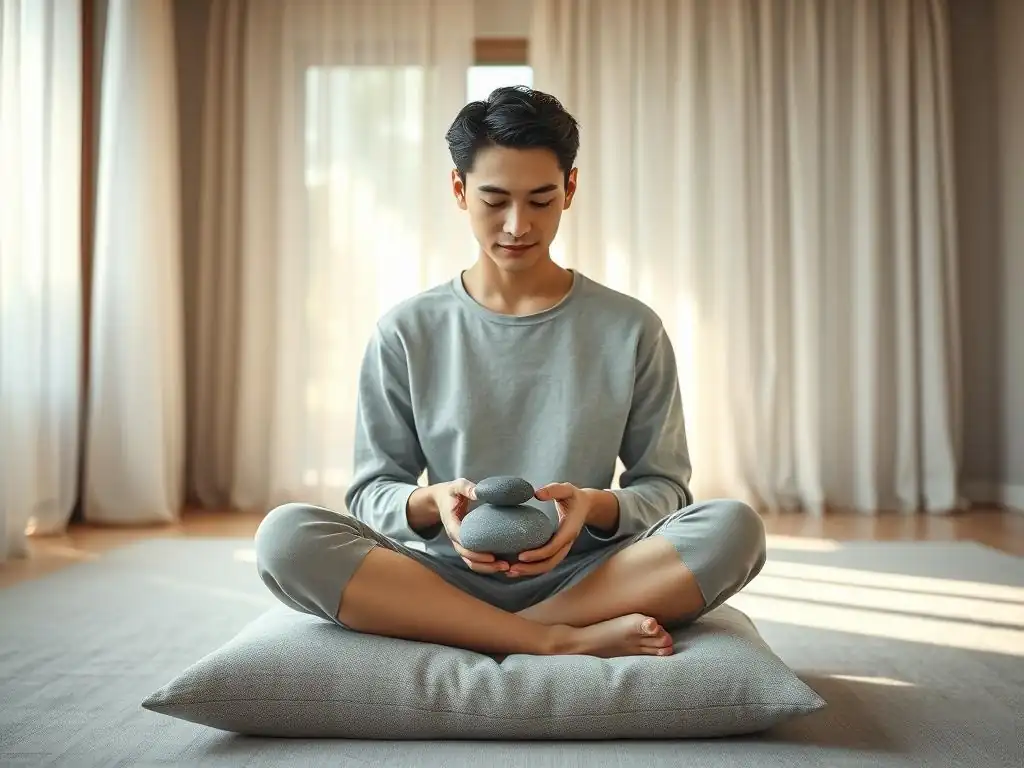
Step-by-Step Guide to a Basic Body Scan Meditation
Here is a simple guide to practicing a basic body scan meditation:
- Step 1: Find a comfortable position.: Lie down on your back, if possible, or sit upright in a chair with your feet flat on the floor. Let your hands rest comfortably at your sides or in your lap.
- Step 2: Gently close your eyes.: If you prefer to keep them open, soften your gaze. Take a few deep breaths to help settle your body and mind.
- Step 3: Bring awareness to your breath.: Notice the sensation of the breath entering and leaving your body for a minute or two, without trying to change it.
- Step 4: Shift attention to your feet.: Begin by bringing your awareness to your toes. Notice any sensations present – warmth, coolness, tingling, pressure. Simply observe.
- Step 5: Slowly move your awareness up the body.: Gradually move your attention to the soles of your feet, your heels, your ankles, calves, knees, thighs, and hips. Pause in each area, noticing sensations.
- Step 6: Continue scanning upwards.: Move through your lower back, abdomen, upper back, chest, shoulders, arms, hands, neck, and finally, your head (including face, scalp, and the top of your head).
- Step 7: Acknowledge wandering thoughts.: If your mind wanders, gently notice that it has happened and kindly guide your attention back to the part of the body you intended to focus on. This is a fundamental part of the practice.
- Step 8: Rest in whole-body awareness.: After scanning through all parts, allow your awareness to rest on the body as a whole, noticing the overall sense of being present.
- Step 9: Gently conclude the practice.: When ready, slowly open your eyes and bring your awareness back to your surroundings.
Advanced Techniques for Deeper Resilience Building
Once comfortable with the basic body scan, several techniques can deepen the practice and enhance body scan meditation resilience benefits. One approach is to extend the duration of the scan, perhaps from 15-20 minutes to 30-45 minutes, allowing for more subtle sensations to be noticed. Another involves focusing specifically on areas of tension or discomfort. Instead of trying to relax the tension, the advanced technique is to simply be present with the sensation, observing its qualities (intensity, temperature, location) with curiosity, which can sometimes lead to the sensation softening or shifting on its own, fostering greater tolerance for discomfort.
Another advanced method is integrating sound or emotion into the body scan. For example, as you scan, you might also mindfully notice sounds in your environment without judgment. Or, when you encounter a physical sensation that you associate with a particular emotion, you practice staying present with the physical feeling while acknowledging the emotion, without getting caught in the story around it. These practices build a greater capacity to remain grounded and present amidst external stimuli or internal emotional states, significantly enhancing mental strength and resilience.
Incorporating Body Scan Meditation into Your Daily Routine for Sustained Mental Strength
Consistency is key to unlocking the full body scan meditation resilience benefits. Aim to incorporate the practice into your daily routine, even if it's just for 10-15 minutes. Many find it helpful to practice first thing in the morning, before the day's demands begin, or in the evening as a way to transition out of the day's stresses. Finding a specific time and quiet space can help establish a regular habit.
Consider using guided body scan meditations initially, available through various apps or online resources, to help you stay focused. As you become more familiar with the process, you may feel comfortable practicing without guidance. Even short, informal body scans throughout the day—such as taking a minute to notice sensations while standing in line or sitting at your desk—can reinforce the practice and maintain a connection to your body, contributing to sustained mental strength and resilience.
Scientific Evidence Supporting Body Scan Meditation for Resilience
Research on Body Scan Meditation and Stress Reduction
Numerous studies have investigated the impact of body scan meditation on stress reduction, providing strong support for its effectiveness. Research published in journals like Health Psychology and the Journal of Consulting and Clinical Psychology has shown that participation in mindfulness-based programs, which heavily feature the body scan, leads to measurable reductions in perceived stress levels. For instance, one study involving participants in an 8-week mindfulness program reported an average decrease of approximately 25% in self-reported stress scores.
Furthermore, research indicates physiological changes associated with body scan and mindfulness. Studies using biological markers have shown that regular practice can lead to a decrease in stress hormones like cortisol. For example, participants engaging in mindfulness meditation over several weeks have shown lower cortisol levels compared to control groups. This physiological evidence underscores the body scan meditation resilience benefits by demonstrating its capacity to mitigate the body's stress response.
Studies on Body Scan Meditation and Emotional Resilience
The link between body scan meditation and emotional resilience has also been explored through scientific inquiry. Studies utilizing neuroimaging techniques, such as fMRI, have observed changes in brain regions associated with emotional regulation and self-awareness in individuals who practice mindfulness meditation regularly. Specifically, research points to increased activity in the prefrontal cortex, an area involved in executive function and emotional control, and decreased activity in the amygdala, the brain's fear center.
Behavioral studies complement this, showing that practitioners exhibit reduced emotional reactivity. For example, participants with mindfulness experience tend to show a less intense emotional response when presented with negative stimuli in experimental settings compared to non-meditators. This reduced reactivity and enhanced brain function related to emotional processing are key components of emotional resilience, reinforcing the body scan meditation resilience benefits observed in individuals.
The Neuroscience Behind Body Scan Meditation's Impact on Mental Health
The neuroscience of body scan meditation highlights its profound impact on mental health by altering brain structure and function. Regular practice has been linked to increased gray matter density in areas of the brain crucial for learning, memory, emotion regulation, and perspective-taking, such as the hippocampus and areas of the prefrontal cortex. Conversely, studies have shown potential decreases in gray matter density in the amygdala, suggesting a reduced fear response.
These structural changes are believed to underpin the observed improvements in stress management, emotional regulation, and overall mental well-being. The ability of body scan meditation to strengthen neural pathways associated with mindful awareness and emotional control provides a neurobiological basis for its effectiveness in cultivating resilience. Understanding the neuroscience behind the benefits of body scan meditation for resilience offers compelling support for its inclusion in mental health strategies.
Troubleshooting Common Challenges in Body Scan Meditation

Addressing Distractions and Wandering Thoughts
One of the most common challenges in body scan meditation is dealing with distractions, particularly wandering thoughts. It's important to understand that the mind will wander—this is normal. The practice isn't about stopping thoughts, but about noticing them without judgment and gently returning your attention to the body part you are scanning. When you notice your mind has drifted to planning, worrying, or reminiscing, simply acknowledge the thought ("Ah, thinking is happening") and kindly redirect your focus back to the physical sensations.
Treat each instance of noticing your mind wandering as an opportunity to practice bringing your attention back. This act of gentle redirection is the core exercise that builds mental focus and resilience. If you feel frustrated by distractions, notice that frustration as a sensation in the body and include it in your scan for a moment before returning to the intended area of focus. Over time, this practice strengthens your ability to stay present amidst mental noise, enhancing body scan meditation resilience benefits.
Overcoming Physical Discomfort During Meditation
Physical discomfort can arise during body scan meditation, especially when holding a position for a period. This discomfort, whether it's itching, stiffness, or mild pain, can be a significant distraction or even a reason to stop practicing. The mindfulness approach is not necessarily to eliminate the discomfort, but to relate to it differently. Try bringing your gentle awareness directly to the area of discomfort. Notice the exact sensations present—is it throbbing, aching, tingling, hot, cold? Observe its intensity and how it might change moment by moment.
Often, our resistance to discomfort makes it feel worse. By mindfully observing it without judgment or the immediate need to make it go away, you can learn to tolerate unpleasant sensations more effectively. If the discomfort is severe or worsens significantly, it's okay to gently adjust your position, but try to do so mindfully, noticing the movements and the change in sensation. Learning to be present with physical discomfort builds tolerance and fortitude, contributing directly to body scan meditation resilience benefits.
Maintaining Consistency and Motivation in Your Practice
Maintaining a consistent meditation practice can be challenging amidst a busy life. Motivation can wane, or other priorities might seem more pressing. To counter this, try to integrate the practice into a fixed part of your daily routine, perhaps linking it to an existing habit like waking up or going to bed. Start small; even 5-10 minutes of body scanning can be beneficial if done consistently.
Reflecting on the positive changes you've noticed, such as feeling calmer or more present, can also boost motivation. Keep a simple journal to note your practice times and any shifts in your experience. Remember that consistency doesn't mean perfection; missing a day or two is normal. The key is to simply start again without self-criticism. Connecting with the intention of building mental strength and accessing body scan meditation resilience benefits can serve as a powerful motivator to return to the cushion or mat regularly.
Real-Life Examples: Body Scan Meditation and Increased Resilience
Case Study 1: Body Scan Meditation for Managing Chronic Pain and Improving Well-being
Consider the representative case of an individual experiencing chronic lower back pain for several years. Traditional treatments offered limited relief, and the constant pain led to increased stress, frustration, and reduced activity levels, significantly impacting their quality of life and resilience. Upon joining a mindfulness-based stress reduction (MBSR) program, which includes daily body scan meditation, they began practicing the body scan for 30 minutes each morning.
Initially, focusing on the pain was difficult, but with practice, they learned to observe the sensations of pain without automatically labeling them as "bad" or catastrophizing. They noticed that the intensity of the pain fluctuated and that they could experience other sensations in their body simultaneously. Over eight weeks, while the pain didn't disappear entirely, their relationship with it changed.
They reported a reduction in pain-related distress (e.g., from an 8/10 to a 5/10 on a distress scale) and an increase in their ability to engage in daily activities. This shift in their response to pain, cultivated through body scan, demonstrates significant body scan meditation resilience benefits in the face of physical adversity.
Case Study 2: Body Scan Meditation for Reducing Test Anxiety in Students
A common challenge for students is test anxiety, which can impair performance and overall well-being. Imagine a university student who experienced severe anxiety before exams, leading to difficulty concentrating and physical symptoms like nausea and trembling. They decided to try incorporating body scan meditation into their study routine, practicing for 15 minutes before study sessions and a longer 20-minute scan on exam mornings.
By regularly scanning their body, they became more aware of the physical onset of anxiety—the tightness in their stomach, the rapid heartbeat—before it escalated. This awareness allowed them to pause and apply mindfulness techniques learned during the scan, such as focusing on the breath or the sensations in their feet, grounding them in the present moment.
Over the course of a semester, they reported a significant decrease in pre-exam anxiety levels, improved focus during tests, and a greater sense of control over their reactions. This example illustrates how body scan meditation resilience benefits can empower individuals to navigate stressful performance situations more effectively.
Case Study 3: Body Scan Meditation for Enhancing Emotional Regulation in First Responders
First responders, such as paramedics or firefighters, face highly stressful and emotionally demanding situations regularly, requiring high levels of emotional resilience. Consider a group of paramedics who participated in a pilot mindfulness program incorporating body scan meditation. They practiced short body scans during shifts and longer sessions during their time off.
Through the body scan, they developed a greater capacity to notice the physical impact of stress and trauma experienced during calls—the adrenaline surge, the emotional weight settling in the shoulders or chest. By mindfully observing these sensations without immediately reacting or suppressing them, they reported feeling less overwhelmed by intense emotions post-call. They also noted an improved ability to transition between the high-stress environment of work and their personal lives. This enhanced ability to process and regulate emotions, supported by regular body scan practice, highlights its practical body scan meditation resilience benefits in professions requiring exceptional mental fortitude.
Resources for Learning More About Body Scan Meditation and Resilience
Recommended Books and Articles on Mindfulness and Meditation
For those looking to deepen their understanding of mindfulness, meditation, and how they cultivate resilience, several foundational texts are highly recommended. Jon Kabat-Zinn's Full Catastrophe Living is a seminal work that outlines the Mindfulness-Based Stress Reduction (MBSR) program, which prominently features the body scan. It provides a comprehensive guide to the practice and its applications in managing stress and illness.
Other valuable resources include books by Pema Chödrön, such as When Things Fall Apart, which offers compassionate wisdom on navigating difficult times with mindfulness, directly addressing the theme of resilience. Scientific articles published in peer-reviewed journals like Mindfulness, Psychological Science, and JAMA Internal Medicine often feature research on the efficacy of mindfulness techniques, including body scan, for various mental and physical health outcomes, providing evidence-based insights into body scan meditation resilience benefits.
Online Courses and Apps for Guided Body Scan Meditations
Accessing guided body scan meditations can be incredibly helpful, especially for beginners or when trying to establish a consistent practice. Numerous online platforms and mobile applications offer high-quality guided sessions of varying lengths. Apps like Headspace, Calm, and Insight Timer provide extensive libraries of guided meditations, including specific body scan practices, often with options for different durations (e.g., 10, 20, or 30 minutes).
Online courses from reputable mindfulness centers, such as those based on the MBSR program (Mindfulness-Based Stress Reduction) or MBCT (Mindfulness-Based Cognitive Therapy), often include recorded body scan meditations as part of their curriculum. These resources make it convenient to integrate body scan meditation into a busy schedule and receive guidance from experienced teachers, supporting the journey towards building mental strength and realizing body scan meditation resilience benefits.
Finding a Qualified Mindfulness Teacher or Therapist
While self-guided practice is beneficial, learning body scan meditation from a qualified teacher or therapist can provide deeper understanding, personalized guidance, and support, particularly if you are working with specific challenges like anxiety, chronic pain, or trauma. Qualified mindfulness teachers often have undergone extensive training and certification in programs like MBSR or MBCT.
Mental health professionals who integrate mindfulness into their practice can help you understand how body scan meditation relates to your specific therapeutic goals, such as enhancing emotional regulation or developing resilience in the face of particular life stressors. Organizations like the Center for Mindfulness Studies or local meditation centers often list certified teachers or programs. Seeking in-person guidance can enhance the effectiveness of your practice and help you more fully explore the body scan meditation resilience benefits.
Frequently Asked Questions
What exactly is body scan meditation, and how does it relate to resilience?
Body scan meditation is a mindfulness technique that involves systematically focusing attention on different parts of your body. This practice helps you become more aware of physical sensations and develop greater present moment awareness, which are crucial components of resilience.
How can body scan meditation specifically contribute to building mental resilience?
Body scan meditation helps build resilience by cultivating self-awareness and emotional regulation. By noticing sensations without judgment, you can develop a more accepting and balanced response to stress and challenges.
How often should I practice body scan meditation to experience the resilience benefits?
While individual results vary, incorporating body scan meditation into your routine several times a week, even for just 10-15 minutes, can significantly improve your resilience over time. Consistency is key.
What are some common challenges people face when starting body scan meditation, and how can they overcome them?
Common challenges include difficulty focusing, restlessness, and judgment of sensations. Overcome these by starting with short sessions, accepting wandering thoughts, and practicing self-compassion throughout the process.
Are there any specific conditions or mental health challenges where body scan meditation might not be recommended, or where professional guidance is needed?
While generally safe, individuals with certain mental health conditions, such as severe anxiety or trauma, may benefit from practicing body scan meditation under the guidance of a qualified therapist or mental health professional. This ensures the practice is adapted to their specific needs and avoids potential triggers.
Final Reflection: The Enduring Power of Inner Strength
The practice of body scan meditation isn't just a fleeting trend; it's a powerful tool for cultivating resilience in an increasingly demanding world. In a society constantly bombarded by stress and uncertainty, the ability to navigate challenges with grace and inner strength is more crucial than ever. This article explored the profound connection between mindful body awareness and enhanced mental fortitude, demonstrating how this simple yet effective technique can equip us to face adversity with greater ease and composure.
The impact of body scan meditation extends far beyond individual well-being; it ripples outwards, influencing our relationships, our communities, and ultimately, the collective human experience. By fostering self-awareness and emotional regulation, we cultivate a more compassionate and understanding approach to ourselves and others. As the Dalai Lama wisely stated, The greatest weapon against stress is our ability to choose one thought over another.
Body scan meditation provides us with precisely that – the ability to choose presence over panic, calm over chaos.
Now, consider how you can integrate this practice into your own life. Perhaps start with just five minutes a day, focusing on the sensations in your body. Notice the subtle shifts in your breath, the tension in your muscles, the quiet hum of your being. This isn't about achieving perfection; it's about cultivating a consistent practice of self-compassion and mindful awareness. Embrace the journey of building your inner resilience, one scan at a time. Your future self will thank you for it.
Unleash Your Inner Strength: Start Your Resilience Journey Today!
Thanks for taking the time to explore the power of body scan meditation for building resilience! We hope you gained valuable insights into this transformative practice. Now it's time to put your newfound knowledge into action.
- Begin your daily body scan meditation: Even just 5 minutes a day can make a significant difference in your stress levels and overall well-being. Find a quiet space, close your eyes, and let the process unfold. This is the key to unlocking your resilience.
- Share this article with someone you care about: Help spread the word about the benefits of body scan meditation and inspire others to cultivate their own inner strength. You might be surprised at how many people are looking for this very thing!
- Join our online community (MindCareGuide.org): Connect with like-minded individuals and share your experiences with body scan meditation. Discover new techniques, motivational tips, and create a supportive network of resilience builders.
Ready to experience the transformative power of body scan meditation? What small step will you take today to enhance your resilience?