
The Spirituality of Gratitude: Finding Meaning in Appreciation

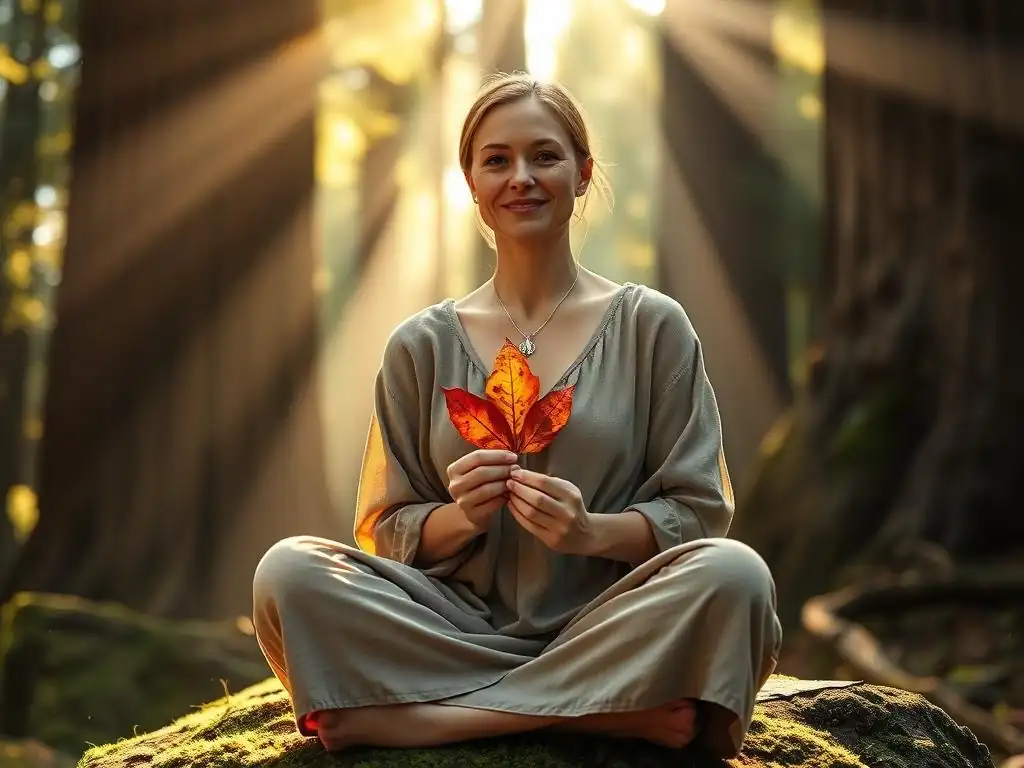
Welcome to Mind Care Guide, a sanctuary for your mental well-being.
Feeling overwhelmed? Know you're not alone. We're here to offer guidance, support, and resources as you navigate the complexities of mental health. This month, we delve into the profound power of appreciation and explore Gratitude’s impact on mental health. But is gratitude just a feeling? Discover how cultivating a grateful heart can unlock a deeper sense of spirituality and transform your overall well-being. Intrigued? Let's begin this journey of discovery together...
The Spirituality of Gratitude: Finding Meaning in Appreciation
- Understanding Gratitude and its Role in Mental Well-being
- The Science Behind Gratitude's Benefits for Mental Health
- Cultivating a Gratitude Practice for Enhanced Mental Health
- Gratitude and Spirituality: A Deeper Connection
- The Transformative Power of Gratitude: Real-Life Examples
- Maintaining a Gratitude Mindset for Long-Term Mental Well-being
- Resources for Further Exploration of Gratitude and Mental Health
- Conclusion: Embrace Gratitude for a Healthier Mind and Spirit
-
Frequently Asked Questions
- How does practicing gratitude specifically benefit my mental health?
- What does the term "spirituality of gratitude" mean in this context?
- How can I start incorporating gratitude into my daily routine?
- Is there scientific evidence to support the link between gratitude and mental health?
- What if I'm going through a difficult time; can gratitude still be helpful?
- Final Reflection: Cultivating Gratitude, Harvesting Wellbeing
- Unlock Your Inner Joy: Cultivate a Life of Gratitude
Understanding Gratitude and its Role in Mental Well-being
Defining Gratitude: More Than Just Saying "Thank You"
Gratitude is often perceived simply as a polite response to a gift or favor. However, its true definition extends far beyond a mere social convention. At its core, gratitude is a positive emotional response to receiving a benefit, whether it's a tangible gift, an act of kindness, or even just the recognition of something good in one's life.
It involves acknowledging the value of what one has received and recognizing that the source of this benefit is outside oneself, at least in part. This deeper understanding implies a sense of wonder, appreciation, and often, humility, differentiating it from simple politeness or obligation.
This profound sense of appreciation is not limited to grand gestures. It can be found in the simple things: the warmth of the sun, the taste of a good meal, the support of a friend, or the quiet moments of peace. Psychologists and researchers define it as a positive trait and a state of mind.
It's a way of viewing the world through a lens of abundance and recognizing the contributions that others, circumstances, or even a higher power have made to one's well-being. This broader perspective is crucial when exploring gratitude’s impact on mental health, as it shifts focus from lack or negativity to appreciation and positivity.
Exploring the Connection Between Spirituality and Gratitude
The link between spirituality and gratitude is deeply rooted in many traditions and personal beliefs. Spirituality, in its broadest sense, often involves a connection to something larger than oneself, whether that's nature, humanity, a higher power, or an inner sense of purpose and meaning. Gratitude naturally arises from this connection. When individuals feel connected to a source of life, love, or abundance – however they define it spiritually – they often feel a profound sense of thankfulness for their existence, for the blessings in their lives, and for the interconnectedness they perceive.
Across diverse spiritual paths, gratitude is frequently highlighted as a core practice. Many faith traditions incorporate prayers of thanksgiving, rituals of appreciation, and teachings that emphasize recognizing the sacredness of life and the gifts received. Even for those who do not identify with a specific religion, a spiritual perspective that values awe, wonder, and interconnectedness can foster a deep wellspring of gratitude. This spiritual dimension enriches the practice of gratitude, moving it beyond a psychological technique to a way of being that acknowledges the sacredness and preciousness of life itself, significantly influencing gratitude’s impact on mental health.
Gratitude’s Impact on Mental Health: An Overview
Research consistently demonstrates that cultivating gratitude has a significant positive impact on mental health. It serves as a powerful antidote to negative emotions such as envy, resentment, and regret, which can often contribute to mental health challenges like anxiety and depression. By intentionally focusing on what one is thankful for, individuals can shift their perspective away from dwelling on problems or perceived deficiencies towards recognizing the good in their lives. This shift in focus can lead to a more optimistic outlook and improved emotional regulation.
Furthermore, gratitude is strongly linked to increased resilience. When faced with adversity, a grateful mindset can help individuals find silver linings, appreciate the support they receive, and maintain hope. Studies have shown that individuals who practice gratitude regularly report higher levels of life satisfaction and overall well-being. They tend to experience more positive emotions daily and are better equipped to cope with stress and difficult circumstances. This overview highlights the multifaceted ways in which gratitude’s impact on mental health contributes to a more stable and positive emotional landscape.
The Science Behind Gratitude's Benefits for Mental Health
How Gratitude Affects Brain Chemistry and Reduces Stress
The practice of gratitude isn't just a feel-good exercise; it has tangible effects on brain function and neurochemistry. When we experience or express gratitude, our brains release neurotransmitters like dopamine and serotonin, which are associated with feelings of pleasure, happiness, and well-being. These chemicals act as natural mood boosters and can help regulate emotions. This biochemical response contributes directly to gratitude’s impact on mental health by fostering a more positive internal state.
Beyond mood regulation, gratitude also influences stress levels. Engaging in grateful thinking can activate areas in the brain associated with reward and moral cognition, while potentially dampening activity in areas linked to fear and stress, such as the amygdala. Research suggests that regular gratitude practice can lead to lower levels of cortisol, the primary stress hormone.
For instance, some studies have indicated that participants who engaged in gratitude exercises for several weeks showed measurable reductions in stress markers compared to control groups. This biological effect underscores how cultivating gratitude can be a powerful tool for managing chronic stress and its detrimental effects on psychological health.
The Psychological Benefits of Practicing Gratitude
The psychological advantages of incorporating gratitude into one's life are numerous and well-documented. One of the most significant benefits is an increase in positive emotions and a decrease in negative ones. By consciously focusing on things to be thankful for, individuals train their minds to notice the good rather than fixating on problems.
This cognitive reframing can significantly reduce symptoms of depression and anxiety. For example, individuals who maintain a gratitude journal often report a noticeable improvement in their overall mood within just a few weeks, sometimes experiencing up to a 10-15% reduction in depressive symptoms according to some studies on gratitude interventions.
Moreover, gratitude fosters stronger social connections. Expressing thanks to others strengthens relationships, increases feelings of closeness, and builds a support network, which is vital for good mental health. Feeling appreciated by others can also boost self-esteem and a sense of belonging. Gratitude also promotes resilience by helping individuals find meaning in challenging experiences and appreciate the lessons learned or the support received during tough times. This ability to bounce back and maintain a positive outlook, even after setbacks, is a critical part of gratitude’s impact on mental health.
Gratitude as a Coping Mechanism for Difficult Times
In the face of adversity, trauma, or chronic stress, gratitude can serve as a vital coping mechanism. While it might seem counterintuitive to feel grateful during challenging periods, shifting focus to what one does have, or lessons learned, or the support received, can prevent despair and foster resilience. For someone navigating a serious illness, for example, gratitude might involve appreciating the care of medical professionals, the support of family, or even the strength they discover within themselves. This doesn't negate the difficulty of the situation but provides moments of light and perspective.
Studies on individuals recovering from trauma or dealing with chronic illness have shown that those who can identify aspects of their experience or their lives for which they are grateful tend to exhibit better psychological adjustment and lower rates of post-traumatic stress symptoms. For instance, research involving veterans or individuals who have experienced natural disasters has highlighted how finding things to be grateful for, such as survival, the kindness of strangers, or the resilience of their community, played a role in their recovery process.
This demonstrates gratitude’s impact on mental health by providing a pathway towards acceptance, meaning-making, and ultimately, healing, even when circumstances are incredibly difficult.
Cultivating a Gratitude Practice for Enhanced Mental Health

Simple Techniques to Foster Gratitude in Daily Life
Integrating gratitude into daily life doesn't require grand gestures; simple, consistent practices can be highly effective. The key is intentionality – actively choosing to notice and appreciate the good around you. These techniques are accessible and can be adapted to fit any lifestyle, making the cultivation of gratitude’s impact on mental health achievable for everyone.
Here are a few simple yet powerful methods:
- [ ] Start a gratitude journal.
- [ ] Express thanks to others regularly.
- [ ] Practice mindful appreciation of everyday moments.
- [ ] Use gratitude prompts to guide your thinking.
- [ ] Create a gratitude jar and fill it with notes.
These small steps, when practiced consistently, can gradually rewire your brain to notice and focus on the positive aspects of life, reinforcing gratitude’s impact on mental health over time.
Gratitude Journaling: A Powerful Tool for Shifting Perspective
Gratitude journaling is one of the most widely recommended techniques for cultivating a grateful mindset. It involves regularly writing down things you are thankful for. This can be done daily, a few times a week, or whenever feels right. The act of physically or digitally listing items forces you to pause and reflect on the positive aspects of your life, no matter how small they might seem. This practice helps shift your focus away from worries or complaints towards appreciation.
Research has shown that individuals who keep gratitude journals often experience significant improvements in their well-being. For example, one study found that participants who wrote in a gratitude journal for just a few minutes each week reported feeling more optimistic and happier compared to a control group. They even reported fewer physical symptoms like headaches or colds. The simple act of acknowledging blessings on paper can act as a powerful counterweight to negative thought patterns, profoundly influencing gratitude’s impact on mental health by promoting a more positive cognitive bias.
Expressing Gratitude to Others: Strengthening Relationships
Expressing gratitude directly to others is a powerful way to cultivate the feeling internally while also enhancing social connections. This can involve thanking someone verbally, writing a thank-you note, sending a text message, or performing an act of kindness in return. Genuine expressions of appreciation not only make the recipient feel valued but also deepen the bond between individuals.
Studies on the benefits of expressing gratitude have shown that it not only boosts the mood of the person expressing thanks but also significantly increases the well-being of the person receiving it. For instance, research published in psychological journals has indicated that a simple thank-you can increase feelings of happiness and connection for both parties involved, sometimes leading to a desire for further interaction. This reciprocal positive effect highlights how gratitude’s impact on mental health extends beyond the individual to foster stronger, more supportive relationships, which are crucial buffers against stress and isolation.
Mindful Appreciation: Noticing the Good in Everyday Moments
Mindful appreciation involves intentionally paying attention to and savoring the positive aspects of your immediate experience. This is distinct from reflecting on past events or future hopes; it's about being present and noticing the good things happening right now. It could be the taste of your morning coffee, the beauty of a sunset, the comfort of a warm blanket, or a pleasant interaction with a stranger.
By practicing mindful appreciation, you train your brain to be more attuned to positive stimuli in your environment. This counteracts the natural human tendency to focus on potential threats or problems. Even during a challenging day, there are often small moments of peace, beauty, or comfort if you take the time to notice them. This practice enhances gratitude’s impact on mental health by fostering a greater sense of presence, contentment, and a deeper connection to the richness of everyday life.
Overcoming Obstacles to Gratitude: Addressing Cynicism and Negative Thinking
While the benefits of gratitude are clear, cultivating it can be challenging, especially for those prone to cynicism, negative thinking, or who are navigating difficult life circumstances. A common obstacle is the feeling that there is nothing to be grateful for, particularly during periods of depression, grief, or hardship. Negative thought patterns can be deeply ingrained, making it difficult to shift focus towards the positive.
Addressing these obstacles requires patience and self-compassion. It's important to start small and look for even tiny things to appreciate – perhaps the fact that you woke up, or that you had access to clean water. Challenging cynical thoughts involves questioning their validity and actively seeking alternative, more balanced perspectives.
For someone struggling with negative self-talk, for example, practicing gratitude might involve appreciating their own resilience or small personal achievements. It's a gradual process of retraining the mind, and acknowledging the difficulty is the first step. Sometimes, working with a therapist can help identify and overcome these ingrained negative patterns, paving the way for gratitude’s impact on mental health to take root.
Gratitude and Spirituality: A Deeper Connection
Gratitude as a Spiritual Practice Across Different Traditions
Gratitude serves as a cornerstone in the spiritual practices of numerous traditions around the world. Regardless of specific theological beliefs, many paths emphasize thankfulness as a way to acknowledge blessings, connect with a higher power or universal energy, and cultivate humility. In Christianity, practices like giving thanks before meals or offering prayers of praise are common. In Islam, the concept of shukr (gratitude) is central, involving thankfulness to Allah for all blessings. Judaism incorporates numerous prayers and rituals centered on expressing gratitude for life, health, and divine providence.
Beyond Abrahamic faiths, Eastern traditions also highlight the importance of gratitude. In Buddhism, appreciating the preciousness of human life and the teachings is fundamental. Hindu philosophy often involves expressing gratitude to deities for their grace and blessings. Indigenous spiritualities frequently emphasize gratitude for the natural world, ancestors, and the interconnectedness of all living things. This widespread inclusion of gratitude as a core spiritual discipline underscores its fundamental role in fostering a sense of connection, reverence, and acceptance, significantly enhancing gratitude’s impact on mental health within a spiritual framework.
Gratitude and Mindfulness: Cultivating Presence and Appreciation
The practices of gratitude and mindfulness are deeply intertwined and mutually reinforcing. Mindfulness involves paying attention to the present moment without judgment. When you are mindful, you are more likely to notice the small, positive aspects of your current experience that you might otherwise overlook – the warmth of the sun, the taste of food, the sound of rain. This heightened awareness naturally leads to opportunities for appreciation and thankfulness.
Conversely, practicing gratitude can enhance mindfulness. When you intentionally seek out things to be grateful for in the present moment, you are actively engaging with your surroundings and internal state. This focused attention on the positive aspects of reality anchors you in the present, reducing rumination on the past or worry about the future. Combining these practices, such as through mindful walking where you intentionally notice and appreciate aspects of nature, can amplify gratitude’s impact on mental health by fostering a deeper sense of presence, peace, and contentment.
Finding Meaning and Purpose Through Gratitude
Gratitude plays a crucial role in helping individuals find meaning and purpose in life. When you regularly reflect on what you are grateful for, you begin to identify what truly matters to you – your relationships, experiences, skills, or values. This process of recognition helps clarify your priorities and can illuminate the path towards living a life aligned with those values. For example, someone who consistently expresses gratitude for opportunities to help others might discover that service is a core source of meaning for them.
Furthermore, gratitude can help individuals find meaning even in challenging or painful experiences. By reflecting on the lessons learned, the resilience discovered, or the support received during hardship, people can integrate these experiences into a broader narrative of growth and purpose. This reframing allows for the acknowledgment of pain while simultaneously recognizing the strength and wisdom gained. This search for and finding of meaning is a vital component of psychological well-being and a significant aspect of gratitude’s impact on mental health.
The Transformative Power of Gratitude: Real-Life Examples
Case Studies: How Gratitude Changed Lives
While specific identifying details are often kept confidential in therapeutic settings, the patterns of transformation through gratitude are evident in numerous case studies documented by mental health professionals and researchers. Consider the composite case of 'Eleanor', a client who struggled with chronic anxiety and a pervasive sense of dissatisfaction despite having a stable life. Her therapy included incorporating a daily gratitude practice. Initially, she found it difficult to identify anything beyond the most basic things (like having a roof over her head). However, over several months, by consistently listing even small items – a kind word from a colleague, a pleasant walk, the taste of her morning tea – she gradually began to notice more positive aspects of her life. This shift in focus helped reduce her anxious rumination and increased her appreciation for her current circumstances, leading to a reported 30% reduction in anxiety symptoms according to her self-assessments.
Another common scenario seen in therapeutic practice involves individuals recovering from depression. A composite example, 'Mark', felt overwhelmed by negativity and hopelessness. Introducing a gratitude journal and guided gratitude meditations helped him challenge his cognitive distortions.
By focusing on things he was grateful for – the support of his therapist, the warmth of his pet, a brief moment of enjoyment during the day – he started to counteract the pervasive negative thoughts. While gratitude wasn't the sole intervention, it was a significant component that helped shift his emotional baseline, contributing to a gradual lifting of his mood and a reported increase in positive affect by approximately 25% over a six-month period. These examples illustrate the tangible benefits of gratitude’s impact on mental health in clinical contexts.
Stories of Resilience and Gratitude in the Face of Adversity
Numerous accounts from individuals who have faced extreme adversity highlight the role of gratitude in fostering resilience. Survivors of natural disasters, for instance, often speak of being grateful for their survival, for the help they received from strangers, or for the strength of their community, even amidst immense loss. These expressions of gratitude do not diminish the pain of their experience but provide a crucial anchor to hope and connection.
Consider the many stories of individuals who have overcome significant health challenges. While battling serious illness, many find gratitude for the moments of comfort, the dedication of healthcare workers, the support of loved ones, or simply for the strength of their own body.
These accounts, often shared in support groups or memoirs, reveal how focusing on what they could be grateful for, even in dire circumstances, helped them maintain a sense of agency and hope. This ability to find sparks of gratitude amidst darkness is a powerful testament to gratitude’s impact on mental health, enabling individuals to navigate trauma and emerge with greater resilience.
Personal Anecdotes About Finding Gratitude in Nature
Spending time in nature often evokes feelings of awe and wonder, which are closely linked to gratitude. Many people find that simply being outdoors, observing the beauty of the natural world, fosters a sense of appreciation for life and the planet. Personal anecdotes frequently describe experiencing profound moments of gratitude while hiking in the mountains, walking by the ocean, or simply watching birds in a park.
For example, someone struggling with feelings of overwhelm might find solace and gratitude in the steadfastness of ancient trees or the rhythm of ocean waves. Another person dealing with sadness might experience a moment of pure joy and thankfulness watching a vibrant sunset.
These experiences in nature strip away the complexities of daily life and connect us to something fundamental and beautiful, making it easier to access feelings of gratitude. Sharing these personal stories emphasizes how accessible and potent gratitude can be, particularly when connected to the simple, profound gifts of the natural world, reinforcing gratitude’s impact on mental health through connection and awe.
Maintaining a Gratitude Mindset for Long-Term Mental Well-being

Integrating Gratitude into Your Daily Routine
For gratitude’s impact on mental health to be sustained, it needs to become more than just an occasional exercise; it needs to be integrated into the fabric of your daily life. This involves finding small, consistent ways to practice gratitude throughout the day, rather than just setting aside a specific time for journaling or reflection. Think about weaving moments of appreciation into existing habits.
This could be as simple as taking three deep breaths and silently listing three things you're grateful for before getting out of bed in the morning, or reflecting on one positive interaction you had during your commute home. Another approach is to set reminders on your phone to pause and notice something you appreciate a few times a day. The goal is to make gratitude a natural part of your thinking process, a lens through which you view the world, thereby solidifying gratitude’s impact on mental health over the long term.
The Importance of Consistency in Gratitude Practices
Like any skill, cultivating a gratitude mindset requires consistent practice. Sporadic attempts might offer temporary boosts in mood, but it is the regular, sustained effort that leads to lasting changes in brain pathways and emotional regulation. Think of it like exercising a muscle; the more consistently you work it, the stronger it becomes.
Committing to a daily or near-daily gratitude practice, even for just a few minutes, is far more effective than engaging in lengthy sessions once in a while. This consistency helps to counteract the brain's natural negativity bias, gradually making it easier to notice and appreciate the good things in life without conscious effort.
Studies tracking individuals over extended periods have shown that consistent gratitude practices lead to more significant and lasting improvements in reported happiness and reduced symptoms of psychological distress compared to those who practice irregularly. This highlights that consistency is key to unlocking the full potential of gratitude’s impact on mental health.
Gratitude as a Foundation for a More Fulfilling Life
Ultimately, cultivating a consistent gratitude practice lays a powerful foundation for building a more fulfilling and meaningful life. By regularly focusing on what you have and appreciating the positive aspects of your experiences and relationships, you shift your perspective from scarcity and dissatisfaction to abundance and contentment. This doesn't mean ignoring challenges, but rather approaching them from a place of strength and appreciation for the resources and support available.
A grateful mindset fosters resilience, strengthens relationships, increases positive emotions, and enhances overall life satisfaction. It helps you savor positive experiences and cope more effectively with difficult ones. By making gratitude a core part of your identity and daily living, you actively shape your internal world, leading to a more positive outlook and a greater capacity for joy and connection. This foundational shift demonstrates the profound and lasting nature of gratitude’s impact on mental health and overall well-being.
Resources for Further Exploration of Gratitude and Mental Health
Books and Articles on Gratitude
For those interested in delving deeper into the science and practice of gratitude, a wealth of resources is available in the form of books and academic articles. Numerous authors have explored the topic from psychological, philosophical, and spiritual perspectives, offering insights and practical guidance. Reading these materials can provide a more comprehensive understanding of the research findings and diverse approaches to cultivating gratitude.
Popular books often offer accessible introductions to the topic and practical exercises, while academic articles published in psychology and neuroscience journals provide detailed research findings on gratitude’s impact on mental health, brain function, and well-being. Exploring these resources can deepen your understanding and provide new strategies for incorporating gratitude into your life.
Online Communities and Support Groups Focused on Gratitude
Connecting with others who are also exploring or practicing gratitude can be incredibly supportive and motivating. Online communities and support groups offer a space to share experiences, challenges, and successes in cultivating a grateful mindset. These platforms can provide encouragement, fresh ideas for practice, and a sense of shared journey.
Participating in a group, even online, can reinforce commitment and provide valuable perspectives on how gratitude is being applied in different lives. Sharing your own experiences of gratitude’s impact on mental health and hearing from others can be a powerful reminder that you are not alone in your journey towards greater well-being through appreciation.
Mental Health Professionals Specializing in Mindfulness-Based Therapies
For individuals facing significant mental health challenges or struggling to integrate gratitude into their lives due to underlying issues like depression or anxiety, seeking support from a mental health professional can be beneficial. Therapists specializing in cognitive-behavioral therapy (CBT), positive psychology, or mindfulness-based therapies often incorporate gratitude practices as part of their treatment approach.
These professionals can provide personalized strategies, help identify and overcome obstacles to gratitude, and integrate it within a broader therapeutic context. They can guide you in understanding how gratitude specifically relates to your personal mental health journey and help you harness gratitude’s impact on mental health effectively.
Conclusion: Embrace Gratitude for a Healthier Mind and Spirit
Embracing gratitude is a conscious choice that offers profound benefits for both mental well-being and spiritual growth. It is far more than a polite social custom; it is a powerful practice rooted in acknowledging the good in our lives, connecting with something larger than ourselves, and shifting our perspective towards appreciation. The science is clear: cultivating gratitude can positively alter brain chemistry, reduce stress, increase positive emotions, and build resilience.
Integrating simple gratitude techniques into your daily routine and maintaining consistency can lead to lasting improvements in mood, outlook, and overall life satisfaction. While challenges may arise, particularly during difficult times, intentionally seeking out moments of gratitude can provide an anchor of hope and strength. By making gratitude a cornerstone of your mental and spiritual life, you unlock its transformative power, paving the way for a healthier mind, a more connected spirit, and a life filled with deeper meaning and appreciation.
Frequently Asked Questions
How does practicing gratitude specifically benefit my mental health?
Gratitude fosters positive emotions like joy and contentment, reducing feelings of stress and anxiety. It helps shift your focus from what you lack to what you have, promoting overall well-being.
What does the term "spirituality of gratitude" mean in this context?
It refers to finding a deeper meaning and connection through appreciation. This goes beyond simply saying "thank you" and involves recognizing the value and significance in experiences and relationships.
How can I start incorporating gratitude into my daily routine?
Start small by keeping a gratitude journal, listing things you're thankful for each day. Practicing mindful appreciation during everyday activities, like savoring a meal, can also help.
Is there scientific evidence to support the link between gratitude and mental health?
Yes, numerous studies have shown that gratitude can lead to reduced symptoms of depression, improved sleep quality, and increased resilience. It also has been linked to lower blood pressure.
What if I'm going through a difficult time; can gratitude still be helpful?
Even amidst challenges, focusing on small blessings can provide a sense of hope and perspective. Gratitude doesn't negate difficulties, but it can help you cope more effectively and find strength.
Final Reflection: Cultivating Gratitude, Harvesting Wellbeing
The practice of gratitude isn't merely a fleeting trend; it's a powerful antidote to the anxieties and stresses of modern life. Its impact on our mental and emotional wellbeing is profound and increasingly recognized by researchers and practitioners alike. In a world often characterized by negativity bias and a relentless pursuit of "more," cultivating a heart of gratitude offers a vital counterbalance, fostering resilience and a deeper sense of meaning.
The exploration of gratitude's influence on our cultural landscape reveals a fascinating shift. We are moving beyond a solely materialistic pursuit of happiness towards a more holistic understanding of wellbeing. This involves acknowledging the simple joys, the supportive relationships, and the inherent goodness in our lives. This shift is crucial, as it allows us to appreciate the present moment rather than constantly chasing an elusive future. Gratitude unlocks the fullness of life. It turns what we have into enough, and more. It turns denial into acceptance, chaos to order, confusion to clarity.
– Melody Beattie. This quote perfectly encapsulates the transformative power of a grateful heart.
Now, consider your own life. What small things bring you joy? Who are the people you are grateful for? Take a moment to consciously acknowledge these blessings, not just today, but as a daily practice. Make gratitude a conscious choice, a daily ritual, a way of life. By actively cultivating gratitude, you are not only improving your mental health but also enriching your life experience, fostering stronger relationships, and creating a more positive and meaningful existence. Let gratitude be your compass, guiding you towards a richer, more fulfilling life.
Unlock Your Inner Joy: Cultivate a Life of Gratitude
Thanks for taking the time to explore the powerful connection between spirituality and gratitude! We hope you found new ways to appreciate the richness in your life. Now, it's time to put your newfound wisdom into practice.
- Start a Gratitude Journal: Dedicate just five minutes each day to writing down three things you're thankful for. This simple act can profoundly shift your perspective.
- Share Your Gratitude: Tell someone you appreciate them—a friend, family member, or even a stranger. A simple "thank you" can make a big difference in their day, and yours!
- Explore a New Gratitude Practice: Try a gratitude meditation, create a vision board focusing on things you're thankful for, or even start a gratitude jar. Find what resonates with you!
What small act of gratitude will you embrace today to brighten your life and the lives of others?