
The Spiritual Discipline That Reduces Stress (Reflection)

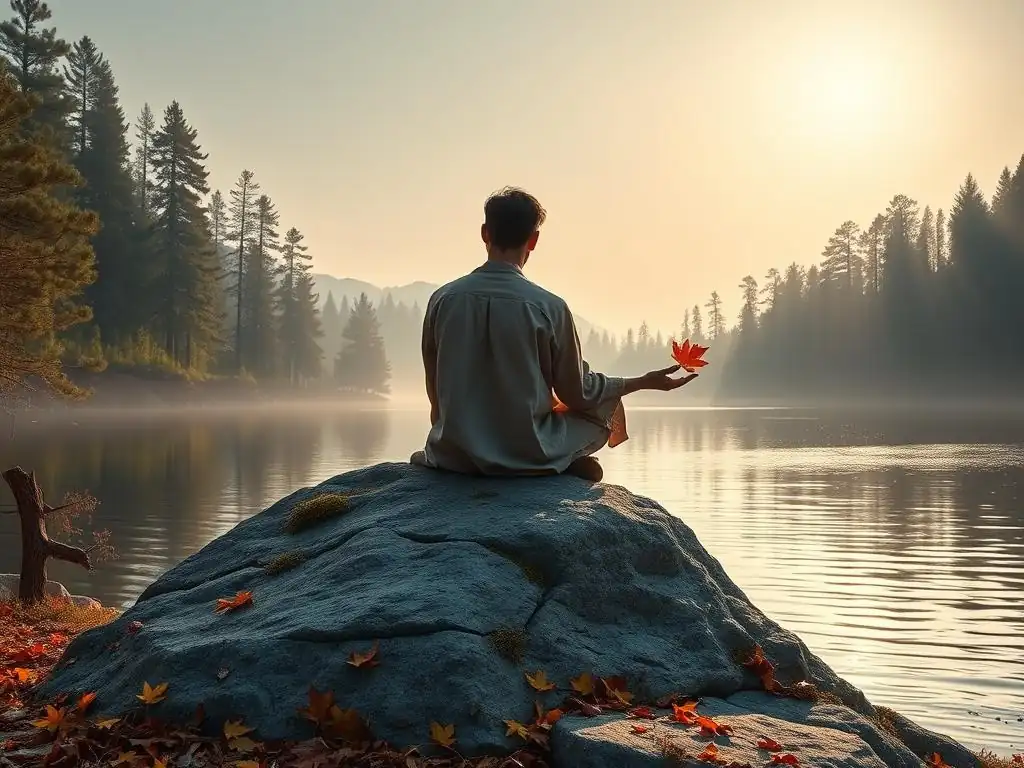
Welcome to Mind Care Guide, your sanctuary for inner peace.
Do you ever feel overwhelmed by the relentless demands of modern life? We understand. It's time to reclaim your calm. This week, we delve into a powerful yet often overlooked tool for stress reduction: reflection. Discover how the simple act of reflection reduces stress naturally and unlock a deeper connection to your well-being. Curious to learn more? Let's begin your journey to a more mindful and centered you.
Cultivating Calm: The Stress-Reducing Power of Reflection
- Understanding Reflection and Its Impact on Well-being
- Benefits of Regular Reflection for Stress Management
- Incorporating Reflection into Your Daily Life: A Practical Guide
- Reflection Techniques for Effective Stress Management
- Overcoming Challenges in Your Reflection Practice
- Reflection as a Long-Term Strategy for Stress Resilience
- Reflection: A Natural Approach to a Healthier Mind
-
Frequently Asked Questions
- How does reflection contribute to reducing stress?
- What types of reflection are most effective for stress reduction?
- How often should I practice reflection to see stress reduction benefits?
- Can reflection help with specific types of stress, like work-related stress?
- Are there any potential downsides to using reflection for stress reduction?
- Final Reflection: Cultivating Inner Peace Through Reflection
- Unleash Your Inner Calm: Take Control of Your Stress
Understanding Reflection and Its Impact on Well-being
Defining Reflection: A Path to Inner Clarity
Reflection is a deliberate process of stepping back from an experience or situation to consider it from a different perspective. It involves looking inward, examining thoughts, feelings, and actions, and seeking to understand their origins and consequences. Unlike simply thinking or dwelling on problems, reflection is structured and purposeful, aiming for insight and growth.
It's a form of mental processing that allows individuals to make sense of their experiences, learn from them, and gain a clearer understanding of themselves and the world around them. This introspective journey is fundamental to personal development and plays a significant role in managing internal states.
Engaging in regular reflection fosters a deeper connection with one's inner landscape. It provides a space to process information, evaluate beliefs, and clarify values without the immediate pressure of external demands. This practice is not about judgment but about gentle observation and inquiry. By dedicating time to this inner work, individuals build self-awareness, which is a cornerstone of emotional intelligence and resilience. This intentional pause allows the mind to settle, reducing the mental clutter that often contributes to feelings of overwhelm and stress.
The Science of Reflection: How It Calms the Nervous System
Scientific research supports the idea that reflection has tangible effects on the brain and body, directly influencing stress levels. Neuroimaging studies suggest that reflective practices, similar to mindfulness meditation, can lead to increased activity in the prefrontal cortex, the area of the brain associated with executive functions, decision-making, and emotional regulation. Simultaneously, these practices can reduce activity in the amygdala, often referred to as the brain's fear center, which is highly active during stress responses. This shift in brain activity helps to dampen the physiological stress response.
Furthermore, consistent reflection has been linked to measurable changes in the autonomic nervous system. Studies indicate that individuals who regularly engage in reflective or meditative practices often exhibit lower levels of stress hormones like cortisol throughout the day. They also tend to have improved heart rate variability (HRV), a key indicator of the nervous system's ability to adapt to stress. A higher HRV suggests a more balanced and resilient nervous system, better equipped to handle challenges without triggering an excessive fight-or-flight response. This physiological calming effect is a core reason why reflection reduces stress naturally.
The Link Between Mindfulness and Psychological Health
Mindfulness, often intertwined with reflection, is the practice of paying attention to the present moment without judgment. While reflection often involves processing past experiences or future possibilities, it benefits greatly from a mindful approach—observing thoughts and feelings with curiosity rather than getting lost in them. This present-moment awareness cultivated through mindfulness provides the foundation for effective reflection, allowing individuals to observe their internal states more clearly and objectively. Research consistently demonstrates a strong link between mindfulness practices and improved psychological health outcomes.
Studies have shown that incorporating mindfulness into daily life can significantly reduce symptoms of anxiety and depression. For example, a meta-analysis published in JAMA Internal Medicine found that mindfulness meditation programs had moderate evidence of improving anxiety, depression, and pain. By teaching individuals to observe thoughts and feelings as transient events rather than absolute truths, mindfulness reduces rumination, a common driver of stress and negative mood. When reflection is approached mindfully, it becomes a powerful tool for understanding these patterns without getting trapped by them, thereby enhancing emotional regulation and overall psychological well-being.
Benefits of Regular Reflection for Stress Management
Increased Self-Understanding Through Introspection
Introspection, a key component of reflection, allows individuals to delve into their inner world and gain profound insights into their motivations, fears, and values. By regularly asking questions about their experiences – Why did I react that way? What triggered this feeling? What is truly important to me? – people begin to uncover the patterns and beliefs that shape their reality. This increased self-awareness is not just academic; it has practical implications for stress management. Understanding your personal triggers, for instance, allows you to anticipate stressful situations or develop strategies to navigate them more effectively.
This journey of self-discovery through introspection can reveal hidden strengths and areas for growth. It helps differentiate between external pressures and internal reactions, clarifying what is within one's control. For example, someone might realize that their stress isn't just from a heavy workload but from a deep-seated fear of failure. Recognizing this allows them to address the root cause rather than just the symptom. This deeper understanding provides a solid foundation for building resilience, as you become more aware of your internal resources and limitations, leading to more informed choices that support well-being.
Improved Emotional Resilience and Reduced Reactivity
Regular reflection enhances emotional resilience by helping individuals understand and process their feelings constructively. Instead of being overwhelmed by intense emotions like anger or fear, reflection provides a mechanism to examine these feelings, understand their origins, and choose how to respond rather than react impulsively. This practice builds a crucial pause between stimulus and response, allowing for a more measured and thoughtful reaction to stressful events. It helps cultivate emotional intelligence, the ability to recognize, understand, and manage one's own emotions, and recognize, understand, and influence the emotions of others.
Through consistent reflection, individuals become less reactive to stressors. They learn to observe difficult emotions without being consumed by them, recognizing that feelings are temporary states. This detachment reduces the intensity and duration of the stress response. For instance, someone might reflect on a past conflict and realize their immediate angry reaction was counterproductive. By processing this through reflection, they can develop a plan for responding more calmly and effectively in future similar situations. This learned non-reactivity is a powerful antidote to chronic stress.
Fostering Appreciation and Optimism Through Reflection
Reflection isn't solely about processing difficulties; it's also a powerful tool for cultivating positive emotions like gratitude and optimism. Dedicating time to reflect on positive experiences, accomplishments, and sources of support shifts focus away from problems and towards what is working well. This practice actively rewires the brain to notice and appreciate the good things in life, counteracting the brain's natural negativity bias, which tends to focus on threats and problems. Regularly recalling moments of joy, connection, or success reinforces positive neural pathways.
Incorporating gratitude into reflective practice has been shown to have significant psychological benefits. For example, studies where participants regularly wrote down things they were grateful for reported higher levels of optimism and life satisfaction, and even fewer physical symptoms. This type of reflection naturally reduces stress by fostering a more positive outlook on life. By intentionally focusing on aspects to appreciate, individuals build a reservoir of positive emotion that can buffer against the effects of stress and adversity, promoting a more hopeful and optimistic perspective.
Processing Difficult Emotions Through Reflection
Reflection provides a safe and structured space to confront and process difficult emotions that might otherwise remain suppressed or lead to rumination. When faced with challenging feelings like sadness, frustration, or disappointment, setting aside time for reflection allows for a non-judgmental exploration of these emotions. This process involves acknowledging the feeling, understanding its context, and exploring the thoughts and beliefs associated with it. Journaling, for example, can be a particularly effective way to externalize these internal states, making them easier to examine and process.
By processing difficult emotions through reflection, individuals can move towards acceptance and integration rather than avoidance or suppression. Suppression of emotions is often linked to increased stress and anxiety. Reflection offers an alternative, healthier pathway. For example, reflecting on a situation that caused anger can help uncover underlying vulnerabilities or unmet needs, leading to a deeper understanding of the self. This process doesn't eliminate pain but helps to metabolize it, reducing its power to cause ongoing stress and freeing up mental and emotional energy. This is a key way reflection reduces stress naturally.
Incorporating Reflection into Your Daily Life: A Practical Guide
Designating a Quiet Space for Reflection
Creating a dedicated physical space for reflection can significantly enhance the practice. This doesn't require a large room; even a quiet corner in your home can serve the purpose. The key is to choose a location where you feel comfortable, safe, and free from distractions. This space becomes a visual cue, signaling to your mind that it's time to slow down and look inward. Ensure it's tidy and calming, perhaps with comfortable seating and minimal clutter.
Having a consistent physical location helps establish reflection as a regular habit. It removes the friction of having to find a suitable spot each time you want to practice. Over time, this designated space can become associated with feelings of peace and introspection, making it easier to enter a reflective state. Even if you can't dedicate a permanent spot, identifying places where you can reliably find quiet time, like a park bench or a library nook, is a valuable step.
Determining the Optimal Time for Reflection
Finding the best time for reflection is highly personal and depends on your daily schedule and natural energy levels. Some people find the early morning, before the day's demands begin, to be ideal, offering a fresh perspective and setting a calm tone for the hours ahead. Others prefer the evening, using reflection as a way to process the day's events and unwind before sleep. The important thing is to choose a time when you are least likely to be interrupted and when you feel mentally alert enough to engage in thoughtful introspection.
Experiment with different times to see what works best for you. It might be just 10-15 minutes during a lunch break, a short period before bedtime, or even a few minutes while commuting if you're not driving. Consistency is more important than duration, especially when starting out. Aim for a time you can realistically commit to most days, making it a non-negotiable part of your routine, much like brushing your teeth.
Guided Reflection Techniques for Stress Alleviation
There are many techniques you can use to guide your reflection practice, especially when you're starting or feeling stuck. These techniques provide structure and focus, making the process more accessible and effective for stress reduction. Guided meditations, journaling prompts, and structured contemplation exercises are all valuable tools. Exploring different methods can help you find what resonates most deeply with you and supports your goal of stress alleviation.
Using guided resources, whether from apps, websites, or books, can be particularly helpful. These resources often provide themes or questions to consider, preventing the mind from wandering aimlessly or fixating on worries. They can also introduce new perspectives or approaches to introspection. Experimenting with various techniques allows you to build a diverse toolkit for reflection, adaptable to different moods and needs.
Journaling Prompts for Self-Exploration and Stress Reduction
Journaling is a powerful and accessible reflection technique. Simply writing down your thoughts and feelings can provide clarity and release emotional tension. Using prompts can help direct your focus and deepen your exploration. For stress reduction, prompts can include questions like:
- What is causing me the most stress right now?
- How am I feeling physically and emotionally when I think about this stressor?
- What thoughts are running through my mind repeatedly?
- What is one small step I can take to address this situation?
- What am I grateful for today, despite the stress?
Regular journaling using prompts like these helps externalize stressors, making them feel less overwhelming. It allows you to identify patterns in your thinking and behavior related to stress. For example, consistently writing about feeling overwhelmed by email might reveal a need to set better boundaries or manage notifications. This process of identification and analysis through journaling is a direct way reflection reduces stress naturally.
Mindfulness Meditation and Present Moment Awareness
Mindfulness meditation is a form of reflection that focuses on cultivating present moment awareness. While traditional reflection might involve processing the past or future, mindfulness centers you in the now. Practices like focusing on the breath, bodily sensations, or sounds help anchor your attention away from stressful thoughts about what happened or what might happen. This practice builds the capacity to observe thoughts and feelings without judgment, recognizing them as temporary mental events.
Regular mindfulness meditation trains the mind to resist getting caught up in negative thought loops, which are major contributors to stress. Even short, five-minute sessions of focused breathing can activate the parasympathetic nervous system, promoting relaxation. By consistently bringing your attention back to the present, you build mental discipline and create a buffer against the constant stream of worries. This enhanced present moment awareness makes subsequent, more analytical forms of reflection more effective.
Nature Walks and Reflective Observation
Combining reflection with time in nature offers a unique path to stress reduction. A reflective nature walk isn't just exercise; it's an opportunity to engage your senses and observe the natural world mindfully. Pay attention to the sights, sounds, smells, and textures around you. How does the sunlight feel? What patterns do you notice in the trees or plants? Listening to birdsong or the rustle of leaves can be deeply calming.
This type of observation naturally draws your attention away from internal worries and towards the external environment. It provides perspective and can evoke feelings of awe and connection, which have been shown to reduce stress and improve mood. While walking, you can also gently reflect on broader themes, such as change (like the seasons), resilience (like plants growing in difficult conditions), or simply the beauty of the world. This combination of physical movement, sensory engagement, and gentle introspection is a powerful way reflection reduces stress naturally.
Reframing Negative Thoughts Through Reflection
Reflection provides the opportunity to identify and challenge negative or unhelpful thought patterns that contribute to stress. Often, our stress isn't caused solely by external events but by our interpretation of those events. Through introspection, you can catch yourself in cycles of catastrophic thinking, self-criticism, or pessimism. Once identified, these thoughts can be examined and reframed.
Ask yourself: Is this thought true? What evidence supports it? What evidence contradicts it? Is there another way to look at this situation? What advice would I give a friend in this situation? This process of cognitive reframing doesn't mean denying reality but actively choosing a more balanced and constructive perspective. For example, instead of thinking "I failed," you might reframe it as "I learned a valuable lesson that will help me next time." Consistently practicing this through reflection weakens the power of negative thoughts and builds a more resilient mindset, significantly reducing their contribution to stress.
Reflection Techniques for Effective Stress Management
Identifying Stressors Through Self-Reflection
A fundamental step in managing stress is accurately identifying its sources. Often, we feel generally overwhelmed without pinpointing exactly what is causing the feeling. Self-reflection provides the necessary tool for this analysis. Dedicate time to think about the past day or week and consider moments when you felt tense, anxious, or drained. What were you doing? Who were you with? What were you thinking? Keeping a stress log or journal specifically for tracking these moments can be incredibly revealing.
By systematically reviewing stressful incidents through reflection, you can uncover patterns and recurring triggers. For example, you might notice that your stress consistently spikes before team meetings, after interacting with a specific person, or when you're trying to multitask too much. Identifying these specific stressors is crucial because it allows you to address them directly, either by changing the situation, modifying your reaction, or developing targeted coping strategies. This clear understanding is the first step towards effective stress management.
Analyzing Reactions and Developing Healthy Coping Strategies
Once stressors are identified, the next step in reflective stress management is analyzing your typical reactions. Do you tend to withdraw, become irritable, procrastinate, or engage in unhealthy behaviors like overeating or excessive scrolling? Reflection helps you observe these reactions without judgment and understand why you respond the way you do. This might involve exploring underlying beliefs or past experiences that shaped your coping mechanisms.
With this understanding, you can then deliberately develop and practice healthier coping strategies. For example, if reflection reveals you tend to lash out when stressed, you can consciously practice pausing and taking deep breaths before responding. If you procrastinate, you can plan to break down tasks into smaller steps. Reflection allows you to evaluate which coping methods are effective and which are not, enabling you to refine your approach over time. This iterative process of identifying stressors, analyzing reactions, and developing strategies is how reflection reduces stress naturally and sustainably.
Learning from Past Experiences to Minimize Future Stress
Reflection on past stressful experiences is an invaluable tool for building future resilience. Every challenge, difficult situation, or moment of overwhelm holds potential lessons. By reviewing these experiences after the fact, perhaps through journaling or thoughtful contemplation, you can gain perspective that was unavailable in the heat of the moment. What could you have done differently? What did you learn about yourself? What resources helped you cope?
Analyzing past successes and failures in managing stress allows you to refine your approach for the future. For instance, reflecting on a time you successfully navigated a demanding project might reveal that breaking it into small tasks and taking regular breaks was key. Conversely, reflecting on a time you felt completely overwhelmed might show that neglecting sleep or skipping exercise exacerbated the problem. This learning process, facilitated by reflection, equips you with a toolkit of proven strategies and insights, helping you anticipate and minimize future stress.
Overcoming Challenges in Your Reflection Practice
Addressing Resistance and Self-Criticism
Starting and maintaining a reflection practice can sometimes be met with internal resistance or harsh self-criticism. You might feel like you don't have time, that you're not doing it "right," or that your thoughts aren't worth exploring. It's common for the inner critic to become louder when you turn inward. Recognize that these are normal challenges. Resistance often stems from fear – fear of what you might discover, fear of feeling uncomfortable emotions, or fear of confronting difficult truths.
Approach your reflection practice with self-compassion and patience. There's no single "right" way to reflect. If self-criticism arises, simply observe it without engaging with it. You can acknowledge the thought ("Ah, there's my inner critic saying I'm wasting time") and gently redirect your attention back to your chosen method, whether it's breathing, journaling, or contemplation. Start small, perhaps with just 5 minutes a day, to build the habit and make it feel less daunting. Remember, the goal isn't perfection, but consistent, gentle inquiry.
Maintaining Consistency in Your Reflection Practice
One of the biggest hurdles is maintaining consistency, especially when life gets busy or stressful. It's easy to let reflection slide when you feel overwhelmed, yet this is precisely when it's most needed. Treat your reflection time as a non-negotiable appointment with yourself. Schedule it in your calendar if necessary. Consider pairing it with an existing habit, like having your morning coffee or winding down in the evening.
If you miss a session, don't view it as a failure. Simply acknowledge it and commit to resuming your practice as soon as possible. Building a consistent habit takes time and effort. Be flexible; if your usual time doesn't work one day, try to fit in a shorter session at a different point. The cumulative effect of regular, even brief, periods of reflection is far more beneficial than infrequent, long sessions. Consistency ensures that reflection reduces stress naturally over the long term.
Seeking Support and Guidance When Necessary
While reflection is a deeply personal practice, you don't have to navigate challenges alone. If you find yourself struggling with intense emotions, uncovering traumatic experiences, or feeling overwhelmed by what arises during reflection, it's important to seek support. Talking to a trusted friend, family member, or mentor can provide perspective and comfort.
For more significant challenges or persistent difficulties, consider seeking guidance from a mental health professional or a spiritual advisor trained in reflective practices. Therapists, counselors, or spiritual directors can offer tools, support, and a safe space to process difficult insights gained through reflection. They can also help you integrate your reflections into meaningful personal growth. Recognizing when you need external support is a sign of strength, not weakness, and can make your reflection journey more effective and healing.
Reflection as a Long-Term Strategy for Stress Resilience
Building a Foundation of Inner Strength and Peace
Consistent reflection isn't just a temporary fix for stress; it's a practice that builds deep, lasting inner strength and peace. By regularly turning inward, understanding your inner world, and processing experiences, you develop a strong sense of self and emotional stability. This inner foundation allows you to face external challenges from a place of groundedness rather than reactivity. You become less dependent on external circumstances for your sense of well-being.
This inner strength manifests as increased self-trust, clarity about your values, and a greater capacity for self-compassion. When you know yourself well and can navigate your internal landscape, external storms become less destabilizing. Reflection helps cultivate a quiet confidence that you can handle whatever comes your way, not because you'll avoid problems, but because you've built the internal resources to cope with them effectively. This resilience is a natural outcome of a consistent reflective life.
Integrating Reflection into Your Holistic Wellness Routine
For maximum benefit, reflection should be integrated as a vital component of a holistic wellness routine that includes physical health, social connections, and other mental health practices. Viewing reflection as just another task can make it feel burdensome. Instead, see it as a nourishing activity that supports all other aspects of your well-being. Just as you prioritize sleep, exercise, and healthy eating, prioritize time for inner reflection.
Consider how reflection complements other wellness practices. For example, reflecting on your physical sensations can enhance the benefits of exercise. Reflecting on your interactions can improve your relationships. Using reflection to process your emotions can make therapeutic interventions more effective. When reflection is seamlessly woven into the fabric of your daily life and viewed as essential to overall health, its power to naturally reduce stress is amplified.
The Sustainable Benefits of a Reflective Life
Living a reflective life offers sustainable benefits that extend far beyond immediate stress reduction. It fosters continuous learning, personal growth, and a deeper sense of meaning and purpose. By regularly pausing to understand your experiences and internal responses, you become more adaptable and better equipped to navigate life's inevitable changes and challenges. This ongoing process of self-discovery leads to a more authentic and fulfilling existence.
The sustainable benefits include improved decision-making (as you act from a place of clarity rather than impulse), enhanced empathy (as you better understand your own emotions and can relate to others), and a greater sense of peace and contentment. A reflective life is not one free from stress, but one where stress is understood, managed, and often transformed into an opportunity for growth. This profound impact is why reflection reduces stress naturally and serves as a pathway to lasting well-being.
Reflection: A Natural Approach to a Healthier Mind
Embracing Reflection for Lasting Stress Reduction
Embracing reflection as a regular practice is one of the most accessible and natural ways to achieve lasting stress reduction. It doesn't require special equipment or significant financial investment; it simply requires a commitment to turning inward and engaging in honest self-inquiry. By making time for this spiritual discipline, you are actively cultivating a calmer nervous system, building emotional resilience, and fostering a more positive and grounded perspective on life.
The journey of reflection is ongoing, offering new insights and deeper levels of understanding over time. As you become more adept at observing your thoughts and feelings without judgment, your capacity to handle stress with grace and wisdom increases. This practice empowers you, giving you agency over your internal state regardless of external circumstances. Embracing reflection means choosing a path towards greater inner peace and a healthier, more resilient mind.
Start Your Reflection Practice Today
The best way to experience the stress-reducing power of reflection is to begin. Don't wait for the perfect moment or feel pressured to dedicate large blocks of time. Start small, perhaps with just five minutes of quiet contemplation, focused breathing, or writing down one thing you learned today. Choose a technique that feels manageable and comfortable for you right now.
Remember that consistency is key. Aim to incorporate reflection into your routine a few times a week, gradually increasing the duration as it feels natural. Be patient and compassionate with yourself; some days reflection will feel easy and insightful, while others may feel challenging. The simple act of showing up for yourself and making space for introspection is a powerful step. Begin your reflection practice today and discover how this natural discipline can profoundly reduce stress and enhance your overall well-being.
Frequently Asked Questions
How does reflection contribute to reducing stress?
Reflection allows you to process experiences and gain a new perspective, helping you to understand and manage stressors more effectively. This clarity and understanding often results in reduced stress levels.
What types of reflection are most effective for stress reduction?
Practices like journaling, mindfulness meditation, and conscious review of daily events are highly effective. These techniques help you identify triggers and develop coping mechanisms.
How often should I practice reflection to see stress reduction benefits?
Even short, regular reflection sessions (e.g., 10-15 minutes daily) can make a significant difference. Consistency is key for building the habit and experiencing sustained stress reduction.
Yes, reflection can be particularly beneficial for work-related stress. By reflecting on challenging situations and your reactions, you can develop strategies for managing workplace stressors.
Are there any potential downsides to using reflection for stress reduction?
While generally beneficial, reflection can sometimes bring up difficult emotions. It's important to approach it with self-compassion and, if needed, seek support from a therapist or trusted friend.
Final Reflection: Cultivating Inner Peace Through Reflection
The practice of regular reflection isn't just a fleeting trend; it's a powerful antidote to the relentless pressures of modern life. In a world saturated with constant stimulation and demands, the ability to pause, observe, and process our experiences is more crucial than ever before. This article explored the profound impact of mindful reflection on stress reduction, demonstrating its effectiveness as a natural and accessible tool for cultivating inner peace.
The journey of self-discovery through reflection is a deeply personal one, constantly shaping our understanding of ourselves and the world around us. It's a process that transcends cultural boundaries and resonates across generations. The ability to find solace and clarity within oneself, to process emotions without judgment, is a skill that empowers us to navigate life's challenges with greater resilience. The unexamined life is not worth living,
Socrates famously asserted, and this rings truer than ever in our fast-paced, often overwhelming world. The ongoing influence of this practice lies in its capacity to foster self-awareness, empathy, and a deeper connection to our inner selves, ultimately leading to a more fulfilling and meaningful existence.
Now, consider your own life. What areas feel particularly stressful? Where could you incorporate even five minutes of daily reflection to gain a fresh perspective? I invite you to experiment with different reflective practices – journaling, meditation, mindful walks in nature – and discover the unique power of reflection to reduce stress naturally within your own life. Embrace the journey of self-discovery, and unlock the transformative potential that lies within your own capacity for mindful reflection.
Unleash Your Inner Calm: Take Control of Your Stress
Thanks for taking the time to explore the power of reflection in reducing stress! We hope you found valuable insights into this often-overlooked spiritual discipline. Now it's time to put these learnings into practice.
- Begin a daily reflection practice: Even 5 minutes a day can make a world of difference. Start small, focusing on gratitude or a single positive aspect of your day. This is your key step to lasting stress reduction.
- Share your experience: Tell a friend or family member about your reflection practice and the positive impact it's having on your life. Sharing your journey can inspire others and deepen your own commitment.
- Explore additional resources: Dive deeper into mindfulness techniques or meditation practices to further enhance your inner peace. Consider keeping a journal to track your progress and insights.
Ready to cultivate a more peaceful and resilient you? What small step will you take today to integrate reflection into your daily life?