
The Contemplative Life: Merging Mindfulness and Spiritual Reflection


Welcome to Mind Care Guide, your sanctuary for cultivating inner peace and navigating the complexities of mental well-being.
Feeling overwhelmed by the demands of modern life? Discover how blending ancient wisdom with modern mindfulness can unlock a profound sense of calm and purpose. In this article, we delve into Mindfulness spiritual wellbeing practices, exploring how these powerful tools can reshape your inner landscape and guide you toward a more contemplative and fulfilling life. Are you ready to embark on a journey of self-discovery and unlock the transformative potential within?
Cultivating Inner Peace: Integrating Mindfulness and Spiritual Reflection
- Introduction: The Synergy of Mindfulness and Spiritual Growth
- Understanding Mindfulness: The Foundation for Presence
- Spiritual Reflection: Deepening Self-Understanding and Connection
- Integrating Mindfulness and Spiritual Reflection: A Holistic Approach
- Cultivating a Contemplative Life: Practical Strategies
- Benefits for Mental Health: A Synergistic Effect
- Real-Life Examples: The Transformative Power of Contemplative Practices
- Resources for Continued Exploration
- Conclusion: Embracing Contemplation for Sustained Well-being
-
Frequently Asked Questions
- What is the main difference between mindfulness and spiritual reflection, as discussed in the Mind Care Guide article?
- How can Mindfulness spiritual wellbeing practices contribute to improved mental well-being, according to the article?
- What are some examples of mindfulness spiritual wellbeing practices that are recommended in "The Contemplative Life"?
- How does the article suggest integrating mindfulness into spiritual reflection for a more profound experience?
- Is "The Contemplative Life" suitable for individuals with no prior experience in either mindfulness or spiritual practices?
- Final Reflection: Cultivating Inner Peace in a Frantic World
- Unleash Your Inner Peace: Start Your Contemplative Journey Today
Introduction: The Synergy of Mindfulness and Spiritual Growth
Defining Contemplative Practices for Holistic Well-being
Contemplative practices encompass a broad spectrum of activities designed to cultivate deeper awareness, insight, and connection. These practices often involve focused attention and reflection, moving beyond surface-level engagement with thoughts and feelings to explore deeper states of consciousness and understanding. At their core, many contemplative traditions, both secular and spiritual, aim to quiet the noise of the external world and the internal chatter of the mind to uncover a sense of inner peace and clarity.
Examples range from seated meditation and mindful movement to prayer, reflective journaling, and nature contemplation. Engaging in such practices is a key aspect of fostering mindfulness spiritual wellbeing practices, promoting a more integrated and balanced life.
These practices are not merely techniques for stress reduction, though that is a significant benefit. They are pathways to a more profound way of being in the world, encouraging a shift from a reactive mode to a responsive one. By regularly setting aside time for contemplation, individuals can develop greater emotional regulation, enhanced self-awareness, and a stronger sense of presence.
This consistent effort in spiritual mindfulness practices helps to build resilience against life's challenges and fosters a deeper connection to oneself, others, and whatever one perceives as sacred or meaningful. The goal is often a holistic well-being that addresses not just mental and physical health but also spiritual and emotional dimensions.
The Increasing Relevance of Mindfulness and Spirituality in Contemporary Society
In an era characterized by rapid technological change, constant digital connectivity, and escalating societal pressures, the need for inner grounding has become increasingly apparent. Many individuals report feeling overwhelmed, disconnected, and searching for deeper meaning beyond material pursuits. This widespread experience has fueled a growing interest in practices that offer respite from the relentless pace of modern life and provide tools for navigating its complexities with greater equanimity. Consequently, mindfulness and spirituality, often explored independently, are increasingly recognized for their potential synergy in promoting overall well-being.
The integration of mindfulness spiritual wellbeing practices offers a powerful antidote to the fragmentation and anxiety prevalent in contemporary society. Mindfulness provides practical techniques for anchoring attention in the present moment and observing thoughts and feelings without judgment, skills essential for managing stress and improving focus.
Spirituality, on the other hand, often provides a framework for understanding one's place in the universe, exploring existential questions, and connecting with values and purpose. When combined, they offer a comprehensive approach to fostering mental resilience, emotional balance, and a sense of connection and meaning, addressing the deep human need for both presence and perspective in challenging times.
Understanding Mindfulness: The Foundation for Presence
Core Principles: Attention, Acceptance, and Non-Judgmental Observation
Mindfulness, often described as paying attention in a particular way—on purpose, in the present moment, and non-judgmentally—is built upon several core principles. The first is attention, the deliberate focusing of awareness on a chosen object, whether it's the breath, bodily sensations, sounds, or thoughts. This isn't about emptying the mind but about directing and sustaining attention, noticing when the mind wanders and gently bringing it back. This cultivation of attention is fundamental to many spiritual mindfulness practices, helping to quiet distraction and deepen engagement.
Secondly, acceptance is crucial. This principle involves acknowledging and allowing thoughts, feelings, and sensations to be as they are, without trying to change or suppress them. It's about recognizing that difficult experiences are part of the human condition and meeting them with openness and kindness rather than resistance. Paired with acceptance is non-judgmental observation.
This means observing internal and external experiences without labeling them as "good" or "bad," "right" or "wrong." It's about cultivating a stance of curiosity and gentle awareness, recognizing that thoughts are just thoughts and feelings are just feelings, transient events in the landscape of consciousness. These principles form a robust foundation for both secular mindfulness and integrated mindfulness spiritual wellbeing practices.
Benefits: Enhanced Mental Clarity and Emotional Stability
Consistent engagement in mindfulness practices yields significant benefits for mental health and emotional regulation. Research consistently shows that mindfulness meditation can lead to measurable changes in brain structure and function associated with improved attention, emotional processing, and self-awareness. For example, studies using MRI have indicated increased gray matter density in areas related to learning, memory, emotion regulation, and empathy in individuals who practice mindfulness regularly over periods as short as eight weeks. This enhanced neural connectivity contributes directly to improved mental clarity, making it easier to focus, solve problems, and retain information.
Beyond cognitive improvements, mindfulness is particularly effective in fostering emotional stability. By practicing non-judgmental observation, individuals learn to recognize emotional states as they arise without being overwhelmed by them. This creates a space between the stimulus and the reaction, allowing for a more considered and skillful response rather than an impulsive one.
Randomized controlled trials have demonstrated that mindfulness-based interventions can significantly reduce symptoms of anxiety and depression, often showing effects comparable to pharmacological treatments for mild to moderate conditions. The ability to observe emotions with detachment and acceptance is a cornerstone of emotional intelligence and resilience, vital components of holistic spiritual wellbeing practices.
Practical Exercises: Mindful Breathing, Walking Meditation, and Sensory Awareness
Implementing mindfulness into daily life doesn't require hours of dedicated practice initially; even short, consistent exercises can be beneficial. Mindful breathing is one of the most accessible starting points. It involves simply paying attention to the sensation of the breath entering and leaving the body, noticing the rise and fall of the abdomen or chest. When the mind wanders, the practice is simply to notice the wandering and gently return attention to the breath. This can be done anywhere, anytime, for just a few minutes, offering an immediate anchor to the present moment.
Walking meditation extends mindfulness to movement. Instead of rushing from one point to another, the practice involves paying deliberate attention to the physical sensations of walking: the lifting of the foot, the movement through the air, the placing of the foot on the ground, the shift of weight. This can transform a mundane activity into an opportunity for presence.
Similarly, sensory awareness involves mindfully engaging with the five senses during everyday activities, such as eating, showering, or listening to music. For example, mindful eating involves paying attention to the colors, textures, smells, and tastes of food, chewing slowly, and noticing the body's signals of hunger and fullness. These simple yet profound exercises are foundational for cultivating mindfulness spiritual wellbeing practices.
Spiritual Reflection: Deepening Self-Understanding and Connection
Exploring Meaning, Purpose, and Personal Values
Spiritual reflection is a process of deep inquiry into the fundamental aspects of human existence, focusing on questions of meaning, purpose, and personal values. It involves looking inward to understand one's core beliefs, motivations, and the principles that guide one's life. This exploration often extends beyond the self to consider one's connection to others, the world, and potentially a higher power or universal consciousness. Engaging in this kind of reflection is a vital component of spiritual mindfulness practices, providing a framework within which present-moment awareness gains deeper significance.
Unlike the observational stance of mindfulness, spiritual reflection often involves active contemplation and interpretation. It's about grappling with life's big questions: Why am I here? What truly matters to me? How can I live a life aligned with my deepest values? This process helps individuals clarify their personal mission, identify what gives their life meaning, and understand the ethical and moral principles they wish to uphold. By consciously exploring these areas, individuals can cultivate a stronger sense of identity and direction, reducing feelings of aimlessness and fostering a foundation for spiritual wellbeing practices.
Practices: Gratitude Journaling, Reflective Reading, and Nature Contemplation
Various practices can facilitate spiritual reflection, each offering a unique pathway to deeper insight. Gratitude journaling involves regularly writing down things for which one is thankful. This simple act shifts focus from what is lacking to what is abundant, cultivating a positive mindset and fostering appreciation for the interconnectedness of life. Studies have shown that consistent gratitude practices can increase happiness levels and improve overall life satisfaction.
Reflective reading involves engaging with texts—sacred scriptures, philosophical works, poetry, or inspiring literature—not just for information but for personal insight and contemplation. It's about pausing to ponder the meaning of passages, how they relate to one's own life, and what wisdom they offer. Similarly, nature contemplation involves spending time outdoors with a reflective mindset, observing the natural world with reverence and openness.
Noticing the cycles of growth and decay, the intricate details of plants and animals, or the vastness of landscapes can evoke feelings of awe, humility, and connection to something larger than oneself. These diverse practices enrich one's spiritual mindfulness practices.
Fostering Resilience, Inner Peace, and a Sense of Interconnectedness
Engaging in regular spiritual reflection significantly contributes to psychological resilience. By exploring and solidifying one's sense of purpose and values, individuals are better equipped to face adversity. When faced with challenges, a strong internal compass helps maintain perspective and motivation, preventing feelings of despair or hopelessness. This rootedness in meaning acts as a buffer against stress and trauma, allowing individuals to bounce back more effectively from setbacks.
Furthermore, spiritual reflection cultivates a profound sense of inner peace. By exploring themes of acceptance, forgiveness, and compassion—often central to spiritual traditions—individuals can release resentment, reduce self-criticism, and foster a more benevolent view of themselves and others. This internal harmony is a cornerstone of spiritual wellbeing practices. Finally, reflecting on the interconnectedness of all things, whether through ecological awareness, theological belief, or a sense of universal consciousness, fosters empathy and compassion, strengthening relationships and contributing to a sense of belonging in the wider community and world.
Integrating Mindfulness and Spiritual Reflection: A Holistic Approach
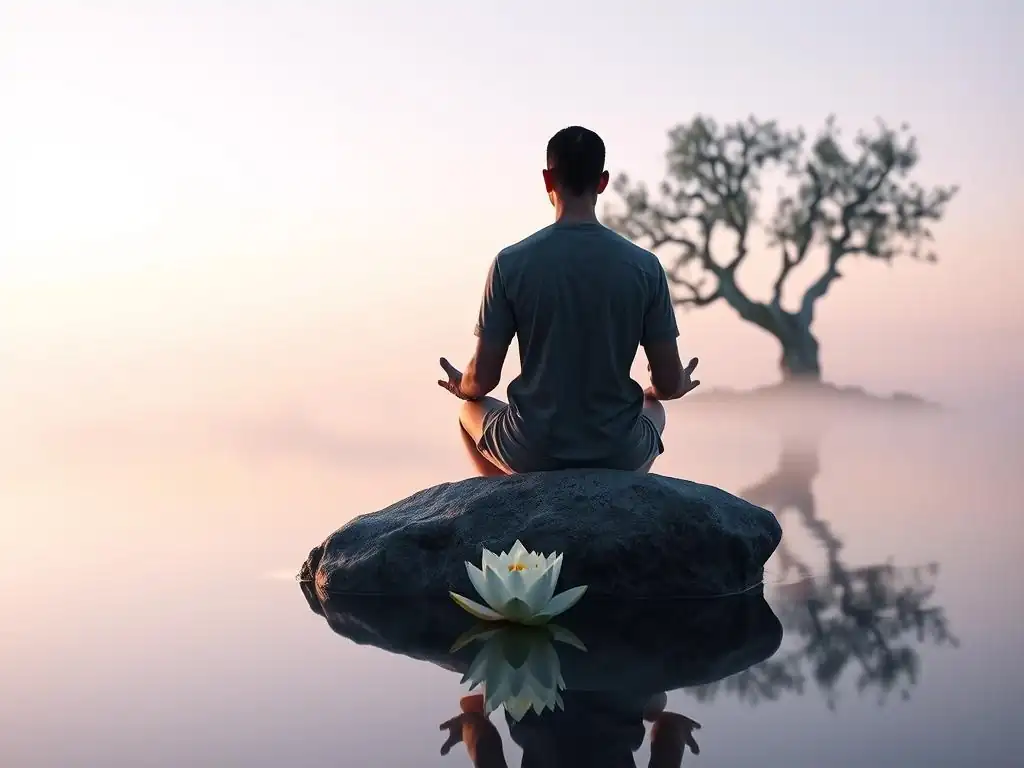
Enhancing Well-being through Combined Practices
The true power of mindfulness and spiritual reflection often lies in their integration. While each practice offers significant benefits individually, combining them creates a holistic approach that addresses both the horizontal dimension of present-moment experience and the vertical dimension of meaning and transcendence. This synergistic approach to mindfulness spiritual wellbeing practices can lead to more profound and sustainable improvements in overall well-being than either practice alone.
When mindfulness grounds spiritual reflection in the present moment, the reflection becomes less abstract and more experientially real. When spiritual reflection provides context and meaning to mindfulness, the present moment becomes imbued with deeper significance. This integration helps individuals live their values more consciously, face challenges with greater equanimity rooted in purpose, and experience everyday moments with a richer sense of connection and awe. It moves beyond simply managing symptoms to cultivating a life characterized by presence, purpose, and peace.
Mindfulness's Contribution: Cultivating Presence in Spiritual Practice
Mindfulness plays a vital role in enhancing traditional spiritual practices. For example, during prayer or meditation focused on a spiritual theme, the mind often wanders to distractions or worries. Mindfulness provides the tools to gently notice this wandering and bring attention back to the object of spiritual focus, whether it's a sacred text, a prayer, or a divine presence. This improves the depth and quality of the spiritual engagement.
Furthermore, mindfulness allows individuals to be fully present within their spiritual experiences. Instead of just reciting words or going through motions, mindfulness helps one to truly feel the emotions, sensations, and subtle shifts in awareness that arise during spiritual practice. This heightened sensitivity can lead to more authentic and transformative encounters, making spiritual moments more vivid and impactful. It ensures that spiritual reflection isn't just an intellectual exercise but a lived, embodied experience, strengthening the impact of mindfulness spiritual wellbeing practices.
Spirituality's Contribution: Providing Context and Meaning to Mindfulness
While mindfulness is often taught in secular contexts, spirituality can provide a rich layer of context and meaning that deepens the practice. For someone with a spiritual or religious background, mindfulness can become a way to cultivate presence with the divine, to notice moments of grace, or to live out spiritual teachings in daily life. It transforms simple awareness into a form of devotion or spiritual discipline.
Spirituality also offers frameworks for understanding the broader implications of mindfulness – concepts like interconnectedness, compassion, and impermanence often have deep roots in spiritual traditions. Reflecting on these themes through a spiritual lens can provide motivation for practicing mindfulness and give the practice a sense of purpose that extends beyond personal stress reduction. It can help individuals see their mindful awareness not just as a personal skill but as a way of aligning with universal truths or contributing to the well-being of the world, enriching their spiritual wellbeing practices.
Cultivating a Contemplative Life: Practical Strategies
Establishing a Daily Practice: Time, Space, and Intention
Cultivating a contemplative life rooted in mindfulness spiritual wellbeing practices requires intentional effort and consistency. Establishing a daily practice is paramount. Begin by dedicating a specific time each day, even if it's just 5-10 minutes. The morning is often recommended as it sets a tone for the day, but the best time is one you can realistically commit to. Choose a quiet space free from distractions if possible – a comfortable chair, a cushion on the floor, or even a quiet corner.
Crucially, set a clear intention for your practice. Is it to cultivate peace, deepen connection, gain clarity, or simply be present? Holding this intention gently can help focus your efforts when distractions arise. Consistency is more important than duration; a short daily practice is more beneficial than sporadic long sessions. Over time, as the practice becomes a habit, you may naturally find yourself wanting to extend the duration or explore different forms of spiritual mindfulness practices.
Creating Sacred Spaces: Home Altars, Nature Sanctuaries, and Meditation Rooms
Designing a physical space dedicated to contemplation can significantly support your practice. A home altar doesn't need to be elaborate; it can be a simple shelf or table holding objects that hold personal meaning or spiritual significance – perhaps candles, incense, natural items like stones or plants, or images that inspire reflection. This space serves as a visual reminder of your intention to engage in spiritual wellbeing practices and provides a focal point for meditation or prayer.
Nature sanctuaries, whether a quiet spot in a garden, a park bench under a favorite tree, or a trail overlooking a scenic view, offer another form of sacred space. Being in nature can naturally evoke feelings of peace, awe, and connection, facilitating both mindfulness and spiritual reflection. If space allows, a dedicated meditation room or corner can become a haven for practice, free from the everyday clutter and demands of the home. The key is to create a space that feels peaceful, inspiring, and conducive to turning inward.
Addressing Challenges: Distraction, Discouragement, and Time Limitations
Embarking on a contemplative path isn't always easy; challenges are inevitable. Distraction is perhaps the most common. The mind wanders constantly, pulled by thoughts, worries, and external stimuli. The key is not to eliminate distraction but to work with it mindfully. Recognize wandering thoughts without judgment and gently guide your attention back to your practice. This consistent return is the practice itself.
Discouragement can arise when expectations aren't met – perhaps you don't feel 'peaceful' or 'spiritual' during a session. Understand that practice isn't about achieving a specific state but about showing up and engaging with the process. Some days will feel easier, others harder. Be patient and compassionate with yourself.
Time limitations are another frequent hurdle in busy lives. This is where consistency over duration is key. Even 5 minutes of focused spiritual mindfulness practices can be beneficial. Look for ways to integrate micro-practices throughout the day – mindful pauses, a moment of gratitude, or a brief reflection during a commute.
Benefits for Mental Health: A Synergistic Effect
Reducing Stress, Anxiety, and Rumination
The combined power of mindfulness and spiritual reflection offers significant benefits for managing common mental health challenges like stress, anxiety, and rumination. Mindfulness provides tools to disengage from the cycle of anxious thoughts and worries by anchoring attention in the present moment. By observing thoughts non-judgmentally, individuals learn that they are not their thoughts and can create distance from distressing mental content.
Simultaneously, spiritual reflection can address the underlying causes of stress and anxiety by fostering perspective, acceptance, and trust. Reflecting on themes of impermanence can help alleviate worry about the future, while focusing on values and purpose can provide resilience against external pressures. This dual approach is more effective than addressing symptoms alone; mindfulness helps manage the immediate experience of stress, while spiritual reflection provides a deeper framework for understanding and coping with its sources, enhancing overall spiritual wellbeing practices.
Enhancing Emotional Intelligence and Self-Compassion
Both mindfulness and spiritual reflection contribute significantly to the development of emotional intelligence. Mindfulness cultivates the ability to recognize and understand one's own emotions as they arise, without immediately reacting to them. This increased self-awareness is the foundation of emotional intelligence. By observing emotional patterns and triggers, individuals gain insight into their inner landscape.
Spiritual reflection, particularly practices focused on compassion and forgiveness (both towards self and others), directly enhances self-compassion. Many spiritual traditions emphasize inherent worth and unconditional love, principles that counteract the harsh inner critic. Combining mindful awareness of difficult emotions with a spiritual perspective of acceptance and kindness allows individuals to meet their struggles with greater gentleness and understanding, fostering a profound sense of inner healing and promoting spiritual wellbeing practices.
Cultivating Purpose, Meaning, and Fulfillment
A key benefit of integrating mindfulness and spiritual reflection is the cultivation of a strong sense of purpose and meaning, leading to greater life fulfillment. While mindfulness helps individuals be fully present in their experiences, spiritual reflection provides the 'why' behind those experiences. By regularly contemplating values, beliefs, and one's place in the world, individuals clarify what truly matters to them.
This clarity enables them to make choices aligned with their deepest aspirations, leading to a more authentic and fulfilling life. Research suggests that having a strong sense of purpose is correlated with greater resilience, better physical health outcomes, and reduced risk of depression and anxiety. The consistent practice of spiritual mindfulness practices helps to keep this sense of purpose alive and integrated into daily actions, transforming mundane tasks into opportunities for living a meaningful life.
Promoting Overall Psychological Well-being
Ultimately, the synergistic effect of combining mindfulness and spiritual reflection contributes to a pervasive sense of psychological well-being. This isn't just the absence of distress but the presence of positive states like joy, contentment, peace, and connection. By reducing negative states like stress and anxiety while simultaneously cultivating positive qualities like gratitude, compassion, and purpose, contemplative practices build a robust foundation for mental health.
Regular engagement in spiritual mindfulness practices fosters a sense of inner stability and resilience, enabling individuals to navigate life's inevitable ups and downs with greater grace. It encourages a shift in perspective from focusing on problems to appreciating possibilities and finding meaning even in difficult circumstances. This holistic approach nurtures the mind, heart, and spirit, leading to a more integrated, peaceful, and fulfilling life.
Real-Life Examples: The Transformative Power of Contemplative Practices
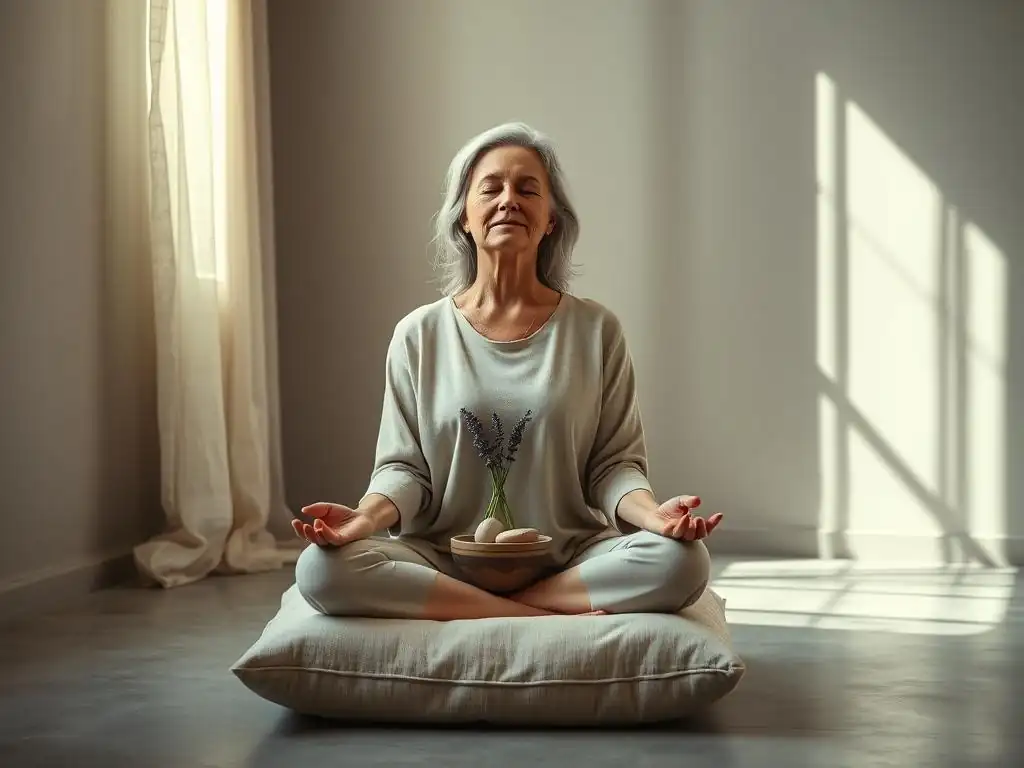
Overcoming Burnout through Mindfulness and Self-Reflection
Consider the common experience of professional burnout, characterized by exhaustion, cynicism, and reduced efficacy. Many individuals in demanding careers, such as healthcare workers or educators, face this challenge. A typical scenario involves long hours, high stress, and feeling disconnected from the initial passion for the work. Integrating mindfulness spiritual wellbeing practices can offer a path forward.
For instance, a nurse experiencing burnout might begin with short mindful breathing exercises during shifts to manage immediate stress responses. Coupled with this, they might engage in spiritual reflection, journaling about their initial motivations for entering the profession, reflecting on the value of their service, or contemplating themes of compassion and resilience drawn from their spiritual beliefs.
This combined approach helps manage the acute stress (mindfulness) while reconnecting with the deeper purpose and meaning in their work (spiritual reflection), fostering a sense of renewed commitment and reducing feelings of depletion and cynicism over several months of consistent practice. Many report regaining a sense of presence and finding renewed energy by grounding themselves in their core values and the reality of the present moment.
Grief is a profound and often overwhelming experience that can leave individuals feeling adrift and disconnected. While time is a healer, active engagement with contemplative practices can significantly support the grieving process. Traditional spiritual practices often provide rituals, communities, and theological frameworks for understanding loss and finding solace, such as prayer, scripture reading, or communal mourning rituals.
Integrating mindfulness with these spiritual practices can deepen their impact. For example, someone grieving might engage in mindful walking, paying attention to the physical sensations and the natural world around them, grounding themselves in the present moment when overwhelmed by sorrow. They might combine this with spiritual reflection on themes of acceptance, continuity of love, or hope found within their spiritual tradition.
This allows them to mindfully acknowledge and process the painful emotions of grief while simultaneously drawing strength and perspective from their spiritual beliefs. Many individuals find that this blend of present-moment awareness and spiritual meaning helps them navigate the waves of grief with greater capacity for both feeling the pain and finding moments of peace and connection, supporting their spiritual wellbeing practices during a difficult time.
Resources for Continued Exploration
Recommended Books, Articles, and Websites
For those interested in delving deeper into mindfulness spiritual wellbeing practices, a wealth of resources is available. Recommended books often include foundational texts on mindfulness like "Wherever You Go, There You Are" by Jon Kabat-Zinn, which offers practical guidance. For integrating spirituality, works like "Mindfulness: A Practical Guide to Awakening" by Joseph Goldstein or texts exploring the intersection of mindfulness with specific spiritual traditions (e.g., "Living Buddha, Living Christ" by Thich Nhat Hanh, or works on contemplative Christian prayer or Jewish meditation) can be invaluable.
Numerous articles and websites from reputable organizations offer free information and guidance. Websites like Mindful.org provide articles, meditations, and resources on secular mindfulness. Organizations focused on the intersection of spirituality and health, or those representing specific contemplative traditions, often host rich archives of articles, talks, and practices. Exploring these resources can provide diverse perspectives and practical tools for developing your own mindfulness spiritual wellbeing practices.
Meditation Centers, Retreats, and Online Communities
Engaging with a community can significantly support a contemplative path. Meditation centers, often rooted in specific traditions (like Zen, Vipassana, or contemplative Christianity), offer structured classes, group sits, and guidance from experienced teachers. Attending sessions in person provides a supportive environment and the opportunity to learn alongside others.
Retreats, ranging from a single day to several weeks, offer immersive experiences away from daily distractions, allowing for deeper practice and reflection. These can be particularly transformative for establishing or deepening a contemplative routine. For those unable to attend in person, a vast array of online communities, virtual retreats, and live-streamed meditation sessions are available, making spiritual mindfulness practices accessible regardless of geographical location. Many platforms offer guided meditations and talks specifically addressing the integration of mindfulness and spirituality.
Spiritual Guidance and Mentorship
For individuals seeking deeper guidance in integrating mindfulness and spirituality, connecting with a spiritual guide or mentor can be immensely helpful. This could be a spiritual director, a religious leader, a seasoned meditation teacher within a contemplative tradition, or an elder whose wisdom resonates with you. A mentor can offer personalized insights, support, and accountability as you navigate your inner landscape.
They can help clarify questions that arise during practice, offer perspectives rooted in their tradition or experience, and guide you through challenges. Finding a guide whose approach resonates with your own path is key. This relationship can provide a valuable anchor and source of wisdom on the journey of cultivating mindfulness spiritual wellbeing practices, offering support that goes beyond self-guided exploration.
Conclusion: Embracing Contemplation for Sustained Well-being
The Importance of Integrating Contemplative Practices into Modern Life
In the complexity and busyness of modern life, the deliberate integration of contemplative practices is not a luxury but increasingly a necessity for sustained well-being. The combined power of mindfulness and spiritual reflection offers a robust framework for navigating challenges, finding inner peace, and living a life imbued with meaning. By cultivating present-moment awareness, we become more attuned to our experiences and reactions, providing the foundation for skillful navigation.
Simultaneously, by engaging in spiritual reflection, we connect with our deepest values, understand our purpose, and foster a sense of connection that transcends the individual self. These spiritual mindfulness practices work hand-in-hand, with mindfulness grounding spiritual insights in lived experience and spirituality providing a meaningful context for mindful awareness. Embracing this integrated path offers a powerful antidote to stress, disconnection, and the search for external validation.
Living a More Meaningful and Purposeful Life Through Mindfulness and Spirituality
Ultimately, the journey of cultivating a contemplative life through integrating mindfulness and spirituality is about living more fully, authentically, and purposefully. It's about moving beyond autopilot and engaging with life with intention, presence, and an open heart. By regularly dedicating time to these practices, individuals can foster greater resilience, enhance emotional intelligence, and cultivate a profound sense of inner peace.
The benefits extend beyond personal well-being, often leading to more compassionate interactions with others and a greater sense of responsibility towards the world. As individuals deepen their spiritual wellbeing practices, they often find themselves more aligned with their core values, leading to choices and actions that contribute not only to their own fulfillment but also to the well-being of their communities and the planet. Embracing contemplation is an ongoing journey, a commitment to continuous growth and the unfolding of a life rich in meaning and presence.
Frequently Asked Questions
What is the main difference between mindfulness and spiritual reflection, as discussed in the Mind Care Guide article?
Mindfulness primarily focuses on present moment awareness and non-judgmental observation of thoughts and feelings. Spiritual reflection, on the other hand, involves deeper exploration of meaning, purpose, and connection to something greater than oneself. It integrates mindfulness techniques to enhance its effect.
How can Mindfulness spiritual wellbeing practices contribute to improved mental well-being, according to the article?
These practices can help reduce stress and anxiety by fostering a sense of calm and inner peace. They promote emotional regulation and increased self-awareness, leading to improved mental health.
What are some examples of mindfulness spiritual wellbeing practices that are recommended in "The Contemplative Life"?
The article likely suggests practices like mindful meditation, contemplative prayer, and reflective journaling. It might also include practices that connect with nature or involve creative expression like art or music as spiritual tools.
How does the article suggest integrating mindfulness into spiritual reflection for a more profound experience?
The article likely emphasizes using mindfulness as a foundation for spiritual reflection, encouraging individuals to observe their thoughts and feelings without judgment. This allows for a deeper understanding of their spiritual beliefs and values.
Is "The Contemplative Life" suitable for individuals with no prior experience in either mindfulness or spiritual practices?
While the Mind Care Guide aims to be comprehensive, beginners might benefit from starting with basic mindfulness exercises before delving into deeper spiritual reflection. The article probably offers guidance for gradual integration of these practices.
Final Reflection: Cultivating Inner Peace in a Frantic World
The pursuit of mindfulness and spiritual reflection is not a fleeting trend; it's a vital antidote to the relentless pace of modern life. In a world saturated with information and demands, the ability to cultivate inner peace and connect with a deeper sense of self becomes increasingly crucial for our overall wellbeing. This article explored the powerful synergy between mindfulness practices and spiritual reflection, demonstrating how these interconnected approaches can foster resilience, clarity, and a profound sense of purpose.
The journey towards spiritual wellbeing, as I've personally discovered, is a continuous unfolding, a process of self-discovery that requires consistent effort and self-compassion. It's a journey that transcends mere technique; it's about cultivating a mindful awareness of our thoughts, emotions, and actions, and aligning them with our deepest values. This process allows us to navigate the complexities of life with greater grace and understanding. The purpose of life, after all, is to live it, to taste experience to the utmost, to reach out eagerly and without fear for newer and richer experience.
- Eleanor Roosevelt. This quote perfectly encapsulates the spirit of embracing the contemplative life, not as a retreat from life, but as a powerful tool for enriching it.
Consider, for a moment, how integrating even small moments of mindfulness and reflection into your daily routine can transform your experience. Perhaps it's a few minutes of quiet meditation each morning, a conscious pause before responding to an email, or simply taking a few deep breaths to center yourself amidst chaos. You hold the power to cultivate inner peace and deepen your spiritual wellbeing. Embrace the journey, be patient with yourself, and allow the transformative power of mindfulness and spiritual reflection to guide you towards a more fulfilling and meaningful life.
Unleash Your Inner Peace: Start Your Contemplative Journey Today
Thanks for taking the time to explore the power of merging mindfulness and spiritual reflection! We hope you gained valuable insights into cultivating a more peaceful and meaningful life. Now it's time to put these insights into practice.
- Begin a daily contemplation practice: Even 5-10 minutes a day dedicated to quiet reflection can significantly impact your well-being. Try focusing on your breath, a calming image, or a simple mantra. This is your primary step towards inner peace.
- Share your reflections: Connect with others on their contemplative journeys. Share your experiences and insights with friends or family—or even leave a comment below! It’s amazing how sharing can amplify the positive effects.
- Explore a guided meditation: Discover the many resources available to guide you deeper into mindfulness. Experiment with different techniques and find what resonates most with you.
What simple practice will you incorporate into your day to nurture your inner peace?