
Beyond Religion: Exploring NonReligious Spirituality for Wellbeing

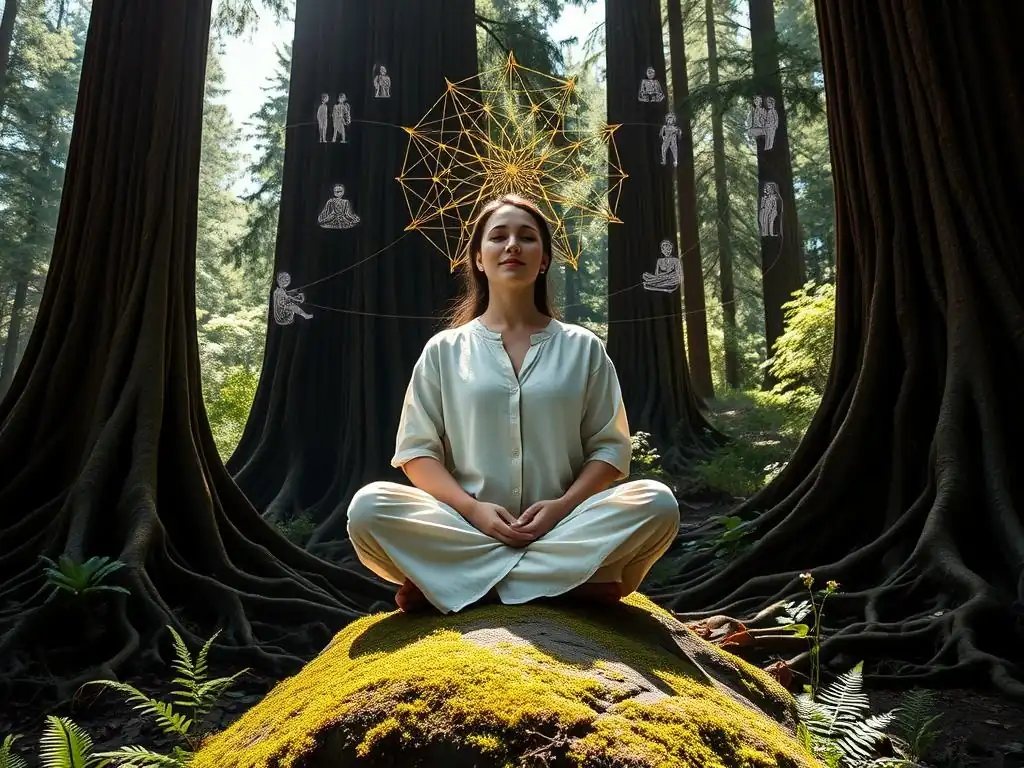
Welcome to Mind Care Guide, a sanctuary for your mental well-being.
Feeling a disconnect between traditional religion and your inner peace? You're not alone. Many are seeking a deeper sense of meaning and connection without adhering to religious doctrines. Our latest article, "Beyond Religion: Exploring Nonreligious Spirituality Wellbeing Resources," delves into alternative paths to cultivate inner strength and find solace. Curious about how to nurture your spirit on your own terms? Let's explore the possibilities together...
Cultivating Wellbeing Through Secular Spirituality
- Understanding Secular Spirituality and Mental Wellbeing
- Core Practices of Secular Spirituality
- Practical Resources for Secular Spiritual Growth
- The Science Behind Secular Spirituality's Impact on Wellbeing
- Navigating Challenges in Your Secular Spiritual Journey
- Integrating Secular Spirituality into Daily Life
- Secular Spirituality Wellbeing Resources: A Curated List
- Secular Spirituality vs. Religion: Distinctions and Commonalities
- The Future of Spirituality: Personalization and Inclusivity
-
Frequently Asked Questions
- What exactly is nonreligious spirituality, and how does it differ from traditional religion?
- Can nonreligious spirituality actually improve my wellbeing, and if so, how?
- What are some accessible nonreligious spirituality wellbeing resources I can start using today?
- Is nonreligious spirituality a suitable alternative for someone who has had negative experiences with organized religion?
- How can I integrate nonreligious spirituality into my daily life to enhance my overall mental wellbeing?
- Final Reflection: Cultivating Inner Peace Beyond Belief
- Unveil Your Inner Compass: Discover a Deeper Sense of Wellbeing
Understanding Secular Spirituality and Mental Wellbeing
Defining Secular Spirituality: A Personal Approach
Secular spirituality represents a path to finding meaning, purpose, and connection in life without adhering to religious doctrines or belief in a higher power. It is fundamentally a personal and individualized approach, focusing on internal experiences, values, and connections to the world around us, rather than external dogma or divine commandments. This form of spirituality emphasizes introspection, ethical conduct, and a sense of awe or wonder derived from human experience, nature, science, or art.
Unlike traditional religious frameworks that often provide a prescribed set of beliefs and rituals, secular spirituality encourages individuals to explore their own understanding of existence, consciousness, and their place within the universe. It is a dynamic process of inquiry and practice, often drawing from philosophical traditions, psychological insights, and contemplative practices like mindfulness. This allows for immense flexibility and autonomy, enabling each person to craft a spiritual life that resonates deeply with their personal values and worldview, fostering a sense of authenticity and self-discovery.
The Connection Between Spirituality and Mental Health: An Evidence-Based Perspective
Research consistently highlights a strong correlation between various forms of spirituality and positive mental health outcomes. Studies indicate that individuals who engage in spiritual practices, including those that are nonreligious, often report lower levels of depression, anxiety, and stress. A sense of meaning and purpose, central to many spiritual paths, acts as a protective factor against psychological distress and contributes significantly to resilience in the face of adversity.
Furthermore, specific practices commonly adopted within secular spirituality, such as mindfulness and meditation, have been extensively studied for their therapeutic effects. Clinical trials have shown that mindfulness-based interventions, like MBSR (Mindfulness-Based Stress Reduction), can lead to significant reductions in symptoms for conditions such as Generalized Anxiety Disorder, sometimes by 30-40% in controlled studies. These findings underscore that the mental health benefits often associated with spirituality are not solely tied to religious belief but can be cultivated through practices focused on present moment awareness, self-compassion, and connecting with one's inner experience and the world.
Benefits of Secular Spirituality: Autonomy, Flexibility, and Personal Growth
One of the primary advantages of embracing secular spirituality is the high degree of autonomy it offers. Individuals are free to explore different philosophies, practices, and perspectives without the constraints of religious dogma or institutional authority. This freedom allows for a deeply personal journey of discovery, where one can integrate insights from science, ethics, and various contemplative traditions to create a spiritual framework that is uniquely their own, fostering a strong sense of self-reliance and intellectual independence.
This flexibility extends to how and where one practices. Secular spirituality can be integrated into daily life in countless ways – through quiet reflection during a commute, mindful eating, spending time in nature, engaging in creative pursuits, or contributing to community welfare. This adaptability makes it accessible regardless of one's background or lifestyle. Moreover, the emphasis on self-exploration and ethical living inherent in many secular paths directly supports personal growth, encouraging individuals to cultivate virtues, deepen self-awareness, and strive towards becoming their best selves, contributing to overall psychological wellbeing.
Core Practices of Secular Spirituality
Mindfulness and Meditation for Emotional Regulation
Mindfulness, the practice of paying attention to the present moment without judgment, is a cornerstone of many secular spiritual paths. Regular mindfulness meditation has been shown in numerous studies to alter brain structure and function in ways that support emotional regulation. For instance, research using fMRI scans has observed decreased activity in the amygdala, the brain's fear center, and increased connectivity to the prefrontal cortex, which is involved in executive functions and emotional control, among long-term meditators.
These physiological changes translate into tangible benefits for mental wellbeing. Practicing mindfulness can help individuals become more aware of their emotional states, understand their triggers, and respond to difficult feelings with greater calm and clarity rather than reactivity. This enhanced emotional intelligence is crucial for managing stress, reducing anxiety, and preventing rumination. Studies have demonstrated that consistent meditation practice, even for a few minutes daily, can lead to a significant reduction in perceived stress levels, sometimes showing a decrease in stress hormone markers like cortisol by upwards of 20-25% in participants over several weeks.
Nature Connection: Enhancing Wellbeing Through Outdoor Experiences
Connecting with the natural world is a profound source of awe, perspective, and tranquility for many who follow a secular spiritual path. Spending time outdoors, whether hiking in a forest, walking by the ocean, or simply sitting in a park, has well-documented psychological benefits. Research has shown that exposure to natural environments can lower blood pressure, reduce heart rate, decrease muscle tension, and lower the production of stress hormones.
Beyond the physiological effects, nature connection fosters a sense of interconnectedness and belonging, reminding individuals of their place within a larger ecosystem. Studies have found that even short periods in nature, such as a 15-minute walk in a green space, can lead to a significant reduction in negative thought patterns, particularly rumination, compared to walking in an urban environment. This engagement with nature serves as a powerful, accessible practice for cultivating peace, perspective, and a deep appreciation for the non-human world, contributing significantly to mental and emotional health.
Ethical Living and Values: Defining Personal Principles
Secular spirituality often places a strong emphasis on ethical living, guided by personal values rather than external religious commandments. This involves reflecting on one's core principles – such as compassion, integrity, justice, and kindness – and striving to align one's actions with these values. This process of defining and living by a personal ethical code is not merely about doing 'good' in an abstract sense but is deeply intertwined with psychological wellbeing.
Living in accordance with one's values fosters a sense of congruence and authenticity, which is a key component of positive mental health. When actions align with deeply held beliefs, individuals experience greater self-respect and a stronger sense of identity. Conversely, acting against one's values can lead to cognitive dissonance, guilt, and anxiety. Cultivating an ethical life through intentional choices and reflection builds character, strengthens self-esteem, and provides a moral compass that can guide individuals through life's complexities, contributing to a stable and meaningful existence.
Community and Connection: Building Supportive Relationships
While secular spirituality is highly personal, it is rarely solitary. Building meaningful connections with others who share similar values or are also exploring nonreligious paths is vital for wellbeing. Humans are social beings, and strong social support networks are consistently linked to improved mental health outcomes, including reduced rates of depression and increased resilience to stress.
Engaging in community, whether through shared activities, philosophical discussions, volunteer work, or simply supportive friendships, provides a sense of belonging and reduces feelings of isolation. This connection can take many forms, from participating in local humanist or ethical societies to joining online forums focused on mindfulness or secular philosophy. These interactions offer opportunities for mutual support, shared learning, and collective action towards common goals, reinforcing the idea that finding meaning and living ethically are journeys that can be enriched by shared experiences and the support of others.
Practical Resources for Secular Spiritual Growth
Mindfulness Apps and Guided Meditations for Daily Practice
Access to convenient tools is crucial for establishing a consistent secular spiritual practice. Mindfulness apps have become incredibly popular, offering guided meditations ranging from a few minutes to longer sessions, suitable for beginners and experienced practitioners alike. Many apps provide specialized content focusing on areas like stress reduction, improving sleep, or cultivating compassion.
These digital resources make mindfulness accessible anytime, anywhere, fitting easily into busy schedules. They often include features like progress tracking, gentle reminders, and educational content about the science behind meditation. While not a substitute for in-person guidance for complex issues, for many, these apps serve as an invaluable starting point and ongoing support for integrating regular contemplative practice into daily life, reinforcing the availability of nonreligious spirituality wellbeing resources.
Books and Literature on Secular Spirituality and Philosophy
A wealth of literature exists that explores secular spirituality from various angles, drawing from philosophy, psychology, science, and personal narratives. Books on Stoicism, Existentialism, Humanism, and contemporary secular ethics offer intellectual frameworks for understanding meaning, values, and the human condition without recourse to the supernatural.
Reading widely in these areas can provide profound insights, challenge perspectives, and offer practical guidance for living a fulfilling life based on reason, empathy, and personal responsibility. Authors like Alain de Botton, Sam Harris, and Stephen Batchelor have written extensively on these topics, providing accessible entry points into complex ideas. This literary exploration is a key component of discovering nonreligious spirituality wellbeing resources, offering intellectual nourishment and diverse viewpoints.
In an increasingly connected world, online platforms offer a valuable space for individuals practicing secular spirituality to connect, share experiences, and find support. Forums, social media groups, and dedicated websites cater to those interested in topics like secular Buddhism, humanism, atheism, and general nonreligious spirituality.
These online communities provide a sense of belonging and understanding, particularly for those who may feel isolated in their local area. They offer opportunities to discuss philosophical questions, share challenges and successes in practice, and learn from others on similar paths. While online interaction differs from in-person connection, these digital spaces are important nonreligious spirituality wellbeing resources, providing accessible community and peer support.
Retreats and Workshops Focused on Secular Mindfulness and Wellbeing
For those seeking deeper immersion and guidance, secular retreats and workshops offer intensive opportunities for practice and learning. These events, often led by experienced teachers from mindfulness, psychological, or philosophical backgrounds, provide structured environments for extended meditation, reflection, and community building.
Workshops might focus on specific themes, such as mindful self-compassion, ethical living, or integrating contemplative practices into daily life. Retreats offer a dedicated period away from daily distractions to deepen practice and gain perspective. While requiring a greater commitment of time and resources, these in-person experiences can be profoundly transformative, offering intensive engagement with nonreligious spirituality wellbeing resources and practices.
The Science Behind Secular Spirituality's Impact on Wellbeing

Research on Mindfulness and Stress Reduction
Extensive scientific research supports the efficacy of mindfulness practices in reducing stress. Studies have shown that regular mindfulness meditation can lead to observable changes in the brain's response to stress stimuli. For example, participants in mindfulness interventions often exhibit decreased activity in the amygdala when presented with stressful images or situations.
Moreover, physiological markers of stress, such as cortisol levels and inflammatory responses, have been shown to decrease in individuals who practice mindfulness consistently. A meta-analysis of multiple studies indicated that mindfulness-based programs can lead to moderate improvements in anxiety and depression symptoms across various populations. These findings provide a robust scientific basis for including mindfulness as a core practice within secular spirituality for enhancing mental wellbeing.
Studies on the Benefits of Nature Exposure for Mental Health
The positive impact of nature on mental health is well-documented across various disciplines, including environmental psychology and public health. Research indicates that exposure to natural environments can significantly reduce symptoms of depression and anxiety. One notable study found that urban residents who spent time in green spaces reported less rumination, a thought pattern linked to depression.
Furthermore, physiological studies have shown that simply viewing natural scenes can induce a state of relaxation, reducing heart rate and blood pressure. The "Attention Restoration Theory" suggests that nature helps restore directed attention capacity, which is often depleted by the demands of modern life, thereby reducing mental fatigue and irritability. These findings underscore the importance of accessing natural environments as a vital component of nonreligious spirituality wellbeing resources.
The Role of Purpose and Meaning in Psychological Wellbeing
A sense of purpose and meaning in life is a fundamental aspect of human psychological wellbeing, irrespective of religious belief. Research in positive psychology consistently links having a strong sense of purpose to greater life satisfaction, increased resilience, and lower rates of mental health issues such as depression and suicidality.
Studies have shown that individuals who report having a clear sense of meaning are better equipped to cope with life's challenges and transitions. This meaning can be derived from various sources within a secular framework, including personal relationships, creative pursuits, contributing to the welfare of others, or engaging with philosophical questions. Cultivating purpose is a core element of secular spirituality, providing a framework that significantly enhances mental and emotional health by giving direction and significance to one's experiences.
Addressing Skepticism and Criticism
Embarking on a secular spiritual path may sometimes involve encountering skepticism or criticism from those who equate spirituality solely with religious belief. Friends, family, or colleagues may question the validity of finding meaning or practicing contemplation outside of a traditional religious framework. This can be challenging and potentially isolating.
Responding to such skepticism often requires patience and clear communication. Explaining that secular spirituality is about cultivating inner peace, ethical living, and connection through personal practices like mindfulness or engaging with philosophy, rather than adhering to dogma, can help clarify misunderstandings. Focusing on the tangible benefits for wellbeing and personal growth, which are often supported by science, can also provide a relatable perspective. It's important to remember that your path is valid and deeply personal, and you are not obligated to convince others, but rather to live authentically according to your own principles.
Finding Meaning in the Absence of Traditional Beliefs
One significant challenge for individuals transitioning away from or never having held traditional religious beliefs is finding alternative sources of meaning and purpose. Religious frameworks often provide ready-made answers to existential questions and a prescribed moral code, which can leave a void when absent. Secular spirituality requires actively constructing one's own framework for understanding the world and one's place in it.
This process involves introspection, exploration of philosophical ideas, engagement with science, and reflection on personal values and experiences. Meaning can be found in human relationships, creative expression, contributing to the community, pursuing knowledge, or appreciating the natural world. It is a continuous process of discovery and creation, sometimes requiring effort to identify what truly matters most. Embracing this challenge as an opportunity for personal autonomy and authenticity is key to building a resilient and meaningful secular spiritual life.
Maintaining Motivation and Consistency in Your Practice
Like any practice aimed at personal growth, maintaining motivation and consistency in secular spirituality can be difficult amidst the demands and distractions of modern life. Establishing regular habits for mindfulness, reflection, or engaging with nature requires discipline and intentionality. It's easy for practices to fall by the wayside when faced with stress, fatigue, or competing priorities.
Overcoming this challenge involves setting realistic goals, integrating practices seamlessly into daily routines, and being compassionate with oneself when lapses occur. Starting small, such as with five minutes of daily meditation or a short walk in a park, can build momentum. Finding a community, online or in person, can provide encouragement and accountability. Reminding oneself of the felt benefits – increased calm, clarity, and a sense of purpose – can also serve as powerful motivators to return to practice. Consistency, even in small doses, is more impactful than sporadic intense effort.
Integrating Secular Spirituality into Daily Life
Creating a Personalized Spiritual Practice Routine
Integrating secular spirituality effectively into daily life begins with creating a personalized routine that fits your schedule, energy levels, and interests. There is no one-size-fits-all approach; what works for one person might not work for another. Start by identifying which practices resonate most with you – perhaps it's morning meditation, an evening walk in nature, journaling about your values, or dedicating time to reading philosophical texts.
Once you've identified practices, schedule them realistically. It might be five minutes of quiet reflection before breakfast, a mindful walk during your lunch break, or reading for 20 minutes before bed. The key is consistency over duration initially. Regularly reviewing and adjusting your routine based on how it feels and its impact on your wellbeing ensures it remains a supportive and meaningful part of your life. This tailored approach is crucial for accessing the full benefits of nonreligious spirituality wellbeing resources.
Incorporating Mindfulness into Everyday Activities
Mindfulness doesn't have to be confined to formal meditation sessions; it can be woven into almost any daily activity. This informal practice helps cultivate present moment awareness throughout the day, making it a powerful tool for managing stress and enhancing appreciation. Simple acts like mindfully brushing your teeth, washing dishes, or walking to work can become opportunities for practice.
To incorporate mindfulness, simply bring your full attention to the sensory experience of the activity – notice the feel of the water, the sounds around you, the sensations in your body as you move. When your mind wanders, gently guide it back to the present task without judgment. This continuous practice strengthens your ability to stay grounded and engaged, transforming mundane moments into opportunities for peace and presence, leveraging secular spirituality wellbeing resources in every moment.
Cultivating Gratitude and Appreciation
Cultivating gratitude is a practice highly valued in both religious and secular spiritual traditions for its profound impact on wellbeing. Regularly acknowledging and appreciating the positive aspects of your life, no matter how small, shifts your focus away from lack and towards abundance, fostering a more positive outlook.
Simple practices include keeping a gratitude journal, listing three things you are grateful for each day, or simply taking a moment to pause and appreciate something specific, like the taste of your food, the beauty of a sunset, or a kind gesture from someone. This intentional focus on appreciation has been shown in studies to increase feelings of happiness, improve relationships, and even enhance physical health. Integrating gratitude as a daily habit enriches your experience of life and deepens your secular spiritual journey.
Secular Spirituality Wellbeing Resources: A Curated List

Recommended Books and Websites
Navigating the landscape of secular spirituality is made easier with access to reliable information and diverse perspectives. Books offer in-depth exploration of philosophical concepts, ethical frameworks, and practical guidance. Look for authors who write about humanism, atheism, secular Buddhism, Stoicism, or the science of wellbeing.
Websites from organizations focused on secular ethics, humanist philosophy, or evidence-based mindfulness provide articles, guides, and community forums. While specific links are not permitted here, searching for terms like "secular humanism," "mindfulness without belief," or "philosophy for life" can lead to many valuable online nonreligious spirituality wellbeing resources. Exploring different sources allows you to find voices and ideas that resonate with your personal path.
Local Groups and Organizations Offering Secular Support
Connecting with others who share similar interests can significantly enhance your secular spiritual journey. Many cities and regions have local groups affiliated with humanist, ethical, or skeptical societies. These groups often host meetings, discussions, and community service events.
Additionally, some mindfulness centers or meditation groups offer secular programs that focus solely on the practice itself, separate from any religious context. Searching for local humanist chapters, ethical societies, or secular meditation groups can reveal opportunities for in-person connection and shared practice, adding a valuable dimension to your nonreligious spirituality wellbeing resources.
Apps and Tools for Mindfulness and Meditation
As mentioned earlier, digital tools are excellent aids for establishing and maintaining a consistent practice. Numerous apps are available that provide guided meditations, calming music, and features to track your progress. Many offer introductory courses for beginners and advanced sessions for experienced practitioners.
Look for apps that emphasize secular approaches to mindfulness, focusing on the psychological and physiological benefits. Some apps also include features like sleep stories, focus timers, and mood tracking. Exploring different options to find one that aligns with your preferences and practice style can make integrating daily mindfulness much easier, providing accessible nonreligious spirituality wellbeing resources at your fingertips.
Secular Spirituality vs. Religion: Distinctions and Commonalities
Despite their fundamental differences in metaphysical beliefs, secular spirituality and many religions share a common ground in promoting core human values that contribute to wellbeing. Concepts like compassion, empathy, kindness, justice, and the importance of community connection are central to both religious and secular ethical frameworks.
Both paths often encourage individuals to look beyond their immediate self-interest and consider the welfare of others and the broader world. Practices aimed at cultivating these values, such as metta (loving-kindness) meditation or engaging in acts of charity, are found in both contexts. This shared emphasis on ethical conduct and positive relationships highlights that the pursuit of a meaningful and virtuous life is a universal human endeavor, achievable through various means, including nonreligious spirituality wellbeing resources focused on these shared values.
Addressing Common Misconceptions About Secular Spirituality
Secular spirituality is sometimes misunderstood or conflated with atheism or agnosticism, implying a lack of any deeper dimension to life. However, while many secular spiritual individuals may identify as atheists or agnostics, the focus is not merely on the absence of belief in a deity but on actively cultivating meaning, purpose, and connection through non-theistic means.
Another misconception is that secular spirituality lacks depth or ritual compared to traditional religions. In reality, secular practices can be deeply personal and profound, involving contemplative practices, engagement with art and nature, philosophical inquiry, and ethical reflection. Rituals can be created from personal or cultural meaning, such as mindful walks or reflective journaling. Secular spirituality offers a rich and valid path for exploring the depths of human experience and cultivating wellbeing, providing genuine nonreligious spirituality wellbeing resources.
The Future of Spirituality: Personalization and Inclusivity
The Growing Trend of Secular Spirituality
Increasingly, individuals are identifying as "spiritual but not religious," reflecting a growing trend towards personalized forms of spirituality that are independent of traditional religious institutions. Surveys in many Western countries show a rise in the number of people disaffiliating from organized religion while still expressing interest in finding meaning, practicing mindfulness, or connecting with something larger than themselves. For example, Pew Research Center data has consistently shown a rise in the religiously unaffiliated ("nones"), many of whom still report believing in a higher power or feeling a sense of spiritual peace and wellbeing.
This trend suggests a societal shift where individuals are seeking paths that allow for greater autonomy and align with contemporary scientific understanding and diverse worldviews. Secular spirituality is well-positioned to meet this need, offering flexible, evidence-informed approaches to cultivating inner life and ethical engagement with the world. This growing interest highlights the increasing relevance and demand for accessible nonreligious spirituality wellbeing resources.
How Secular Spirituality Can Enhance Mental Health in a Modern World
In a world characterized by rapid change, technological saturation, and complex social challenges, secular spirituality offers valuable tools for maintaining mental health. Practices like mindfulness provide strategies for managing stress and navigating information overload by fostering present-moment awareness. Engaging with ethical principles helps individuals make value-aligned choices in a complex moral landscape.
Furthermore, the emphasis on finding meaning and purpose through personal exploration and connection with others provides a buffer against feelings of alienation and existential anxiety that can arise in a secular age. By offering flexible, evidence-based practices and a framework for living a meaningful life independent of dogma, secular spirituality serves as a powerful pathway to enhancing resilience, fostering inner peace, and promoting overall psychological wellbeing in the modern world.
Considerations for Choosing a Personal Spiritual Approach
Choosing a spiritual path, whether religious or secular, is a deeply personal decision. For those exploring secular spirituality, it's important to consider what aspects of life you wish to cultivate – perhaps it's inner peace, ethical clarity, a sense of connection, or intellectual understanding. Reflect on practices that resonate with you and align with your values and worldview.
Consider exploring various aspects of secular spirituality, such as mindfulness, philosophical inquiry, nature connection, or community engagement, to see what feels authentic and beneficial. Be open to adapting your approach over time as you grow and change. The journey of secular spirituality is one of continuous learning and self-discovery, offering a flexible and inclusive framework for nurturing your mental and emotional wellbeing by leveraging available nonreligious spirituality wellbeing resources.
Frequently Asked Questions
What exactly is nonreligious spirituality, and how does it differ from traditional religion?
Nonreligious spirituality focuses on a personal connection to something larger than oneself without adhering to specific religious doctrines or institutions. It often involves exploring inner peace, purpose, and values through practices like mindfulness and nature connection.
Can nonreligious spirituality actually improve my wellbeing, and if so, how?
Yes, engaging in nonreligious spiritual practices can significantly improve wellbeing by fostering stress reduction, promoting emotional regulation, and cultivating a sense of meaning and purpose in life.
What are some accessible nonreligious spirituality wellbeing resources I can start using today?
Many resources are available, including meditation apps, guided mindfulness exercises, and online communities focused on secular spirituality. Spending time in nature is also a powerful wellbeing resource.
Is nonreligious spirituality a suitable alternative for someone who has had negative experiences with organized religion?
Absolutely. It provides a pathway to spiritual fulfillment that is free from dogma and judgment, allowing individuals to define their own beliefs and practices focused on personal growth and wellbeing.
How can I integrate nonreligious spirituality into my daily life to enhance my overall mental wellbeing?
Start with small, consistent practices like daily meditation, mindful breathing exercises, or gratitude journaling. Connecting with nature and practicing self-compassion are also effective ways to enhance your mental wellbeing.
Final Reflection: Cultivating Inner Peace Beyond Belief
The search for meaning and wellbeing transcends religious affiliation. The growing interest in nonreligious spirituality highlights a fundamental human need: to connect with something larger than ourselves, to find purpose and peace, without the confines of organized religion. This isn't a rejection of faith, but rather a recognition of the diverse paths to inner harmony available to all.
The exploration of secular spirituality has profoundly impacted my own understanding of wellbeing. It's shifted the focus from external validation to internal growth, emphasizing practices like mindfulness, self-compassion, and connection with nature as vital sources of strength and resilience. The purpose of life, after all, is to live it, to taste experience to the utmost, to reach out eagerly and without fear for newer and richer experience.
– Eleanor Roosevelt. This quote resonates deeply, as nonreligious spirituality encourages precisely that – a courageous embrace of life's fullness on our own terms.
Now, consider your own journey. What practices resonate with you? What brings you a sense of awe and wonder? This article is not an endpoint, but a starting point. I invite you to explore the resources mentioned, to experiment with different approaches, and to discover your own unique path to cultivating inner peace and wellbeing, regardless of your belief system. Embrace the journey, for the path to self-discovery is a lifelong adventure filled with growth and profound meaning.
Unveil Your Inner Compass: Discover a Deeper Sense of Wellbeing
Thanks for taking the time to explore the world of nonreligious spirituality with us! We hope you've gained valuable insights into how to cultivate inner peace and meaning without adhering to traditional religious structures. Ready to take the next step on your journey?
- Embrace a new practice: Start a daily meditation routine, even if it's just for five minutes. Focus on your breath, your body, and the present moment.
- Connect with nature: Spend some time outdoors each week – go for a walk in the woods, sit by the ocean, or simply watch the clouds drift by. Notice the details and feel the connection to something larger than yourself.
- Share your experience: Tell a friend or family member about your newfound practices. Sharing your insights may inspire them, and their feedback might surprise you!
What unique practice will you try first to nurture your inner well-being?