
Environmental Stressors: How Your Surroundings Impact Suicide Vulnerability


Welcome to Mind Care Guide, a sanctuary for understanding and nurturing your mental well-being.
Feeling overwhelmed by the world around you? You're not alone. This article delves into the crucial link between environmental stressors and suicide vulnerability, exploring how our surroundings can profoundly impact our mental state. We'll unpack this complex relationship and offer insights into identifying and mitigating these influences. Keep reading to uncover practical strategies for creating a safer, more supportive environment for yourself and those you care about.
Environmental Stressors: How Your Surroundings Impact Suicide Vulnerability
- Understanding the Link Between Environmental Stressors and Suicidal Ideation
- Defining Environmental Stressors: A Mental Health Perspective
- The Impact of Environmental Factors on Suicide Risk
- Specific Environmental Stressors and Their Connection to Suicide Vulnerability
- The Intersection of Environmental Stressors with Other Risk Factors for Suicide
- Identifying and Assessing Environmental Stressors in Suicide Prevention
- Strategies for Mitigating Environmental Stressors to Reduce Suicide Vulnerability
- Resources for Addressing Environmental Stressors and Suicide Prevention
- Conclusion: Creating Healthier Environments for Suicide Prevention
-
Frequently Asked Questions
- How do environmental stressors contribute to suicide vulnerability?
- What are some specific examples of environmental stressors that can increase suicide risk?
- Can changing my physical environment actually reduce my suicide vulnerability?
- What role does social support play in mitigating the impact of environmental stressors on suicide risk?
- Where can I find resources to help me address environmental stressors and improve my mental health?
- Final Reflection: The Silent Landscape of Suicide Risk
- Unleash Your Inner Resilience: Take Control of Your Mental Wellbeing
Understanding the Link Between Environmental Stressors and Suicidal Ideation
Our environment, encompassing everything from the air we breathe and the water we drink to the communities we live in and the socioeconomic structures that govern our lives, plays a profound and often underestimated role in our mental well-being. These external factors, collectively known as environmental stressors, can significantly influence psychological health, contributing to chronic stress, anxiety, depression, and in some cases, increasing vulnerability to suicidal ideation and behavior. Recognizing the complex interplay between our surroundings and our internal state is crucial for developing comprehensive approaches to mental health care and suicide prevention.
The concept of environmental stressors suicide vulnerability highlights that while suicidal thoughts and behaviors are complex and multi-faceted, external circumstances are undeniable contributors. Research consistently shows correlations between adverse environmental conditions – such as poverty, lack of social support, exposure to violence, or even the built environment – and elevated rates of mental distress and suicidal attempts. Understanding these connections is the first step towards identifying at-risk individuals and implementing interventions that address not only internal psychological factors but also the external pressures they face.
Defining Environmental Stressors: A Mental Health Perspective
Environmental stressors, within the context of mental health, refer to external conditions or influences that place psychological demands on an individual. Unlike acute, one-time traumatic events, these stressors are often chronic, persistent, or systemic, creating a continuous burden that can erode coping mechanisms and contribute to psychological distress. They are not merely inconveniences but can represent significant barriers to well-being and stability.
From a mental health perspective, these stressors can range widely, impacting individuals at different levels – from the immediate physical surroundings to broader societal conditions. Acknowledging the breadth of what constitutes an environmental stressor is essential for a holistic understanding of mental health challenges and for developing effective strategies to mitigate their negative impact, particularly concerning environmental stressors suicide vulnerability.
What Constitutes an Environmental Stressor?
Environmental stressors encompass a broad category of external factors that can negatively impact mental health. These include socioeconomic factors like poverty, unemployment, and financial instability, which create persistent worry and insecurity. The social environment is also critical, with stressors such as social isolation, discrimination, lack of community support, and exposure to violence or crime contributing significantly to psychological strain.
Beyond social and economic aspects, the physical environment itself can be a source of stress. This includes exposure to pollution, noise, lack of access to green spaces, poor housing conditions, and even the layout and density of urban environments. Natural disasters and the effects of climate change, like extreme weather events or resource scarcity, also constitute significant environmental stressors with profound mental health consequences.
The Scope of Environmental Influence on Mental Well-being
The influence of environmental factors on mental well-being is pervasive, shaping daily experiences and long-term health trajectories. Chronic exposure to environmental stressors can trigger or exacerbate mental health conditions such as depression, anxiety disorders, post-traumatic stress disorder (PTSD), and substance use disorders. For example, studies have shown that individuals living in areas with high crime rates or significant socioeconomic deprivation experience higher levels of chronic stress, which can lead to physiological changes impacting mood and cognitive function.
Furthermore, the cumulative effect of multiple environmental stressors can be particularly detrimental. Someone facing housing instability, unemployment, and social isolation simultaneously is likely to experience a much greater psychological burden than someone facing only one of these challenges. This compounding effect underscores the importance of considering the total environmental load an individual experiences when assessing their mental health and risk factors, including their environmental stressors suicide vulnerability.
The Impact of Environmental Factors on Suicide Risk
The link between environmental factors and suicide risk is a critical area of study in public health and mental health research. While suicide is a complex outcome resulting from the interaction of multiple factors, environmental stressors are increasingly recognized as significant contributors, either by directly increasing distress or by interacting with other vulnerabilities.
Environmental stressors do not typically cause suicide in isolation but rather increase the probability of suicidal ideation and behavior, particularly when combined with pre-existing mental health conditions, genetic predispositions, or acute life crises. Understanding these pathways of influence is vital for effective prevention strategies.
How Environmental Stressors Contribute to Suicidal Thoughts
Environmental stressors can contribute to suicidal thoughts through several mechanisms. Chronic exposure to adverse conditions like poverty or discrimination can lead to feelings of hopelessness, worthlessness, and entrapment – states strongly associated with suicidal ideation. For instance, persistent financial strain can erode a person's sense of control over their life and future, leading to despair. Data suggests that during economic downturns, suicide rates often increase, reflecting the impact of widespread financial environmental stressors.
Furthermore, environmental factors that lead to social isolation, such as lack of community resources or residential segregation, can deprive individuals of crucial social support networks. Social connection is a protective factor against suicide, and its absence, often a result of environmental circumstances, removes a vital buffer against distress. The feeling of being alone and disconnected, exacerbated by environmental barriers to social interaction, can intensify psychological pain and increase environmental stressors suicide vulnerability.
The Role of Environmental Factors in Exacerbating Existing Mental Health Conditions
Environmental factors play a significant role in exacerbating existing mental health conditions, thereby increasing suicide risk. For individuals already managing depression, anxiety, bipolar disorder, or other conditions, chronic environmental stressors can make symptoms more severe and difficult to manage. For example, someone with depression living in overcrowded, noisy housing with limited access to therapeutic resources may find their symptoms worsening, making recovery more challenging.
Exposure to trauma within the environment, such as community violence or natural disasters, can trigger or worsen conditions like PTSD, which is a known risk factor for suicide. A person with a history of trauma living in an area prone to frequent natural disasters might experience repeated triggers and heightened anxiety, increasing their overall distress and environmental stressors suicide vulnerability. The interaction between pre-existing vulnerabilities and ongoing environmental pressures creates a heightened risk profile.
Specific Environmental Stressors and Their Connection to Suicide Vulnerability

Examining specific categories of environmental stressors provides a clearer picture of how external circumstances influence suicide risk. These categories often overlap and interact, creating complex challenges for individuals.
Socioeconomic Factors and Increased Suicide Risk
Socioeconomic factors represent a critical class of environmental stressors with well-documented links to mental health outcomes, including suicide risk. These factors relate to an individual's position within the social and economic hierarchy and access to resources.
Poverty and Financial Instability
Poverty and persistent financial instability are significant environmental stressors. Individuals experiencing poverty often face daily challenges related to securing basic needs like food, housing, and healthcare. This chronic stress can lead to feelings of hopelessness and powerlessness. Research consistently shows a correlation between lower socioeconomic status and higher rates of depression and anxiety, which are risk factors for suicide. For instance, studies in the United States have indicated that individuals in the lowest income brackets have significantly higher suicide rates compared to those in the highest brackets.
Financial instability, such as unemployment or crushing debt, can rapidly increase psychological distress. The sudden loss of income or the inability to pay bills can trigger acute crises and exacerbate underlying mental health vulnerabilities. Data from the 2008 financial crisis, for example, showed a noticeable increase in suicide rates in many affected countries, illustrating the direct impact of widespread financial environmental stressors on population mental health.
Lack of Access to Resources and Opportunities
Beyond income level, lack of access to essential resources and opportunities is a powerful environmental stressor. This includes limited access to quality education, healthcare (especially mental healthcare), affordable housing, nutritious food, and safe recreational spaces. Communities with fewer resources often concentrate multiple disadvantages, creating environments where individuals face significant barriers to improving their circumstances.
Limited opportunities for employment or upward mobility can lead to feelings of stagnation and despair, particularly for young people. A lack of access to affordable mental healthcare is a major barrier to treatment for those experiencing distress, leaving individuals without necessary support. The absence of these protective resources within an individual's environment directly contributes to increased environmental stressors suicide vulnerability.
The nature of the community and social environment in which a person lives profoundly impacts their sense of belonging, safety, and support, all of which are crucial for mental well-being and suicide prevention.
Social Isolation and Loneliness
Social isolation, often a result of environmental factors like geographic distance, lack of community spaces, or inadequate transportation, is a significant environmental stressor and a strong predictor of poor mental health and increased suicide risk. Feeling disconnected from others can lead to profound loneliness and a sense of being a burden, which are key components of the Interpersonal Theory of Suicide. For example, older adults living in rural areas with limited mobility may experience high levels of social isolation due to environmental constraints.
Loneliness is not just the absence of social contact but the distressing feeling of being alone. Environmental factors that reduce opportunities for meaningful social interaction, such as the decline of community centers or safe public spaces, contribute to this problem. Studies have shown that individuals reporting high levels of loneliness have a significantly increased risk of suicidal ideation and attempts compared to those with strong social connections.
Community Violence and Crime Rates
Living in communities with high rates of violence and crime is a severe environmental stressor that can have traumatic and debilitating effects on mental health. Exposure to violence, whether directly experienced or witnessed, can lead to PTSD, anxiety, depression, and chronic stress. The constant fear for personal safety creates a state of hypervigilance that is psychologically exhausting.
High crime rates can also erode community trust and social cohesion, making people less likely to engage with neighbors or utilize public spaces, further contributing to isolation. Children and adolescents growing up in violent environments are particularly vulnerable to long-term psychological harm, increasing their risk factors for mental health issues and potentially environmental stressors suicide vulnerability later in life. Data from urban areas with high crime often shows elevated rates of trauma-related mental health disorders.
Discrimination and Prejudice
Experiencing discrimination and prejudice based on race, ethnicity, gender identity, sexual orientation, religion, disability, or other characteristics is a pervasive environmental stressor with significant mental health consequences. Systemic discrimination creates hostile environments, limits opportunities, and can lead to chronic stress, internalized stigma, and feelings of marginalization.
Research consistently demonstrates that marginalized groups who experience high levels of discrimination face increased rates of depression, anxiety, and suicidal ideation. For example, studies have shown elevated suicide rates among LGBTQ+ youth who experience family rejection or bullying in school, environmental factors stemming from prejudice. The cumulative effect of experiencing discrimination in multiple environmental contexts – housing, employment, healthcare, social interactions – creates a significant psychological burden that increases environmental stressors suicide vulnerability.
Natural Environment and Its Effects on Mental Health
The natural environment, including climate and air quality, also constitutes environmental stressors that can impact mental well-being.
Impact of Climate Change and Natural Disasters
The effects of climate change, such as more frequent and intense heatwaves, droughts, floods, and wildfires, are emerging as significant environmental stressors. Direct exposure to natural disasters can be traumatic, leading to PTSD, depression, and anxiety. Recovery from disasters is often prolonged and involves significant environmental disruptions like displacement, loss of property, and community breakdown, which create chronic stress.
Beyond acute events, the slow-onset effects of climate change, like rising sea levels or changing agricultural conditions, can cause widespread anxiety about the future, resource scarcity, and forced migration, sometimes referred to as "eco-anxiety." Studies following major natural disasters have documented increases in mental health issues and, in some cases, suicide rates in affected populations, highlighting the profound impact of these environmental stressors.
The Influence of Air and Water Quality
Exposure to poor air and water quality is increasingly recognized as an environmental stressor with potential links to mental health. Air pollution, for instance, has been associated with increased rates of depression and anxiety in various studies, potentially through inflammatory pathways or effects on brain health. Living in areas with high levels of particulate matter or other pollutants can create a chronic health burden that also impacts psychological well-being.
Contaminated water sources or lack of access to clean water can also be significant stressors, impacting health, safety, and daily life. While research directly linking air and water quality to suicide is still developing, their known effects on physical and mental health suggest they contribute to the overall environmental stress load, potentially increasing environmental stressors suicide vulnerability in susceptible individuals.
The Built Environment and Psychological Well-being
The design and condition of our built environment – the buildings, neighborhoods, and infrastructure around us – also function as environmental stressors or protective factors.
Urban Overcrowding and Stress
Living in overcrowded urban environments can be a source of chronic stress due to factors like noise pollution, lack of personal space, reduced privacy, and increased competition for resources. High population density without adequate green spaces or recreational facilities can limit opportunities for relaxation and stress reduction. Studies have linked urban living, particularly in areas with high density and low quality of life indicators, to increased rates of certain mental health conditions.
The anonymity and lack of social cohesion that can sometimes characterize dense urban environments can also contribute to feelings of isolation, even when surrounded by many people. This paradox of being alone in a crowd can exacerbate loneliness and increase environmental stressors suicide vulnerability.
Housing Instability and Homelessness
Housing instability, including frequent moves, living in substandard housing, or facing eviction, is a profound environmental stressor that creates chronic insecurity and disrupts social networks and access to services. The stress of not having a safe, stable place to live is immense and directly impacts mental health.
Homelessness represents the extreme end of housing instability and is associated with significantly higher rates of severe mental illness, substance abuse, and suicide compared to the general population. The environmental conditions of homelessness – exposure to danger, lack of sanitation, social stigma, and lack of access to resources – are overwhelmingly stressful and directly contribute to a drastically increased environmental stressors suicide vulnerability.
The Intersection of Environmental Stressors with Other Risk Factors for Suicide
It is crucial to understand that environmental stressors rarely operate in isolation. They intersect and interact with other individual and biological risk factors, creating a complex web of vulnerability.
Environmental Stressors and Pre-existing Mental Illness
Environmental stressors can significantly worsen symptoms and increase the suicide risk for individuals with pre-existing mental illnesses like depression, bipolar disorder, schizophrenia, or anxiety disorders. For example, someone managing bipolar disorder might experience a manic or depressive episode triggered or exacerbated by the stress of losing their job (a socioeconomic environmental stressor) or experiencing discrimination (a social environmental stressor).
The added burden of chronic environmental stress can make it harder for individuals with mental illness to adhere to treatment plans, access care, or utilize coping strategies, thereby increasing their environmental stressors suicide vulnerability. Access to supportive environmental factors, like stable housing and strong social support, is particularly critical for individuals with mental illness.
The Combined Effect of Environmental Stressors and Substance Abuse
Substance abuse is a significant risk factor for suicide, and environmental stressors often contribute to the initiation or exacerbation of substance use as a coping mechanism. Individuals facing chronic stress due to poverty, trauma, or social isolation may turn to alcohol or drugs to numb their pain or escape their circumstances.
However, substance abuse further impairs judgment, increases impulsivity, and can worsen underlying mental health conditions, creating a dangerous cycle that dramatically increases environmental stressors suicide vulnerability. Living in environments where substance abuse is prevalent or access to treatment is limited further compounds this risk.
Environmental Factors and Genetic Predisposition
While genetics can predispose individuals to certain mental health conditions or traits like impulsivity, environmental factors play a critical role in whether these predispositions are expressed. This is often described through the gene-environment interaction model. For example, someone with a genetic predisposition to depression may be more likely to develop the condition when exposed to significant environmental stressors like childhood adversity or chronic poverty.
Conversely, a supportive and resource-rich environment can act as a protective factor, buffering the impact of genetic vulnerabilities. Understanding this interaction highlights why addressing environmental stressors is a vital component of a comprehensive approach to preventing suicide, even for individuals with biological predispositions. It emphasizes that environmental stressors suicide vulnerability is not solely determined by internal factors.
Identifying and Assessing Environmental Stressors in Suicide Prevention
Incorporating the assessment of environmental stressors into suicide prevention efforts is essential for a holistic understanding of an individual's risk profile. This involves looking beyond individual symptoms to the external context of their life.
Tools and Methods for Evaluating Environmental Risks
Assessing environmental risks requires tools and methods that consider the various domains of a person's environment. This can include structured interviews that explore living conditions, socioeconomic status, social support networks, exposure to violence or discrimination, and access to resources. Questionnaires or checklists can also be used to systematically evaluate different types of environmental stressors.
Community-level assessments can provide broader context, identifying environmental factors that impact entire populations, such as poverty rates, crime statistics, availability of green spaces, or access to mental health services. Integrating data from different sources – individual reports, clinical observations, and community indicators – provides a more comprehensive picture of environmental stressors suicide vulnerability.
Recognizing signs of suicidal ideation related to environmental stress involves being aware of how external pressures manifest in a person's behavior and communication. Signs might include expressions of hopelessness specifically tied to their circumstances (e.g., "I'll never get out of this situation," "There's no point trying"), increased stress or anxiety related to financial issues, housing instability, or discrimination, or withdrawal from social interactions due to environmental barriers or feelings of shame related to their circumstances.
Clinicians and support networks should be attuned to verbal cues like talking about being a burden or feeling trapped, which can be particularly relevant when environmental stressors limit perceived options for improvement. Behavioral changes such as neglecting self-care, increased substance use, or changes in sleep and appetite can also be indicators, especially when coinciding with periods of heightened environmental stress. It's crucial to ask directly about suicidal thoughts if concerns arise, creating a safe space for individuals to discuss the impact of their environmental circumstances on their mental state.
Strategies for Mitigating Environmental Stressors to Reduce Suicide Vulnerability
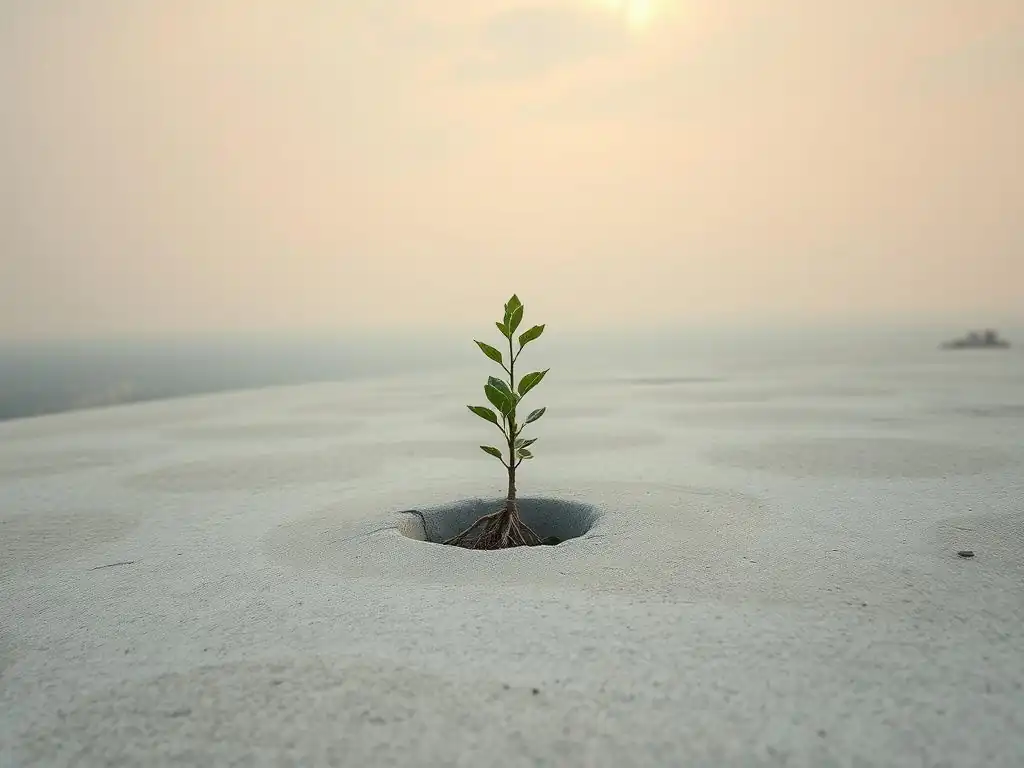
Addressing environmental stressors requires multi-level interventions, from individual coping strategies to broad policy changes. A comprehensive approach acknowledges that reducing environmental stressors suicide vulnerability involves improving external conditions as well as supporting individual resilience.
Community-Based Interventions for Environmental Improvement
Improving the community environment is a powerful strategy for reducing environmental stressors and enhancing protective factors.
Addressing Socioeconomic Disparities
Efforts to address socioeconomic disparities are fundamental to mitigating environmental stressors like poverty and lack of access to resources. This includes advocating for policies that promote livable wages, affordable housing, and equitable access to education and employment opportunities. Community programs that provide financial literacy training, job support, and access to social safety nets can directly alleviate financial environmental stressors.
Investing in community infrastructure, such as public transportation, parks, and community centers, can improve access to resources and opportunities while also fostering social connection. Addressing systemic inequities that contribute to socioeconomic disparities is a long-term but essential strategy for reducing environmental stressors suicide vulnerability at the population level.
Promoting Social Inclusion and Support Networks
Building strong, inclusive communities is vital for combating social isolation and fostering support networks. This involves creating safe public spaces where people can gather, supporting community organizations and initiatives, and promoting social activities that bring diverse groups together. Programs that connect isolated individuals with volunteers or peer support groups can provide crucial social contact.
Efforts to combat discrimination and prejudice within communities are also essential for creating environments where everyone feels safe and valued. Promoting cultural sensitivity and providing resources for marginalized groups can reduce the environmental stress caused by discrimination. Strengthening social bonds and ensuring everyone feels connected acts as a powerful buffer against environmental stressors suicide vulnerability.
Individual Coping Mechanisms for Managing Environmental Stress
While environmental changes are crucial, individuals can also develop strategies to manage the environmental stressors they face.
Building Resilience and Stress Management Techniques
Developing resilience involves cultivating the ability to adapt and cope with adversity. This can be fostered through therapeutic interventions that teach stress management techniques, problem-solving skills, and emotional regulation. Mindfulness, meditation, and regular exercise are examples of practices that can help individuals manage the physiological and psychological effects of chronic environmental stress.
Learning to identify and challenge negative thought patterns related to environmental circumstances can also be beneficial. Building a sense of agency and control, even in difficult situations, can empower individuals to navigate environmental challenges more effectively and reduce feelings of helplessness associated with environmental stressors suicide vulnerability.
Seeking Mental Health Support and Resources
Accessing mental health support is a critical individual strategy for managing the impact of environmental stressors. Therapy can provide a safe space to process the emotional toll of poverty, discrimination, trauma, or other environmental challenges. Therapists can help individuals develop coping strategies, build resilience, and address underlying mental health conditions that may be exacerbated by their environment.
Utilizing community resources, such as support groups, crisis hotlines, and local mental health services, provides essential support. Seeking help is a sign of strength, and connecting with resources designed to address both mental health and environmental challenges is crucial for reducing environmental stressors suicide vulnerability.
Policy and Advocacy for Environmental Justice and Mental Health
Addressing environmental stressors at a systemic level requires policy changes and advocacy efforts focused on environmental justice and mental health equity.
Advocating for Policies that Address Environmental Inequality
Advocating for policies that address environmental inequality is essential. This includes pushing for regulations that reduce pollution in disadvantaged communities, investing in infrastructure in underserved areas, and implementing fair housing policies. Policies that promote equitable distribution of resources and opportunities are crucial for creating environments that support mental well-being.
Advocacy can also focus on ensuring that environmental impact assessments consider the mental health consequences of proposed developments or policies. Recognizing and proactively mitigating environmental stressors at the planning stage can prevent future harm and reduce environmental stressors suicide vulnerability for vulnerable populations.
Promoting Access to Mental Health Services in Underserved Communities
Ensuring equitable access to affordable and culturally competent mental health services in communities facing significant environmental stressors is paramount. This involves advocating for increased funding for mental healthcare, expanding the availability of services in schools and community centers, and addressing barriers such as transportation and stigma.
Policies that integrate mental healthcare with primary care and other social services can make it easier for individuals to access support. Promoting mental health literacy and reducing stigma through public health campaigns can also encourage help-seeking behavior in communities where environmental stressors are high.
Resources for Addressing Environmental Stressors and Suicide Prevention
Accessing appropriate resources is vital for individuals struggling with the impact of environmental stressors on their mental health and those concerned about environmental stressors suicide vulnerability.
Mental Health Organizations Offering Support
Numerous mental health organizations offer information, support, and resources for individuals facing mental health challenges exacerbated by environmental stressors. These organizations often provide helplines, online resources, and referrals to local services. Examples include national mental health associations and crisis intervention hotlines.
- Crisis Text Line: Text HOME to 741741 from anywhere in the US, anytime, about any type of crisis.
- The National Alliance on Mental Illness (NAMI): Offers support, education, and advocacy for individuals and families affected by mental illness.
- The Depression and Bipolar Support Alliance (DBSA): Provides peer-led support groups and resources for individuals living with depression and bipolar disorder.
Government Programs and Initiatives Focused on Environmental Health
Government agencies at local, state, and national levels often have programs related to environmental health, housing assistance, food security, and mental health services. These programs can provide direct support or referrals to resources that help mitigate environmental stressors.
- Local public health departments: Often have information and resources related to environmental hazards and community health programs.
- Housing and Urban Development (HUD): Offers programs related to housing assistance and stability.
- State or national mental health services administrations: Provide information on accessing mental health care and community resources.
Community Support Groups and Networks
Community-based support groups and networks can provide invaluable social support and practical assistance for individuals facing environmental stressors. These groups offer a sense of belonging and shared experience, reducing isolation.
- Local community centers: Often host support groups and provide information about local resources.
- Faith-based organizations: Can offer emotional and practical support.
- Peer support groups: Connect individuals with shared experiences, such as groups for those experiencing homelessness, unemployment, or specific forms of discrimination.
Conclusion: Creating Healthier Environments for Suicide Prevention
Understanding the profound impact of environmental stressors on mental health and suicide vulnerability is a critical step towards more effective prevention efforts. It moves beyond an exclusive focus on individual pathology to recognize the powerful influence of external circumstances.
The Importance of Holistic Approaches to Mental Well-being
A holistic approach to mental well-being and suicide prevention must integrate environmental factors into assessment, prevention, and intervention strategies. This means considering a person's living conditions, socioeconomic status, social connections, and exposure to environmental hazards alongside their individual psychological history. Addressing environmental stressors suicide vulnerability requires interventions that operate at multiple levels – individual, community, and policy.
By working to create safer, more equitable, and more supportive environments, we can reduce the burden of environmental stressors and build communities that foster resilience and protect mental health. This requires collaboration between mental health professionals, public health experts, urban planners, policymakers, and community leaders.
Future Directions in Research and Intervention
Future research should continue to explore the specific pathways through which different environmental stressors impact mental health and suicide risk, particularly how they interact with genetic and individual vulnerabilities. More research is needed on the effectiveness of specific community-based interventions aimed at mitigating environmental stressors.
Intervention efforts should focus on developing integrated models of care that address both internal and external factors affecting mental health. This includes advocating for policies that promote environmental justice, increasing access to resources in underserved communities, and empowering individuals with the skills and support needed to navigate challenging environmental circumstances. By recognizing and actively addressing environmental stressors, we can move closer to creating environments where everyone has the opportunity to thrive and where environmental stressors suicide vulnerability is significantly reduced.
Frequently Asked Questions
How do environmental stressors contribute to suicide vulnerability?
Environmental stressors, such as pollution and lack of green spaces, can exacerbate existing mental health conditions and increase feelings of hopelessness and isolation, which are risk factors for suicide.
What are some specific examples of environmental stressors that can increase suicide risk?
Examples include exposure to violence, poverty-stricken neighborhoods with limited resources, and areas with high levels of air pollution. These factors can create a sense of constant stress and despair.
Can changing my physical environment actually reduce my suicide vulnerability?
Yes, improving your physical environment by accessing green spaces, moving to a safer neighborhood, or creating a more comfortable home can reduce stress and improve mental well-being, thereby decreasing vulnerability.
Strong social support networks can act as a buffer against the negative effects of environmental stressors by providing emotional support, practical assistance, and a sense of belonging and connection, which can decrease feelings of isolation.
Where can I find resources to help me address environmental stressors and improve my mental health?
Mind Care Guide provides information, support, and resources for various mental health challenges. Additionally, consider seeking support from local community organizations and mental health professionals who specialize in environmental psychology.
Final Reflection: The Silent Landscape of Suicide Risk
The environment isn't just a backdrop to our lives; it's a powerful, often unseen, contributor to our mental health, significantly impacting suicide vulnerability. Understanding this intricate relationship is crucial, not just for academic understanding, but for implementing effective preventative measures in communities across the globe. We've explored the complex interplay of social isolation, economic hardship, and environmental degradation, all of which contribute to a heightened risk of suicidal ideation. This isn't simply about identifying risk factors; it's about recognizing the urgent need for systemic change.
The impact of environmental stressors on suicide risk is a pervasive and often overlooked aspect of mental health. It's a challenge that demands our attention, not just as researchers or healthcare professionals, but as members of a society responsible for creating supportive and nurturing environments for everyone. The earth laughs in flowers.
This quote, while seemingly simple, highlights the profound connection between our well-being and the health of our planet. A damaged environment reflects a damaged society, and the consequences are tragically visible in the rising rates of suicide. We must actively work to cultivate environments that foster resilience and hope, rather than contributing to despair.
Consider the landscapes of your own life. What aspects of your environment nurture your well-being, and which contribute to stress or isolation? Take a moment to reflect on this, and consider how you can actively contribute to creating a more supportive and resilient environment for yourself and others.
This might involve advocating for policy changes, supporting local initiatives promoting mental health, or simply reaching out to someone struggling in your community. The fight against suicide is a collective one, and by acknowledging the profound influence of our surroundings, we can take meaningful steps towards building a healthier, more hopeful future for all.
Unleash Your Inner Resilience: Take Control of Your Mental Wellbeing
Thanks for taking the time to explore the impact of environmental stressors on suicide vulnerability. We hope you gained valuable insights into how your surroundings affect your mental health. Now, let's turn those insights into action!
- Prioritize your environment: Identify one small change you can make today to reduce stress in your surroundings. This could be anything from decluttering a space to spending more time in nature. Even small adjustments can make a big difference.
- Share your story (optional): Connect with others by sharing your experiences and coping strategies in the comments below. Your insights could help someone else.
- Explore support resources: Consider researching local mental health organizations or support groups to build a stronger support network.
What small change will you make today to create a more supportive environment for your mental wellbeing?