
The Comprehensive Guide to Body Scan Meditation Techniques and Benefits


Welcome to Mind Care Guide, where we understand that navigating the complexities of mental well-being can feel overwhelming. Are you seeking a grounded path to calm amidst the storm of anxiety? Let's gently explore the profound body scan meditation benefits anxiety sufferers can experience. Dive in to discover how this powerful mindfulness technique can help you reconnect with your body, soothe your mind, and reclaim your inner peace.
The Comprehensive Guide to Body Scan Meditation Techniques and Benefits
- Understanding Body Scan Meditation: An Introduction
- Unlocking the Benefits of Body Scan Meditation for Stress Reduction
- Mastering Body Scan Meditation Techniques: A Step-by-Step Approach
- Integrating Body Scan Meditation into Your Daily Routine
- Troubleshooting Common Challenges in Body Scan Meditation
- Advanced Body Scan Meditation Practices and Considerations
- Resources for Further Exploration of Body Scan Meditation
- Conclusion: Embrace the Transformative Power of Body Scan Meditation
-
Frequently Asked Questions
- How does body scan meditation help with anxiety?
- What are the key benefits of body scan meditation for anxiety relief?
- How often should I practice body scan meditation to experience its benefits for anxiety?
- Are there any potential downsides or risks associated with body scan meditation for anxiety?
- Can body scan meditation completely eliminate anxiety, or is it just a management tool?
- Final Reflection: Unraveling the Calm Within Through Body Scan Meditation
- Unleash Your Inner Calm: Start Your Body Scan Journey Today!
Understanding Body Scan Meditation: An Introduction
What is Body Scan Meditation? A Beginner's Guide
Body scan meditation is a foundational mindfulness practice that involves systematically bringing awareness to different parts of the body. The goal is not to relax or change anything, but simply to observe sensations, thoughts, and emotions as they arise, without judgment. It's like shining a gentle spotlight of attention on each area, noticing whatever is present – whether it's warmth, tingling, pressure, or simply the absence of sensation. This practice helps cultivate present moment awareness and can reveal patterns of tension or discomfort that we might otherwise ignore.
For newcomers, the body scan offers a tangible anchor for attention, making the abstract concept of mindfulness more accessible. Instead of trying to clear the mind, which can be frustrating, the focus is placed on physical sensations, which are always present. This allows beginners to train their attention and develop the capacity to observe internal experiences with curiosity and acceptance. Regularly practicing the body scan can build a strong foundation for other meditation practices and integrate mindfulness into daily life.
The Origins and Evolution of Body Scan Practices
While mindfulness practices have roots in ancient contemplative traditions, particularly Buddhism, the specific body scan technique widely taught today was popularized and adapted for a Western, secular context by Dr. Jon Kabat-Zinn. He integrated it as a core component of his Mindfulness-Based Stress Reduction (MBSR) program, developed at the University of Massachusetts Medical School in the late 1970s. This program aimed to help individuals cope with stress, pain, and illness by cultivating mindfulness.
The MBSR body scan differs from some traditional meditative practices in its emphasis on non-judgmental observation of sensation rather than achieving a specific state like deep relaxation (though relaxation is often a beneficial byproduct). Since its introduction through MBSR, the body scan has become a staple in various clinical and therapeutic settings, mindfulness apps, and general well-being programs, demonstrating its effectiveness and adaptability across diverse populations and needs. Its evolution reflects a growing understanding of the mind-body connection and the practical applications of mindfulness in modern life.
Body Scan Meditation vs. Other Mindfulness Techniques
Body scan meditation distinguishes itself from other mindfulness practices primarily by its focused attention on physical sensations throughout the body. While walking meditation uses the sensations of movement and contact with the ground as the primary anchor, and sitting meditation often uses the breath, the body scan systematically moves attention through the entire physical form, often from toes to head or vice versa. This comprehensive approach helps individuals become more intimately familiar with their physical state and how it correlates with mental and emotional experiences.
In contrast, practices like loving-kindness meditation cultivate specific positive emotional states, and open awareness meditation involves observing whatever arises in consciousness without a specific anchor. The body scan's structured, sequential focus on the body makes it particularly effective for developing interoceptive awareness – the ability to perceive internal bodily states. This heightened body awareness is foundational and can enhance the practice of other mindfulness techniques, making it a valuable starting point for many practitioners.
Unlocking the Benefits of Body Scan Meditation for Stress Reduction
Body Scan Meditation Benefits Stress Reduction: A Detailed Look
Body scan meditation offers significant benefits for stress reduction by helping individuals recognize and release physical tension often held unconsciously in the body. When we experience stress or anxiety, the body often responds with muscle tightening, shallow breathing, and increased heart rate. The body scan provides a structured way to tune into these physical manifestations of stress in the present moment. By bringing non-judgmental awareness to areas of tension, practitioners can learn to consciously soften and release these muscles, counteracting the stress response.
Furthermore, regular practice of body scan meditation benefits anxiety by shifting attention away from ruminative thoughts about worries or stressors and anchoring it firmly in the present physical reality. This redirection of attention can interrupt the cycle of anxious thinking. Studies, such as those involving MBSR participants, often report notable reductions in perceived stress levels and improvements in coping mechanisms. For instance, research published in journals like Health Psychology or Mindfulness frequently indicates participants experience reductions in stress hormones like cortisol after engaging in mindfulness practices, including body scan.
How Body Scan Promotes Relaxation and Body Awareness
The systematic process of the body scan inherently promotes relaxation. As attention moves through each body part, individuals are encouraged to notice sensations without trying to change them. This non-striving approach reduces mental effort and allows the nervous system to settle. Often, simply bringing kind attention to an area of tension can initiate a process of release, leading to a feeling of ease and physical relaxation. This is distinct from trying to force relaxation, which can be counterproductive.
Simultaneously, the body scan is a powerful tool for cultivating body awareness. Many people walk through their day disconnected from their physical sensations, only noticing their body when it experiences pain or discomfort. The body scan rebuilds this connection, helping individuals become more attuned to subtle cues their body is sending. This increased interoception allows practitioners to recognize the early signs of stress or fatigue, enabling them to respond proactively rather than reactively. This enhanced awareness is a key mechanism through which body scan meditation benefits anxiety management, as recognizing physical anxiety symptoms early can prevent escalation.
The Science Behind Body Scan Meditation and the Nervous System
Research into mindfulness, including body scan meditation, points to its effects on the autonomic nervous system, specifically by promoting the activity of the parasympathetic nervous system, often referred to as the "rest and digest" system. Chronic stress activates the sympathetic nervous system ("fight or flight"). By encouraging present moment awareness and non-judgmental observation of physical sensations, the body scan helps downregulate the sympathetic response.
Studies using physiological measures, such as heart rate variability (HRV), skin conductance, and brain imaging (fMRI), provide evidence for these effects. For instance, increased HRV is often associated with greater resilience to stress and increased parasympathetic activity, and studies have shown mindfulness practices can improve HRV. Neuroimaging research suggests that regular meditation can lead to structural and functional changes in brain regions associated with attention, emotion regulation, and self-awareness, such as the prefrontal cortex and the amygdala. These changes contribute to the observed body scan meditation benefits anxiety reduction and improved stress resilience.
Long-Term Mental and Physical Health Advantages of Regular Practice
Consistent body scan meditation practice can yield significant long-term benefits extending beyond immediate stress reduction. Mentally, practitioners often report improved focus, enhanced emotional regulation, and increased self-compassion. The ability to observe thoughts and feelings without getting swept away by them, cultivated through body scan, contributes to greater psychological flexibility and resilience in the face of challenges. This capacity is crucial for experiencing the full range of body scan meditation benefits anxiety relief offers.
Physically, the reduction in chronic stress achieved through body scan can positively impact various health conditions. Stress is a known contributor to issues like hypertension, digestive problems, and weakened immune function. By mitigating stress, body scan meditation can play a complementary role in managing these conditions. Furthermore, increased body awareness can help individuals make healthier lifestyle choices, such as recognizing when they need rest or how different foods affect their body. While not a cure, regular body scan contributes to overall well-being and can enhance quality of life, especially for those dealing with chronic physical or mental health challenges.
Mastering Body Scan Meditation Techniques: A Step-by-Step Approach

Preparing for Your Body Scan Meditation Session: Setting the Stage
Before beginning a body scan meditation, creating a conducive environment can significantly enhance your practice. Choose a quiet space where you are unlikely to be interrupted for the duration of your session, typically ranging from 10 to 45 minutes. Ensure the temperature is comfortable, and you have any props you might need, such as cushions or blankets, especially if you plan to lie down. Inform others in your household that you need uninterrupted time.
Consider the time of day that works best for you. Some people prefer practicing in the morning to start their day with grounded awareness, while others find it helpful in the evening to unwind before sleep. Dimming the lights slightly can also help create a calming atmosphere. The key is to minimize external distractions so you can more easily turn your attention inward to explore the sensations in your body, maximizing the potential body scan meditation benefits anxiety reduction provides.
- [ ] Find a quiet space.
- [ ] Set aside uninterrupted time.
- [ ] Ensure comfortable temperature.
- [ ] Gather any necessary props (cushions, blankets).
- [ ] Inform others you need privacy.
- [ ] Consider time of day and lighting.
Step-by-Step Guide to Performing a Body Scan Meditation
Performing a body scan meditation involves systematically moving your attention through different parts of your body. While there are variations, a common sequence starts with the feet and progresses upwards. The intention is simply to notice what is present in each area with an attitude of gentle curiosity and acceptance, without trying to judge or change anything.
Here is a typical sequence:
Finding a Comfortable Position for Body Scan
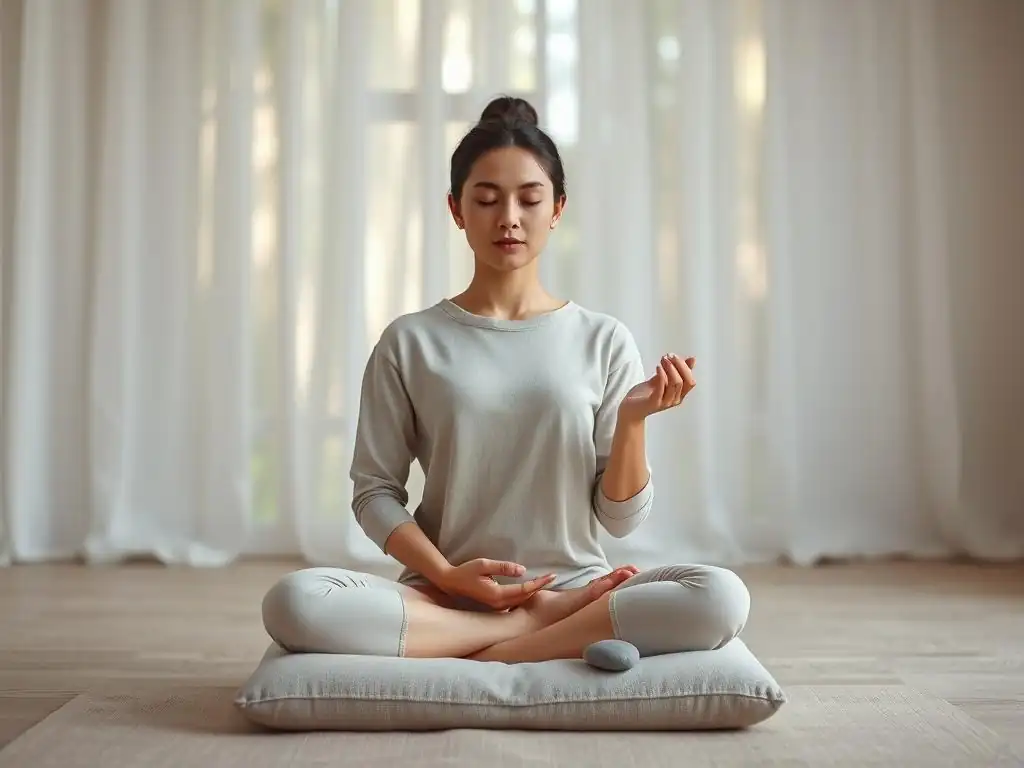
The most common positions for body scan meditation are lying down or sitting. If lying down, find a flat surface like the floor or a firm bed. Lie on your back with your legs slightly apart and arms resting comfortably by your sides, palms up or down. If sitting, choose a chair with back support or sit cross-legged on a cushion. Ensure your spine is relatively straight but not rigid, allowing your shoulders to relax. The goal is to find a position where you can remain relatively still and comfortable for the duration of the practice, minimizing physical distractions.
Whether lying or sitting, allow your eyes to gently close if that feels comfortable, or keep them softly focused on a point in front of you. Take a moment to settle into your chosen position, feeling the points of contact between your body and the surface supporting you. Notice the weight of your body and allow yourself to sink slightly into the support beneath you. This initial settling helps prepare your mind and body for the scan that follows.
Bringing Awareness to Your Breath
Before beginning the systematic scan, bring your awareness to your breath for a few moments. Notice the natural rhythm of your inhalation and exhalation. Pay attention to the physical sensations of breathing – perhaps the rise and fall of your abdomen or chest, the feeling of air moving in and out of your nostrils or mouth. There's no need to control or change your breath; simply observe it as it is, a constant anchor in the present moment.
Use your breath as a gentle transition into the practice. Allow your attention to rest with the breath for maybe five to ten cycles. If your mind wanders, which it inevitably will, simply notice where it went and gently guide your attention back to the sensations of breathing. This initial focus on the breath helps to calm the mind and prepare it for the focused, sequential attention required for the body scan itself.
Systematically Scanning Your Body: A Detailed Walkthrough
Begin the systematic scan by directing your attention to your toes. Spend a few moments simply noticing any sensations present there – warmth, coolness, tingling, pressure, or perhaps no distinct sensations at all. Whatever you notice is perfectly fine. After exploring your toes, gently broaden your awareness to include the soles of your feet, then the tops of your feet, and your ankles. Move slowly, giving each area your full, gentle attention.
Gradually move your awareness up through your lower legs, knees, thighs, and hips. Then, bring attention to your pelvic region, lower back, abdomen, and upper back. Continue upwards through your chest, shoulders, arms, hands, and fingers. Finally, move your awareness to your neck, face, and head.
As you scan each area, maintain that attitude of open, non-judgmental curiosity. You might notice areas of tension, discomfort, or pleasant sensations. Simply observe them without needing to fix or change them. When you reach the top of your head, you can either rest your awareness there for a moment or expand your attention to encompass your entire body as a whole, breathing with your whole body.
Dealing with Distractions During Body Scan Meditation
It is completely normal for your mind to wander during a body scan meditation. You might find yourself thinking about your to-do list, rehashing a conversation, or planning for the future. When you notice that your attention has drifted, simply acknowledge where it went without self-criticism. This act of noticing is mindfulness itself. Gently but firmly guide your attention back to the specific part of the body you were scanning or to where you are in the sequence.
Physical distractions, such as itching, discomfort, or restlessness, may also arise. If possible, try to bring your awareness to the sensation itself with curiosity, exploring its qualities (e.g., is the itch sharp or dull? Does it pulsate?). Sometimes, simply acknowledging the sensation causes it to dissipate. If the discomfort is significant and distracting, you may gently adjust your position, but try to do so mindfully, noticing the sensations of movement, before returning to the scan. These moments of distraction are opportunities to practice patience and non-judgment.
Variations of Body Scan Meditation Techniques
The basic body scan structure is adaptable, leading to several variations that can suit different needs and preferences. One common adaptation is focusing on specific areas of chronic pain or tension, spending more time there with gentle, curious awareness. Another involves adjusting the pace, either slowing it down to cultivate deeper awareness of subtle sensations or speeding it up for a shorter, more dynamic practice.
Some practitioners also experiment with scanning the body while standing or walking, integrating mindful movement with the scan. While the lying or sitting positions are standard for beginners learning the technique, these variations allow experienced practitioners to incorporate body awareness into more active states. Exploring variations can help maintain interest in the practice and make it more relevant to specific life circumstances or physical challenges.
Guided Body Scan Meditation: Utilizing Audio Resources
Guided body scan meditations are audio recordings where an instructor guides you verbally through the scanning process. These are incredibly helpful, especially for beginners, as they eliminate the need to remember the sequence of body parts and provide gentle reminders to stay present and non-judgmental. The instructor's voice acts as an anchor, making it easier to maintain focus and navigate distractions.
Many free and paid resources offer guided body scans, including meditation apps, websites, and recordings by mindfulness teachers. The length of guided scans can vary significantly, from short 10-minute sessions to longer 45-minute practices, allowing you to choose one that fits your available time. Using a guided practice can provide structure and support, helping you to fully experience the body scan meditation benefits anxiety relief offers without the added mental effort of directing the scan yourself.
Self-Guided Body Scan Meditation: Cultivating Independence
Once you are familiar with the body scan process, you may choose to practice without a guide. Self-guided body scan meditation allows for greater flexibility in pacing and focus. You can spend more or less time on certain body parts based on your experience in that moment, and you can tailor the practice to your specific needs, perhaps focusing longer on areas where you commonly hold tension or experience discomfort.
Practicing self-guided body scan cultivates a deeper sense of autonomy in your meditation practice. It requires you to internalize the structure and principles of the scan, strengthening your ability to direct your own attention and be present with your experience. While it can be more challenging initially due to increased potential for mind-wandering, it offers a rewarding path towards greater independence in your mindfulness journey.
Adapting Body Scan for Different Needs and Abilities [e.g., Chronic Pain]
Body scan meditation is highly adaptable and can be modified to suit individuals with different physical abilities or health conditions, such as chronic pain. For someone with severe pain, lying down might not be comfortable; sitting in a supportive chair or even practicing while reclined in bed are viable alternatives. The duration of the practice can also be shortened significantly if needed.
When adapting for chronic pain, the emphasis is even more strongly on gentle, non-judgmental awareness rather than trying to make the pain go away. The instruction might be to simply notice the sensations of pain with curiosity, without resistance, and to also notice areas of the body that are not in pain. This can help shift focus away from being consumed by discomfort and cultivate a sense of the body as a whole, not just the painful parts. This approach can be particularly beneficial for managing the psychological impact of chronic pain, including related anxiety and stress.
Integrating Body Scan Meditation into Your Daily Routine
Creating a Consistent Body Scan Practice Schedule
Consistency is key to realizing the full body scan meditation benefits anxiety relief and overall well-being offer. Aim to establish a regular time for your practice, even if it's just 10-15 minutes each day. For some, integrating it into a morning routine before starting the day works well, providing a sense of groundedness. Others find practicing in the evening helps release the tensions of the day and prepares them for sleep.
Start small and gradually increase the duration as you become more comfortable. Even short, consistent sessions are more beneficial than sporadic long ones. Consider using reminders on your phone or integrating the practice with another daily habit, like after brushing your teeth or before bedtime. Finding a time and duration that is realistic for your schedule is crucial for maintaining consistency over the long term.
Combining Body Scan with Other Mindfulness Practices
Body scan meditation can be a powerful standalone practice, but it also complements other mindfulness techniques effectively. For example, beginning a sitting meditation session with a brief body scan can help settle the mind and ground your attention in the present moment before moving to the breath or open awareness. The body awareness cultivated through the scan can also enrich the experience of mindful movement practices like yoga or tai chi.
Integrating the body scan into a broader mindfulness routine can enhance your overall capacity for presence and self-awareness. The skills developed in the body scan, such as non-judgmental observation and redirecting attention, are transferable to other practices and to navigating daily life with greater ease and presence. This holistic approach can amplify the psychological and physical benefits you experience.
Using Body Scan Meditation for Improved Sleep Quality
Many people struggle with sleep difficulties, often due to racing thoughts or physical tension. Body scan meditation can be a highly effective tool for promoting better sleep. Practicing a body scan in bed before attempting to sleep can help quiet the mind and release accumulated physical tension. The focus on physical sensations draws attention away from anxious thoughts about the day or worries about not being able to fall asleep.
The systematic relaxation induced by the body scan can signal to the nervous system that it's time to rest. If you wake up during the night with a busy mind, a brief, gentle body scan can help you return to a state conducive to sleep. Many find that even if they don't fall asleep during the practice, the body scan leaves them feeling more relaxed and peaceful, making it easier to drift off. The calming effect of body scan meditation benefits anxiety experienced around sleep, reducing the pressure and frustration associated with insomnia.
Body Scan Meditation for Pain Management: A Complementary Approach
For individuals experiencing chronic pain, body scan meditation offers a non-pharmacological complementary approach to management. As mentioned earlier, the practice encourages noticing sensations, including pain, with non-judgmental awareness. This doesn't mean the pain disappears, but it can change the relationship to the pain. By bringing gentle attention to the painful area, alongside other areas of the body, individuals can sometimes soften their resistance to the sensation.
This shift in perspective can reduce the psychological distress associated with pain, such as fear, frustration, and anxiety. By cultivating the ability to be present with discomfort without being overwhelmed by it, the body scan can increase tolerance for pain and improve overall functioning. It empowers individuals to become more aware of fluctuations in pain levels and identify factors that might exacerbate or alleviate their discomfort, contributing to a greater sense of agency in managing their condition.
Troubleshooting Common Challenges in Body Scan Meditation
Overcoming Difficulty Focusing During Body Scan
Difficulty focusing is one of the most common challenges encountered in body scan meditation, especially for beginners. It's important to understand that mind-wandering is not a failure; it's simply what the mind does. The practice isn't about having a completely empty mind, but about noticing when your attention has drifted and gently bringing it back. This act of returning is the core exercise that strengthens your attention muscle.
To help with focus, ensure you are in a quiet environment with minimal distractions. If you are using a guided practice, choose an instructor whose voice and pacing you find soothing and easy to follow. If practicing self-guided, you might try a shorter scan initially. Be patient and compassionate with yourself. Each time you notice your mind has wandered and gently redirect it back to the body, you are successfully practicing mindfulness. Remind yourself that the goal is not perfect focus, but persistent, gentle effort.
Addressing Physical Discomfort Experienced During Practice
Sometimes, lying still for a body scan, especially for longer durations, can lead to physical discomfort, restlessness, or even pain. If you experience significant discomfort, it's okay to gently adjust your position. Do so mindfully, noticing the sensations of movement and adjustment, before settling back into the scan. Pushing through intense physical discomfort can create aversion to the practice.
Alternatively, if you notice mild discomfort, try bringing your awareness to that sensation with curiosity, just as you would any other sensation during the scan. Explore its qualities – is it sharp, dull, throbbing? Does it change as you observe it? Sometimes, simply acknowledging the sensation without resistance can reduce its intensity. If a particular position is consistently uncomfortable, experiment with different positions, such as sitting in a supportive chair or using more cushions for support, to find what works best for your body.
Managing Emotional Reactions that Arise During Body Scan
As you bring awareness to your body, you might occasionally encounter not just physical sensations but also emotions. Sometimes suppressed feelings or memories can surface during the quiet stillness of the body scan. This can range from mild irritation or sadness to more intense emotions like anxiety or grief. If strong emotions arise, it's important to approach them with the same attitude of non-judgmental awareness you bring to physical sensations.
Allow the emotion to be present without trying to push it away or get rid of it. Notice where you feel the emotion in your body – perhaps tightness in the chest or a knot in the stomach. Simply observe these physical sensations associated with the emotion.
If the emotion feels overwhelming, you can gently shift your attention back to the anchor of your breath or open your eyes and ground yourself in your surroundings. If intense emotional reactions are frequent or distressing, consider discussing this with a mental health professional, as they can offer additional support and guidance. The body scan meditation benefits anxiety by providing a safe space to observe emotional states without judgment, but professional support is vital for complex emotional challenges.
Advanced Body Scan Meditation Practices and Considerations
Deepening Your Awareness Through Body Scan
As you become more experienced with body scan meditation, you can deepen your awareness by exploring more subtle sensations. Beyond the obvious feelings of pressure or warmth, you might start noticing a faint vibration, pulsating, or even the absence of sensation in certain areas. The practice becomes less about moving through a checklist of body parts and more about tuning into the ever-changing landscape of your internal experience.
This deeper awareness extends to noticing the interconnectedness of mind and body. You may become more attuned to how your thoughts or emotions manifest physically, or how physical states influence your mood. This nuanced understanding, cultivated through dedicated practice, enhances your ability to respond wisely to both internal and external stimuli, further solidifying the body scan meditation benefits anxiety reduction and emotional resilience.
Using Body Scan to Cultivate Self-Compassion
Body scan meditation provides a powerful opportunity to cultivate self-compassion. As you scan your body, you are encouraged to bring an attitude of kindness and acceptance to whatever you find. This includes areas of pain, tension, or discomfort, as well as feelings of restlessness or frustration that might arise during the practice. Instead of judging these experiences, you simply acknowledge them with gentle awareness.
This practice of relating kindly to your physical and internal experience during the body scan can extend into daily life. You learn to treat yourself with the same patience and understanding you would offer a friend. By regularly practicing acceptance of your body as it is, with all its imperfections and challenges, you build a foundation of self-compassion that can be incredibly supportive, especially when dealing with difficult emotions or physical ailments.
Body Scan Meditation and Emotional Regulation
The enhanced body awareness and non-judgmental attitude developed through body scan meditation are directly applicable to improving emotional regulation. Emotions are often experienced physically. By becoming more attuned to these bodily sensations, you can recognize emotions earlier in their development, before they become overwhelming. For example, noticing a tightening in your chest might signal rising anxiety.
With this early recognition, you have a greater window of opportunity to respond skillfully rather than react impulsively. Instead of being swept away by an emotion, you can pause, acknowledge the physical and mental experience, and choose a more helpful response. The practice teaches you that emotions, like physical sensations, are transient; they arise, linger, and eventually pass. This understanding fosters a greater capacity to navigate the ebb and flow of your emotional life with more stability and ease, reinforcing the body scan meditation benefits anxiety management provides.
Resources for Further Exploration of Body Scan Meditation
Recommended Books on Body Scan and Mindfulness
Several foundational texts can deepen your understanding of body scan meditation and its role within mindfulness practices.
- "Full Catastrophe Living: Using the Wisdom of Your Body and Mind to Face Stress, Pain, and Illness" by Jon Kabat-Zinn: This is the seminal book describing the MBSR program, including detailed instructions and the philosophy behind the body scan.
- "Mindfulness: An Eight-Week Plan for Finding Peace in a Frantic World" by Mark Williams and Danny Penman: Based on Mindfulness-Based Cognitive Therapy (MBCT), this book includes the body scan as a core practice within a program designed to prevent relapse into depression and manage stress.
- "Wherever You Go, There You Are: Mindfulness Meditation in Everyday Life" by Jon Kabat-Zinn: A more accessible and poetic exploration of mindfulness principles and practices, including the body scan, suitable for beginners.
These books provide theoretical context, practical guidance, and often include scripts or links to guided practices to support your learning journey.
Online Body Scan Meditation Resources and Apps
The digital landscape offers numerous resources for practicing body scan meditation.
- Mindfulness Apps: Popular apps like Calm, Headspace, Insight Timer, and Ten Percent Happier feature a wide variety of guided body scan meditations, often with different durations and instructors. Insight Timer, for example, offers thousands of free guided meditations contributed by teachers worldwide.
- Websites: Many mindfulness centers, universities (like the UCSD Center for Mindfulness or the UMASS Center for Mindfulness), and individual teachers offer free guided body scan recordings on their websites. Searching for "free guided body scan meditation" can yield many options.
- Online Courses: Platforms like Coursera, Udemy, and dedicated mindfulness websites offer comprehensive online courses that include body scan meditation as a core component, often providing structured learning paths and support.
When choosing an online resource, consider the instructor's style, the quality of the audio, and whether the platform offers the features you need (e.g., tracking progress, community forums).
Finding Qualified Mindfulness Teachers or Practitioners
While self-guided and app-based practices are accessible, learning body scan meditation from a qualified teacher can provide personalized guidance and support. Teachers can offer insights into common challenges, help you refine your technique, and answer questions that arise during your practice.
You can find qualified teachers through various avenues:
- Mindfulness Centers: Many cities have mindfulness or meditation centers that offer classes, workshops, and retreats, often taught by certified MBSR or MBCT instructors.
- Online Directories: Organizations like the International Mindfulness Teachers Association (IMTA) or the Center for Mindfulness at UMASS often have directories of certified teachers.
- Healthcare Providers: Some therapists, psychologists, or healthcare professionals integrate mindfulness into their practice and can provide guidance or refer you to local resources.
Learning from a teacher can deepen your understanding of the principles underlying the body scan and help you integrate the practice more effectively into your life, maximizing its potential benefits, including body scan meditation benefits anxiety management and stress reduction.
Conclusion: Embrace the Transformative Power of Body Scan Meditation
Body scan meditation is a simple yet profound practice that invites you to inhabit your body with gentle, curious awareness. By systematically bringing attention to physical sensations, you cultivate present moment awareness, reduce stress, and build a stronger connection with yourself. The body scan meditation benefits anxiety and stress levels are well-documented, offering a practical tool for navigating the challenges of modern life with greater ease and resilience.
Regular practice can unlock a deeper understanding of the mind-body connection, improve emotional regulation, and foster self-compassion. Whether you are new to meditation or seeking to deepen your existing practice, incorporating the body scan can be a transformative step on your journey towards greater well-being. Embrace the opportunity to explore the rich landscape of your internal experience and discover the quiet strength that lies within.
Frequently Asked Questions
How does body scan meditation help with anxiety?
Body scan meditation helps by bringing focused awareness to the body, allowing you to notice sensations without judgment. This practice can reduce anxiety by shifting attention away from anxious thoughts and promoting mindfulness and relaxation.
What are the key benefits of body scan meditation for anxiety relief?
The key benefits include reduced stress and anxiety, improved body awareness, and enhanced emotional regulation. Regular practice can also lead to a greater sense of calm and presence.
How often should I practice body scan meditation to experience its benefits for anxiety?
Consistency is key. Aim for at least 15-20 minutes daily, or several times a week. Even short sessions can be beneficial, especially when you're feeling particularly anxious or stressed.
Are there any potential downsides or risks associated with body scan meditation for anxiety?
While generally safe, some individuals may initially experience increased anxiety or discomfort due to heightened body awareness. It's important to start slowly and gently, and consider seeking guidance from a qualified therapist if needed.
Can body scan meditation completely eliminate anxiety, or is it just a management tool?
Body scan meditation is primarily a management tool for anxiety, not a cure. It can significantly reduce anxiety symptoms and improve your ability to cope with stress, but it's often most effective when combined with other therapeutic approaches and lifestyle changes.
Final Reflection: Unraveling the Calm Within Through Body Scan Meditation
The pervasive anxiety of modern life demands accessible tools for self-care, and body scan meditation offers a powerful, readily available antidote. Its simple yet profound practice provides a direct pathway to grounding oneself in the present moment, effectively mitigating the grip of anxious thoughts and feelings. This technique isn't just a fleeting trend; it's a timeless practice with increasingly relevant applications in our fast-paced world.
The impact of body scan meditation extends far beyond individual stress reduction; it fosters a deeper understanding of the mind-body connection, a crucial element often overlooked in our culture's emphasis on productivity and external achievement. The body keeps the score,
as Bessel van der Kolk so powerfully states, highlighting the profound influence of our physical experiences on our mental and emotional well-being. By cultivating this awareness through mindful body scans, we begin to unravel the intricate relationship between our physical sensations and our internal landscape, fostering a more compassionate and understanding relationship with ourselves.
Now, consider how you can integrate this practice into your daily life. Perhaps dedicate just five minutes each morning to a guided body scan, or use it as a tool to manage stress during challenging moments. Don't underestimate the power of this simple technique; it's a gift you can give yourself, a path to greater self-awareness, and a key to unlocking a calmer, more centered you. Begin your journey towards a more peaceful existence today. Start with a single breath, a single scan, and witness the transformative power of mindful presence.
Unleash Your Inner Calm: Start Your Body Scan Journey Today!
Thanks for taking the time to explore the world of body scan meditation with us! We hope you gained a deeper understanding of its incredible benefits for both your physical and mental well-being. Now, it's time to put this knowledge into practice.
Here's how to begin your transformative journey:
- Begin your first body scan meditation today: Find a quiet space, get comfortable, and follow the guided instructions we've provided (or find a guided meditation online). Even 5 minutes can make a difference!
- Share your experience: Tell us (or a friend!) about your first body scan meditation. What did you notice? What surprised you? Sharing your journey can deepen your understanding.
- Consider incorporating daily body scans into your routine: Make it a part of your morning or evening ritual, just like brushing your teeth!
Ready to discover the profound peace that awaits you? What small step will you take today to integrate body scan meditation into your life?