
The Mind Care Guide to Finding Balance Through Yoga

Welcome!
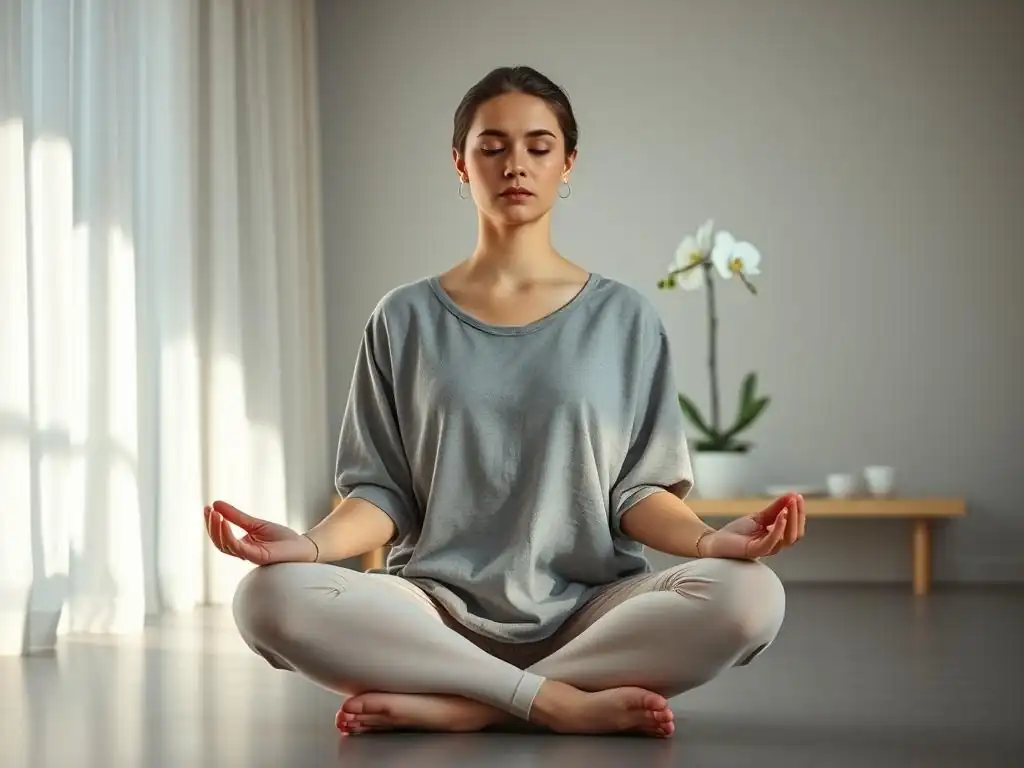
Feeling overwhelmed? You're not alone. At Mind Care Guide, we understand the daily struggles that impact your mental well-being. Are you searching for a natural way to reclaim your calm? Dive into our comprehensive guide and discover the transformative power of yoga for anxiety relief, a practice explored in depth in our main article. Let's begin your journey towards inner peace, starting now.
The Mind Care Guide to Finding Balance Through Yoga
- Understanding Yoga for Anxiety Relief and Mental Well-being
- Yoga Styles for Anxiety Relief: Finding the Right Fit
-
Key Yoga Poses for Anxiety and Stress Reduction
- Child's Pose (Balasana): Grounding and Calming
- Corpse Pose (Savasana): Promoting Deep Relaxation
- Legs-Up-the-Wall Pose (Viparita Karani): Soothing the Nervous System
- Cat-Cow Pose (Marjaryasana to Bitilasana): Releasing Tension in the Spine and Body
- Mountain Pose (Tadasana): Promoting Stability and Self-Awareness
- Standing Forward Bend (Uttanasana): Calming the Brain and Relieving Stress
- Breathing Techniques (Pranayama) for Calming Anxiety
- Creating a Personal Yoga Practice for Anxiety Management
- The Science Behind Yoga's Anxiety-Reducing Effects
- Maintaining Long-Term Mental Wellness Through Yoga
- Conclusion: Embrace Yoga for a Balanced and Peaceful Mind.
-
Frequently Asked Questions
- How does yoga help with anxiety relief?
- What types of yoga are best for anxiety relief?
- How often should I practice yoga to see anxiety relief benefits?
- Are there any specific yoga poses that are particularly helpful for anxiety?
- Where can I find yoga classes or resources specifically focused on anxiety relief?
- Final Reflection: Finding Your Equilibrium Through Yoga's Embrace
- Unroll Your Mat and Discover Inner Peace
Understanding Yoga for Anxiety Relief and Mental Well-being
The Growing Need for Anxiety Management Techniques
Anxiety is a prevalent challenge in today's fast-paced world, affecting millions globally. According to the World Health Organization, anxiety disorders are the most common mental disorders worldwide. This underscores a significant need for effective, accessible, and sustainable techniques to manage anxiety symptoms. Traditional approaches often involve therapy and medication, which are vital for many, but there is also a growing interest in complementary practices that individuals can integrate into their daily lives to build resilience and promote overall well-being.
The impact of chronic anxiety extends beyond mental distress, manifesting physically through symptoms like muscle tension, digestive issues, and sleep disturbances. This widespread experience highlights the importance of finding diverse tools that address both the psychological and physiological aspects of anxiety. Many people are seeking holistic methods that empower them to take an active role in their mental health journey, leading to increased exploration of practices like yoga for anxiety relief.
Yoga as a Holistic Approach to Mental Health
Yoga is an ancient practice that originated in India, encompassing physical postures (asanas), breathing techniques (pranayama), meditation, and ethical principles. Unlike approaches that focus solely on the mind or the body, yoga recognizes the intrinsic connection between the two. It offers a comprehensive system for self-care that can help individuals cultivate inner peace, reduce stress, and manage challenging emotions like anxiety.
Adopting yoga for anxiety relief provides a pathway to address symptoms from multiple angles. The physical movement helps release stored tension, the breathwork calms the nervous system, and the meditative aspects train the mind to become less reactive to anxious thoughts. This holistic nature makes yoga a powerful tool for building mental resilience and fostering a deeper sense of calm and presence in the face of life's stressors.
How Yoga Connects Mind and Body for Enhanced Well-being
The mind-body connection is central to the practice of yoga. Through conscious movement and breath, yoga helps individuals become more aware of their physical sensations, emotional states, and thought patterns. This heightened interoceptive awareness is crucial for managing anxiety, as it allows individuals to recognize the early signs of stress or panic in their bodies and minds, enabling them to respond more effectively rather than being overwhelmed.
Engaging in yoga postures and focusing on the breath helps to interrupt the cycle of anxious thoughts and physical tension. For instance, holding a pose requires concentration, drawing attention away from worries, while deep breathing techniques directly influence the autonomic nervous system, shifting it from a state of fight-or-flight to one of rest and digest. This deliberate practice of linking breath, movement, and awareness is fundamental to the effectiveness of yoga for anxiety relief, promoting a sense of integration and balance within oneself.
Yoga Styles for Anxiety Relief: Finding the Right Fit
Hatha Yoga: Gentle Poses for Calming the Mind
Hatha yoga is often considered a foundational style, focusing on holding basic postures for several breaths. It is typically slower-paced than other styles, making it highly accessible for beginners and those seeking a gentle practice. The emphasis on alignment and mindful movement allows practitioners to connect with their bodies without feeling rushed or overwhelmed.
This deliberate pace and focus on holding poses make Hatha yoga particularly effective for calming an anxious mind. By requiring attention to physical form and breath within stillness, it encourages a meditative state. Participants often report feeling more grounded and centered after a Hatha session, finding it helps to quiet mental chatter and reduce feelings of restlessness associated with anxiety.
Restorative Yoga: Deep Relaxation for Anxiety Reduction
Restorative yoga is designed to promote deep relaxation and healing. It involves holding passive stretches for extended periods (sometimes 5-20 minutes per pose) with the support of props like bolsters, blankets, and blocks. The goal is to allow the body to fully release tension and the nervous system to downregulate.
This style is profoundly beneficial for individuals experiencing high levels of stress or chronic anxiety. By minimizing muscular effort and maximizing support, restorative yoga activates the parasympathetic nervous system, which is responsible for the body's rest-and-digest response. A study published in the Journal of Alternative and Complementary Medicine indicated that a regular restorative yoga practice could lead to a significant reduction in self-reported stress and anxiety levels.
Yin Yoga: Releasing Tension and Emotional Blockages
Yin yoga is a slow-paced style where poses are held for longer periods (typically 3-5 minutes or more), targeting the deep connective tissues like fascia, ligaments, and joints. It often focuses on postures that work the lower body and spine, areas where tension and emotions can be stored.
Holding these poses for extended durations in stillness can be challenging, both physically and mentally, but it offers a unique opportunity to confront discomfort and practice mindfulness. This process of sitting with sensation can help individuals become more comfortable with uncomfortable feelings, including anxiety, and facilitate the release of chronic physical and emotional tension, making it a powerful practice for deep anxiety relief.
Vinyasa Yoga: Flowing Movement for Stress Release
Vinyasa yoga is characterized by a dynamic flow of postures linked together with the breath. Often referred to as "flow" yoga, it involves moving seamlessly from one pose to the next, creating a rhythmic and often energetic practice. The continuous movement can be highly engaging and help to quiet the mind by focusing attention on the breath and transitions.
While more active than Hatha or Restorative yoga, Vinyasa can be incredibly effective for stress release. The physical exertion helps to burn off excess energy often associated with anxiety, and the rhythmic breathing synchronized with movement can create a meditative, almost trance-like state. For some, the focus required to keep up with the flow leaves little room for anxious thoughts, providing a welcome mental break and promoting a sense of calm exhaustion.
Kundalini Yoga: Awakening Energy for Emotional Regulation
Kundalini yoga is a distinct style that combines physical postures, dynamic movements, breathing exercises, mantra chanting, meditation, and mudras (hand gestures). It is often referred to as the "yoga of awareness" and aims to awaken the dormant energy (Kundalini) at the base of the spine and guide it upwards through the chakras.
This practice is particularly potent for emotional regulation and managing anxiety. The combination of rigorous physical sets (kriyas) and powerful breathwork can help to clear energetic blockages and strengthen the nervous system. Many practitioners find that the structured sequence of exercises and meditations in Kundalini yoga provides a powerful way to process emotions, build inner strength, and cultivate a sense of peace, offering a unique path for profound yoga for anxiety relief.
Key Yoga Poses for Anxiety and Stress Reduction
Child's Pose (Balasana): Grounding and Calming
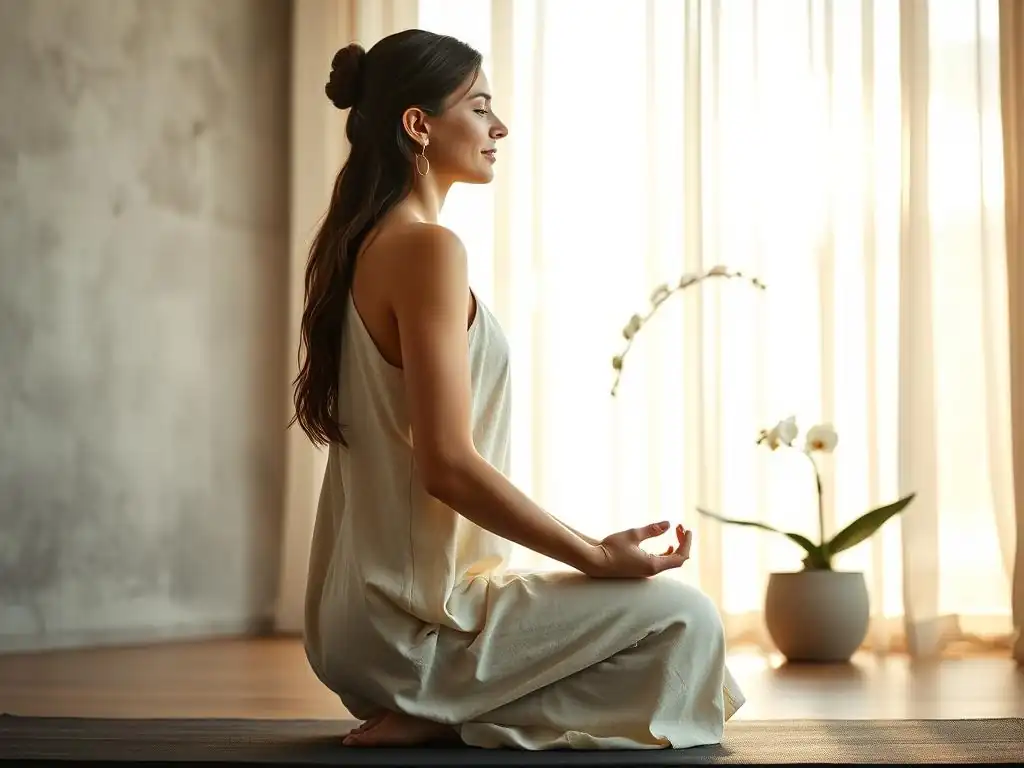
Child's Pose is a gentle, resting posture that involves kneeling on the floor, bringing the hips back towards the heels, and resting the torso down between or on top of the thighs, with the forehead resting on the mat. The arms can be extended forward or rest alongside the body.
This pose is deeply grounding and provides a sense of security and comfort, mimicking a fetal position. It gently stretches the back and hips while allowing the body to surrender and release tension. Resting the forehead on the ground or a prop can also have a calming effect on the nervous system, making it an excellent go-to posture whenever feelings of anxiety begin to arise.
Corpse Pose (Savasana): Promoting Deep Relaxation
Corpse Pose involves lying flat on the back with the arms resting comfortably alongside the body, palms facing up, and the legs extended, allowing the feet to fall open naturally. The goal is to completely relax the body and mind, remaining still and aware.
Often practiced at the end of a yoga session, Savasana is deceptively simple yet profoundly challenging. It requires surrendering control and allowing the body to absorb the benefits of the practice. Dedicated time in Savasana can significantly lower heart rate and blood pressure, reduce muscle tension, and quiet mental chatter, facilitating deep relaxation essential for yoga for anxiety relief.
Legs-Up-the-Wall Pose (Viparita Karani): Soothing the Nervous System
Legs-Up-the-Wall Pose involves lying on the back and extending the legs straight up a wall, with the hips positioned close to the wall and supported by a blanket or bolster if desired. The arms can rest comfortably by the sides or overhead.
This inversion is a gentle way to reverse the effects of gravity on the circulatory system, encouraging blood flow back towards the heart and brain. It is known for its ability to soothe the nervous system, reduce fatigue, and alleviate mild anxiety and stress. Spending even 5-10 minutes in this supported posture can have a remarkably calming effect.
Cat-Cow Pose (Marjaryasana to Bitilasana): Releasing Tension in the Spine and Body
Cat-Cow is a gentle, flowing sequence performed on hands and knees. Inhaling, the belly drops, the back arches, and the gaze lifts (Cow Pose). Exhaling, the spine rounds, the belly draws in, and the head drops (Cat Pose). This movement is repeated rhythmically with the breath.
This simple yet effective sequence helps to warm up the spine and release tension held in the back, shoulders, and neck – areas often tight when experiencing anxiety. Synchronizing the movement with the breath helps to regulate the nervous system and promotes a sense of fluidity and release throughout the body, contributing to overall anxiety relief.
Mountain Pose (Tadasana): Promoting Stability and Self-Awareness
Mountain Pose is a fundamental standing posture. Standing with feet together or hip-width apart, the practitioner grounds down through the feet, engages the leg muscles, lifts the chest, and draws the shoulders back, standing tall and centered.
While seemingly simple, Tadasana is a powerful posture for grounding and cultivating presence. It encourages awareness of posture, balance, and the connection to the earth. Practicing Mountain Pose can help individuals feel more stable, centered, and present, counteracting feelings of dizziness or dissociation sometimes associated with anxiety.
Standing Forward Bend (Uttanasana): Calming the Brain and Relieving Stress
Standing Forward Bend involves folding forward from the hips, allowing the head and torso to hang heavy towards the ground. The knees can be bent generously, especially if the hamstrings are tight.
This inversion sends blood flow to the brain, which can have a calming effect on the nervous system. It also provides a deep stretch for the hamstrings and spine, releasing tension. The act of folding inward can feel protective and grounding, offering a moment of respite and stress relief, contributing to the practice of yoga for anxiety relief.
Breathing Techniques (Pranayama) for Calming Anxiety
Diaphragmatic Breathing (Belly Breathing): Activating the Relaxation Response
Diaphragmatic breathing, or belly breathing, involves consciously engaging the diaphragm, a large muscle located below the lungs. When inhaling, the belly expands as the diaphragm contracts and moves downward; when exhaling, the belly falls as the diaphragm relaxes. This is a natural, efficient way to breathe that is often inhibited by stress and anxiety, leading to shallow chest breathing.
Practicing diaphragmatic breathing sends a signal to the brain that the body is safe and relaxed, activating the parasympathetic nervous system. This simple technique can be done anywhere, anytime, and consistent practice has been shown to reduce heart rate, lower blood pressure, and decrease levels of stress hormones like cortisol, making it a cornerstone for immediate anxiety relief.
Alternate Nostril Breathing (Nadi Shodhana): Balancing the Nervous System
Alternate Nostril Breathing is a powerful technique that involves closing one nostril at a time and inhaling and exhaling through the other, alternating between sides. It is often performed seated with a hand gesture (mudra) to close the nostrils.
This practice is believed to balance the Ida (lunar, cooling) and Pingala (solar, warming) energy channels, leading to a balanced state of mind. Research indicates that Nadi Shodhana can significantly reduce stress and anxiety, improve cardiovascular function, and promote a sense of calm and clarity. It is particularly useful for settling a restless mind and preparing for meditation or sleep.
Ujjayi Breath (Ocean Breath): Focusing the Mind and Reducing Stress
Ujjayi breath is characterized by a slight constriction in the back of the throat, creating a soft, ocean-like sound during both the inhale and exhale. This audible breath is typically performed through the nose and is often used during Vinyasa flow yoga.
The sound and sensation of Ujjayi breath help to focus the mind, creating a meditative anchor during movement. The gentle constriction also helps to regulate the flow of breath, making it smooth and even, which in turn calms the nervous system. This rhythmic, audible breath can help to drown out anxious thoughts and promote a sense of control and presence, proving effective for managing anxiety.
Bhramari Breath (Bee Breath): Reducing Mental Agitation
Bhramari breath involves inhaling deeply and, while exhaling, making a humming sound like a bee with the mouth closed. Gentle pressure can be applied to the ears or eyes with the fingers to enhance the internal vibration.
The humming vibration of Bhramari breath has a soothing effect on the nervous system. It can help to quiet mental chatter, reduce frustration and agitation, and promote a sense of inner peace. Studies suggest that the vibrations may stimulate the production of nitric oxide in the sinuses, which has various health benefits, including potentially lowering blood pressure and improving mood. This technique is a simple yet potent tool for quick anxiety relief.
Creating a Personal Yoga Practice for Anxiety Management
Setting Realistic Goals and Expectations
Starting a yoga practice for anxiety relief doesn't require becoming a contortionist or dedicating hours every day. It's important to set realistic goals based on your current availability, physical condition, and energy levels. Perhaps starting with just 10-15 minutes a few times a week is a good initial goal. Consistency, even in short bursts, is often more beneficial than infrequent, long sessions.
Understand that yoga is a practice, not a performance. There will be days when you feel more flexible and focused, and days when your mind wanders or your body feels stiff. Embrace this variability with self-compassion. The goal is not perfection, but rather showing up for yourself and building a relationship with your breath and body as tools for managing anxiety.
Finding a Qualified Yoga Instructor or Studio
While there are many online resources available, practicing with a qualified yoga instructor, especially when starting, can be invaluable. An instructor can guide you through proper alignment, offer modifications for poses based on your body's needs, and provide personalized attention. Look for instructors who have experience working with students managing stress or anxiety, as they may offer specific cues or variations.
Exploring different studios or online platforms can help you find a style and teacher that resonates with you. Many studios offer beginner classes or workshops specifically focused on gentle yoga or stress reduction. Connecting with a community, whether in-person or online, can also provide support and motivation as you develop your personal practice for yoga for anxiety relief.
Incorporating Mindfulness and Meditation into Your Practice
Yoga postures (asana) are often described as preparation for meditation. Integrating mindfulness and formal meditation techniques into your yoga practice can significantly enhance its benefits for anxiety relief. This could involve simply taking a few minutes at the beginning or end of your physical practice to sit quietly and observe your breath, body sensations, or thoughts without judgment.
Mindfulness cultivates the ability to be present with your experience, which is crucial for managing anxiety. By practicing observing anxious thoughts or physical symptoms during your yoga session without reacting or getting caught up in them, you build resilience that extends beyond the mat. Even five minutes of dedicated meditation daily, combined with yoga, can help retrain your brain's response to stress.
Listening to Your Body and Avoiding Overexertion
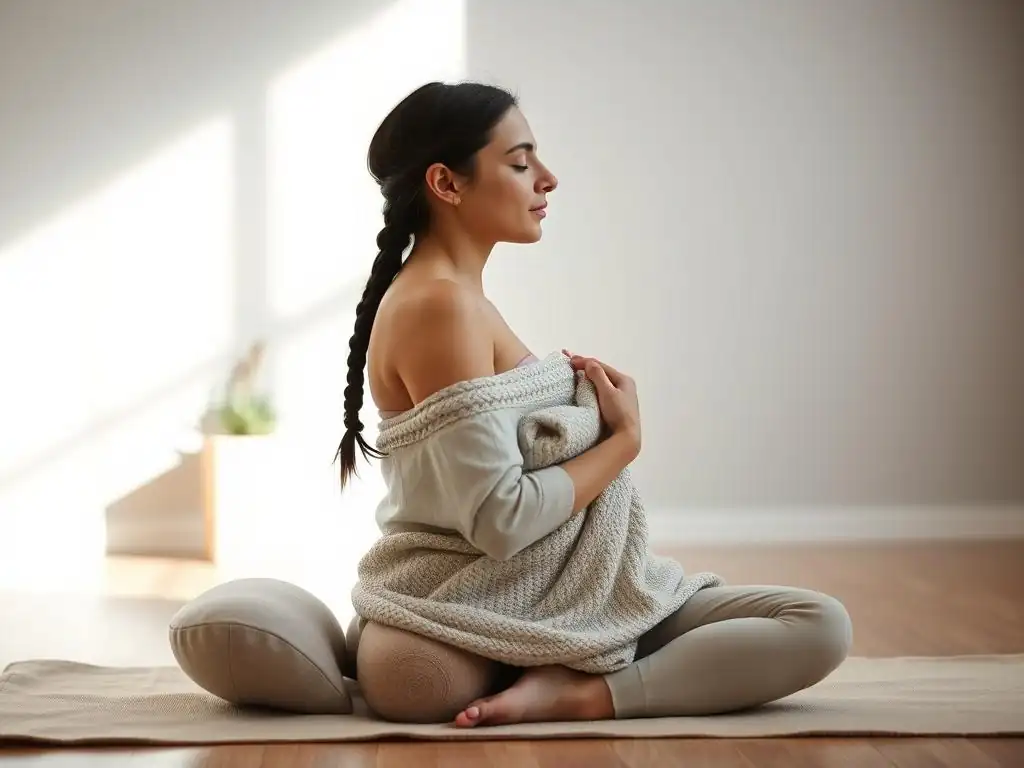
One of the most important principles in yoga, especially when using it for anxiety relief, is listening to your body. Anxiety can sometimes manifest as a feeling of needing to push or perform, but yoga for well-being is about nurturing yourself. Pay attention to sensations without judgment and modify poses as needed. Pain is a signal to back off, not push harder.
Overexertion, whether physical or mental, can actually increase stress and counteract the benefits of the practice. If you feel tired, choose a gentler pose or rest in Child's Pose or Savasana. Cultivating a kind and attentive relationship with your body fosters a sense of safety and self-trust, which is deeply healing for an anxious mind.
Using Yoga Props for Support and Comfort
Yoga props such as blocks, blankets, bolsters, and straps are not just for beginners or people with limited flexibility; they are tools to help you find comfort, support, and proper alignment in postures. Using props allows the body to relax more fully into a pose, reducing strain and promoting deeper release, which is particularly beneficial for anxiety relief.
For example, placing a bolster under the knees in Savasana or sitting on a folded blanket can ease tension in the lower back. Using blocks under the hands in a forward fold can make the pose more accessible and less strenuous. Don't hesitate to experiment with props; they can make your practice more comfortable, sustainable, and effective in calming the nervous system.
The Science Behind Yoga's Anxiety-Reducing Effects
How Yoga Impacts the Nervous System
Yoga significantly influences the autonomic nervous system (ANS), which controls involuntary bodily functions like heart rate, breathing, and digestion. The ANS has two main branches: the sympathetic nervous system (responsible for the "fight or flight" response) and the parasympathetic nervous system (responsible for "rest and digest"). Chronic anxiety often involves an overactive sympathetic nervous system.
Yoga practices, particularly slow movements, deep breathing (pranayama), and relaxation techniques, stimulate the vagus nerve, a key component of the parasympathetic nervous system. This stimulation helps to shift the body out of a state of high alert into a calmer state. Studies using heart rate variability (HRV) measurements, an indicator of ANS balance, have shown that regular yoga practice increases HRV, suggesting improved regulation and resilience against stress.
The Role of Yoga in Regulating Stress Hormones (Cortisol)
Chronic stress and anxiety are associated with elevated levels of stress hormones, particularly cortisol. Prolonged exposure to high cortisol can have negative effects on physical and mental health, including impairing cognitive function and exacerbating anxiety symptoms.
Research consistently shows that yoga practice can help lower cortisol levels. For instance, a study published in the Journal of Alternative and Complementary Medicine found that participants who practiced yoga three times a week for 12 weeks experienced a significant reduction in salivary cortisol levels compared to a control group. By reducing the physiological stress response, yoga helps to break the cycle of chronic anxiety.
Yoga's Influence on Brain Chemistry and Mood
Beyond hormones, yoga also impacts brain chemistry, influencing neurotransmitters associated with mood and well-being. Regular practice has been linked to increased levels of gamma-aminobutyric acid (GABA), a neurotransmitter that helps regulate nerve activity and has a calming effect. Low GABA levels are sometimes associated with anxiety and depression.
Furthermore, yoga may influence the production and uptake of serotonin and dopamine, neurotransmitters that play crucial roles in mood regulation, motivation, and pleasure. Neuroimaging studies, such as fMRI scans, have shown changes in brain regions associated with stress and emotional regulation, like the amygdala and prefrontal cortex, after consistent yoga practice. These changes contribute to reduced reactivity to stressors and an improved capacity for emotional balance, supporting yoga for anxiety relief.
Research Supporting Yoga for Anxiety
A growing body of scientific research supports the use of yoga as an effective intervention for anxiety. Numerous studies and meta-analyses have demonstrated its positive impact. For example, a systematic review published in the journal Depression and Anxiety concluded that yoga interventions significantly reduced anxiety symptoms in participants across various studies.
Clinical trials have investigated different styles of yoga and found benefits. A study at Boston University Medical Center found that participants in a yoga group reported significantly greater reductions in anxiety symptoms compared to a control group, correlating with increases in brain GABA levels. While research is ongoing, the existing evidence provides a strong scientific basis for recommending yoga as a complementary therapy for individuals seeking yoga for anxiety relief.
Maintaining Long-Term Mental Wellness Through Yoga
Integrating Yoga into Your Daily Routine
Consistency is key to reaping the long-term benefits of yoga for managing anxiety. Instead of viewing it as an occasional stress-buster, aim to integrate it into your daily or weekly routine. This doesn't mean needing an hour-long practice every day; even 10-15 minutes of gentle stretching, breathwork, or a few calming poses can make a significant difference over time.
Consider scheduling your yoga practice like any other important appointment. Find a time that works best for you, whether it's a few sun salutations in the morning, a short breathing exercise during a work break, or restorative poses before bed. Making yoga a regular habit helps build resilience and provides a consistent tool for navigating daily stressors and maintaining calm.
Tracking Your Progress and Adjusting Your Practice as Needed
Paying attention to how your yoga practice impacts your anxiety levels and overall well-being can be motivating and help you refine your approach. Keep a simple journal to note how you feel before and after practice, any specific poses or techniques that seem particularly helpful, and how your anxiety symptoms fluctuate throughout the week.
As you become more familiar with yoga and your own responses, feel empowered to adjust your practice. On days when you feel restless, a more dynamic flow might be beneficial. When feeling overwhelmed or fatigued, gentle or restorative yoga might be more appropriate. Learning to intuitively adapt your practice makes it a more responsive and effective tool for long-term anxiety relief.
Seeking Support from a Community or Therapist
While yoga is a powerful self-care tool, it is not a substitute for professional mental health support. If you are experiencing significant anxiety, it is important to consult with a therapist or counselor. Yoga can be a wonderful complement to therapy, providing practical tools for managing symptoms in the moment.
Connecting with a yoga community, whether through classes, workshops, or online forums, can also provide valuable support. Sharing experiences with others who use yoga for similar reasons can reduce feelings of isolation and offer encouragement. Remember that seeking support, whether professional or communal, is a sign of strength on your journey towards mental wellness with yoga for anxiety relief.
Practicing Self-Compassion and Acceptance
A core principle running through yoga and mindfulness is self-compassion. Anxiety can often be accompanied by self-criticism and judgment. Your yoga practice offers an opportunity to cultivate a more kind and accepting relationship with yourself, including your anxious feelings.
Approach your practice and your experience with anxiety with patience and understanding. There will be good days and bad days. Instead of fighting or resisting anxious feelings, yoga teaches techniques to observe them without judgment, acknowledging their presence without letting them define you. Embracing self-compassion is a vital component of using yoga for long-term anxiety relief and overall emotional healing.
Conclusion: Embrace Yoga for a Balanced and Peaceful Mind.
Frequently Asked Questions
How does yoga help with anxiety relief?
Yoga combines physical postures, breathwork, and meditation, which can help regulate the nervous system and reduce feelings of stress and anxiety. It promotes mindfulness and body awareness.
What types of yoga are best for anxiety relief?
Gentle forms of yoga like Hatha, Restorative, and Yin yoga are often recommended for anxiety. These styles emphasize slower movements and longer holds, fostering relaxation and calmness.
How often should I practice yoga to see anxiety relief benefits?
Even short, regular sessions of 20-30 minutes, several times a week, can be beneficial. Consistency is key; aim for at least 3-4 times per week to experience noticeable anxiety reduction.
Are there any specific yoga poses that are particularly helpful for anxiety?
Yes, poses like Child's Pose, Forward Fold, and Legs-Up-the-Wall Pose are known for their calming effects. They promote relaxation and can help reduce physical tension associated with anxiety.
Where can I find yoga classes or resources specifically focused on anxiety relief?
Many yoga studios offer classes tailored to anxiety. You can also find online yoga resources and apps that provide guided sessions designed for stress reduction and mental well-being. Look for classes specifically mentioning anxiety relief.
Final Reflection: Finding Your Equilibrium Through Yoga's Embrace
The ancient practice of yoga, far from being a mere physical exercise, offers a potent antidote to the anxieties of modern life. In a world increasingly characterized by relentless pressure and constant connectivity, the ability to find inner peace and cultivate a sense of calm is not a luxury, but a necessity. This guide has explored the multifaceted ways yoga—through its postures, breathwork, and mindful movement—can help alleviate anxiety and foster a deeper connection with oneself.
The impact of yoga on our collective well-being is undeniable. It's a testament to the power of mindful movement and self-awareness to reshape our relationship with stress. Yoga is not about touching your toes; it's about what you learn on the way down.
This quote perfectly encapsulates the journey of self-discovery that yoga facilitates, a journey that extends far beyond the mat and into the very fabric of our daily lives. The growing popularity of yoga as a therapeutic tool speaks volumes about its effectiveness in navigating the challenges of a fast-paced world.
Now, consider your own journey. What aspects of your life contribute to feelings of anxiety? How might incorporating even a small amount of yoga practice—a few sun salutations, a mindful breathing exercise—into your daily routine shift your perspective and alleviate some of that pressure? Take the time to explore the possibilities. Your inner peace awaits. Begin with small steps, be patient with yourself, and allow the transformative power of yoga to gently guide you towards a more balanced and fulfilling life.
Unroll Your Mat and Discover Inner Peace
Thanks for taking the time to explore the power of yoga for finding balance! We hope you discovered valuable insights into creating a more mindful and peaceful you. Now it's time to put those insights into practice.
- Begin your personalized yoga journey today: Start with a simple 10-minute routine focusing on breathwork and gentle stretches. Even a few minutes can make a difference!
- Share your experience: Connect with our community on social media and share your favorite yoga poses or mindful moments. Let’s inspire each other!
- Explore deeper: Consider dedicating a full hour to a guided yoga flow next week. You might be surprised at the calm you find within.
Ready to embrace a more balanced and peaceful life? What small step will you take today to incorporate yoga into your routine?