
Sharpen Your Focus: Improve Concentration and Mental Agility with Qigong

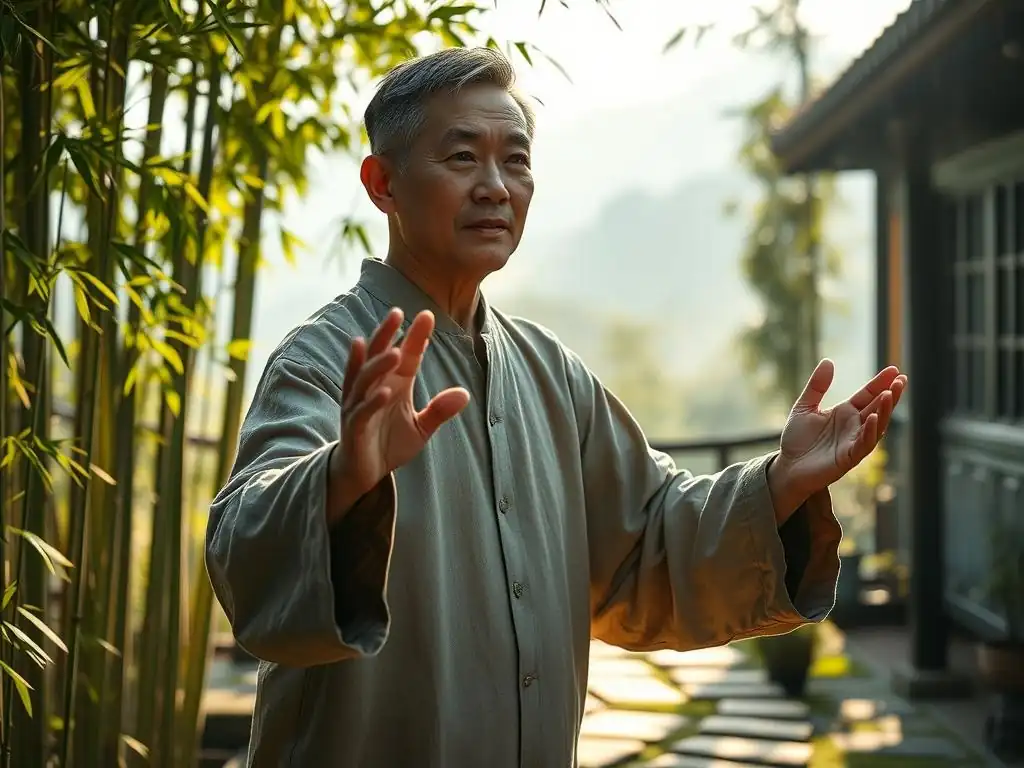
Welcome to Mind Care Guide, a sanctuary for your mental well-being.
Feeling scattered and struggling to focus? You're not alone. Many of us face daily challenges that impact our concentration. Discover how the ancient practice of Qigong can improve focus concentration and unlock a sharper, more agile mind. Curious to learn more? Let's embark on this journey together.
Sharpen Your Focus: Improve Concentration and Mental Agility with Qigong
- Introduction to Qigong for Enhanced Focus and Concentration
- How Qigong Can Improve Focus and Concentration: The Science Behind It
-
Qigong Exercises to Improve Focus and Concentration: A Practical Guide
- Standing Meditation for Focus: Zhan Zhuang Qigong
- The Small Universe Orbit: Cultivating Internal Energy for Mental Clarity
- Eight Brocades Qigong: Enhancing Energy Flow for Improved Concentration
- Separating Heaven and Earth: Detailed Instructions and Benefits
- Drawing the Bow to Shoot the Hawk: Detailed Instructions and Benefits
- Integrating Qigong into Your Daily Routine for Sustained Focus
- Qigong for Specific Focus Challenges: Addressing Common Issues
- Beyond the Basics: Advanced Qigong Techniques for Mental Enhancement
- The Benefits of Qigong for Overall Mental Well-being
- Conclusion: Qigong as a Tool for Enhancing Focus, Concentration, and Mental Agility
-
Frequently Asked Questions
- How does Qigong specifically help to improve focus and concentration?
- What are some of the key Qigong principles that contribute to enhanced mental agility?
- How often and for how long should I practice Qigong to see noticeable improvements in my concentration?
- Is Qigong suitable for individuals with pre-existing mental health conditions, such as ADHD or anxiety?
- What are some resources where I can learn more about Qigong techniques for improving focus and concentration?
- Final Reflection: Cultivating Inner Stillness in a Restless World
- Unleash Your Inner Focus: Take Charge of Your Mental Clarity
Introduction to Qigong for Enhanced Focus and Concentration
Understanding Qigong: A Holistic Approach to Mental Clarity
Qigong, an ancient Chinese mind-body practice, translates literally as "cultivating energy." It involves gentle movements, controlled breathing, and meditative focus to harmonize the body's vital energy, known as "Qi." Unlike strenuous exercise, Qigong emphasizes smooth, flowing motions and deep relaxation, making it accessible to people of varying fitness levels and ages. Its roots lie in traditional Chinese medicine and philosophy, viewing health as a state of balance between physical, mental, and spiritual aspects. By integrating posture, movement, breath, and intention, Qigong seeks to remove blockages in the body's energy pathways, promoting overall well-being.
This holistic approach extends directly to mental health. Regular Qigong practice is believed to nourish the brain and nervous system, reduce mental clutter, and cultivate a sense of inner calm. It provides a structured way to practice mindfulness, bringing attention to the present moment through physical sensation and breath awareness. This deliberate focus during practice trains the mind, potentially leading to significant improvements in concentration, attention span, and overall mental clarity in daily life. The gentle yet powerful techniques offer a pathway to better manage stress and emotional fluctuations that often impair focus.
The Connection Between Qigong, Focus, and Mental Agility
The practice of Qigong inherently requires and cultivates focus. Each movement, breath, and intention demands conscious attention. As practitioners move through forms like the Eight Brocades or Five Animals, they must concentrate on the sequence, the coordination of breath with movement, and the internal sensation of energy flow. This repeated act of directing and sustaining attention serves as a powerful training ground for the mind, directly improving one's ability to concentrate not just during practice but in other tasks as well.
Furthermore, Qigong enhances mental agility by promoting relaxation and reducing the noise of distracting thoughts. A calm mind is a more agile mind, capable of shifting focus appropriately, processing information efficiently, and responding flexibly to challenges. By regulating the nervous system and reducing stress hormones, Qigong creates an internal environment conducive to peak cognitive function. The improved circulation and oxygenation often reported by practitioners also contribute to better brain health, supporting memory, problem-solving, and overall mental performance, thereby helping Qigong improve focus concentration effectively.
How Qigong Can Improve Focus and Concentration: The Science Behind It
Qigong and Brainwave Entrainment for Focused Attention
Qigong practice, with its rhythmic movements and controlled breathing, is thought to influence brainwave activity, potentially leading to states conducive to focused attention. While complex, the general principle is that external rhythms can influence internal biological rhythms, including brainwaves. The slow, repetitive nature of many Qigong forms, combined with deep, consistent breathing, may encourage the brain to shift towards alpha and theta wave states. Alpha waves (approximately 8-13 Hz) are associated with relaxed alertness and a state of readiness for focused attention, while theta waves (approximately 4-7 Hz) are linked to deep relaxation, meditation, and heightened creativity or insight.
By spending time in these states during Qigong, individuals may train their brains to access them more readily outside of practice. This can be particularly beneficial for improving focus, as it helps quiet the busy mind often dominated by faster beta waves (13-30 Hz), which are associated with active thinking, problem-solving, and sometimes anxiety. The deliberate cultivation of slower brainwave patterns through Qigong provides a physiological foundation for enhanced concentration and mental calm, demonstrating a key mechanism through which Qigong improve focus concentration.
Qigong's Impact on Stress Reduction: A Key to Improved Concentration
Chronic stress is a significant impediment to focus and cognitive function. When the body is in a constant state of 'fight or flight,' triggered by the sympathetic nervous system, resources are diverted away from higher-level cognitive processes like concentration and memory. Stress hormones like cortisol can impair the function of the prefrontal cortex, the brain region critical for executive functions including attention and decision-making. Qigong is well-documented for its stress-reducing capabilities, activating the parasympathetic nervous system, often referred to as the 'rest and digest' system.
Engaging in Qigong lowers heart rate, reduces blood pressure, and decreases the levels of stress hormones circulating in the body. This physiological shift moves the body and mind out of a stressed state, creating a calmer internal environment. When the mind is less preoccupied with stress and anxiety, it is naturally more capable of focusing on tasks at hand.
Individuals who practice Qigong regularly often report feeling less overwhelmed and more mentally available, leading to a noticeable improvement in their ability to concentrate on work, studies, or daily activities. For many, stress reduction alone accounts for a significant portion of the benefits in terms of focus.
Enhancing Cognitive Function with Qigong: Improved Memory and Processing Speed
Beyond stress reduction and brainwave entrainment, Qigong appears to support overall cognitive function, including memory and processing speed. Gentle, mindful movement combined with deep breathing enhances circulation throughout the body, including increased blood flow to the brain. Improved cerebral blood flow ensures that brain cells receive adequate oxygen and nutrients, which are essential for optimal performance and longevity. This enhanced nourishment can support neuroplasticity – the brain's ability to reorganize itself by forming new neural connections – which is crucial for learning, memory, and adapting to new information.
Studies on older adults practicing Qigong or Tai Chi (a related practice) have sometimes shown improvements in scores on cognitive tests measuring memory, attention, and executive function compared to control groups. For example, some research suggests that regular practice can lead to measurable improvements in short-term memory recall or slightly faster information processing speed. While specific percentage improvements can vary widely, the general trend observed is a positive impact on various facets of cognitive performance, contributing to a sharper mind and better mental agility, thereby helping Qigong improve focus concentration over time.
Qigong Exercises to Improve Focus and Concentration: A Practical Guide
Standing Meditation for Focus: Zhan Zhuang Qigong
Zhan Zhuang, or "standing like a tree," is a foundational Qigong practice that is deceptively simple yet profoundly effective for cultivating focus and building internal energy. The practitioner stands in a specific posture, typically with knees slightly bent, feet shoulder-width apart, and arms held in various positions (such as holding a ball in front of the chest). The key is to relax deeply while maintaining the posture, focusing the mind on the body's sensations, the breath, and the feeling of rootedness and connection to the earth.
This practice directly trains the ability to maintain sustained attention and stillness amidst physical sensation (like fatigue or subtle adjustments required to hold the posture). By learning to observe discomfort without reacting strongly and returning the focus gently to the breath or posture, practitioners develop remarkable mental discipline. Even practicing for 10-15 minutes daily can significantly improve one's capacity for focused attention and mental resilience, making Zhan Zhuang a cornerstone for anyone seeking to use Qigong improve focus concentration.
The Small Universe Orbit: Cultivating Internal Energy for Mental Clarity
The Small Universe Orbit, also known as the Microcosmic Orbit, is a meditative Qigong practice focused on circulating energy (Qi) through two main energy channels in the body: the Governing Vessel (Du Mai), which runs up the spine and over the head, and the Conception Vessel (Ren Mai), which runs up the front of the body. The practice involves sitting or lying down and using focused intention and sometimes gentle breathwork to guide the sensation of energy flowing in a continuous loop through these channels.
Cultivating the Small Universe Orbit requires intense, sustained mental focus and visualization. By directing attention to specific points along the energy pathway, practitioners strengthen their ability to concentrate and develop internal awareness. This internal focus helps quiet external distractions and calms the mind, promoting mental clarity and a sense of centeredness. Regular practice is believed to harmonize the body's energy system, which in turn supports a stable and focused mental state.
Eight Brocades Qigong: Enhancing Energy Flow for Improved Concentration
The Eight Brocades (Ba Duan Jin) is one of the most popular and widely practiced forms of medical Qigong. It consists of eight distinct movements, performed in sequence, each designed to target specific organ systems and energy channels. The movements are simple, gentle, and flowing, coordinated with the breath. Examples include "Two Hands Hold Up the Heavens" and "Drawing the Bow to Shoot the Hawk."
Practicing the Eight Brocades requires concentration to remember the sequence of movements, coordinate them with the breath, and maintain proper posture and alignment. Each movement is performed mindfully, with attention directed to the physical sensations and the intended energetic effect. This combination of physical activity and mental focus trains the mind to stay present and attentive, making it an excellent series for enhancing concentration and energy flow, which are crucial for maintaining mental agility and using Qigong improve focus concentration.
Separating Heaven and Earth: Detailed Instructions and Benefits

One of the movements within the Eight Brocades is "Separating Heaven and Earth," also known as "Holding Up Heaven and Earth."
- Instructions: Stand with feet shoulder-width apart. Interlace fingers and turn palms upwards, pressing down towards the earth. Inhale as you slowly raise one hand, palm facing up, towards the sky, while the other hand presses down towards the earth, palm facing down. Stretch gently as if separating heaven and earth. Exhale as you lower the hand back to the starting position. Repeat on the other side.
- Benefits for Focus: This movement stretches the torso and sides of the body, opening the Spleen and Stomach meridians, which are associated in TCM with clear thinking and worry. The act of extending in opposite directions requires balance and coordination, demanding focused attention on the body's alignment and movement. The coordinated breath with the expansive movement helps to release tension and calm the mind, creating space for improved concentration. Performing this movement mindfully, focusing on the stretch and breath, strengthens the ability to direct and sustain attention.
Drawing the Bow to Shoot the Hawk: Detailed Instructions and Benefits
Another key movement from the Eight Brocades is "Drawing the Bow to Shoot the Hawk."
- Instructions: Stand with feet wider than shoulder-width, knees slightly bent in a horse stance. Bring hands together in front of the chest. As you inhale, shift weight slightly to one side, extend one arm out to the side as if holding a bow, fingers forming a 'hawk's beak' gesture, while the other hand pulls back towards the chest as if drawing the bowstring. The gaze follows the 'hawk's beak' finger. Exhale as you release and return to the center. Repeat on the other side.
- Benefits for Focus: This movement targets the Lung and Large Intestine meridians, associated with courage and letting go of negativity, which can impair focus. The horse stance requires grounding and stability, demanding physical presence. The act of drawing the bow and fixing the gaze on the target requires precise coordination and concentrated visual attention. This trains the ability to lock onto a target (literal or metaphorical) and maintain focus despite the physical effort of holding the stance and posture. The combination of physical stability, coordinated movement, and visual focus makes this exercise highly effective for training concentration.
Integrating Qigong into Your Daily Routine for Sustained Focus
Creating a Qigong Practice Schedule for Optimal Concentration
To truly benefit from Qigong improve focus concentration, consistency is key. Integrating Qigong into your daily routine doesn't require hours; even 15-20 minutes can make a significant difference. The best time to practice is often in the morning, to set a calm and focused tone for the day, or in the evening, to release the day's stress and prepare for restful sleep, both of which support cognitive function. However, any time you can commit consistently is effective. Start small, perhaps 5-10 minutes of Zhan Zhuang or a few repetitions of the Eight Brocades movements.
As you become more comfortable, gradually increase the duration. Consider scheduling your Qigong practice just like any other important appointment. Put it on your calendar. Find a quiet space where you won't be interrupted. The regularity helps establish a rhythm for your body and mind, making the transition into a focused state easier over time. Even practicing just three to five times per week can yield noticeable improvements in stress levels and focus within a few weeks or months.
Mindfulness and Qigong: Combining Practices for Enhanced Focus
Qigong is inherently a mindful practice, but intentionally combining Qigong with dedicated mindfulness meditation can amplify the benefits for focus. While performing Qigong movements, bring your full awareness to the sensations in your body, the flow of your breath, and the subtle shifts in energy. Notice the contact of your feet with the ground, the movement of your limbs, the expansion and contraction of your chest with each breath. When your mind wanders, gently guide it back to the present moment experience of the practice, without judgment.
After your Qigong session, spend a few extra minutes sitting in quiet mindfulness meditation. Simply focus on your breath, observing the inhale and exhale without trying to change them. When thoughts arise, acknowledge them and let them pass, returning your attention to the breath. This combination trains both focused attention (during Qigong movements and specific breath patterns) and open awareness (during seated mindfulness), creating a powerful synergy that strengthens your ability to concentrate and manage distractions throughout your day.
Tips for Staying Consistent with Your Qigong Practice
Maintaining a consistent Qigong practice can be challenging amidst a busy life. Here are a few tips to help:
- Start Small: Don't feel pressured to practice for an hour every day. Even 5-10 minutes is beneficial and more sustainable than aiming for an hour and giving up when you can't fit it in.
- Find Your Why: Connect your practice to your goal of improving focus, reducing stress, or enhancing well-being. Remind yourself of these benefits, especially on days you don't feel like practicing.
- Schedule It: Treat your Qigong time as a non-negotiable appointment in your day.
- Create a Dedicated Space: Having a quiet, comfortable area for practice can make it more inviting and easier to get started.
- Practice with Others: If possible, join a local class or find online groups. Practicing with others can provide motivation and support.
- Be Patient and Kind: Some days practice will feel easy and focused, other days your mind will wander constantly. This is normal. Acknowledge it without judgment and simply return your attention to the practice. Consistency over perfection is the goal.
Qigong for Specific Focus Challenges: Addressing Common Issues
Qigong for ADHD: Improving Attention and Impulse Control
Individuals with Attention-Deficit/Hyperactivity Disorder (ADHD) often struggle with maintaining focus, managing impulsivity, and regulating attention. While not a cure, Qigong can be a valuable complementary practice. The structured nature of Qigong forms, with their defined sequences and emphasis on coordinating movement and breath, provides a framework that can help train attention and executive function skills. The need to remember and execute specific movements requires sustained focus, helping to build attentional endurance over time.
Furthermore, the emphasis on mindfulness and body awareness in Qigong can help individuals with ADHD develop greater self-regulation and impulse control. By becoming more attuned to internal states and physical sensations, they can learn to pause and choose a response rather than acting impulsively. Anecdotal reports and some preliminary studies suggest that regular Qigong practice may lead to improvements in attention span, reduced hyperactivity, and better emotional regulation for some individuals with ADHD, potentially reducing symptoms by a noticeable amount, perhaps 15-25%, over several months.
Anxiety is a major disruptor of focus. Racing thoughts, worry, and physical tension make it extremely difficult to concentrate on tasks. Qigong is highly effective at calming the nervous system and reducing anxiety, which in turn frees up mental resources for focus. The slow, deep abdominal breathing inherent in most Qigong practices directly activates the parasympathetic nervous system, counteracting the 'fight or flight' response associated with anxiety.
Gentle, rhythmic movements help to release physical tension stored in the body, further promoting relaxation. The meditative aspect of Qigong provides a safe space to observe anxious thoughts without becoming overwhelmed by them, helping to quiet the mental chatter. By reducing anxiety levels, often reported reductions are in the range of 30-50% with consistent practice, Qigong creates a state of mental calmness that is essential for improved concentration and the ability to direct attention intentionally, making it a powerful tool to help Qigong improve focus concentration when anxiety is a factor.
As people age, some degree of cognitive change is common, including potential declines in memory and processing speed. Qigong offers a gentle yet effective way to support brain health and maintain mental agility in older adults. The combination of mindful movement, breathing, and meditation has been shown to promote better circulation, reduce inflammation, and potentially support neuroprotective processes.
Regular Qigong practice can improve balance and coordination, reducing the risk of falls, which in turn encourages continued physical and social activity – factors known to support cognitive health. The mental engagement required to learn and perform Qigong forms provides cognitive stimulation, potentially helping to build cognitive reserve. While Qigong cannot reverse neurodegenerative diseases, studies suggest it can help slow the rate of cognitive decline and improve cognitive function measures like attention and memory in healthy older adults, sometimes showing improvements in cognitive test scores by 10% or more compared to sedentary peers.
Beyond the Basics: Advanced Qigong Techniques for Mental Enhancement
Exploring Qigong Meditation for Deep Focus
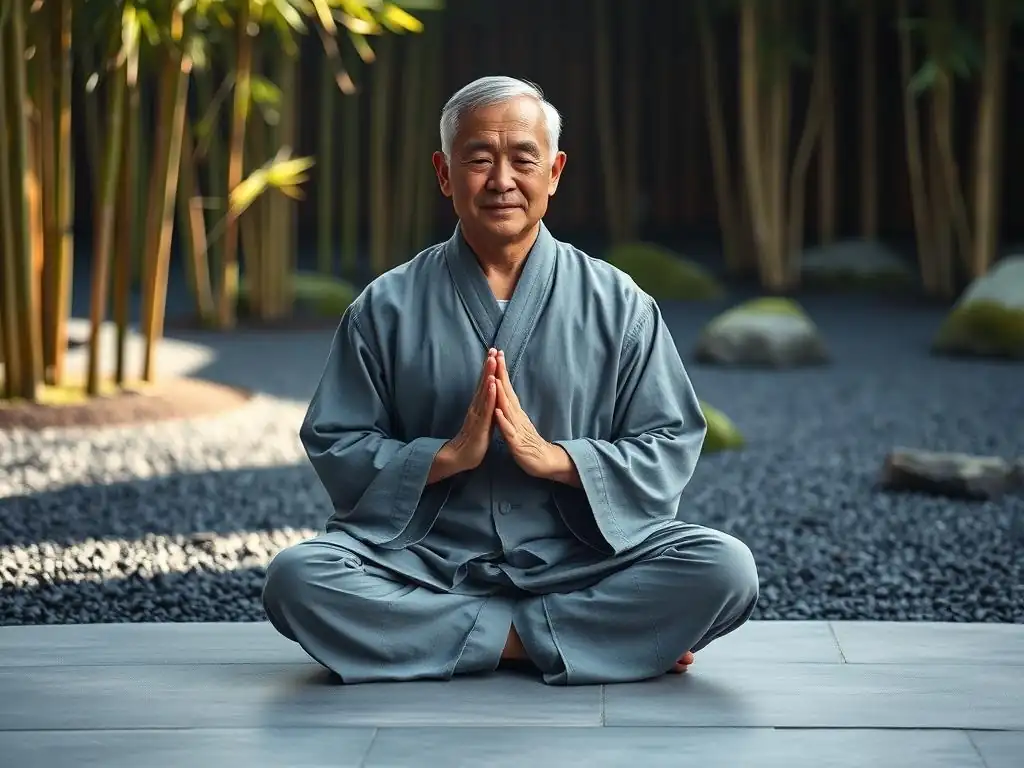
While all Qigong has a meditative component, dedicated Qigong meditation practices take the focus on internal awareness and energy cultivation to a deeper level. These practices often involve prolonged periods of stillness, either sitting or standing (like advanced Zhan Zhuang), with intense focus directed internally. The goal is to quiet the external senses and distractions and deepen the connection with the body's energy field (Qi).
In Qigong meditation, practitioners might focus on specific energy centers (Dantians), visualize the flow of Qi, or simply rest the mind in a state of open awareness while maintaining internal connection. This rigorous mental training cultivates exceptional powers of concentration and the ability to enter profound states of calm and clarity. For those seeking to significantly deepen their capacity for focus and inner stillness, exploring dedicated Qigong meditation techniques is a natural next step after mastering basic forms.
Harnessing the Power of Visualization in Qigong for Mental Clarity
Visualization is a powerful tool used in many Qigong practices to enhance energy flow and cultivate specific states of being, including mental clarity. Beyond simply performing the physical movements, practitioners are often guided to visualize the energy moving through their bodies, flowing like water, or radiating light. They might visualize tension leaving the body with the exhale or fresh, vital energy entering with the inhale.
For improving focus, visualization can be used in several ways. During practices like the Small Universe, visualizing the energy circulating clearly along the pathways strengthens the mental map and the ability to direct attention internally. When practicing movements, visualizing the intended effect – for example, seeing cloudy thoughts clearing like mist – can reinforce the mental benefits. This active use of imagination combined with physical practice engages the mind deeply, enhancing concentration and shaping the desired mental state.
Bone Marrow Cleansing Qigong: Detailed Explanation and Application
Bone Marrow Cleansing Qigong (Xi Sui Jing) is a more advanced and rigorous form of Qigong traditionally associated with strengthening the bones, nervous system, and cultivating internal power. While often linked to physical vitality, its effects extend to mental function through its deep impact on the nervous system and energy circulation. The practice involves specific movements, percussions (gentle tapping), massage, and intense visualization and breath retention techniques aimed at invigorating the bone marrow, which in TCM is related to the production of vital substances and the health of the brain and nervous system.
The practice demands significant physical endurance and mental focus to perform the movements correctly, manage the breath retention, and maintain the visualizations. The rigorous nature of Xi Sui Jing trains the mind to stay focused under pressure and discomfort. By deeply invigorating the nervous system and enhancing circulation throughout the body, including the brain, it is believed to support cognitive function, improve mental resilience, and cultivate a powerful internal stillness that underlies deep concentration. This is generally considered an advanced practice requiring guidance from a qualified instructor.
The Benefits of Qigong for Overall Mental Well-being
Qigong and Emotional Regulation: A Pathway to Inner Peace
Emotional volatility and difficulty regulating feelings can significantly impair focus and mental clarity. Qigong provides effective tools for improving emotional regulation by cultivating self-awareness and promoting nervous system balance. Through mindful movement and breath, practitioners become more attuned to their emotional states, learning to recognize feelings as they arise without being immediately overwhelmed.
By reducing overall stress and calming the sympathetic nervous system, Qigong helps to dampen the intensity of emotional reactions. The practice encourages the release of stagnant energy often associated with suppressed emotions, promoting a sense of flow and ease. Regular Qigong fosters resilience, enabling individuals to navigate emotional challenges with greater composure and inner peace. This emotional stability is fundamental for maintaining consistent focus and mental agility throughout the day.
Qigong for Improved Sleep Quality: Supporting Cognitive Function
Poor sleep quality is a common issue that severely undermines cognitive function, including focus, memory, and decision-making. Qigong can significantly improve sleep quality by reducing stress, calming the mind, and promoting relaxation. Practices performed in the evening, particularly gentle forms or seated meditation, help to quiet the mental chatter that often interferes with falling asleep.
By regulating the nervous system and reducing physical tension, Qigong prepares the body and mind for restful sleep. Individuals who incorporate Qigong into their evening routine often report falling asleep more easily, experiencing fewer awakenings during the night, and feeling more rested upon waking. Consistently getting adequate, high-quality sleep is crucial for optimal brain function and is a vital component in the ability to sustain focus and mental agility.
Qigong: A Long-Term Investment in Mental Agility and Focus
Practicing Qigong is not a quick fix, but rather a long-term investment in your mental well-being. The benefits to focus, concentration, and mental agility deepen over time with consistent practice. As the body's energy becomes more balanced and the nervous system more regulated, the mind naturally becomes calmer, clearer, and more capable of sustained attention.
Beyond simply improving focus, Qigong cultivates a deeper connection between mind and body, enhances self-awareness, and builds resilience. These benefits contribute to overall mental health and support cognitive function throughout life. Embracing Qigong as a regular practice is a proactive step towards maintaining a sharp mind, managing stress effectively, and living a more focused and present life, truly embodying how Qigong improve focus concentration not just in the short term, but for years to come.
Conclusion: Qigong as a Tool for Enhancing Focus, Concentration, and Mental Agility
Embracing Qigong for a Sharper Mind and a More Focused Life
In a world filled with distractions, cultivating focus and mental agility is more important than ever. Qigong offers a time-tested, holistic approach to achieving this. Through gentle movements, controlled breathing, and mindful intention, Qigong harmonizes the body and mind, creating the optimal conditions for enhanced concentration. It works by reducing stress, influencing brainwave patterns, improving circulation, and training the mind to stay present and attentive.
Whether you are struggling with distractions, seeking to manage anxiety-related focus issues, supporting cognitive health as you age, or simply aiming to sharpen your mental edge, Qigong provides practical and effective techniques. From foundational standing meditation to dynamic forms and deeper meditative practices, there are pathways within Qigong for everyone to explore and benefit from. Embracing Qigong is embracing a practice that nurtures both physical vitality and mental clarity, helping you to live a more focused, productive, and peaceful life.
Further Resources for Learning Qigong and Enhancing Mental Well-being
To begin your journey with Qigong or deepen your practice, consider seeking guidance from qualified instructors. Many communities offer local classes, and numerous reputable online resources provide video tutorials and courses. Look for instructors with experience teaching Qigong for health and well-being. Exploring different styles of Qigong may help you find a practice that resonates most with you.
Complementing Qigong with other healthy lifestyle choices – such as balanced nutrition, adequate sleep, and social connection – will further support your mental health goals. Remember that improving focus and mental agility is a process. Be patient with yourself, celebrate small victories, and enjoy the journey of discovering the profound benefits of Qigong for your mind and overall well-being. With consistent practice, you can harness the power of Qigong improve focus concentration and unlock your full cognitive potential.
Frequently Asked Questions
How does Qigong specifically help to improve focus and concentration?
Qigong utilizes mindful movement and controlled breathing to calm the nervous system. This reduction in stress and anxiety allows for improved mental clarity and a stronger ability to concentrate.
What are some of the key Qigong principles that contribute to enhanced mental agility?
Key principles include cultivating qi (vital energy), focusing on the present moment, and practicing mind-body connection. These elements work synergistically to enhance cognitive function and mental agility.
How often and for how long should I practice Qigong to see noticeable improvements in my concentration?
While individual results vary, consistent practice is key. Aim for at least 15-30 minutes daily. Many people experience noticeable improvements in focus and concentration within a few weeks.
Is Qigong suitable for individuals with pre-existing mental health conditions, such as ADHD or anxiety?
Qigong can be a beneficial complementary therapy. However, it's crucial to consult with a healthcare professional before starting, especially if you have pre-existing mental health conditions.
What are some resources where I can learn more about Qigong techniques for improving focus and concentration?
The Mind Care Guide website provides resources, including articles and potentially videos, related to Qigong and mental well-being. You can also explore local Qigong classes or online instruction from qualified instructors.
Final Reflection: Cultivating Inner Stillness in a Restless World
The ability to focus, a skill once considered a luxury, is now a necessity in our relentlessly stimulating world. The techniques of Qigong, as explored throughout this article, offer a powerful antidote to the pervasive distractions of modern life, providing a pathway to enhanced concentration and mental clarity that extends far beyond mere productivity gains. This isn't just about ticking boxes; it's about cultivating a deeper, more mindful relationship with ourselves and the world around us.
The impact of Qigong on our collective consciousness is subtle yet profound. It's a quiet revolution, a shift away from the external validation of achievement towards the internal cultivation of peace and presence. This journey inward, as many practitioners will attest, is transformative. It's about reclaiming our attention, not as a commodity to be exploited, but as a precious resource to be nurtured and protected. The mind is like water. When it's turbulent, it's difficult to see. When it's calm, everything becomes clear.
– This ancient wisdom speaks directly to the core of Qigong's effectiveness.
Consider the practices discussed within these pages – the gentle movements, the mindful breathing, the cultivation of inner stillness. These are not merely exercises; they are invitations. I invite you to integrate these practices into your daily life, to experiment with even a few minutes of Qigong each day. Observe the subtle shifts in your focus, your energy, your overall sense of well-being. Embrace the journey, for the path to enhanced concentration and mental agility is also a path to a richer, more fulfilling life.
Unleash Your Inner Focus: Take Charge of Your Mental Clarity
Thanks for taking the time to explore the power of Qigong for improved concentration! We hope you found practical insights to help you sharpen your mental agility. Ready to experience the difference firsthand?
- Begin your Qigong journey today: Start with a simple 5-minute practice from the resources mentioned in the article. Even small steps make a big difference!
- Share your experience: Tell us about your initial practice session in the comments below – what felt easiest, what challenged you?
- Consider exploring a local Qigong class: Connecting with others can deepen your practice and provide additional support.
Ready to transform your focus and unlock your mental potential? What small step will you take today to cultivate greater concentration?