
Top 10 EvidenceBacked Natural Supplements for Anxiety Relief

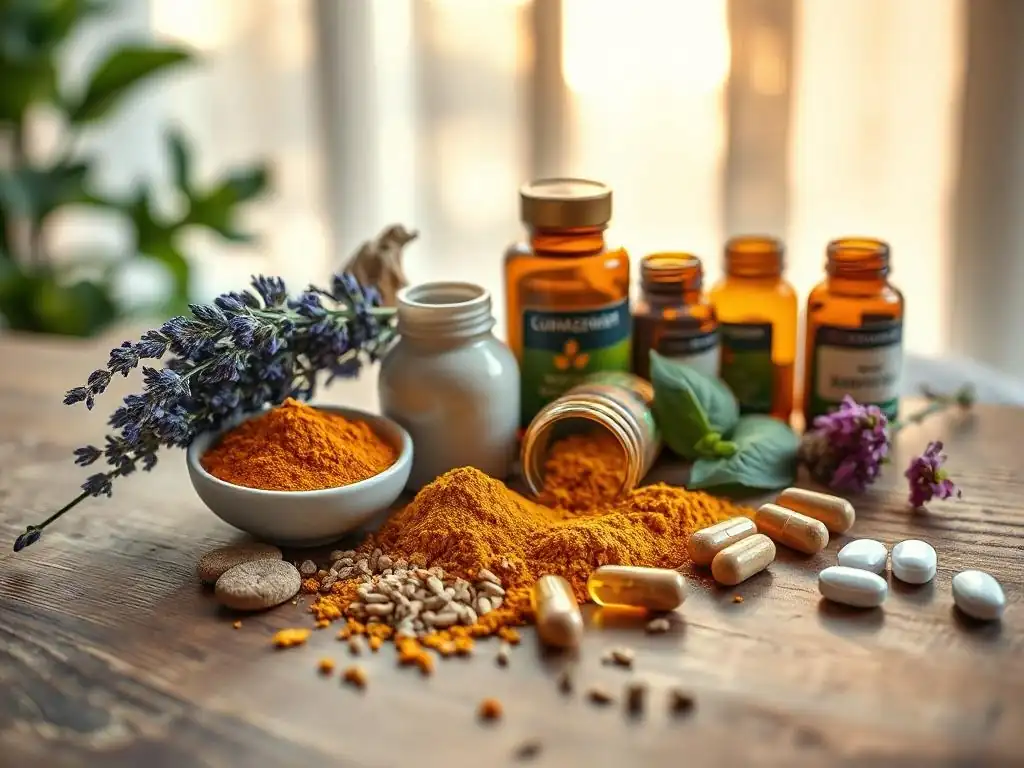
Welcome to Mind Care Guide, a space dedicated to nurturing your mental well-being. Feeling overwhelmed by anxiety? You're not alone. Discover how you can find relief with our comprehensive guide to natural supplements. Uncover the top 10 evidence-backed options that might just be the key to reclaiming your calm and peace of mind. Intrigued? Let's explore the possibilities together and learn more about natural supplements anxiety relief!
Top 10 Evidence-Backed Natural Supplements for Anxiety Relief
- Introduction: Finding Natural Anxiety Solutions with Supplements
-
The Top 10 Evidence-Backed Natural Supplements for Anxiety Relief
- 1. Magnesium: Nature's Calming Mineral for Anxiety Reduction
- 2. L-Theanine: The Amino Acid for Relaxed Focus and Stress Reduction
- 3. Ashwagandha: The Adaptogen for Stress Resilience and Anxiety Management
- 4. Chamomile: A Gentle Herbal Remedy for Anxiety and Relaxation
- 5. Lavender: The Aromatic Therapy for Anxiety and Mood Improvement
- 6. Passionflower: An Herbal Remedy for Anxiety and Insomnia
- 7. Valerian Root: Promoting Sleep and Reducing Anxiety Naturally
- 8. Omega-3 Fatty Acids: Supporting Brain Health and Reducing Anxiety Symptoms
- 9. 5-HTP: A Precursor to Serotonin for Mood and Anxiety Regulation
- 10. GABA: The Inhibitory Neurotransmitter for Anxiety Reduction
- Choosing the Right Natural Supplements for Anxiety Relief: A Personalized Approach
- Maximizing Your Results with Natural Supplements for Anxiety
- Conclusion: Finding Long-Term Anxiety Relief with Natural Supplements and a Holistic Approach
-
Frequently Asked Questions
- What are natural supplements and how can they help with anxiety?
- Are there any side effects associated with taking natural supplements for anxiety?
- How do I choose the right natural supplement for my anxiety?
- How long does it take to see results from taking natural supplements for anxiety?
- Can natural supplements completely cure anxiety?
- Final Reflection: Finding Calm in Nature's Pharmacy
- Unleash Your Inner Calm: Next Steps to Anxiety Relief
Introduction: Finding Natural Anxiety Solutions with Supplements
The Growing Need for Anxiety Relief and Natural Alternatives
Anxiety disorders are among the most common mental health conditions globally, affecting millions of people. The search for effective ways to manage anxiety symptoms is paramount for improving quality of life. While conventional treatments like therapy and medication are highly effective and often necessary, many individuals are exploring complementary approaches.
This growing interest in holistic wellness has led to increased attention on natural supplements for anxiety relief, offering potential support alongside or as an alternative (under professional guidance) to traditional methods. The appeal lies in seeking options that may have fewer side effects for some people, integrating wellness practices into daily life, and feeling empowered in managing their mental health journey.
The pursuit of natural supplements for anxiety relief is fueled by a desire for accessible, potentially less invasive options. As awareness around mental health grows, so does the exploration of diverse tools available. This includes dietary changes, exercise, mindfulness, and leveraging specific natural compounds found in plants, minerals, and amino acids.
Understanding which natural supplements for anxiety relief are supported by scientific evidence is crucial for making informed choices and ensuring safety and efficacy. It's important to approach these options with a balanced perspective, recognizing that they are not a substitute for professional medical advice or treatment but can be valuable components of a comprehensive anxiety management plan.
Understanding Anxiety: A Brief Overview
Anxiety is a natural human response to stress. It's the feeling of fear or apprehension about what's to come. While a certain level of anxiety is normal and can even be helpful (like motivating you to study for a test), excessive or persistent anxiety can become debilitating. Anxiety disorders encompass a range of conditions, including Generalized Anxiety Disorder (GAD), Social Anxiety Disorder, Panic Disorder, and phobias. These disorders are characterized by excessive worry, fear, nervousness, and apprehension that interfere with daily activities, relationships, and overall well-being.
The experience of anxiety varies greatly from person to person. It can manifest physically through symptoms like a racing heart, sweating, trembling, shortness of breath, and digestive issues. Psychologically, it can involve constant worry, intrusive thoughts, difficulty concentrating, and irritability.
Understanding the multifaceted nature of anxiety is key to finding effective management strategies. Natural supplements anxiety relief approaches often target the underlying physiological and neurological pathways involved in these symptoms, aiming to promote a sense of calm and balance in the nervous system. Recognizing the signs and symptoms is the first step towards seeking help and exploring the various avenues available for relief.
What Are Natural Supplements and How Can They Help with Anxiety?
Natural supplements for anxiety relief are products derived from natural sources like plants, herbs, amino acids, minerals, and vitamins. They are typically available in forms such as capsules, tablets, powders, or tinctures. Unlike pharmaceutical drugs, which undergo rigorous testing and regulation as medications, supplements are regulated differently in many countries, often as food products. This distinction is important because the quality, purity, and potency of supplements can vary significantly between brands.
The proposed mechanisms by which natural supplements might help with anxiety relief are diverse. Some may influence neurotransmitter levels in the brain, such as GABA, serotonin, or dopamine, which play crucial roles in mood and stress regulation. Others might act as adaptogens, helping the body adapt to stress and reduce the physiological impact of chronic stress.
Certain supplements possess calming or sedative properties, potentially promoting relaxation and improving sleep, which is often disrupted by anxiety. While research on natural supplements for anxiety relief is ongoing, some compounds have shown promising results in clinical studies, supporting their use as part of a broader strategy for managing anxiety symptoms.
Important Considerations Before Taking Supplements for Anxiety
Before incorporating any natural supplements for anxiety relief into your routine, it is absolutely essential to consult with a qualified healthcare professional. This includes doctors, psychiatrists, or registered dietitians, especially if you have pre-existing health conditions, are pregnant or breastfeeding, or are taking any medications (prescription or over-the-counter). Supplements can interact with medications, potentially altering their effectiveness or causing adverse effects. For example, some herbal supplements can interact with blood thinners, antidepressants, or sedatives.
Furthermore, the quality and purity of natural supplements for anxiety relief can vary. Look for products from reputable brands that undergo third-party testing for purity and potency. Dosage is another critical factor; what works for one person may not work for another, and taking too much can be harmful.
Starting with a low dose and gradually increasing under professional guidance is often recommended. Remember that natural does not always mean safe, and understanding potential side effects and contraindications is vital. A healthcare provider can help determine if a particular supplement is appropriate for your specific situation, recommend a safe dosage, and monitor for any potential issues.
The Top 10 Evidence-Backed Natural Supplements for Anxiety Relief
1. Magnesium: Nature's Calming Mineral for Anxiety Reduction
Magnesium is an essential mineral involved in hundreds of biochemical reactions in the body, including many related to brain function and mood regulation. It plays a critical role in the function of the nervous system and helps regulate neurotransmitters. Research suggests that magnesium deficiency may be linked to increased anxiety and stress levels.
Studies have indicated that magnesium supplementation can help reduce anxiety symptoms, potentially by affecting the hypothalamic-pituitary-adrenal (HPA) axis, which is the body's central stress response system. For example, a review published in the journal Nutrients in 2017 analyzed 18 studies and found that magnesium supplementation appeared beneficial for subjective measures of anxiety, though more rigorous research is needed.
Magnesium's calming effect is often attributed to its ability to modulate GABA receptors. GABA is the primary inhibitory neurotransmitter in the brain; it helps to calm nervous activity. By interacting with GABA receptors, magnesium can enhance the calming effects of GABA, leading to reduced feelings of stress and anxiety. Additionally, magnesium is involved in regulating cortisol, the body's main stress hormone. Chronic stress can deplete magnesium stores, creating a vicious cycle where low magnesium exacerbates stress and anxiety. Supplementing with magnesium can help break this cycle, supporting a more balanced stress response and contributing to natural supplements anxiety relief.
Magnesium's Role in Brain Function and Anxiety
Magnesium is crucial for neurochemical transmission and neuronal excitability. It acts as a natural calcium channel blocker, preventing excessive activation of neurons that can contribute to anxiety and excitability. By modulating NMDA receptors, which are involved in learning and memory but can contribute to excitotoxicity when overactive, magnesium helps maintain healthy neuronal function. This regulatory role is vital for preventing the nervous system from becoming overstimulated, which is a common feature of anxiety states.
Beyond neurotransmitters, magnesium influences energy production within brain cells. Mitochondria, the powerhouses of cells, require magnesium to function efficiently. Adequate energy supply is essential for optimal brain function and resilience to stress. Furthermore, magnesium has anti-inflammatory properties, and chronic low-grade inflammation is increasingly linked to mood disorders, including anxiety. By reducing inflammation, magnesium may indirectly support mental well-being and contribute to the effectiveness of natural supplements anxiety relief strategies.
Forms of Magnesium for Anxiety: Glycinate, Oxide, and More
Magnesium supplements come in various forms, each with different absorption rates and potential side effects. Magnesium oxide is commonly found in supplements and is often used for constipation due to its osmotic effect, but it has a relatively low absorption rate (around 4%) compared to other forms and can cause digestive upset.
For anxiety relief, forms like magnesium glycinate are often recommended. Magnesium glycinate is magnesium bound to glycine, an amino acid that also has calming properties. This form is generally well-absorbed and less likely to cause digestive issues.
Magnesium citrate is another popular form, known for good absorption, though it can also have a laxative effect in higher doses. Magnesium L-threonate is a newer form that some research suggests may be particularly effective at crossing the blood-brain barrier, potentially offering enhanced benefits for cognitive function and anxiety, though more human studies are needed specifically for anxiety relief. When choosing a magnesium supplement for natural supplements anxiety relief, considering the form and potential bioavailability is important.
Magnesium Dosage and Potential Side Effects
Typical dosages for magnesium supplementation for anxiety relief often range from 200 mg to 400 mg per day of elemental magnesium. However, the optimal dosage can vary depending on the form of magnesium, the individual's diet, and their specific needs. It's best to start with a lower dose and gradually increase while monitoring for effects and side effects. The recommended daily allowance (RDA) for magnesium for adults is around 310-420 mg, but therapeutic doses for specific conditions like anxiety may be higher under medical supervision.
Potential side effects of magnesium supplementation, particularly at higher doses, primarily involve the digestive system, such as diarrhea, nausea, and abdominal cramping. These side effects are more common with poorly absorbed forms like magnesium oxide. Magnesium is generally considered safe for most people when taken within recommended doses, but individuals with kidney problems should use caution and consult a healthcare provider, as impaired kidney function can affect the body's ability to excrete excess magnesium.
2. L-Theanine: The Amino Acid for Relaxed Focus and Stress Reduction
L-Theanine is a non-protein amino acid found primarily in green tea leaves ( Camellia sinensis). It is known for promoting relaxation without causing drowsiness, often described as promoting a state of "alert calmness" or "relaxed focus." This unique effect makes it a popular natural supplement for anxiety relief, particularly for individuals who experience anxiety that interferes with concentration or productivity. L-Theanine was first isolated from green tea in Japan in 1949 and has been studied for its effects on brain function and mood.
Studies suggest that L-Theanine can influence brain wave activity. It appears to increase alpha brain waves, which are associated with a relaxed but alert mental state, while decreasing beta brain waves, which are linked to states of alertness, excitement, and anxiety. This shift in brain wave patterns is thought to contribute to L-Theanine's calming effects. Unlike some other calming agents, L-Theanine does not typically cause sedation, making it suitable for daytime use when anxiety interferes with daily tasks.
L-Theanine and Its Effects on Brain Waves
Research using electroencephalography (EEG) has demonstrated that L-Theanine supplementation can lead to an increase in alpha wave activity in the brain, particularly in the parietal and occipital regions. Alpha waves are characteristic of a relaxed, meditative state, often experienced during activities like mindfulness or quiet reflection. Simultaneously, L-Theanine can decrease beta wave activity, which is associated with higher levels of arousal, stress, and anxious thinking.
This modulation of brain waves suggests that L-Theanine may help to quiet the racing thoughts and excessive mental chatter often experienced with anxiety, allowing for a more focused and calm state. A study published in Biological Psychology in 2007 found that L-Theanine significantly increased alpha activity and reduced subjective stress responses in participants exposed to an acute stressor. This ability to promote alpha waves while maintaining alertness is a key reason L-Theanine is sought after as a natural supplement for anxiety relief.
L-Theanine Benefits for Social Anxiety and Generalized Anxiety Disorder
L-Theanine has been explored for its potential benefits in managing specific types of anxiety, such as social anxiety and generalized anxiety disorder (GAD). For social anxiety, which involves intense fear and avoidance of social situations, L-Theanine's ability to promote calmness without sedation can be particularly helpful in reducing anticipatory anxiety and discomfort in social settings. While large-scale clinical trials specifically on L-Theanine for social anxiety are somewhat limited, anecdotal evidence and smaller studies suggest a potential benefit.
In the context of GAD, characterized by persistent and excessive worry about everyday things, L-Theanine may help by reducing the intensity of worry and promoting a more relaxed mental state. A randomized controlled trial published in the Journal of Clinical Psychiatry in 2019 found that L-Theanine supplementation (200-400 mg/day) was associated with reduced anxiety and improved sleep quality in individuals with generalized anxiety disorder. These findings support its potential role as a natural supplement for anxiety relief.
Combining L-Theanine with Caffeine for Enhanced Cognitive Function
L-Theanine is naturally found in tea alongside caffeine. Interestingly, research suggests that combining L-Theanine with caffeine can have synergistic effects, particularly on cognitive function and alertness, while mitigating some of the jitteriness or anxiety that caffeine can sometimes induce. The L-Theanine appears to smooth out the stimulant effects of caffeine, leading to improved focus and attention without the typical caffeine crash or anxiety.
Studies have shown that the combination can improve performance on demanding cognitive tasks. For example, a review in Nutritional Neuroscience in 2008 highlighted studies showing that L-Theanine and caffeine together improved speed and accuracy on attention-switching tasks and reduced susceptibility to distraction. This combination effect makes L-Theanine a popular addition to energy drinks and cognitive support supplements, and it's relevant for individuals who experience anxiety but also need to maintain focus and energy. When considering natural supplements anxiety relief, some might find this specific combination beneficial for managing anxiety while staying productive.
3. Ashwagandha: The Adaptogen for Stress Resilience and Anxiety Management
Ashwagandha ( Withania somnifera) is an ancient medicinal herb with a rich history of use in Ayurveda, the traditional system of medicine from India. It is classified as an adaptogen, meaning it is believed to help the body resist physical, chemical, and biological stressors. In traditional medicine, it was used to promote vitality, longevity, and overall well-being. Modern research has focused on Ashwagandha's potential to reduce stress and anxiety, supporting its role as a prominent natural supplement for anxiety relief.
The primary active compounds in Ashwagandha are called withanolides, which are thought to be responsible for many of its therapeutic effects. Ashwagandha is believed to work by modulating the body's stress response system, particularly the HPA axis. By helping to regulate cortisol levels, Ashwagandha may reduce the physiological impact of chronic stress, which often underlies anxiety. Numerous studies have investigated Ashwagandha's effects on stress and anxiety, with many showing positive results.
Ashwagandha's Ancient Roots and Modern Applications
Originating from dry regions of India, the Middle East, and parts of Africa, Ashwagandha root has been a cornerstone of Ayurvedic medicine for thousands of years. Its name, "Ashwagandha," translates roughly to "smell of the horse," referencing its unique odor and the traditional belief that it imparts the strength and vitality of a horse. Traditionally, it was used to treat a wide range of conditions, including stress, fatigue, pain, and even infertility.
In modern applications, Ashwagandha is primarily used as a supplement to combat stress, improve sleep, boost energy, and enhance cognitive function. Its adaptogenic properties are the focus of current research, exploring how it helps the body maintain homeostasis in the face of stressors. The growing body of scientific evidence supporting its use for stress and anxiety has solidified its position as one of the most popular natural supplements anxiety relief options available today.
Ashwagandha for Reducing Cortisol Levels and Improving Sleep
One of the most well-supported benefits of Ashwagandha is its ability to reduce cortisol levels. Chronic stress leads to elevated cortisol, which can have detrimental effects on various bodily systems, including mood, sleep, and immune function. Several clinical trials have demonstrated that Ashwagandha supplementation can significantly lower serum cortisol levels in stressed individuals. For example, a study published in the Indian Journal of Psychological Medicine in 2012 found that participants taking Ashwagandha extract experienced a significant reduction in stress scores and serum cortisol compared to a placebo group.
By helping to normalize cortisol, Ashwagandha contributes to a more balanced stress response and can alleviate symptoms associated with chronic stress, including anxiety and sleep disturbances. Many individuals with anxiety also struggle with insomnia or poor sleep quality. Ashwagandha's calming effects and ability to reduce stress hormones may also contribute to improved sleep. Some studies have specifically looked at Ashwagandha's impact on sleep parameters and found improvements in sleep onset latency and sleep quality. This dual action on stress and sleep makes it a valuable natural supplement for anxiety relief.
Ashwagandha Dosage and Precautions
Standardized Ashwagandha root extract supplements are commonly used, with dosages typically ranging from 300 mg to 600 mg per day, often divided into two doses. It's important to use extracts standardized for withanolides, usually around 1.5% to 5%, to ensure consistent potency. Some studies showing significant benefits have used doses up to 500-600 mg of a high-concentration extract daily.
Ashwagandha is generally well-tolerated, but some people may experience mild side effects, such as digestive upset, drowsiness, or nasal congestion, particularly at higher doses. Because Ashwagandha can affect thyroid function, individuals with thyroid conditions should consult their doctor before taking it. It may also interact with medications for diabetes, blood pressure, and immune suppressants. Pregnant and breastfeeding women should avoid Ashwagandha due to insufficient safety data. As with all natural supplements anxiety relief, professional guidance is recommended.
4. Chamomile: A Gentle Herbal Remedy for Anxiety and Relaxation
Chamomile, particularly German chamomile ( Matricaria recutita) and Roman chamomile ( Chamaemelum nobile), is a widely recognized herbal remedy known for its mild sedative and calming properties. It has been used for centuries in traditional medicine to alleviate anxiety, promote relaxation, and improve sleep. It is most commonly consumed as a tea, but extracts and supplements are also available.
The therapeutic effects of chamomile are thought to be due to several compounds, including flavonoids like apigenin, which binds to benzodiazepine receptors in the brain, similar to some anti-anxiety medications, though with a much milder effect. Other compounds in chamomile may have anti-inflammatory and muscle-relaxant properties, which can also help alleviate physical symptoms of anxiety. Its gentle nature makes it a popular starting point for those exploring natural supplements anxiety relief.
Chamomile's Calming Properties and Mechanism of Action
Chamomile's primary mechanism of action related to anxiety relief is believed to involve its interaction with the GABAergic system. Apigenin, one of the main active constituents, acts as a ligand for central benzodiazepine receptors, which are part of the GABA-A receptor complex. By binding to these sites, apigenin can enhance the effects of GABA, the brain's main inhibitory neurotransmitter, thereby reducing neuronal excitability and promoting a sense of calm.
Beyond its effects on GABA, chamomile contains other compounds that may contribute to its anxiolytic and sedative effects. These include spiroethers and polyacetylenes. Research also suggests that chamomile may have anti-inflammatory properties, which could indirectly benefit mood and anxiety by reducing systemic inflammation. While the effects are generally mild compared to prescription medications, studies have shown that chamomile preparations can help reduce symptoms in individuals with mild to moderate anxiety.
Chamomile Tea vs. Chamomile Supplements: Which is Best for Anxiety?
Chamomile tea is perhaps the most traditional and widely used form of chamomile for anxiety and relaxation. Brewing chamomile tea involves steeping the dried flowers in hot water, which extracts the active compounds. The act of preparing and sipping warm tea can also be a calming ritual in itself. Chamomile tea is generally considered safe for most people, with a long history of use.
Chamomile supplements, such as capsules containing dried extract, offer a more concentrated and standardized dose of the active compounds, including apigenin. This might be beneficial for individuals seeking a more potent effect for anxiety relief than tea alone might provide. However, the concentration of active compounds can vary between products. While tea provides a gentle effect and is easy to incorporate into a daily routine, supplements might be considered for a more targeted approach to natural supplements anxiety relief, but it's crucial to choose high-quality, standardized extracts.
Potential Allergies and Interactions with Chamomile
While generally considered safe, chamomile can cause allergic reactions in some individuals, particularly those who are allergic to plants in the daisy family (Asteraceae/Compositae), such as ragweed, marigolds, and chrysanthemums. Symptoms of an allergic reaction can range from mild skin rashes to more severe anaphylaxis.
Chamomile may also interact with certain medications. Due to its mild sedative properties, it can enhance the effects of sedatives, anti-anxiety medications (like benzodiazepines), and alcohol. It may also interact with blood-thinning medications (anticoagulants) due to the presence of coumarins, although the risk is generally considered low with typical consumption. As with all natural supplements anxiety relief, discussing chamomile use with a healthcare provider is recommended, especially if you have allergies or are taking medications.
5. Lavender: The Aromatic Therapy for Anxiety and Mood Improvement

Lavender ( Lavandula angustifolia) is well-known for its pleasant aroma and calming properties. Used for centuries in aromatherapy and traditional medicine, lavender is now gaining attention as a natural supplement for anxiety relief in oral capsule form. The scent of lavender essential oil is widely used to promote relaxation and reduce stress, but research has also explored the effects of orally ingested lavender oil preparations on anxiety symptoms.
The anxiolytic effects of lavender are thought to be related to its main constituents, particularly linalool and linalyl acetate. These compounds are believed to interact with neurotransmitter systems in the brain, including the GABAergic system and potentially influencing serotonin and norepinephrine. Unlike some other sedatives, specific oral lavender preparations have been studied for their ability to reduce anxiety without causing sedation or dependence, making them an appealing option for natural supplements anxiety relief.
Lavender's Effects on the Nervous System and Anxiety Symptoms
Research suggests that linalool, a major component of lavender, may exert its calming effects by inhibiting voltage-gated calcium channels in neurons, which can reduce neuronal excitability. It may also interact with GABA receptors, enhancing the activity of this inhibitory neurotransmitter, leading to a calming effect on the central nervous system. Studies using an oral lavender oil preparation (specifically Silexan, a proprietary extract) have demonstrated significant reductions in anxiety symptoms in individuals with generalized anxiety disorder.
A meta-analysis published in Phytomedicine in 2019, which included randomized controlled trials using Silexan, concluded that it had a significant beneficial effect on anxiety disorders and restlessness. Participants in these studies reported reduced anxiety scores, improved sleep quality, and better overall well-being. These findings provide evidence supporting the use of specific oral lavender preparations as a natural supplement for anxiety relief.
Lavender Essential Oil vs. Lavender Supplements for Anxiety Relief
Lavender is commonly used in two main forms for anxiety: essential oil for aromatherapy and oral capsules containing lavender oil extract. Aromatherapy involves inhaling the scent of lavender essential oil, which is believed to affect the limbic system in the brain, involved in emotions and memory. While many people find the aroma of lavender relaxing and beneficial for mild stress relief, the evidence for aromatherapy alone as a treatment for clinical anxiety is less robust compared to oral preparations.
Oral lavender oil supplements, specifically those using standardized extracts like Silexan, have been the focus of more rigorous clinical trials for anxiety disorders. These capsules deliver a measured dose of the active compounds internally. When considering natural supplements anxiety relief for moderate to severe symptoms, the evidence points more strongly towards the efficacy of these specific oral preparations rather than aromatherapy alone, although aromatherapy can be a pleasant complementary practice. It is crucial never to ingest essential oils unless specifically formulated and labeled for internal use under expert guidance.
6. Passionflower: An Herbal Remedy for Anxiety and Insomnia
Passionflower ( Passiflora incarnata) is a climbing vine native to the Americas that has been traditionally used as a calming agent and mild sedative. It is commonly used to alleviate anxiety, nervousness, and insomnia. Various parts of the plant, including the flowers, leaves, and stems, are used to make teas, tinctures, and extracts for medicinal purposes.
The anxiolytic effects of passionflower are thought to be related to its potential to increase levels of gamma-aminobutyric acid (GABA) in the brain. As mentioned earlier, GABA is an inhibitory neurotransmitter that helps regulate mood and calm nervous activity. By increasing GABA, passionflower may help to reduce brain activity that contributes to anxiety. Several compounds in passionflower, including flavonoids and alkaloids, are being studied for their potential contributions to its effects.
Passionflower's Mechanism of Action and Anxiolytic Effects
Passionflower's mechanism of action is not fully understood, but research suggests it may involve modulation of the GABA system. Some studies indicate that certain compounds in passionflower may bind to GABA receptors, enhancing the inhibitory effects of GABA. This is similar to the action of some anti-anxiety medications, although the effect is generally milder.
Clinical studies on passionflower for anxiety have yielded mixed but generally promising results. A study published in the Journal of Clinical Pharmacy and Therapeutics in 2001 compared passionflower extract to oxazepam (a benzodiazepine medication) for generalized anxiety disorder and found that passionflower was as effective as the medication in reducing anxiety symptoms after four weeks, with fewer side effects like impaired job performance. While more large-scale studies are needed, this research supports passionflower's potential as a natural supplement for anxiety relief.
Passionflower for Reducing Anxiety Before Medical Procedures
Passionflower has also been studied for its ability to reduce anxiety in specific situations, such as before medical procedures. Pre-operative anxiety is common and can negatively impact patient outcomes. Research has explored whether passionflower can serve as a gentle alternative to conventional sedatives for this purpose.
A study published in Anesthesia & Analgesia in 2008 investigated the effect of passionflower on anxiety in patients undergoing dental surgery. Participants who received passionflower extract reported significantly less anxiety before the procedure compared to those who received a placebo. This suggests that passionflower may be useful for acute, situational anxiety in addition to chronic conditions. This specific application highlights its potential as a targeted natural supplement for anxiety relief in certain circumstances.
Potential Side Effects and Interactions with Passionflower
Passionflower is generally considered safe for most people when used in recommended doses for short periods. However, some potential side effects have been reported, including drowsiness, dizziness, and confusion. Because of its sedative properties, it can enhance the effects of other sedatives, anti-anxiety medications, antidepressants, and alcohol.
Pregnant and breastfeeding women should avoid passionflower due to insufficient safety data and the presence of certain alkaloids. Individuals taking blood-thinning medications should also use caution and consult a healthcare provider, as some compounds in passionflower might theoretically increase the risk of bleeding. Always discuss the use of passionflower as a natural supplement for anxiety relief with a healthcare professional, especially if you are on other medications or have underlying health conditions.
7. Valerian Root: Promoting Sleep and Reducing Anxiety Naturally
Valerian root ( Valeriana officinalis) is a well-known herbal remedy primarily used for sleep disorders, particularly insomnia. However, because sleep disturbances and anxiety often go hand-in-hand, and anxiety can contribute to sleeplessness, valerian root is also explored as a natural supplement for anxiety relief, especially when anxiety is associated with difficulty falling or staying asleep. It has been used as a calming agent since ancient Greek and Roman times.
The calming effects of valerian root are thought to be related to its interaction with the GABA system in the brain. Various compounds within valerian, including valerenic acid and valerenol, are believed to inhibit the breakdown of GABA and potentially increase its release, leading to increased GABA levels in the brain. This enhances the inhibitory effect of GABA, reducing neuronal excitability and promoting relaxation and sleepiness.
Valerian Root's Effects on GABA and Sleep Quality
Valerenic acid is considered one of the key active components responsible for valerian root's effects. Research suggests that valerenic acid can inhibit the enzyme GABA transaminase, which is responsible for breaking down GABA in the brain. By inhibiting this enzyme, valerenic acid can lead to higher concentrations of GABA in the synaptic cleft, allowing it to exert its calming effects more effectively.
While valerian root is primarily studied for sleep, its influence on the GABA system is also relevant to anxiety. Many anti-anxiety medications target the GABA system. Valerian's ability to enhance GABA activity may contribute to a reduction in feelings of nervousness and agitation, particularly when these symptoms interfere with sleep. Studies on valerian for anxiety alone have shown mixed results, but its benefit for anxiety-related insomnia is more consistently supported.
Valerian Root for Anxiety-Related Insomnia
Insomnia is a very common symptom experienced by individuals with anxiety disorders. Worry and racing thoughts can make it difficult to fall asleep or cause frequent awakenings during the night, which in turn can worsen anxiety the next day. Valerian root is often used in this context as a natural supplement for anxiety relief that addresses the sleep component.
Clinical trials have investigated valerian root's efficacy for improving sleep quality in individuals with insomnia. While results vary, some studies have shown that valerian can help reduce the time it takes to fall asleep (sleep latency) and improve overall sleep quality. For instance, a review published in the American Journal of Medicine in 1999 evaluated several studies and concluded that valerian might improve sleep quality without causing significant side effects. Its utility as a natural supplement anxiety relief is often seen through its ability to break the cycle of anxiety leading to poor sleep and poor sleep exacerbating anxiety.
Potential Side Effects and Interactions with Valerian Root
Valerian root is generally considered safe for short-term use (typically 4-6 weeks). However, some people may experience side effects such as headache, dizziness, stomach upset, and vivid dreams. Paradoxically, some individuals may experience restlessness or agitation instead of sedation. It's important to start with a low dose to see how your body reacts.
Due to its sedative effects, valerian root can cause excessive drowsiness if combined with alcohol, sedatives, anti-anxiety medications (like benzodiazepines), antidepressants, or other substances that cause central nervous system depression. It's crucial not to drive or operate heavy machinery after taking valerian until you know how it affects you. Pregnant and breastfeeding women should avoid valerian root. Always consult with a healthcare professional before using valerian root, especially if you are taking any medications or have liver disease, as it is metabolized by the liver.
8. Omega-3 Fatty Acids: Supporting Brain Health and Reducing Anxiety Symptoms
Omega-3 fatty acids are essential polyunsaturated fats that play a critical role in brain health and function. The two most important types for mental health are eicosapentaenoic acid (EPA) and docosahexaenoic acid (DHA), found primarily in fatty fish like salmon, mackerel, and sardines, and also available in fish oil or algal oil supplements. While widely recognized for their benefits for heart health, research increasingly suggests that omega-3s may also help manage symptoms of mood disorders, including anxiety.
The brain is composed of a high concentration of lipids, and omega-3 fatty acids, particularly DHA, are major structural components of brain cell membranes. They influence cell membrane fluidity and function, which affects neurotransmitter signaling and overall brain communication. Low levels of omega-3s have been associated with an increased risk of various mental health issues. Incorporating omega-3s through diet or natural supplements anxiety relief could support brain resilience.
Omega-3s and Their Role in Brain Function and Mental Health
Omega-3 fatty acids, especially EPA and DHA, are vital for the development and maintenance of healthy brain structure and function throughout life. They are incorporated into the phospholipids of cell membranes, influencing their fluidity, permeability, and the activity of membrane-bound proteins, including receptors and enzymes involved in neurotransmission. This structural role is fundamental to optimal brain signaling.
Beyond their structural role, omega-3s have anti-inflammatory properties. Chronic low-grade inflammation in the brain is implicated in the development and progression of various psychiatric disorders, including anxiety and depression. By reducing inflammation, omega-3s may help protect brain cells and modulate pathways involved in stress and mood regulation. They may also influence the production and function of neurotransmitters like serotonin and dopamine, which are key players in mood regulation.
EPA and DHA: The Key Omega-3s for Anxiety Reduction
While both EPA and DHA are important, research suggests that EPA may have a more significant impact on mood and anxiety symptoms compared to DHA. EPA is thought to have stronger anti-inflammatory effects and may more directly influence neurotransmitter pathways relevant to mood. DHA is crucial for brain structure, but EPA seems more active in the acute modulation of brain function related to emotional regulation.
Several studies have investigated the effects of omega-3 supplementation on anxiety. A meta-analysis published in JAMA Network Open in 2018 reviewed 19 clinical trials and found that omega-3 supplementation was associated with a statistically significant reduction in anxiety symptoms compared to placebo. The benefits appeared to be greater in studies using higher doses of omega-3s, particularly those with a higher proportion of EPA. This evidence supports EPA-rich omega-3 supplements as a potential natural supplement for anxiety relief.
Omega-3 Dosage and Potential Benefits for Anxiety
The effective dosage of omega-3 fatty acids for anxiety relief varies across studies, but many beneficial effects have been observed with combined EPA and DHA dosages ranging from 1,000 mg to 2,000 mg per day, with some studies using even higher amounts (up to 4,000 mg/day) under medical supervision. The ratio of EPA to DHA is also considered important, with some advocating for supplements that provide more EPA than DHA for mood benefits.
Potential benefits of omega-3 supplementation for anxiety include a reduction in overall anxiety severity, decreased nervous energy, and improved mood. While not a standalone cure, incorporating adequate omega-3s through diet or supplements can be a valuable part of a holistic strategy for natural supplements anxiety relief and overall mental well-being. Potential side effects are usually mild and might include a fishy aftertaste, gastrointestinal upset, or loose stools, particularly at high doses. Individuals taking blood-thinning medications should consult their doctor before taking high doses of omega-3s due to a theoretical increased risk of bleeding.
9. 5-HTP: A Precursor to Serotonin for Mood and Anxiety Regulation
5-Hydroxytryptophan (5-HTP) is a naturally occurring amino acid and chemical precursor to the neurotransmitter serotonin. Serotonin plays a crucial role in regulating mood, sleep, appetite, and pain sensation. Low levels of serotonin are often associated with mood disorders like depression and anxiety. 5-HTP is typically derived from the seeds of the African plant Griffonia simplicifolia and is available as a dietary supplement.
By increasing the availability of 5-HTP in the brain, it is hypothesized that the body can produce more serotonin. This increase in serotonin levels is the basis for 5-HTP's potential use as a natural supplement for anxiety relief and mood enhancement. It bypasses one of the rate-limiting steps in serotonin synthesis (the conversion of tryptophan to 5-HTP), potentially leading to a more direct increase in serotonin production than supplementing with tryptophan alone.
5-HTP's Role in Serotonin Synthesis and Anxiety Relief
The body converts the amino acid tryptophan into 5-HTP, which is then converted into serotonin (5-HT). This process requires certain cofactors, including vitamin B6. 5-HTP is able to cross the blood-brain barrier relatively easily, where it can then be converted into serotonin. Increasing brain serotonin levels is a common target for pharmaceutical treatments for anxiety and depression, such as Selective Serotonin Reuptake Inhibitors (SSRIs), which work by preventing the reabsorption of serotonin, thus increasing its availability in the synaptic cleft.
By providing the brain with more raw material (5-HTP) for serotonin synthesis, supplements aim to boost endogenous serotonin production. This increase in serotonin activity is thought to contribute to improved mood, reduced feelings of worry and panic, and overall natural supplements anxiety relief. While research specifically on 5-HTP for anxiety is somewhat limited compared to its use for depression or sleep, its role as a serotonin precursor makes it a relevant compound in the context of anxiety management, particularly where low serotonin may be a contributing factor.
5-HTP for Improving Mood and Reducing Anxiety Symptoms
Studies on 5-HTP have primarily focused on its effects on depression and sleep, with some research also exploring its impact on anxiety. Some studies suggest that 5-HTP supplementation can lead to improvements in symptoms of depression and panic disorder, both of which often co-occur with anxiety. For instance, a study published in the International Journal of Neuropsychopharmacology in 2002 found that 5-HTP reduced panic attack frequency and severity in patients with panic disorder.
While direct evidence for 5-HTP treating generalized anxiety disorder is less extensive, its potential to boost serotonin, a key neurotransmitter involved in mood and emotional stability, suggests it could be beneficial for some individuals seeking natural supplements anxiety relief. Anecdotal reports often highlight improvements in mood and a reduction in anxious rumination when using 5-HTP. However, it's important to note that individual responses can vary significantly.
Potential Side Effects and Interactions with 5-HTP
Common side effects of 5-HTP can include nausea, vomiting, diarrhea, drowsiness, and muscle problems. These effects are often dose-dependent and can sometimes be minimized by starting with a low dose and taking the supplement with food.
More serious concerns involve the potential for serotonin syndrome, a potentially life-threatening condition caused by excessive serotonin activity. The risk is significantly increased if 5-HTP is taken concurrently with medications that also increase serotonin levels, such as SSRI antidepressants, SNRIs, MAOIs, or even other natural supplements like St. John's Wort. Due to this risk of interaction and the potential for serotonin syndrome, it is absolutely critical to consult with a healthcare professional before taking 5-HTP, especially if you are currently taking any antidepressant or other mood-altering medications. Pregnant and breastfeeding women should avoid 5-HTP.
10. GABA: The Inhibitory Neurotransmitter for Anxiety Reduction
Gamma-aminobutyric acid (GABA) is the principal inhibitory neurotransmitter in the central nervous system. Its main function is to reduce neuronal excitability throughout the nervous system. In essence, GABA acts like a "brake" on brain activity, counteracting the excitatory effects of other neurotransmitters like glutamate. When GABA activity is low, or GABA receptors are not functioning properly, the brain can become overstimulated, leading to feelings of anxiety, nervousness, and restlessness.
Many pharmaceutical anti-anxiety medications, such as benzodiazepines, work by enhancing the effects of GABA at its receptors, thereby increasing the inhibitory tone in the brain and promoting a calming effect. The idea behind using GABA supplements as a natural supplement for anxiety relief is to directly increase GABA levels or activity in the brain to reduce excessive neuronal firing and induce relaxation.
GABA's Role in Calming the Nervous System and Reducing Anxiety
GABA works by binding to GABA receptors located on the surface of neurons. When GABA binds to these receptors, it typically opens ion channels that allow negatively charged ions (like chloride) to enter the neuron. This influx of negative ions makes the neuron less likely to fire an electrical impulse, thus inhibiting neuronal activity. This widespread inhibitory effect is crucial for maintaining a balanced state in the brain and preventing over-excitation, which is a hallmark of anxiety.
Adequate GABAergic function is essential for regulating mood, sleep, and stress responses. Impaired GABA signaling has been implicated in various anxiety disorders, panic attacks, and insomnia. Therefore, enhancing GABA activity is a logical target for interventions aimed at reducing anxiety. While the concept is sound, the effectiveness of supplemental oral GABA is a subject of debate due to questions about its ability to cross the blood-brain barrier.
GABA Supplements: Effectiveness and Bioavailability
The main challenge with GABA supplements is whether orally ingested GABA can effectively cross the blood-brain barrier (BBB) to reach the brain in sufficient quantities to exert a therapeutic effect. The BBB is a protective barrier that regulates which substances from the bloodstream can enter the brain. Some studies suggest that the BBB is relatively impermeable to GABA administered orally.
However, other research proposes that there might be specific transport systems that allow some GABA to cross the BBB, or that GABA might act peripherally on the gut-brain axis or the enteric nervous system, which could indirectly influence mood and anxiety. Some smaller studies have suggested that GABA supplements may have a calming effect and reduce stress markers, but larger, well-controlled studies are needed to confirm these findings and clarify the mechanism of action. The debate about GABA's bioavailability remains a key point when considering it as a natural supplement for anxiety relief.
GABA Dosage and Potential Side Effects
Typical dosages for GABA supplements range widely, often from 250 mg to 750 mg per day, though some products recommend higher doses. Given the uncertainty about how much, if any, orally administered GABA reaches the brain, determining an optimal dose is challenging based on current evidence.
GABA supplements are generally well-tolerated, but some individuals may experience mild side effects such as stomach upset, headache, or drowsiness, particularly at higher doses. Because GABA is an inhibitory neurotransmitter, there is a theoretical concern about combining GABA supplements with medications that also affect the GABA system (like benzodiazepines or barbiturates), as this could potentially lead to excessive sedation, but significant interactions haven't been widely reported, possibly due to the bioavailability issue. As with all supplements, it is prudent to consult with a healthcare provider before taking GABA, especially if you are on other medications.
Choosing the Right Natural Supplements for Anxiety Relief: A Personalized Approach

Consulting with a Healthcare Professional Before Starting Supplements
Embarking on the journey to find effective natural supplements for anxiety relief should always begin with a conversation with a qualified healthcare professional. This is the most crucial step. A doctor, psychiatrist, or a registered dietitian specializing in mental health can help you understand the potential root causes of your anxiety, assess your overall health status, and determine if natural supplements are a safe and appropriate option for you. They can also help rule out any underlying medical conditions that might be contributing to your symptoms.
Your healthcare provider can offer personalized guidance based on your specific type of anxiety, its severity, your medical history, and any medications you are currently taking. They can advise on appropriate dosages, potential interactions, and monitor your response to the supplement. Self-treating anxiety with supplements without professional oversight can be ineffective, delay necessary treatment, or even be harmful. Partnering with a professional ensures that your approach to natural supplements anxiety relief is safe, informed, and integrated into a comprehensive care plan.
Understanding Your Anxiety Triggers and Symptoms
To effectively choose natural supplements for anxiety relief, it's helpful to have a clear understanding of your specific anxiety triggers and the symptoms you experience. Do you primarily struggle with constant worry (Generalized Anxiety)? Do you experience panic attacks? Is your anxiety linked to social situations, or does it manifest primarily as physical tension and restlessness? Knowing your patterns can help guide supplement choices. For example, if sleep disturbance is a major issue, valerian root or Ashwagandha might be considered. If you need help managing stress during the day while staying focused, L-Theanine could be a good fit.
Keeping a journal of your symptoms, their intensity, and potential triggers can provide valuable insights. This information can then be shared with your healthcare provider to help them recommend the most suitable natural supplements anxiety relief options for your unique situation. Understanding your anxiety is empowering and allows for a more targeted and effective approach to finding relief.
Starting with Low Doses and Monitoring Your Response
When introducing any new natural supplement for anxiety relief, it is generally recommended to start with the lowest effective dose and gradually increase it if needed, under the guidance of a healthcare professional. This approach allows you to assess your individual response to the supplement and minimize the risk of side effects. What works for one person may not work for another, and finding the right dose can take time.
Pay close attention to how you feel after starting the supplement. Note any changes in your anxiety symptoms, mood, sleep patterns, or energy levels. Also, be vigilant for any potential side effects, such as digestive upset, headaches, or changes in sleep. Keeping a log can be helpful. If you experience significant or bothersome side effects, discontinue use and consult your healthcare provider. Monitoring your response is key to safely and effectively incorporating natural supplements anxiety relief into your routine.
Combining Supplements with Other Anxiety Management Strategies (Therapy, Exercise, etc.)
Natural supplements for anxiety relief are most effective when used as part of a comprehensive approach to managing anxiety, not as a standalone solution. Integrating supplements with evidence-based therapies like Cognitive Behavioral Therapy (CBT) or Exposure Therapy, regular physical exercise, mindfulness practices, stress reduction techniques, and ensuring adequate sleep and nutrition can significantly enhance overall well-being and reduce anxiety symptoms.
Supplements can support these lifestyle changes by helping to reduce the intensity of symptoms that might otherwise make it difficult to engage in therapy or exercise. For example, a supplement that improves sleep could make you more resilient to stress during the day. Discussing how supplements fit into your overall anxiety management plan with your therapist or doctor is essential. A holistic approach that addresses the psychological, physiological, and lifestyle factors contributing to anxiety offers the best potential for long-term relief.
Maximizing Your Results with Natural Supplements for Anxiety
Lifestyle Changes to Support Anxiety Relief
Lifestyle plays a fundamental role in managing anxiety. While natural supplements anxiety relief can offer support, they work best when combined with healthy habits. Prioritizing adequate sleep (7-9 hours per night), practicing good sleep hygiene (consistent bedtime, dark and quiet room), and managing stress through techniques like deep breathing, meditation, or yoga can significantly impact anxiety levels. Limiting caffeine and alcohol, which can exacerbate anxiety in many people, is also crucial.
Ensuring you have a balanced diet rich in whole foods, fruits, vegetables, lean proteins, and healthy fats provides the nutrients necessary for optimal brain function. Staying hydrated is also important. Small, consistent lifestyle changes can create a foundation of resilience that enhances the effectiveness of any natural supplements anxiety relief you might be taking. These changes are powerful tools in their own right and contribute significantly to overall mental well-being.
The Importance of a Balanced Diet and Regular Exercise
Nutrition has a profound impact on mental health. A diet deficient in essential nutrients can contribute to anxiety and other mood disturbances. Consuming a balanced diet rich in omega-3 fatty acids, B vitamins, magnesium, zinc, and antioxidants supports brain health and neurotransmitter function. Limiting processed foods, high sugar intake, and artificial additives may also help stabilize mood and reduce anxiety symptoms in some individuals.
Regular physical exercise is one of the most effective natural anxiety relievers. Exercise releases endorphins, which have mood-boosting effects, and helps reduce stress hormones like cortisol. It can also improve sleep quality and provide a distraction from anxious thoughts. Aiming for at least 30 minutes of moderate-intensity exercise most days of the week can make a significant difference in managing anxiety, complementing the effects of natural supplements anxiety relief.
Mindfulness and Meditation for Anxiety Management
Mindfulness and meditation practices teach you to focus on the present moment without judgment, which can be incredibly helpful for disrupting the cycle of anxious thoughts and worry about the future. Regular meditation has been shown to alter brain structure and function in ways that increase resilience to stress and improve emotional regulation. Even just a few minutes of mindfulness meditation daily can help calm the nervous system.
Incorporating mindfulness into your routine, whether through formal meditation sessions, mindful walking, or simply paying attention to your breath throughout the day, can reduce the frequency and intensity of anxiety symptoms. These practices empower you to observe anxious feelings without being overwhelmed by them, providing a valuable skill that works synergistically with natural supplements anxiety relief and other coping strategies.
Building a Support System for Mental Well-being
Having a strong support system is vital for managing anxiety. Connecting with friends, family, or support groups provides emotional support, reduces feelings of isolation, and offers different perspectives on challenges. Talking about your anxiety with trusted individuals can be incredibly therapeutic.
Professional support, such as therapy with a licensed mental health professional, is also a cornerstone of effective anxiety management. A therapist can provide coping strategies, help you understand the root causes of your anxiety, and work through challenging thoughts and behaviors. Combining the support of loved ones, professional guidance, lifestyle changes, and potentially natural supplements anxiety relief creates a robust network for fostering mental well-being and achieving lasting relief from anxiety.
Conclusion: Finding Long-Term Anxiety Relief with Natural Supplements and a Holistic Approach
The Power of Natural Supplements in Managing Anxiety
Natural supplements for anxiety relief can be powerful tools in the journey towards better mental health. As explored in this guide, evidence supports the use of specific compounds like magnesium, L-Theanine, Ashwagandha, chamomile, lavender, passionflower, valerian root, omega-3 fatty acids, and potentially 5-HTP and GABA for their roles in modulating stress responses, calming the nervous system, and improving mood and sleep. These natural options offer alternative or complementary pathways to support brain function and reduce the burden of anxiety symptoms for many individuals.
It is clear that while not magic bullets, certain natural supplements anxiety relief options have a basis in scientific research and traditional use. They can provide valuable support, particularly when conventional treatments are not sufficient, not desired, or when seeking to address specific symptoms like stress-related insomnia or daily nervousness. Their power lies in their potential to work synergistically with the body's own systems to restore balance.
The Importance of a Comprehensive Approach to Mental Health
Effective and lasting anxiety relief is rarely achieved through a single method. The most successful strategies involve a comprehensive, holistic approach that addresses the multiple facets of anxiety. This includes seeking professional medical and psychological support, implementing positive lifestyle changes (diet, exercise, sleep), practicing stress reduction techniques (mindfulness, meditation), building a strong support system, and, where appropriate and guided by a professional, incorporating natural supplements anxiety relief.
Viewing mental health through this broad lens acknowledges that anxiety is complex and influenced by biological, psychological, and environmental factors. By integrating various evidence-based strategies, individuals can build resilience, develop effective coping mechanisms, and create a foundation for long-term well-being. Supplements should be seen as one piece of this larger puzzle, supporting the body and mind as other therapeutic and lifestyle changes take effect.
Final Thoughts and Recommendations for Anxiety Relief
For anyone struggling with anxiety, the most important first step is to reach out to a healthcare professional. They can provide an accurate diagnosis, discuss all available treatment options (including therapy, medication, and natural approaches), and help you create a personalized plan. If you are interested in exploring natural supplements anxiety relief, do so in consultation with your doctor to ensure safety, appropriate dosage, and to avoid potential interactions.
Remember that finding what works best for you may involve some trial and error. Be patient with yourself and the process. Prioritize self-care, be consistent with healthy habits, and utilize the support systems available to you. By taking a proactive, informed, and comprehensive approach, you can significantly improve your ability to manage anxiety and move towards a calmer, more fulfilling life. Natural supplements can be a valuable aid on this journey, but they are most effective when integrated into a broader strategy focused on overall mental and physical health.
Frequently Asked Questions
What are natural supplements and how can they help with anxiety?
Natural supplements are derived from natural sources like plants and minerals. They can potentially help with anxiety by influencing neurotransmitters and stress hormones, promoting a calming effect. However, they are not a replacement for professional medical advice.
Are there any side effects associated with taking natural supplements for anxiety?
Yes, some natural supplements can have side effects, ranging from mild digestive upset to more serious interactions with medications. It's crucial to research each supplement and consult with a healthcare professional before starting any new regimen.
How do I choose the right natural supplement for my anxiety?
Choosing the right supplement depends on your individual needs and the specific type of anxiety you're experiencing. Consider factors like scientific evidence, potential interactions, and your overall health profile. Always consult with a doctor or qualified healthcare provider.
How long does it take to see results from taking natural supplements for anxiety?
The time it takes to see results can vary depending on the individual, the supplement, and the severity of the anxiety. Some may experience noticeable improvements within a few weeks, while others may require several months of consistent use.
Can natural supplements completely cure anxiety?
Natural supplements are generally not considered a cure for anxiety, but rather a tool to help manage symptoms. They are most effective when used in conjunction with other strategies, such as therapy, lifestyle changes, and, if necessary, prescription medications.
Final Reflection: Finding Calm in Nature's Pharmacy
The search for effective anxiety relief is more urgent than ever, and the growing interest in natural supplements reflects a widespread desire for holistic well-being. This isn't simply a trend; it's a testament to the limitations of traditional approaches and a yearning for gentler, more sustainable solutions to managing mental health. The increasing prevalence of anxiety disorders underscores the critical need for accessible and effective options.
Exploring the world of natural supplements for anxiety has been a journey of discovery, revealing the powerful potential of plant-based remedies backed by scientific research. It's clear that these aren't quick fixes, but rather tools that can be integrated into a comprehensive approach to managing anxiety. The sheer diversity of options, from adaptogens like Ashwagandha to calming herbs like chamomile, highlights the richness and complexity of nature's pharmacy. Nature provides the cure for every disease.
- Hippocrates. This ancient wisdom resonates deeply as we uncover the evidence supporting the efficacy of these natural approaches.
Now, consider your own journey towards managing anxiety. What resonates with you from the research presented? Perhaps you've already experimented with some of these supplements, or perhaps this article has sparked your interest in exploring new avenues for self-care. I encourage you to take this information as a starting point, to research further, and to consult with healthcare professionals before making any significant changes to your wellness routine. Remember, finding the right path to calm is a personal journey, and the power to cultivate inner peace lies within your reach.
Unleash Your Inner Calm: Next Steps to Anxiety Relief
Thanks for taking the time to explore natural anxiety relief options with us! We hope you found valuable insights into supplements that can support your well-being. Now, let's take action:
- Prioritize one supplement: From our Top 10, choose the supplement that resonates most with you and start incorporating it into your daily routine. Pay close attention to how it makes you feel.
- Share your experience: Tell us (or others!) about your journey! What supplement did you choose? What changes have you noticed? Sharing your story can help others find relief too.
- Explore complementary practices: Consider pairing your chosen supplement with gentle exercise, mindfulness techniques, or journaling to amplify its effects. Experiment to discover what works best for you.
Ready to embark on your path to a calmer, more centered you? What's the first step you'll take today to reduce your anxiety?