
Are Natural Supplements the Answer to Your Anxiety? The Evidence Reviewed


Welcome to Mind Care Guide, where we understand the silent battles fought within. Feeling overwhelmed by anxiety? You're not alone.
But what if there was a natural way to ease the burden? In this article, we delve into the world of natural supplements anxiety relief, separating fact from fiction and exploring the evidence-backed options that might offer a path towards calmer days. Curious to know if they can truly help? Let's uncover the truth together...
Are Natural Supplements the Answer to Your Anxiety? The Evidence Reviewed
- Understanding Anxiety and the Appeal of Natural Supplements for Anxiety Relief
- Myth vs. Reality: Debunking Common Misconceptions About Natural Supplements for Anxiety
- The Evidence-Based Reality: Exploring Natural Supplements for Anxiety Relief That Work
- Integrating Natural Supplements for Anxiety into Your Mental Wellness Plan
- Conclusion: Informed Choices for Natural Anxiety Relief
-
Frequently Asked Questions
- ### Are natural supplements a guaranteed cure for anxiety?
- ### What are some of the most researched natural supplements for anxiety relief?
- ### How do natural supplements work to alleviate anxiety symptoms?
- ### What are the potential risks associated with taking natural supplements for anxiety?
- ### Where can I find reliable information about natural supplements for anxiety relief?
- Final Reflection: Finding Calm in a Chaotic World: Natural Supplements and Anxiety
- Unlock Your Calm: Next Steps to Anxiety Relief
Understanding Anxiety and the Appeal of Natural Supplements for Anxiety Relief
The Rising Trend of Natural Anxiety Remedies: Why People Are Turning Away From Traditional Treatments
In recent years, there has been a noticeable shift in how individuals approach mental wellness, particularly regarding anxiety. Many are exploring alternatives to conventional pharmaceutical treatments, with natural supplements for anxiety relief gaining significant traction. This trend is fueled by various factors, including concerns about potential side effects associated with prescription medications, the desire for more holistic approaches to health, and increased accessibility to information (and sometimes misinformation) about natural health solutions. Online searches for terms like "natural anxiety remedies" and "supplements for anxiety" have surged, indicating a strong public interest in these options.
This growing interest isn't just anecdotal; market data reflects it. The global market for dietary supplements, including those targeting mood and stress, has seen robust growth, projected to reach hundreds of billions of dollars in the coming years. While not all of this is specific to anxiety, it underscores a broader consumer willingness to invest in supplements for health and well-being. People are often seeking ways to manage daily stress, improve sleep, and find natural support for anxiety symptoms without the need for a doctor's prescription, leading them to investigate natural supplements for anxiety relief.
Defining Anxiety: Recognizing the Symptoms and Seeking Help
Anxiety is more than just occasional worry; it's a persistent and excessive sense of apprehension or fear that can interfere significantly with daily life. It manifests in various forms, including Generalized Anxiety Disorder (GAD), Panic Disorder, Social Anxiety Disorder, and phobias. Recognizing the symptoms is the first critical step towards seeking effective help. Common psychological symptoms include constant worry, difficulty concentrating, irritability, restlessness, and a feeling of being on edge. Physical symptoms can be equally debilitating, encompassing fatigue, muscle tension, sleep disturbances, headaches, stomach issues, and increased heart rate.
It is vital to understand that anxiety is a real and treatable condition. While many explore natural supplements for anxiety relief, these should be considered as part of a comprehensive plan, not a sole solution, especially for moderate to severe cases. Professional help from doctors, therapists, or counselors is often necessary for diagnosis and developing an appropriate treatment strategy, which might include therapy (like CBT), medication, or lifestyle changes. Self-assessment tools can provide initial insight, but a professional evaluation is crucial for accurate diagnosis and guidance on managing anxiety effectively.
Myth vs. Reality: Debunking Common Misconceptions About Natural Supplements for Anxiety
Myth 1: "Natural" Always Means "Safe" and Effective for Anxiety
The term "natural" often carries a connotation of safety and efficacy, leading many to assume that because a supplement is derived from a plant or found in the body, it is automatically harmless and will provide natural supplements anxiety relief without risk. This is a dangerous misconception. Natural substances can be potent biochemical compounds with significant effects on the body.
Just like pharmaceutical drugs, they can have side effects, interact with other medications, and be toxic in high doses. The regulatory oversight for supplements is also less stringent than for prescription drugs in many regions, meaning product purity, potency, and safety are not always guaranteed.
For example, while many natural supplements for anxiety relief are well-tolerated, some can cause digestive upset, headaches, or allergic reactions in certain individuals. More concerningly, they can interfere with prescription medications, altering their effectiveness or increasing the risk of adverse effects. Relying solely on the "natural" label without researching specific supplements and consulting with a healthcare provider can lead to unexpected and potentially harmful outcomes, underscoring the need for caution even when seeking natural supplements anxiety relief.
The Reality: Potential Side Effects and Interactions with Medications
Even widely used natural supplements for anxiety can have side effects. For instance, Valerian root, often taken for sleep and anxiety, can cause dizziness, stomach upset, or headaches in some people. Kava, another supplement studied for anxiety, has been linked to potential liver damage, leading to restrictions or warnings in several countries. L-tryptophan and 5-HTP, precursors to serotonin, carry a risk of serotonin syndrome if combined with certain antidepressants.
Interactions with prescription drugs are a significant concern. Supplements can affect how medications are absorbed, metabolized, or eliminated by the body. This can lead to medication levels that are too high (increasing toxicity risk) or too low (reducing effectiveness).
Patients taking blood thinners, heart medications, or antidepressants are particularly vulnerable to such interactions when using natural supplements for anxiety relief without professional guidance. A study published in the British Journal of Clinical Pharmacology highlighted that a significant percentage of patients using prescription drugs also use supplements, with a notable risk of potential interactions, many of which are unknown or underreported.
Case Study: Negative Interaction Between St. John's Wort and Antidepressants
A well-documented example of a dangerous interaction involves St. John's Wort (Hypericum perforatum), a natural remedy sometimes used for mild to moderate depression and occasionally explored for natural supplements anxiety relief. St. John's Wort is a potent inducer of certain liver enzymes (like CYP3A4) and a transporter protein (P-glycoprotein). This means it can significantly speed up the metabolism and reduce the absorption of many medications, including selective serotonin reuptake inhibitors (SSRIs) and serotonin-norepinephrine reuptake inhibitors (SNRIs), common classes of antidepressants also prescribed for anxiety.
When taken concurrently with these antidepressants, St. John's Wort can lower the levels of the antidepressant in the bloodstream, potentially reducing its effectiveness and leading to a relapse of symptoms. Conversely, in some cases, the combination can increase the risk of serotonin syndrome, a potentially life-threatening condition caused by excessive serotonin activity, characterized by symptoms like agitation, confusion, rapid heart rate, muscle rigidity, and high fever.
This specific interaction is so well-established that healthcare providers strongly advise against combining St. John's Wort with most antidepressant medications, serving as a stark reminder that "natural" does not equate to "safe" in all contexts when seeking natural supplements anxiety relief.
Myth 2: Natural Supplements Offer a Quick Fix for Anxiety Relief
Many people seeking natural supplements for anxiety hope for immediate relief, similar to how some fast-acting anxiety medications work. The myth is that popping a pill, even a natural one, will instantly melt away stress and anxiety symptoms. This expectation is generally unrealistic for most natural supplements. While some, like L-theanine, might promote a sense of calm relatively quickly, the more significant and sustained benefits from many natural remedies for anxiety often require consistent use over days, weeks, or even months.
This misconception can lead to disappointment and premature discontinuation of a supplement that might otherwise have been beneficial if given enough time. Unlike a rescue medication for a panic attack, most natural supplements for anxiety relief work by supporting the body's systems over time, helping to regulate stress responses, neurotransmitter levels, or nutrient deficiencies gradually. Managing expectations is key to evaluating the effectiveness of natural supplements anxiety relief.
The Reality: Consistency and Realistic Expectations are Key
The reality is that achieving significant and lasting natural supplements anxiety relief through supplements typically requires patience and consistency. For many supplements, a "loading phase" or a period of regular intake is necessary for the body's levels of the substance to build up sufficiently to exert a therapeutic effect. For example, achieving the full benefits of magnesium supplementation for anxiety might take several weeks of daily intake to correct a deficiency and influence neurological pathways.
Setting realistic expectations is crucial. Natural supplements for anxiety are often best viewed as supportive tools within a broader wellness strategy, not as instant cures. Their effects are often subtle initially and become more apparent over time with consistent use. Understanding this helps individuals commit to a regimen long enough to determine if a particular supplement is truly providing beneficial natural supplements anxiety relief for them. Tracking symptoms over time can help assess the gradual impact.
Example: The Gradual Impact of Magnesium L-Threonate (Magtein) on Anxiety Symptoms
Consider Magnesium L-Threonate, a specific form of magnesium designed to cross the blood-brain barrier more effectively. Research, including studies on animal models and preliminary human trials, suggests that Magnesium L-Threonate can improve synaptic density and function, potentially impacting mood and cognitive function. However, these effects are not instantaneous. Studies often involve daily supplementation for a period of at least 4-6 weeks before significant changes in parameters related to anxiety or cognitive function are observed.
Users often report noticing improvements in sleep quality or a subtle reduction in the intensity of anxious thoughts after a few weeks of consistent use, with more pronounced effects potentially taking longer. This gradual impact exemplifies why natural supplements anxiety relief is typically achieved through a consistent, long-term approach rather than seeking a quick fix. It highlights the importance of adhering to recommended dosages and timelines to properly evaluate the supplement's potential benefits.
Myth 3: All Natural Supplements for Anxiety are Created Equal
The market for natural supplements for anxiety is vast and varied, encompassing numerous ingredients, formulations, and brands. The myth is that if a product contains, say, "Magnesium" or "Ashwagandha," it's essentially the same as any other product with that ingredient and will offer comparable natural supplements anxiety relief. This is far from the truth. Significant differences exist in the quality of ingredients, the form of the nutrient or extract used, the presence of fillers or contaminants, the dosage provided, and the overall bioavailability of the supplement.
A supplement's effectiveness for natural supplements anxiety relief can be profoundly influenced by these factors. A poorly absorbed form of a mineral, a low-potency herbal extract, or a product contaminated with heavy metals is unlikely to provide the desired benefits and could potentially be harmful. Discerning consumers need to look beyond just the ingredient list and consider the source, form, and quality standards of the supplements they choose for natural supplements anxiety relief.
The Reality: Quality, Dosage, and Individual Needs Matter
The effectiveness of natural supplements for anxiety relief is heavily dependent on product quality and appropriate dosage. Reputable brands often invest in third-party testing to verify purity and potency, ensuring the product contains what the label claims and is free from harmful contaminants. The form of the supplement also matters significantly; for instance, some forms of minerals are much more bioavailable (absorbable by the body) than others. Herbal extracts should ideally be standardized to contain a specific percentage of the active compound responsible for its effects, ensuring consistent potency between batches.
Furthermore, what works for one person may not work for another. Individual biochemistry, the underlying causes of anxiety, lifestyle factors, and other health conditions all play a role in how a person responds to a specific natural supplement for anxiety. The optimal dosage can also vary depending on the individual and the severity of symptoms. Therefore, a personalized approach, often guided by a healthcare professional, is the most effective way to explore natural supplements anxiety relief.
Comparison: Different Forms of Magnesium (Citrate vs. Glycinate) for Anxiety
Magnesium is a popular natural supplement for anxiety, but its effectiveness can depend on the form taken. Magnesium Citrate is a common and relatively inexpensive form, often used for its laxative effect in higher doses, though it is also absorbed and can contribute to overall magnesium levels. However, for targeting anxiety specifically, other forms are often preferred due to potentially better absorption or different effects on the nervous system.
Magnesium Glycinate (or Bisglycinate) is a chelated form where magnesium is bound to the amino acid glycine. Glycine itself is an inhibitory neurotransmitter in the brain, which may contribute to a calming effect. Magnesium Glycinate is generally considered highly bioavailable and less likely to cause digestive upset compared to Magnesium Citrate.
Many individuals report finding Magnesium Glycinate more effective for promoting relaxation and reducing anxiety symptoms directly, making the specific form a critical consideration when choosing magnesium for natural supplements anxiety relief. This comparison highlights why simply choosing "magnesium" isn't enough; the specific form impacts its potential benefits for anxiety.
The Evidence-Based Reality: Exploring Natural Supplements for Anxiety Relief That Work

Magnesium: A Mineral Deficiency Linked to Anxiety Symptoms
Magnesium is an essential mineral involved in hundreds of biochemical reactions in the body, including many critical for brain function and mood regulation. It plays a role in the activity of the GABAergic system (GABA is a calming neurotransmitter), the regulation of stress hormones like cortisol, and the function of the nervous system.
Research suggests a link between magnesium deficiency and increased anxiety symptoms. A systematic review published in Nutrients in 2017 examined studies on magnesium's effect on anxiety, concluding that while more high-quality trials are needed, the existing evidence suggests a potential benefit, particularly in individuals with mild to moderate anxiety or PMS-related anxiety.
Estimates suggest that a significant portion of the population may not be meeting the recommended daily intake of magnesium through diet alone, potentially contributing to subclinical deficiency that could exacerbate anxiety. Supplementing with magnesium is thought to help restore optimal levels, supporting neurological pathways involved in stress and anxiety regulation. While research is ongoing, magnesium remains one of the most commonly recommended natural supplements for anxiety relief due to its fundamental role in brain health and stress response.
Product Spotlight: Natural Calm Magnesium Citrate Powder - Benefits and Dosage
Natural Calm Magnesium Citrate Powder is a popular and widely available magnesium supplement often used for natural supplements anxiety relief. It contains magnesium carbonate and citric acid, which, when mixed with water, create ionic magnesium citrate. This form is generally well-absorbed and is known for its calming effects, potentially by supporting muscle relaxation and nervous system function. Many users find the warm, fizzy drink format soothing as part of an evening routine.
The benefits reported by users often include improved sleep quality, reduced muscle tension, and a general sense of calmness, contributing to natural supplements anxiety relief. Dosage typically starts low (e.g., 200 mg) and can be gradually increased based on tolerance and effect, often up to 350-400 mg daily, though individual needs vary. It's important to note that high doses can cause a laxative effect. While primarily magnesium citrate, its popularity highlights the widespread use of magnesium for anxiety support.
LSI Keyword Integration: Magnesium Supplement Anxiety Reduction
Studies and anecdotal evidence often point to magnesium supplementation for anxiety reduction. The mechanism is believed to involve its influence on neurotransmitters and stress pathways. For instance, magnesium helps regulate NMDA receptors, which are involved in excitability in the brain; dysregulation of these receptors has been linked to anxiety. By modulating these pathways, a magnesium supplement can contribute to anxiety reduction. Furthermore, magnesium's role in cortisol regulation means it can help temper the body's physiological response to stress, offering a pathway for magnesium supplement anxiety reduction.
L-Theanine: Promoting Relaxation Without Drowsiness
L-Theanine is an amino acid primarily found in tea leaves, particularly green tea. It is structurally similar to glutamate, an excitatory neurotransmitter, but it is believed to exert its effects by increasing levels of calming neurotransmitters like GABA, serotonin, and dopamine in the brain. Unlike many substances that promote relaxation by causing sedation, L-Theanine is unique in that it can promote a state of relaxed alertness, sometimes described as a calm focus. This makes it appealing for natural supplements anxiety relief during the day without impairing cognitive function.
Research on L-Theanine for anxiety is promising. Several studies have shown that L-Theanine can reduce subjective stress and anxiety scores in humans. A review published in Pharmacological Research in 2019 concluded that L-Theanine has anti-stress effects and can improve attention and reaction time in individuals prone to anxiety. Its ability to promote alpha brain wave activity, which is associated with a relaxed but alert mental state, is thought to contribute to its calming effects.
Product Spotlight: Suntheanine - The Patented Form of L-Theanine for Anxiety
Suntheanine is a patented, pharmaceutical-grade form of L-Theanine that is produced through a fermentation process, ensuring a high level of purity (at least 99% L-Theanine). It is one of the most studied forms of L-Theanine in clinical trials related to stress and anxiety. The use of a specific, research-backed form like Suntheanine is often recommended when seeking natural supplements anxiety relief, as it provides assurance of quality and consistency that might be lacking in generic L-Theanine products.
Studies specifically using Suntheanine have demonstrated its ability to promote relaxation, reduce stress, and improve sleep quality, contributing to natural supplements anxiety relief. The typical dosage range for anxiety is between 100 mg and 400 mg per day, often taken in divided doses. Its relatively fast action (effects can sometimes be felt within 30-60 minutes) and lack of sedation make it a popular choice for situational anxiety or daily stress management, offering L-Theanine anxiety calming effects.
LSI Keyword Integration: L-Theanine Anxiety Calming Effects
Numerous studies highlight the L-Theanine anxiety calming effects. By boosting GABA levels, L-Theanine helps to quiet overactive nerve impulses in the brain that contribute to feelings of anxiety and stress. It also influences levels of serotonin and dopamine, neurotransmitters associated with mood and well-being. This multi-faceted action contributes to a noticeable reduction in perceived stress and a promotion of a more relaxed state, demonstrating the L-Theanine anxiety calming effects. Users often report feeling more centered and less reactive to stressors when consistently taking L-Theanine.
Ashwagandha: An Adaptogen for Stress and Anxiety Management
Ashwagandha (Withania somnifera) is an ancient medicinal herb classified as an adaptogen. Adaptogens are a class of natural substances believed to help the body adapt to stress, promoting homeostasis. Ashwagandha is one of the most well-known adaptogens and has been used for centuries in Ayurvedic medicine to promote vitality and resilience, including managing stress and anxiety. Its primary mechanism is thought to involve modulating the body's stress response system, particularly the hypothalamic-pituitary-adrenal (HPA) axis, which regulates cortisol release.
Clinical studies have investigated Ashwagandha's effects on stress and anxiety. A review and meta-analysis published in the Journal of Alternative and Complementary Medicine in 2014 found that Ashwagandha extract had significant stress-reducing effects compared to placebo. More recent studies have reinforced these findings, suggesting it can help lower cortisol levels and improve scores on anxiety rating scales. This evidence supports its use as a natural supplement for anxiety relief, particularly for individuals whose anxiety is closely linked to chronic stress.
Product Spotlight: KSM-66 Ashwagandha - Clinically Proven for Stress Reduction
KSM-66 Ashwagandha is a highly concentrated, full-spectrum extract of the Ashwagandha root, produced using a unique extraction process that preserves the natural balance of constituents found in the root, including a high concentration of withanolides (the active compounds). It is one of the most extensively researched Ashwagandha extracts used in clinical trials. Using a standardized, clinically studied extract like KSM-66 is crucial when seeking natural supplements anxiety relief from Ashwagandha, as it ensures consistent potency and effectiveness demonstrated in research.
Multiple clinical trials specifically on KSM-66 have shown its efficacy in reducing stress, anxiety, and cortisol levels. For example, a study published in the Indian Journal of Psychological Medicine found that participants taking KSM-66 experienced a significant reduction in stress assessment scores and serum cortisol levels compared to the placebo group. This robust evidence base makes KSM-66 a preferred choice for those exploring Ashwagandha for natural supplements anxiety relief. The typical dosage used in studies is 300 mg taken twice daily.
LSI Keyword Integration: Ashwagandha Anxiety Stress Relief
The primary benefit of Ashwagandha for mental wellness lies in its ability to provide Ashwagandha anxiety stress relief. By helping the body better manage the physiological effects of stress, it can indirectly alleviate anxiety symptoms that are triggered or worsened by chronic stress. Its action on the HPA axis helps to dampen the excessive release of stress hormones, leading to a calmer physiological state. This adaptogenic effect contributes significantly to Ashwagandha anxiety stress relief, making it a valuable tool for those dealing with stress-related anxiety.
Omega-3 Fatty Acids: Supporting Brain Health and Mood Regulation
Omega-3 fatty acids, particularly EPA (eicosapentaenoic acid) and DHA (docosahexaenoic acid), are essential fats that play a crucial role in brain structure and function. They are integral components of cell membranes, influencing cell signaling and reducing inflammation, which is increasingly linked to mood disorders including anxiety. While often associated with heart health, there is growing evidence supporting the role of Omega-3s in mental well-being and their potential as natural supplements for anxiety relief.
Studies investigating the link between Omega-3s and anxiety have yielded mixed results, but meta-analyses suggest a potential benefit, particularly with higher doses of EPA. A meta-analysis published in JAMA Network Open in 2018 found that Omega-3 supplementation was associated with a statistically significant reduction in anxiety symptoms, especially in individuals with diagnosed anxiety. While not a standalone treatment, ensuring adequate Omega-3 intake is considered supportive of overall brain health and may contribute to natural supplements anxiety relief.
Product Spotlight: Nordic Naturals Ultimate Omega - High-Potency EPA/DHA for Mental Well-being
Nordic Naturals is a well-regarded brand known for its high-quality, pure Omega-3 supplements derived from fish oil. Products like Nordic Naturals Ultimate Omega provide concentrated doses of both EPA and DHA, typically in triglyceride form for better absorption. The specific ratio and dosage of EPA and DHA can vary between products, but many formulations aimed at mood support emphasize a higher concentration of EPA, based on research suggesting its particular benefits for mental health.
Using a high-potency, third-party tested product like Nordic Naturals helps ensure purity (free from heavy metals and environmental toxins) and provides effective doses of the beneficial fatty acids. While individual results vary, supplementing with a quality Omega-3 product can support brain cell membrane health, reduce neuroinflammation, and potentially modulate neurotransmitter function, contributing to overall mental well-being and serving as a complementary natural supplement for anxiety relief. Typical dosages for mood support often range from 1000 mg to 2000 mg of combined EPA and DHA per day.
LSI Keyword Integration: Omega-3 Supplements Anxiety Depression
The potential benefits of Omega-3 supplements extend to both anxiety and depression, hence the LSI keyword Omega-3 supplements anxiety depression. Research suggests that these essential fatty acids can influence neurotransmitter pathways, reduce inflammation in the brain, and support the fluidity of cell membranes, all of which are relevant to mood regulation and stress response. While the evidence is stronger for depression than for anxiety, many studies investigate their impact on both conditions simultaneously. Incorporating Omega-3 supplements can be a supportive step in managing symptoms associated with Omega-3 supplements anxiety depression.
Probiotics: The Gut-Brain Connection and Anxiety
Emerging research highlights the fascinating and complex connection between the gut and the brain, often referred to as the "gut-brain axis." The gut is home to trillions of microorganisms (the gut microbiome) that communicate with the brain through various pathways, including the vagus nerve, immune system, and production of neurotransmitters and other signaling molecules. An imbalance in the gut microbiome (dysbiosis) has been linked to various health issues, including mood disorders like anxiety and depression. Probiotics, which are beneficial live bacteria, are thought to help restore balance to the gut microbiome.
Studies on the impact of probiotics on anxiety are still relatively early, but some research suggests a potential benefit. A review published in Translational Psychiatry in 2016 found that supplementing with certain strains of probiotics could reduce anxiety symptoms in animal models and humans. The mechanisms are thought to involve reducing inflammation, producing short-chain fatty acids that influence brain function, and modulating the stress response. While more large-scale human trials are needed, exploring probiotics represents a novel approach to natural supplements anxiety relief by targeting the gut.
Product Spotlight: [Specific Probiotic Blend for Anxiety and Mood] - Supporting a Healthy Gut Microbiome
While specific product names can quickly become outdated or promotional, focusing on the type of probiotic blend that has shown promise in research for anxiety and mood is more informative. Look for products that contain specific strains of bacteria, such as certain Lactobacillus and Bifidobacterium species, which have been the focus of studies on the gut-brain axis. Some research suggests that multi-strain probiotics may be more effective than single strains.
These specialized probiotic blends are designed to support a healthy gut microbiome by introducing beneficial bacteria that can help crowd out pathogenic bacteria and influence gut-brain signaling. By promoting a balanced gut environment, these supplements may help reduce inflammation, improve nutrient absorption, and modulate the production of neuroactive compounds in the gut, thereby offering support for natural supplements anxiety relief via the gut-brain connection. Dosage is typically measured in Colony Forming Units (CFUs), often ranging from 10 billion to 50 billion CFUs per day, depending on the specific product and strains.
LSI Keyword Integration: Probiotics Anxiety Gut Health
The relationship between probiotics anxiety gut health is a rapidly expanding area of research. The theory is that by improving gut health through probiotic supplementation, one can positively influence brain function and reduce anxiety symptoms. An unhealthy gut can contribute to systemic inflammation and produce metabolites that negatively affect brain chemistry and stress response. Conversely, a healthy, diverse gut microbiome supported by probiotics is believed to send calming signals to the brain, illustrating the connection between probiotics anxiety gut health. This approach highlights a potentially significant, albeit complex, pathway for natural supplements anxiety relief.
Integrating Natural Supplements for Anxiety into Your Mental Wellness Plan
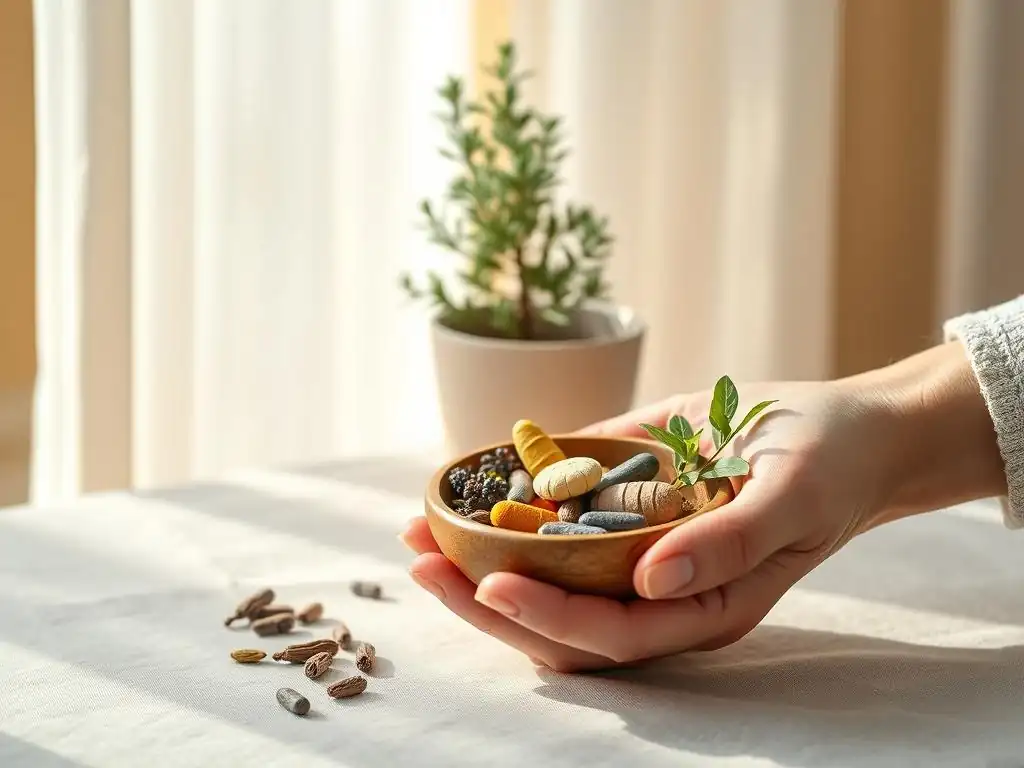
Consulting with a Healthcare Professional: A Crucial First Step
Before starting any new natural supplement for anxiety relief, it is absolutely crucial to consult with a qualified healthcare professional. This includes doctors, psychiatrists, or registered dietitians who are knowledgeable about both conventional treatments and supplements. They can help determine if your symptoms are indeed anxiety or another underlying condition requiring different treatment. They can also assess your overall health, current medications, and potential nutrient deficiencies to recommend appropriate natural supplements for anxiety relief, if any.
Discussing your interest in natural supplements with your doctor ensures that any potential interactions with existing medications are identified and avoided. For example, even seemingly innocuous supplements like magnesium or Omega-3s can interact with certain drugs. A healthcare provider can also guide you on appropriate dosages, potential side effects, and help you monitor your response to the supplement, ensuring safety and maximizing the potential for natural supplements anxiety relief.
Dosage and Timing: Maximizing Effectiveness and Minimizing Side Effects
Once you and your healthcare provider have decided on a natural supplement for anxiety, adhering to the correct dosage and timing is essential for maximizing its effectiveness and minimizing the risk of side effects. The optimal dosage for a particular supplement can vary widely depending on the specific form, concentration, your individual needs, and the severity of your symptoms. Starting with a lower dose and gradually increasing is often recommended to assess tolerance.
Timing of supplementation can also be important. Some supplements, like magnesium or L-theanine, might be taken in the evening to promote relaxation and sleep, while others might be taken with meals to enhance absorption or reduce gastrointestinal upset. Following the specific instructions on the product label or, ideally, the guidance provided by your healthcare professional is key. Consistent daily intake, as opposed to sporadic use, is generally required to see sustained natural supplements anxiety relief from most remedies.
Combining Supplements with Other Anxiety Management Techniques
Natural supplements for anxiety relief are often most effective when used as part of a comprehensive mental wellness plan, rather than in isolation. Lifestyle modifications and therapeutic techniques are foundational components of anxiety management. Combining supplements with practices like regular exercise, mindfulness meditation, yoga, adequate sleep hygiene, and a balanced diet can create a synergistic effect, enhancing overall natural supplements anxiety relief.
Therapy, particularly Cognitive Behavioral Therapy (CBT) or exposure therapy, is highly effective for treating anxiety disorders and can work in parallel with supplement use. Supplements can potentially help manage some symptoms, making it easier to engage with and benefit from therapeutic interventions. Viewing natural supplements as supportive tools that complement established anxiety management strategies is a realistic and effective approach to achieving better mental health outcomes.
Example: Combining L-Theanine with Mindfulness Meditation for Enhanced Relaxation
Consider the combination of L-Theanine supplementation and mindfulness meditation. L-Theanine is known to promote a state of relaxed alertness and increase alpha brain wave activity, which is also associated with meditative states. Taking L-Theanine, say 100-200 mg, approximately 30-60 minutes before a mindfulness meditation session could potentially make it easier to settle the mind, reduce distracting thoughts, and deepen the sense of calm achieved during the practice.
This combination illustrates how a natural supplement for anxiety can support the effectiveness of a behavioral technique. The L-Theanine might help reduce the initial restlessness and racing thoughts that can make meditation challenging for anxious individuals, allowing them to more readily enter a state of focused relaxation. This synergistic approach demonstrates how different elements of a wellness plan can work together for enhanced natural supplements anxiety relief.
Conclusion: Informed Choices for Natural Anxiety Relief
Making Evidence-Based Decisions for Your Mental Health
Navigating the world of natural supplements for anxiety relief requires a commitment to making informed, evidence-based decisions. While the appeal of natural remedies is understandable, it is essential to approach them with a critical mind, relying on scientific research and reputable sources rather than testimonials or marketing claims alone. Understanding the potential benefits, limitations, and risks associated with specific supplements like magnesium, L-theanine, Ashwagandha, Omega-3s, and probiotics is crucial.
Prioritize supplements for which there is a reasonable body of scientific evidence supporting their use for anxiety or stress reduction. Look for products that use standardized extracts (for herbs) or bioavailable forms (for minerals and vitamins) and are tested for purity and potency by third parties. Empowering yourself with accurate information allows you to have productive conversations with your healthcare provider and make choices about natural supplements anxiety relief that are both safe and potentially effective for your individual needs.
Remember: Natural Supplements are Not a Replacement for Professional Treatment
It bears repeating that while natural supplements can be valuable supportive tools for managing anxiety and promoting overall mental wellness, they are generally not a substitute for professional diagnosis and treatment, especially for moderate to severe anxiety disorders. Conditions like Generalized Anxiety Disorder, Panic Disorder, or Social Anxiety Disorder often require comprehensive treatment plans that may include psychotherapy (like CBT), lifestyle changes, and sometimes prescription medication.
Natural supplements for anxiety relief can play a complementary role, potentially helping to reduce certain symptoms or support overall resilience to stress. However, discontinuing prescribed medications in favor of supplements without consulting your doctor can be dangerous. Always view natural supplements as part of a broader strategy developed in partnership with healthcare professionals, ensuring that all aspects of your mental health are addressed appropriately. Your journey towards natural supplements anxiety relief should be guided by safety, evidence, and professional expertise.
Frequently Asked Questions
### Are natural supplements a guaranteed cure for anxiety?
No, natural supplements are not a guaranteed cure for anxiety. They can be a helpful tool in managing symptoms, but should not replace professional medical advice or treatment.
### What are some of the most researched natural supplements for anxiety relief?
Some of the most researched natural supplements include lavender, L-theanine, and magnesium. Their effectiveness can vary depending on the individual and the severity of their anxiety.
### How do natural supplements work to alleviate anxiety symptoms?
Many supplements affect neurotransmitters in the brain, such as serotonin and GABA, which play a role in regulating mood and reducing anxiety. Others might have anti-inflammatory effects, contributing to overall well-being.
### What are the potential risks associated with taking natural supplements for anxiety?
Potential risks can include interactions with medications, side effects like nausea or digestive issues, and the possibility of counterfeit or contaminated products. Always consult with a healthcare provider.
### Where can I find reliable information about natural supplements for anxiety relief?
Look for information from reputable sources like the National Institutes of Health (NIH), peer-reviewed scientific journals, and healthcare professionals. Avoid websites making unrealistic or unsubstantiated claims.
Final Reflection: Finding Calm in a Chaotic World: Natural Supplements and Anxiety
The search for effective anxiety relief is more urgent than ever, and the sheer volume of information available—often conflicting and confusing—can feel overwhelming. This exploration into the world of natural supplements for anxiety highlights the critical need for evidence-based decision-making in a market saturated with promises. We must move beyond simple claims and delve into the rigorous scientific data to truly understand what works and, equally important, what doesn't.
The impact of anxiety on our modern lives is undeniable, affecting millions and shaping our cultural landscape in profound ways. The constant pressure to perform, the relentless pace of technology, and the pervasive uncertainty of the world contribute to a widespread sense of unease. Anxiety is the dizziness of freedom.
– Søren Kierkegaard. This quote speaks to the inherent tension between our desire for autonomy and the anxieties that can accompany it. Understanding this connection is crucial to developing holistic approaches to managing anxiety, recognizing that supplements are just one piece of a larger puzzle involving lifestyle, mental health support, and self-care.
Now, consider your own journey with anxiety. What strategies have you found helpful? What information presented in this article resonates with your personal experiences? I urge you to approach the world of natural supplements with informed skepticism, prioritizing your well-being and seeking guidance from qualified healthcare professionals. Remember, the path to calm is a personal one, and finding what works best for you requires careful consideration, research, and a commitment to self-understanding. Let this exploration be a starting point for a more mindful and balanced approach to managing your anxiety.
Unlock Your Calm: Next Steps to Anxiety Relief
Thanks for taking the time to explore the world of natural anxiety relief with us! We hope you gained valuable insights into the potential benefits and considerations surrounding natural supplements. Now, let's take the next step toward finding what works best for you.
- Prioritize one supplement: Based on the article's information, choose one supplement that aligns with your needs and research its safety and efficacy further with your doctor. This focused approach is key to effective self-care.
- Share your thoughts: Have you had personal experiences with natural anxiety supplements? Let's build a supportive community—share your insights and questions in the comments below!
- Explore additional resources: Check out our other articles on MindCareGuide.org for a holistic approach to managing anxiety, including lifestyle adjustments and stress-reduction techniques.
What small, positive step will you take today to prioritize your mental well-being?