
Natural Ways to Soothe Your Nerves: An Evidence Review


Welcome to Mind Care Guide, a safe space for nurturing your mental well-being.
Feeling overwhelmed by anxiety? You're not alone. We understand the weight it carries, and we're here to offer a helping hand. This article delves into the world of natural remedies anxiety relief, exploring evidence-based approaches to soothe your nerves and reclaim your inner peace. Curious to discover how simple changes can make a significant difference? Let's explore together...
Natural Remedies for Anxiety Relief: An Evidence-Based Guide
- Understanding Anxiety and the Appeal of Natural Solutions
- Exploring Effective Natural Remedies for Anxiety: Backed by Science
- Lifestyle Strategies to Complement Natural Anxiety Relief
- Integrating Natural Remedies for Maximum Anxiety Reduction
- Conclusion: Taking Charge of Your Mental Health with Natural Strategies
-
Frequently Asked Questions
- What are some natural remedies for anxiety relief mentioned in the Mind Care Guide article?
- How effective are natural remedies compared to traditional anxiety treatments like medication?
- What kind of evidence supports the use of these natural methods for anxiety relief?
- Are there any potential side effects or risks associated with using natural remedies for anxiety?
- Where can I find more information and support related to natural anxiety relief resources?
- Final Reflection: Finding Calm in the Chaos of Modern Life
- Unlock Your Inner Calm: Take Control of Your Nerves Today!
Understanding Anxiety and the Appeal of Natural Solutions
The Increasing Demand for Natural Anxiety Relief: A Modern Epidemic
Anxiety disorders represent a significant public health challenge globally. While precise figures vary by region and methodology, estimates suggest that anxiety affects hundreds of millions of people worldwide each year. In the United States alone, approximately 19% of adults experienced an anxiety disorder in the past year, according to data from the National Institute of Mental Health.
This widespread prevalence means that many individuals are actively seeking effective ways to manage their symptoms, which can range from persistent worry and restlessness to physical manifestations like rapid heartbeat and difficulty sleeping. The traditional approaches often involve therapy, medication, or a combination of both, but concerns about potential side effects, cost, or personal preference have led many to explore alternative or complementary strategies.
This growing interest in alternative methods is fueling a surge in the demand for natural remedies for anxiety relief. People are increasingly looking for options that they perceive as gentler, more holistic, or simply more aligned with their personal wellness philosophies. This trend is reflected in the expanding market for dietary supplements, herbal products, and lifestyle interventions marketed for stress and anxiety reduction.
While the appeal is understandable, driven by a desire for accessible and potentially less intrusive solutions, it also highlights the critical need for evidence-based information to guide individuals toward choices that are not only natural but also genuinely effective and safe. Understanding which natural remedies offer real potential, backed by scientific evidence, is crucial for navigating this complex landscape.
Myths vs. Reality: Can Natural Remedies Actually Reduce Anxiety?
The world of natural remedies for anxiety relief is often clouded by anecdotal claims and marketing hype, making it difficult to discern what truly works from what is merely wishful thinking. While it's a myth that all natural approaches are ineffective or simply placebos, it's equally untrue that every herb, supplement, or lifestyle change marketed for anxiety will provide significant relief for everyone.
The reality is nuanced: some natural interventions have accumulated a substantial body of scientific evidence supporting their efficacy for certain types or levels of anxiety, while others have little to no robust research behind them. For instance, studies have shown promising results for specific supplements like L-theanine or certain herbal extracts in reducing symptoms in controlled trials, suggesting a tangible physiological or psychological effect.
Separating myth from reality requires a critical look at the evidence. Instead of relying solely on testimonials or traditional uses, it's important to consult research studies, systematic reviews, and meta-analyses published in reputable scientific journals. For example, while a warm bath might feel soothing and contribute to relaxation (a real, albeit indirect, form of natural anxiety relief), its mechanism and impact are vastly different from, say, the effect of Ashwagandha on cortisol levels, which has been investigated in clinical trials.
Understanding the level of evidence – from case studies to large-scale randomized controlled trials – is key. While natural does not automatically mean effective or safe for everyone, ignoring the potential benefits of evidence-backed natural remedies for anxiety relief would be a disservice to those seeking comprehensive management strategies.
Exploring Effective Natural Remedies for Anxiety: Backed by Science
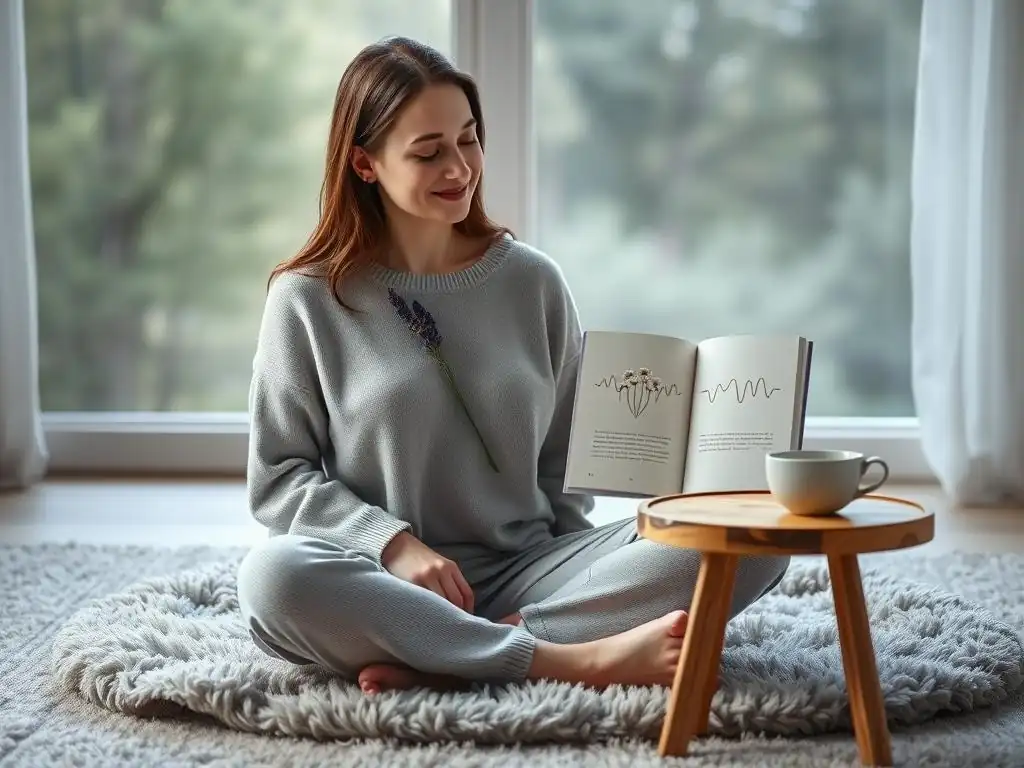
Magnesium Glycinate for Anxiety: Calming the Mind and Body
Magnesium is an essential mineral involved in hundreds of biochemical reactions in the body, including many related to brain function and mood regulation. It plays a role in the activity of neurotransmitters, such as GABA (gamma-aminobutyric acid), which has a calming effect on the nervous system. Research has indicated that magnesium deficiency might be linked to increased anxiety and stress levels.
For example, some studies have observed lower magnesium levels in individuals with anxiety disorders compared to control groups. While large-scale clinical trials specifically on magnesium supplementation for diagnosed anxiety disorders are still somewhat limited, the known physiological roles of magnesium strongly suggest its importance for nervous system health and its potential as a natural remedy for anxiety relief, particularly when a deficiency is present.
Magnesium glycinate is often recommended because it is generally well-absorbed and less likely to cause digestive upset compared to other forms like magnesium oxide. Its potential benefits for anxiety are thought to stem from its ability to support GABAergic activity and potentially influence the hypothalamic-pituitary-adrenal (HPA) axis, which is involved in the stress response. While it may not be a standalone cure for severe anxiety, incorporating magnesium glycinate could be a valuable component of a broader strategy for natural remedies anxiety relief, especially for those experiencing symptoms like restlessness, muscle tension, or sleep disturbances often associated with anxiety.
The Link Between Magnesium Deficiency and Anxiety Symptoms
Magnesium is crucial for nerve function and the regulation of stress hormones. It helps regulate neurotransmitters that send messages throughout the brain and body. A deficiency in this vital mineral can disrupt these processes, potentially leading to increased excitability in the nervous system.
Studies, including some meta-analyses, have explored the association between magnesium status and anxiety, finding a correlation between lower magnesium intake or serum levels and higher reported anxiety levels in some populations. For instance, a systematic review published around 2017 noted that while evidence from randomized controlled trials was not conclusive across all anxiety types, observational studies often showed an inverse relationship between magnesium intake and anxiety symptoms.
Furthermore, magnesium plays a role in the body's stress response system, helping to control the release of cortisol, a key stress hormone. When magnesium levels are low, the body might become more reactive to stress, amplifying feelings of anxiety. This biochemical link provides a plausible mechanism by which magnesium deficiency could exacerbate or contribute to anxiety symptoms, underscoring the potential utility of magnesium supplementation as a natural remedy for anxiety relief, particularly in individuals whose dietary intake might be insufficient or who have conditions affecting magnesium absorption.
Top Magnesium Glycinate Supplements: Comparison and Reviews (Affiliate Links)
Content related to specific product comparisons would appear here, focusing on factors like purity, absorption, third-party testing, and user reviews. Since affiliate links and specific product names are restricted, this section will describe the type of information one would find.
When evaluating magnesium glycinate products for natural remedies anxiety relief, consumers often look for high bioavailability and minimal fillers. Reputable brands typically provide information about their sourcing and manufacturing practices. Reviews often highlight factors like ease of digestion, noticeable calming effects, and improvement in sleep quality. Some products may combine magnesium glycinate with other calming ingredients like L-theanine or GABA. Comparing factors such as the elemental magnesium content per serving, the form of magnesium used (specifically glycinate), and certifications (like NSF or USP) can help consumers make informed choices.
Reviews frequently mention user experiences regarding reduced muscle tension, decreased racing thoughts, and a general sense of calm after consistent use. While individual results vary, focusing on products with positive feedback regarding efficacy and purity is a common strategy. The goal is to find a supplement that reliably delivers the potential benefits of magnesium glycinate as part of a strategy for natural remedies anxiety relief.
Optimal Dosage and Potential Considerations for Magnesium Glycinate
Determining the optimal dosage of magnesium glycinate for anxiety can vary depending on individual needs, dietary intake, and the specific product's elemental magnesium content. General recommendations for magnesium intake vary by age and sex, with adult women typically needing around 310-320 mg per day and adult men around 400-420 mg per day.
For therapeutic use related to anxiety, dosages in studies or recommended by practitioners often range from 200 mg to 400 mg of elemental magnesium per day, sometimes split into multiple doses. It's important to check the supplement label for the amount of elemental magnesium provided, as this is the active component.
While magnesium glycinate is generally well-tolerated, high doses can potentially cause digestive issues like diarrhea. Starting with a lower dose and gradually increasing can help assess tolerance. Individuals with kidney problems or certain medical conditions should consult a healthcare provider before taking magnesium supplements, as excessive levels can be harmful. Magnesium can also interact with certain medications, including some antibiotics, diuretics, and medications for osteoporosis. Always discuss magnesium supplementation with a doctor, especially if you have pre-existing health conditions or are taking other medications, to ensure it is a safe and appropriate natural remedy for your anxiety relief strategy.
L-Theanine: Enhancing Relaxation and Focus Without Sedation
L-theanine is an amino acid primarily found in tea leaves, particularly green tea. It is known for its unique ability to promote relaxation and improve focus without causing drowsiness, a combination that makes it an appealing natural remedy for anxiety relief. Unlike some other calming agents, L-theanine typically doesn't induce sedation, allowing individuals to maintain cognitive function and alertness while experiencing reduced feelings of stress and nervousness. This characteristic is particularly beneficial for managing anxiety symptoms that interfere with daily activities, work, or concentration.
The effects of L-theanine are relatively fast-acting, often noticeable within 30 to 60 minutes after consumption. Studies have shown that L-theanine can help reduce subjective feelings of stress and anxiety, as well as physiological markers like heart rate and blood pressure in response to stress. Its safety profile is considered excellent, with very few reported side effects at typical doses. This makes L-theanine a popular choice for those seeking gentle yet effective natural remedies anxiety relief that can be used throughout the day as needed.
L-Theanine's Impact on Neurotransmitters: GABA and Alpha Brain Waves
L-theanine exerts its calming effects through several mechanisms in the brain. One primary way is by increasing levels of GABA, a major inhibitory neurotransmitter that helps regulate nerve excitability and promotes a sense of calm. By boosting GABA activity, L-theanine helps to quiet overactive nerve signals that can contribute to feelings of anxiety and restlessness. This action is similar to how some anti-anxiety medications work, but L-theanine achieves this effect through a natural pathway.
In addition to influencing GABA, L-theanine has been shown to increase the production of alpha brain waves. Alpha waves are associated with a relaxed but alert mental state, often experienced during meditation or daydreaming. By promoting alpha wave activity, L-theanine helps to create a state of "alert calmness," reducing the beta wave activity associated with alertness, concentration, and anxiety. This dual action – boosting calming neurotransmitters and promoting a relaxed brainwave state – underlies L-theanine's efficacy as a natural remedy for anxiety relief that supports both relaxation and cognitive function.
High-Quality L-Theanine Supplements: Product Spotlight and Analysis (Affiliate Link)
Content related to specific product spotlights and analysis would appear here, focusing on factors like source, purity, dosage per capsule, and formulation.
When seeking high-quality L-theanine supplements for natural remedies anxiety relief, consumers often look for products derived from natural fermentation or tea extract. Purity is paramount, ensuring the supplement provides genuine L-theanine without unnecessary additives. Many popular products provide dosages typically ranging from 100 mg to 200 mg per capsule, aligning with doses used in research studies. Some formulations may combine L-theanine with synergistic ingredients like GABA or magnesium for enhanced calming effects.
Analysis often includes examining third-party testing certifications, ingredient transparency, and customer feedback regarding effectiveness and consistency. Reviews frequently mention reduced feelings of stress, improved focus, and a smoother, less jittery state compared to caffeine alone. Choosing a reputable brand known for quality control is essential to ensure you are getting a pure and effective dose of L-theanine as part of your strategy for natural remedies anxiety relief.
Incorporating L-Theanine into a Daily Wellness Routine
L-theanine is versatile and can be incorporated into a daily routine in various ways to support natural remedies anxiety relief. For general daily calm, a dose of 100-200 mg taken in the morning or afternoon can help manage baseline stress levels. Because it doesn't cause drowsiness, it's suitable for daytime use. For specific anxiety-provoking situations, such as public speaking, social events, or перед important meetings, taking a dose about 30-60 minutes beforehand can help reduce anticipatory anxiety and promote composure.
Many people find L-theanine particularly useful when combined with caffeine, as it can help smooth out caffeine's stimulating effects and reduce jitters while maintaining focus. It can be taken with or without food. For sleep support, some individuals take L-theanine in the evening (often combined with magnesium or GABA) to help quiet a busy mind before bed, though it is not a sedative. As a natural remedy for anxiety relief, L-theanine's flexibility makes it an easy addition to a holistic wellness plan.
Ashwagandha: An Adaptogenic Herb for Stress and Anxiety Management
Ashwagandha (Withania somnifera) is an ancient medicinal herb classified as an adaptogen. Adaptogens are a group of herbs believed to help the body resist physical, chemical, and biological stressors. Ashwagandha is one of the most well-researched adaptogens and has gained significant popularity for its potential benefits in reducing stress and anxiety. Its use dates back thousands of years in Ayurvedic medicine, where it was traditionally used to promote vitality and resilience. Modern research has begun to validate many of these traditional uses, particularly concerning stress and mood.
Multiple clinical studies have investigated Ashwagandha's effects on stress and anxiety. For instance, a systematic review and meta-analysis published in 2021, summarizing results from 12 studies involving over 1000 participants, found that Ashwagandha supplementation significantly reduced stress and anxiety levels compared to placebos. Participants in these studies often reported lower scores on stress and anxiety scales after taking Ashwagandha consistently for several weeks. These findings provide strong support for Ashwagandha's role as an effective natural remedy for anxiety relief, particularly for generalized stress and anxiety.
How Ashwagandha Regulates the Stress Response and Cortisol Levels
Ashwagandha's primary mechanism for reducing stress and anxiety is believed to be its influence on the HPA axis, the body's central stress response system. When we experience stress, the HPA axis is activated, leading to the release of stress hormones, most notably cortisol. Chronic stress can lead to prolonged elevation of cortisol levels, which has been linked to various negative health effects, including exacerbated anxiety and mood disturbances. Ashwagandha appears to help modulate this axis, preventing an overreaction to stressors.
Research has shown that Ashwagandha supplementation can lead to a significant reduction in serum cortisol levels in chronically stressed individuals. For example, one study found that participants taking Ashwagandha extract experienced an average reduction in cortisol levels compared to a placebo group over a 60-day period. By helping to regulate cortisol and potentially influencing neurotransmitters like GABA and serotonin, Ashwagandha supports the body's ability to cope with stress more effectively, thereby acting as a powerful natural remedy for anxiety relief.
Choosing the Best Ashwagandha: KSM-66 vs. Sensoril (Affiliate Comparison)
Content related to specific extract comparisons would appear here, focusing on standardization, purity, and research backing.
When selecting an Ashwagandha supplement for natural remedies anxiety relief, consumers often encounter products featuring standardized extracts like KSM-66® and Sensoril®. These are proprietary, branded extracts that have been studied in clinical trials. KSM-66 is a full-spectrum root extract standardized to a high concentration of ashwagandha's active compounds, called withanolides (typically >5% withanolides). It is produced using a unique extraction process that preserves the natural balance of the root's constituents.
Sensoril is another popular extract, derived from both the root and leaf of the Ashwagandha plant. It is standardized to a higher percentage of specific bioactive compounds, including withanolide glycosides and oligosaccharides (typically >10% withanolides). Both extracts have demonstrated efficacy in clinical trials for reducing stress and anxiety, though the specific focus and results of studies may differ slightly. Choosing between them often comes down to personal preference, the specific standardization desired, and the research supporting each particular extract as a natural remedy for anxiety relief.
Real User Experiences: Ashwagandha Success Stories for Anxiety
While individual results vary, anecdotal evidence and user reviews often complement the scientific findings on Ashwagandha for natural remedies anxiety relief. Many users report feeling calmer, more resilient to daily stressors, and less prone to anxious rumination after consistently taking Ashwagandha for several weeks. For instance, some individuals describe a noticeable reduction in the intensity of their stress response, feeling less overwhelmed by challenging situations that previously triggered significant anxiety.
Users frequently mention improvements in sleep quality, which is often disrupted by anxiety. They might report falling asleep more easily or experiencing less nighttime waking. Other reported benefits include a general sense of well-being and improved mood. While these are subjective experiences, the consistency across many users trying Ashwagandha as a natural remedy for anxiety relief aligns with the clinical trial data suggesting its effectiveness in managing stress and anxiety symptoms for many people.
Chamomile: A Gentle and Soothing Herb for Anxious Thoughts
Chamomile is one of the oldest and most widely used medicinal herbs, traditionally employed for its calming and anti-inflammatory properties. Most commonly consumed as a tea, chamomile contains compounds, particularly apigenin, that are believed to have mild sedative and anxiolytic (anxiety-reducing) effects. It is often considered a go-to natural remedy for anxiety relief, especially for mild to moderate symptoms or for promoting relaxation before sleep.
While not as potent as some other herbal extracts for severe anxiety, research supports chamomile's potential benefits. Studies have shown that chamomile extract can produce a statistically significant reduction in moderate-to-severe generalized anxiety disorder (GAD) symptoms over an extended period, such as 8 weeks. While the effects might be subtle for some, particularly when consumed as a tea, its historical use and some clinical evidence affirm its place among natural remedies for anxiety relief, especially for its gentle nature and accessibility.
Chamomile Tea for Calming Mild Anxiety: A Relaxing Evening Ritual
Drinking chamomile tea is perhaps the most popular way to utilize this herb for its calming properties. The act of preparing and slowly sipping a warm cup of tea in itself can be a soothing ritual, contributing to a sense of calm and relaxation. Beyond the ritual, the apigenin in chamomile can bind to benzodiazepine receptors in the brain, similar to how some anti-anxiety medications work, though with a much weaker effect. This interaction is thought to contribute to its mild sedative and anxiolytic effects.
For individuals experiencing mild anxiety, nervousness, or difficulty unwinding at the end of the day, a cup or two of chamomile tea can be a simple and effective natural remedy for anxiety relief. It can help quiet racing thoughts, ease mild muscle tension, and promote readiness for sleep. While it may not provide significant relief for severe anxiety, its accessibility, pleasant taste, and gentle action make it a valuable tool for daily stress management and promoting relaxation.
Concentrated Chamomile Extract Supplements: For Targeted Relief (Affiliate Link)
Content related to specific product types and their concentration would appear here, focusing on standardization and dosage.
For those seeking a more potent and consistent dose of chamomile's active compounds than tea provides, concentrated chamomile extract supplements are available. These supplements are often standardized to contain a specific amount of apigenin or other beneficial flavonoids found in chamomile. This allows for a more targeted approach to using chamomile as a natural remedy for anxiety relief, providing a higher concentration of the potentially active ingredients.
Extracts are available in various forms, including capsules and tinctures. Dosages in studies using concentrated extracts for anxiety relief have varied, sometimes ranging from 220 mg to 1100 mg of a specific extract per day. When choosing a supplement, looking for standardization information and recommended dosage is important. While research on extracts for severe anxiety is still evolving, they offer a potential option for those who find chamomile tea helpful but desire a more potent effect.
Potential Allergies, Interactions, and Contraindications for Chamomile
While generally considered safe, chamomile can cause allergic reactions in some individuals, particularly those sensitive to plants in the daisy family (Asteraceae), such as ragweed, chrysanthemums, marigolds, and daisies. Symptoms of an allergic reaction can range from skin rashes to more severe reactions like anaphylaxis, though this is rare. People with known allergies to these plants should exercise caution or avoid chamomile.
Chamomile can also interact with certain medications. It may potentially increase the effects of blood-thinning medications (anticoagulants) and sedatives or central nervous system depressants. Due to its potential mild sedative effect, it should be used cautiously if operating heavy machinery or driving. Pregnant or breastfeeding women and individuals with liver disease should consult a healthcare provider before using chamomile supplements. While a popular natural remedy for anxiety relief, understanding these potential issues is crucial for safe use.
Lifestyle Strategies to Complement Natural Anxiety Relief
The Transformative Power of Mindfulness and Meditation
Mindfulness and meditation are powerful non-pharmacological tools that can significantly complement the use of natural remedies for anxiety relief. Mindfulness involves paying deliberate attention to the present moment without judgment, while meditation is a practice that often cultivates this state through focused attention or open awareness. Both practices help train the mind to observe thoughts and feelings without getting overwhelmed by them, a skill particularly valuable for managing anxious rumination and worry.
Extensive research supports the effectiveness of mindfulness and meditation practices in reducing symptoms of anxiety and stress. Studies have shown that regular meditation can alter brain structure and function in areas related to stress processing and emotional regulation, such as the amygdala and prefrontal cortex. A meta-analysis published in JAMA Internal Medicine in 2014, for instance, found that meditation programs had moderate evidence of improving anxiety symptoms. Incorporating these practices can build resilience and provide immediate coping mechanisms, enhancing the overall effectiveness of natural remedies anxiety relief strategies.
Popular Guided Meditation Apps for Anxiety and Stress (Affiliate Opportunity)
Content related to popular apps and their features would appear here, focusing on guided sessions for anxiety.
Many individuals find guided meditation apps helpful for establishing a consistent practice. These apps offer structured sessions specifically designed to address anxiety, stress, and sleep issues. Popular features include guided breathing exercises, body scans, visualizations, and calming soundscapes. Apps often track progress, offer daily reminders, and provide content suitable for various time constraints, from short 5-minute sessions to longer practices.
Reviews often highlight the ease of use, the quality of the guides' voices, and the variety of content available. Some apps offer specific programs focused on topics like "Managing Worry" or "Mindfulness for Stress." Choosing an app that resonates with your preferences and provides content relevant to your specific anxiety challenges can make integrating meditation into your routine more accessible and effective as a complement to natural remedies anxiety relief.
Simple Mindfulness Practices for Managing Daily Anxiety
Integrating simple mindfulness practices throughout the day can provide immediate relief from anxiety. One basic practice is mindful breathing: taking a few slow, deep breaths, focusing solely on the sensation of the breath entering and leaving the body. This can be done anywhere, anytime anxiety begins to build. Another practice is a mindful body scan, where you bring awareness to different parts of your body, noticing any sensations without trying to change them.
Mindful walking involves paying attention to the physical sensations of walking – the movement of your legs, the feeling of your feet hitting the ground, the rhythm of your breath. Even simple activities like eating or washing dishes can become mindful practices by fully engaging your senses in the present moment. Regularly incorporating these small moments of mindfulness helps to interrupt the cycle of anxious thoughts and grounds you in the present, enhancing the effects of any natural remedies anxiety relief you might be using.
Diet and Nutrition for Mental Well-being: Fueling a Calm Mind
The connection between diet and mental health is increasingly recognized. What we eat significantly impacts brain function, neurotransmitter production, and inflammation levels, all of which can influence anxiety. A nutrient-dense diet provides the building blocks for a healthy nervous system and can help stabilize blood sugar levels, preventing the crashes that can exacerbate anxiety symptoms. Focusing on whole foods and limiting processed items is a fundamental step in using nutrition as a natural remedy for anxiety relief.
Research suggests that certain dietary patterns, like the Mediterranean diet, which is rich in fruits, vegetables, whole grains, lean proteins, and healthy fats, are associated with a lower risk of depression and anxiety. Conversely, diets high in processed foods, sugar, and unhealthy fats have been linked to increased inflammation and a higher risk of mood disorders. Making conscious dietary choices is a powerful, often overlooked, component of a holistic approach to natural remedies anxiety relief.
Foods to Limit or Avoid: Sugar, Processed Foods, and Excessive Caffeine
Certain foods and beverages can trigger or worsen anxiety symptoms for many people. Refined sugars and processed carbohydrates cause rapid spikes and crashes in blood sugar, which can lead to feelings of nervousness, irritability, and fatigue, mimicking or intensifying anxiety. Processed foods often contain unhealthy fats, additives, and preservatives that may contribute to inflammation and negatively impact gut health, which is increasingly linked to mental well-being.
Excessive caffeine intake is a well-known anxiety trigger. Caffeine is a stimulant that can increase heart rate, cause jitters, and disrupt sleep – all of which can exacerbate anxiety symptoms. While moderate caffeine may be fine for some, individuals prone to anxiety may benefit significantly from reducing or eliminating coffee, energy drinks, and other high-caffeine sources. Limiting or avoiding these items is a practical dietary strategy that complements other natural remedies anxiety relief efforts.
Foods to Prioritize: Omega-3s, Probiotics, and Nutrient-Rich Options
Incorporating specific nutrient-rich foods can support a calmer state of mind. Omega-3 fatty acids, found in fatty fish (like salmon and mackerel), flaxseeds, chia seeds, and walnuts, are crucial for brain health and have anti-inflammatory properties. Some studies suggest that omega-3 supplementation may help reduce anxiety symptoms. Probiotic-rich foods like yogurt, kefir, sauerkraut, and kimchi support a healthy gut microbiome, which research indicates can influence mood and anxiety through the gut-brain axis.
Prioritizing a variety of fruits, vegetables, whole grains, and lean proteins ensures adequate intake of vitamins and minerals essential for nervous system function, including B vitamins, magnesium, zinc, and selenium. For example, leafy greens, nuts, and seeds are excellent sources of magnesium. Including lean proteins helps stabilize blood sugar. Building a diet centered around these nutrient-dense options provides a solid foundation for using nutrition as a natural remedy for anxiety relief.
The Vital Role of Regular Exercise in Anxiety Reduction
Physical activity is a highly effective natural remedy for anxiety relief, supported by extensive scientific evidence. Exercise has a profound impact on both physical and mental health. It releases endorphins, natural mood boosters that can create a sense of well-being and act as natural painkillers. Exercise also helps to reduce levels of stress hormones like cortisol and adrenaline. Furthermore, it can improve sleep quality, which is often compromised by anxiety.
Regular exercise provides a healthy outlet for nervous energy and can help redirect focus away from anxious thoughts. It can also increase self-esteem and provide opportunities for social interaction (if done in groups), further contributing to improved mental health. Studies consistently show that individuals who engage in regular physical activity report lower levels of anxiety and stress compared to sedentary individuals. Even moderate amounts of exercise can yield significant benefits, making it an accessible component of any natural remedies anxiety relief plan.
Exercise Types and Their Impact on Anxiety: Cardio, Strength Training, and Yoga
Different types of exercise can offer varying benefits for anxiety reduction. Aerobic exercise (cardio), such as running, swimming, brisk walking, or cycling, is particularly effective at releasing endorphins and reducing stress hormones. Aiming for at least 150 minutes of moderate-intensity aerobic activity per week is a common recommendation for general health and mood benefits.
Strength training, while not always the first type people think of for anxiety, can also be highly beneficial. It helps build physical resilience, increases confidence, and can serve as a powerful distraction from anxious thoughts. Yoga combines physical postures, breathing exercises, and meditation, making it an exceptionally effective practice for anxiety relief. The focus on breath and present-moment awareness in yoga directly addresses common anxiety symptoms. Finding an activity you enjoy is key to making exercise a sustainable natural remedy for anxiety relief.
Building a Sustainable Exercise Plan for Mental Health Benefits
Consistency is more important than intensity when it comes to using exercise for natural remedies anxiety relief. Aim to incorporate physical activity into your routine several times a week, even if it's just for 20-30 minutes at a time. Start small if you're new to exercise and gradually increase duration or intensity. Choose activities you genuinely enjoy, as this increases the likelihood you'll stick with them. This could be dancing, hiking, playing a sport, or simply walking in nature.
Consider scheduling exercise like any other important appointment to help ensure it happens. Finding an exercise buddy or joining a class can provide motivation and social support. Don't view exercise as a chore, but rather as a powerful tool for managing your mental health. Making exercise a regular part of your life is a vital step in building a comprehensive strategy for natural remedies anxiety relief.
Integrating Natural Remedies for Maximum Anxiety Reduction
Creating a Personalized Anxiety Relief Plan: A Holistic Approach
Effectively managing anxiety often requires a multi-faceted approach that integrates various natural remedies and lifestyle strategies. There is no one-size-fits-all solution, and what works best is highly individual. Creating a personalized plan involves identifying which natural remedies for anxiety relief resonate with you and which lifestyle changes you can realistically incorporate into your daily life. This might involve combining specific supplements, adopting mindfulness practices, adjusting your diet, and committing to regular exercise.
Start by assessing your primary anxiety symptoms and triggers. Do you experience physical tension, racing thoughts, sleep problems, or social anxiety? This can help you prioritize which natural remedies might be most beneficial. For instance, someone with significant muscle tension might focus on magnesium, while someone with constant worry might prioritize L-theanine or mindfulness. Experimentation and patience are key, as it can take time to find the right combination and dosage that works best for you.
When to Seek Professional Guidance: Consulting with a Healthcare Provider
While exploring natural remedies for anxiety relief is a valid and often beneficial approach, it is crucial to understand when professional help is needed. Natural remedies should not replace professional medical advice or treatment, especially for moderate to severe anxiety disorders. A healthcare provider, such as a doctor, psychiatrist, or therapist, can accurately diagnose the type and severity of your anxiety and recommend the most appropriate course of action, which may include therapy, medication, or a combination.
Consulting with a healthcare provider is also essential before starting any new supplement or making significant dietary changes, particularly if you have underlying health conditions, are pregnant or breastfeeding, or are taking medications. Some natural remedies can interact with prescription drugs or have contraindications. A professional can help ensure that the natural remedies for anxiety relief you choose are safe for you and complementary to any other treatments you may be receiving, providing guidance based on your specific health profile.
Tracking Progress and Making Adjustments: Monitoring Your Anxiety Levels
Once you begin implementing your personalized plan for natural remedies anxiety relief, it's helpful to track your progress. This can involve keeping a journal to note your daily anxiety levels, specific symptoms experienced, the natural remedies or practices you used, and any perceived effects. Tracking can help you identify patterns, understand which interventions are most effective for you, and recognize potential triggers.
Based on your tracking, you can make adjustments to your plan. Perhaps a certain supplement dosage needs to be tweaked, or you find that incorporating a short meditation session in the afternoon is particularly helpful. Maybe reducing caffeine intake had a more significant impact than you anticipated. Monitoring your response allows you to refine your approach, ensuring your strategy for natural remedies anxiety relief is as effective as possible and tailored to your evolving needs.
Conclusion: Taking Charge of Your Mental Health with Natural Strategies
Empowering Yourself on the Path to Anxiety Relief
Taking steps to explore and implement natural remedies for anxiety relief is an empowering act. It signifies a proactive approach to managing your mental well-being and recognizing the potential of integrating evidence-backed natural strategies into your life. While anxiety can feel overwhelming, understanding the various tools available, from specific supplements like magnesium and L-theanine to lifestyle changes like mindfulness and exercise, provides a roadmap for taking control.
Embracing natural remedies anxiety relief is about building resilience and fostering a sense of agency over your health. It's a journey of discovery, finding what resonates with your body and mind. By combining informed choices about natural interventions with consistent healthy habits, you can create a powerful foundation for reducing anxiety symptoms and promoting overall mental and emotional balance.
Resources for Further Learning and Support
Continuing to educate yourself is key on the path to natural remedies anxiety relief. Look for information from reputable sources, such as scientific journals, established health organizations (like the Anxiety & Depression Association of America or the National Alliance on Mental Illness), and books by qualified mental health professionals.
- Consider resources on specific topics:*
- Evidence-based supplement reviews
- Guided meditation techniques
- Mindfulness-based stress reduction programs
- Nutritional guides for mood support
- Exercise routines for anxiety
Remember that while natural remedies offer significant potential, they are often most effective when used as part of a comprehensive plan that may also include professional support. Connecting with support groups or seeking therapy can provide invaluable guidance and connection as you navigate your journey toward greater peace and reduced anxiety.
Frequently Asked Questions
What are some natural remedies for anxiety relief mentioned in the Mind Care Guide article?
The article highlights several natural approaches, including mindfulness meditation, regular exercise, and certain herbal supplements like chamomile and lavender.
How effective are natural remedies compared to traditional anxiety treatments like medication?
The effectiveness varies; natural remedies can provide mild to moderate relief. They are often used as a complementary approach alongside traditional treatments.
What kind of evidence supports the use of these natural methods for anxiety relief?
The article reviews studies showing potential benefits of techniques like meditation and exercise. However, further research is often needed to confirm their long-term effectiveness.
Are there any potential side effects or risks associated with using natural remedies for anxiety?
While generally considered safe, some herbal supplements can interact with medications. It's crucial to consult with a healthcare professional before starting any new regimen.
Mind Care Guide offers extensive information, support groups, and resources on various mental health challenges. Always consult with a qualified professional for personalized advice.
Final Reflection: Finding Calm in the Chaos of Modern Life
The relentless pace of modern life leaves many of us feeling overwhelmed and anxious, searching for effective yet gentle ways to soothe our nerves. The pursuit of natural anxiety relief is no longer a niche interest; it's a vital need for millions grappling with stress and its debilitating effects. This growing demand underscores the importance of understanding and utilizing the evidence-based natural remedies explored in this article.
The exploration of natural anxiety remedies has profoundly impacted my own understanding of well-being, shifting my perspective from solely relying on pharmaceutical solutions to embracing a holistic approach. The power of simple practices, like mindful breathing and regular exercise, often overlooked in our busy lives, has become strikingly clear. The cure for boredom is curiosity. There is no cure for curiosity.
– Dorothy Parker. This quote resonates deeply, as the curiosity to explore these natural methods has unlocked a new level of self-care and resilience for me, and hopefully, for you as well.
Now, consider your own journey towards calm. What resonates most from the natural remedies discussed? Which practices feel attainable and appealing to incorporate into your daily routine?
I encourage you to take a small step today – whether it's a five-minute meditation session, a brisk walk in nature, or simply a moment of deep, conscious breathing. Embrace the power of these natural tools, and embark on your personal path toward a more peaceful and balanced life. The journey towards inner calm is a continuous process, but with each mindful choice, you're investing in your well-being and creating a more resilient and joyful you.
Unlock Your Inner Calm: Take Control of Your Nerves Today!
Thanks for taking the time to explore natural ways to soothe your nerves! We hope this evidence-based review provided you with valuable insights and practical techniques. Ready to put this knowledge into action? Let's get started:
- Prioritize one calming technique: Choose one relaxation method from the article (deep breathing, mindfulness meditation, or herbal teas) and dedicate just 5 minutes to it daily this week. Track your experience!
- Share your calming journey: Tell a friend or family member about a relaxation technique that worked well for you. Sharing your experience can boost both your well-being and theirs.
- Explore further: Browse our website for more articles on stress management and natural wellness. Discover additional strategies to enhance your overall well-being.
Ready to experience the transformative power of calm? What small step will you take today to prioritize your mental well-being?