
Sorting Fact from Fiction: Evidence on Popular Natural Anxiety Aids


Welcome to Mind Care Guide, a safe space to explore the complexities of mental well-being. Feeling overwhelmed by anxiety and searching for relief? You're not alone. Sorting Fact from Fiction: Evidence on Popular Natural Anxiety Aids delves into the world of natural remedies, separating genuine support from misleading claims. Curious about what evidence-based options might actually work for you? Let's explore the research together and uncover potential pathways to a calmer, more balanced you.
- Sorting Fact from Fiction: Evidence on Popular Natural Anxiety Aids
- Debunking Myths and Presenting Realities: Evidence-Based Natural Anxiety Aids
- Examining the Evidence: Top Natural Anxiety Aids and Their Backing
-
Integrating Natural Anxiety Aids into Your Mental Well-being Plan
- Consulting with a Healthcare Professional: The First and Most Important Step
- Combining Natural Remedies with Lifestyle Changes for Optimal Anxiety Relief
- Tracking Your Progress: Monitoring the Effectiveness of Natural Anxiety Aids
- Evaluating Scientific Evidence: Understanding Research Studies on Natural Anxiety Aids
- The Future of Natural Anxiety Treatments: Emerging Research and Potential Breakthroughs
- Disclaimer: Important Information Regarding Natural Anxiety Aids.
-
Frequently Asked Questions
- What natural anxiety aids does the article consider?
- Does the article present evidence-based information on these aids?
- What kind of evidence is considered when evaluating these natural anxiety aids?
- Are there any natural anxiety aids that are generally considered safe and effective based on current evidence?
- What should I do if I'm considering using a natural anxiety aid for my anxiety?
- Final Reflection: The Evolving Landscape of Natural Anxiety Relief
- Unlock Your Calm: Take Control of Your Anxiety Today
Sorting Fact from Fiction: Evidence on Popular Natural Anxiety Aids
Understanding Anxiety and the Appeal of Natural Remedies
Anxiety is a common mental health challenge affecting millions of people worldwide. It's more than just feeling stressed; it's a persistent state of worry, fear, or nervousness that can interfere with daily activities, relationships, and overall well-being. According to reports, anxiety disorders are among the most prevalent mental health conditions globally, impacting people of all ages and backgrounds.
The symptoms can range from mild unease to severe panic attacks, often accompanied by physical manifestations like rapid heartbeat, sweating, and difficulty concentrating. Navigating these symptoms can be exhausting and lead many to seek effective ways to manage their anxiety and improve their quality of life.
The significant burden of anxiety on individuals and healthcare systems highlights the urgent need for accessible and effective relief strategies. While traditional treatments like therapy and medication are widely recognized, many individuals still struggle to find a solution that fully addresses their needs or preferences. This includes concerns about potential side effects of prescription drugs, the time commitment required for therapy, or simply a desire for alternative approaches. This growing demand for complementary options has fueled interest in natural anxiety aids, prompting questions about their efficacy and safety compared to conventional methods.
Why People Seek Natural Alternatives to Traditional Anxiety Treatments
The increasing interest in natural remedies for anxiety stems from various factors. One primary driver is the concern over potential side effects associated with some prescription anxiety medications, such as drowsiness, dependency, or withdrawal symptoms. Many individuals are looking for options that they perceive as gentler or less likely to cause adverse reactions.
There is also a philosophical preference for more "natural" approaches to health and wellness, viewing these remedies as aligning better with their personal beliefs about healing and the body. The desire for greater control over their treatment and the ability to integrate remedies into their lifestyle without a prescription also plays a significant role.
Furthermore, personal anecdotes and positive experiences shared by friends, family, or online communities often encourage individuals to explore natural anxiety aids. The accessibility of many natural supplements and practices, sometimes without the need for a doctor's visit (though consultation is strongly recommended), also makes them an appealing first step for those seeking relief. This exploration into natural alternatives reflects a broader trend towards holistic health and a proactive approach to managing one's own well-being, leading to a greater openness to investigating evidence-based natural anxiety aids.
Defining "Natural Anxiety Aids": What Are We Talking About?
When we talk about "natural anxiety aids," we are generally referring to a broad category of substances, practices, and products derived from natural sources that are used with the intention of reducing anxiety symptoms. This can include herbal supplements, vitamins, minerals, essential oils used in aromatherapy, and even certain dietary components or practices like mindfulness and yoga (though the focus here is primarily on ingestible aids). These aids are often marketed as gentle, drug-free, or complementary ways to support mental well-being and alleviate feelings of stress and worry.
It's crucial to understand that the term "natural" does not automatically equate to "safe" or "effective." Unlike pharmaceutical drugs, which undergo rigorous testing and regulation by bodies like the FDA in the United States, many natural supplements have less stringent oversight. Their quality, purity, potency, and even claimed benefits can vary widely. Therefore, separating fact from fiction regarding natural anxiety aids requires a careful examination of the available scientific evidence to understand what is truly evidence-based and potentially helpful.
Debunking Myths and Presenting Realities: Evidence-Based Natural Anxiety Aids
Myth #1: All Natural Remedies Are Safe and Effective
It's a common misconception that because something is labeled "natural," it is automatically safe for everyone and guaranteed to be effective for treating anxiety. While many natural substances can be beneficial and have a lower risk profile for some individuals compared to certain pharmaceuticals, this is not a universal truth.
The safety and efficacy of natural remedies depend heavily on the specific substance, its quality, dosage, the individual's health status, and potential interactions with other substances or medications. The lack of comprehensive regulation for many supplements means that product quality can be inconsistent, with potential for contamination or inaccurate labeling regarding active ingredients.
The reality is that the effectiveness of natural remedies for anxiety varies significantly. Some have a growing body of evidence supporting their use for mild to moderate anxiety, while others have limited or conflicting research. Furthermore, "natural" substances can still cause side effects. For instance, high doses of some herbs can lead to digestive issues, allergic reactions, or even more serious health problems. Therefore, approaching natural anxiety aids with a critical, evidence-based perspective is essential, recognizing that they are not a blanket solution and require careful consideration and often professional guidance.
-
Reality: The Importance of Research and Regulation in Natural Supplements
Unlike prescription medications, which must demonstrate safety and efficacy through clinical trials before approval, natural supplements often enter the market with less scientific scrutiny. Regulatory bodies in many countries treat supplements more like food products than drugs, meaning they are not typically required to prove their claims before being sold.
This places a greater responsibility on consumers to research the evidence behind specific natural anxiety aids and choose products from reputable manufacturers who adhere to quality standards, such as Good Manufacturing Practices (GMP). Relying solely on anecdotal evidence or marketing claims without looking for scientific backing can be misleading and potentially harmful.
Furthermore, the scientific understanding of how many natural remedies work is still evolving. While traditional uses may suggest benefits, modern research is needed to confirm these effects, determine optimal dosages, identify potential risks, and understand mechanisms of action. An evidence-based approach involves looking at studies published in peer-reviewed journals, considering the quality and size of the research, and understanding that even promising findings in preliminary studies need to be confirmed by larger, more robust trials. This diligent process helps distinguish genuinely effective natural anxiety aids from those lacking scientific support.
-
Example: Concerns Regarding Pyrrolizidine Alkaloids in Some Herbal Remedies
An important example highlighting the potential dangers of unregulated natural products is the presence of Pyrrolizidine Alkaloids (PAs) in certain herbs. PAs are naturally occurring toxins found in plants like comfrey, borage, and coltsfoot. While these herbs have been traditionally used for various ailments, including sometimes for calming effects (though not primary anxiety aids), ingesting products containing PAs can lead to serious liver damage, including liver failure, particularly with chronic use. Regulatory bodies in various countries have issued warnings or restricted the use of herbs known to contain significant levels of PAs when taken internally.
This illustrates that "natural" does not mean "harmless." Even plants with long histories of traditional use can contain compounds that pose health risks. This concern underscores the necessity of purchasing natural anxiety aids from trusted sources and consulting with a healthcare professional or a qualified herbalist who understands potential risks and interactions. It reinforces the need for an evidence-based approach, considering not just potential benefits but also documented safety concerns and regulatory warnings.
Myth #2: Natural Remedies Work Instantly for Anxiety
Another common myth is that natural remedies provide immediate relief from anxiety, similar to how some fast-acting prescription medications like benzodiazepines might work. While some natural approaches, like deep breathing exercises or aromatherapy with certain essential oils, can offer immediate calming effects, most ingestible natural anxiety aids require time to build up in the system and exert their effects. Expecting instant results from supplements like L-theanine or magnesium is often unrealistic and can lead to disappointment or prematurely discontinuing a potentially helpful treatment.
The reality is that the mechanisms by which many natural anxiety aids work are often subtle and cumulative. They may influence neurotransmitter levels, reduce inflammation, support nervous system function, or modulate the gut-brain axis over time. This gradual influence means that consistent use over several weeks or even months might be necessary before noticeable improvements in anxiety symptoms occur. Patience and consistency are key when incorporating many natural remedies into a mental well-being plan, understanding that they are often aimed at supporting the body's natural processes rather than providing rapid symptom suppression.
-
Reality: Gradual Effects and the Importance of Consistency
Most evidence-based natural anxiety aids, such as certain herbal extracts or nutritional supplements, work by supporting the body's physiological processes that influence mood and stress response. This support typically takes time to manifest as a noticeable reduction in anxiety symptoms. For instance, studies on L-theanine often show optimal effects after consistent daily use for a few weeks.
Similarly, addressing a magnesium deficiency that contributes to anxiety symptoms requires regular supplementation to restore adequate levels in the body. The body needs time to absorb, metabolize, and utilize these compounds to achieve their intended effects on neurotransmitters, hormone balance, or nervous system function.
Consistency in taking natural anxiety aids as recommended is therefore paramount. Skipping doses or using them sporadically is unlikely to yield the desired results. Just as with building healthy habits like exercise or a balanced diet, the benefits of many natural remedies accumulate over time. Tracking symptoms over several weeks while consistently using a natural aid can provide a clearer picture of its effectiveness than judging it based on a few doses. This understanding helps set realistic expectations and encourages a sustained approach to using natural anxiety aids evidence-based strategies.
-
Example: Comparing the Effects of Benzodiazepines vs. the Long-Term Benefits of Regular Exercise
To illustrate the difference between rapid-onset pharmaceuticals and gradual natural approaches, consider the contrast between benzodiazepines and regular exercise. Benzodiazepines, like alprazolam or lorazepam, are often prescribed for acute anxiety or panic attacks because they act quickly on GABA receptors in the brain, producing a sedative and calming effect within minutes to an hour. While effective in the short term, their rapid action and potential for dependency highlight the need for careful use.
In contrast, regular physical exercise is a widely recognized natural anxiety aid with robust evidence. However, its anxiety-reducing effects are typically not immediate. While a single workout might offer some temporary stress relief, significant and lasting reductions in anxiety symptoms, improvements in mood, and enhanced resilience to stress are usually observed after several weeks of consistent aerobic exercise, strength training, or other physical activities performed several times a week.
Exercise works through various mechanisms, including releasing endorphins, reducing stress hormones like cortisol, improving sleep, and enhancing self-efficacy, but these benefits accrue over time with consistent effort. This comparison underscores that many effective natural anxiety aids operate on a different timeline than acute pharmaceutical interventions.
Myth #3: Natural Remedies Don't Interact with Other Medications
A dangerous myth is that because natural remedies are "natural," they are inherently safe and will not interact negatively with prescription medications, over-the-counter drugs, or even other supplements or foods. This is absolutely false. Many natural substances contain potent bioactive compounds that can influence the body's metabolism, blood clotting, blood pressure, and the effectiveness or side effect profile of other substances taken concurrently. Ignoring potential interactions can lead to reduced efficacy of necessary medications, increased risk of adverse reactions, or even serious health complications.
The reality is that significant and potentially dangerous interactions can occur between natural anxiety aids and various medications. For example, some herbs can affect liver enzymes responsible for breaking down drugs, leading to higher or lower drug levels in the bloodstream. Others might have additive effects with medications that target the same physiological system, such as blood thinners or medications for blood pressure or depression. Always disclosing all supplements, herbs, and natural products to a healthcare professional is not just a recommendation but a critical safety measure before starting any new natural anxiety aid, especially when taking prescription medications.
-
Reality: Potential Interactions and the Necessity of Consulting a Doctor
Understanding the potential for interactions is vital when considering natural anxiety aids. Many natural compounds can affect the pharmacokinetic properties of drugs (how the body absorbs, distributes, metabolizes, and excretes them) or their pharmacodynamic properties (how they affect the body). For example, some natural supplements can inhibit or induce cytochrome P450 enzymes in the liver, which are crucial for metabolizing many prescription drugs. If a supplement inhibits these enzymes, it can cause drug levels to build up to toxic levels. If it induces them, it can cause drugs to be cleared too quickly, rendering them ineffective.
Furthermore, some natural remedies have properties that overlap with common medications. For instance, certain herbs might have mild sedative effects, and combining them with prescription sedatives or antidepressants could lead to excessive drowsiness or other central nervous system effects. Others might affect blood clotting, posing a risk when combined with anticoagulant or antiplatelet medications. Given the complexity of these interactions, it is imperative to have an open conversation with a doctor or pharmacist about any natural anxiety aids you are considering, allowing them to assess potential risks based on your current health status and medication list.
-
Example: Interactions Between Grapefruit Juice and Certain Medications
A well-known example of a natural substance interacting with medications is grapefruit juice. While not a direct anxiety aid, grapefruit juice contains compounds (specifically furanocoumarins) that can inhibit the activity of a specific liver enzyme, CYP3A4, which is involved in metabolizing a wide range of drugs. When this enzyme is inhibited, the metabolism of certain medications slows down, leading to higher drug concentrations in the bloodstream than intended. This can increase the risk of dose-dependent side effects.
Medications affected by grapefruit juice include some statins (cholesterol-lowering drugs), certain blood pressure medications, and even some anti-anxiety medications like buspirone. Consuming grapefruit juice while on these medications can lead to potentially dangerous side effects. This example starkly illustrates that substances found naturally in foods or plants can have significant pharmacological effects and interact with conventional treatments. It reinforces the message that "natural" does not mean "inert" and highlights the critical need for professional guidance when combining any natural anxiety aids with existing medical treatments.
Examining the Evidence: Top Natural Anxiety Aids and Their Backing
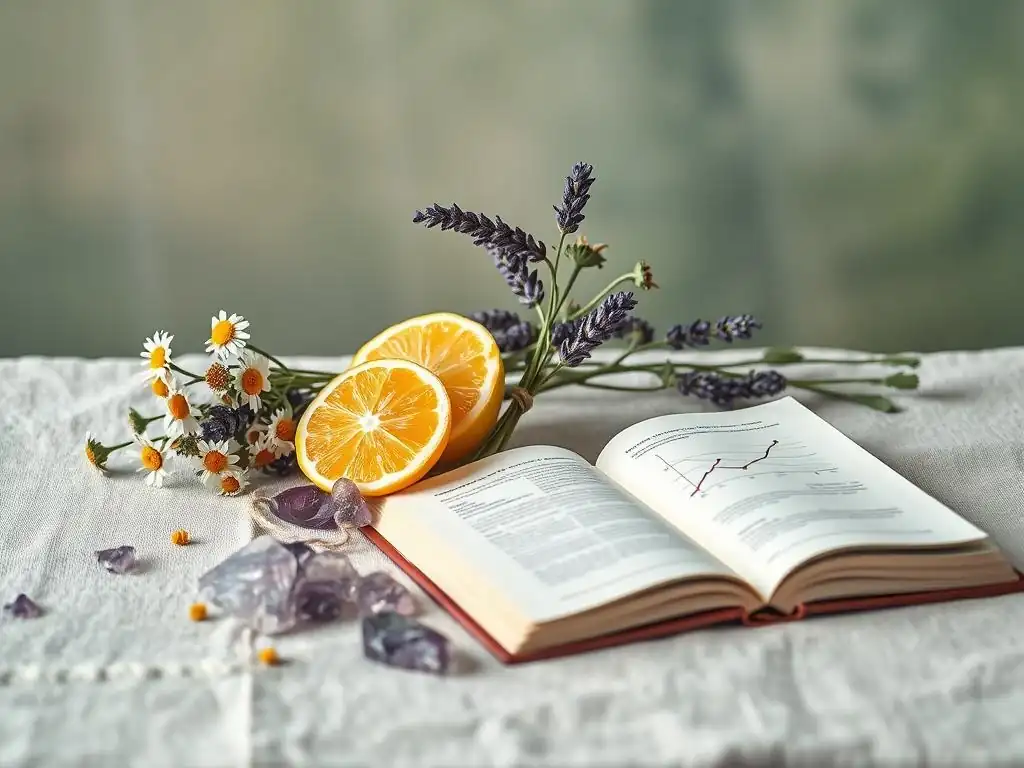
Lavender: Exploring the Calming Effects of Aromatherapy and Supplements
Lavender ( Lavandula angustifolia) is perhaps one of the most widely recognized natural substances associated with relaxation and calming effects. Its use for soothing the nerves dates back centuries, employed in traditional medicine and aromatherapy. Today, lavender is used in various forms, including essential oil for inhalation or topical application and encapsulated oil for oral ingestion. The appeal of lavender lies in its pleasant aroma and the perception of it being a gentle way to ease stress and promote tranquility, leading many to explore it as a natural anxiety aid.
Modern research has begun to investigate the mechanisms behind lavender's purported effects on anxiety. Studies suggest that inhaling lavender essential oil may influence the limbic system, the part of the brain involved in emotions, potentially by affecting neurotransmitters like GABA. Orally ingested lavender oil, available in specialized capsules, contains compounds like linalool and linalyl acetate, which are thought to have anxiolytic (anxiety-reducing) properties by interacting with calcium channels and potentially other pathways in the nervous system. The evidence for lavender as a natural anxiety aid is growing, particularly for certain forms and applications.
-
Evidence-Based Benefits of Lavender for Anxiety
Several studies have explored the efficacy of lavender for anxiety, with promising results, particularly for a specific oral preparation of lavender oil (often referred to as Silexan® in clinical trials). Clinical trials have shown that this specific encapsulated lavender oil can be effective in reducing symptoms in individuals with generalized anxiety disorder (GAD), with effects comparable to low-dose prescription medications in some cases. Participants in these studies reported significant reductions in anxiety scores after several weeks of treatment. The benefits appear to be sustained with continued use, and this form of lavender is generally well-tolerated.
Aromatherapy using lavender essential oil also has evidence supporting its use for reducing anxiety, although the effects are often less pronounced or shorter-lived compared to oral preparations in clinical trials for diagnosed anxiety disorders. Studies have shown that inhaling lavender can reduce stress and anxiety in specific situations, such as before medical procedures or during periods of heightened stress.
While the evidence for aromatherapy for chronic, clinical anxiety is not as strong as for the oral form, it can still be a helpful complementary practice for promoting relaxation and managing situational stress as part of a broader approach to using natural anxiety aids evidencebased.
-
Recommended Lavender Products: Lavender Essential Oil vs. Lavender Capsules - A Comparison
When considering lavender as a natural anxiety aid, the choice between essential oil and oral capsules depends on the desired effect and the specific condition. Lavender essential oil is primarily used for aromatherapy (inhalation) or diluted for topical application. It is not safe for internal consumption unless it is a specifically formulated and labeled food-grade product, which is rare and not the form used in most anxiety studies.
Aromatherapy is best suited for promoting general relaxation, reducing situational stress, or improving sleep quality. A few drops in a diffuser or on a tissue can be helpful for creating a calming environment.
Lavender capsules containing specifically formulated oral lavender oil (like Silexan®) are the form that has demonstrated efficacy in clinical trials for generalized anxiety disorder. These capsules bypass the digestive system and deliver a consistent dose of the active compounds to be absorbed and act systemically. If you are seeking an evidence-based natural anxiety aid for more persistent or clinical anxiety symptoms, the oral capsule form, supported by research, is the more appropriate choice. Always look for products that match the specifications used in clinical studies and consult with a healthcare provider.
-
Dosage and Safety Considerations for Lavender
For the specific oral lavender oil preparation (Silexan®), clinical trials have typically used a dosage of 80 mg per day. This dosage has shown efficacy and a good safety profile in studies lasting several weeks to months. Common side effects reported with oral lavender oil are mild and may include gastrointestinal issues like burping with a lavender taste. It is important to use products that provide this specific dosage and formulation, as other oral lavender products may not have the same composition or evidence base.
For lavender essential oil used in aromatherapy, there are no standardized dosages, but typical use involves diffusing a few drops or inhaling from a bottle or tissue. When applying topically, lavender essential oil should always be diluted with a carrier oil (like jojoba or almond oil) to avoid skin irritation; a common dilution is 1-2% essential oil (6-12 drops per ounce of carrier oil). Oral ingestion of standard essential oil is generally not recommended due to potential toxicity.
Lavender is generally considered safe for most people when used appropriately, but individuals with allergies to lavender or other plants in the Lamiaceae family should exercise caution. As with any natural anxiety aid, discussing lavender use with a healthcare professional is advisable, especially if you are pregnant, breastfeeding, or taking other medications.
L-Theanine: Promoting Relaxation Without Drowsiness
L-theanine is an amino acid naturally found in tea leaves, particularly green tea. It has gained popularity as a natural anxiety aid due to its purported ability to promote relaxation and improve focus without causing drowsiness, a common side effect of some traditional anxiety medications and natural sedatives. L-theanine is often consumed through drinking tea, but it is also widely available as a dietary supplement in capsule or powder form, allowing for higher and more consistent dosages than typically obtained from tea alone.
The mechanism by which L-theanine is believed to reduce anxiety involves its effects on brain chemistry. Research suggests that L-theanine can increase the levels of certain neurotransmitters, including GABA (gamma-aminobutyric acid), serotonin, and dopamine. GABA is an inhibitory neurotransmitter that helps regulate nerve excitability, and increasing its levels can promote a sense of calm. L-theanine may also influence alpha brain waves, which are associated with a relaxed but alert mental state. These potential effects make L-theanine a promising candidate among evidence-based natural anxiety aids.
-
How L-Theanine Works to Reduce Anxiety
Upon ingestion, L-theanine is absorbed in the small intestine and can cross the blood-brain barrier, allowing it to exert its effects directly on the central nervous system. Its primary mechanism of action is thought to involve increasing the production and activity of GABA, the brain's major inhibitory neurotransmitter. By boosting GABA levels, L-theanine can help to counterbalance the excitatory effects of glutamate, another neurotransmitter, thereby reducing overall neural activity and promoting a state of calm.
In addition to its effects on GABA, L-theanine may also influence other brain chemicals. Some research suggests it can increase levels of dopamine and serotonin, neurotransmitters involved in mood regulation, pleasure, and motivation. Furthermore, studies using electroencephalography (EEG) have shown that L-theanine supplementation can increase alpha wave activity in the brain. Alpha waves are typically present during states of relaxed wakefulness, meditation, or focused attention. This increase in alpha waves may contribute to the feeling of calm alertness reported by users, distinguishing it from sedatives that primarily increase slower, theta waves.
-
L-Theanine and Green Tea: Synergistic Effects
Green tea is a natural source of L-theanine, and its calming properties have been recognized for centuries. While a typical cup of green tea contains a relatively modest amount of L-theanine (around 10-50 mg), the combination of L-theanine and the low dose of caffeine present in green tea may offer synergistic effects.
The caffeine can provide a mild stimulating effect, while the L-theanine can counteract the potential jitters or anxiety sometimes associated with caffeine consumption, leading to a state of calm focus. This combination is often cited as the reason why green tea can promote alertness without the nervous energy sometimes experienced after drinking coffee.
Studies have investigated the combined effects of L-theanine and caffeine, finding that the pair can improve cognitive performance, attention, and mood while reducing the subjective feelings of stress and anxiety induced by caffeine. While drinking green tea is a pleasant way to consume L-theanine, achieving the higher doses used in clinical trials for anxiety reduction typically requires supplementation. However, the traditional practice of drinking green tea for relaxation aligns with the understanding of L-theanine as a natural anxiety aid.
-
Combining L-Theanine with Caffeine for Enhanced Focus and Reduced Jitters
The combination of L-theanine and caffeine is a popular "nootropic" stack, used to enhance cognitive function, particularly focus and alertness, while mitigating the negative side effects of caffeine, such as anxiety, jitters, and the subsequent crash. Research suggests that L-theanine can smooth out the stimulating effects of caffeine, leading to a more sustained and calm form of alertness. A common ratio used in studies and by individuals is approximately 2:1 L-theanine to caffeine, for example, 200 mg of L-theanine with 100 mg of caffeine.
Studies have shown that this combination can improve reaction time, attention span, and memory performance compared to caffeine alone or placebo. For individuals who find that caffeine exacerbates their anxiety but still need its wakefulness benefits, combining it with L-theanine might be a useful strategy. However, it's important to note that while this combination is used for focus and to counteract caffeine-induced anxiety, the evidence for L-theanine alone as a natural anxiety aid for clinical anxiety is separate and also promising, often using higher doses (e.g., 200-400 mg) independent of caffeine intake.
Magnesium: A Vital Mineral for Nervous System Function
Magnesium is an essential mineral that plays a crucial role in over 300 biochemical reactions in the body, including numerous processes related to nervous system function and stress response. It is involved in nerve transmission, muscle contraction and relaxation, and the synthesis of neurotransmitters. Despite its importance, many individuals do not meet the recommended daily intake of magnesium through diet alone, making magnesium deficiency a relatively common issue. This widespread deficiency has led researchers to investigate the potential link between low magnesium levels and conditions like anxiety and depression.
Magnesium is thought to influence anxiety by regulating the activity of the hypothalamic-pituitary-adrenal (HPA) axis, which is the body's central stress response system. It also acts as a natural calcium channel blocker, which can help regulate neuronal activity and prevent overexcitation. Furthermore, magnesium is involved in the function of GABA receptors, which are targeted by many anti-anxiety medications. Adequate magnesium levels are therefore crucial for maintaining a calm and balanced nervous system, positioning it as a potential natural anxiety aid, particularly for those with insufficient intake or deficiency.
-
Magnesium Deficiency and its Link to Anxiety
Research suggests a significant correlation between magnesium deficiency and increased susceptibility to stress and anxiety. Studies in both animals and humans have indicated that low magnesium levels can lead to increased anxiety-like behaviors and heightened stress reactivity. The exact mechanisms are still being fully elucidated, but it is believed that magnesium deficiency can disrupt the delicate balance of neurotransmitters and hormones involved in mood and stress regulation. When magnesium is deficient, the nervous system may become more excitable, leading to symptoms like restlessness, irritability, and heightened anxiety.
While a direct causal link between magnesium deficiency and diagnosed anxiety disorders is complex and still being researched, many individuals with anxiety are found to have suboptimal magnesium levels. Supplementation with magnesium has shown promise in reducing anxiety symptoms, particularly in individuals with mild to moderate anxiety or those experiencing anxiety related to premenstrual syndrome (PMS) or other conditions associated with potential magnesium depletion. Addressing potential magnesium deficiency is often considered a foundational step when exploring natural anxiety aids.
-
Different Forms of Magnesium: Glycinate vs. Oxide - Which is Best for Anxiety?
Magnesium supplements come in various forms, and their absorption rates and potential side effects can differ significantly. Two common forms are magnesium oxide and magnesium glycinate. Magnesium oxide is a less expensive form, but it has a relatively low absorption rate in the body (estimated around 4%). It is often used for its laxative effect due to the unabsorbed magnesium drawing water into the intestines. While it contains a high percentage of elemental magnesium by weight, its poor bioavailability makes it less effective for raising magnesium levels in the body and addressing deficiencies linked to anxiety.
Magnesium glycinate, on the other hand, is a chelated form where magnesium is bound to glycine, an amino acid. This binding improves its absorption rate and makes it less likely to cause digestive upset compared to magnesium oxide or citrate. Glycine itself is an inhibitory neurotransmitter, which may offer additional calming benefits.
For the purpose of supplementing to improve magnesium status and potentially alleviate anxiety, magnesium glycinate is generally considered a superior form due to its higher bioavailability and better tolerance. Other forms like magnesium citrate and magnesium taurate also have good absorption and may be suitable, but magnesium glycinate is often preferred for its calming properties and minimal gastrointestinal side effects, making it a popular choice among evidence-based natural anxiety aids.
-
The Role of Magnesium in Muscle Relaxation
Beyond its effects on the nervous system, magnesium plays a vital role in muscle function, specifically in muscle relaxation. Calcium is required for muscle contraction, while magnesium is needed for the muscle fibers to relax. An imbalance between calcium and magnesium, or a deficiency in magnesium, can lead to increased muscle tension, spasms, and cramps. These physical symptoms of tension are often intertwined with psychological anxiety, creating a vicious cycle.
By ensuring adequate magnesium levels, supplementation can help promote muscle relaxation, which can in turn contribute to a greater sense of physical calm. This can be particularly helpful for individuals whose anxiety manifests physically as muscle tightness, jaw clenching, or restless legs. While not a direct treatment for the psychological aspects of anxiety, the physical relaxation facilitated by sufficient magnesium can be a valuable component of a holistic approach to managing anxiety symptoms and complements other natural anxiety aids.
Omega-3 Fatty Acids: Supporting Brain Health and Mood Regulation
Omega-3 fatty acids are polyunsaturated fats that are essential for human health, particularly for brain function and development. The two most well-known omega-3s are eicosapentaenoic acid (EPA) and docosahexaenoic acid (DHA), primarily found in fatty fish like salmon, mackerel, and sardines. These fatty acids are crucial components of cell membranes throughout the body, including in the brain, where they play a role in cell signaling and reducing inflammation. Given the known connection between brain health and mood, researchers have investigated whether omega-3 supplementation could be a beneficial natural anxiety aid.
The potential mechanisms by which omega-3s might influence anxiety are thought to involve their anti-inflammatory properties and their role in maintaining the structure and function of brain cell membranes. Chronic low-grade inflammation has been implicated in various mental health conditions, including anxiety. By reducing inflammation, omega-3s may help to create a healthier brain environment. Furthermore, adequate levels of EPA and DHA are necessary for the optimal communication between brain cells, which is essential for regulating mood and stress responses.
-
The Science Behind Omega-3s' Anxiety-Reducing Effects
Several studies and meta-analyses have explored the effects of omega-3 fatty acid supplementation on anxiety. While the findings are not entirely consistent across all studies, some research suggests that omega-3s, particularly those rich in EPA, may help reduce anxiety symptoms, especially in individuals with higher baseline anxiety levels or those with co-occurring conditions like depression. A meta-analysis published in JAMA Network Open in 2018, which included 19 clinical trials with over 1,200 participants, found that omega-3 supplementation was associated with a statistically significant reduction in anxiety symptoms compared to placebo.
The mechanism is likely multi-faceted, involving the incorporation of EPA and DHA into neuronal cell membranes, altering their fluidity and function. This can affect neurotransmitter release and receptor activity. Omega-3s also have well-documented anti-inflammatory effects, which may help dampen neuroinflammation that could contribute to anxiety. Furthermore, they may influence the production of signaling molecules called resolvins and protectins, which play a role in resolving inflammation and promoting tissue repair. These scientific findings provide a basis for considering omega-3s among evidence-based natural anxiety aids.
-
EPA vs. DHA: Which Omega-3 Fatty Acid is More Beneficial for Anxiety?
While both EPA and DHA are important omega-3 fatty acids found in fish oil, research suggests that EPA may play a more significant role in mood and mental health conditions, including anxiety and depression, compared to DHA. Studies investigating the effects of different omega-3 formulations have often found that supplements with a higher ratio of EPA to DHA, or those focusing primarily on EPA, show more promising results for alleviating mood symptoms.
For example, some clinical trials specifically using high-EPA fish oil have reported significant reductions in anxiety scores. While DHA is crucial for brain structure and development, especially during early life, EPA appears to have more potent anti-inflammatory effects and a more direct impact on neurotransmitter pathways relevant to mood regulation in adults. Therefore, when selecting an omega-3 supplement specifically for anxiety, looking for products with a higher concentration of EPA relative to DHA might be a more evidence-based approach.
-
Dietary Sources of Omega-3s vs. Supplementation
The best way to obtain omega-3 fatty acids is through dietary sources, particularly fatty fish consumed two to three times per week. A 3-ounce serving of salmon, for example, can provide over 1,000 mg of total omega-3s, including substantial amounts of EPA and DHA.
Other good dietary sources include sardines, mackerel, herring, anchovies, and albacore tuna. For individuals who do not consume fish, plant-based sources like flaxseeds, chia seeds, walnuts, and hemp seeds provide alpha-linolenic acid (ALA), which the body can convert into EPA and DHA, although the conversion rate is relatively low (estimated around 5-10% for EPA and even less for DHA).
Given the lower conversion rate of ALA and the difficulty for some individuals to consistently eat enough fatty fish, supplementation with fish oil or algal oil (a vegetarian source of EPA and DHA) is a practical way to ensure adequate intake and achieve the higher doses often used in studies on anxiety (ranging from 1,000 mg to 2,000 mg or more of combined EPA and DHA daily).
When choosing a supplement, look for products that are third-party tested for purity and contaminants like heavy metals and PCBs and check the EPA and DHA content listed on the label, aiming for a higher EPA concentration if targeting anxiety.
Probiotics: The Gut-Brain Connection and Anxiety
The concept of the "gut-brain axis" has gained significant attention in recent years, highlighting the intricate communication network between the gastrointestinal tract and the central nervous system. The gut is home to trillions of microorganisms, collectively known as the gut microbiome, which play a crucial role in digestion, immune function, and even neurotransmitter production. Emerging research suggests that the composition and health of the gut microbiome can influence mood, behavior, and stress response, leading to interest in probiotics (beneficial bacteria) and prebiotics (food for beneficial bacteria) as potential natural anxiety aids.
The gut and brain communicate through various pathways, including the vagus nerve, the immune system, and the production of neuroactive compounds by gut bacteria. Gut microbes can produce neurotransmitters like GABA and serotonin, which are essential for mood regulation. An imbalance in the gut microbiome (dysbiosis) or inflammation in the gut has been linked to altered brain function and an increased risk of anxiety and depression. This understanding provides a biological basis for exploring how modulating the gut microbiome with probiotics might impact anxiety symptoms.
-
Research Supporting the Gut Microbiome's Role in Mental Health
A growing body of scientific literature supports the influence of the gut microbiome on mental health. Studies have shown that stress can alter the composition of the gut microbiome, and conversely, changes in the microbiome can affect stress reactivity and anxiety-like behaviors in animal models. Human studies, including observational and interventional trials, are beginning to shed light on this complex relationship. Some studies have found differences in the gut microbial profiles of individuals with anxiety disorders compared to healthy controls.
Interventional studies using probiotics have yielded mixed but promising results regarding their effects on anxiety. A systematic review and meta-analysis published in the journal Translational Psychiatry in 2019, which analyzed 21 studies, found that probiotic supplementation significantly reduced anxiety symptoms compared to placebo across the included trials. However, the effects varied depending on the specific probiotic strains used and the study populations. This area of research is still relatively young, but the concept of using probiotics as evidence-based natural anxiety aids is gaining traction based on the understanding of the gut-brain axis.
-
Specific Probiotic Strains and their Impact on Anxiety Symptoms
Not all probiotic strains have the same effects, and the benefits for anxiety appear to be strain-specific. Research in this area is ongoing to identify which particular strains or combinations of strains are most effective for modulating mood and reducing anxiety. Some strains that have shown promise in preliminary studies for influencing mental well-being include Lactobacillus helveticus R0052 and Bifidobacterium longum R0175, which have been studied in combination and marketed as having psychobiotic properties. Other strains from the Lactobacillus and Bifidobacterium genera are also being investigated.
Studies using specific probiotic formulations have reported improvements in anxiety scores, stress hormone levels (like cortisol), and self-reported mood in healthy individuals and those with anxiety symptoms. For example, one study found that daily supplementation with a multi-strain probiotic blend for several weeks reduced cognitive reactivity to sad mood, which is relevant to anxiety and depression.
However, it's important to note that the evidence is not yet conclusive for specific strains, and effects may vary between individuals. Choosing a probiotic specifically studied for mood or stress may be a more targeted approach when considering natural anxiety aids based on the gut-brain connection.
-
Choosing the Right Probiotic Supplement for Anxiety
Selecting a probiotic supplement for anxiety requires careful consideration, as the effectiveness depends on the specific strains and their viability. Look for supplements that list the specific bacterial strains (e.g., Lactobacillus acidophilus La-14), not just the genus and species. Ideally, choose a product that contains strains that have been studied for their effects on mood, stress, or anxiety, although robust clinical evidence for specific "anxiety strains" is still developing.
The potency of probiotics is measured in Colony Forming Units (CFUs), and supplements typically contain billions of CFUs. While higher CFU counts are often marketed as better, the optimal dose for anxiety is not definitively established and may depend on the strain.
Consider the delivery system – some probiotics are in capsules designed to resist stomach acid, helping the bacteria reach the intestines alive. Also, check storage requirements; some probiotics need refrigeration. It's also beneficial to consume prebiotics (fiber found in foods like onions, garlic, bananas, and oats) to help nourish the beneficial bacteria in your gut.
While probiotics show promise as natural anxiety aids, they should be seen as a complementary approach. Consulting with a healthcare provider or a registered dietitian familiar with the gut-brain axis can help you choose an appropriate supplement and integrate it effectively into your diet and wellness plan.
Integrating Natural Anxiety Aids into Your Mental Well-being Plan
Consulting with a Healthcare Professional: The First and Most Important Step
Before incorporating any natural anxiety aids into your routine, the single most important step is to consult with a qualified healthcare professional. This includes your primary care physician, a psychiatrist, a licensed therapist, or a registered dietitian. While natural remedies can be appealing, they are not a substitute for professional medical evaluation, diagnosis, or treatment of anxiety disorders.
Anxiety can be caused or exacerbated by underlying medical conditions, and a healthcare provider can help rule these out. They can also assess the severity of your anxiety and recommend the most appropriate treatment plan, which may include therapy, medication, or lifestyle changes.
Discussing your interest in natural anxiety aids with your doctor is crucial for several reasons. They can provide personalized advice based on your specific health history, current medications, and individual needs. They can help you understand the potential benefits and risks of specific natural remedies, interpret the available evidence, and advise on appropriate dosages and product quality.
Most importantly, they can check for potential interactions between natural supplements and any prescription or over-the-counter medications you are currently taking, ensuring your safety and the effectiveness of your overall treatment plan. An evidence-based approach to natural anxiety aids always begins with professional guidance.
Combining Natural Remedies with Lifestyle Changes for Optimal Anxiety Relief
Natural anxiety aids are often most effective when used as part of a comprehensive mental well-being plan that includes healthy lifestyle changes. Relying solely on supplements without addressing lifestyle factors that contribute to anxiety is unlikely to yield significant or lasting results. Integrating practices that support overall health and resilience can create a synergistic effect, enhancing the benefits of natural remedies and traditional treatments alike.
Lifestyle factors such as diet, exercise, sleep, and stress management techniques play a profound role in regulating mood and anxiety. Combining evidence-based natural anxiety aids like magnesium or L-theanine with these foundational healthy habits can provide a more robust and sustainable approach to managing anxiety. For example, while omega-3 supplements can be helpful, their benefits are likely amplified when paired with a balanced diet rich in whole foods. Similarly, the calming effects of lavender might be enhanced by practicing regular mindfulness meditation.
-
The Role of Diet, Exercise, and Sleep in Managing Anxiety
A balanced diet rich in whole foods, fruits, vegetables, lean proteins, and healthy fats provides the necessary nutrients for optimal brain function and neurotransmitter production. Avoiding excessive sugar, processed foods, and caffeine (which can exacerbate anxiety for some) is also important. Regular physical exercise is a powerful natural anxiety aid. It helps reduce stress hormones, releases endorphins (natural mood boosters), improves sleep, and provides a healthy outlet for nervous energy. Aiming for at least 30 minutes of moderate-intensity exercise most days of the week is a widely recommended goal for mental and physical health.
Sufficient and quality sleep is fundamental to emotional regulation and stress resilience. Chronic sleep deprivation can significantly worsen anxiety symptoms. Establishing a consistent sleep schedule, creating a relaxing bedtime routine, and ensuring your sleep environment is conducive to rest are crucial steps. Addressing sleep issues should be a priority in any anxiety management plan. These lifestyle pillars – diet, exercise, and sleep – form the bedrock upon which other natural anxiety aids and therapeutic interventions can build for optimal results.
-
Mindfulness and Meditation: Complementary Practices for Calming the Mind
Mindfulness and meditation are powerful practices that can significantly complement the use of natural anxiety aids by helping to calm the nervous system and change one's relationship with anxious thoughts. Mindfulness involves paying attention to the present moment without judgment, which can help interrupt cycles of worry about the past or future. Regular meditation practice has been shown in numerous studies to reduce stress hormones, decrease activity in the amygdala (the brain's fear center), and increase activity in areas associated with calm and focus.
Integrating short periods of mindfulness throughout the day or dedicating time for formal meditation sessions can teach the mind to become less reactive to anxious feelings and thoughts. This mental training can enhance the effects of natural remedies by addressing the cognitive and emotional components of anxiety. Combining practices like meditation with supplements like L-theanine or magnesium creates a multi-faceted approach that targets both the physical and mental manifestations of anxiety, embodying a truly holistic strategy for using natural anxiety aids evidencebased.
Tracking Your Progress: Monitoring the Effectiveness of Natural Anxiety Aids
When trying natural anxiety aids, it's helpful to track your symptoms and overall well-being to assess their effectiveness. Because many natural remedies have gradual effects, consistent monitoring over several weeks or months can provide valuable insights. Keep a journal where you note your daily anxiety levels (perhaps on a scale of 1-10), specific symptoms experienced, the dosage and timing of any natural aids taken, and other relevant factors like sleep quality, diet, exercise, and significant life events.
This tracking allows you to identify patterns and determine whether the natural aid seems to be having a positive impact. It also provides concrete information to discuss with your healthcare provider during follow-up appointments. Be patient, as it may take time to see noticeable changes.
If after a reasonable period (e.g., 4-8 weeks of consistent use at an appropriate dose), you don't observe any improvement, or if your symptoms worsen, it's essential to discontinue the supplement and consult your doctor. Tracking helps you make informed decisions about which natural anxiety aids are working for you based on real-world observation combined with evidence-based information.
Evaluating Scientific Evidence: Understanding Research Studies on Natural Anxiety Aids
For those interested in evidence-based natural anxiety aids, learning how to critically evaluate scientific research is empowering. While complex, understanding some basic principles can help distinguish credible claims from hype. Look for studies published in reputable, peer-reviewed scientific journals. Pay attention to the study design – randomized controlled trials (RCTs), where participants are randomly assigned to receive the natural aid or a placebo, are considered the gold standard for determining efficacy. Look for studies with a sufficient number of participants (sample size) to ensure the results are statistically meaningful.
Consider who funded the research; studies funded by companies that manufacture or sell the supplement may have a higher risk of bias. Also, be aware of the difference between correlation and causation – just because two things are linked doesn't mean one causes the other.
Systematic reviews and meta-analyses, which combine the results of multiple studies on a topic, can provide a more comprehensive picture of the evidence than a single study. While navigating scientific literature can be challenging, seeking out summaries or reviews from trusted, independent sources (like academic institutions or non-profit health organizations) that analyze the evidence on natural anxiety aids can help you make more informed choices.
-
Identifying Bias in Research
Bias can influence the results of scientific studies, leading to misleading conclusions. It's important to be aware of potential sources of bias when evaluating research on natural anxiety aids. Funding bias occurs when the funding source influences the study design, conduct, or interpretation of results. Selection bias can happen if participants are not truly randomized or representative of the population. Reporting bias involves selectively publishing only positive results while suppressing negative or inconclusive findings (publication bias) or selectively reporting only certain outcomes within a study.
To minimize bias, look for studies that are double-blind and placebo-controlled, meaning neither the researchers nor the participants know who is receiving the active treatment and who is receiving the inactive placebo. Transparency in reporting, including publishing study protocols before data collection begins and sharing raw data, also helps reduce bias. While identifying bias can be difficult for the layperson, being aware that it exists encourages a critical perspective and highlights the value of seeking information from multiple, independent sources when evaluating the evidence for natural anxiety aids.
-
Interpreting Study Results and Sample Sizes
Understanding what study results mean is crucial. Look beyond headlines to the actual data. Pay attention to whether the results are statistically significant, meaning they are unlikely to have occurred by chance. However, statistical significance doesn't always equate to clinical significance – a result might be statistically significant but represent only a very small or noticeable improvement in symptoms. Look for information on the magnitude of the effect.
The sample size of a study is also important. Studies with very small numbers of participants (e.g., fewer than 20-30) are less reliable and their findings may be due to chance or not generalizable to a larger population. Larger studies provide greater statistical power and more confidence in the results.
When evaluating the evidence for a natural anxiety aid, look for consistency across multiple studies, ideally including large, well-designed clinical trials. A single small study showing a positive effect is less convincing than several larger studies with similar findings. Understanding these aspects helps in evaluating the true evidence basis for natural anxiety aids.
The Future of Natural Anxiety Treatments: Emerging Research and Potential Breakthroughs
The field of natural anxiety aids is continuously evolving, with ongoing research exploring new compounds, refining our understanding of existing ones, and investigating how they interact with the body and brain. Scientists are delving deeper into areas like the gut-brain axis, the role of inflammation in mental health, and the potential of various plant compounds and micronutrients. This research aims to identify specific mechanisms of action, determine optimal dosages, assess long-term safety, and personalize natural treatments based on individual genetic makeup or microbiome profiles.
Emerging areas of research include studies on other botanicals like passionflower, valerian, and ashwagandha, as well as investigations into the potential of psychedelics (in controlled therapeutic settings) and cannabinoids for anxiety, although these are complex and often controversial areas with significant legal and safety considerations. As our understanding of the complex interplay between diet, lifestyle, environment, and mental health grows, the role of evidence-based natural anxiety aids is likely to become more defined and integrated into mainstream approaches to mental well-being.
Future research will hopefully provide clearer guidelines on which natural remedies are most effective for whom and how they can be best used in conjunction with other therapies.
Disclaimer: Important Information Regarding Natural Anxiety Aids.
The information presented in this article is for informational purposes only and does not constitute medical advice. It is essential to consult with a qualified healthcare professional before starting any new supplement or natural anxiety aid, especially if you have a medical condition, are pregnant or breastfeeding, or are taking any medications (prescription or over-the-counter). Natural remedies can interact with medications and may not be suitable for everyone.
Do not use this information to self-diagnose or self-treat any health problem or disease. Always seek the advice of your physician or other qualified health provider with any questions you may have regarding a medical condition or treatment. The efficacy of natural anxiety aids varies among individuals, and what works for one person may not work for another.
Frequently Asked Questions
What natural anxiety aids does the article consider?
The article likely explores several popular natural anxiety aids, such as herbal supplements, mindfulness practices, and lifestyle changes commonly used for anxiety relief.
Does the article present evidence-based information on these aids?
Yes, the article focuses on sorting fact from fiction by presenting the evidence (or lack thereof) supporting the effectiveness of each natural anxiety aid. It aims to be evidence-based.
What kind of evidence is considered when evaluating these natural anxiety aids?
The article probably examines scientific studies, clinical trials, and research reviews to evaluate the efficacy and safety of each natural anxiety aid. Anecdotal evidence is likely viewed with caution.
Are there any natural anxiety aids that are generally considered safe and effective based on current evidence?
Some natural anxiety aids, like mindfulness meditation and regular exercise, often have a stronger evidence base supporting their use for managing anxiety. However, individual results can vary.
What should I do if I'm considering using a natural anxiety aid for my anxiety?
The article likely advises consulting with a healthcare professional before using any natural anxiety aid, especially if you're already taking medication or have underlying health conditions. They can provide personalized guidance and assess potential risks and benefits.
Final Reflection: The Evolving Landscape of Natural Anxiety Relief
The search for effective, natural anxiety relief is more critical than ever, with millions seeking alternatives to traditional pharmaceuticals. The sheer volume of information available online, however, makes discerning fact from fiction a daunting task. This article aimed to navigate that complexity, providing an evidence-based ranking of popular natural anxiety aids. The need for such clarity remains paramount in our increasingly stressed world.
The impact of anxiety on our collective well-being is undeniable, shaping our social interactions, work performance, and overall quality of life. The constant pressure to perform, coupled with the rapid pace of modern life, has created a fertile ground for anxiety disorders. This exploration of natural remedies reflects a growing societal shift – a desire for holistic wellness and a deeper understanding of the mind-body connection. The body keeps the score,
as Bessel van der Kolk so poignantly puts it, highlighting the profound impact of trauma and stress on our physical and mental health. This understanding underscores the importance of exploring gentler, more integrated approaches to anxiety management.
Now, consider your own relationship with anxiety. What strategies have you found helpful? What information presented in this article resonates with your personal experience? I encourage you to take this knowledge and actively engage in your own journey towards better mental health. Explore the options presented, consult with healthcare professionals, and prioritize self-care. Remember, finding the right approach is a personal journey, and the path to calm and clarity is well worth the effort. Your well-being deserves your attention and proactive engagement.
Unlock Your Calm: Take Control of Your Anxiety Today
Thanks for taking the time to explore natural anxiety aids with us! We hope you gained valuable insights into what truly works and what's just hype. Now it's time to put that knowledge into action.
- Prioritize one anxiety-reducing technique: From the article, choose one strategy that resonates most with you—whether it's deep breathing, mindful movement, or herbal remedies—and commit to incorporating it into your daily routine for the next week.
- Share your experiences: What did you find most helpful? What challenges did you encounter? Let's create a supportive community by sharing your personal journey in the comments below!
- Explore complementary methods: Consider exploring other complementary approaches mentioned in the article. Try a new recipe, find a local yoga class, or delve further into the research on a specific herb that intrigued you.
Ready to feel calmer and more in control? What small step will you take today to prioritize your mental well-being?