
LTheanine: Is This Natural Supplement Your Anxiety Game Changer? (Evidence Check)

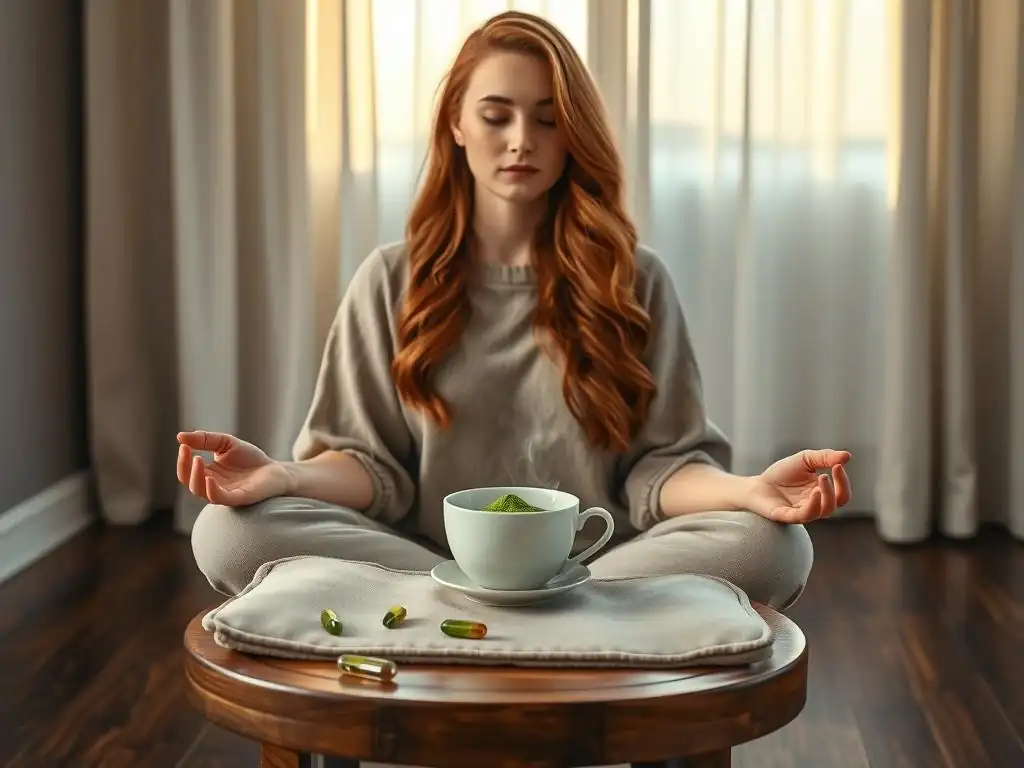
Welcome to Mind Care Guide, your safe space for navigating the complexities of mental well-being. Feeling overwhelmed by anxiety? Many are searching for natural solutions, and you're in the right place. In this article, we delve into the promising LTheanine anxiety relief benefits. Could this natural supplement be the key to unlocking a calmer, more balanced you? Let's explore the evidence together and discover if LTheanine could be your anxiety game changer.
- Understanding L-Theanine and Its Potential Role in Anxiety Management
- Myth Busting: Common Misconceptions About L-Theanine and Anxiety
- Reality Check: Evidence-Based Benefits of L-Theanine for Anxiety
- Choosing the Right L-Theanine Supplement for Anxiety Relief
- L-Theanine Dosage and Safety: What You Need to Know
- Real-Life Examples: L-Theanine for Anxiety - Success Stories and Case Studies
- Maximizing L-Theanine Anxiety Relief Benefits: Lifestyle and Holistic Approaches
- L-Theanine vs. Other Natural Anxiety Remedies: A Comparative Analysis
- Final Verdict: Is L-Theanine a Worthwhile Supplement for Anxiety Relief?
-
Frequently Asked Questions
- What is L-Theanine and how does it relate to anxiety relief?
- How does L-Theanine work to reduce anxiety?
- What does the evidence say about L-Theanine's effectiveness for anxiety?
- What are the potential side effects of taking L-Theanine for anxiety?
- How much L-Theanine should I take for anxiety relief, and how long does it take to work?
- Final Reflection: Unlocking Calm: L-Theanine's Promise and Your Journey to Wellbeing
- Unlock Your Calm: Take Control of Your Anxiety Today!
Understanding L-Theanine and Its Potential Role in Anxiety Management
L-Theanine is a fascinating compound that has garnered significant attention for its potential calming effects, particularly in the context of stress and anxiety management. As a natural amino acid, it's found predominantly in tea leaves, especially green tea. Unlike many other supplements that might cause drowsiness, L-Theanine is often associated with promoting a state of relaxed alertness. This unique property makes it appealing for individuals seeking to manage anxiety without experiencing sedation, allowing them to maintain focus and cognitive function throughout the day.
The interest in L-Theanine for anxiety relief stems from its ability to cross the blood-brain barrier and influence neurotransmitter levels. Research suggests it can increase levels of GABA (gamma-aminobutyric acid), serotonin, and dopamine, neurotransmitters that play crucial roles in mood regulation, sleep, and stress response. By modulating these brain chemicals, L-Theanine is thought to help dampen the physiological and psychological responses associated with anxiety, contributing to a greater sense of calm and well-being.
What is L-Theanine? A Natural Amino Acid Overview
L-Theanine is a non-proteinogenic amino acid, meaning it is not used to build proteins in the body, unlike the more common amino acids found in food. Its primary natural source is the Camellia sinensis plant, from which all types of tea (green, black, white, oolong) are derived. Green tea, in particular, is known for its relatively high concentration of L-Theanine. This is why many people report feeling a sense of calm focus after drinking green tea, distinct from the jitteriness sometimes associated with its caffeine content alone.
Structurally, L-Theanine is similar to glutamate, an excitatory neurotransmitter. However, its effect in the brain is quite different; it is believed to act more as a neuromodulator. This means it can influence the activity of other neurotransmitters and brain circuits. Its unique structure allows it to be readily absorbed in the gut and transported directly to the brain, where it can exert its effects relatively quickly after consumption. This rapid absorption contributes to its potential as a fast-acting aid for acute stress or anxiety.
L-Theanine Anxiety Relief Benefits: Separating Fact from Fiction
The potential L-Theanine anxiety relief benefits are a subject of ongoing scientific investigation. While anecdotal reports and preliminary studies are promising, it's essential to look at the evidence critically. Many studies, including randomized controlled trials, have explored L-Theanine's impact on stress and anxiety.
For example, a study published in the Journal of Clinical Psychiatry in 2019 found that participants receiving 200 mg of L-Theanine daily reported significant reductions in stress-related symptoms compared to a placebo group. Another review of studies indicated that doses between 200 mg and 400 mg per day appear to be effective in reducing stress and anxiety in individuals exposed to stressful conditions.
However, it's crucial to manage expectations. L-Theanine is not a pharmaceutical drug designed to treat severe anxiety disorders. Its effects are generally considered mild to moderate and are most often observed in individuals experiencing everyday stress or mild to moderate anxiety. While it shows potential for L-Theanine anxiety relief benefits, it should be viewed as a supplement to support overall mental well-being, not a standalone cure. Understanding the nuances of the research helps separate realistic expectations from exaggerated claims.
Myth Busting: Common Misconceptions About L-Theanine and Anxiety
There are several common misunderstandings surrounding L-Theanine and its effectiveness for anxiety. Addressing these myths is important for individuals considering this supplement, ensuring they have accurate information to make informed decisions. The allure of a natural "cure" for anxiety can sometimes lead to overblown expectations that aren't supported by the current scientific evidence.
One prevalent myth is that L-Theanine is a direct replacement for prescribed anxiety medication. This is a dangerous misconception. L-Theanine works through different mechanisms and generally has a much milder effect than pharmaceutical anxiolytics. It's essential to understand that natural supplements like L-Theanine offer supportive benefits, not curative ones for clinical anxiety disorders.
Myth #1: L-Theanine is a Powerful Anti-Anxiety Drug - The Reality of Natural Supplements
This myth overstates the potency and mechanism of action of L-Theanine. Pharmaceutical anti-anxiety drugs, such as benzodiazepines or SSRIs, work by targeting specific receptors or neurotransmitter systems with significant force and specificity to manage severe symptoms of anxiety disorders. L-Theanine, as a natural amino acid, has a more subtle neuromodulatory effect. While it can influence neurotransmitters like GABA and alpha brain waves, its impact is not comparable to the potent pharmacological effects of prescription medications.
The reality is that L-Theanine is a dietary supplement. Supplements are intended to complement a healthy lifestyle and potentially support the body's natural functions, not to treat or cure diseases. While studies suggest L-Theanine anxiety relief benefits for mild stress and anxiety, it does not possess the strength or regulatory status of an anti-anxiety drug. Relying solely on L-Theanine for severe anxiety can lead to inadequate management of symptoms and potentially delay seeking appropriate medical care.
Myth #2: L-Theanine Works Instantly for Anxiety - Understanding the Timeline
While some individuals report feeling a sense of calm within 30-60 minutes of taking L-Theanine, the idea that it provides immediate and profound relief in all cases is a myth. The speed and degree of effect can vary significantly from person to person, depending on factors like individual metabolism, dosage, the presence of food in the stomach, and the severity of the anxiety or stress being experienced. Some studies show effects appearing within an hour, while others suggest more consistent benefits are seen with regular daily use over several weeks.
Understanding the timeline is crucial for realistic expectations. For acute, mild stress, a single dose might offer noticeable relaxation relatively quickly. However, for more persistent or chronic anxiety, L-Theanine may need to be taken regularly to potentially build up its effects over time and contribute to a more stable baseline mood. It's not a magic bullet that instantly eliminates all feelings of anxiety the moment you take it.
Myth #3: All L-Theanine Supplements are Created Equal - The Importance of Quality and Dosage
This is a significant misconception in the supplement world. The quality, purity, and form of L-Theanine in different products can vary dramatically. Some supplements may contain lower doses than advertised, include impurities, or use forms of L-Theanine that are less bioavailable (meaning the body doesn't absorb them as effectively). The manufacturing process, sourcing of ingredients, and third-party testing all play a role in a supplement's quality.
For optimal L-Theanine anxiety relief benefits, choosing a reputable brand that provides a pure, tested form of L-Theanine is essential. Patented forms like Suntheanine®, for example, are produced through a fermentation process that yields a highly pure L-isomer of the amino acid, which is the form studied in most clinical trials. Cheaper, less regulated products might not offer the same consistency or effectiveness. Dosage is also critical; taking too little may not provide the desired effect, while excessive doses aren't necessarily more effective and could potentially lead to unforeseen issues.
Reality Check: Evidence-Based Benefits of L-Theanine for Anxiety
Moving beyond the myths, scientific research has explored several potential L-Theanine anxiety relief benefits. While the evidence is still developing and more large-scale studies are needed, findings from various trials provide insight into how L-Theanine might work to support mental well-being and reduce feelings of stress and anxiety.
The primary mechanisms explored in research include L-Theanine's influence on brain waves, neurotransmitter levels, and the physiological response to stress. These effects collectively contribute to the observed calming and focus-enhancing properties that make L-Theanine a popular choice for individuals seeking natural support for anxiety.
L-Theanine and Reduced Stress Response: Scientific Studies and Findings
Numerous studies have investigated L-Theanine's impact on the body's stress response. For example, a study published in Biological Psychology in 2007 found that L-Theanine supplementation reduced the heart rate and salivary immunoglobulin A (s-IgA) response to an acute stressor in healthy adults. Salivary IgA is an indicator of immune function often suppressed by stress, while heart rate is a direct physiological stress measure. Participants taking L-Theanine showed a blunted increase in heart rate and maintained higher s-IgA levels compared to the placebo group during the stressful task.
Another trial in the Journal of Physiological Anthropology in 2018 evaluated the effect of L-Theanine on stress-related symptoms in healthy adults. Participants receiving 200 mg of L-Theanine daily for four weeks reported significant reductions in stress, depression, and anxiety scores compared to the placebo group. These findings suggest that L-Theanine may help modulate the physiological and psychological markers of stress, contributing to L-Theanine anxiety relief benefits.
L-Theanine and Enhanced Relaxation: How it Affects Alpha Brain Waves
One of the most consistently reported effects of L-Theanine in research is its ability to increase alpha brain wave activity. Alpha waves are associated with a state of relaxed alertness, often experienced during meditation or daydreaming. Unlike beta waves, which are linked to focused concentration or anxiety, alpha waves represent a calm, yet awake, state. Studies using electroencephalography (EEG) have shown that within minutes of consumption, L-Theanine can induce an increase in alpha wave power, particularly in the parietal and occipital regions of the brain.
For instance, a study in Asia Pacific Journal of Clinical Nutrition in 2008 demonstrated that 50 mg of L-Theanine significantly increased alpha waves in the brain. This effect is believed to contribute to the feeling of calmness and relaxation without causing drowsiness, making it distinct from many sedating anxiety remedies. By promoting alpha wave activity, L-Theanine may help shift the brain towards a more relaxed state, supporting its potential for L-Theanine anxiety relief benefits.
L-Theanine and Improved Sleep Quality: A Benefit for Anxiety Sufferers
Anxiety and poor sleep are often closely linked; anxiety can make it difficult to fall asleep or stay asleep, and lack of sleep can exacerbate anxiety symptoms. L-Theanine may offer a supportive role here by promoting relaxation and potentially improving sleep quality, which in turn can help manage anxiety. While L-Theanine isn't a sedative in the way that sleep medications are, its calming effects can make it easier for individuals to transition into sleep.
A study published in the Journal of Physiological Anthropology in 2011 examined the effects of L-Theanine on sleep quality in boys with Attention Deficit Hyperactivity Disorder (ADHD), a condition often associated with sleep disturbances and restlessness. The study found that L-Theanine supplementation led to increased sleep percentage and efficiency, suggesting a positive impact on sleep quality. While this study was in a specific population, the general calming mechanism of L-Theanine suggests it could similarly benefit adults whose sleep is disrupted by anxiety, indirectly contributing to L-Theanine anxiety relief benefits throughout the day.
Choosing the Right L-Theanine Supplement for Anxiety Relief
Selecting a high-quality L-Theanine supplement is crucial to potentially experience the L-Theanine anxiety relief benefits observed in research. The market is flooded with options, and not all products are created equal. Taking the time to understand what to look for can make a significant difference in the effectiveness and safety of the supplement you choose.
Key factors include understanding the optimal dosage range, ensuring the purity of the product, and considering the form in which the L-Theanine is delivered. Informed choices lead to better outcomes when integrating a supplement into your health routine.
Factors to Consider When Selecting L-Theanine Supplements: Dosage, Purity, and Form
When looking for an L-Theanine supplement, dosage is a primary consideration. Most studies showing positive effects on anxiety and stress use doses ranging from 100 mg to 400 mg per day, often split into two doses. Starting with a lower dose, such as 100-200 mg, and gradually increasing if needed is a common approach. Checking the label to confirm the amount of L-Theanine per capsule or serving is essential to ensure you can easily manage your desired intake.
Purity is another critical factor. Look for supplements that are third-party tested for purity and contaminants. Certificates of Analysis (COAs) from independent labs can verify that the product contains the stated amount of L-Theanine and is free from heavy metals, pesticides, and other harmful substances. The form of L-Theanine also matters; the L-isomer is the naturally occurring and most studied form. Some products might contain a mix of L- and D-Theanine, and the effects of the D-isomer are less understood. Choosing supplements that specifically state they contain L-Theanine, preferably 100% L-Theanine, is recommended for potential L-Theanine anxiety relief benefits.
Product Spotlight: Suntheanine® - A Patented Form of L-Theanine
Suntheanine® is a well-known, patented form of L-Theanine that is produced through a proprietary fermentation process designed to yield 100% pure L-isomer of the amino acid. This process mimics the natural metabolic pathway of L-Theanine production in tea leaves, ensuring a high-quality and consistent product. Suntheanine® has been used in many of the clinical studies investigating the effects of L-Theanine on stress, anxiety, and cognitive function.
Choosing a supplement that uses Suntheanine® can offer greater confidence in the product's purity, consistency, and potential effectiveness for L-Theanine anxiety relief benefits, as its quality is backed by specific research and manufacturing standards. While other forms of L-Theanine exist, Suntheanine®'s reputation and widespread use in research make it a benchmark for quality in the market.
Product Spotlight: L-Theanine with Lemon Balm - A Synergistic Blend
Some L-Theanine supplements combine it with other natural ingredients known for their calming properties, such as lemon balm ( Melissa officinalis). Lemon balm is an herb traditionally used to reduce stress and anxiety and promote relaxation. Research suggests that compounds in lemon balm may interact with GABA receptors in the brain, similar to how L-Theanine is thought to work, potentially enhancing the calming effect.
A blend of L-Theanine and lemon balm might offer synergistic L-Theanine anxiety relief benefits, meaning the combined effect could be greater than either ingredient taken alone. For example, studies have explored the combination, finding that it can lead to improved mood and reduced anxiety. When considering such a blend, ensure that both the L-Theanine (ideally a pure form) and the lemon balm extracts are standardized and sourced from reputable suppliers to ensure quality and potential efficacy.
Combining L-Theanine with Other Natural Anxiety Remedies: Synergistic Effects
Exploring combinations of L-Theanine with other natural anxiety remedies can be a part of a holistic approach to managing stress and anxiety. Besides lemon balm, other supplements sometimes paired with L-Theanine include magnesium, GABA, or even certain B vitamins. Magnesium, for example, is essential for nerve function and stress response, and deficiency is sometimes linked to increased anxiety.
Combining L-Theanine with magnesium could potentially offer enhanced L-Theanine anxiety relief benefits by addressing different pathways involved in stress and relaxation. However, it's crucial to research potential interactions and appropriate dosages when combining supplements. Starting with one supplement at a time allows you to gauge its individual effects before introducing others. Always consult with a healthcare professional before combining multiple supplements, especially if you are taking other medications or have underlying health conditions.
L-Theanine Dosage and Safety: What You Need to Know
Understanding the appropriate dosage and potential safety considerations is paramount before incorporating L-Theanine into your routine for anxiety relief. While L-Theanine is generally considered safe for most people, like any supplement, it's not without potential considerations, especially regarding dosage and interactions.
Responsible use involves adhering to recommended guidelines, being aware of possible side effects, and recognizing when professional medical advice is necessary. This ensures that you are using the supplement effectively and safely to support your mental well-being.
Recommended Dosage for L-Theanine Anxiety Relief: Finding Your Optimal Amount
Based on current research, the typical effective dosage range for L-Theanine anxiety relief benefits is between 100 mg and 400 mg per day. Many studies showing positive effects on stress and anxiety use doses of 200 mg per day. Some individuals find benefits with lower doses, such as 100 mg, while others may require up to 400 mg daily, often split into two doses (e.g., 200 mg in the morning and 200 mg in the evening).
Finding your optimal amount might involve starting at a lower dose (e.g., 100-150 mg) and gradually increasing it every few days until you notice the desired effect without experiencing any unwanted side effects. It's important not to exceed the recommended maximum daily dose unless specifically advised by a healthcare professional. Consistency is also key; daily supplementation may be more effective for ongoing anxiety management than occasional use.
Potential Side Effects and Interactions: Is L-Theanine Safe for You?
L-Theanine is widely regarded as safe and well-tolerated, even at relatively high doses. Studies have reported minimal to no side effects in participants taking L-Theanine. The most commonly reported "side effect" is a feeling of relaxation, which is often the desired effect for anxiety relief. However, some individuals might experience mild dizziness, headache, or gastrointestinal upset, although these are rare.
There is limited information on potential interactions between L-Theanine and medications. Because L-Theanine can lower blood pressure, individuals taking medication for high blood pressure should use caution and consult their doctor. Similarly, since it affects neurotransmitter levels and promotes relaxation, there's a theoretical possibility of interaction with sedatives or psychiatric medications. Pregnant and breastfeeding women, as well as individuals with serious health conditions, should always consult a healthcare provider before taking L-Theanine or any new supplement.
Consulting with a Healthcare Professional: Personalized Advice for Anxiety Management
While L-Theanine is available over-the-counter, it is highly recommended to consult with a healthcare professional, such as a doctor, psychiatrist, or registered dietitian, before starting supplementation, especially if you are seeking L-Theanine anxiety relief benefits for significant or persistent anxiety. A healthcare provider can help determine if L-Theanine is appropriate for your specific situation, considering your health history, current medications, and the severity of your anxiety.
They can also provide personalized dosage recommendations and discuss how L-Theanine fits into a broader anxiety management plan that may include therapy, lifestyle changes, or prescription medication. Consulting a professional ensures that you approach anxiety management safely and effectively, leveraging the potential benefits of L-Theanine as part of a comprehensive strategy.
Real-Life Examples: L-Theanine for Anxiety - Success Stories and Case Studies
While scientific studies provide valuable data, hearing about real-life experiences can offer relatable insights into how L-Theanine might help manage anxiety. These anecdotes and case studies, while not replacements for clinical evidence, illustrate the potential impact of L-Theanine on individuals' daily lives.
These examples highlight various scenarios where people have incorporated L-Theanine into their routine and experienced positive changes in their anxiety levels and overall sense of calm.
Sarah, a 32-year-old marketing professional, struggled with social anxiety that made networking events and presentations incredibly stressful. Her heart would race, her palms would sweat, and she'd find it difficult to speak clearly in front of others. She decided to try L-Theanine after reading about its calming effects without sedation. She started taking 200 mg about an hour before anticipated stressful social situations.
Sarah reported that while L-Theanine didn't completely eliminate her anxiety, it significantly reduced the intensity of her physical symptoms. Her heart rate remained calmer, and she felt less overwhelmed by the fear of judgment. This subtle reduction in physical anxiety allowed her to feel more present and confident, making it easier to engage in conversations and deliver presentations. She noted that the L-Theanine anxiety relief benefits were most noticeable when combined with mindful breathing techniques she practiced before events.
Mark, a 20-year-old college student, experienced debilitating anxiety before exams. Despite being well-prepared, his mind would go blank during tests, and he would struggle to concentrate due to nervousness. He was looking for a natural way to manage this without affecting his focus. He began taking 150 mg of L-Theanine in the morning on test days.
Mark found that L-Theanine helped quiet the incessant worrying thoughts that typically plagued him before and during exams. He reported feeling a sense of calm focus, which allowed him to access the information he had studied and think more clearly. He felt less jittery and more able to concentrate on the questions. This experience suggests that L-Theanine's ability to promote relaxed alertness can be particularly beneficial for performance anxiety, offering L-Theanine anxiety relief benefits in high-pressure situations.
Maximizing L-Theanine Anxiety Relief Benefits: Lifestyle and Holistic Approaches

Integrating L-Theanine into a broader lifestyle approach to anxiety management is often the most effective way to potentially maximize its benefits. L-Theanine is a tool that can complement other strategies aimed at reducing stress and promoting mental well-being. Relying solely on a supplement without addressing underlying lifestyle factors may limit its potential impact.
Adopting holistic practices such as mindfulness, maintaining a healthy diet, and regular exercise can create a synergistic effect with L-Theanine, enhancing its potential for L-Theanine anxiety relief benefits and contributing to overall resilience against stress.
Combining L-Theanine with Mindfulness and Meditation for Enhanced Anxiety Reduction
Mindfulness and meditation are powerful techniques for cultivating a sense of calm and presence, directly counteracting anxiety. Mindfulness involves focusing on the present moment without judgment, while meditation often involves structured practice to train the mind. Both have been shown in numerous studies to reduce stress hormones and alter brain activity in ways that promote relaxation and emotional regulation.
Combining the use of L-Theanine with regular mindfulness or meditation practice could potentially enhance the L-Theanine anxiety relief benefits. L-Theanine's ability to promote alpha brain waves might make it easier to enter and sustain a meditative state. Taking L-Theanine before meditation or a mindfulness exercise might deepen the experience and amplify the calming effects, creating a positive feedback loop where the supplement supports the practice, and the practice enhances the supplement's effects.
The Role of Diet and Exercise in Supporting L-Theanine's Effects
Diet and exercise are foundational pillars of mental health. A balanced diet rich in whole foods, lean proteins, and healthy fats provides the nutrients necessary for optimal brain function and neurotransmitter production. Regular physical activity is a well-documented stress reliever, releasing endorphins that improve mood and helping to regulate the body's stress response system.
Supporting your body through nutrition and exercise can create a more favorable internal environment for L-Theanine to exert its potential L-Theanine anxiety relief benefits. For example, ensuring adequate levels of B vitamins and magnesium through diet supports healthy nerve function, which can work synergistically with L-Theanine's effects on neurotransmitters. Similarly, regular exercise can help reduce baseline stress levels, making it potentially easier for L-Theanine to provide additional calming support when needed.
L-Theanine vs. Other Natural Anxiety Remedies: A Comparative Analysis
The world of natural anxiety remedies is vast, and individuals often wonder how L-Theanine compares to other popular options. While many natural substances show promise for anxiety relief, they often work through different mechanisms and may be more suitable for different types of anxiety or individuals.
Comparing L-Theanine to other remedies like magnesium or chamomile helps highlight its unique properties and potential place within a personalized anxiety management strategy. It's not necessarily about choosing one over the other but understanding their distinct effects.
L-Theanine vs. Magnesium for Anxiety: Which is Right for You?
Both L-Theanine and magnesium are popular natural supplements for anxiety, but they address different aspects of stress and nervous system function. Magnesium is a mineral cofactor involved in hundreds of biochemical reactions in the body, including nerve transmission and muscle relaxation. Magnesium deficiency is relatively common and can contribute to increased anxiety, irritability, and muscle tension. Supplementing with magnesium can help ensure the nervous system functions optimally, potentially reducing these symptoms.
L-Theanine, as discussed, primarily influences brain waves and neurotransmitters like GABA, promoting relaxed alertness. While magnesium addresses a fundamental physiological need that supports overall nervous system health, L-Theanine offers a more direct influence on brain activity related to relaxation and focus. For someone whose anxiety is linked to nutritional deficiency or muscle tension, magnesium might be a primary focus. For someone experiencing racing thoughts, difficulty concentrating due to stress, or needing calm focus, L-Theanine might be particularly beneficial. Many people find benefit in combining both, as they work through different, yet complementary, pathways to support L-Theanine anxiety relief benefits.
L-Theanine vs. Chamomile for Anxiety: Understanding the Differences
Chamomile is a traditional herbal remedy widely known for its calming and sleep-promoting properties, often consumed as a tea. Its anxiolytic effects are thought to be related to the flavonoid apigenin, which may bind to benzodiazepine receptors in the brain, exerting a mild sedative effect. Chamomile is often used for mild anxiety, restlessness, and sleep disturbances.
The key difference between L-Theanine and chamomile lies in their effects on alertness. Chamomile is more likely to induce drowsiness, making it suitable for evening use or when relaxation with sedation is desired. L-Theanine, conversely, promotes relaxation without sedation, making it ideal for daytime use when focus and cognitive function are important. While both offer potential L-Theanine anxiety relief benefits (in the sense of reducing anxiety generally), L-Theanine's unique ability to enhance alpha waves and promote relaxed alertness sets it apart from the more sedating effects often associated with chamomile.
Final Verdict: Is L-Theanine a Worthwhile Supplement for Anxiety Relief?
After reviewing the evidence and common experiences, we can arrive at a more informed conclusion about the potential of L-Theanine for anxiety relief. It's clear that L-Theanine is not a miracle cure or a substitute for professional medical treatment for severe anxiety disorders. However, the research and anecdotal evidence suggest it holds significant promise as a supportive supplement for managing everyday stress and mild to moderate anxiety.
Its unique mechanism of promoting relaxed alertness makes it a valuable option for those seeking calm without the side effect of drowsiness, allowing individuals to function effectively throughout the day.
Summarizing the Evidence: L-Theanine Benefits and Limitations
The evidence suggests that L-Theanine can offer several potential benefits for individuals experiencing anxiety and stress. These include:
- Reduction in physiological stress markers like heart rate.
- Lowering of subjective feelings of stress, anxiety, and even depression in some studies.
- Increase in alpha brain wave activity, promoting a state of relaxed alertness.
- Potential improvement in sleep quality indirectly through its calming effects.
- It is generally safe and well-tolerated with minimal reported side effects.
However, it's crucial to acknowledge the limitations. The effects are generally mild to moderate, and research is still ongoing, with many studies being relatively small. L-Theanine is unlikely to be sufficient for severe anxiety disorders and should not replace prescribed medication without consulting a doctor. The effectiveness can also vary from person to person.
Incorporating L-Theanine into Your Anxiety Management Plan
If you are considering L-Theanine for anxiety relief, it's best viewed as one component of a comprehensive anxiety management plan.
Consider these steps:
- Consult a Healthcare Professional: Discuss your anxiety symptoms and whether L-Theanine is appropriate for you, especially if you have underlying health conditions or take medications.
- Start with a Quality Supplement: Choose a reputable brand, ideally one using a pure form like Suntheanine®, and start with a lower dose (e.g., 100-150 mg).
- Find Your Optimal Dose: Gradually increase the dosage if needed, up to 400 mg daily, split into doses, while monitoring effects.
- Be Consistent: For ongoing anxiety, daily use may be more beneficial than occasional use.
- Combine with Lifestyle Strategies: Integrate L-Theanine with practices like mindfulness, regular exercise, a healthy diet, and ensuring adequate sleep.
- Monitor and Adjust: Pay attention to how L-Theanine affects you and adjust the dosage or timing as needed. Be patient, as effects may become more noticeable over time.
By approaching L-Theanine supplementation thoughtfully and integrating it into a holistic approach, many individuals may find it to be a valuable tool in their journey towards greater calm and well-being, contributing positively to their overall L-Theanine anxiety relief benefits.
Frequently Asked Questions
What is L-Theanine and how does it relate to anxiety relief?
L-Theanine is an amino acid primarily found in tea leaves, known for its potential to promote relaxation without causing drowsiness. It's being explored for its anxiety relief benefits due to its effects on brain waves and neurotransmitters.
How does L-Theanine work to reduce anxiety?
L-Theanine is thought to increase levels of GABA, serotonin, and dopamine in the brain, all of which can help regulate mood and reduce anxiety. It may also promote alpha brain wave activity, associated with a relaxed and alert state.
What does the evidence say about L-Theanine's effectiveness for anxiety?
Research suggests L-Theanine may offer benefits for reducing stress and anxiety symptoms, particularly in situations where individuals experience heightened anxiety. However, more high-quality studies are needed to confirm its efficacy across different populations and anxiety disorders.
What are the potential side effects of taking L-Theanine for anxiety?
L-Theanine is generally considered safe for most people when taken in moderate doses. Common side effects are rare but can include headaches or gastrointestinal upset. Always consult with a healthcare professional before starting any new supplement.
How much L-Theanine should I take for anxiety relief, and how long does it take to work?
Dosage recommendations vary, but typically range from 100-400mg per day. The time it takes to experience effects can also vary, with some people noticing improvements within 30-60 minutes, while others require consistent use over several weeks.
Final Reflection: Unlocking Calm: L-Theanine's Promise and Your Journey to Wellbeing
The search for effective, natural anxiety relief is more urgent than ever, and the evidence increasingly points to L-theanine as a powerful contender. Its ability to promote relaxation without drowsiness, coupled with its potential cognitive-enhancing effects, makes it a compelling option in our fast-paced, stress-filled world. This isn't just about managing symptoms; it's about proactively nurturing a calmer, more focused mind.
The exploration of L-theanine's impact on anxiety has revealed not just its physiological effects, but also its potential to shift our cultural understanding of stress management. We're moving away from solely relying on pharmaceutical solutions and embracing holistic approaches that prioritize natural remedies and mindful self-care. This aligns with a growing societal awareness of the importance of mental wellbeing. The mind is everything. What you think you become.
– Buddha. This ancient wisdom resonates deeply with the modern pursuit of natural anxiety relief, highlighting the power of inner peace and the role supplements like L-theanine can play in supporting that journey.
Consider the information presented in this article as a starting point, not an endpoint. You are the architect of your own wellbeing. Reflect on your own relationship with stress and anxiety. Explore the potential benefits of L-theanine, but remember to consult with a healthcare professional before incorporating any new supplement into your routine. Embrace a holistic approach to stress management, combining mindful practices, healthy lifestyle choices, and potentially, the calming influence of L-theanine, to cultivate a life filled with greater peace and clarity. Your journey to a calmer, more focused you begins now.
Unlock Your Calm: Take Control of Your Anxiety Today!
Thanks for taking the time to explore the power of L-Theanine with us! We hope you gained valuable insights into this natural anxiety aid. Ready to feel calmer and more centered? Let's put that knowledge into action:
- Prioritize your mental wellness: Start incorporating L-Theanine into your daily routine. Begin with a small dose and gradually increase as needed, always consulting with a healthcare professional if you have underlying health conditions or are taking other medications.
- Share your experience: Tell us – and others – about your experience trying L-Theanine. What changes have you noticed? Sharing your journey can inspire others on their path to better mental well-being.
- Dive deeper into research: Explore reputable sources to learn more about L-Theanine's effects and potential interactions with other supplements or medications. Understanding the science behind it can empower your choices.
What small step will you take today to nurture your mental calmness?