
Beyond Hype: What Science Says About Natural Anxiety Supplements

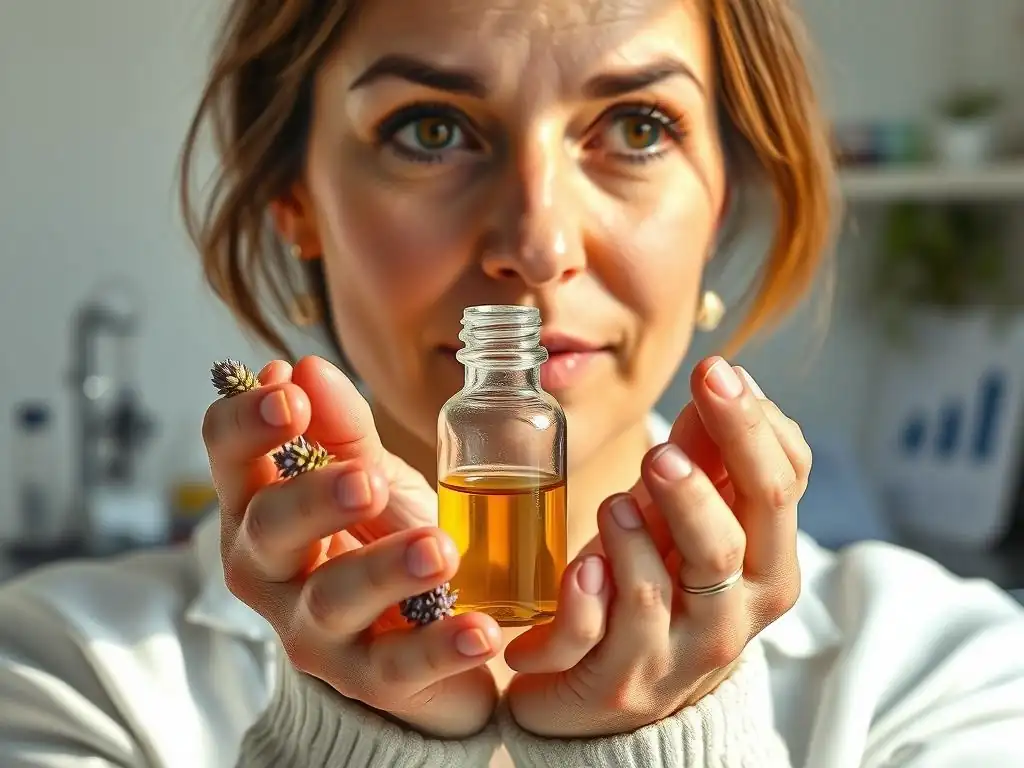
Welcome to Mind Care Guide, a safe space to explore the paths to mental well-being. Feeling overwhelmed by anxiety and searching for natural solutions? You're not alone. Dive into our latest article, "Beyond Hype: What Science Says About Natural Anxiety Supplements," where we cut through the marketing noise and examine the real effectiveness of natural anxiety supplements. Discover evidence-based insights and empower yourself to make informed decisions about your mental health journey. Curious to learn more?
Beyond Hype: What Science Says About Natural Anxiety Supplements
- Introduction: Demystifying Natural Supplements for Anxiety
- Myth #1: All-Natural Means All-Effective for Anxiety Relief
- Myth #2: Natural Supplements Are Always Safe
- Myth #3: Higher Dosage Equals Better Anxiety Relief
- Reality #1: Magnesium's Role in Anxiety Management
- Reality #2: The Power of Omega-3 Fatty Acids for Mood Support
- Reality #3: Chamomile Extract's Calming Effects are Backed by Research
- Choosing Wisely: A Guide to Selecting Effective Natural Anxiety Supplements
- Conclusion: Making Informed Choices for Mental Well-being
-
Frequently Asked Questions
- What are considered "natural anxiety supplements," and what are some common examples?
- Does scientific research support the effectiveness of natural anxiety supplements?
- Are there any potential risks or side effects associated with taking natural anxiety supplements?
- How do natural anxiety supplements compare to traditional anxiety medications, like SSRIs?
- Where can I find reliable information and guidance on using natural anxiety supplements safely and effectively?
- Final Reflection: Unpacking the Promise of Natural Anxiety Relief
- Unlock Your Calm: Take Control of Your Anxiety Today
Introduction: Demystifying Natural Supplements for Anxiety
Navigating the world of mental wellness can feel overwhelming, especially when exploring options for managing anxiety. Many individuals turn to natural supplements, drawn by the promise of gentle relief without the side effects often associated with prescription medications. However, the market is flooded with options, and separating scientific evidence from marketing hype is crucial.
This article delves into what research actually says about the effectiveness and safety of popular natural supplements for anxiety, helping you make informed decisions on your journey toward mental well-being. Understanding the natural anxiety supplements effectiveness requires looking beyond anecdotal evidence and focusing on clinical data.
Myth #1: All-Natural Means All-Effective for Anxiety Relief
There's a common misconception that because a substance is derived from nature, it is inherently effective for treating conditions like anxiety. While many beneficial compounds do originate from plants and other natural sources, their impact on complex neurological and psychological states varies dramatically. The human body's response to these compounds depends on numerous factors, including bioavailability, dosage, individual metabolism, and the specific nature and severity of the anxiety experienced.
Reality: Evidence-Based Effectiveness Varies Greatly
Scientific research on natural supplements for anxiety presents a mixed picture. Some compounds, like L-theanine, have demonstrated promising results in clinical trials, showing potential to reduce stress and improve relaxation at dosages typically ranging from 100-400 mg per day. In contrast, other popular "natural" remedies lack robust clinical evidence to support their use for anxiety relief in humans.
For example, while some animal studies suggest benefits for certain herbs, well-designed, placebo-controlled trials in humans may show only marginal effects or no significant difference compared to a placebo. This highlights the critical need to look for supplements backed by credible research when evaluating their potential natural anxiety supplements effectiveness.
Furthermore, the quality and standardization of natural supplements can differ significantly between products and brands. A study on a particular herb might show positive results, but if the supplement you purchase contains inconsistent levels of the active compound, or if it's contaminated, you may not experience the same benefits. This variability in product quality contributes to the differing outcomes seen in studies and consumer experiences, underscoring that "all-natural" does not equate to guaranteed effectiveness.
Myth #2: Natural Supplements Are Always Safe
The perception that natural products are automatically safe simply because they are not synthetic is a dangerous oversimplification. While many natural supplements have a good safety profile when used appropriately, they are potent biochemical substances that can have side effects, interact with medications, and be contraindicated for certain individuals or health conditions. Thinking of them as entirely benign can lead to unexpected health issues.
Reality: Potential Side Effects and Interactions Exist
Even widely used natural supplements can cause adverse effects. For instance, St. John's Wort, sometimes used for mild depression and anxiety, is known to interact with a vast number of prescription medications, including antidepressants, birth control pills, and blood thinners, potentially reducing their effectiveness or increasing side effects. Kava, while studied for anxiety, has been linked to rare but serious liver damage in some cases, leading to warnings and restrictions in several countries.
Beyond interactions, some supplements can cause direct side effects. High doses of valerian root, often taken for sleep and anxiety, can cause headaches, dizziness, or digestive upset in some individuals. Magnesium, generally considered safe, can cause diarrhea if the dosage is too high. It's crucial to remember that "natural" does not mean "without risk." Always research potential side effects and interactions and, importantly, discuss any supplements you are considering with a healthcare professional, especially if you are taking other medications or have existing health conditions.
Myth #3: Higher Dosage Equals Better Anxiety Relief

The idea that if a little bit is good, more must be better, is a common trap when exploring supplements. With natural anxiety supplements, taking dosages significantly higher than those studied in research or recommended by manufacturers and healthcare providers can not only be ineffective but also increase the risk of side effects. The body has optimal levels at which it can utilize certain compounds, and exceeding these levels often doesn't lead to enhanced benefits and can sometimes be detrimental.
Reality: Optimal Dosage is Key for Natural anxiety supplements effectiveness
Research studies investigating the natural anxiety supplements effectiveness typically test specific dosages that have shown therapeutic potential while minimizing adverse effects. For example, studies on L-theanine often use doses in the 100-400 mg range, as mentioned earlier. Exceeding this might not provide additional calming effects and could potentially lead to unexpected outcomes. Similarly, magnesium supplementation for anxiety often involves doses around 200-400 mg per day, tailored to individual needs and dietary intake; significantly higher doses are more likely to cause digestive distress than improved anxiety relief.
Finding the optimal dosage requires careful consideration, often starting with the lowest effective dose and gradually increasing if needed, under professional guidance. This approach respects the body's processes and maximizes the likelihood of experiencing the intended benefits without unnecessary risk. Relying on evidence-based dosage recommendations is essential for harnessing the true natural anxiety supplements effectiveness.
Reality #1: Magnesium's Role in Anxiety Management
Magnesium is an essential mineral involved in hundreds of biochemical reactions in the body, including many related to brain function and mood regulation. Deficiency in magnesium is relatively common, and research suggests a potential link between low magnesium levels and increased anxiety symptoms. Supplementing with magnesium is often explored as a supportive measure for anxiety management due to its fundamental role in nerve function and stress response pathways.
The Science Behind Magnesium and Anxiety
Magnesium plays a critical role in the regulation of neurotransmitters, including GABA (gamma-aminobutyric acid), which is an inhibitory neurotransmitter that helps calm the nervous system. It also influences stress hormones like cortisol. Studies have shown that magnesium supplementation may help reduce subjective anxiety measures in individuals with mild to moderate anxiety symptoms, particularly those who may have suboptimal dietary intake.
For example, a review published in the journal Nutrients in 2018 examined various studies and concluded that magnesium supplementation showed promise for anxiety relief, although more large-scale, rigorous trials are needed. The proposed mechanisms include its impact on the hypothalamic-pituitary-adrenal (HPA) axis, the body's central stress response system.
Furthermore, magnesium is involved in neuromuscular function and can help prevent muscle tension and spasms, which are common physical manifestations of anxiety. By modulating the activity of calcium channels, magnesium helps regulate nerve signals and muscle contractions, contributing to a sense of physical relaxation that can complement mental calmness. While not a standalone cure, ensuring adequate magnesium levels through diet or supplementation appears to be a valuable component of a holistic approach to anxiety management, contributing to overall natural anxiety supplements effectiveness when deficiency is a factor.
Recommended Forms and Brands: Magnesium Glycinate
When considering magnesium supplementation for anxiety, the form of magnesium matters due to varying bioavailability and potential side effects. Magnesium oxide, for instance, is poorly absorbed and more likely to cause laxative effects. Magnesium citrate has better absorption but can still cause digestive upset in some. Magnesium glycinate is often recommended for its high bioavailability and reduced likelihood of causing gastrointestinal issues, making it a preferred choice for those focusing on systemic benefits like anxiety reduction. It's formed by combining magnesium with the amino acid glycine, which itself may have calming properties.
Several reputable brands offer high-quality magnesium glycinate supplements. While specific brand endorsements can vary, look for brands that emphasize purity, third-party testing, and transparent sourcing. Examples of brands often mentioned in discussions about quality magnesium glycinate include Pure Encapsulations, Thorne Research, and NOW Foods. These brands are generally well-regarded within the supplement industry for adhering to good manufacturing practices and providing products that match label claims, contributing to the expected natural anxiety supplements effectiveness. Typical dosages range from 200 mg to 400 mg of elemental magnesium per day, taken with food to enhance absorption and minimize potential side effects.
Reality #2: The Power of Omega-3 Fatty Acids for Mood Support
Omega-3 fatty acids, particularly EPA (eicosapentaenoic acid) and DHA (docosahexaenoic acid), are essential fats that play crucial roles in brain structure and function. Found primarily in fatty fish, these nutrients are vital for maintaining cell membrane fluidity and supporting communication between brain cells. Given the brain's high lipid content, it's not surprising that omega-3s have been investigated for their potential impact on mood disorders and anxiety.
Omega-3s and Brain Health: Reducing Inflammation and Anxiety
Research suggests that omega-3 fatty acids may influence anxiety levels through several mechanisms, notably their anti-inflammatory properties. Chronic low-grade inflammation is increasingly being linked to mood disorders, including anxiety. EPA and DHA can help regulate the body's inflammatory response by influencing the production of signaling molecules. By reducing neuroinflammation, omega-3s may help protect brain cells and support healthy neurotransmitter function, which in turn can positively impact mood and reduce anxiety symptoms.
Furthermore, omega-3s are integral components of neuronal cell membranes, affecting their function and the efficiency of synaptic transmission. Adequate levels of EPA and DHA are necessary for optimal brain health and plasticity.
Studies, including meta-analyses of clinical trials, have shown that omega-3 supplementation, particularly those with higher ratios of EPA to DHA, may be beneficial in reducing symptoms of anxiety, especially in individuals with clinically diagnosed conditions or high levels of stress. For instance, a 2018 meta-analysis published in JAMA Network Open found that omega-3 supplementation significantly reduced anxiety symptoms compared to placebo in individuals with a range of conditions.
Recommended Products: Nordic Naturals Ultimate Omega
Choosing a high-quality omega-3 supplement is important to ensure purity, potency, and freshness. Fish oil supplements can be susceptible to oxidation (going rancid), which can reduce their effectiveness and potentially cause adverse effects. Reputable brands prioritize testing for purity (absence of heavy metals, PCBs, and other toxins) and freshness (low oxidation levels).
Nordic Naturals Ultimate Omega is often cited as a high-quality product in the omega-3 market. It typically provides a substantial amount of both EPA and DHA per serving, often exceeding 1000 mg combined, with a favorable EPA:DHA ratio for mood support. The product is usually tested by third parties for purity and freshness, and the company often provides certificates of analysis.
Other respected brands known for quality fish oil include Carlson Labs and SFH (Stronger Faster Healthier). When selecting an omega-3 supplement for natural anxiety supplements effectiveness, look for products that are molecularly distilled, third-party tested, and provide clear information about the amounts of EPA and DHA per dose.
Reality #3: Chamomile Extract's Calming Effects are Backed by Research

Chamomile (Matricaria recutita) is an ancient medicinal herb widely recognized for its mild sedative and calming properties. It is commonly consumed as a tea, but concentrated extracts are also available in capsule or tincture form. While its traditional use is well-established, modern research has begun to explore the specific compounds within chamomile and their mechanisms of action related to anxiety.
Chamomile's Anxiolytic Properties: Exploring the Evidence
The calming effects of chamomile are thought to be primarily due to an antioxidant called apigenin, which binds to certain receptors in the brain, including GABA receptors, similar to how some anti-anxiety medications work. By interacting with these receptors, apigenin may help reduce neuronal excitability and promote relaxation. Other compounds in chamomile, such as bisabolol and chamazulene, also possess anti-inflammatory properties which could indirectly contribute to its stress-reducing effects.
Several clinical studies have investigated chamomile extract for generalized anxiety disorder (GAD). A randomized controlled trial published in the Journal of Clinical Psychopharmacology in 2009 found that a standardized chamomile extract significantly reduced moderate-to-severe GAD symptoms compared to placebo over an 8-week period.
A follow-up study published in Phytomedicine in 2016 showed that long-term use (38 weeks) of chamomile extract was associated with a statistically significant reduction in relapse risk among patients with GAD who responded to initial treatment. These studies provide some of the strongest evidence for the natural anxiety supplements effectiveness of chamomile extract for specific anxiety conditions.
Recommended Product: Gaia Herbs Chamomile Liquid Phyto-Caps
When choosing a chamomile supplement for therapeutic effect, standardized extracts are often preferred over teas or simple powders, as they ensure a consistent dose of the active compounds, such as apigenin. Liquid phyto-caps or tinctures can also offer better absorption compared to dry capsules for some individuals.
Gaia Herbs is a brand known for its certified organic herbs and commitment to purity and potency, often using liquid extracts in capsules. Their Chamomile Liquid Phyto-Caps product is an example of a standardized chamomile extract supplement. Look for products that specify the concentration of key compounds like apigenin or are standardized to a certain percentage of flavonoids.
Other reputable brands offering chamomile extract include Nature's Way and Solaray. Ensure the product is sourced from high-quality, preferably organic, chamomile and that the brand provides information about their extraction process and testing, contributing to confidence in the supplement's potential natural anxiety supplements effectiveness.
Choosing Wisely: A Guide to Selecting Effective Natural Anxiety Supplements
Navigating the vast array of natural supplements for anxiety requires a thoughtful and informed approach. Simply picking a product off the shelf based on marketing claims is unlikely to yield the desired results and could potentially be harmful. Making wise choices involves understanding your own needs, seeking expert advice, and scrutinizing product quality and evidence.
Consider Your Individual Needs and Consult a Professional
Anxiety is a complex condition with various potential underlying causes and contributing factors. What works for one person may not work for another. Before starting any new supplement regimen, especially for managing a health condition like anxiety, it is crucial to consult with a healthcare provider. This could be your doctor, a psychiatrist, or a registered dietitian familiar with supplement research. They can help you:
- Assess your specific symptoms and overall health status.
- Identify potential nutrient deficiencies through testing (e.g., magnesium levels).
- Review your current medications and supplements to avoid harmful interactions.
- Discuss the evidence for specific natural anxiety supplements in the context of your individual needs.
- Develop a comprehensive treatment plan that may include lifestyle changes, therapy, and potentially supplements.
[ ] Schedule a consultation with a healthcare provider.
[ ] Discuss current anxiety symptoms and treatment goals.
[ ] Review existing medications and supplements.
[ ] Ask about potential benefits and risks of specific natural anxiety supplements.
A professional can provide personalized guidance, helping you determine if natural supplements are appropriate for you and which ones might offer the most potential natural anxiety supplements effectiveness based on current scientific understanding and your unique health profile.
Look for Third-Party Testing and Quality Assurance
The supplement industry is not regulated as strictly as the pharmaceutical industry in many countries. This means that the quality, purity, and potency of supplements can vary significantly from one brand to another. Some products may not contain the ingredients listed on the label, may contain different amounts than stated, or may be contaminated with heavy metals, pesticides, or other harmful substances.
To mitigate these risks and increase the likelihood of purchasing a product with genuine natural anxiety supplements effectiveness, look for supplements that have been verified by independent third-party organizations. These organizations test products to ensure they contain what the label says they do and are free from harmful contaminants. Examples of reputable third-party testing bodies include:
- USP (United States Pharmacopeia)
- NSF International
- ConsumerLab.com (subscription required for detailed reports)
Products that have received certification from these bodies often display a seal on their packaging. While not a guarantee of effectiveness, third-party testing is a strong indicator of a manufacturer's commitment to quality, purity, and label accuracy, which are foundational for a supplement to have any potential benefit.
Prioritize Evidence-Based Supplements for Anxiety Relief
Given the variable research landscape, focusing on natural anxiety supplements with the strongest scientific evidence for their effectiveness is a practical approach. As discussed, compounds like magnesium (especially glycinate), omega-3 fatty acids (particularly EPA), and standardized chamomile extract have more research supporting their use for anxiety compared to many other popular options.
This doesn't mean other supplements are entirely without merit, but those backed by multiple well-designed human clinical trials offer a higher probability of providing benefit. Be wary of products touting miraculous results based solely on anecdotal testimonials or preliminary animal studies. Prioritizing evidence-based options, combined with quality assurance checks and professional guidance, empowers you to make choices that are more likely to contribute positively to your mental well-being and help you experience genuine natural anxiety supplements effectiveness.
Making informed choices about natural anxiety supplements involves balancing potential benefits with known risks, always prioritizing safety and efficacy based on the best available evidence.
Conclusion: Making Informed Choices for Mental Well-being
Exploring natural anxiety supplements can be a valuable part of a comprehensive mental wellness strategy, but it requires diligence and discernment. Moving beyond the hype and understanding what science says about natural anxiety supplements effectiveness, potential risks, and optimal usage is paramount.
Supplements are not a substitute for professional medical advice or treatment, but when chosen wisely and used appropriately, they may offer support for managing anxiety symptoms. By prioritizing evidence-based options, selecting high-quality products, and consulting with healthcare professionals, you can navigate the world of natural supplements with confidence, making informed choices that truly support your journey toward better mental well-being.
Frequently Asked Questions
What are considered "natural anxiety supplements," and what are some common examples?
Natural anxiety supplements are dietary supplements derived from plants, vitamins, or minerals that are marketed to help reduce anxiety. Common examples include L-theanine, chamomile, and magnesium.
Does scientific research support the effectiveness of natural anxiety supplements?
The effectiveness of natural anxiety supplements varies. While some studies show promising results for certain supplements, like lavender oil for mild anxiety, more rigorous research is often needed.
Are there any potential risks or side effects associated with taking natural anxiety supplements?
Yes, like any supplement, natural anxiety supplements can have side effects. These can range from mild gastrointestinal upset to more serious interactions with medications. Always consult a doctor before use.
How do natural anxiety supplements compare to traditional anxiety medications, like SSRIs?
Natural anxiety supplements are often considered to have a milder effect compared to traditional medications. SSRIs are typically more potent but can also have more significant side effects.
Where can I find reliable information and guidance on using natural anxiety supplements safely and effectively?
Consult with a healthcare professional or a registered dietitian. Look for information from reputable sources like the National Institutes of Health (NIH) or the Mind Care Guide website.
Final Reflection: Unpacking the Promise of Natural Anxiety Relief
The search for effective anxiety relief is more urgent than ever, and the sheer volume of natural supplements marketed online reflects this widespread need. However, separating genuine efficacy from marketing hype requires critical evaluation, a process this article has undertaken by examining the scientific evidence behind various popular natural anxiety supplements. The reality is far more nuanced than many advertisements suggest.
The journey of exploring natural anxiety solutions reveals a complex interplay between personal experience, cultural trends, and scientific understanding. We've seen how societal pressures contribute to anxiety, leading many to seek alternative remedies. Yet, the scientific evidence often lags behind the popular perception of these supplements. This disconnect highlights the importance of informed decision-making. The greatest obstacle to discovery is not ignorance—it is the illusion of knowledge.
– Daniel J. Boorstin. This quote rings true when considering the often-unsubstantiated claims surrounding natural anxiety supplements. We must approach these products with a healthy dose of skepticism, prioritizing evidence-based approaches.
You, the reader, now possess a more informed perspective on the landscape of natural anxiety supplements. Don't let marketing claims dictate your choices. Instead, use this knowledge to engage in a thoughtful conversation with your healthcare provider about your anxiety and explore treatment options, including both natural and conventional approaches, that are tailored to your specific needs and backed by scientific evidence. Your well-being is paramount, and making informed decisions is the first step toward finding lasting relief.
Unlock Your Calm: Take Control of Your Anxiety Today
Thanks for taking the time to explore natural anxiety solutions with us! We hope you found valuable insights into the science behind effective supplements. Now, it's time to put that knowledge into action.
- Prioritize one supplement: Based on what you learned, choose a single supplement to incorporate into your routine this week. Start small, and focus on consistency.
- Share your experience: Tell us (or a friend!) about your choice and why it resonates with you. We love hearing your stories!
- Track your progress: Keep a simple journal noting how you feel before and after taking the supplement. This personalized data will be invaluable.
Ready to embark on your journey to a calmer, more centered you? What's the first step you'll take to manage your anxiety naturally?