
The Constant Connectivity Cost: Mental Toll of Always Being Online

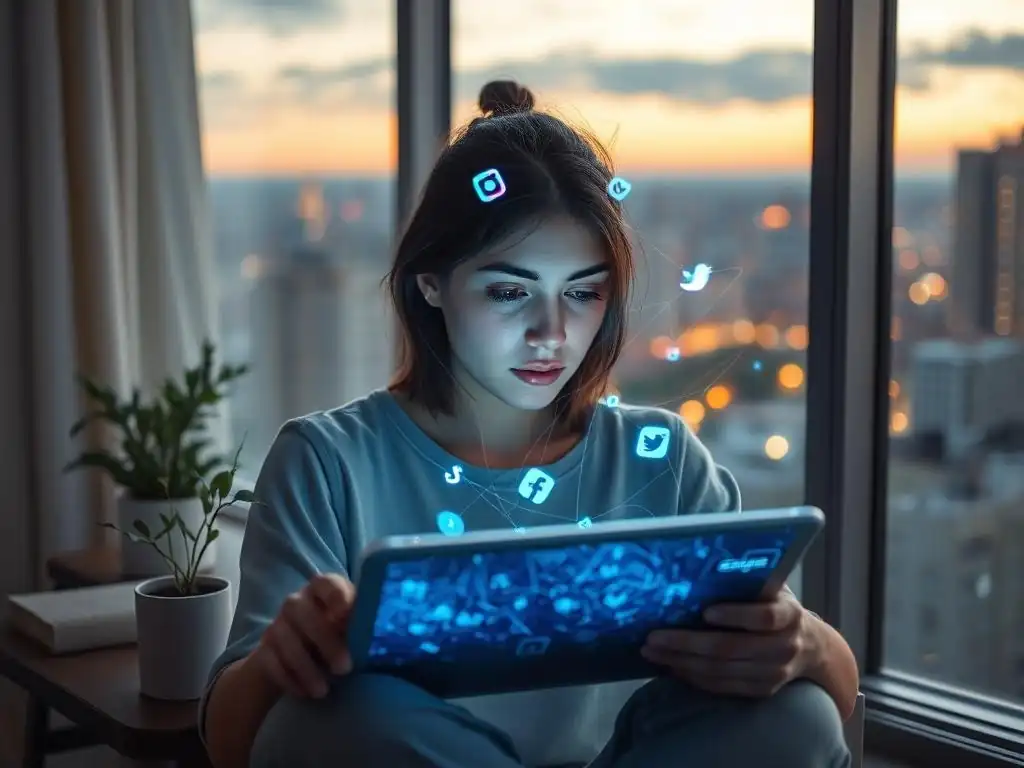
Welcome to Mind Care Guide, your compassionate companion on the path to mental well-being.
Ever feel like you're drowning in a sea of perfectly curated online lives? You're not alone. In today's hyper-connected world, social media can take a significant toll on our mental health. This guide explores the challenges of constant connectivity and offers practical social media anxiety management strategies to help you reclaim your peace of mind. Ready to break free from the digital pressure? Let's begin.
- The Constant Connectivity Cost: Mental Toll of Always Being Online
- Understanding the Impact of Constant Connectivity on Mental Health
- The Mental Toll of Always Being Online: Specific Concerns
- The Link Between Social Media Use and Anxiety Disorders
- Social Media Anxiety Management Strategies: Reclaiming Your Mental Well-being
- Developing Healthy Digital Habits for Long-Term Mental Well-being
- Long-Term Benefits of Managing Social Media Anxiety
- Conclusion: Prioritizing Mental Health in a Connected World
-
Frequently Asked Questions
- How does constant social media use contribute to anxiety?
- What are some practical social media anxiety management strategies I can implement right away?
- What role does mindfulness play in managing social media-related anxiety?
- Are there any specific types of social media content that are more likely to trigger anxiety?
- Where can I find professional help if my social media anxiety is overwhelming?
- Final Reflection: Reclaiming Your Mind in a Hyper-Connected World
- Reclaim Your Focus: Steps to a Healthier Digital Life
The Constant Connectivity Cost: Mental Toll of Always Being Online
The modern world is undeniably shaped by digital technology, placing constant connectivity at our fingertips. While this offers unprecedented access to information and social interaction, it also introduces unique challenges to our mental well-being. The pressure to be always available, always informed, and always "on" can lead to significant psychological strain, contributing to conditions like stress, anxiety, and even depression. Understanding this impact is the first step towards mitigating its effects and developing healthier digital habits.
Navigating this landscape requires acknowledging the subtle ways constant online presence infiltrates our daily lives and affects our inner state. From the moment we wake up and check our phones to the late-night scrolling sessions, the digital world demands our attention, often at the expense of rest, real-world connections, and mental peace. This perpetual state of readiness for notifications and updates creates a background hum of tension that many people now experience as normal, yet it carries a hidden cost to mental health.
Understanding the Impact of Constant Connectivity on Mental Health
The Ubiquitous Nature of Online Presence and Its Demands
Our lives are increasingly intertwined with the digital realm. Smartphones are near-constant companions, providing access to social media platforms, email, news, and work communications at any hour. This pervasive connectivity means that the boundaries between work, social life, and personal time have become significantly blurred, leading to a feeling of being perpetually "on call." Studies suggest that many adults check their phones dozens, if not hundreds, of times per day, indicating a deep level of engagement with the online world.
This ubiquitous presence creates inherent demands on our attention and energy. Every notification, every new email, every trending topic competes for our cognitive resources. The expectation, often self-imposed or perceived from others, to respond quickly or be aware of the latest developments adds layers of mental pressure. This constant state of readiness can deplete mental reserves, making it harder to focus on tasks, relax, or engage deeply in offline activities, ultimately contributing to a state of chronic low-level stress.
Defining "Always Being Online": A Modern Mental Health Challenge
"Always being online" refers to a state where an individual maintains a near-constant connection to the internet, primarily through mobile devices, leading to frequent engagement with social media, messaging apps, email, and other online platforms throughout the day and night. This isn't just about occasional use; it describes a pattern of behavior characterized by an inability or unwillingness to disconnect for significant periods, often driven by habit, fear of missing out, or professional obligations. It represents a significant shift from previous eras where connectivity was limited to specific times and locations.
This continuous digital engagement has emerged as a distinct modern mental health challenge. Unlike traditional stressors, it's a pervasive, often subtle, influence that shapes our thoughts, behaviors, and emotional states. The constant stream of information and social interaction, while seemingly beneficial, can overload our cognitive systems and disrupt natural human rhythms, such as sleep patterns and attention spans. Recognizing this state as a potential challenge, rather than just a normal aspect of modern life, is crucial for addressing its mental health implications.
Constant connectivity is a primary driver of social media anxiety. The perpetual access to platforms like Instagram, Facebook, X (formerly Twitter), and TikTok means users are continuously exposed to curated versions of others' lives, instant feedback loops, and the pressure to present an ideal self. This environment fosters a constant comparison with peers, leading to feelings of inadequacy or envy. The speed at which information spreads online also means that negative interactions, such as critical comments or perceived social slights, can feel immediate and overwhelming, amplifying anxious feelings.
Moreover, the design of social media platforms, with their notifications, likes, and shares, is intended to be highly addictive, creating a cycle of seeking validation that can exacerbate anxiety. The anticipation of receiving positive feedback or the fear of receiving none can create a constant state of low-grade stress. For individuals already predisposed to anxiety, this environment can be particularly challenging, making the management of social media anxiety a critical aspect of maintaining mental well-being in the digital age. Effective social media anxiety management strategies are essential tools for navigating this landscape.
The Mental Toll of Always Being Online: Specific Concerns
Increased Stress Levels Due to Information Overload
Being constantly online exposes individuals to an unprecedented volume of information every minute. News headlines, social media updates, emails, messages from multiple apps – the sheer quantity can be overwhelming. This information overload makes it difficult for the brain to process and prioritize, leading to mental fatigue and increased stress levels. The feeling of needing to keep up with everything, often referred to as "infobesity," creates a persistent cognitive burden that contributes significantly to daily stress.
Research suggests that filtering and processing excessive digital information consumes valuable mental resources, leaving less capacity for problem-solving, creativity, and emotional regulation. For example, constantly monitoring news feeds for updates, even on non-critical issues, can trigger stress responses similar to those experienced during real-world threats. This sustained state of heightened alert, fueled by the never-ending stream of data, is a direct consequence of constant connectivity and a major contributor to the mental toll it exacts.
The Pressure to Maintain an Online Persona and Its Implications
Social media often creates a pressure to present a carefully curated, often idealized, version of oneself. Users may feel compelled to share only positive experiences, achievements, or aesthetically pleasing images, leading to a disconnect between their online persona and their real life. This constant performance requires significant effort and can be emotionally draining, fostering feelings of inauthenticity and self-doubt if the online reception doesn't match expectations. The need to appear successful, happy, or popular online can become a source of significant anxiety.
The implications of this pressure extend beyond the digital realm. Maintaining a facade online can make it difficult to form genuine connections based on vulnerability and authenticity. It can also lead to a distorted self-perception, where self-worth becomes tied to likes, comments, and follower counts. This constant comparison to others' seemingly perfect online lives, coupled with the effort required to uphold one's own online image, contributes heavily to social media anxiety and impacts overall self-esteem.
Fear of Missing Out (FOMO) and Its Connection to Anxiety
Fear of Missing Out, or FOMO, is a pervasive psychological phenomenon closely tied to constant connectivity and social media use. It describes the uneasy and sometimes anxious feeling that exciting or interesting events are happening elsewhere, often fueled by seeing posts about others' activities online. The constant stream of updates about parties, vacations, social gatherings, or professional achievements can make individuals feel left out or inadequate, leading to feelings of envy, dissatisfaction, and anxiety.
FOMO compels individuals to stay constantly connected to avoid missing out on potential experiences or important information. This can manifest as compulsively checking social media feeds, responding instantly to messages, or agreeing to activities out of obligation rather than genuine desire. This perpetual state of vigilance, driven by the fear of being excluded, fuels a cycle of anxiety and prevents individuals from fully engaging with their current reality. It's a significant factor contributing to the need for effective social media anxiety management strategies.

Social media platforms are environments ripe for social comparison. Users are constantly exposed to images and narratives of others' lives, often highlighting achievements, possessions, appearances, and experiences that may seem superior to their own. This constant comparison can lead to feelings of inadequacy, envy, and dissatisfaction with one's own life, significantly impacting self-esteem. Unlike comparing oneself to a few peers in a local community, social media allows comparison to a global pool of potentially millions of people, amplifying the effect.
Studies have repeatedly shown a correlation between increased social media use and lower self-esteem, particularly among younger demographics. Seeing curated highlights of others' lives without the context of their struggles or mundane realities creates an unrealistic standard that is impossible to meet. This perpetual feeling of not being "enough" based on online metrics and comparisons is a major component of the mental toll of constant connectivity and underscores the importance of techniques for managing social comparison as part of social media anxiety management strategies.
The Impact of Cyberbullying and Online Harassment
While not a direct result of just being online, constant connectivity increases exposure to the risk of cyberbullying and online harassment. Unlike traditional bullying, online harassment can be relentless, occurring at any time of day or night, and can reach a potentially vast audience very quickly. Negative comments, rumors, threats, or exclusion online can have devastating effects on a person's mental health, leading to severe anxiety, depression, isolation, and in extreme cases, suicidal ideation.
The anonymity or perceived distance provided by the internet can embolden individuals to engage in behavior they wouldn't offline. For victims, the inability to escape the harassment, which can follow them across different platforms and devices, creates a constant state of fear and distress. The psychological impact of cyberbullying is profound and long-lasting, making online safety and addressing online harassment critical components of comprehensive mental well-being in the digital age.
Exploring the Correlation Between Screen Time and Anxiety Symptoms
Numerous studies have explored the relationship between screen time, particularly time spent on social media, and the prevalence or severity of anxiety symptoms. While correlation does not equal causation, research consistently indicates a positive association. For instance, some studies suggest that individuals who spend several hours a day on social media are significantly more likely to report symptoms of anxiety and depression compared to those with limited use. This correlation appears to be stronger among adolescents and young adults.
The mechanisms behind this link are believed to involve factors like disrupted sleep patterns due to late-night scrolling, exposure to cyberbullying, social comparison, and the fear of missing out, all of which can heighten anxiety levels. Furthermore, excessive screen time can displace activities known to support mental health, such as physical exercise, in-person social interactions, and sufficient sleep. Understanding this correlation highlights the need for mindful screen time management as a key element in strategies for social media anxiety.
Social media platforms are designed to be addictive, utilizing variable rewards (likes, comments, shares) that trigger dopamine releases in the brain, similar to gambling or substance use. For some individuals, this can develop into a behavioral addiction characterized by excessive use, preoccupation with social media, withdrawal symptoms when unable to access it, and a continuation of use despite negative consequences. This addictive pattern significantly contributes to mental health issues, including increased anxiety.
Individuals struggling with social media addiction often experience heightened stress, poor sleep, reduced productivity, and strained relationships. The constant need to check feeds and notifications creates a state of perpetual vigilance that fuels anxiety. Breaking free from this addictive cycle is crucial for improving mental well-being and is a primary goal of effective social media anxiety management strategies. Recognizing the signs of addiction is the first step towards seeking help and implementing change.
The Role of Notifications and Their Impact on Attention and Stress
Notifications from social media and other apps are designed to grab our attention instantly. Each ping, buzz, or visual alert is a potential interruption that pulls our focus away from the task at hand. This constant stream of interruptions fragments our attention, making it harder to concentrate deeply on work, studies, or even conversations. The mere anticipation of notifications can also create a state of hypervigilance, adding to background stress levels.
The brain's reward system is activated by notifications, particularly those signaling interaction (likes, messages), creating a craving for these digital cues. This can lead to a compulsive checking behavior, where individuals unlock their phones repeatedly throughout the day, even without a notification. This constant state of readiness for digital input disrupts natural focus, increases cognitive load, and contributes to a feeling of being constantly overwhelmed, all of which exacerbate anxiety. Managing notifications is a simple yet powerful tactic within social media anxiety management strategies.
Managing social media anxiety is crucial for protecting mental health in our hyper-connected world. It's not necessarily about completely abandoning social media, but rather about developing a healthier relationship with it and the online world. Implementing effective strategies allows individuals to gain control over their digital habits and reduce the negative psychological impact of constant connectivity. These strategies often involve setting boundaries, cultivating awareness, and prioritizing offline life.
Developing a personalized approach to managing social media anxiety is key. What works for one person might not work for another, but the underlying principles often involve conscious effort to reduce exposure to triggers and build resilience. By actively implementing social media anxiety management strategies, individuals can reduce stress, improve self-esteem, and enhance their overall sense of well-being, demonstrating that it is possible to thrive mentally even while engaging with the digital world.
Practical Steps to Reduce Constant Connectivity
Reducing constant connectivity requires intentional effort and practical steps. One simple step is to turn off non-essential notifications on your phone and computer. This immediately reduces the number of interruptions throughout the day, allowing for greater focus and reducing the urge to constantly check devices. Another step is to designate specific times for checking email or social media rather than leaving apps open or checking them haphazardly throughout the day. For instance, limiting checks to morning, noon, and evening can significantly cut down on continuous engagement.
Furthermore, physically placing your phone out of reach or in another room during focused work, meals, or bedtime can help break the habit of constant checking. Using apps that track screen time can also provide valuable insight into usage patterns, making it easier to identify areas for reduction. Setting small, achievable goals, such as not checking social media for the first hour after waking up or for the last hour before bed, are concrete social media anxiety management strategies that can make a significant difference over time.
Setting Boundaries: Defining "Offline" Time
Establishing clear boundaries between online and offline life is a fundamental social media anxiety management strategy. This involves consciously deciding when and where digital devices are off-limits. For example, declaring dinner time a phone-free zone for the entire family encourages present interaction. Similarly, committing to not using screens in the bedroom helps improve sleep hygiene and reduces the temptation for late-night scrolling, which is often linked to increased anxiety.
Defining "offline" time can also extend to setting daily or weekly digital detox periods. This could be a few hours each evening or an entire day on the weekend dedicated to activities that do not involve screens. Communicating these boundaries to friends and family can help manage expectations and reinforce your commitment. Regularly disconnecting allows for mental rest and provides opportunities to engage in activities that nourish mental well-being, reinforcing the effectiveness of social media anxiety management strategies.
Mindful social media usage involves approaching platforms with awareness and intention rather than falling into mindless scrolling. Before opening an app, ask yourself why you are doing so. Are you looking for specific information, connecting with a particular person, or just passing time out of habit? Being conscious of your motivation can help you use the platform more purposefully and avoid getting sucked into endless feeds that contribute to anxiety.
Practicing mindfulness while scrolling involves paying attention to how content makes you feel. If you notice certain accounts or types of posts consistently trigger negative emotions like envy or inadequacy, consider unfollowing or muting them. Set time limits for your sessions and stick to them. Engaging with social media mindfully transforms it from a potentially harmful habit into a tool used consciously for specific purposes, making it a vital component of social media anxiety management strategies.
Managing social comparison on social media requires actively challenging the narratives presented online and focusing on your own reality. Remind yourself that people typically share only the highlights of their lives, not the everyday struggles. What you see is often a curated performance, not the full picture. Consciously compare yourself to your past self and your own goals rather than to others' online personas.
Boosting self-esteem in the context of social media anxiety involves cultivating self-compassion and focusing on your own strengths and achievements. Engage in activities that make you feel competent and valued, independent of online validation. Limit exposure to accounts that consistently make you feel bad about yourself. Follow accounts that are inspiring, educational, or genuinely supportive. Actively seeking out positive online environments and focusing on self-improvement offline are effective social media anxiety management strategies for combating the negative effects of comparison.
Strategies for Addressing FOMO and Embracing the Present Moment
Counteracting the Fear of Missing Out (FOMO) involves actively cultivating a focus on the present moment and appreciating your current experiences. When you feel the urge to check social media because you fear missing out, pause and ask yourself what you are missing in your current reality by being distracted by your phone. Engage fully in the activity you are currently doing, whether it's a conversation, a meal, or a quiet moment alone.
Intentionally scheduling and prioritizing offline activities that you genuinely enjoy can also help reduce FOMO. When you are engaged in fulfilling real-world experiences, the perceived importance of what's happening online diminishes. Practice gratitude for what you have and where you are, rather than focusing on what others seem to have or be doing elsewhere. Learning to be content with your own path and experiences is a powerful social media anxiety management strategy against the pull of FOMO.
Developing Healthy Digital Habits for Long-Term Mental Well-being
Developing healthy digital habits is not a one-time fix but an ongoing process essential for long-term mental well-being in the digital age. It involves consciously integrating technology into your life in a way that serves you, rather than controls you. This means being proactive about how, when, and why you use digital devices and platforms, and making adjustments as needed. Cultivating a mindful approach to technology ensures that it remains a tool for connection and information, rather than a source of stress and anxiety.
Establishing healthy digital habits contributes significantly to reducing the likelihood of developing social media anxiety and other tech-related mental health issues. It empowers individuals to take control of their digital environment, setting boundaries and making choices that support their psychological health. These habits form the foundation upon which effective social media anxiety management strategies are built, enabling a more balanced and fulfilling life both online and offline.
Creating a Balanced Digital Diet: Prioritizing Offline Activities
Just as a balanced nutritional diet is crucial for physical health, a balanced digital diet is vital for mental health. This means ensuring that time spent online is balanced by ample time dedicated to offline activities that are nourishing and fulfilling. Prioritize activities like spending time with loved ones in person, engaging in hobbies, exercising, spending time in nature, reading physical books, or simply relaxing without screens.
Consciously schedule these offline activities into your routine to ensure they don priority. Think of it as allocating your time budget – if X hours are spent online, ensure Y hours are spent on activities that promote well-being away from screens. This intentional prioritization helps prevent the digital world from encroaching on valuable time needed for rest, connection, and personal growth, serving as a fundamental principle within social media anxiety management strategies.
Practicing Digital Detox: Disconnecting to Reconnect with Yourself
Regularly practicing digital detox is a powerful way to reset your relationship with technology and reconnect with yourself and the physical world. A digital detox can range from a few hours to a full day or even longer, during which you intentionally abstain from using digital devices, especially smartphones and social media. This allows your mind to rest from the constant stimulation and demands of the online world.
During a digital detox, engage in activities that encourage introspection, relaxation, or real-world interaction. This could be journaling, meditating, going for a walk without your phone, spending uninterrupted time with family, or pursuing a creative project. These periods of disconnection provide valuable perspective, reduce feelings of being overwhelmed, and highlight how much time and energy are typically consumed by constant connectivity. They are essential exercises for reinforcing social media anxiety management strategies.
If social media use is significantly impacting your mental health, leading to persistent anxiety, distress, or difficulty functioning, seeking professional help is a crucial step. Therapists and counselors are trained to help individuals understand the root causes of their anxiety and develop coping mechanisms. Cognitive Behavioral Therapy (CBT) and other therapeutic approaches can be particularly effective in addressing anxiety disorders linked to social media use.
A mental health professional can help you identify specific triggers, challenge negative thought patterns related to social comparison or FOMO, and develop personalized social media anxiety management strategies. They can also assist if social media use has escalated into an addiction or is contributing to other conditions like depression or body image issues. Reaching out for support is a sign of strength and a proactive measure towards reclaiming your mental well-being.
Building a Support System: Connecting with Others Offline
Strong social connections are a powerful buffer against anxiety and stress. In the context of social media anxiety, it's particularly important to nurture relationships in the physical world. Make time for in-person interactions with friends, family, or colleagues. Engage in group activities, join clubs, or volunteer in your community. These real-world connections provide authentic validation and support that online interactions often cannot replicate.
Sharing your experiences with social media anxiety with trusted friends or family members can also be helpful. Knowing you're not alone and receiving understanding from others can reduce feelings of isolation. Building a robust offline support system provides a sense of belonging and security, grounding you in reality and reducing the reliance on digital validation that often fuels social media anxiety. Prioritizing these relationships is a key social media anxiety management strategy.
Effectively managing social media anxiety yields significant and lasting benefits for overall mental and emotional health. By taking control of your digital habits and reducing the negative impact of constant connectivity, you open the door to a more fulfilling and less stressful life. These benefits extend beyond simply feeling less anxious; they impact various aspects of your well-being, from how you perceive yourself to the quality of your relationships.
The effort invested in implementing social media anxiety management strategies pays dividends over time, leading to a more balanced perspective on the digital world and a greater appreciation for the richness of offline life. It's an investment in your psychological resilience and your ability to navigate the complexities of modern technology without sacrificing your peace of mind.
Improved Mental Clarity and Focus
Reducing constant connectivity and managing social media anxiety can dramatically improve mental clarity and focus. By minimizing distractions from notifications and the urge to constantly check devices, you free up cognitive resources. This allows you to concentrate better on tasks, whether at work, school, or during personal pursuits. The mental clutter caused by information overload begins to dissipate, leading to a calmer and more organized mind.
With improved focus comes increased productivity and a greater ability to engage deeply with activities. The constant mental switching required by juggling multiple digital inputs is reduced, leading to less fatigue and a greater sense of control over your attention. This enhanced cognitive function is a direct and tangible benefit of successfully implementing social media anxiety management strategies.
Enhanced Self-Esteem and Confidence
Successfully managing social media anxiety, particularly by reducing social comparison and the pressure to maintain an online persona, can significantly enhance self-esteem and confidence. As you spend less time comparing yourself to idealized online versions of others and more time focusing on your own strengths and accomplishments in the real world, your self-worth becomes less tied to external validation from likes or comments.
Focusing on genuine self-improvement and building real-world connections fosters a stronger sense of self-acceptance and confidence. Recognizing that your value is inherent, not dependent on online metrics, is a powerful shift. Overcoming the challenges of social media anxiety management strategies directly contributes to a more positive self-image and a greater belief in your own capabilities.
Reducing time spent mindlessly scrolling and prioritizing offline interactions strengthens real-world relationships. When you are not constantly distracted by your phone, you are more present and engaged during conversations and time spent with friends and family. This deeper level of presence fosters more meaningful connections and improves the quality of your interactions.
Investing time and energy in face-to-face relationships provides authentic social support, which is crucial for mental well-being. These genuine connections offer a sense of belonging and understanding that online interactions, while sometimes numerous, often lack in depth. Successfully implementing social media anxiety management strategies allows for a reallocation of time towards building and nurturing these vital offline bonds.
Increased Overall Well-being and Happiness
Ultimately, managing social media anxiety and developing healthy digital habits leads to an increase in overall well-being and happiness. By reducing stress, improving sleep, enhancing focus, boosting self-esteem, and strengthening relationships, you create a more positive and balanced life. The constant pressure and anxiety associated with being always online are replaced by a greater sense of peace and contentment.
Reclaiming control over your digital life allows you to spend your time and energy on activities and relationships that truly matter and bring you joy. This shift in focus from the potentially anxiety-inducing aspects of constant connectivity to the nourishing elements of offline life contributes significantly to a more fulfilling and happier existence. Effective social media anxiety management strategies are not just about reducing anxiety, but about improving life quality.
Conclusion: Prioritizing Mental Health in a Connected World
Navigating the complexities of constant connectivity in the digital age requires a conscious effort to prioritize mental health. While technology offers incredible benefits, its potential negative impacts on our psychological well-being, particularly the rise of social media anxiety, cannot be ignored. Understanding the ways in which being "always online" affects stress levels, self-esteem, and social connections is the first critical step.
Implementing effective social media anxiety management strategies is not about rejecting technology, but about developing a healthier, more balanced relationship with it. By setting boundaries, practicing mindful usage, prioritizing offline activities, and seeking support when needed, individuals can mitigate the mental toll of constant connectivity and reclaim their mental peace. In a world that is increasingly intertwined with the digital realm, actively managing our digital habits is no longer just an option, but a necessity for long-term well-being.
Frequently Asked Questions
Constant social media use can lead to anxiety by fostering fear of missing out (FOMO), promoting social comparison, and creating an unrealistic portrayal of others' lives.
Immediately, try limiting your daily screen time, unfollowing accounts that trigger negative emotions, and practicing mindful scrolling by paying attention to your reactions.
Mindfulness helps you become aware of your thoughts and feelings while using social media, allowing you to disengage from negative comparisons and reduce impulsive scrolling.
Yes, content promoting unrealistic beauty standards, constant competition, and overly curated lifestyles often contribute to increased anxiety levels.
Consider seeking help from a therapist or counselor specializing in anxiety disorders. Mind Care Guide also offers resources and support for various mental health challenges.
Final Reflection: Reclaiming Your Mind in a Hyper-Connected World
The relentless pursuit of online connection is ironically disconnecting us from ourselves, fostering a pervasive anxiety that impacts millions. This isn't just about fleeting moments of frustration; it's about a fundamental shift in our relationship with technology, one that demands careful consideration and proactive management. The constant influx of information, the pressure to maintain a curated online persona, and the fear of missing out (FOMO) are taking a significant toll on our mental well-being.
The pervasiveness of social media anxiety is undeniable, shaping our social interactions, self-perception, and even our sense of self-worth. It's a silent epidemic, subtly eroding our mental health, one notification at a time. This constant state of "on" leaves little room for introspection, for genuine connection, and for the quiet moments necessary for self-care. As Sherry Turkle poignantly stated, We expect more from technology and less from each other.
This quote perfectly encapsulates the paradoxical nature of our hyper-connected world: we crave connection but often find ourselves more isolated than ever.
Consider this your call to action. Take a moment to reflect on your own relationship with technology. Are you truly benefiting from constant connectivity, or is it subtly draining your energy and impacting your mental health? Begin by setting boundaries – schedule dedicated "digital detox" times, limit your social media usage, and prioritize real-life interactions. Remember, reclaiming your mental well-being is not a passive process; it requires conscious effort and a commitment to prioritizing your mental health above the demands of the digital world. You deserve peace of mind, and you have the power to create it.
Reclaim Your Focus: Steps to a Healthier Digital Life
Thanks for taking the time to explore the mental health impacts of constant connectivity. We hope you gained valuable insights into managing your digital well-being. Now, let's turn those insights into action!
- Prioritize a Digital Detox: Schedule 30 minutes each day completely offline. This could be a dedicated time for mindfulness, reading a physical book, or engaging in a hobby you enjoy. It's a small change with big results.
- Share Your Thoughts: Discuss this article with a friend, family member, or colleague. Starting a conversation about healthy digital habits can spark positive change in your social circles.
- Explore Mindful Tech Use: Experiment with app timers or website blockers to regain control over your screen time. Even small adjustments can make a big difference!
What specific steps will you take today to improve your relationship with technology and create a healthier digital balance?