
OCD and Brain Plasticity: Can Rewiring Techniques Reduce Compulsions?


Welcome to Mind Care Guide, a space dedicated to understanding and nurturing your mental well-being. Ever wonder if you could actually change the way your brain responds to obsessive thoughts? Dive into our latest article exploring OCD brain plasticity rewiring techniques and discover how cutting-edge neuroscience offers potential pathways to lasting relief and reduced compulsions. Could rewiring your brain be the key to a brighter future? Let's find out together.
OCD and Brain Plasticity: Rewiring Techniques for Reducing Compulsions
- Understanding OCD and the Brain: A Neuroplasticity Perspective
- OCD Brain Plasticity Rewiring Techniques: A Practical Guide
- How Brain Plasticity Rewiring Works to Reduce OCD Compulsions
- The Benefits of OCD Brain Plasticity Rewiring Techniques
- Considerations and Limitations of OCD Brain Rewiring Approaches
- Conclusion: Embracing Neuroplasticity for OCD Recovery and Management
-
Frequently Asked Questions
- What is brain plasticity and how does it relate to OCD?
- How do OCD brain plasticity rewiring techniques work?
- What types of therapies are typically used to rewire the OCD brain?
- How long does it typically take to see results from OCD brain plasticity rewiring techniques?
- Are OCD brain plasticity rewiring techniques a cure for OCD?
- Final Reflection: Rewiring the Mind, Rewriting the Story of OCD
- Unlock Your Brain's Potential: Start Rewiring Today!
Understanding OCD and the Brain: A Neuroplasticity Perspective
Obsessive-Compulsive Disorder (OCD): Obsessions, Compulsions, and Their Impact
Obsessive-Compulsive Disorder (OCD) is a chronic anxiety disorder characterized by two core components: obsessions and compulsions. Obsessions are persistent, intrusive, and unwanted thoughts, urges, or images that cause significant anxiety or distress. These thoughts can range widely, such as fears of contamination, aggressive impulses, the need for symmetry or order, or persistent doubts.
Despite attempts to ignore or suppress them, these obsessions continue to intrude, creating a cycle of distress that drives the compulsive behaviors. The impact of these obsessions on daily life can be profound, interfering with work, relationships, and personal well-being. Individuals often spend hours each day grappling with these intrusive thoughts, leading to exhaustion and a diminished quality of life.
Compulsions are repetitive behaviors or mental acts that a person feels driven to perform in response to an obsession or according to rigid rules. These actions are typically aimed at reducing anxiety or preventing a dreaded event or situation, though they are often not logically connected to the fear they are meant to neutralize.
Examples include excessive washing or cleaning, checking (locks, appliances), repeating actions, arranging things in a specific order, or performing mental rituals like praying or counting. While compulsions may offer temporary relief from the anxiety triggered by obsessions, they ultimately reinforce the cycle, becoming time-consuming and disruptive.
For instance, severe OCD can lead to individuals spending upwards of 8 hours a day on rituals, making it difficult to hold a job or maintain social connections. Clinical studies indicate that the lifetime prevalence of OCD is around 2.3% globally, highlighting its significant impact on public health and the need for effective interventions.
Brain Regions Implicated in OCD: Orbitofrontal Cortex, Anterior Cingulate Cortex, and Striatum
Research using neuroimaging techniques, such as fMRI and PET scans, has identified specific brain circuits that appear to function differently in individuals with OCD compared to those without the disorder. A key circuit implicated is the cortico-striatal-thalamo-cortical (CSTC) circuit. This pathway involves several interconnected brain regions responsible for tasks like decision-making, habit formation, and impulse control.
Within this circuit, three areas are particularly notable: the orbitofrontal cortex (OFC), the anterior cingulate cortex (ACC), and the striatum (including the caudate nucleus and putamen). The OFC is involved in processing information about potential rewards and punishments, and its hyperactivity is thought to contribute to the exaggerated sense of threat or danger associated with obsessions.
The anterior cingulate cortex (ACC) plays a role in error detection, conflict monitoring, and response selection. In OCD, increased activity in the ACC might contribute to the feeling that something is "not right" or the difficulty in disengaging from a thought or action. The striatum, particularly the caudate nucleus, is crucial for learning and executing habits and is thought to be involved in the rigid, repetitive nature of compulsions.
Studies have shown altered activity and connectivity within these regions in individuals with OCD. For example, some studies using PET scans have observed higher glucose metabolism (an indicator of neural activity) in the OFC and caudate nucleus of individuals with OCD compared to controls. Understanding the involvement of these specific brain regions is fundamental to developing effective OCD brain plasticity rewiring techniques aimed at modulating these circuits.
Neuroplasticity: The Brain's Capacity for Change in OCD
Neuroplasticity refers to the brain's remarkable ability to reorganize itself by forming new neural connections throughout life. This dynamic process allows the brain to adapt, learn, and store information, essentially changing its structure and function in response to experiences, behaviors, and even thoughts. For decades, it was believed that the adult brain was largely fixed, but modern neuroscience has demonstrated its incredible malleability. This capacity for change offers significant hope for individuals with mental health conditions like OCD, suggesting that the problematic brain circuits involved are not permanently fixed and can potentially be modified.
In the context of OCD, neuroplasticity implies that the maladaptive patterns of activity and connectivity within the CSTC circuit, which contribute to obsessions and compulsions, might be altered through targeted interventions. Effective treatments for OCD are thought to work, at least in part, by leveraging this neuroplasticity.
By engaging in new behaviors or thought patterns consistently, individuals can potentially weaken the established, problematic neural pathways and strengthen alternative, healthier ones. This is the core principle behind many OCD brain plasticity rewiring techniques – actively engaging the brain in ways that promote beneficial structural and functional changes, ultimately leading to reduced symptom severity and improved well-being.
OCD Brain Plasticity Rewiring Techniques: A Practical Guide
Cognitive Behavioral Therapy (CBT) and Neuroplasticity in OCD Treatment
Cognitive Behavioral Therapy (CBT) is a widely recognized and highly effective form of psychotherapy for OCD. It operates on the principle that psychological problems are based, in part, on faulty or unhelpful ways of thinking (cognitions) and learned patterns of unhelpful behavior. By changing these thought patterns and behaviors, individuals can change how they feel. In the context of OCD, CBT techniques are specifically designed to challenge the obsessive thoughts and break the compulsive cycle, and evidence suggests these changes are accompanied by measurable alterations in brain activity and structure, reflecting the brain's plasticity.
Studies have shown that successful CBT for OCD can lead to changes in the very brain regions implicated in the disorder, such as the OFC and caudate nucleus. For example, research using fMRI has indicated that after completing a course of effective CBT, patients with OCD show reduced activity in these areas when confronted with triggers, compared to their baseline scans before therapy.
This suggests that the therapy helps to "normalize" the activity in these circuits. CBT, therefore, acts as a powerful set of OCD brain plasticity rewiring techniques, guiding the brain to form new, healthier response patterns to obsessive thoughts rather than defaulting to compulsive rituals.
Exposure and Response Prevention (ERP): Breaking the Compulsion Cycle
Exposure and Response Prevention (ERP) is considered the gold standard behavioral therapy for OCD and is a core component of CBT. ERP involves intentionally and gradually exposing oneself to situations, objects, or thoughts that trigger obsessions and anxiety (exposure), while simultaneously refraining from performing the usual compulsive rituals or avoidance behaviors (response prevention).
The goal is to learn that the feared consequences do not occur and that the anxiety eventually decreases on its own without resorting to compulsions – a process known as habituation. For instance, someone with contamination OCD might be asked to touch a "dirty" object (exposure) and then resist the urge to wash their hands for a specified period (response prevention).
Through repeated exposure and prevention of the compulsive response, ERP directly challenges the learned association between the obsession, the anxiety, and the compulsion. This process is believed to facilitate significant neuroplastic changes. By repeatedly activating the fear circuit (via exposure) but then not engaging the habit/compulsion circuit (via response prevention), the brain gradually learns a new response pattern.
Research indicates that successful ERP treatment is associated with decreased activity in the OFC and ACC, and altered connectivity within the CSTC circuit, demonstrating that this technique actively promotes OCD brain plasticity rewiring by weakening the compulsive pathways and strengthening alternative responses. Clinical trials often report substantial reductions in OCD symptom severity, sometimes ranging from 50% to 80%, following a course of ERP.
Cognitive Restructuring: Challenging and Reframing Obsessive Thoughts
Cognitive restructuring is another key component of CBT used in the treatment of OCD. While ERP focuses on the behavioral aspect, cognitive restructuring targets the content and appraisal of the obsessive thoughts themselves. This technique involves identifying distorted or unhelpful thinking patterns associated with obsessions, such as overestimating threat, having an inflated sense of responsibility, or needing certainty.
Once identified, these thoughts are systematically challenged and replaced with more balanced and realistic perspectives. For example, someone obsessed with hitting someone while driving might challenge the thought "I must have hit someone, I felt a bump" by examining evidence, considering probabilities, and reframing it as "It's highly unlikely I hit someone; that was probably a pothole, and I don't need 100% certainty."
By actively questioning and modifying the interpretation of obsessive thoughts, cognitive restructuring helps to reduce the emotional impact and urgency associated with them. This cognitive work is also believed to contribute to the brain's rewiring process. Engaging the prefrontal cortex in evaluating and challenging thoughts can help to exert top-down control over the more primitive fear and habit circuits.
Over time, consistently applying cognitive restructuring can alter how the brain responds to intrusive thoughts, reducing the automatic activation of anxiety and the subsequent drive for compulsions. While ERP is often considered the primary driver of behavioral change, cognitive restructuring supports and reinforces these changes by addressing the underlying thought processes, contributing to comprehensive OCD brain plasticity rewiring.
Mindfulness-Based Interventions and Brain Changes in OCD
Mindfulness-based interventions, such as Mindfulness-Based Stress Reduction (MBSR) or Mindfulness-Based Cognitive Therapy (MBCT), are increasingly being explored as complementary approaches for OCD. Mindfulness involves paying attention to the present moment without judgment, cultivating an awareness of thoughts, feelings, and bodily sensations as they arise.
Unlike traditional CBT which often focuses on changing the content of thoughts, mindfulness emphasizes changing one's relationship to thoughts – observing them as transient mental events rather than absolute truths requiring immediate action. For individuals with OCD, this means learning to notice an obsessive thought or compulsive urge without getting caught up in it or feeling compelled to perform a ritual.
Practicing mindfulness regularly is associated with changes in brain regions involved in attention, emotional regulation, and self-awareness. Studies have shown that mindfulness meditation can increase gray matter density in areas like the hippocampus (involved in learning and memory) and the temporo-parietal junction (involved in perspective-taking and empathy).
While research specifically on mindfulness's impact on the core OCD circuits (OFC, ACC, striatum) is still evolving, preliminary findings suggest it can influence activity in the ACC, potentially improving the ability to disengage from unhelpful thoughts. Incorporating mindfulness into an OCD treatment plan can serve as one of several valuable OCD brain plasticity rewiring techniques by enhancing the ability to tolerate distress and observe mental phenomena without reactive engagement.
Cultivating Awareness to Reduce Compulsive Urges
A core practice in mindfulness relevant to OCD is cultivating non-judgmental awareness of internal experiences, including obsessive thoughts and the urges to perform compulsions. Instead of immediately reacting to an intrusive thought with anxiety and a subsequent compulsion, mindfulness encourages individuals to simply notice the thought or urge: "There is a thought about contamination," or "I am feeling an urge to check."
This simple act of acknowledging the internal experience without immediately acting on it creates a crucial space between the trigger (obsession/urge) and the response (compulsion). This pause allows the individual to choose a different response, or no response at all, rather than automatically falling into the habitual compulsive pattern.
By repeatedly practicing this non-reactive observation, individuals strengthen neural pathways associated with conscious processing and inhibitory control, while potentially weakening the automatic, habitual pathways that drive compulsions. This aligns directly with the principles of OCD brain plasticity rewiring.
For example, instead of the brain automatically firing from OFC (threat detection) to the striatum (habit execution), mindfulness practice can help activate prefrontal regions involved in executive control and emotional regulation, allowing for a more deliberate and less reactive response. This cultivation of mindful awareness provides an internal tool that complements behavioral strategies like ERP, helping individuals navigate the intense urges that often precede compulsions.
Mindfulness Meditation: Impact on Brain Structure and Function
Regular practice of mindfulness meditation involves specific techniques, such as focused attention on the breath or body scan meditation, aimed at training attention and awareness. Research into the neurobiological effects of meditation suggests it can induce structural and functional changes in the brain, particularly in areas related to attention, self-awareness, and emotion regulation – areas often disrupted in OCD. A study published in Psychiatry Research: Neuroimaging in 2011, for instance, found that participants who completed an 8-week mindfulness program showed increases in gray matter density in brain regions including the left hippocampus, posterior cingulate cortex, temporo-parietal junction, and cerebellum.
While the direct impact of mindfulness meditation specifically on the core OCD circuitry (OFC, ACC, striatum) is still an active area of research, the observed changes in related areas are highly relevant. Improvements in attention control (prefrontal cortex) can help individuals disengage from obsessive thoughts. Enhanced emotional regulation (potentially via changes in the amygdala and its connections to the prefrontal cortex) can help manage the anxiety triggered by obsessions.
Increased self-awareness (insula, temporo-parietal junction) can improve the ability to recognize the onset of urges without identifying with them. These changes collectively support the goals of OCD brain plasticity rewiring techniques by building psychological capacities that help individuals resist compulsions and tolerate distress more effectively.
Neuromodulation Techniques for OCD
For individuals with severe, treatment-resistant OCD who have not responded adequately to standard psychological and pharmacological treatments, neuromodulation techniques offer alternative approaches aimed at directly altering brain activity. These methods involve applying electrical or magnetic stimulation to specific brain regions thought to be involved in the disorder. While these are more invasive or resource-intensive than therapy or medication, they represent powerful, albeit experimental or last-resort, OCD brain plasticity rewiring techniques.
The rationale behind neuromodulation for OCD is to directly influence the abnormal activity or connectivity within the CSTC circuit. By either stimulating or inhibiting specific nodes in this network, the aim is to restore more balanced and functional brain activity patterns. Unlike therapy which relies on behavioral and cognitive change to indirectly induce plasticity, neuromodulation seeks to directly nudge the brain towards a different state. Research is ongoing to refine these techniques and identify which patients are most likely to benefit, but they hold promise for those who have exhausted other options.
Transcranial Magnetic Stimulation (TMS): Targeting Specific Brain Regions
Transcranial Magnetic Stimulation (TMS) is a non-invasive neuromodulation technique that uses magnetic pulses delivered through a coil placed on the scalp to stimulate specific areas of the brain. For OCD, TMS is typically directed at regions within the prefrontal cortex, particularly the dorsomedial prefrontal cortex (dmPFC) or supplementary motor area (SMA), which are connected to the deeper CSTC circuit. The magnetic pulses induce electrical currents in the targeted neurons, modulating their activity. A typical course of TMS involves daily sessions over several weeks.
Studies investigating the use of TMS for OCD have shown varying levels of success, with response rates often lower than those seen with first-line treatments like ERP, but offering a potential option for non-responders. A meta-analysis published in 2019, summarizing findings from multiple studies, indicated that TMS directed at specific prefrontal areas could lead to a modest but statistically significant reduction in OCD symptoms compared to sham (placebo) stimulation.
While the exact mechanisms are still being researched, it is believed that repeated TMS sessions induce neuroplastic changes in the targeted cortical areas, which in turn influence the activity of the interconnected deeper brain structures involved in OCD, thereby acting as a form of OCD brain plasticity rewiring.
Deep Brain Stimulation (DBS): For Treatment-Resistant OCD
Deep Brain Stimulation (DBS) is a more invasive neuromodulation technique reserved for the most severe, treatment-resistant cases of OCD. It involves surgically implanting electrodes in specific deep brain regions, typically within the CSTC circuit, such as the anterior limb of the internal capsule (ALIC) or the ventral capsule/ventral striatum (VC/VS). These electrodes are connected to a pulse generator implanted under the skin, which delivers continuous electrical impulses to the targeted area, modulating neural activity. The stimulation parameters (voltage, frequency, pulse width) are then carefully adjusted by a clinician.
DBS is a significant intervention with potential risks, but for carefully selected patients with debilitating OCD who have failed multiple rigorous treatment attempts, it can provide substantial relief. Research indicates that a significant percentage of patients treated with DBS for refractory OCD experience a clinically meaningful reduction in symptom severity.
For example, studies often report that approximately 40-60% of patients achieve at least a 35% reduction in Yale-Brown Obsessive Compulsive Scale (Y-BOCS) scores. The mechanism of action is complex, but it is thought that by providing continuous, patterned stimulation, DBS helps to normalize the pathological activity patterns within the CSTC circuit, essentially forcing a form of OCD brain plasticity rewiring at a fundamental level, allowing the brain to function more effectively.
How Brain Plasticity Rewiring Works to Reduce OCD Compulsions
Interrupting Compulsive Behavior Patterns: Breaking the Cycle
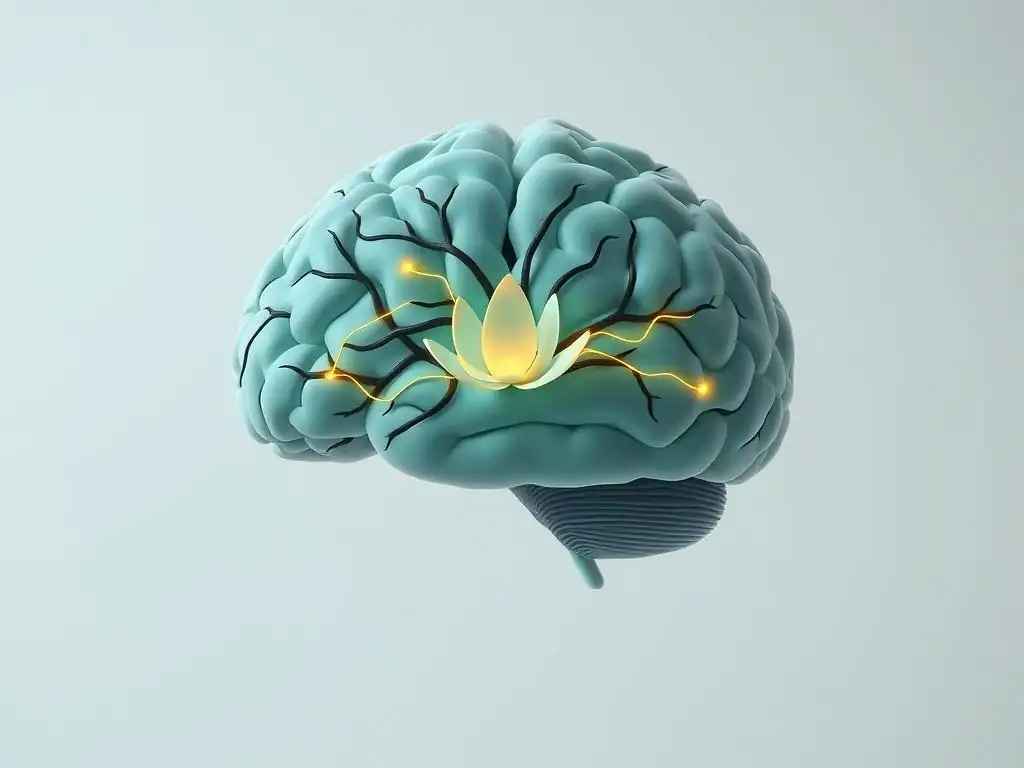
At its core, reducing OCD compulsions through brain plasticity rewiring techniques involves interrupting the well-established, often automatic, cycle of obsession leading to anxiety leading to compulsion. In the brain, this cycle is represented by the overactivity and rigid connectivity within the CSTC circuit. When an obsession arises (perhaps activating the OFC), it triggers intense anxiety (involving the amygdala and ACC), and the brain quickly accesses the learned, habitual response pathway within the striatum to perform a compulsion, which temporarily reduces the anxiety, reinforcing the entire loop. This creates a strong, well-worn neural pathway.
Techniques like ERP directly target this cycle by introducing a new response: not performing the compulsion. By repeatedly exposing the individual to the trigger without allowing the habitual response, the established neural pathway is essentially starved of its reinforcement. The brain learns that the compulsive behavior is not necessary to reduce anxiety and that the anxiety naturally dissipates over time even without the ritual.
This repeated non-reinforcement weakens the connections within the compulsive pathway. Similarly, cognitive restructuring and mindfulness create a pause before the automatic response, allowing for the possibility of choosing a different path. This active interruption is the first critical step in promoting OCD brain plasticity rewiring.
Strengthening Alternative Neural Pathways: Building Resilience
Simply interrupting the old, problematic pathways isn't enough; effective OCD brain plasticity rewiring also involves building and strengthening alternative, healthier neural pathways. These alternative pathways support adaptive responses to obsessive thoughts and anxiety, such as tolerating distress, engaging in valued activities despite discomfort, or using effective coping strategies. When an individual successfully resists a compulsion or reframes an obsessive thought, they are activating and reinforcing different brain circuits – those involved in executive control, emotional regulation, and conscious decision-making, often involving areas in the prefrontal cortex.
With consistent practice of techniques like ERP and cognitive restructuring, these alternative pathways become stronger and more efficient. The brain becomes better at inhibiting the compulsive urge and activating more adaptive responses. For example, instead of the brain automatically firing down the "compulsion" route when an obsession hits, it becomes easier to access the "tolerate and wait" or "challenge the thought" routes.
This is the essence of rewiring: weakening the old, unhelpful connections while simultaneously building up new, beneficial ones. This neurological shift builds resilience against the pull of compulsions and allows individuals to respond to triggers in a more flexible and less distressing manner.
Repetition and Consistency: Key Factors in Brain Rewiring
The brain's capacity for plasticity is immense, but rewiring established neural pathways, particularly those as deeply ingrained as those in chronic OCD, requires consistent effort and repetition. Just as practicing a musical instrument or learning a new language requires repeated effort to build proficiency and solidify new neural connections, so too does changing the brain's response to obsessions and compulsions. A single instance of resisting a compulsion is a step, but it is the repeated practice over time that leads to lasting structural and functional brain changes.
Clinical studies on the effectiveness of ERP and CBT often involve multiple sessions per week over several months, emphasizing the need for consistent practice both in therapy and through homework assignments. Similarly, the benefits of mindfulness meditation are typically observed after regular, sustained practice. Neuromodulation techniques like TMS and DBS also rely on repeated or continuous stimulation to induce lasting changes.
This underscores a fundamental principle of OCD brain plasticity rewiring techniques: the brain changes in response to what it does consistently. Therefore, commitment to practicing the techniques, even when difficult, is paramount for fostering the significant neuroplastic changes needed for long-term symptom reduction.
The Benefits of OCD Brain Plasticity Rewiring Techniques
Reduced Anxiety and Distress
One of the most immediate and significant benefits of successfully applying OCD brain plasticity rewiring techniques is a reduction in the intense anxiety and distress associated with obsessions and the urge to perform compulsions. As individuals learn to tolerate uncertainty and resist rituals through ERP, or reframe catastrophic thoughts through cognitive restructuring, the power of the obsessions diminishes. The brain learns that the feared outcomes rarely materialize and that anxiety is a temporary state that subsides on its own.
This reduction in anxiety is not just psychological; it is reflected in changes in brain activity, such as decreased activation in the amygdala (the brain's fear center) and the OFC when faced with triggers. This physiological calming effect is a direct result of the brain's rewiring.
For example, a person who previously experienced panic-level anxiety (say, scoring an 8 out of 10) when encountering a trigger might, after successful treatment, only experience moderate anxiety (perhaps a 3 or 4), which is manageable without resorting to compulsions. This decreased emotional reactivity significantly improves the individual's ability to function and experience peace.
Improved Quality of Life and Daily Functioning
OCD can severely impair a person's quality of life, consuming hours each day and limiting their ability to engage in work, hobbies, relationships, and self-care. By reducing the frequency and intensity of obsessions and compulsions, OCD brain plasticity rewiring techniques directly lead to improved daily functioning. When individuals are no longer spending excessive time on rituals, they regain time and energy to devote to meaningful activities.
Consider someone with severe checking OCD who spends 3 hours each morning checking locks, appliances, and switches before leaving the house. Successful treatment using ERP and cognitive restructuring might reduce this checking time to less than 15 minutes, freeing up over two and a half hours daily. This allows them to get to work on time, enjoy breakfast, or spend time with family.
This practical restoration of time and freedom leads to a dramatically improved quality of life, allowing individuals to pursue personal goals, maintain employment, and nurture relationships that were previously strained by the disorder. The ability to participate more fully in life is a powerful indicator of successful brain rewiring.
Long-Term Outcomes: Sustaining Progress
The neuroplastic changes induced by effective OCD brain plasticity rewiring techniques are not merely temporary fixes; they have the potential to lead to sustained long-term recovery and management. By weakening the old, maladaptive pathways and strengthening new, adaptive ones, these techniques build a more resilient brain architecture. Individuals who have undergone successful treatment often develop a new "normal" where obsessive thoughts trigger less intense anxiety and the urge to perform compulsions is significantly weaker or absent.
Follow-up studies of patients who have completed ERP or CBT for OCD often show that symptom reduction is maintained over several years. For instance, research indicates that a large percentage of individuals who achieve significant symptom reduction with ERP maintain these gains at 2-5 year follow-ups, although periodic "booster" sessions or continued practice of techniques may be beneficial.
This suggests that the structural and functional changes in the brain resulting from these therapies are enduring. Learning and applying OCD brain plasticity rewiring techniques provides individuals with the tools to manage future challenges and maintain their progress, fostering hope for long-term recovery.
Considerations and Limitations of OCD Brain Rewiring Approaches

Individual Variability in Treatment Response
While OCD brain plasticity rewiring techniques like ERP and CBT are highly effective for many individuals with OCD, it is important to acknowledge that treatment response can vary significantly from person to person. Not everyone achieves the same level of symptom reduction, and some individuals may not respond to initial treatment attempts. Factors contributing to this variability can include the severity and specific subtype of OCD, the presence of co-occurring conditions (such as depression, anxiety, or other personality disorders), individual differences in brain structure and function, and motivation and adherence to the treatment protocol.
For example, while ERP is effective for 70-80% of individuals who complete a full course, this means 20-30% may experience only partial or minimal benefit. Understanding this variability is crucial for managing expectations and personalizing treatment plans. It underscores the need for a comprehensive assessment to identify potential barriers to treatment and tailor the approach accordingly. It also highlights that finding the right combination of OCD brain plasticity rewiring techniques, potentially including medication or exploring neuromodulation in severe cases, might be necessary for optimal outcomes.
The Importance of Professional Guidance
While the principles of OCD brain plasticity rewiring might sound straightforward, applying these techniques effectively, especially ERP, often requires the guidance of a trained mental health professional. Therapists specializing in OCD have the expertise to conduct thorough assessments, develop personalized treatment plans, and guide individuals through the often challenging process of exposure and response prevention in a structured and safe manner. They can help manage the intense anxiety that exposures can trigger and provide strategies for overcoming resistance or setbacks.
Attempting complex OCD brain plasticity rewiring techniques like ERP without professional support can be difficult, potentially leading to improper implementation, increased distress, or even a worsening of symptoms if not done correctly. A therapist can help grade exposures appropriately, ensure response prevention is truly happening, and provide the necessary support and encouragement. For neuromodulation techniques, professional medical oversight is absolutely essential due to their invasive nature or the need for specialized equipment and training. Engaging with qualified professionals is a critical factor in maximizing the potential for successful brain rewiring and recovery.
Addressing Challenges: Resistance and Setbacks
The process of OCD brain plasticity rewiring is not always linear and can involve significant challenges, including resistance to treatment and occasional setbacks. Resistance might manifest as avoidance of exposure exercises, difficulty refraining from compulsions, or skepticism about the treatment's effectiveness. The intense anxiety evoked by exposures is inherently uncomfortable, and the urge to perform compulsions can feel overwhelming, making it difficult to stick with the therapy.
Setbacks, such as a temporary return to old compulsive behaviors during times of stress, are also a normal part of the recovery process. These challenges do not mean that brain rewiring is impossible, but they require effective coping strategies and continued effort. Therapists help individuals anticipate and navigate these difficulties by teaching relapse prevention skills, encouraging self-compassion, and reinforcing the long-term goals. Understanding that progress may involve ups and downs and committing to resuming the use of learned OCD brain plasticity rewiring techniques is vital for sustaining recovery over time.
Conclusion: Embracing Neuroplasticity for OCD Recovery and Management
The Future of OCD Treatment: Personalized Approaches
The growing understanding of OCD through the lens of neuroplasticity is paving the way for more personalized and potentially more effective treatment approaches in the future. As research continues to uncover the specific neural signatures associated with different OCD subtypes and individual responses to treatment, clinicians may be able to tailor interventions more precisely. For instance, neuroimaging might one day help predict which patients are most likely to benefit from ERP versus medication, or which brain region is the optimal target for neuromodulation techniques like TMS or DBS for a particular individual.
Furthermore, integrating insights from neuroscience with traditional therapies could lead to the development of novel OCD brain plasticity rewiring techniques. This might include technology-assisted therapies (like virtual reality for exposure) or interventions that combine behavioral strategies with targeted brain stimulation. The focus is shifting towards understanding the unique brain dynamics of each person with OCD to create a treatment plan that maximizes the brain's capacity for positive change, offering hope for even better outcomes in the years to come.
Empowering Individuals Through Knowledge
Understanding that OCD is associated with specific patterns of brain activity and connectivity, and crucially, that the brain has the capacity to change through neuroplasticity, can be incredibly empowering for individuals struggling with the disorder. It reframes OCD not as a fixed character flaw or an untreatable condition, but as a disorder involving malleable brain circuits that can be influenced through deliberate effort and effective techniques. This knowledge instills hope and motivates individuals to actively engage in the challenging work required for recovery.
Learning about OCD brain plasticity rewiring techniques provides individuals with a scientific basis for why therapies like ERP and mindfulness work. It helps them see their efforts in therapy or their practice of new coping skills as active steps towards physically changing their brain for the better. This understanding can reduce self-blame and increase a sense of agency over their condition, fostering resilience and commitment to the recovery journey. Educating individuals about their brain's capacity for change is a vital component of effective treatment and long-term empowerment.
Resources for OCD Support and Treatment
Embarking on the journey of using OCD brain plasticity rewiring techniques for recovery requires access to appropriate resources and support. The first step is often seeking a comprehensive evaluation from a mental health professional experienced in diagnosing and treating OCD. This could be a psychiatrist, psychologist, licensed clinical social worker, or licensed professional counselor. They can provide an accurate diagnosis and recommend evidence-based treatments such as ERP or medication.
Finding a therapist specifically trained in ERP is crucial, as it requires specialized skills. Organizations dedicated to OCD, such as the International OCD Foundation (IOCDF), offer directories of trained professionals and treatment centers. Support groups, both in-person and online, can also provide invaluable peer support, shared experiences, and encouragement. For information on neuromodulation, consultation with a psychiatrist specializing in these advanced treatments is necessary. Accessing these resources is key to implementing effective OCD brain plasticity rewiring techniques and achieving lasting recovery and improved well-being.
Frequently Asked Questions
What is brain plasticity and how does it relate to OCD?
Brain plasticity refers to the brain's ability to reorganize itself by forming new neural connections throughout life. In OCD, this means we can potentially rewire the brain to reduce compulsions.
How do OCD brain plasticity rewiring techniques work?
These techniques aim to strengthen healthier neural pathways associated with reduced anxiety and improved emotional regulation. This is achieved through strategies like exposure and response prevention (ERP) and mindfulness.
What types of therapies are typically used to rewire the OCD brain?
Cognitive Behavioral Therapy (CBT), specifically Exposure and Response Prevention (ERP), is a cornerstone. Mindfulness-based therapies can also help in increasing awareness and managing anxiety.
How long does it typically take to see results from OCD brain plasticity rewiring techniques?
The timeline varies, but generally, individuals may start to notice improvements within a few weeks of consistent engagement with therapy. Significant rewiring can take months.
Are OCD brain plasticity rewiring techniques a cure for OCD?
While they can significantly reduce symptoms and improve quality of life, they aren't necessarily a "cure". They provide individuals with coping mechanisms and tools to manage OCD effectively long-term.
Final Reflection: Rewiring the Mind, Rewriting the Story of OCD
The exploration of OCD and brain plasticity reveals a powerful truth: our brains are not static entities, but dynamic landscapes constantly shaped by experience and intervention. This understanding offers a beacon of hope for individuals struggling with the debilitating grip of obsessive-compulsive disorder, suggesting that the very neural pathways driving their compulsions can be reshaped and rewired. This is not merely a theoretical possibility; it's a burgeoning field of research with increasingly promising results.
The impact of this research extends far beyond the clinical setting. It challenges the stigma surrounding mental illness, shifting the narrative from one of incurable suffering to one of potential recovery and personal growth. The brain is the most complex organ in the body, but it is also the most malleable. With the right tools and techniques, we can change our brains and change our lives.
This quote encapsulates the transformative power of neuroplasticity, offering a message of hope and empowerment to those affected by OCD and their loved ones. It underscores the importance of continued research and the development of accessible and effective rewiring techniques.
Consider the implications of this for your own life. Perhaps you know someone battling OCD, or perhaps you are grappling with the disorder yourself. This article isn't just about scientific findings; it's a call to action. It's a call to explore the possibilities of neuroplasticity, to seek out evidence-based therapies, and to embrace the potential for healing and transformation. Remember, your brain is capable of remarkable change. With perseverance, the right support, and a belief in your own capacity for recovery, you can rewrite your story and build a life free from the constraints of OCD.
Unlock Your Brain's Potential: Start Rewiring Today!
Thanks for taking the time to explore the fascinating connection between OCD and brain plasticity! You've learned how adaptable your brain truly is, and how that can empower your journey towards managing compulsions. Now it's time to put that knowledge into action.
- Prioritize one small, achievable step: Identify a single compulsion you'd like to address this week and commit to a tiny adjustment in your approach. Even a small shift can make a difference.
- Explore mindfulness exercises: Regular mindfulness practice can significantly enhance your brain's ability to rewire itself. Try a short guided meditation to start.
- Share your experience: Connect with others on our forums (Not a real forum, placeholder for a social function) and share your progress, even the smallest victories. Supporting others can help strengthen your own resolve.
What's one small change you can make today to begin rewiring your brain towards a more positive and fulfilling life?