
The Vagus Nerve and Brain Rewiring: Connecting Your Body and Mind for Anxiety Relief

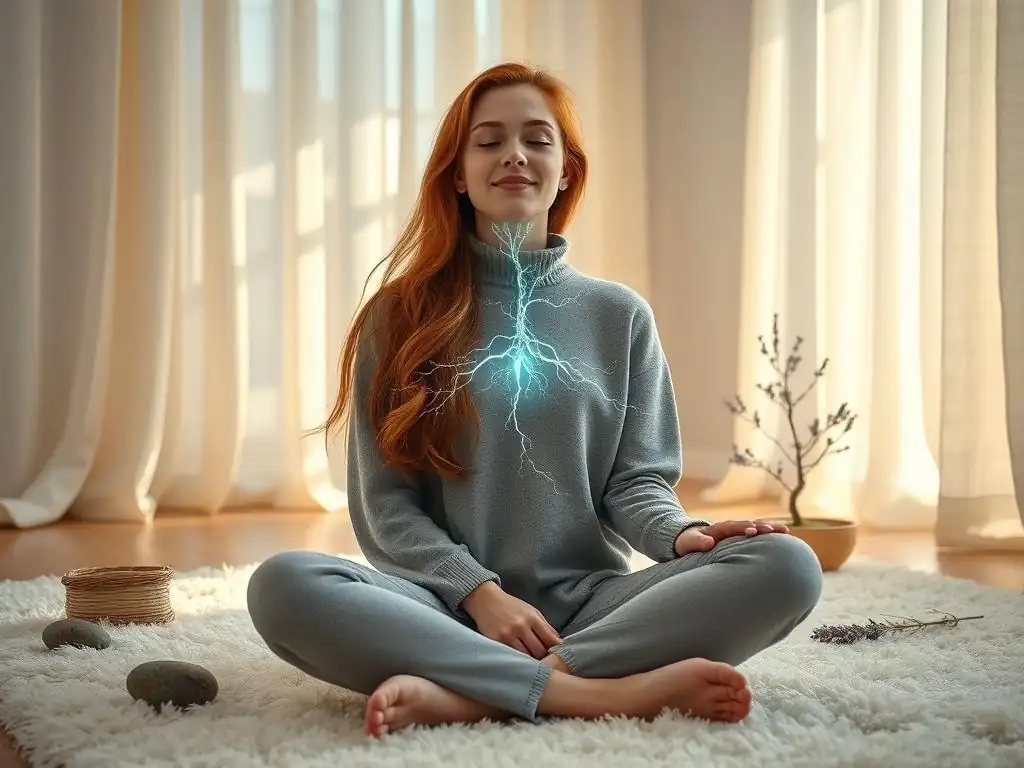
Welcome to Mind Care Guide, where we believe in understanding the intricate connection between your mind and body. Feeling overwhelmed by anxiety? You're not alone. In this article, we delve into the fascinating world of Vagus nerve anxiety relief, exploring how harnessing its power can unlock a path towards lasting calm. Curious to learn how this crucial nerve can become your ally in rewiring your brain for better mental well-being? Let's explore together.
The Vagus Nerve and Brain Rewiring: Connecting Your Body and Mind for Anxiety Relief
- Understanding the Vagus Nerve: Your Key to Anxiety Relief
- Neuroplasticity and Anxiety: Rewiring Your Brain for Calm
-
Vagus Nerve Stimulation Techniques for Anxiety Reduction
- Diaphragmatic Breathing: Activating the Vagus Nerve for Relaxation
- Cold Exposure Therapy: Stimulating the Vagus Nerve to Reduce Anxiety
- Meditation and Mindfulness: Enhancing Vagal Tone and Reducing Anxiety
- Singing, Humming, and Chanting: Natural Vagus Nerve Stimulants
- Gargling and Tongue Scraping: Additional Vagus Nerve Stimulation Techniques
- Practical Strategies for Improving Vagal Tone and Reducing Anxiety
- The Science Behind Vagus Nerve Stimulation and Anxiety
- Integrating Vagus Nerve Stimulation into Your Anxiety Management Plan
- The Science Behind Vagus Nerve Stimulation and Anxiety
- The Future of Vagus Nerve Research and Anxiety Treatment
- Conclusion: Harnessing the Power of the Vagus Nerve for Lasting Anxiety Relief
-
Frequently Asked Questions
- What is the vagus nerve and how does it relate to anxiety?
- How can stimulating the vagus nerve provide anxiety relief?
- What are some simple techniques to stimulate the vagus nerve for anxiety relief?
- How does "brain rewiring" relate to vagus nerve stimulation and anxiety reduction?
- Is vagus nerve stimulation a replacement for professional mental health treatment for anxiety?
- Final Reflection: Reclaiming Your Calm: The Power of the Vagus Nerve
- Unlock Your Calm: Awaken Your Vagus Nerve Today!
Understanding the Vagus Nerve: Your Key to Anxiety Relief
What is the Vagus Nerve and Its Role in Anxiety?
The vagus nerve, often referred to as the body's superhighway, is the longest cranial nerve, extending from the brainstem down through the neck, chest, and abdomen. It plays a critical role in the parasympathetic nervous system, the branch responsible for the "rest and digest" response, counteracting the "fight or flight" response of the sympathetic nervous system.
This intricate nerve system influences vital functions such as heart rate, digestion, respiratory rate, and even mood regulation. When the vagus nerve is functioning optimally, it promotes a state of calm and relaxation, effectively acting as a natural brake on the body's stress response.
For individuals experiencing anxiety, the sympathetic nervous system is often in overdrive, leading to physical symptoms like rapid heartbeat, shallow breathing, and muscle tension. A well-functioning vagus nerve can help dampen this heightened state of arousal, bringing the body back into balance. By sending signals from the organs back to the brain and vice versa, the vagus nerve mediates the body's response to stress. Improving vagal tone, a measure of vagus nerve activity, is increasingly recognized as a powerful strategy for finding vagus nerve anxiety relief and managing the physiological and emotional symptoms associated with anxiety disorders.
The Gut-Brain Connection: How the Vagus Nerve Influences Anxiety
The gut-brain axis is a complex bidirectional communication system that links the central nervous system (brain and spinal cord) with the enteric nervous system (the nervous system of the gut). The vagus nerve is a primary communication pathway within this axis, transmitting signals from the gut to the brain and influencing brain function, including mood and behavior. The gut is home to trillions of microorganisms, collectively known as the gut microbiota, which produce various neurochemicals, including neurotransmitters like serotonin and GABA, known to influence mood and anxiety.
Research highlights the profound impact of the gut microbiome on mental health via the vagus nerve. For example, studies have shown that alterations in gut bacteria composition can affect vagal signaling and contribute to anxiety-like behaviors in animal models. Furthermore, supplementing with certain probiotics has been shown to potentially influence mood and reduce anxiety symptoms in some human studies, believed to be partly mediated by the vagus nerve. Understanding and supporting this intricate connection through dietary choices and lifestyle can be a significant part of a strategy for comprehensive vagus nerve anxiety relief.
Vagal Tone: Measuring and Understanding Its Impact on Mental Health
Vagal tone refers to the activity level of the vagus nerve. A higher vagal tone indicates a more robust vagus nerve response, meaning the body can more quickly and effectively transition from a state of stress (sympathetic activation) back to a state of calm (parasympathetic activation). Heart Rate Variability (HRV) is the most common non-invasive measure used to estimate vagal tone.
HRV is the variation in the time interval between heartbeats. A higher HRV is generally associated with higher vagal tone and is considered an indicator of better emotional regulation and resilience to stress, often correlated with reduced anxiety symptoms.
Conversely, lower vagal tone is linked to increased susceptibility to stress, inflammation, and various health issues, including anxiety and depression. Individuals with chronic anxiety often exhibit lower HRV, suggesting diminished vagal activity. Improving vagal tone through specific techniques can enhance the body's ability to regulate the stress response, leading to a reduction in anxiety symptoms. Monitoring HRV, while not a direct measure of anxiety, can provide insights into the state of the autonomic nervous system and the effectiveness of interventions aimed at improving vagus nerve function for anxiety relief.
Neuroplasticity and Anxiety: Rewiring Your Brain for Calm
How Neuroplasticity Can Help Overcome Anxiety
Neuroplasticity is the remarkable ability of the brain to reorganize itself throughout life by forming new neural connections. This means the brain is not a fixed entity but can change its structure and function in response to experiences, learning, and even intentional practices. For individuals with anxiety, this concept is incredibly empowering because it suggests that the anxious brain patterns are not permanent.
Chronic anxiety often involves the strengthening of neural pathways associated with fear, threat detection (like the amygdala), and worry. Neuroplasticity offers the potential to weaken these pathways and build new, healthier ones associated with calm, safety, and resilience.
Engaging in therapeutic interventions like Cognitive Behavioral Therapy (CBT), mindfulness practices, and exposure therapy leverages neuroplasticity to literally "rewire" the brain. For instance, repeated exposure to feared situations in a safe environment, as in exposure therapy, helps the brain learn that the perceived threat is not real, gradually reducing the fear response.
Similarly, mindfulness meditation helps train the brain to observe anxious thoughts without getting caught up in them, strengthening pathways related to present moment awareness and reducing the dominance of worry circuits. Understanding neuroplasticity provides a scientific basis for believing that recovery and significant vagus nerve anxiety relief are achievable through consistent effort and practice.
The Role of the Vagus Nerve in Promoting Neuroplasticity
The vagus nerve plays a crucial, though often overlooked, role in facilitating neuroplasticity, particularly in areas of the brain involved in emotional regulation and learning. The vagus nerve influences the release of neurotransmitters and neurotrophic factors in the brain, such as acetylcholine, norepinephrine, and Brain-Derived Neurotrophic Factor (BDNF). Acetylcholine is involved in learning and memory, while norepinephrine plays a role in attention and arousal. BDNF is often called "brain fertilizer" because it supports the growth, survival, and differentiation of new neurons and synapses.
By promoting the release of these brain-supporting chemicals, vagus nerve activity can enhance the brain's capacity for change. For example, stimulating the vagus nerve, either through natural techniques or medical devices, has been shown to increase BDNF levels in certain brain regions. This increase in BDNF can support the formation of new neural connections and strengthen existing ones, making the brain more adaptable and resilient. This connection highlights why techniques aimed at improving vagal tone can be powerful tools for promoting the brain changes necessary for lasting vagus nerve anxiety relief.
Vagus Nerve Stimulation and Brain Rewiring: A Powerful Combination
Combining targeted vagus nerve stimulation with practices that encourage neuroplasticity creates a synergistic approach to anxiety management. Vagus nerve stimulation can create a physiological state in the brain that is more conducive to learning and change. When the nervous system is in a calmer, more regulated state (thanks to increased vagal activity), the prefrontal cortex, the part of the brain responsible for executive functions like rational thinking and emotional regulation, becomes more accessible and effective. This makes it easier to engage in cognitive restructuring, learn new coping skills, and process traumatic memories, all of which rely on neuroplasticity.
For example, pairing vagus nerve activation techniques, such as deep breathing or humming, before or during therapy sessions or mindfulness practice can potentially enhance their effectiveness. The vagus nerve stimulation helps to downregulate the threat response, while the therapeutic practice guides the brain towards healthier patterns. This powerful combination leverages the body's innate capacity for self-regulation and the brain's ability to change, offering a promising path for significant and sustainable vagus nerve anxiety relief. Research into medical vagus nerve stimulation devices, like tVNS, also explores how direct stimulation might prime the brain for therapeutic interventions.
Vagus Nerve Stimulation Techniques for Anxiety Reduction
Diaphragmatic Breathing: Activating the Vagus Nerve for Relaxation
Diaphragmatic breathing, also known as deep belly breathing, is one of the simplest yet most effective ways to stimulate the vagus nerve and promote relaxation. Unlike shallow chest breathing, which is often associated with the stress response, diaphragmatic breathing engages the diaphragm muscle, located below the lungs. When you inhale deeply into your belly, the diaphragm moves downward, massaging the vagus nerve as it passes through the diaphragm. This action sends signals to the brainstem, indicating that the body is safe and can shift towards the parasympathetic state.
Practicing diaphragmatic breathing for just a few minutes can significantly lower heart rate, reduce blood pressure, and decrease cortisol levels, the body's primary stress hormone. A common technique involves inhaling slowly through the nose, allowing the abdomen to expand, holding the breath briefly, and then exhaling slowly through the mouth, often with a longer exhale than inhale (e.g., inhale for a count of 4, hold for 2, exhale for 6). Regular practice of this breathing technique builds resilience to stress and provides immediate vagus nerve anxiety relief during moments of heightened tension or panic.
Cold Exposure Therapy: Stimulating the Vagus Nerve to Reduce Anxiety
Exposure to cold, such as taking a cold shower, splashing cold water on your face, or immersing yourself in cold water, is another potent method for stimulating the vagus nerve. When the body is exposed to cold, the dive reflex is activated, which includes a decrease in heart rate, peripheral vasoconstriction (narrowing of blood vessels in the extremities), and a shift towards parasympathetic dominance, mediated by the vagus nerve. While initially uncomfortable, consistent cold exposure can train the vagus nerve to respond more efficiently to stressors.
Studies and anecdotal evidence suggest that regular cold exposure can improve vagal tone over time. For instance, research has shown that cold hydrotherapy can decrease subjective anxiety levels and improve mood. Starting with short exposures, like splashing cold water on the face for 30 seconds or ending a warm shower with 30-60 seconds of cold water, can be a gentle way to begin. Gradually increasing the duration or intensity can further enhance the vagus nerve's response, contributing to improved stress resilience and offering a unique pathway for vagus nerve anxiety relief.
Meditation and Mindfulness: Enhancing Vagal Tone and Reducing Anxiety
Meditation and mindfulness practices are well-established methods for reducing stress and anxiety, and their benefits are significantly linked to their ability to enhance vagal tone. Mindfulness involves paying attention to the present moment without judgment, while various meditation techniques cultivate focus, awareness, and emotional regulation. These practices help to quiet the sympathetic nervous system and activate the parasympathetic system, primarily through the vagus nerve. By focusing on the breath, bodily sensations, or sounds, meditators train their attention away from anxious thoughts and cultivate a state of calm presence.
Research using HRV measurements has demonstrated that long-term meditation practitioners often exhibit higher vagal tone compared to non-meditators. For example, a study published in the journal Emotion found that participants who completed an 8-week compassion cultivation training program showed increases in vagal tone (measured by HRV) and reported greater positive emotions and social connection. Regular engagement in mindfulness and meditation provides a powerful, accessible tool for improving vagal function and fostering profound vagus nerve anxiety relief by rewiring the brain towards a calmer state.
Singing, Humming, and Chanting: Natural Vagus Nerve Stimulants

The vagus nerve passes through the vocal cords and muscles at the back of the throat. Activating these muscles through actions like singing, humming, or chanting can directly stimulate the vagus nerve. The vibrations created, particularly in the throat and chest, are believed to send signals along the vagus nerve to the brain, promoting relaxation. This explains why activities like singing in a choir or chanting during meditation can have such a calming and uplifting effect.
Humming, in particular, is a simple and portable technique. The resonant vibrations produced during humming are thought to be particularly effective at stimulating the vagus nerve. Chanting, often involving repetitive sounds or phrases, combines vocal vibration with rhythmic breathing, further enhancing vagal activation. Even simple activities like singing along to music in the car can contribute to improved vagal tone. Incorporating these vocal practices into your daily routine offers an enjoyable and effective way to activate your vagus nerve for anxiety relief.
Gargling and Tongue Scraping: Additional Vagus Nerve Stimulation Techniques
Beyond vocalizing, other simple actions involving the throat muscles can also stimulate the vagus nerve. Vigorous gargling, especially with water, activates the muscles in the back of the throat, which are connected to the vagus nerve. Gargling until your eyes water is often cited as an indicator of sufficient stimulation. This can be done several times a day, such as after brushing your teeth.
Similarly, using a tongue scraper or even brushing the back of your tongue can stimulate the vagus nerve. The tongue has connections to the vagus nerve, and activating the gag reflex area at the back of the tongue can send signals that promote parasympathetic activity. While perhaps less intuitive than breathing or singing, these simple oral hygiene practices can offer subtle yet consistent vagus nerve stimulation, contributing to overall vagal tone improvement and supporting your efforts towards vagus nerve anxiety relief.
Practical Strategies for Improving Vagal Tone and Reducing Anxiety
Lifestyle Changes to Support Vagal Nerve Function
Beyond specific stimulation techniques, broader lifestyle changes play a crucial role in supporting healthy vagus nerve function and achieving lasting vagus nerve anxiety relief. Chronic stress, poor sleep, sedentary behavior, and an unhealthy diet can all negatively impact vagal tone. Conversely, adopting habits that promote overall well-being can significantly enhance the vagus nerve's ability to regulate the stress response.
- Prioritize Stress Management: While specific techniques like breathing and meditation are helpful, reducing overall exposure to chronic stressors is key. Identify stress triggers and develop healthy coping mechanisms.
- Cultivate Social Connection: Positive social interactions and feeling connected to others can activate the vagus nerve and promote feelings of safety and calm. Spending time with loved ones, joining groups, or volunteering can be beneficial.
- Spend Time in Nature: Exposure to natural environments has been shown to reduce stress and improve mood, potentially mediated by effects on the autonomic nervous system, including vagal activity. A 2010 study found that spending time in a forest environment decreased cortisol levels and sympathetic nerve activity while increasing parasympathetic nerve activity (suggesting improved vagal tone).
Implementing these lifestyle changes creates a supportive environment for your nervous system, making it easier for the vagus nerve to do its job effectively in promoting calm and resilience.
Diet and Nutrition for a Healthy Vagus Nerve
The gut-brain connection, mediated by the vagus nerve, highlights the importance of diet in supporting vagal function and influencing anxiety. A diet rich in diverse, nutrient-dense foods can foster a healthy gut microbiome, which in turn can positively impact vagal signaling.
- Focus on Fiber: Foods high in fiber, such as fruits, vegetables, legumes, and whole grains, feed beneficial gut bacteria, helping them produce beneficial compounds like short-chain fatty acids (SCFAs). SCFAs, particularly butyrate, have anti-inflammatory properties and can influence the vagus nerve.
- Include Fermented Foods: Yogurt with live active cultures, kefir, sauerkraut, kimchi, and other fermented foods introduce beneficial bacteria to the gut, potentially improving microbiome diversity and function.
- Omega-3 Fatty Acids: Found in fatty fish (salmon, mackerel), flaxseeds, chia seeds, and walnuts, omega-3s have anti-inflammatory effects and are crucial for brain health. Research suggests they may also influence vagal tone. For instance, a study published in Brain, Behavior, and Immunity found that omega-3 supplementation was associated with increased HRV, an indicator of higher vagal tone.
- Limit Processed Foods and Sugar: These can negatively impact the gut microbiome and promote inflammation, potentially hindering vagus nerve function.
Adopting an anti-inflammatory diet that supports gut health is a foundational step in optimizing vagus nerve function for comprehensive vagus nerve anxiety relief.
Exercise and Physical Activity for Anxiety Relief and Vagal Tone
Regular physical activity is a powerful tool for managing anxiety and improving overall nervous system health, including vagal tone. Exercise helps reduce stress hormones like cortisol and adrenaline while increasing endorphins, which have mood-boosting effects. Furthermore, consistent exercise can influence the autonomic nervous system balance, shifting it towards parasympathetic dominance.
Studies using HRV have consistently shown that individuals who engage in regular aerobic exercise tend to have higher vagal tone. For example, research on athletes often shows significantly higher HRV compared to sedentary individuals. Even moderate-intensity activities like brisk walking, cycling, or swimming performed for 30 minutes most days of the week can yield benefits. The rhythmic nature of activities like running or walking can also have a meditative effect, further promoting relaxation. Incorporating enjoyable physical activity into your routine is a practical and evidence-based strategy for improving vagal function and achieving vagus nerve anxiety relief.
Sleep Hygiene: Prioritizing Rest for Optimal Vagus Nerve Function
Sleep is a critical period for the body and brain to rest, repair, and regulate. Chronic sleep deprivation or poor sleep quality can significantly disrupt the balance of the autonomic nervous system, leading to increased sympathetic activity and decreased vagal tone. This imbalance can exacerbate anxiety symptoms and make it harder for the vagus nerve to function effectively.
Prioritizing good sleep hygiene is essential for supporting healthy vagus nerve function. This includes establishing a regular sleep schedule, creating a relaxing bedtime routine, ensuring your bedroom is dark, quiet, and cool, and avoiding caffeine and alcohol close to bedtime. Aiming for 7-9 hours of quality sleep per night allows the body to restore balance and supports the vagus nerve's role in promoting calm and resilience. Consistent, restful sleep is a fundamental component of any plan aimed at enhancing vagal tone and achieving lasting vagus nerve anxiety relief.
The Science Behind Vagus Nerve Stimulation and Anxiety
Research and Studies on Vagus Nerve Stimulation for Anxiety Disorders
Scientific research into the vagus nerve's role in mental health has grown significantly. While much of the early research focused on depression and epilepsy, studies are increasingly exploring the potential of vagus nerve stimulation for anxiety disorders. Clinical trials using both invasive and non-invasive methods are underway, yielding promising results.
For instance, studies have investigated the effects of Transcutaneous Vagus Nerve Stimulation (tVNS), a non-invasive method using a device placed on the skin (often on the ear), on anxiety symptoms. Some studies have reported reductions in anxiety scores among participants with generalized anxiety disorder (GAD) or panic disorder following tVNS treatment.
While more large-scale, placebo-controlled trials are needed to confirm efficacy across all anxiety disorders, the existing research provides a scientific basis for exploring vagus nerve-based approaches for anxiety relief. The research highlights the potential for modulating this key nerve pathway to influence brain circuits involved in fear and worry.
Understanding the Mechanisms of Action: How Vagus Nerve Stimulation Affects the Brain
Vagus nerve stimulation influences the brain through several interconnected mechanisms. When the vagus nerve is activated, it sends signals to various brain regions, including the brainstem, hypothalamus, amygdala, and prefrontal cortex – areas heavily involved in regulating mood, stress, and fear.
One key mechanism involves the release of neurotransmitters. Vagus nerve stimulation can increase the release of norepinephrine in the locus coeruleus, a brain area involved in attention and arousal, and serotonin in the dorsal raphe nucleus, which plays a role in mood regulation. It also influences GABA, the brain's primary inhibitory neurotransmitter, promoting a calming effect.
Furthermore, as mentioned earlier, vagus nerve stimulation can increase levels of BDNF, supporting neuroplasticity and the formation of new, healthier neural pathways. By modulating the activity of these critical brain circuits and neurochemicals, vagus nerve stimulation helps to dampen the overactive fear response characteristic of anxiety disorders, paving the way for vagus nerve anxiety relief.
Transcutaneous Vagus Nerve Stimulation (tVNS) Studies for Anxiety
Transcutaneous Vagus Nerve Stimulation (tVNS) is a non-invasive form of vagus nerve stimulation that has gained attention for its potential in treating various conditions, including anxiety. Unlike surgical implants, tVNS devices are placed on specific points on the skin, typically the ear (auricular branch of the vagus nerve) or neck, to deliver electrical pulses. This method makes vagus nerve stimulation more accessible and less risky than traditional invasive VNS.
Several studies have explored the effects of tVNS on anxiety. A 2016 study published in the Journal of Psychiatric Research investigated tVNS in patients with major depressive disorder and comorbid anxiety, finding significant reductions in anxiety scores.
Another study in Brain Stimulation in 2018 found that tVNS reduced amygdala reactivity (a key brain region involved in fear) in response to fearful stimuli in healthy volunteers. While research is ongoing and results can vary depending on device parameters and study design, these studies support the potential of non-invasive vagus nerve stimulation as a therapeutic tool for influencing brain activity and providing vagus nerve anxiety relief.
Integrating Vagus Nerve Stimulation into Your Anxiety Management Plan
Creating a Personalized Approach to Vagus Nerve Stimulation
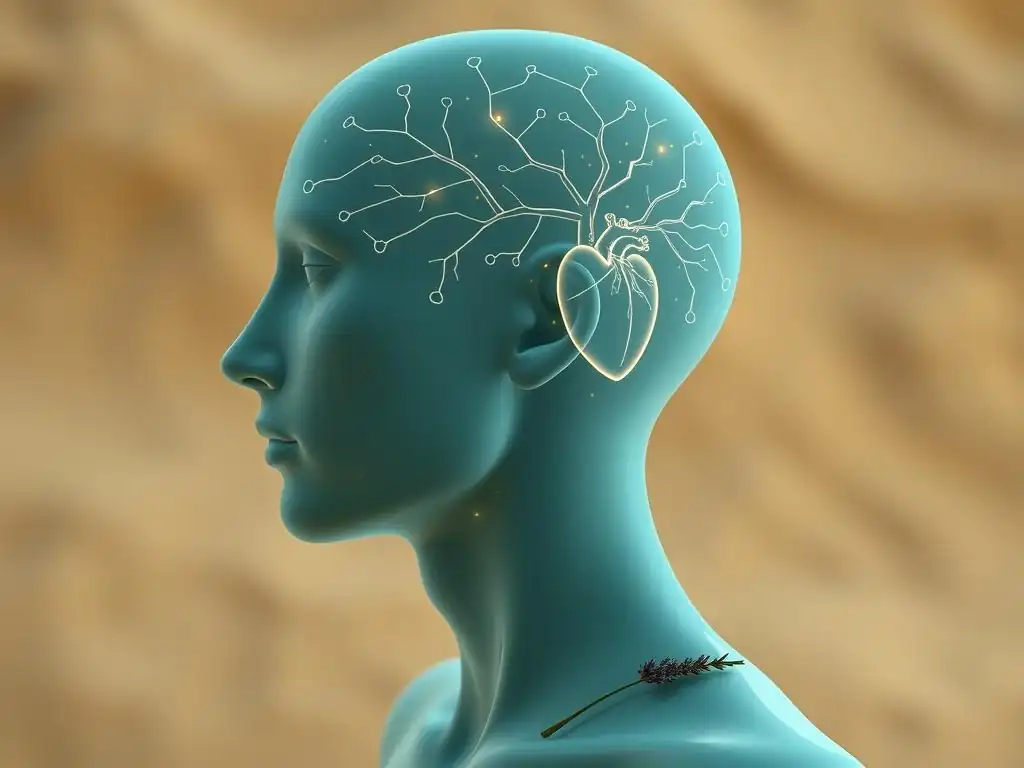
Successfully integrating vagus nerve stimulation into your anxiety management plan requires a personalized approach. What works for one person might not work for another, and combining different techniques often yields the best results. Start by exploring various vagus nerve stimulation methods – diaphragmatic breathing, cold exposure, humming, meditation, etc. – to see which ones resonate with you and fit into your lifestyle.
Consider which techniques are most accessible during moments of acute anxiety (e.g., deep breathing, humming) and which can be incorporated into a regular routine for long-term benefit (e.g., daily meditation, regular exercise, consistent cold exposure). Track your experiences: Do you feel calmer after practicing a specific technique? Does your HRV (if you measure it) show improvement over time? Building a personalized toolkit of vagus nerve activation strategies empowers you to actively manage your anxiety and work towards sustained vagus nerve anxiety relief. Consistency is key – regular practice, even for short durations, is more effective than sporadic attempts.
Working with a Healthcare Professional for Vagus Nerve Activation
While many vagus nerve stimulation techniques are simple and safe to practice on your own, consulting with a healthcare professional, such as a doctor, therapist, or a practitioner specializing in mind-body techniques, can be highly beneficial. They can help you understand how anxiety is impacting your specific situation and guide you in selecting appropriate techniques.
A therapist can integrate vagus nerve-focused practices into cognitive or exposure therapy, enhancing their effectiveness by calming the nervous system. A doctor can assess your overall health, rule out any underlying conditions, and discuss whether medical interventions like prescription medications or potentially non-invasive stimulation devices (like tVNS, if available and appropriate) might be suitable as part of a comprehensive treatment plan. They can also provide guidance on monitoring progress and adjusting your approach as needed. Professional guidance ensures that vagus nerve anxiety relief strategies are safely and effectively integrated into your overall health and wellness journey.
Considerations for Individuals with Generalized Anxiety Disorder and PTSD
Individuals with more severe or complex forms of anxiety, such as Generalized Anxiety Disorder (GAD) or Post-Traumatic Stress Disorder (PTSD), may find vagus nerve stimulation techniques particularly helpful as an adjunct to traditional therapies. Chronic worry in GAD and the hyperarousal and re-experiencing symptoms in PTSD are associated with dysregulation of the autonomic nervous system and impaired vagal tone.
For those with GAD, techniques like deep breathing, meditation, and gentle exercise can help calm the persistent state of worry and physical tension. For individuals with PTSD, vagus nerve stimulation can be a powerful tool for regulating the nervous system during moments of flashbacks or triggers, helping to bring the body back to a sense of safety.
However, it is crucial for individuals with PTSD to approach these techniques, especially those involving intense physical sensations like cold exposure, under the guidance of a trauma-informed therapist. They can help integrate these practices safely within the context of trauma processing, ensuring that vagus nerve anxiety relief efforts are supportive and not re-traumatizing.
The Science Behind Vagus Nerve Stimulation and Anxiety
Research and Studies on Vagus Nerve Stimulation for Anxiety Disorders
Scientific research into the vagus nerve's role in mental health has grown significantly. While much of the early research focused on depression and epilepsy, studies are increasingly exploring the potential of vagus nerve stimulation for anxiety disorders. Clinical trials using both invasive and non-invasive methods are underway, yielding promising results.
For instance, studies have investigated the effects of Transcutaneous Vagus Nerve Stimulation (tVNS), a non-invasive method using a device placed on the skin (often on the ear), on anxiety symptoms. Some studies have reported reductions in anxiety scores among participants with generalized anxiety disorder (GAD) or panic disorder following tVNS treatment.
While more large-scale, placebo-controlled trials are needed to confirm efficacy across all anxiety disorders, the existing research provides a scientific basis for exploring vagus nerve-based approaches for anxiety relief. The research highlights the potential for modulating this key nerve pathway to influence brain circuits involved in fear and worry.
Understanding the Mechanisms of Action: How Vagus Nerve Stimulation Affects the Brain
Vagus nerve stimulation influences the brain through several interconnected mechanisms. When the vagus nerve is activated, it sends signals to various brain regions, including the brainstem, hypothalamus, amygdala, and prefrontal cortex – areas heavily involved in regulating mood, stress, and fear.
One key mechanism involves the release of neurotransmitters. Vagus nerve stimulation can increase the release of norepinephrine in the locus coeruleus, a brain area involved in attention and arousal, and serotonin in the dorsal raphe nucleus, which plays a role in mood regulation. It also influences GABA, the brain's primary inhibitory neurotransmitter, promoting a calming effect.
Furthermore, as mentioned earlier, vagus nerve stimulation can increase levels of BDNF, supporting neuroplasticity and the formation of new, healthier neural pathways. By modulating the activity of these critical brain circuits and neurochemicals, vagus nerve stimulation helps to dampen the overactive fear response characteristic of anxiety disorders, paving the way for vagus nerve anxiety relief.
Transcutaneous Vagus Nerve Stimulation (tVNS) Studies for Anxiety
Transcutaneous Vagus Nerve Stimulation (tVNS) is a non-invasive form of vagus nerve stimulation that has gained attention for its potential in treating various conditions, including anxiety. Unlike surgical implants, tVNS devices are placed on specific points on the skin, typically the ear (auricular branch of the vagus nerve) or neck, to deliver electrical pulses. This method makes vagus nerve stimulation more accessible and less risky than traditional invasive VNS.
Several studies have explored the effects of tVNS on anxiety. A 2016 study published in the Journal of Psychiatric Research investigated tVNS in patients with major depressive disorder and comorbid anxiety, finding significant reductions in anxiety scores.
Another study in Brain Stimulation in 2018 found that tVNS reduced amygdala reactivity (a key brain region involved in fear) in response to fearful stimuli in healthy volunteers. While research is ongoing and results can vary depending on device parameters and study design, these studies support the potential of non-invasive vagus nerve stimulation as a therapeutic tool for influencing brain activity and providing vagus nerve anxiety relief.
The Future of Vagus Nerve Research and Anxiety Treatment
Emerging Therapies and Technologies for Vagus Nerve Stimulation
The field of vagus nerve stimulation for mental health is rapidly evolving, with new therapies and technologies constantly emerging. Researchers are exploring more refined and targeted ways to stimulate the vagus nerve non-invasively. This includes optimizing tVNS device placement, frequency, and intensity to maximize therapeutic benefits while minimizing discomfort.
Beyond electrical stimulation, other modalities are being investigated. For example, some research is looking into non-electrical methods, such as focused ultrasound, to stimulate specific branches or pathways of the vagus nerve. The goal is to develop highly personalized and effective treatments that can be easily administered outside of a clinical setting, making vagus nerve anxiety relief more accessible to a wider population. As our understanding of the vagus nerve's complex pathways grows, so too does the potential for innovative therapeutic interventions.
The Potential of Personalized Vagus Nerve Stimulation for Anxiety
The concept of personalized medicine is gaining traction in mental health, and vagus nerve stimulation is no exception. Recognizing that anxiety manifests differently in individuals and that responses to treatment vary, future research aims to tailor vagus nerve stimulation approaches to individual needs. This could involve using biomarkers, such as specific patterns in HRV, brain imaging data, or even genetic information, to determine the most effective stimulation parameters and techniques for a particular person.
For example, someone with high physical symptoms of anxiety might benefit more from techniques that directly impact heart rate and breathing, while someone with more cognitive rumination might benefit from approaches that influence prefrontal cortex activity. Personalized vagus nerve stimulation could involve recommending specific lifestyle changes, a combination of natural stimulation techniques, or even prescribing a tVNS device with settings optimized for their unique physiological profile. This tailored approach holds significant promise for enhancing the efficacy of vagus nerve anxiety relief strategies.
Future Directions and Research Areas in Vagus Nerve and Anxiety Treatment
Future research in the field of vagus nerve and anxiety treatment is focused on several key areas. One major focus is conducting larger, well-controlled clinical trials to definitively establish the efficacy of various vagus nerve stimulation techniques, particularly non-invasive methods like tVNS, for specific anxiety disorders. This will help clarify which populations are most likely to benefit and what the optimal treatment protocols are.
Another critical area is further elucidating the precise mechanisms by which vagus nerve stimulation impacts brain circuits and neurochemistry related to anxiety. Advanced brain imaging techniques and molecular research are helping to map these pathways in detail. Additionally, research is exploring how vagus nerve stimulation can be combined with other therapeutic modalities, such as psychotherapy or pharmacotherapy, to achieve synergistic effects. Understanding the long-term effects and safety of various vagus nerve-based interventions is also a priority. These research efforts are paving the way for more targeted, effective, and evidence-based approaches to vagus nerve anxiety relief in the future.
Conclusion: Harnessing the Power of the Vagus Nerve for Lasting Anxiety Relief
Understanding the vagus nerve and its profound connection to our body and mind offers a powerful perspective on managing anxiety. This intricate neural pathway serves as a vital link in the gut-brain axis, plays a key role in regulating our stress response, and influences the brain's remarkable capacity for change through neuroplasticity. By consciously engaging and strengthening this nerve, we can actively shift our nervous system towards a state of calm and resilience, finding significant vagus nerve anxiety relief.
From simple yet effective techniques like deep breathing and humming to incorporating lifestyle changes like exercise and prioritizing sleep, there are numerous accessible ways to stimulate the vagus nerve and improve vagal tone. While scientific research, particularly on non-invasive stimulation methods like tVNS, continues to explore the full potential of vagus nerve-based therapies, the existing evidence supports the value of these approaches as part of a comprehensive anxiety management plan.
By integrating these strategies, perhaps with guidance from a healthcare professional, individuals can harness the innate power of their vagus nerve to promote brain rewiring and pave the way for lasting relief from anxiety.
Frequently Asked Questions
What is the vagus nerve and how does it relate to anxiety?
The vagus nerve is the longest cranial nerve connecting the brain to major organs. It plays a crucial role in the 'rest and digest' response, and stimulating it can help reduce anxiety by calming the nervous system.
How can stimulating the vagus nerve provide anxiety relief?
Vagus nerve stimulation activates the parasympathetic nervous system, counteracting the 'fight or flight' response associated with anxiety. This promotes relaxation and reduces feelings of stress and unease.
What are some simple techniques to stimulate the vagus nerve for anxiety relief?
Techniques include deep breathing exercises, cold exposure (like splashing cold water on your face), and singing or humming. These methods help activate the nerve and promote a sense of calm.
How does "brain rewiring" relate to vagus nerve stimulation and anxiety reduction?
Consistent vagus nerve stimulation can contribute to neural plasticity, or "brain rewiring". This means strengthening pathways that promote calmness and weakening pathways associated with anxiety, leading to long-term relief.
Is vagus nerve stimulation a replacement for professional mental health treatment for anxiety?
While helpful, vagus nerve stimulation is not a replacement for professional help. It can be a valuable complementary strategy alongside therapy and/or medication for managing anxiety effectively.
Final Reflection: Reclaiming Your Calm: The Power of the Vagus Nerve
The understanding and harnessing of the vagus nerve's power offers a revolutionary approach to anxiety relief, a crucial tool in our increasingly stressful world. Anxiety disorders are on the rise, impacting millions, yet traditional treatments often fall short. This exploration of the vagus nerve presents a path towards self-regulation and lasting calm, empowering individuals to take control of their mental well-being.
The impact of this knowledge extends far beyond individual anxiety management; it's reshaping our understanding of the mind-body connection. We are increasingly recognizing the intricate interplay between our physical and emotional states, a concept beautifully captured by the quote: The body keeps the score,
reminding us that unresolved trauma and stress manifest physically. Understanding the vagus nerve allows us to address these connections directly, fostering a holistic approach to mental health that moves beyond simply managing symptoms. This shift in perspective is crucial for creating a more compassionate and effective approach to mental wellness in our society.
Now, consider your own breath. Feel the gentle rise and fall of your chest. This simple act, often overlooked, is a direct pathway to activating your vagus nerve.
I invite you to explore the practices discussed in this article – from deep breathing exercises to mindful movement – and discover the profound impact they can have on your anxiety levels and overall well-being. The journey to inner peace begins with a single breath, a single step towards understanding the incredible power residing within your own body. Embrace this knowledge, and embark on your path to a calmer, more resilient you.
Unlock Your Calm: Awaken Your Vagus Nerve Today!
Thanks for taking the time to explore the powerful connection between your vagus nerve and anxiety relief! You've now discovered a key to unlocking inner peace and well-being. Ready to put this knowledge into action?
- Prioritize your breath: Begin practicing deep, diaphragmatic breathing exercises three times daily for just five minutes. This simple act directly stimulates your vagus nerve.
- Connect with your body: Schedule some time for mindful movement this week – a gentle yoga session, a nature walk, or even just some stretching. Tune into your body’s sensations.
- Share your journey: Discuss what you've learned with a friend or family member. Sharing your experience can strengthen your commitment and help others too.
What simple change will you make today to nurture your vagus nerve and enhance your sense of calm?