
Your Thoughts Are Sculpting Your Brain: A Neuroplasticity Perspective on Anxiety

Welcome to Mind Care Guide, a safe space dedicated to nurturing your mental well-being.
Ever feel like anxiety has a hold on you? What if you could reshape your brain to find lasting relief? This is the promise of neuroplasticity, and in this article, we'll explore how harnessing its power can help reduce anxiety symptoms and pave the way for a calmer, more resilient you. Let's begin this journey of discovery together...
Your Thoughts Are Sculpting Your Brain: A Neuroplasticity Perspective on Anxiety
- Understanding Neuroplasticity and Its Role in Mental Health
- Anxiety and the Brain: How Anxiety Changes Brain Structure and Function
- Harnessing Neuroplasticity to Reduce Anxiety Symptoms: Rewiring Your Brain for Calm
- Lifestyle Changes That Promote Neuroplasticity and Reduce Anxiety
- Neuroplasticity-Based Techniques for Specific Anxiety Disorders
- The Future of Neuroplasticity Research in Anxiety Treatment
- Practical Exercises to Stimulate Neuroplasticity and Manage Anxiety
- Neuroplasticity for Anxiety: Long-Term Strategies for Sustainable Well-being
-
Frequently Asked Questions
- How does neuroplasticity relate to anxiety?
- Can neuroplasticity really help reduce anxiety symptoms?
- What specific techniques can leverage neuroplasticity to combat anxiety?
- How long does it take to see changes in anxiety symptoms using neuroplasticity?
- Is neuroplasticity a permanent solution for anxiety, or does it require ongoing effort?
- Final Reflection: Rewiring Your Mind, Rewiring Your Life
- Unleash Your Brain's Power: Shape Your Anxiety Narrative
Understanding Neuroplasticity and Its Role in Mental Health
What is Neuroplasticity? The Brain's Amazing Adaptability
Neuroplasticity refers to the brain's remarkable ability to reorganize itself throughout life, forming new neural connections in response to learning, experience, and even injury. This means your brain is not a static organ but a dynamic, ever-changing network. Every thought you think, every action you take, and every feeling you experience can subtly alter the structure and function of your neural pathways. This concept is fundamental to understanding how we learn, recover from brain trauma, and perhaps most importantly for our discussion, how we can influence our mental states, including the management of anxiety symptoms.
This inherent flexibility of the brain is what allows us to adapt to new situations, acquire new skills, and form memories. From infancy to old age, the brain is constantly pruning old connections and strengthening new ones based on usage. If a pathway is used frequently, like the one associated with a practiced skill or a habitual thought pattern, it becomes stronger and more efficient. Conversely, pathways that are rarely used can weaken. This continuous process of rewiring is the biological basis for change, offering a powerful avenue for reducing anxiety symptoms by consciously shaping our neural landscape.
How Neuroplasticity Impacts Our Thoughts, Feelings, and Behaviors
The principles of neuroplasticity directly influence the intricate relationship between our thoughts, feelings, and behaviors. When you repeatedly engage in a particular thought pattern, such as worrying about future events, the neural circuits associated with that worry become more established and easier to activate. This can create a self-reinforcing loop where anxious thoughts lead to anxious feelings and behaviors, further solidifying those neural pathways. For example, someone with social anxiety might consistently think about potential judgment, leading to feelings of fear and avoidance behaviors, which in turn reinforce the neural pathways linked to social fear.
However, the good news is that this same mechanism allows for positive change. By intentionally shifting focus, practicing new responses, or learning new skills, we can begin to build and strengthen alternative, healthier neural pathways. Engaging in calming practices, challenging negative thoughts, or gradually facing fears creates new connections that can eventually override the old, anxiety-driven ones. This capacity for the brain to reorganize itself means that even deeply ingrained patterns of anxiety are not permanent; they can be modified over time through consistent effort and targeted strategies, providing hope for those seeking to Neuroplasticity reduce anxiety symptoms.
Neuroplasticity: A Key to Reducing Anxiety Symptoms
Understanding neuroplasticity provides a hopeful and empowering perspective on managing anxiety. It shifts the view from anxiety being a fixed condition to one that can be actively influenced through deliberate effort. The brain's ability to change means that we are not passive recipients of our anxious thoughts and feelings; we have the potential to actively participate in the process of rewiring our brains for greater calm and resilience. This is the core principle behind many effective therapeutic approaches for anxiety.
By leveraging neuroplasticity, individuals can learn techniques to weaken the neural circuits associated with fear and worry while simultaneously strengthening those linked to calm, safety, and positive coping. This isn't about simply "thinking positive" but about engaging in practices that physically alter the brain's structure and function over time. Whether through therapeutic interventions, lifestyle adjustments, or specific brain-training exercises, the goal is to harness the brain's natural adaptability to create a less anxious state. The potential of Neuroplasticity reduce anxiety symptoms is a significant area of focus in modern mental health research and practice.
Anxiety and the Brain: How Anxiety Changes Brain Structure and Function
The Anxious Brain: Identifying Neural Pathways Associated with Anxiety Disorders
In individuals experiencing chronic anxiety, certain neural pathways tend to become hyperactive or dysregulated. A key circuit involves the amygdala, often called the brain's "fear center," which processes threats; the prefrontal cortex, involved in decision-making and regulating emotions; and the hippocampus, crucial for memory and contextualizing fear responses. In an anxious brain, the amygdala may become overly sensitive, reacting strongly to perceived threats, while the communication between the prefrontal cortex and the amygdala, which helps regulate fear responses, might be impaired. This imbalance contributes to the feeling of being constantly on alert, even when no real danger is present.
Research using fMRI (functional magnetic resonance imaging) has shown distinct patterns of brain activity in people with different anxiety disorders. For instance, individuals with social anxiety disorder might show heightened amygdala responses when anticipating social interaction, while those with generalized anxiety disorder (GAD) might exhibit increased connectivity within brain networks associated with introspection and worry, such as the default mode network. These findings highlight that anxiety isn't just a psychological state; it has tangible correlates in the brain's wiring and activity patterns, which neuroplasticity offers a way to address.
The Impact of Chronic Anxiety on Brain Plasticity
Chronic anxiety doesn't just involve temporary changes in brain activity; it can also lead to more lasting structural and functional alterations through the very mechanisms of neuroplasticity. Prolonged exposure to stress hormones like cortisol, often elevated in chronic anxiety, can negatively impact brain areas like the hippocampus, potentially leading to reduced volume or impaired neurogenesis (the birth of new neurons). This can affect memory and the ability to regulate stress responses.
Furthermore, the persistent activation of fear pathways reinforces these connections, making it easier for anxious thoughts and feelings to arise in the future. It's a case of "what fires together, wires together" – the more the anxiety circuit is activated, the stronger it becomes. This can create a vicious cycle where anxiety becomes more entrenched over time. Understanding these impacts underscores the importance of intervening early and utilizing strategies that promote positive neuroplastic change to counteract the effects of chronic anxiety and help Neuroplasticity reduce anxiety symptoms.
Key Brain Regions Affected by Anxiety: Amygdala, Hippocampus, Prefrontal Cortex, Anterior Cingulate Cortex
Several brain regions are particularly implicated in the experience of anxiety. The amygdala, located deep within the temporal lobe, is crucial for processing emotions, particularly fear and threat detection. In anxiety, it often shows increased activity and reactivity.
The hippocampus, adjacent to the amygdala, plays a vital role in memory formation, including the context of fearful experiences. Chronic stress associated with anxiety can impair hippocampal function and even reduce its volume, affecting learning and memory and potentially contributing to difficulty distinguishing between safe and threatening situations. The prefrontal cortex (PFC), the brain's executive control center, is involved in planning, decision-making, and regulating emotions by sending inhibitory signals to the amygdala. In anxiety, the connection or function of the PFC, especially the medial and ventromedial areas, may be less effective at dampening the fear response.
Finally, the anterior cingulate cortex (ACC) is involved in detecting errors, conflict monitoring, and processing emotional information. Dysregulation in the ACC can contribute to the worry and rumination characteristic of some anxiety disorders. Targeting these areas through neuroplasticity-informed interventions is central to efforts to Neuroplasticity reduce anxiety symptoms.
Harnessing Neuroplasticity to Reduce Anxiety Symptoms: Rewiring Your Brain for Calm
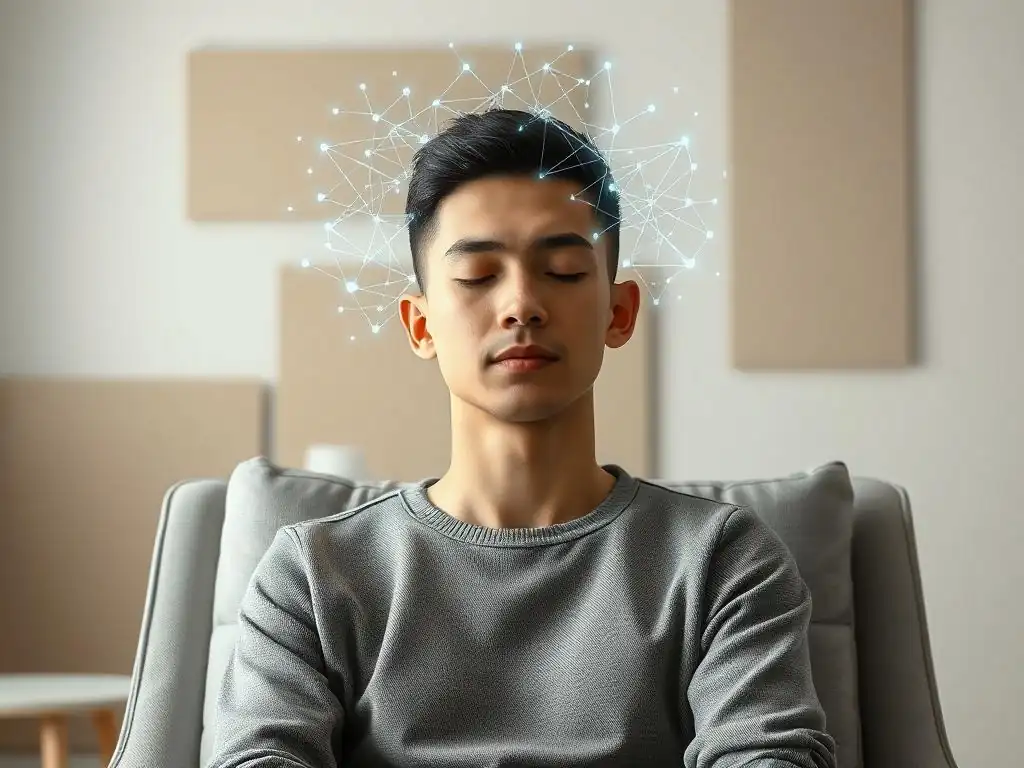
Overcoming Anxiety Through Neuroplasticity: Practical Strategies
Harnessing neuroplasticity to overcome anxiety involves engaging in activities and thought patterns that actively build and strengthen neural pathways associated with calm, resilience, and positive coping, while simultaneously weakening those linked to fear and worry. This is an active process that requires consistent effort, much like learning a new skill or training for a physical challenge. Practical strategies focus on redirecting attention, challenging negative beliefs, and creating new, positive emotional experiences.
Examples of practical strategies include regular practice of relaxation techniques like deep breathing or progressive muscle relaxation, which activate the parasympathetic nervous system and promote calm states. Engaging in enjoyable activities that distract from worry and create positive emotions helps build reward pathways. Learning and practicing assertive communication skills can reduce social anxiety by creating positive experiences in social situations. These actions, when practiced consistently, help to reshape the brain's response patterns, making it easier to access states of calm and reducing the automaticity of anxious reactions.
Cognitive Behavioral Therapy (CBT) and Neuroplasticity: A Synergistic Approach to Anxiety Relief
Cognitive Behavioral Therapy (CBT) is one of the most well-established and effective psychotherapies for anxiety disorders, and its success is deeply rooted in the principles of neuroplasticity. CBT works by helping individuals identify and challenge unhelpful thought patterns and behaviors that contribute to their anxiety. For instance, someone with panic disorder might learn to challenge catastrophic thoughts about physical sensations ("This rapid heartbeat means I'm having a heart attack") and practice staying present with the sensation without fleeing.
Through repeated practice of these new cognitive and behavioral skills in therapy sessions and as homework, individuals build and strengthen new neural circuits in the prefrontal cortex that can override the automatic fear responses originating in the amygdala. Research consistently shows that successful CBT treatment is associated with observable changes in brain activity and structure, particularly in areas like the PFC, amygdala, and hippocampus.
Studies often report significant reductions in anxiety symptoms, sometimes exceeding a 50% decrease, after a standard course of CBT (typically 12-20 sessions), demonstrating how deliberate cognitive and behavioral changes can effectively utilize Neuroplasticity reduce anxiety symptoms.
Mindfulness and Meditation: Cultivating Calm Through Neuroplastic Change
Mindfulness and meditation practices are powerful tools for cultivating calm and managing anxiety, largely due to their ability to induce neuroplastic changes. Mindfulness involves paying attention to the present moment without judgment, which helps to disengage from the cycle of anxious rumination about the past or future. Regular meditation, even for a few minutes daily, strengthens areas of the brain associated with attention regulation, emotional control, and self-awareness, such as the prefrontal cortex and the insula.
Studies have shown that consistent mindfulness practice can lead to a decrease in amygdala reactivity and an increase in the size or connectivity of the prefrontal cortex, enhancing the brain's capacity to regulate fear and stress responses. For example, research has indicated that participants in an 8-week Mindfulness-Based Stress Reduction (MBSR) program showed measurable changes in brain regions involved in learning and memory processes, emotion regulation, and perspective taking, alongside reported reductions in anxiety and stress levels.
This demonstrates how focusing attention and observing thoughts without getting carried away by them can literally reshape the brain, making it a potent strategy to help Neuroplasticity reduce anxiety symptoms.
Lifestyle Changes That Promote Neuroplasticity and Reduce Anxiety
The Importance of Exercise for Brain Health and Anxiety Reduction
Physical exercise is a potent promoter of neuroplasticity and has significant benefits for mental health, including reducing anxiety. When you exercise, you increase blood flow to the brain, delivering vital oxygen and nutrients. Exercise also stimulates the production of neurotrophic factors, such as Brain-Derived Neurotrophic Factor (BDNF), which acts like fertilizer for the brain, supporting the growth, survival, and differentiation of neurons and synapses. BDNF is particularly important for the health of the hippocampus, a brain area often affected by chronic stress and anxiety.
Regular physical activity can also influence neurotransmitter levels, increasing those associated with mood regulation, such as serotonin and dopamine, while reducing stress hormones like cortisol. Aiming for the widely recommended guideline of at least 150 minutes of moderate aerobic activity per week, or 75 minutes of vigorous activity, can contribute significantly to brain health and resilience. This combination of increased neurotrophic factors, improved blood flow, and neurotransmitter modulation makes exercise a cornerstone strategy for leveraging Neuroplasticity reduce anxiety symptoms.
Nutrition's Role in Supporting Neuroplasticity and Mental Well-being
What you eat has a profound impact on your brain's structure and function, and thus on your mental well-being and capacity for neuroplasticity. The brain requires a steady supply of specific nutrients to build and maintain neural tissue, synthesize neurotransmitters, and protect against oxidative stress. A diet rich in omega-3 fatty acids (found in fish, flaxseeds, chia seeds), antioxidants (colorful fruits and vegetables), vitamins (especially B vitamins and Vitamin D), and minerals (like magnesium and zinc) provides the necessary building blocks for optimal brain function and neuroplasticity.
Conversely, a diet high in processed foods, refined sugars, and unhealthy fats can promote inflammation and oxidative stress, which can impair neuroplasticity and negatively impact mood and anxiety levels. For instance, omega-3 fatty acids are crucial components of neuronal membranes and play a role in synaptic function, directly supporting the brain's ability to form new connections. Ensuring adequate nutrition supports the brain's capacity for change, making dietary choices an important factor in using Neuroplasticity reduce anxiety symptoms.
Sleep and Neuroplasticity: Optimizing Sleep for Anxiety Management
Sleep is not merely a period of rest; it is a highly active state for the brain, crucial for memory consolidation, learning, and neuroplasticity. During sleep, particularly REM sleep, the brain processes emotional experiences and consolidates new information, pruning unnecessary connections and strengthening important ones. Chronic sleep deprivation impairs these processes, negatively affecting cognitive function, emotional regulation, and increasing vulnerability to anxiety.
Aiming for 7-9 hours of quality sleep per night is essential for supporting the brain's natural repair and reorganization processes. Poor sleep can increase amygdala reactivity and reduce prefrontal cortex function, making it harder to manage anxious thoughts and feelings. Prioritizing sleep hygiene – maintaining a consistent sleep schedule, creating a relaxing bedtime routine, and ensuring a dark, quiet sleep environment – directly supports the neuroplastic changes necessary for a resilient and less anxious brain. Optimizing sleep is a fundamental, yet powerful, way to facilitate Neuroplasticity reduce anxiety symptoms.
Neuroplasticity-Based Techniques for Specific Anxiety Disorders
Social anxiety disorder (SAD) involves intense fear of social situations, driven by worries about judgment or embarrassment. Neuroplasticity-based techniques for SAD focus on gradually exposing individuals to feared social situations in a controlled and supportive manner, a process often called exposure therapy. By repeatedly facing social fears without experiencing the dreaded outcome (or learning to cope when things don't go perfectly), the brain learns that these situations are not inherently dangerous.
This repeated, positive (or at least non-catastrophic) exposure helps to weaken the neural pathways linking social cues to fear responses (involving the amygdala) and strengthen pathways associated with safety and positive social interactions (involving the prefrontal cortex and reward circuits). For example, starting with imagining a feared social event, then moving to role-playing, and finally engaging in real-life social interactions gradually rewires the brain's social fear response. Over time, the intensity of the fear response decreases, and social situations become less daunting, demonstrating how Neuroplasticity reduce anxiety symptoms specific to social contexts.
Generalized Anxiety Disorder (GAD): Fostering Calm and Resilience
Generalized Anxiety Disorder (GAD) is characterized by excessive and uncontrollable worry about various aspects of life. Neuroplasticity-based approaches for GAD aim to reduce the habitual pattern of worry and build the brain's capacity for tolerance of uncertainty and present-moment focus. Techniques like mindfulness meditation, which trains attention away from future worries and towards the present, help to weaken the neural circuits associated with rumination (often involving the ACC and medial prefrontal cortex).
Cognitive restructuring, a core CBT technique, helps individuals identify and challenge the underlying beliefs driving the worry ("What if I fail?" "What if something bad happens?"). By repeatedly examining the evidence for and against these worries and developing more balanced perspectives, new neural pathways are formed in the prefrontal cortex that can override the automatic worry responses. Practices that promote relaxation and activate the parasympathetic nervous system also help to build resilience against the physiological symptoms of chronic anxiety, fostering a calmer state by utilizing Neuroplasticity reduce anxiety symptoms through deliberate mental training.
Panic Disorder: Reclaiming Control Through Brain Training
Panic disorder involves recurrent, unexpected panic attacks and persistent worry about having more attacks. These attacks are often triggered by misinterpreting normal bodily sensations (like a racing heart or shortness of breath) as signs of imminent danger. Neuroplasticity-based techniques for panic disorder focus on breaking the association between these physical sensations and the fear response, and reducing the fear of fear itself.
Exposure therapy, specifically interoceptive exposure, is key. This involves intentionally triggering panic-like physical sensations (e.g., spinning in a chair to induce dizziness, running in place to raise heart rate) in a safe environment. By experiencing these sensations without a panic attack occurring or learning to tolerate them, the brain's interpretation of these signals is rewired.
The amygdala's hyper-reactivity to internal cues is reduced, and the prefrontal cortex strengthens its ability to regulate the fear response. Cognitive techniques also help challenge catastrophic interpretations of sensations. Through this process of retraining the brain's response to internal signals, individuals regain a sense of control and significantly Neuroplasticity reduce anxiety symptoms related to panic.
The Future of Neuroplasticity Research in Anxiety Treatment
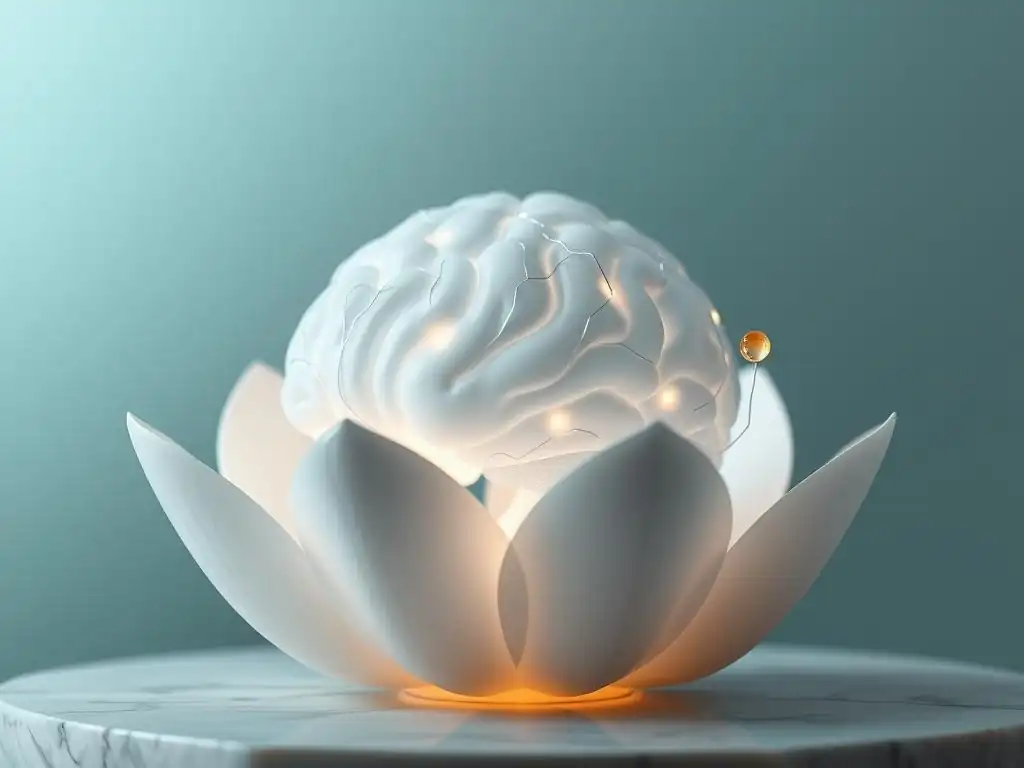
Emerging Therapies: Transcranial Magnetic Stimulation (TMS) and Neurofeedback
The understanding of neuroplasticity is paving the way for innovative, non-invasive therapies for anxiety. Transcranial Magnetic Stimulation (TMS) is one such technique. TMS uses magnetic pulses delivered to specific areas of the brain, often the prefrontal cortex, to modulate neuronal activity and promote neuroplastic changes. For anxiety, TMS is being explored as a way to stimulate areas of the PFC that are underactive or poorly connected to the amygdala, helping to improve emotional regulation. While more research is needed specifically for anxiety disorders compared to depression, early studies show promise, particularly for co-occurring conditions.
Neurofeedback is another emerging therapy that directly leverages neuroplasticity. It involves using real-time brainwave data (often from an EEG) to train individuals to self-regulate their brain activity. For anxiety, neurofeedback might focus on teaching individuals to increase alpha or theta waves associated with calm states, or decrease beta waves linked to alertness and anxiety, in specific brain regions. Through operant conditioning, individuals learn to shift their brainwave patterns, and with repeated practice, this can lead to lasting changes in brain function and reduced anxiety symptoms. These technologies represent exciting frontiers in harnessing Neuroplasticity reduce anxiety symptoms with targeted interventions.
Personalized Approaches: Tailoring Neuroplasticity Interventions to Individual Needs
Recognizing that anxiety manifests differently in different individuals and involves unique patterns of brain activity and connectivity, the future of neuroplasticity research is moving towards personalized approaches. This involves using techniques like fMRI or EEG to map an individual's specific brain activity patterns related to their anxiety before tailoring interventions. For example, someone with high amygdala reactivity might benefit more from mindfulness or exposure therapies, while someone with excessive worry might benefit more from interventions targeting prefrontal cortex function like specific forms of neurofeedback or cognitive training.
Tailoring interventions based on an individual's unique "brain signature" of anxiety could significantly improve treatment effectiveness. This might involve selecting specific therapy components, adjusting the intensity or duration of interventions, or combining different modalities (e.g., combining TMS with CBT) for optimal results. As our understanding of the brain's intricate networks grows, personalized neuroplasticity-based treatments hold the potential to offer more targeted and efficient ways to help individuals Neuroplasticity reduce anxiety symptoms.
Future Directions in Research: Exploring the Full Potential of Neuroplasticity for Mental Health
Future research in neuroplasticity and anxiety is exploring several exciting avenues. This includes further investigation into the role of specific genes and environmental factors that influence an individual's capacity for neuroplasticity, which could lead to genetically-informed treatment strategies. There is also growing interest in the gut-brain axis and the microbiome's influence on brain function and neuroplasticity, suggesting that dietary interventions and probiotics might play a future role in anxiety treatment.
Another area of focus is the development of more sophisticated neurofeedback and brain stimulation techniques that can precisely target specific neural circuits involved in anxiety with greater efficacy and fewer side effects. Research is also exploring the potential of virtual reality (VR) in exposure therapy, which can create immersive, controlled environments for safely confronting fears and promoting neuroplastic change. Ultimately, the goal is to unlock the full potential of Neuroplasticity reduce anxiety symptoms by developing a comprehensive understanding of the brain's adaptability and creating increasingly effective, personalized, and accessible interventions.
Practical Exercises to Stimulate Neuroplasticity and Manage Anxiety
Focused Attention Training: The Benefits of Regular Meditation
Focused attention training, commonly practiced through various forms of meditation, is a direct way to stimulate neuroplasticity and improve attention regulation, a key skill for managing anxiety. By repeatedly bringing your attention back to a chosen anchor, such as your breath, sounds, or bodily sensations, you are actively exercising the neural circuits in the prefrontal cortex and other areas involved in attention and executive control.
Start with just 5-10 minutes per day. Find a quiet place to sit comfortably. Close your eyes or soften your gaze. Bring your attention to your breath.
Notice the sensation of the breath entering and leaving your body. When your mind wanders (which it will, that's part of the practice! ), gently notice where it went and kindly bring your attention back to your breath. This simple act of noticing and returning trains your brain to become less reactive to distracting thoughts, including anxious ones, strengthening your ability to choose where to place your attention and helping Neuroplasticity reduce anxiety symptoms.
Cognitive Restructuring Techniques: Challenging Negative Thought Patterns
Cognitive restructuring is a core technique from CBT that actively reshapes the neural pathways associated with anxious thoughts by challenging their validity and developing more balanced perspectives. This exercise involves identifying automatic negative thoughts (ANTs) that contribute to anxiety, examining the evidence for and against these thoughts, and developing more realistic and helpful alternative thoughts.
A practical way to do this is to use a thought record. When you notice an anxious thought, write it down:
- Situation: What was happening?
- Automatic Thought: What went through your mind? (e.g., "I'm going to fail this presentation and everyone will laugh.")
- Emotion: What did you feel? (e.g., Anxiety, Fear - rate intensity 0-100)
- Evidence For: What facts support this thought?
- Evidence Against: What facts contradict this thought? What alternative perspectives are there? (e.g., "I've given presentations before," "My colleagues are generally supportive," "Even if I make a mistake, it's unlikely everyone will laugh," "My preparation has been thorough.")
- Balanced Thought: What is a more realistic thought? (e.g., "I might feel nervous, but I am prepared, and I can handle it.")
- Re-rate Emotion: How do you feel now?
Regularly practicing this process helps to build new neural pathways in the prefrontal cortex that can challenge and modify the anxiety-producing thoughts generated by other brain regions, effectively utilizing Neuroplasticity reduce anxiety symptoms by changing how you process information.
Exposure Therapy and Neuroplasticity: Gradually Confronting Fears
Exposure therapy is a powerful neuroplasticity-based technique that involves gradually confronting feared situations or stimuli in a safe and controlled environment. The principle is that by repeatedly exposing yourself to what you fear without the feared consequence occurring, or learning that you can cope with it, the brain's fear response (amygdala activity) habituates or extinguishes, and new learning about safety occurs (hippocampus and prefrontal cortex).
This is typically done using a fear hierarchy, starting with the least feared situation and working up to the most feared. For example, someone with a fear of flying might start by looking at pictures of planes, then watching videos, visiting an airport, sitting on a parked plane, and finally taking a short flight. Each step is repeated until the anxiety significantly decreases before moving to the next.
This process directly trains the brain to associate the feared stimulus with safety rather than danger, actively rewiring the fear response. While best conducted with a trained therapist, understanding the principle highlights how gradually facing fears promotes the neuroplastic changes needed to Neuroplasticity reduce anxiety symptoms related to specific phobias or situations.
Neuroplasticity for Anxiety: Long-Term Strategies for Sustainable Well-being
Maintaining a Neuroplasticity-Promoting Lifestyle
Sustaining the benefits gained from utilizing neuroplasticity to reduce anxiety symptoms requires integrating neuroplasticity-promoting habits into your daily life over the long term. This isn't a one-time fix but an ongoing process of nurturing your brain's capacity for positive change. Consistency is key; just as consistent practice strengthens a new skill, consistent engagement in brain-healthy habits reinforces the neural pathways associated with calm and resilience.
This involves maintaining regular physical activity, prioritizing nutrient-dense foods, ensuring adequate sleep, and continuing practices like mindfulness or meditation. It also means actively seeking out opportunities for learning and novel experiences, which stimulate neurogenesis and synaptic plasticity. Viewing these habits not as chores but as essential practices for brain health empowers you to maintain them, ensuring the long-term efficacy of using Neuroplasticity reduce anxiety symptoms.
Preventing Anxiety Relapse Through Continued Brain Training
Anxiety can sometimes feel like a persistent challenge, and preventing relapse is a crucial aspect of long-term well-being. The principles of neuroplasticity teach us that the brain is always changing based on experience. If you stop engaging in the practices that helped you manage anxiety, the old, anxiety-prone pathways could potentially strengthen again, especially during times of stress. Therefore, continued brain training is essential for maintaining progress and preventing relapse.
This doesn't necessarily mean intensive therapy forever, but rather maintaining a "maintenance dose" of the strategies that worked for you. This might involve continuing a regular meditation practice, periodically using cognitive restructuring techniques when challenging thoughts arise, or maintaining a consistent exercise routine. Recognizing early warning signs of increasing anxiety and proactively re-engaging with your coping strategies allows you to address potential challenges before they escalate, leveraging Neuroplasticity reduce anxiety symptoms through sustained effort.
Seeking Professional Guidance: When to Consult a Therapist or Neuropsychologist
While self-directed strategies leveraging neuroplasticity can be incredibly beneficial, it's important to know when to seek professional help. Anxiety disorders are complex, and a trained therapist or neuropsychologist can provide personalized guidance, support, and evidence-based interventions like CBT, exposure therapy, or mindfulness-based therapies that are specifically designed to promote positive neuroplastic change. They can help you identify the specific neural patterns contributing to your anxiety and tailor strategies to address them effectively.
Consulting a professional is particularly important if your anxiety is severe, significantly interfering with your daily life, or if you are experiencing panic attacks or other debilitating symptoms. A neuropsychologist might offer assessments to understand specific cognitive or emotional processing challenges related to your brain function. Working with a professional ensures you are using the most effective techniques for your specific needs and provides accountability and support throughout your journey to Neuroplasticity reduce anxiety symptoms.
Frequently Asked Questions
How does neuroplasticity relate to anxiety?
Neuroplasticity, the brain's ability to reorganize itself, means you can actively reshape neural pathways associated with anxiety. By practicing new thought patterns and behaviors, you can potentially reduce anxiety symptoms over time.
Can neuroplasticity really help reduce anxiety symptoms?
Yes, neuroplasticity offers hope. Repeatedly engaging in calming activities and challenging anxious thoughts can strengthen new neural connections, making them the dominant response to triggers.
What specific techniques can leverage neuroplasticity to combat anxiety?
Techniques include mindfulness meditation, cognitive behavioral therapy (CBT), and exposure therapy. These practices promote new neural pathways by consistently engaging in non-anxious responses to stressful situations.
How long does it take to see changes in anxiety symptoms using neuroplasticity?
The timeline varies greatly. Consistent effort is key, and some may see improvements in weeks or months, while others might require longer. The process is about rewiring the brain, which takes time and dedication.
Is neuroplasticity a permanent solution for anxiety, or does it require ongoing effort?
While neuroplasticity can significantly reduce anxiety, it usually requires ongoing effort. Maintaining new neural pathways through continued practice helps prevent the return of old, anxious patterns of thought and behavior.
Final Reflection: Rewiring Your Mind, Rewiring Your Life
The power of neuroplasticity isn't just a scientific concept; it's a revolutionary tool for reclaiming mental well-being. Understanding how our thoughts actively shape our brain structure offers a profound path towards managing and even overcoming anxiety. This isn't about ignoring difficult emotions, but about harnessing the brain's inherent ability to change and heal itself.
The ongoing exploration of neuroplasticity has fundamentally shifted our understanding of anxiety, moving away from a purely deterministic view towards one of empowerment. We are not simply victims of our brain chemistry; we are active participants in its ongoing development. This realization is deeply personal and profoundly hopeful. The brain is like a muscle. When we exercise it, it gets stronger.
This simple analogy encapsulates the core message: consistent effort in reshaping our thought patterns can lead to tangible improvements in our mental health. The journey may be challenging, but the potential for positive change is immense.
Now, consider your own thoughts. What narratives are you consistently reinforcing? Are they serving you, or are they contributing to your anxiety? This article has provided you with the knowledge; now, it's time to take action. Embrace the power of neuroplasticity. Practice mindfulness, challenge negative self-talk, and cultivate positive habits. Start small, be patient with yourself, and remember that every conscious choice you make is a step towards sculpting a healthier, more resilient brain – and a more peaceful life.
Unleash Your Brain's Power: Shape Your Anxiety Narrative
Thanks for taking the time to explore the fascinating world of neuroplasticity and its impact on anxiety! You've now learned how powerful your thoughts truly are in shaping your brain and managing your mental well-being. Ready to put this knowledge into action?
- Prioritize a Daily Mindful Moment: Start small – just 5 minutes of focused breathing or meditation can make a huge difference in rewiring your brain towards calmness. This is your primary step to harnessing neuroplasticity for anxiety reduction.
- Share Your Insights: Discuss this article with a friend or family member. Sharing your newfound understanding can strengthen your commitment to change and provide support.
- Explore Guided Meditations: Look for guided meditations specifically designed to foster neuroplasticity and anxiety reduction – a surprising yet effective way to deepen your practice.
So, what small step will you take today to sculpt a more peaceful and resilient mind?