
Cognitive Behavioral Therapy (CBT) and Brain Change: Rewiring Anxious Thoughts Through Neuroplasticity


Welcome to Mind Care Guide, a sanctuary dedicated to your mental well-being. Feeling trapped by anxiety? You're not alone. This week, we delve into the fascinating science behind CBT and its power to rewire anxious thoughts. Discover how Cognitive Behavioral Therapy leverages neuroplasticity to reshape your mind and reclaim your peace. Ready to unlock your brain's potential for positive change? Let's begin!
Cognitive Behavioral Therapy (CBT) and Brain Change: Rewiring Anxious Thoughts Through Neuroplasticity
- Understanding CBT and its Role in Anxiety Management
- Neuroplasticity: The Brain's Adaptive Capacity
- Evidence of CBT's Impact on Brain Structure and Function
- Practical CBT Techniques for Rewiring Anxious Thoughts
- Long-Term Anxiety Management Through CBT Principles
- Future Directions in CBT and Neuroplasticity Research for Anxiety Treatment
- Resources for Learning About CBT, Neuroplasticity, and Anxiety
-
Frequently Asked Questions
- What is Cognitive Behavioral Therapy (CBT) and how does it relate to anxiety?
- How does CBT utilize the concept of neuroplasticity to "rewire" anxious thoughts?
- What are some common CBT techniques used to address anxiety?
- How long does it typically take to see results from using CBT to rewire anxious thoughts?
- Where can I find resources and support for learning and practicing CBT techniques?
- Final Reflection: Rewiring Your Brain, Rewiring Your Life
- Unlock Your Brain's Potential: Start Rewiring Anxiety Today!
Understanding CBT and its Role in Anxiety Management
Cognitive Behavioral Therapy (CBT): A Goal-Oriented Approach
Cognitive Behavioral Therapy, widely known as CBT, is a structured, time-limited form of psychotherapy that focuses on the interconnectedness of thoughts, feelings, and behaviors. The core principle is that our thoughts significantly influence how we feel and behave. In the context of anxiety, CBT helps individuals identify negative or distorted thought patterns – often called cognitive distortions – that contribute to their feelings of distress and avoidance behaviors.
It's a collaborative process where the therapist and client work together to set specific, measurable goals and develop practical strategies to achieve them. Unlike some therapies that delve deeply into past experiences, CBT primarily focuses on present-day problems and finding solutions for current challenges.
This therapeutic approach is highly practical and educational, empowering individuals with tools and techniques they can use long after therapy concludes. Sessions typically involve learning about anxiety, identifying personal triggers and thought patterns, and practicing new ways of thinking and responding.
For instance, someone with social anxiety might learn to identify the thought "Everyone is judging me" and challenge its validity, replacing it with a more balanced perspective like "Some people might notice me, but most are focused on themselves, and even if someone has a negative thought, it doesn't define my worth." The emphasis is on skill-building, making it a popular and evidence-based treatment for a wide range of anxiety disorders, including generalized anxiety disorder, panic disorder, social anxiety disorder, and specific phobias.
Addressing Anxious Thoughts and Behaviors Through CBT Techniques
CBT employs a variety of techniques designed to directly target and modify the cognitive and behavioral components of anxiety. On the cognitive side, techniques like cognitive restructuring are central. This involves learning to spot automatic negative thoughts, analyze the evidence for and against them, and develop more realistic and helpful alternative thoughts. For example, someone experiencing panic attacks might learn to challenge the thought "I'm having a heart attack" by reviewing physiological facts about panic versus heart attacks and recalling past instances where they survived similar symptoms. This process helps to weaken the belief in the catastrophic thought.
Behavioral techniques are equally crucial in CBT for anxiety. Exposure therapy, for instance, involves gradually and safely confronting feared situations or objects that are typically avoided. This could range from someone with a spider phobia looking at pictures of spiders to someone with agoraphobia venturing outside their home.
By staying in the feared situation, the individual learns that their feared outcome often doesn't happen, or that they can cope with the discomfort. This behavioral learning directly impacts anxious thoughts, demonstrating that avoidance is not necessary for safety and helps to CBT rewire anxious thoughts about perceived threats. Other techniques include behavioral experiments to test beliefs (e.g., "If I speak up in a meeting, I'll be ridiculed"), and relaxation techniques to manage physiological symptoms.
The Synergy Between CBT and Neuroplasticity in Mental Health
The effectiveness of CBT in treating anxiety is increasingly understood through the lens of neuroplasticity – the brain's remarkable ability to change and adapt throughout life. When individuals engage in CBT, they are not just changing their thoughts and behaviors; they are actively participating in a process that can physically and functionally alter their brain. Repeatedly practicing new ways of thinking (like challenging cognitive distortions) and new behaviors (like facing feared situations) strengthens neural pathways associated with these new responses and weakens those associated with old, anxious patterns.
Think of it like carving a path in a forest. The more you walk a certain way (e.g., the anxious path of avoidance and negative self-talk), the deeper that path becomes, making it easier to follow. CBT helps you stop using that old path and start forging a new one (e.g., the path of challenging thoughts and engaging in challenging situations).
With consistent practice, the new path becomes easier to navigate, and the old one starts to overgrow and fade. This biological process of strengthening and weakening neural connections is neuroplasticity at work. Understanding this synergy provides a powerful perspective: CBT isn't just a psychological intervention; it's a tool that leverages the brain's natural capacity to CBT rewire anxious thoughts and responses, offering a biological basis for hope and recovery.
Neuroplasticity: The Brain's Adaptive Capacity
Defining Neuroplasticity: Brain Reorganization and Adaptation
Neuroplasticity refers to the brain's inherent ability to reorganize itself throughout life by forming new neural connections. This isn't just something that happens in childhood; the adult brain remains remarkably adaptable. It's the biological basis for learning, memory, and recovery from brain injury. Essentially, every new experience, thought, or skill learned can lead to subtle or significant changes in the structure and function of the brain. This adaptability allows us to learn new languages, acquire complex skills, and even recover functions lost after events like a stroke.
The brain is not a static organ with fixed circuits; rather, it is dynamic and constantly being shaped by our experiences and environment. This includes our internal environment, such as our thoughts and emotions. When we repeatedly engage in certain thought patterns or behaviors, the neural circuits associated with those patterns become stronger and more efficient.
Conversely, circuits that are used less frequently tend to weaken. This fundamental principle of "neurons that fire together, wire together" (and "neurons that fire apart, wire apart") is the cornerstone of understanding how experiences, including therapeutic interventions like CBT, can lead to lasting brain changes.
Mechanisms of Brain Rewiring: Synaptic Plasticity and Neurogenesis
The brain rewires itself through several key mechanisms, two of the most prominent being synaptic plasticity and neurogenesis. Synaptic plasticity refers to the ability of synapses – the junctions between neurons where information is transmitted – to strengthen or weaken over time in response to activity. When two neurons repeatedly communicate, the synapse between them becomes stronger, making future communication easier and more efficient. This is a fundamental process underlying learning and memory. Conversely, if a synapse is rarely used, it can weaken.
Neurogenesis is the process by which new neurons are generated in the brain. While once thought to occur only during development, research has shown that neurogenesis continues in certain brain regions throughout adulthood, notably in the hippocampus, an area critical for learning, memory, and emotional regulation, including anxiety responses.
Factors like exercise, learning, and even certain therapeutic interventions are thought to promote neurogenesis, while chronic stress and anxiety can inhibit it. Together, synaptic plasticity and neurogenesis provide the biological machinery through which experiences, including therapeutic strategies like those used in CBT, can CBT rewire anxious thoughts and responses by altering the very structure and connectivity of the brain.
Neuroplasticity and Anxiety Disorders: Breaking Negative Thought Cycles
In anxiety disorders, neuroplasticity can unfortunately work in a way that reinforces anxious patterns. Repeatedly engaging in fearful thoughts, avoidance behaviors, and hypervigilance strengthens the neural pathways associated with these responses, potentially leading to an overactive amygdala (the brain's fear center) and altered connectivity in areas like the prefrontal cortex (involved in rational thought and emotional regulation). This creates a feedback loop where the brain becomes "wired" for anxiety, making it easier to fall back into anxious cycles.
However, the same principle of neuroplasticity offers hope. By actively engaging in therapeutic techniques like those in CBT, individuals can intentionally create new, healthier neural pathways. For example, practicing challenging an anxious thought involves activating prefrontal cortex regions to evaluate the thought rationally, while resisting avoidance involves overriding amygdala-driven fear responses.
Over time, consistent practice of these new responses strengthens the pathways associated with rational evaluation and courageous action, while weakening the pathways associated with automatic fear and avoidance. This allows individuals to effectively CBT rewire anxious thoughts and responses, gradually shifting the brain away from a state wired for anxiety towards one more conducive to calm and resilience.
Evidence of CBT's Impact on Brain Structure and Function
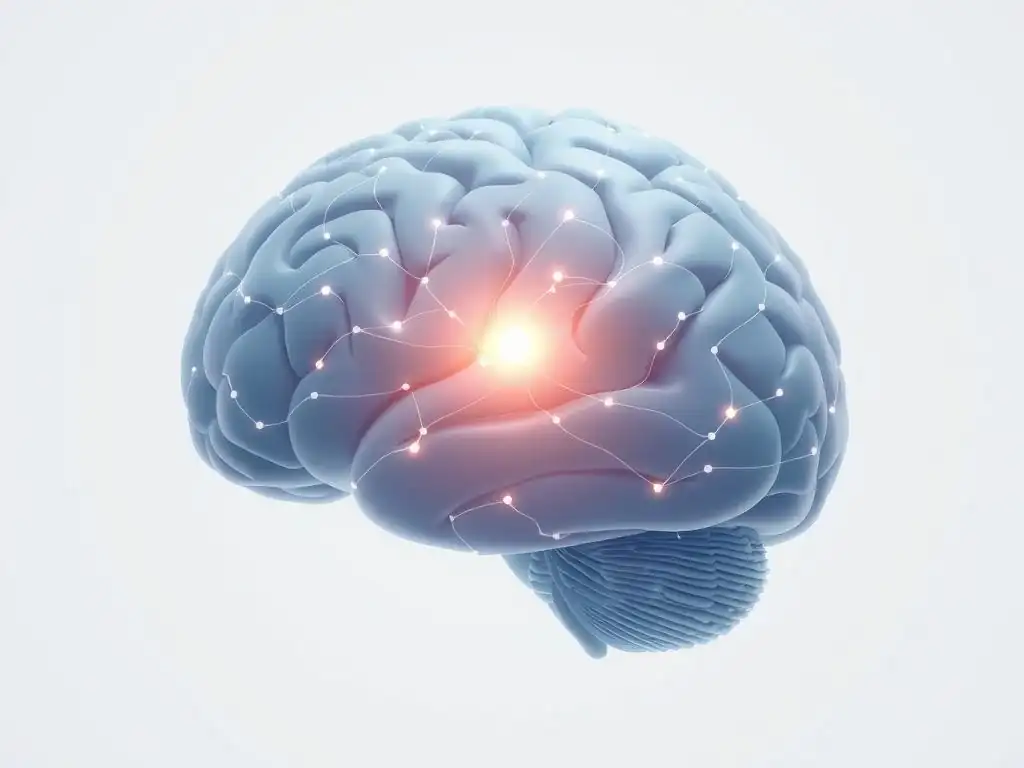
A growing body of neuroimaging research provides compelling evidence that CBT leads to measurable changes in the brain, particularly in regions involved in processing fear and regulating emotions. Studies using techniques like fMRI (functional Magnetic Resonance Imaging) have shown that successful CBT treatment for anxiety disorders is associated with decreased activity in the amygdala when individuals are presented with anxiety-provoking stimuli. For instance, research on social anxiety disorder has demonstrated reduced amygdala reactivity after CBT compared to control groups.
Furthermore, studies have observed increased activity and connectivity in the prefrontal cortex (PFC) and anterior cingulate cortex (ACC) following CBT. These areas are involved in higher-level cognitive functions like attention, decision-making, and emotional regulation. Increased activity in the PFC, particularly the ventromedial and dorsolateral areas, is thought to reflect enhanced top-down control over the amygdala and other subcortical fear centers.
This suggests that CBT helps individuals gain better executive control over their anxious responses, effectively teaching the brain to manage fear signals more adaptively. These findings underscore how CBT's cognitive and behavioral strategies translate into tangible changes in brain function, supporting the idea that CBT rewire anxious thoughts by altering the neural landscape.
Neural Pathway Changes Associated with CBT
Beyond changes within specific brain regions, neuroimaging studies also highlight alterations in the connectivity of neural pathways. In anxiety disorders, there is often heightened connectivity between the amygdala and regions involved in threat detection, alongside reduced connectivity between the amygdala and prefrontal regulatory areas. This imbalance contributes to the feeling of being overwhelmed by fear.
Research indicates that CBT can help normalize these patterns. Studies have shown increased functional connectivity between the prefrontal cortex (specifically areas like the ventromedial PFC, crucial for fear extinction and safety learning) and the amygdala after successful CBT. This enhanced communication pathway allows the rational, regulatory parts of the brain to exert greater influence over the emotional, reactive parts.
Additionally, changes have been observed in pathways involving the hippocampus and insula, suggesting broader network changes related to processing context, memory, and bodily sensations of anxiety. These observed changes in neural circuits provide a biological explanation for how practicing CBT techniques can help individuals CBT rewire anxious thoughts and break free from ingrained patterns of fear and avoidance.
Neurotransmitter Modulation in CBT-Driven Brain Rewiring
While neuroimaging focuses on structure and activity, the underlying changes at the molecular level involve neurotransmitters – the chemical messengers of the brain. Although directly measuring neurotransmitter changes in response to therapy is complex, evidence suggests that CBT can influence neurotransmitter systems implicated in anxiety, such as serotonin, gamma-aminobutyric acid (GABA), and glutamate.
For example, some research suggests that effective anxiety treatment, including psychotherapy, may lead to changes in serotonin transporter availability or receptor sensitivity in relevant brain regions. GABA, the brain's primary inhibitory neurotransmitter, plays a crucial role in dampening neural activity, including in fear circuits. While not as directly studied as pharmacological interventions, the calming and regulatory effects of CBT techniques like relaxation and challenging catastrophic thoughts could hypothetically influence GABAergic signaling.
Furthermore, the changes in synaptic strength observed in neuroplasticity involve modulation of excitatory neurotransmitters like glutamate. By promoting new learning and strengthening adaptive circuits, CBT likely influences the intricate balance of neurotransmitter activity, contributing to the process by which it helps to CBT rewire anxious thoughts and emotional responses at a fundamental biological level.
Practical CBT Techniques for Rewiring Anxious Thoughts
Identifying and Challenging Cognitive Distortions
A foundational step in using CBT to CBT rewire anxious thoughts is learning to identify automatic negative thoughts and the cognitive distortions they represent. Cognitive distortions are irrational ways of thinking that are often subtle and habitual, leading to a skewed perception of reality. Common examples include:
- Catastrophizing: Assuming the worst possible outcome ("If I fail this test, my life is over").
- All-or-Nothing Thinking: Viewing situations in extremes ("If I'm not perfect, I'm a total failure").
- Mind Reading: Assuming you know what others are thinking negatively about you ("They think I'm incompetent").
- Fortune Telling: Predicting a negative outcome without evidence ("I just know I'm going to mess this up").
- Emotional Reasoning: Believing something is true because you feel it strongly ("I feel terrified, so I must be in danger").
The process involves becoming a "thought detective." When you notice a strong anxious feeling, you pause and ask, "What thought just went through my mind?" You then write down the thought and identify the distortion. This initial awareness is crucial because you cannot change a thought pattern you don't recognize.
The next step is challenging the distortion. This isn't about simply saying "That's not true," but rather examining the thought critically, like a scientist testing a hypothesis. You ask questions like:
- What is the evidence for this thought?
- What is the evidence against this thought?
- Is there an alternative way of looking at this situation?
- What would I tell a friend in this situation?
- Is this thought helpful?
For example, if the thought is "They think I'm incompetent" (Mind Reading), you'd look for evidence (Did they explicitly say something? Did they look annoyed?) and counter-evidence (Did they ask for my input? Did they thank me?). Often, the evidence for the negative thought is weak or non-existent, while alternative explanations are more plausible. This systematic process of challenging helps weaken the neural pathways associated with the distorted thought and begins to build new pathways for more balanced thinking.
Cognitive Restructuring: Modifying Negative Thought Patterns
Cognitive restructuring is the active process of modifying or replacing identified cognitive distortions with more balanced, realistic, and helpful thoughts. It's the follow-through after identifying and challenging a thought. Instead of just debunking the negative thought, you consciously formulate and practice a more adaptive one. This is where you actively work to CBT rewire anxious thoughts.
Let's revisit the "They think I'm incompetent" example. After challenging it and finding little evidence, you might formulate alternative thoughts like:
- "I don't know what they're thinking, and I can't control it."
- "I focused on doing my best."
- "Most people are more concerned with their own performance than mine."
The key is to choose an alternative thought that feels genuinely more believable or helpful than the original anxious thought. Simply adopting a positive affirmation that feels untrue ("I am amazing and everyone loves me") is often ineffective. The new thought should be realistic. Once identified, you practice this new thought. This isn't just a one-time mental exercise; it involves consciously bringing the alternative thought to mind when the original anxious thought appears and reflecting on why it's more accurate or helpful.
This repeated practice of activating a new, more balanced thought pattern while inhibiting the old, anxious one is the behavioral engine driving neuroplastic change. Just as practicing a musical instrument strengthens the neural circuits involved in playing, repeatedly engaging in cognitive restructuring strengthens the pathways associated with rational evaluation and balanced perspective, helping the brain to CBT rewire anxious thoughts and reduce their intensity and frequency over time.
Behavioral Experiments: Testing Anxious Beliefs
Behavioral experiments are a powerful technique in CBT that directly challenges the validity of anxious thoughts and predictions through real-world testing. Many anxious thoughts involve predictions about terrible things happening (e.g., "If I speak up, I'll stutter and everyone will laugh," "If I go outside, I'll have a panic attack and collapse"). Behavioral experiments help individuals treat these predictions as hypotheses to be tested, rather than facts to be feared.
The process involves designing a specific experiment to test a feared outcome. For example, someone with social anxiety who fears being judged might design an experiment to intentionally make a small mistake in front of others (e.g., spilling a tiny bit of water) and observe what actually happens. The prediction is likely "Everyone will notice and think I'm clumsy/stupid." The experiment involves performing the action and then carefully observing the reactions of others – how many people noticed? Did anyone laugh or seem critical? What was the actual outcome?
Often, the feared outcome is significantly less severe than predicted, or doesn't happen at all. The direct experience of disconfirming the anxious prediction is a powerful learning experience that is often more impactful than just intellectually challenging the thought. These experiments provide concrete evidence against the anxious belief.
By repeatedly engaging in actions that contradict anxious predictions, individuals weaken the neural associations between the feared situation and the catastrophic outcome. This active engagement in new behaviors, guided by the principles of challenging anxious thoughts, is a direct application of how CBT rewire anxious thoughts by creating new learning experiences that reshape the brain's threat response system.
Exposure Therapy: Reducing Anxiety Through Confrontation
Exposure therapy is a core behavioral technique in CBT for anxiety disorders, particularly phobias, panic disorder, and obsessive-compulsive disorder (OCD). It is based on the principle that avoiding feared situations or objects maintains anxiety by preventing individuals from learning that their fears are unfounded or that they can cope with the discomfort. Exposure involves gradually and systematically confronting the feared stimulus in a safe and controlled environment.
This is typically done using a hierarchy, starting with situations that provoke only mild anxiety and progressing to those that are more challenging. For example, someone with a fear of heights might start by looking at pictures of tall buildings, then standing on a low stool, then using a slightly higher ladder, and eventually going up to a building's second floor, then fifth floor, and so on.
The key is to remain in the situation long enough for the anxiety to naturally decrease, a process known as habituation. More importantly, it allows for inhibitory learning – the development of new associations that inhibit the fear response (e.g., associating heights with safety rather than danger).
Exposure therapy directly leverages neuroplasticity by creating new learning experiences that contradict the brain's established fear associations. By confronting the feared situation without engaging in avoidance or safety behaviors, the brain learns that the predicted danger does not occur, or that the discomfort is manageable. This process weakens the neural pathways linking the feared stimulus to the fear response and strengthens new pathways associated with safety and coping. Successful exposure therapy is a powerful example of how behavioral change driven by CBT principles can profoundly CBT rewire anxious thoughts and emotional responses at a fundamental level.
Mindfulness-Based CBT: Enhancing Anxiety Relief
Mindfulness-Based Cognitive Therapy (MBCT) integrates principles of mindfulness meditation with core CBT techniques. While traditional CBT focuses heavily on identifying and changing the content of thoughts, MBCT emphasizes changing the relationship to thoughts. Instead of trying to eliminate anxious thoughts, mindfulness teaches individuals to observe their thoughts, feelings, and bodily sensations with non-judgmental awareness, recognizing them as transient mental events rather than absolute truths.
For someone with anxiety, this means learning to notice an anxious thought like "I'm going to fail" without getting swept away by it or automatically believing it. They learn to observe the thought as just a thought, perhaps noting the physical sensations of anxiety that accompany it, and allowing them to be present without reacting with fear or trying to push them away. This practice cultivates a sense of distance from anxious thoughts, reducing their power and impact.
Research suggests that mindfulness practices can lead to structural and functional changes in the brain, including increased grey matter density in areas associated with self-awareness, compassion, and emotional regulation, such as the insula and prefrontal cortex. By fostering present-moment awareness and non-reactivity, MBCT enhances the ability to regulate emotions and reduces the tendency to get caught in cycles of anxious rumination. This approach complements traditional CBT by helping individuals develop greater acceptance and flexibility in their thinking, providing another powerful avenue through which therapies can help to CBT rewire anxious thoughts and cultivate greater mental well-being.
Long-Term Anxiety Management Through CBT Principles

Sustaining Brain Changes and CBT Benefits
The brain changes facilitated by CBT are not necessarily permanent without ongoing effort, but the skills learned provide a framework for maintaining progress. Sustaining the benefits of CBT and the associated brain rewiring relies on the principle of "use it or lose it." The new neural pathways strengthened during therapy require continued activation to remain robust. This means consistently applying the CBT principles and techniques learned in daily life.
For instance, continuing to practice identifying and challenging anxious thoughts helps keep the cognitive restructuring pathways strong. Regularly facing mildly uncomfortable situations (rather than resorting to avoidance) reinforces the new learning from behavioral experiments and exposure. Think of it like maintaining physical fitness; you don't just go to the gym for a few months and expect to stay fit forever.
Ongoing practice is key. Many individuals find it helpful to continue using thought records, scheduling regular 'check-ins' with their coping strategies, or even engaging in occasional booster sessions with a therapist. The more consistently the brain's new, healthier circuits are activated, the more ingrained and automatic they become, providing a lasting foundation for managing anxiety and helping to CBT rewire anxious thoughts away from old patterns.
Relapse Prevention Strategies for Continued Well-being
Relapse is a potential part of the journey for many mental health challenges, but it doesn't mean treatment failed. CBT includes specific strategies for relapse prevention, empowering individuals to recognize early warning signs and have a plan in place. A key component is identifying personal triggers and situations that have led to increased anxiety in the past. This might include stressful life events, specific social situations, or even certain times of the year.
Developing a "relapse prevention plan" involves outlining specific steps to take if anxiety starts to return. This often includes:
- Recognizing early symptoms (e.g., increased irritability, difficulty sleeping, more frequent negative thoughts).
- Reviewing and using core CBT skills (e.g., filling out thought records, scheduling behavioral activation, practicing relaxation).
- Reaching out to support systems (friends, family, support groups).
- Considering a 'booster' session with a therapist if needed.
By having a proactive plan, individuals can address potential increases in anxiety before they escalate into a full relapse. This preparedness reinforces the sense of control and self-efficacy developed during therapy. Understanding that occasional setbacks are normal and having the tools to navigate them is crucial for long-term success. This ongoing vigilance and application of skills help to maintain the positive brain changes achieved through therapy, solidifying the ability to CBT rewire anxious thoughts and maintain a less anxious state.
Integrating CBT into Daily Life: Building Resilience
Integrating CBT principles into daily life transforms them from therapeutic exercises into ingrained habits and a fundamental part of one's approach to challenges. This builds resilience, the ability to bounce back from adversity. It's about adopting a CBT-informed mindset – one that is characterized by mindful awareness of thoughts and feelings, a willingness to challenge unhelpful beliefs, and a proactive approach to facing difficulties.
Examples of integration include:
- Regularly pausing to notice and label emotions and thoughts throughout the day.
- Using the "thought detective" skills naturally when encountering stressful situations.
- Consciously choosing behaviors that align with values rather than avoidance, even when feeling anxious.
- Practicing relaxation or mindfulness techniques daily, even when not feeling particularly anxious.
- Reflecting on experiences from a CBT perspective – what did I think, feel, and do? What could I learn?
Making these practices habitual strengthens the associated neural pathways, making the healthy responses more automatic. Resilience isn't the absence of anxiety, but the capacity to experience difficult emotions and thoughts without being overwhelmed by them, and to respond in ways that are effective and aligned with well-being. By consistently applying CBT principles, individuals continue to CBT rewire anxious thoughts and responses, building a stronger, more flexible mental framework that can better withstand future stressors.
Future Directions in CBT and Neuroplasticity Research for Anxiety Treatment
Emerging Brain-Based Therapies for Anxiety
Research into the brain's role in anxiety and neuroplasticity is paving the way for new and enhanced therapeutic approaches. While CBT remains a cornerstone, future therapies may integrate findings from neuroscience even more directly. One area of interest is the use of technology to augment traditional therapy. For example, virtual reality (VR) exposure therapy is becoming more common, offering controlled and customizable environments for confronting fears, potentially enhancing the neuroplastic changes associated with exposure.
Another exciting frontier involves understanding how non-invasive brain stimulation techniques, such as transcranial magnetic stimulation (TMS) or transcranial direct current stimulation (tDCS), might be used in conjunction with psychotherapy. These techniques aim to modulate activity in specific brain regions implicated in anxiety (like the prefrontal cortex or amygdala) to potentially make the brain more receptive to the learning and rewiring that occurs in CBT. While still largely experimental for anxiety disorders compared to depression, this research holds promise for potentially accelerating or enhancing the brain's capacity to CBT rewire anxious thoughts when combined with psychological interventions.
Personalized CBT: Tailoring Treatment to Individual Needs
The future of anxiety treatment is likely to involve greater personalization, potentially informed by neuroscience. Not everyone responds to CBT in the same way, and research into neurobiological markers might help predict who is most likely to benefit from specific CBT techniques or identify individuals who might need a different approach or combination therapy. For example, understanding an individual's specific patterns of brain connectivity or reactivity could inform whether exposure therapy, cognitive restructuring, or mindfulness-based approaches might be most effective for them.
Furthermore, personalized approaches could involve tailoring the intensity or duration of therapy based on observable brain changes. Imagine a future where neuroimaging or other biological markers could help track the progress of brain rewiring during CBT, allowing therapists to adjust treatment plans in real-time for optimal outcomes. This move towards precision mental health, informed by neurobiological insights, aims to make therapy even more efficient and effective in helping individuals CBT rewire anxious thoughts in a way that is specifically suited to their unique brain and experiences.
Advancements in CBT and Neuroplasticity Research
Ongoing research continues to deepen our understanding of the intricate relationship between CBT and neuroplasticity. Studies are exploring the specific timing and nature of brain changes that occur during different phases of CBT treatment. For instance, are certain brain regions or pathways affected more strongly during the cognitive phase versus the behavioral phase? How long do these changes last, and what factors predict their maintenance?
Researchers are also investigating the role of genetics and other biological factors in influencing neuroplasticity and responsiveness to CBT. Understanding these factors could lead to even more targeted and effective interventions. As neuroimaging techniques become more sophisticated and accessible, they will likely play an even greater role in unraveling the biological mechanisms underlying therapeutic change. This ongoing research not only validates the power of psychological interventions like CBT but also provides crucial insights that will continue to refine and improve treatment approaches, ultimately enhancing our ability to help people CBT rewire anxious thoughts and build healthier brains.
Resources for Learning About CBT, Neuroplasticity, and Anxiety
Relevant Organizations, Books, and Online Resources
For those interested in learning more about CBT, neuroplasticity, and anxiety, numerous reputable resources are available.
- Organizations:
- The Association for Behavioral and Cognitive Therapies (ABCT): Provides information on CBT, research, and finding qualified therapists.
- The National Institute of Mental Health (NIMH): Offers comprehensive information on anxiety disorders and treatments, including CBT.
- Anxiety & Depression Association of America (ADAA): Provides resources, support, and information on managing anxiety and depression.
- The Society for Neuroscience: Offers information about brain research, including neuroplasticity.
- Books:
- "Feeling Good: The New Mood Therapy" by David D. Burns: A classic self-help book based on CBT principles for depression and anxiety.
- "Mind Over Mood: Change How You Feel by Changing the Way You Think" by Dennis Greenberger and Christine A. Padesky: A practical workbook guiding readers through CBT techniques.
- "Rewire Your Anxious Brain: How the Science of Fear and Anxiety Can Help You Stop Worrying and Take Control" by Catherine M. Pittman and Elizabeth M. Karle: Explores the neuroscience of anxiety and strategies for managing it, touching upon how to CBT rewire anxious thoughts.
- Online Resources:
- Many university psychology departments and mental health organizations offer free online guides and resources explaining CBT and anxiety management.
- Reputable health websites often have sections dedicated to explaining CBT and its applications.
- Look for resources that provide exercises and worksheets based on CBT principles, such as thought records or behavioral experiment planning sheets.
When seeking information, always prioritize sources from established mental health organizations, universities, or licensed professionals to ensure accuracy and reliability.
Finding Qualified CBT Therapists
Finding a qualified therapist is a crucial step for receiving effective CBT. Look for licensed mental health professionals who specialize in cognitive behavioral therapy and have experience treating anxiety disorders.
Here are some avenues for finding a therapist:
- Professional Organizations: Websites of organizations like ABCT often have therapist directories searchable by location and specialization.
- Referrals: Ask your primary care physician or other healthcare providers for recommendations.
- Mental Health Clinics: Contact local mental health clinics or hospitals, as they often have therapists trained in CBT.
- University Psychology Departments: University clinics can sometimes offer therapy services, often at reduced rates, provided by supervised graduate students or staff who are well-versed in evidence-based practices like CBT.
- Online Directories: Many online directories list therapists, allowing you to filter by specialization (CBT, anxiety), location, and insurance. Be sure to verify credentials independently.
When contacting potential therapists, don't hesitate to ask about their training and experience with CBT for anxiety, their approach to treatment, and their fees or insurance policies. Finding a therapist you feel comfortable with and who uses evidence-based practices like CBT is essential for successfully working to CBT rewire anxious thoughts and manage anxiety effectively.
Frequently Asked Questions
What is Cognitive Behavioral Therapy (CBT) and how does it relate to anxiety?
CBT is a type of therapy that focuses on identifying and changing negative thought patterns and behaviors. It's particularly effective for anxiety because it helps individuals challenge and reframe anxious thoughts.
How does CBT utilize the concept of neuroplasticity to "rewire" anxious thoughts?
CBT leverages neuroplasticity, the brain's ability to reorganize itself by forming new neural connections. By consistently practicing CBT techniques, individuals can strengthen new, healthier thought patterns and weaken anxious ones.
What are some common CBT techniques used to address anxiety?
Common techniques include cognitive restructuring (challenging negative thoughts), exposure therapy (gradually facing fears), and behavioral experiments (testing the validity of anxious beliefs). These techniques actively promote brain change and reduce anxiety.
How long does it typically take to see results from using CBT to rewire anxious thoughts?
The timeframe varies, but many people experience noticeable improvements within a few weeks to months of consistent CBT practice. The duration of therapy depends on the severity of anxiety and individual progress.
Where can I find resources and support for learning and practicing CBT techniques?
Mind Care Guide provides information, support, and resources for learning CBT. You can also find therapists trained in CBT through mental health professional directories and online platforms.
Final Reflection: Rewiring Your Brain, Rewiring Your Life
The power of CBT to reshape anxious thoughts isn't just a theory; it's a demonstrable reality fueled by the incredible capacity of our brains to change. Understanding and harnessing neuroplasticity through CBT offers a tangible path towards managing and overcoming anxiety, a pervasive challenge in our increasingly demanding world. This knowledge empowers individuals to actively participate in their own mental well-being, moving beyond passive acceptance of anxious states.
The impact of CBT on the cultural landscape is profound, shifting the narrative from a deterministic view of mental health to one of empowerment and self-efficacy. We are increasingly recognizing the importance of mental fitness, mirroring the growing emphasis on physical health. This shift is vital, as anxiety affects millions globally, impacting productivity, relationships, and overall quality of life. The mind is everything. What you think you become.
– Buddha. This ancient wisdom finds modern expression in the tangible brain changes facilitated by CBT, offering hope and a concrete pathway to positive transformation.
Consider the potential within you. You possess the inherent ability to rewire your brain, to reshape the neural pathways that contribute to anxiety. This article has provided a framework; now, it's your turn to take action. Explore CBT techniques, seek professional guidance if needed, and embrace the journey of self-discovery and mental well-being. The power to change your anxious thoughts, and ultimately your life, rests within your grasp.
Unlock Your Brain's Potential: Start Rewiring Anxiety Today!
Thanks for taking the time to explore the fascinating world of CBT and neuroplasticity! You've now learned how powerful your brain's ability to change truly is. Ready to put this knowledge into action?
- Begin your CBT journey: Identify one anxious thought pattern you want to address this week and try a simple CBT technique, like cognitive restructuring, to challenge it. This is your first step towards a calmer, more confident you.
- Share your insights: Discuss your experience with a friend, family member, or even in the comments below! Sharing your journey can be incredibly supportive and empowering.
- Explore further: Delve deeper into the research on neuroplasticity and CBT. Search for relevant podcasts or books to expand your understanding.
What small step will you take today to begin rewiring your brain for a more positive and resilient future?