
Visualisation and Neuroplasticity: Imagining Calm to Reshape Your Brain's Response

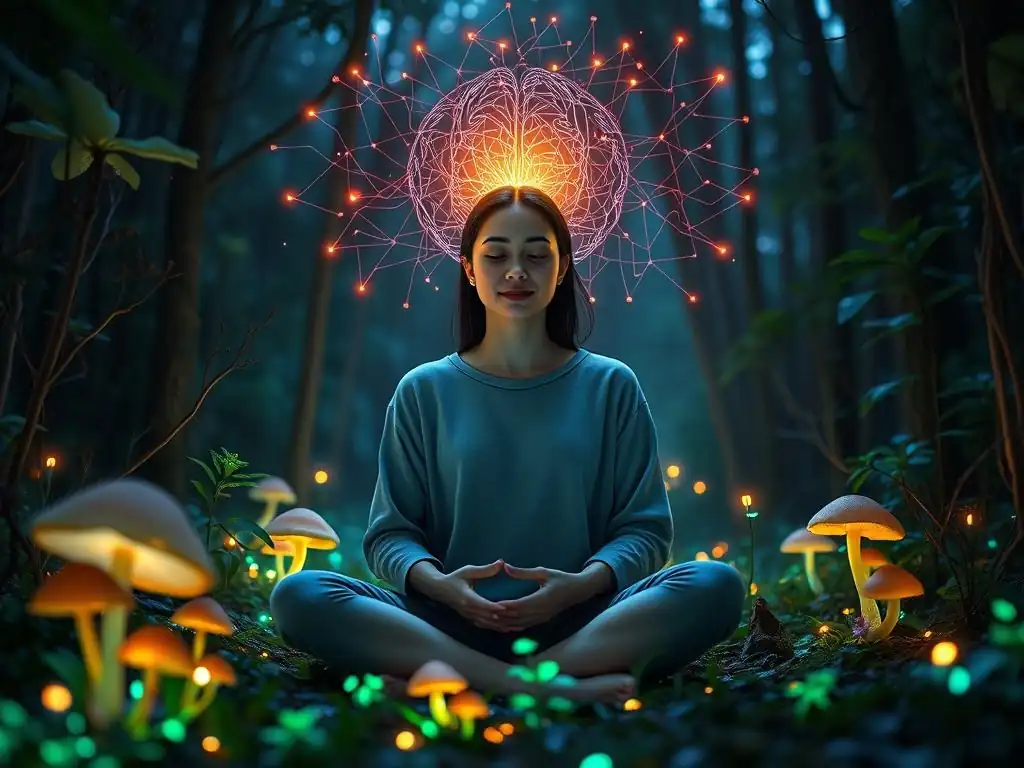
Welcome to Mind Care Guide, a space dedicated to nurturing your mental well-being.
Feeling overwhelmed by anxiety? Explore how the power of visualization can be a key to unlocking calm and reshaping your brain's response to stress. Dive into our article, "Visualisation and Neuroplasticity: Imagining Calm to Reshape Your Brain's Response," and discover how this simple technique, rooted in neuroscience, can help you reduce anxiety symptoms and cultivate inner peace. Let's embark on this journey to a calmer, more resilient you.
Visualization and Neuroplasticity: Imagining Calm to Reshape Your Brain's Response
- Introduction: Understanding the Power of Visualization for Anxiety Relief
- How Visualization Can Reduce Anxiety Symptoms: A Neuroplastic Approach
- Practical Visualization Techniques to Rewire Your Brain for Calm
- Step-by-Step Guide: Using Visualization to Lower Anxiety Levels
- Combining Visualization with Other Anxiety Management Strategies
- Real-Life Examples: Success Stories of Visualization for Anxiety Relief
- Potential Benefits and Limitations of Visualization for Anxiety
- Conclusion: Harnessing Neuroplasticity Through Visualization for Lasting Calm
-
Frequently Asked Questions
- How does visualization work to reduce anxiety symptoms?
- What is neuroplasticity and how does it relate to mental well-being?
- Can anyone learn to use visualization effectively for anxiety relief?
- How often should I practice visualization to see a reduction in anxiety symptoms?
- Are there any potential downsides or risks associated with using visualization for anxiety?
- Final Reflection: Cultivating Inner Peace Through the Power of Visualization
- Unlock Your Brain's Potential: Imagine a Calmer You
Introduction: Understanding the Power of Visualization for Anxiety Relief
The Mind-Body Connection: How Visualization Impacts the Brain
The concept of the mind-body connection is fundamental to understanding how techniques like visualization can significantly impact our physical and emotional states, particularly when aiming to reduce anxiety symptoms. Our thoughts and mental images are not merely abstract concepts; they trigger real physiological responses throughout the body. When we vividly imagine a stressful situation, our sympathetic nervous system can activate, leading to increased heart rate, rapid breathing, and muscle tension – the classic "fight or flight" response associated with anxiety. Conversely, imagining a calm, peaceful scene can activate the parasympathetic nervous system, promoting relaxation and reversing these stress responses.
This intricate connection means that the pictures we paint in our minds have a direct line to our nervous system and subsequent bodily functions. By consciously directing our mental imagery through visualization, we can intentionally influence our physiological state. Regularly practicing visualization techniques for anxiety management trains the brain to associate certain mental states with physical relaxation, making it a powerful tool for reducing the intensity and frequency of anxiety symptoms. It's about harnessing the brain's natural ability to react to internal stimuli as if they were external realities.
Neuroplasticity Explained: Your Brain's Ability to Change and Adapt
Neuroplasticity is the remarkable ability of the brain to reorganize itself by forming new neural connections throughout life. It's the brain's capacity to change, adapt, and wire itself based on experience. For decades, scientists believed the adult brain was largely fixed, but groundbreaking research has shown that our brains are constantly changing in response to learning, environment, and even mental practice. This means that experiences, habits, and even repeated thoughts can literally reshape the physical structure and functional organization of our neural networks.
This principle is incredibly hopeful for individuals dealing with anxiety. It implies that the anxious brain, which may have developed strong pathways associated with fear and worry, is not a permanent state. Through targeted practices like visualization, we can actively work to weaken those unhelpful pathways and build new, stronger ones associated with calm, safety, and resilience. Understanding neuroplasticity provides the scientific basis for why techniques like visualization reduce anxiety symptoms; it's not just a temporary distraction, but a process of retraining the brain's inherent response patterns.
How Visualization Can Reduce Anxiety Symptoms: A Neuroplastic Approach
The Science Behind Visualization and Anxiety Reduction: Brain Regions Involved
Visualizing calm scenes or successful scenarios engages several key brain regions involved in emotion regulation and sensory processing. Research using fMRI scans has shown that mental imagery activates areas similar to those activated during actual perception or experience, though often to a lesser degree. Specifically, areas like the prefrontal cortex, which is responsible for executive functions, planning, and decision-making, become more engaged. This region can help regulate the activity of the amygdala, the brain's primary fear center.
Furthermore, visualization engages the hippocampus, crucial for memory and contextual processing. By vividly imagining a safe space, you create a mental 'memory' of safety that the hippocampus can help access later. This process doesn't just involve one area; it's a network effect. Consistent visualization practice strengthens the connections between the prefrontal cortex and the amygdala, allowing for better top-down control over fear responses. This neurobiological change is a core reason why visualization reduce anxiety symptoms over time – it's literally rewiring how your brain processes potential threats and generates feelings of calm.
Calming the Amygdala: Visualization's Role in Fear Response Modulation
The amygdala is a pair of almond-shaped structures deep within the brain, often described as the brain's alarm system. In individuals with anxiety disorders, the amygdala can be hyperactive, triggering the fight-or-flight response even in the absence of real danger. This leads to the physical and emotional distress characteristic of anxiety symptoms. Visualization offers a non-pharmacological way to help modulate this overactive response.
By deliberately focusing on peaceful, safe, and calming mental images, you send signals to the brain that contradict the amygdala's fear signals. This conscious effort to generate feelings of safety and relaxation helps to dampen the amygdala's activity. Think of it as providing competing input. While the amygdala might be screaming "danger," your visualization is whispering "peace and safety." Over time, with consistent practice, the prefrontal cortex gains more influence, allowing it to better regulate the amygdala's response, thereby helping visualization reduce anxiety symptoms by lowering the overall level of physiological arousal and fear.
Strengthening Neural Pathways for Calm: Repetitive Visualization Techniques
The principle "neurons that fire together, wire together" is central to understanding how repetitive visualization techniques foster neuroplastic change. Every time you practice visualizing a state of calm, you are activating a specific network of neurons associated with relaxation, safety, and peace. The more frequently and consistently you activate this network, the stronger the connections within it become. This is akin to carving a path through a forest – the more you walk it, the clearer and easier it becomes to navigate.
Conversely, the neural pathways associated with anxiety, worry, and fear, if not constantly reinforced, can begin to weaken. While these pathways may never fully disappear, their dominance can be reduced as the "calm" pathways become more robust. This explains why sporadic visualization might offer temporary relief, but consistent, regular practice is necessary to create lasting neuroplastic changes that significantly reduce anxiety symptoms. It's an active process of building a stronger, more resilient brain architecture less prone to falling into anxious patterns.
Practical Visualization Techniques to Rewire Your Brain for Calm
Creating a Safe Space: Guided Imagery for Anxiety Management
One of the most widely used visualization techniques for anxiety is creating a "safe space" or "calm place" through guided imagery. This involves mentally constructing a detailed, peaceful environment where you feel completely safe, relaxed, and secure. The key is to engage all your senses in this imagined space. What do you see? Perhaps a serene beach with gentle waves, a tranquil forest clearing, or a cozy room by a fireplace. What do you hear?
The sound of birdsong, the crackling fire, or soft music. What do you feel? The warmth of the sun, a soft breeze, the texture of a comfortable chair. What do you smell? The scent of pine trees, salty air, or blooming flowers.
The power of the safe space technique lies in its ability to immediately shift your focus away from anxious thoughts and physical sensations towards a state of felt safety. By consistently returning to this vivid mental sanctuary, you train your brain to quickly access a state of calm relaxation. Many people find it helpful to start with guided audio recordings, which provide prompts to help build the scene, but with practice, you can learn to access your safe space independently whenever you feel anxiety rising, allowing visualization reduce anxiety symptoms effectively in the moment.
Progressive Muscle Relaxation Combined with Visualization for Anxiety
Combining progressive muscle relaxation (PMR) with visualization can enhance the overall effect on anxiety reduction. PMR involves systematically tensing and then releasing different muscle groups in the body, which helps you become more aware of physical tension and learn how to release it. Anxiety often manifests physically as muscle tightness, and addressing this physical component directly can amplify the mental relaxation achieved through visualization.
The combined technique typically involves moving through the body, tensing and releasing muscles, while simultaneously visualizing the tension leaving the body with each exhale and visualizing a wave of relaxation or warmth spreading through the released muscles. For instance, as you release tension in your shoulders, you might visualize the tension melting away like snow or visualize warmth flowing into the area.
This dual approach tackles both the mental and physical aspects of anxiety simultaneously, creating a more profound state of calm. The synergy between physically releasing tension and mentally reinforcing relaxation makes this a particularly potent method to help visualization reduce anxiety symptoms.
Visualization is not limited to general calm; it can be specifically tailored to address particular anxiety triggers, such as social interaction anxiety. If public speaking, attending parties, or meeting new people causes significant distress, you can use visualization to mentally rehearse these situations in a positive and calm manner. This involves vividly imagining the triggering scenario unfolding smoothly and successfully, focusing on feeling confident and at ease throughout the interaction.
For example, if you fear a social event, you might visualize yourself arriving confidently, engaging in pleasant conversations, feeling comfortable and relaxed, and leaving with a sense of satisfaction. Crucially, you also visualize yourself handling any potential awkward moments with grace and composure, reinforcing your ability to cope. By repeatedly practicing these positive mental rehearsals, you prepare your brain for the actual event, reducing the element of surprise and fear, and building a sense of self-efficacy. This targeted approach makes visualization reduce anxiety symptoms by directly addressing the specific fears associated with particular situations.
Step-by-Step Guide: Using Visualization to Lower Anxiety Levels
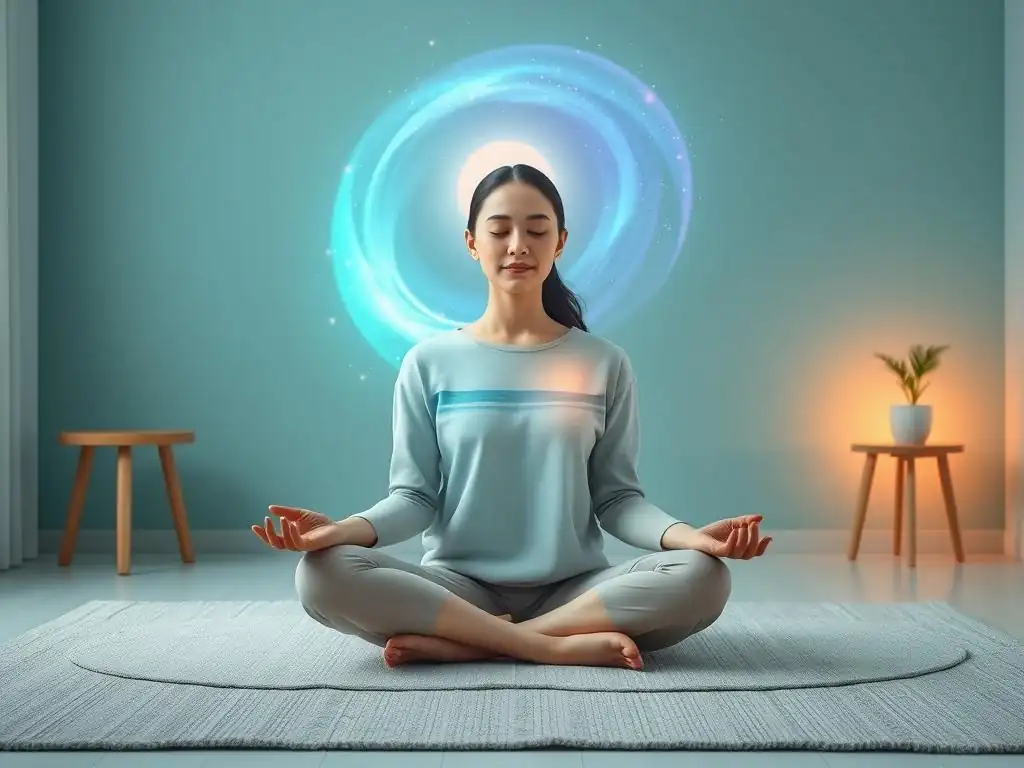
Step 1: Find a Quiet and Comfortable Space
The first step in practicing visualization to reduce anxiety symptoms is to create the right environment. Find a place where you won't be disturbed for the duration of your practice, even if it's just for 5-10 minutes. This could be a quiet corner of your home, an empty office, or even a parked car. The goal is to minimize external distractions that could pull your focus away from your internal experience.
Comfort is also key. Sit or lie down in a position that allows you to relax your body completely. Loosen any tight clothing and ensure you are at a comfortable temperature. Creating this physical sanctuary helps signal to your brain and body that it's time to relax and disengage from the stresses of the day, setting the stage for effective visualization practice aimed at reducing anxiety symptoms.
Step 2: Focus on Your Breath and Relax Your Body
Before diving into the visualization itself, take a few moments to ground yourself. Close your eyes gently (if comfortable) and bring your attention to your breath. Notice the sensation of air entering and leaving your body without trying to change it. Simply observe the natural rhythm of your breath. This helps to anchor you in the present moment and quiet the mental chatter often associated with anxiety.
Next, consciously relax your body. You can do a quick body scan, noticing any areas of tension (shoulders, jaw, stomach) and consciously releasing them. You might take a deeper breath and exhale, imagining the tension leaving your body. Physical relaxation techniques, even brief ones, prepare your body for the calming effects of visualization and enhance its ability to reduce anxiety symptoms.
Step 3: Visualize a Calm and Peaceful Scene
Now, begin to construct your calm scene in your mind. This can be a place you've been to before, a place you've seen in pictures, or a purely imaginary location. It should be somewhere that evokes feelings of peace, safety, and tranquility for you. Don't worry if the image isn't perfectly clear at first; it gets easier with practice.
Focus on the main elements of the scene. Is it a meadow? A beach? A mountain view? A quiet room? Allow the scene to unfold naturally in your mind. The goal is to immerse yourself in this peaceful environment, allowing the imagery itself to begin the process of reducing anxiety symptoms.
Step 4: Engage Your Senses in the Visualization
To make the visualization powerful and effective, engage as many of your senses as possible. What do you see in your scene? The colors, the light, the details? What do you hear? The sounds of nature, quietude? What do you feel? The warmth of the sun, a gentle breeze, the texture of the ground beneath you? What do you smell? Flowers, fresh air, the ocean?
The more sensory details you incorporate, the more real and immersive the experience becomes for your brain. This rich sensory input helps to more effectively activate the neural pathways associated with calm and safety, reinforcing the brain's ability to use visualization reduce anxiety symptoms. Linger in this sensory experience, allowing the feelings of peace to deepen.
Step 5: Practice Regularly for Optimal Results
Consistency is the key to harnessing neuroplasticity and achieving lasting results with visualization for anxiety. Just like learning any new skill, retraining your brain takes repetition. Aim to practice your visualization techniques daily, even if only for 5-15 minutes. Regular practice strengthens the neural connections associated with calm and makes it easier to access that state when anxiety arises.
Think of each practice session as a workout for your brain, reinforcing the pathways for peace and weakening those for fear. Over time, you'll likely find that you can enter a state of calm more quickly and that your baseline anxiety levels begin to decrease. Making visualization a consistent part of your routine is essential if you want it to effectively reduce anxiety symptoms over the long term.
Combining Visualization with Other Anxiety Management Strategies
Visualization and Mindfulness Meditation: A Powerful Duo
Visualization and mindfulness meditation are highly complementary practices that can significantly enhance each other's effectiveness in managing anxiety. Mindfulness involves paying non-judgmental attention to the present moment – your thoughts, feelings, bodily sensations, and environment – without trying to change them. This practice cultivates awareness of anxious patterns without getting swept away by them.
Combining the two can be particularly powerful. You might start with a few minutes of mindfulness meditation to quiet the mind and body, grounding yourself in the present. Then, transition into a visualization exercise, using the heightened awareness from mindfulness to make the imagined scene more vivid and immersive.
Alternatively, you can integrate elements of mindfulness into visualization, noticing sensations of calm or peace as they arise during the practice. This combination helps you become aware of anxiety when it happens and provides a tool to actively shift your state, creating a robust strategy to help visualization reduce anxiety symptoms.
The Role of Cognitive Behavioral Therapy (CBT) in Enhancing Visualization Effectiveness
Cognitive Behavioral Therapy (CBT) is a widely recognized and effective therapy for anxiety disorders. It focuses on identifying and challenging negative thought patterns and maladaptive behaviors that contribute to anxiety. While CBT directly addresses the cognitive component ("thinking errors"), visualization can serve as a powerful tool to reinforce the desired behavioral and emotional changes.
For example, if CBT helps you identify and dispute the thought "I'm going to fail this presentation," visualization can be used to mentally rehearse the presentation going well, reinforcing a more positive and realistic outcome. If CBT teaches you coping strategies for social situations, visualization can help you practice applying those strategies in a simulated environment. By integrating visualization with CBT, you not only change your thinking but also train your brain to feel and act differently in anxious situations, making the overall process of reducing anxiety symptoms more effective.
Lifestyle Changes to Support Neuroplasticity and Reduce Anxiety: Diet, Exercise, Sleep Hygiene
While visualization is a powerful mental tool, its effectiveness and the brain's capacity for neuroplastic change are significantly influenced by overall lifestyle. Supporting brain health through diet, exercise, and sleep hygiene creates a foundation upon which visualization can build. A balanced diet rich in omega-3 fatty acids, antioxidants, and vitamins supports brain structure and function. For instance, studies suggest that diets high in processed foods can negatively impact brain health and potentially exacerbate anxiety.
Regular physical exercise is a potent modulator of brain function, promoting the release of neurotransmitters that improve mood and reduce stress hormones like cortisol. Exercise also increases blood flow to the brain, supporting neurogenesis and the formation of new neural connections. Furthermore, adequate, quality sleep is crucial for memory consolidation, emotional regulation, and allowing the brain to "clean house," processes vital for effective neuroplasticity and managing anxiety. By addressing these fundamental lifestyle factors, you optimize your brain's ability to change and make your visualization efforts to reduce anxiety symptoms even more impactful.
Real-Life Examples: Success Stories of Visualization for Anxiety Relief
Case Study 1: Using Visualization to Manage Performance Anxiety
Consider the case of Sarah, a marketing executive who suffered from debilitating performance anxiety before giving presentations. Her symptoms included a racing heart, sweaty palms, trembling voice, and a fear of freezing up. Despite knowing her material, the anxiety often hindered her delivery. Sarah began incorporating visualization into her preparation routine. Each day for the week leading up to a major presentation, she would spend 15 minutes visualizing herself walking confidently to the podium, feeling calm and composed, making strong eye contact with the audience, delivering her points clearly, and receiving positive feedback.
She focused on the feeling of confidence and the sight of a receptive audience. Initially, her mind would wander to negative possibilities, but she gently redirected it back to the positive script. By the day of the presentation, while she still felt some natural nerves, the intense physical symptoms were significantly reduced. She felt more in control and delivered her presentation smoothly. This wasn't a one-time fix; Sarah continued this practice before every presentation, and over several months, her baseline performance anxiety decreased significantly, demonstrating how targeted visualization reduce anxiety symptoms related to specific triggers.
Case Study 2: Overcoming Panic Attacks with Regular Visualization Practice
Mark had been experiencing panic attacks intermittently for years, often triggered by feeling trapped or overwhelmed in public spaces. The attacks were sudden and intense, involving symptoms like shortness of breath, chest pain, dizziness, and a fear of losing control. A therapist suggested he try regular visualization practice as a coping strategy. Mark committed to practicing a "safe space" visualization twice daily, morning and evening, for 10 minutes each session. He created a vivid mental image of a serene forest trail where he felt completely safe and free.
During the day, if he felt the initial signs of a panic attack starting (e.g., a tightening in his chest), he would immediately pause, find a quiet spot if possible, and briefly access his forest visualization, focusing on the feeling of calm and spaciousness. Over several weeks of consistent practice, the frequency and intensity of his panic attacks began to decrease.
While he still experienced occasional anxiety, he felt more empowered, knowing he had a tool to help ground himself and interrupt the panic cycle. His consistent use of visualization helped to strengthen his neural pathways for calm, significantly helping visualization reduce anxiety symptoms and panic.
Potential Benefits and Limitations of Visualization for Anxiety
Advantages: Accessibility, Cost-Effectiveness, and Empowerment
One of the significant advantages of visualization for anxiety is its accessibility. It requires no special equipment, can be practiced virtually anywhere, and is available to anyone regardless of location or financial status. Unlike some therapies or medications, there are no direct costs associated with the technique itself, making it a highly cost-effective tool for anxiety management.
Furthermore, learning and practicing visualization is an empowering process. It puts a tool for managing anxiety directly into the hands of the individual. Rather than relying solely on external factors (like medication or therapy sessions), visualization allows you to actively engage in reshaping your internal experience. This sense of agency can be incredibly validating and motivating for those seeking ways to reduce anxiety symptoms and regain control over their emotional responses.
Limitations: Requires Practice, May Not Be Effective for All Types of Anxiety, Importance of Professional Guidance
Despite its many benefits, visualization does have limitations. Perhaps the most significant is that it requires consistent practice to be truly effective, especially in achieving the neuroplastic changes needed for long-term anxiety reduction. Results are rarely immediate, and some individuals may find it challenging to quiet their minds or create vivid mental images, particularly when they are highly anxious. It takes patience and persistence to develop the skill.
Additionally, while visualization can be helpful for many, it may not be equally effective for all types or severities of anxiety disorders. For individuals with severe or complex anxiety, or those experiencing trauma-related anxiety, visualization might be a valuable adjunct therapy but may not be sufficient on its own.
It's crucial to recognize that visualization is a self-help tool and not a substitute for professional medical or psychological treatment. If you are struggling with significant anxiety symptoms, seeking guidance from a qualified mental health professional is always recommended to determine the best course of action, which may include integrating visualization into a broader treatment plan.
Conclusion: Harnessing Neuroplasticity Through Visualization for Lasting Calm
Visualization as a Tool for Long-Term Anxiety Management
Visualization stands out as a powerful, accessible tool for long-term anxiety management, rooted in the science of neuroplasticity. It's more than just positive thinking; it's an active process of engaging the brain's capacity to change by repeatedly activating neural pathways associated with calm, safety, and control. By consistently directing your mind to peaceful scenes and desired outcomes, you are effectively training your brain to be less reactive to stress and more capable of returning to a state of equilibrium.
The cumulative effect of regular visualization practice leads to tangible changes in brain function, such as reduced amygdala activity and strengthened prefrontal cortex regulation. This makes it a sustainable strategy, not just for coping with acute anxiety but for building resilience and reducing the overall burden of anxiety symptoms over months and years. Integrating visualization into your daily routine can be a cornerstone of a proactive approach to mental well-being.
Empowering Yourself to Reshape Your Brain and Reduce Anxiety
Understanding that your brain is capable of change – that you possess the power of neuroplasticity – is incredibly empowering. Visualization is one of the most direct ways you can leverage this capacity to improve your mental health. By consciously choosing what you focus on and how you imagine yourself responding to challenges, you are taking an active role in reshaping your own neural landscape.
Embracing visualization techniques offers a path towards reducing anxiety symptoms and cultivating a greater sense of inner calm and control. It requires dedication and practice, but the potential reward – a brain less prone to anxiety and more wired for peace – is immense. Start small, be patient with yourself, and trust in your brain's incredible ability to adapt and heal. You have the power within you to visualize a calmer future and, through consistent effort, make it a reality.
Frequently Asked Questions
How does visualization work to reduce anxiety symptoms?
Visualization leverages neuroplasticity, the brain's ability to re-wire itself. By consistently imagining calm scenarios, you strengthen neural pathways associated with relaxation, effectively reducing anxiety's impact.
What is neuroplasticity and how does it relate to mental well-being?
Neuroplasticity is the brain's capacity to reorganize its structure and function throughout life. It allows us to learn new skills and adapt to changes, making it crucial for improving mental well-being and overcoming challenges.
Can anyone learn to use visualization effectively for anxiety relief?
Yes, visualization is a learnable skill that can be effective for most people. With consistent practice and the right techniques, individuals can harness its power to manage anxiety.
How often should I practice visualization to see a reduction in anxiety symptoms?
The frequency depends on individual needs, but aiming for at least 10-15 minutes daily is generally recommended. Regular practice is key to strengthening new neural pathways and experiencing noticeable improvements.
Are there any potential downsides or risks associated with using visualization for anxiety?
While generally safe, some individuals may find visualization initially challenging or triggering. It's important to start slowly, be patient with yourself, and consider seeking guidance from a mental health professional if needed.
Final Reflection: Cultivating Inner Peace Through the Power of Visualization
The ability to visualize calm is not merely a fleeting mental exercise; it's a potent tool for reshaping our brain's response to stress and anxiety, profoundly impacting our mental well-being in the modern world. In an era defined by constant stimulation and pressure, mastering the art of visualization offers a tangible path towards a calmer, more resilient self. This is not a passive process; it's an active engagement with our own neurological pathways, literally rewiring our brains for peace.
The exploration of visualization's impact on anxiety has revealed a fascinating interplay between conscious intention and neurological change. The consistent practice of visualizing calming scenarios isn't just about feeling better in the moment; it's about building new neural pathways that promote a more balanced and resilient response to future stressors. The brain that is stretched by a new experience can, in fact, never return to its old dimensions.
- Oliver Wendell Holmes Jr. This quote perfectly encapsulates the transformative power of consistent visualization practice, highlighting its lasting impact on our cognitive architecture.
Now, consider your own relationship with anxiety. What images consistently bring you peace? What calming scenarios can you vividly conjure in your mind's eye? I invite you to dedicate just five minutes each day to practicing visualization, focusing on these positive and calming images. Start small, be consistent, and watch as your brain begins to rewire itself towards a more peaceful and resilient state. The journey to inner calm begins with a single, focused image, a single breath, a single act of conscious visualization. Embrace the power within you to reshape your response to stress and anxiety.
Unlock Your Brain's Potential: Imagine a Calmer You
Thanks for taking the time to explore the powerful connection between visualization and neuroplasticity! You've now discovered how your thoughts can literally reshape your brain's response to stress. Ready to put this knowledge into practice?
- Begin your daily visualization practice: Even 5 minutes a day focusing on a calm, peaceful scene can make a significant difference. Let your mind wander through a tranquil landscape, a favorite memory, or a future you'd like to create.
- Share this transformative knowledge: Tell a friend or family member about the amazing power of visualization for stress reduction. Inspire them to join you on this journey to a calmer mind!
- Dive deeper: Explore Mind Care Guide's resources on mindfulness techniques to further enhance your visualization practice.
What calming scene will you visualize today to cultivate a more peaceful you?