
Harnessing Neuroplasticity: Practical Techniques to Break Free from Anxiety Loops


Welcome to Mind Care Guide, your sanctuary for navigating the complexities of mental well-being.
Do you ever feel trapped in a cycle of anxiety, like your mind is playing the same stressful record over and over? You're not alone. In this article, we delve into the fascinating science of neuroplasticity and explore practical techniques to break free from those debilitating anxiety loops. Discover how your brain's remarkable ability to adapt can be harnessed to rewrite your anxious responses and pave the way for lasting peace. Intrigued? Let's begin your journey to a calmer, more resilient you.
Harnessing Neuroplasticity: Practical Techniques to Break Free from Anxiety Loops
Anxiety can feel like a relentless cycle, a loop of worry and fear that's hard to escape. However, emerging research in neuroscience offers a powerful perspective: our brains are not fixed. They possess an incredible ability to change and adapt throughout life, a phenomenon known as neuroplasticity. Understanding and harnessing this inherent capacity can provide a pathway to effectively break anxiety loops and cultivate greater mental well-being.
This article explores how neuroplasticity works, its connection to anxiety disorders, and practical, evidence-based techniques you can use to rewire your brain's response to fear and worry. By actively engaging in these strategies, you can begin to disrupt negative patterns and build new, healthier neural pathways.
- Understanding Neuroplasticity and Its Role in Anxiety Relief
- Identifying Your Anxiety Loops: A Crucial First Step
-
Practical Neuroplasticity Techniques to Rewire Your Brain
- Cognitive Behavioral Therapy (CBT) and Neuroplasticity: A Powerful Combination
- Mindfulness Meditation: Cultivating Awareness and Breaking Anxiety Cycles
- Exposure Therapy: Confronting Fears and Rewiring the Brain's Response
- Neurofeedback: Training Your Brain to Regulate Anxiety
- Lifestyle Changes to Support Neuroplasticity and Reduce Anxiety
- Creating a Personalized Neuroplasticity Plan for Anxiety Relief
- Overcoming Challenges and Setbacks in Your Neuroplasticity Journey
- The Future of Neuroplasticity Research and Anxiety Treatment
-
Frequently Asked Questions
- What is Neuroplasticity and how does it relate to anxiety?
- How can I use Neuroplasticity to break anxiety loops?
- What are some practical techniques to harness Neuroplasticity for anxiety relief?
- How long does it take to see results when using Neuroplasticity to address anxiety?
- Is it possible to completely eliminate anxiety loops using Neuroplasticity?
- Final Reflection: Unlocking Your Brain's Power to Conquer Anxiety
- Unlock Your Brain's Power: Start Rewiring Anxiety Today!
Understanding Neuroplasticity and Its Role in Anxiety Relief
Neuroplasticity is the brain's lifelong capacity to reorganize itself by forming new neural connections throughout life. This remarkable adaptability allows the brain to adjust to new experiences, learn new things, and even recover from injury. It's the biological basis for learning, memory, and behavioral change.
Essentially, every thought, emotion, action, and experience you have shapes your brain's physical structure and functional organization. This happens through the creation of new synapses (connections between neurons), the strengthening or weakening of existing ones, and even the generation of new neurons in certain brain regions. This constant process of rewiring is fundamental to how we interact with the world and how our minds operate.
What is Neuroplasticity and How Does it Work?
Neuroplasticity refers to the brain's ability to change structurally and functionally in response to experience. It involves several mechanisms, including synaptic plasticity (changes in the strength of connections between neurons), neurogenesis (the birth of new neurons, primarily in the hippocampus), and changes in glial cells. When you learn a new skill, remember a fact, or react to a situation, specific neural pathways are activated. The more frequently these pathways are used, the stronger the connections become, making it easier for signals to travel along them in the future.
Conversely, pathways that are used less frequently may weaken or be pruned away. This dynamic process means that the brain is constantly being sculpted by your experiences and behaviors. For instance, practicing a musical instrument or learning a new language physically alters the brain's structure in areas related to motor skills, auditory processing, and language. This principle applies equally to emotional and thought patterns.
The Brain's Ability to Change: Neuroplasticity Defined
At a fundamental level, neuroplasticity is the malleability of the brain. It challenges the older view that the adult brain was a rigid structure. Instead, we now understand that the brain is incredibly adaptable, capable of significant reorganization. This ability is most pronounced in early life but continues throughout adulthood, albeit sometimes at a slower pace. It's the biological engine behind learning, memory, and recovery from brain injury.
This definition underscores that the brain isn't just a passive recipient of information but an active participant in shaping itself based on interaction with the environment. From mastering a complex skill to overcoming a traumatic experience, the brain's ability to change pathways – its neuroplasticity – is the underlying mechanism. This inherent flexibility is what makes therapeutic interventions for mental health challenges like anxiety possible.
How Neuroplasticity Impacts Anxiety Disorders
In the context of anxiety disorders, neuroplasticity can be a double-edged sword. While it offers hope for recovery, it also plays a role in the development and maintenance of anxiety loops. When someone experiences frequent fear or worry, the neural pathways associated with these emotions and thoughts become stronger. The amygdala, a brain region involved in processing fear, can become hyperactive, while connections to areas responsible for rational thought and emotional regulation, such as the prefrontal cortex, might weaken.
This process essentially trains the brain to be more easily triggered into anxious states. The repeated firing of anxiety-related circuits makes them the default response, creating the feeling of being stuck in a loop. For example, someone with social anxiety might repeatedly anticipate negative judgment, strengthening pathways that trigger fear in social situations. The good news is that just as the brain learned to be anxious through experience and repetition, it can also learn to be less anxious by building and strengthening new, healthier pathways.
Anxiety Loops: The Neurological Basis
Anxiety loops are patterns of thought, feeling, and behavior that become ingrained in the brain through repetition. Neurologically, this involves specific circuits becoming highly activated and interconnected. A common loop might start with a trigger (e.g., a social event), leading to anxious thoughts (e.g., "I'll make a fool of myself"), which activate the fear response in the amygdala, causing physical symptoms (e.g., rapid heartbeat), and leading to a behavior (e.g., avoiding the event). Each time this sequence occurs, the connections between these elements strengthen.
Over time, these pathways become highly efficient and automatic. The brain becomes wired to quickly jump from trigger to anxious response, making it difficult to interrupt the cycle. This is why simply knowing that a fear is irrational isn't always enough to stop the anxiety; the neural pathways for the anxious reaction are well-established. Breaking these loops requires conscious effort and consistent practice to build alternative, non-anxious responses, leveraging the brain's neuroplasticity.
Identifying Your Anxiety Loops: A Crucial First Step
Before you can effectively use neuroplasticity to break anxiety loops, you must first understand what your specific loops are. This involves becoming aware of your personal triggers, the thoughts and emotions that follow, the physical sensations you experience, and the behaviors you engage in (often avoidance or safety behaviors) that perpetuate the cycle. This self-awareness is foundational.
Identifying these patterns isn't about judgment, but about objective observation. It's like mapping the specific routes your anxiety takes in your brain. Once you have this map, you can strategically apply techniques to build alternative routes and weaken the old ones. This step requires patience and a willingness to look closely at your internal experience.
Recognizing Common Anxiety Patterns and Triggers
Anxiety patterns often fall into common categories, though they manifest uniquely for each individual. Generalized anxiety might involve constant worry across multiple areas of life (work, health, family), often triggered by uncertainty or minor stressors. Social anxiety is typically triggered by social interactions or performance situations, involving fears of judgment or embarrassment.
Panic disorder involves sudden, intense surges of fear (panic attacks), often triggered by physical sensations or specific situations perceived as threatening. Obsessive-compulsive disorder (OCD) involves intrusive thoughts (obsessions) and repetitive behaviors (compulsions) aimed at reducing distress, where the loop is the thought leading to distress, leading to the compulsion, which provides temporary relief but reinforces the cycle.
Triggers can be external (a specific place, person, event) or internal (a thought, memory, physical sensation). For example, someone with health anxiety might be triggered by a minor ache or pain, leading to catastrophic thoughts about illness. Identifying these specific triggers and the subsequent chain reaction is vital. Keeping a journal can be incredibly helpful in spotting these recurring sequences and understanding what initiates your particular anxiety loop.
Self-Assessment Tools for Identifying Anxiety Loops
Several self-assessment tools can aid in identifying anxiety loops. Simple journaling is perhaps the most accessible: note down when you feel anxious, what happened right before, your thoughts, physical sensations, and what you did in response. Over time, patterns will emerge. For example, you might notice that every time you have to speak in a meeting (trigger), you think "I'm going to sound stupid" (thought), feel your heart race (sensation), and avoid eye contact (behavior).
More structured tools like the Generalized Anxiety Disorder 7-item scale (GAD-7) or the Panic Disorder Severity Scale (PDSS) can help quantify the severity of anxiety, but understanding the loop requires more detailed self-observation. Cognitive restructuring worksheets, often used in CBT, can help break down specific anxious episodes into triggering event, automatic thought, emotion, and behavior, making the loop visible. These tools provide a framework for systematically observing your anxiety without getting lost in it.
The Importance of Mindfulness in Recognizing Anxiety Patterns
Mindfulness is a cornerstone practice for identifying anxiety patterns. It involves paying attention to the present moment without judgment. By cultivating mindfulness, you develop the ability to observe your thoughts, feelings, and physical sensations as they arise, without immediately getting caught up in them or reacting automatically. This creates a crucial space between a trigger and your habitual anxious response.
For someone caught in an anxiety loop, thoughts often feel like facts, and physical sensations are interpreted as danger signals. Mindfulness helps you recognize thoughts as thoughts ("Oh, there's the thought 'I'm going to fail'") rather than believing them implicitly ("I am going to fail"). It allows you to notice the physical tension in your body without panicking, or to observe the urge to avoid a situation without automatically giving in. This non-judgmental observation weakens the automatic links in the anxiety loop, making it possible to choose a different response and thereby begin to rewire the brain's reaction.
Practical Neuroplasticity Techniques to Rewire Your Brain

Leveraging neuroplasticity to break anxiety loops involves actively engaging in experiences and practices that build and strengthen new, non-anxious pathways while simultaneously weakening the old, anxious ones. This isn't a passive process; it requires consistent effort and intentionality. The techniques outlined below are evidence-based approaches that directly target the brain's capacity for change.
Each of these methods, from therapeutic modalities like CBT and exposure therapy to lifestyle changes like exercise and sleep, works by providing the brain with new inputs and experiences that challenge the established anxiety circuits. By repeatedly engaging in these new patterns of thinking, feeling, and behaving, you are quite literally rewiring your brain, helping it to break free from the grip of anxiety.
Cognitive Behavioral Therapy (CBT) and Neuroplasticity: A Powerful Combination
Cognitive Behavioral Therapy (CBT) is one of the most widely studied and effective treatments for anxiety disorders, and its success is deeply rooted in its ability to leverage neuroplasticity. CBT helps individuals identify and challenge negative thought patterns and behaviors that contribute to anxiety. By learning to recognize distorted thinking (e.g., catastrophizing, black-and-white thinking) and replacing it with more balanced and realistic thoughts, individuals actively engage their prefrontal cortex, the brain's executive control center.
This process of cognitive restructuring involves consciously choosing to think differently, which strengthens the connections in brain areas associated with rational thought and weakens those associated with automatic, fear-based reactions in the amygdala. Behavioral experiments, another core component of CBT, involve testing out anxious predictions.
For example, someone with social anxiety might predict they will be laughed at if they speak up, then test this by speaking briefly in a safe setting. When the negative prediction doesn't come true, it provides a corrective emotional experience that helps to update the brain's fear memory and build new, less anxious associations with social situations.
How CBT Changes Brain Activity and Reduces Anxiety
Research using fMRI scans has demonstrated that successful CBT treatment for anxiety disorders is associated with measurable changes in brain activity. Studies have shown decreased activity in the amygdala, the brain's fear center, and increased activity in the prefrontal cortex, particularly areas involved in regulating emotions and making rational decisions. For example, a 2008 study on individuals with social anxiety disorder found that after 12 weeks of CBT, participants showed reduced activity in the amygdala when anticipating a public speaking task compared to before therapy.
These changes reflect the strengthening of top-down regulation pathways, where the prefrontal cortex gains more control over the primitive fear response generated by the amygdala. Essentially, CBT trains the brain to respond to potential threats with more reasoned appraisal rather than automatic panic. This rewiring through repeated practice of challenging thoughts and behaviors is a direct application of neuroplastic principles to break anxiety loops.
Practical CBT Techniques to Implement
- Thought Records: A structured way to identify challenging thoughts, their associated emotions and physical sensations, and the evidence for and against the thought. This helps challenge the validity of negative thoughts.
- Cognitive Restructuring: Actively replacing distorted or unhelpful thoughts with more balanced and realistic ones. For example, replacing "I must be perfect" with "It's okay to make mistakes; I can learn from them."
- Behavioral Experiments: Testing out anxious predictions in real-life situations. If you fear public speaking, start by speaking in front of one person, then a small group, observing what actually happens.
- Activity Scheduling: Planning and engaging in enjoyable or rewarding activities, even when feeling anxious or unmotivated. This helps break avoidance patterns and reinforces positive experiences.
Mindfulness Meditation: Cultivating Awareness and Breaking Anxiety Cycles
Mindfulness meditation is a practice that involves focusing attention on the present moment, observing thoughts, feelings, and sensations without judgment. While seemingly simple, consistent mindfulness practice has profound effects on the brain, directly impacting the neural circuits involved in anxiety. By regularly bringing attention back to the breath or bodily sensations, individuals train their brains to disengage from habitual worry and rumination, which are central to anxiety loops.
This practice builds the capacity to notice anxious thoughts or feelings without getting swept away by them. Instead of automatically reacting with fear or avoidance, mindfulness allows for a conscious pause, creating space to choose a different response. This ability to observe internal states with detachment is crucial for disrupting automatic anxiety patterns and cultivating a sense of calm and presence, even when challenging emotions arise.
The Science Behind Mindfulness and Neuroplasticity
Neuroimaging studies have provided compelling evidence for how mindfulness meditation changes the brain. Research has shown that long-term mindfulness practitioners often have structural differences in brain regions associated with attention, emotional regulation, and self-awareness. For example, studies have found increased grey matter density in areas like the prefrontal cortex and the hippocampus (involved in learning and memory, including emotional memory extinction).
Furthermore, mindfulness practice is associated with decreased activity and connectivity in the Default Mode Network (DMN), which is often overactive in individuals with anxiety and depression and is linked to mind-wandering and self-referential rumination. It also shows reduced connectivity between the amygdala and the prefrontal cortex in response to emotional stimuli, suggesting a weakened automatic fear response and enhanced regulatory control. These brain changes directly support the ability to observe anxiety without being consumed by it, facilitating the process of using neuroplasticity to break anxiety loops.
Guided Mindfulness Exercises for Anxiety Reduction
- Mindful Breathing: Simply focus your attention on the sensation of breath entering and leaving the body. When your mind wanders (which it will), gently bring your attention back to the breath. Start with 5-10 minutes daily.
- Body Scan Meditation: Lie down and systematically bring your attention to different parts of your body, noticing any sensations (tension, tingling, warmth) without trying to change them. This helps ground you in the present moment and increases body awareness.
- Mindful Walking: Pay attention to the physical sensations of walking – the feeling of your feet hitting the ground, the movement of your legs, the swing of your arms. Engage your senses in the environment around you.
- Observing Thoughts Meditation: Sit comfortably and simply observe your thoughts as they arise, like watching clouds float across the sky. Label them (e.g., "thinking," "worrying") and let them pass without engaging with their content.
Exposure Therapy: Confronting Fears and Rewiring the Brain's Response
Exposure therapy is a highly effective treatment for anxiety disorders, particularly phobias, panic disorder, and OCD. It works by gradually and systematically exposing individuals to the feared objects, situations, or sensations in a safe and controlled environment. The core principle is that by facing fears without engaging in avoidance or safety behaviors, the brain learns that the feared outcome doesn't occur or is manageable, leading to a reduction in the fear response.
This process directly targets the neurological pathways associated with fear. When you repeatedly experience a feared stimulus without negative consequences, the strong connections between the stimulus and the fear response in the amygdala begin to weaken. New pathways are built that associate the stimulus with safety or neutrality. This is a powerful application of neuroplasticity, demonstrating how the brain can unlearn fear responses through new experiences.
Gradual Exposure for Overcoming Phobias and Anxiety
Gradual exposure involves creating a fear hierarchy, a list of feared situations ranked from least to most anxiety-provoking. Treatment begins with the least feared item and progresses systematically through the hierarchy. For example, someone with a fear of spiders might start by looking at pictures of spiders, then looking at a spider in a sealed jar, then touching the jar, and eventually holding the spider (if that's the goal).
Each step is repeated until the anxiety significantly decreases before moving to the next. This repeated, controlled exposure without avoidance allows for "habituation" – the natural decrease in response to a repeated stimulus – and "extinction" – the unlearning of the fear association. It's a structured way to provide the brain with corrective experiences that demonstrate safety, facilitating the use of neuroplasticity to break anxiety loops related to specific fears.
The Role of Neuroplasticity in Exposure Therapy's Effectiveness
Exposure therapy's effectiveness is a prime example of neuroplasticity in action. When an individual confronts a feared situation without avoiding it, the initial fear response is strong, activating the amygdala. However, as the exposure continues and no actual danger occurs, the brain begins to update its assessment of the situation. This involves the prefrontal cortex and hippocampus playing a role in inhibiting the amygdala's response and forming new, non-fearful memories associated with the stimulus.
Studies have shown that successful exposure therapy leads to decreased activity in the amygdala and increased activity in regulatory brain regions when presented with the feared stimulus. This indicates a fundamental shift in how the brain processes the fear trigger. By consistently providing experiences that contradict the anxious prediction, exposure therapy actively rewires the neural circuits underlying the anxiety loop, ultimately helping individuals to effectively break anxiety loops.
Neurofeedback: Training Your Brain to Regulate Anxiety
Neurofeedback, also known as EEG biofeedback, is a type of biofeedback that uses real-time displays of brain activity—most commonly electroencephalography (EEG)—to teach self-regulation of brain function. Sensors are placed on the scalp to measure brainwave patterns (e.g., alpha, beta, theta waves), which are then displayed on a screen in the form of a game, video, or sound.
The individual is trained to change their brainwave activity in a desired direction (e.g., increasing calming alpha waves, decreasing fast beta waves associated with anxiety) by receiving positive feedback (like a game character moving forward or a video playing smoothly) when their brain produces the desired pattern.
This technique is based on the principle of operant conditioning: rewarding the brain for producing healthier activity patterns. While the individual isn't consciously controlling single neurons, they learn to influence their overall brain state through trial and error, guided by the feedback. For individuals with anxiety, neurofeedback can help train the brain to maintain a calmer state, improve focus, and reduce reactivity in areas associated with worry and fear.
How Neurofeedback Works to Enhance Self-Regulation
Neurofeedback works by providing the brain with information about its own activity, something it doesn't normally have direct access to. By seeing or hearing feedback that changes based on their brainwave patterns, individuals learn through repeated practice to shift their state towards a more regulated pattern. For example, someone struggling with excessive worry might be trained to increase alpha waves (associated with relaxed focus) and decrease high beta waves (associated with anxious thinking).
Over sessions, the brain learns to produce these healthier patterns more consistently, even without the feedback. This is a direct application of neuroplasticity – the brain is learning a new skill: self-regulation of its electrical activity. This training can lead to lasting changes in brain function and structure, helping to reduce the physiological and cognitive symptoms of anxiety and providing another method to use neuroplasticity to break anxiety loops.
Finding a Qualified Neurofeedback Practitioner
If you are considering neurofeedback for anxiety, it is crucial to find a qualified and experienced practitioner. Look for professionals who are certified by recognized bodies such as the Biofeedback Certification International Alliance (BCIA). These practitioners have met specific education and training standards. You can often find directories of certified practitioners through their websites.
A qualified practitioner will conduct a thorough assessment, which often includes a quantitative EEG (qEEG) or "brain map," to understand your specific brainwave patterns and how they relate to your anxiety symptoms. Based on this assessment, they will develop a personalized training plan. It's also advisable to seek practitioners who work within a broader therapeutic framework and can integrate neurofeedback with other approaches if needed, ensuring a comprehensive approach to your mental well-being journey.
Lifestyle Changes to Support Neuroplasticity and Reduce Anxiety
While therapeutic techniques directly target anxious thought patterns and behaviors, foundational lifestyle factors play a critical role in supporting overall brain health and optimizing neuroplasticity. Neglecting these basics can make it harder for your brain to change and adapt, potentially hindering your efforts to break anxiety loops. Conversely, prioritizing sleep, exercise, and nutrition creates a brain environment that is more resilient and responsive to positive change.
These lifestyle components don't just impact physical health; they have profound effects on brain structure and function, including the production of neurochemicals vital for mood regulation and the growth of new neurons and connections. Integrating these practices into your daily life provides a powerful, synergistic support system for your neuroplasticity journey towards reduced anxiety.
The Importance of Sleep for Brain Health and Neuroplasticity
Sleep is not merely a period of rest; it is a crucial time for brain maintenance and consolidation. During sleep, particularly deep sleep and REM sleep, the brain processes information, consolidates memories, and clears metabolic waste products. Crucially, sleep plays a vital role in synaptic plasticity, strengthening important connections and weakening less important ones – a process essential for learning and adapting.
Chronic sleep deprivation, common in individuals with anxiety, impairs the prefrontal cortex's ability to regulate the amygdala, leading to increased emotional reactivity and difficulty managing stress. Aim for 7-9 hours of quality sleep per night. Establishing a regular sleep schedule, creating a relaxing bedtime routine, and ensuring your bedroom is dark, quiet, and cool can significantly improve sleep quality and, in turn, enhance your brain's capacity for positive change and its ability to use neuroplasticity to break anxiety loops.
Exercise and its Positive Impact on Anxiety and Brain Function
Regular physical exercise is one of the most effective natural anxiety reducers and a potent driver of neuroplasticity. When you exercise, your body releases endorphins, which have mood-boosting effects. More significantly for neuroplasticity, exercise increases blood flow to the brain and promotes the production of Brain-Derived Neurotrophic Factor (BDNF), a protein that supports the growth, survival, and function of neurons and synapses.
BDNF is often referred to as "Miracle-Gro" for the brain because it enhances synaptic plasticity and neurogenesis, particularly in the hippocampus and prefrontal cortex – areas critical for mood, memory, and executive function. Aerobic exercise, like running, swimming, or brisk walking for at least 30 minutes most days of the week, has been shown to reduce anxiety symptoms and improve resilience. Incorporating regular physical activity provides a powerful biological boost to your efforts to use neuroplasticity to break anxiety loops.
Nutrition for Neuroplasticity: Foods that Support Brain Health
Just as the body needs fuel, the brain requires specific nutrients to function optimally and support neuroplasticity. A diet rich in omega-3 fatty acids, found in fatty fish (salmon, mackerel), walnuts, and flaxseeds, is crucial for brain structure and communication between neurons. Antioxidants found in colorful fruits and vegetables (berries, leafy greens) protect brain cells from damage. B vitamins are essential for energy production and neurotransmitter synthesis.
Poor nutrition, on the other hand, can impair brain function and contribute to inflammation, negatively impacting plasticity. Limiting processed foods, excessive sugar, and unhealthy fats is also important. Focusing on a balanced diet that includes whole grains, lean proteins, and plenty of plant-based foods provides the building blocks and protective factors your brain needs to support the rewiring process involved in overcoming anxiety and successfully using neuroplasticity to break anxiety loops.
Creating a Personalized Neuroplasticity Plan for Anxiety Relief
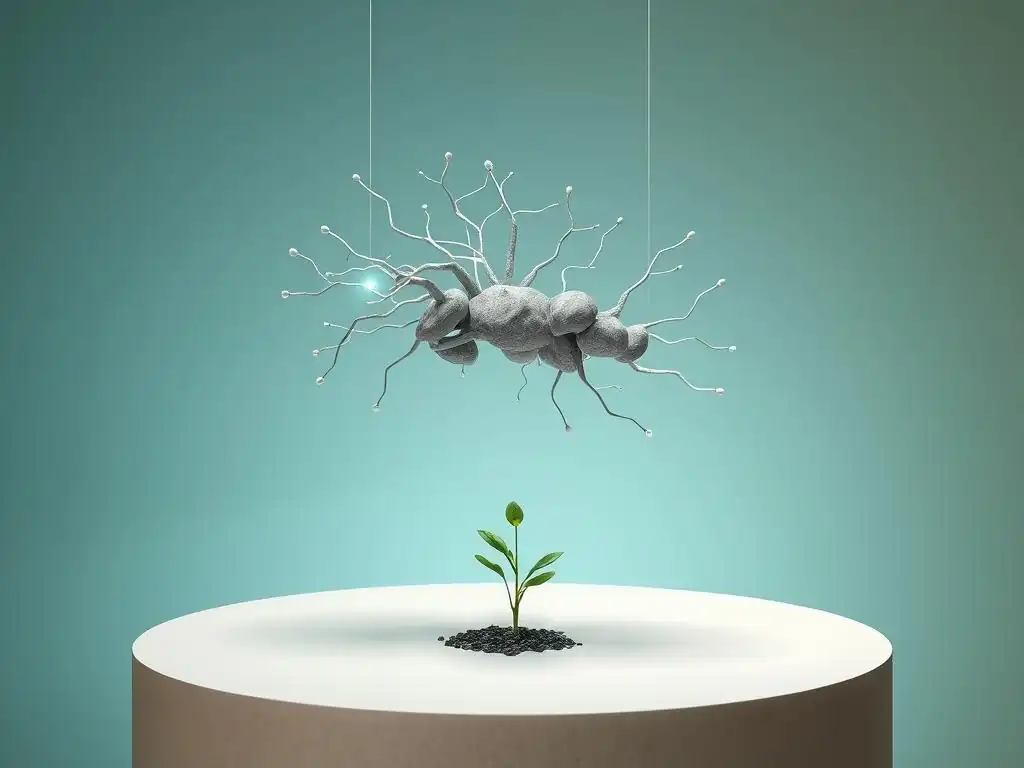
Leveraging neuroplasticity to break anxiety loops is most effective when approached systematically. It's not about finding one magic bullet, but rather combining techniques that address different aspects of your anxiety and are sustainable for you. A personalized plan considers your specific anxiety patterns, triggers, strengths, and preferences.
This plan should be dynamic, allowing for adjustments based on what works and what doesn't. It requires setting clear, achievable goals and finding ways to track your progress, celebrating small wins along the way. Remember, consistency is key when working with neuroplasticity; small, regular efforts are more impactful than sporadic intense ones.
Combining Different Techniques for Maximum Effectiveness
The techniques discussed—CBT, mindfulness, exposure, neurofeedback, and lifestyle changes—often work synergistically. Combining them can provide a more comprehensive approach to addressing anxiety loops. For instance, using mindfulness can help you identify anxious thoughts (a CBT principle) and notice the urge to avoid (relevant for exposure therapy). Exercise and good sleep support the brain's capacity to benefit from all therapeutic interventions.
Consider building a plan that includes elements from several areas. Perhaps daily mindful breathing, weekly CBT exercises, regular aerobic exercise, and making conscious dietary choices. If your anxiety is severe or complex, working with a therapist who can integrate different modalities can be highly beneficial. The goal is to create a multi-pronged strategy that supports brain health and actively challenges your specific anxiety patterns from various angles, maximizing your ability to use neuroplasticity to break anxiety loops.
Setting Realistic Goals and Tracking Progress
Setting realistic, achievable goals is crucial for maintaining motivation when working on anxiety relief through neuroplasticity. Instead of an overwhelming goal like "never feel anxious again," aim for smaller, measurable steps. Examples include: "Practice mindful breathing for 5 minutes daily," "Complete one thought record this week," "Walk for 20 minutes three times this week," or "Successfully face the second item on my fear hierarchy."
Tracking your progress helps you see how far you've come and identify what is working. This can be done through journaling, using a mood tracking app, noting completed tasks on a checklist, or rating your anxiety levels before and after practicing a technique. Seeing tangible evidence of progress, even small improvements like a slight reduction in the intensity of a physical symptom or a shorter duration of a worry episode, reinforces positive changes and strengthens your commitment to using neuroplasticity to break anxiety loops.
Maintaining Long-Term Anxiety Relief Through Neuroplasticity
Breaking anxiety loops is an ongoing process, not a one-time fix. Maintaining long-term relief involves continuing to practice the techniques that work for you and incorporating them into your daily life. Just as negative patterns were reinforced through repetition, positive, non-anxious pathways are strengthened through consistent use. This means continuing mindfulness practice, regularly challenging unhelpful thoughts, engaging in healthy lifestyle habits, and proactively facing situations that might trigger old anxieties.
Think of it like building a muscle – you need to keep exercising it to maintain strength. Similarly, you need to keep exercising your brain's capacity for healthy responses. Developing resilience means accepting that occasional anxiety might still arise, but you now have the tools and the neurologically supported capacity to navigate it effectively, preventing a full relapse into old loops. This commitment to ongoing practice is key to sustained well-being.
Overcoming Challenges and Setbacks in Your Neuroplasticity Journey
The path to rewiring your brain and breaking free from anxiety loops is rarely linear. There will be challenges, moments of doubt, and setbacks. Old, deeply ingrained patterns have momentum. It's easy to fall back into familiar ways of thinking and behaving, especially during times of stress. Anticipating these challenges is part of the process and allows you to develop strategies for navigating them.
Remember that setbacks are not failures; they are opportunities to learn and refine your approach. They indicate that the old neural pathways are still present, but your effort to build new ones is what matters. Approaching these moments with self-compassion and persistence is vital for long-term success in using neuroplasticity to break anxiety loops.
Dealing with Resistance to Change
Resistance is a common challenge. Your brain's existing pathways are efficient, even if they lead to anxiety. Building new ones requires effort and can feel uncomfortable. Resistance might manifest as procrastination ("I'll start that mindfulness practice tomorrow"), self-sabotage ("This is too hard, it's not working"), or a return to old habits (avoiding a feared situation). Recognize that this resistance is often the old anxiety loop trying to maintain its hold.
Approach resistance with curiosity rather than frustration. Ask yourself what feels difficult or scary about the change. Break down the new practice into smaller, more manageable steps. Remind yourself why you are doing this – the goal of breaking free from anxiety loops. Sometimes, resistance is a sign that you need more support or a different approach. Acknowledging it without judgment is the first step to moving through it and continuing to apply neuroplasticity to break anxiety loops.
Managing Triggering Situations Effectively
Triggering situations are inevitable. When they occur, the old anxiety pathways are likely to light up. The key is not to avoid triggers forever (that reinforces avoidance loops) but to manage your response when they happen. This is where your practiced techniques come into play. When a trigger appears, instead of defaulting to the automatic anxious reaction, pause. Use mindfulness to notice the thoughts and sensations without judgment.
Apply cognitive restructuring to challenge any immediate negative interpretations. If appropriate and safe, use exposure principles to stay in the situation rather than fleeing. Have a plan for how you will respond to common triggers.
This might involve taking a few deep breaths, using a calming mantra, having a supportive friend to call, or knowing you will engage in a planned coping activity afterward. Each time you successfully navigate a trigger without falling back into the full anxiety loop, you weaken the old pathway and strengthen the new, healthier response, reinforcing your ability to use neuroplasticity to break anxiety loops.
Seeking Professional Support When Needed
While self-help techniques leveraging neuroplasticity are powerful, anxiety disorders can be complex and challenging to manage alone. There is no shame in seeking professional support. Therapists specializing in CBT, Exposure Therapy, or other evidence-based approaches can provide personalized guidance, teach you techniques effectively, help you navigate difficult moments, and provide accountability.
Psychiatrists can assess whether medication might be a helpful adjunct to therapy, particularly for severe anxiety symptoms. Neurofeedback practitioners offer specialized brain training. Don't hesitate to reach out to a mental health professional if your anxiety feels overwhelming, is significantly impacting your life, or if you are struggling to implement techniques on your own. A professional can provide tailored strategies and support, significantly enhancing your journey towards using neuroplasticity to break anxiety loops.
The Future of Neuroplasticity Research and Anxiety Treatment
The field of neuroscience is rapidly advancing, continuously deepening our understanding of neuroplasticity and its role in mental health. This ongoing research promises exciting new avenues for anxiety treatment, offering hope for even more effective and targeted interventions in the future. As we uncover more about the specific neural circuits involved in different anxiety disorders and how they can be modified, treatments can become increasingly precise.
This includes refining existing therapies based on a clearer understanding of their neurobiological mechanisms and developing novel approaches that directly stimulate or modulate brain activity. The future holds significant promise for individuals seeking to overcome anxiety by harnessing the brain's incredible capacity for change.
Emerging Therapies and Technologies
Several emerging therapies and technologies are being explored for their potential to enhance neuroplasticity and treat anxiety. Transcranial Magnetic Stimulation (TMS) and Transcranial Direct Current Stimulation (tDCS) are non-invasive brain stimulation techniques that use magnetic fields or electrical currents to modulate activity in specific brain regions. Research is exploring their potential to target areas involved in anxiety circuits, such as the prefrontal cortex or amygdala, to promote beneficial changes.
Virtual Reality (VR) is being increasingly used in exposure therapy, allowing individuals to confront feared situations in a highly controlled and immersive digital environment. This can make exposure more accessible and customizable. Furthermore, advancements in neurofeedback technology are leading to more sophisticated systems capable of providing more targeted and nuanced training based on individual brain patterns. These technologies represent exciting frontiers in leveraging neuroplasticity to more effectively break anxiety loops.
Hope for Long-Term Anxiety Relief Through Brain Rewiring
The most significant takeaway from the research on neuroplasticity and anxiety is the profound message of hope. Anxiety loops are not permanent fixtures in the brain; they are patterns that were learned and can be unlearned. The brain's inherent ability to change means that relief from anxiety is not only possible but is a natural outcome of consistent effort and targeted practice.
By understanding how the brain works and actively applying techniques like CBT, mindfulness, exposure, and healthy lifestyle changes, individuals are engaging in a powerful process of brain rewiring. This process builds resilience, strengthens pathways for calm and rational thought, and weakens those associated with fear and worry. Embracing the power of neuroplasticity offers a path towards not just managing anxiety symptoms, but achieving meaningful, long-term freedom from the debilitating grip of anxiety loops.
Frequently Asked Questions
What is Neuroplasticity and how does it relate to anxiety?
Neuroplasticity is the brain's ability to reorganize itself by forming new neural connections throughout life. This means we can rewire our brains to break free from negative thinking patterns associated with anxiety. It's all about learning new, healthier responses.
How can I use Neuroplasticity to break anxiety loops?
You can use techniques like mindfulness meditation, cognitive behavioral therapy (CBT), and exposure therapy to actively rewire your brain. These methods help you identify and change negative thought patterns and behaviors that fuel anxiety.
What are some practical techniques to harness Neuroplasticity for anxiety relief?
Practical techniques include practicing daily mindfulness, engaging in regular exercise, and challenging negative thoughts through cognitive restructuring. Consistently repeating these actions strengthens new neural pathways.
How long does it take to see results when using Neuroplasticity to address anxiety?
The timeframe varies greatly depending on the individual and the intensity of their anxiety, but generally, consistent effort over several weeks to months is required. Be patient and celebrate small victories.
Is it possible to completely eliminate anxiety loops using Neuroplasticity?
While completely eliminating anxiety loops might not be realistic for everyone, Neuroplasticity can significantly reduce their frequency and intensity. It enables you to develop coping mechanisms and build resilience.
Final Reflection: Unlocking Your Brain's Power to Conquer Anxiety
The ability to reshape our brains, to literally rewire our responses to anxiety, is not a futuristic fantasy; it's a readily available tool for a healthier, happier life. This article explored the fascinating world of neuroplasticity and its profound implications for overcoming anxiety, demonstrating that persistent anxiety isn't a life sentence, but a pattern that can be unlearned and replaced with more adaptive responses. We've examined practical techniques, from mindfulness meditation to cognitive restructuring, all grounded in the scientific understanding of how our brains change in response to experience.
The ongoing impact of this understanding is immeasurable. We are witnessing a shift in how we perceive mental health, moving away from a purely diagnostic and pharmaceutical approach towards a more holistic, empowering model. The brain is the ultimate learning machine. It's constantly changing, adapting, and growing throughout our lives.
This quote encapsulates the core message: we are not victims of our anxieties; we are active participants in shaping our own neural pathways, creating a future where anxiety holds less power. The journey towards mental well-being is not a passive one; it's an active process of rewiring, retraining, and reclaiming our minds.
Now, it's your turn. Consider the techniques discussed – mindfulness, cognitive behavioral therapy principles, and the power of positive self-talk. Choose one that resonates with you, and commit to incorporating it into your daily life. Start small, be patient with yourself, and celebrate every step forward. Remember, the potential for change is within you, within the incredible plasticity of your brain. Embrace this power, and begin building the life free from the grip of anxiety that you deserve.
Unlock Your Brain's Power: Start Rewiring Anxiety Today!
Thanks for diving deep into the world of neuroplasticity and its incredible power to reshape your relationship with anxiety. You've gained valuable insights – now let's put them into action!
Here's how to start rewiring your brain for calm:
- Prioritize one new technique: Choose just one of the mindfulness exercises or cognitive reframing strategies discussed and commit to practicing it daily for a week. Consistency is key!
- Share your journey: Tell a friend or family member about your experience with neuroplasticity and the technique you've chosen. Their support can be invaluable.
- Explore further: Delve deeper into the research on a specific area that resonated with you – search for relevant studies or podcasts to reinforce your learning.
Ready to take control of your anxiety and experience the transformative power of neuroplasticity? What small step will you take today to break free from those anxiety loops?