
Understanding the Science: A Deep Dive into Neuroplasticity and Anxiety Disorders

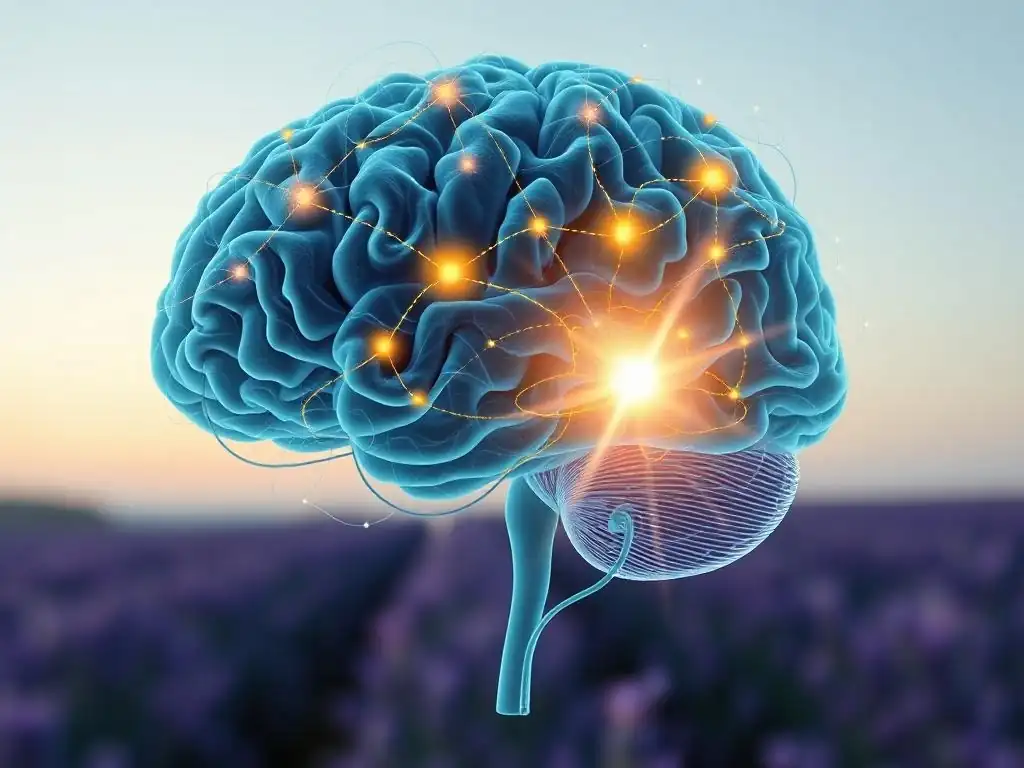
Welcome to Mind Care Guide, where we believe in empowering you on your journey to mental well-being.
Feeling overwhelmed by anxiety? You're not alone. We understand the challenges, and we're here to offer clarity and hope. Dive into our exploration of how neuroplasticity can be a powerful tool to reduce anxiety symptoms, unlocking your brain's potential for positive change. Curious to learn how your brain can adapt and heal? Let's explore the science together...
Understanding the Science: A Deep Dive into Neuroplasticity and Anxiety Disorders
- Introduction to Neuroplasticity and its Role in Mental Health
- The Neuroscience of Anxiety: How Anxious Brains Function
- Neuroplasticity as a Tool to Reduce Anxiety Symptoms: A Comprehensive Approach
-
Specific Techniques Leveraging Neuroplasticity to Manage Anxiety
- Cognitive Behavioral Therapy (CBT) and Neuroplasticity: Reshaping Thought Patterns
- Mindfulness and Meditation: Enhancing Neuroplasticity for Anxiety Reduction
- Exposure Therapy and Neuroplasticity: Overcoming Fear Through Brain Rewiring
- Exercise and Neuroplasticity: Promoting Brain Health and Reducing Anxiety
- Diet and Neuroplasticity: Fueling the Brain for Optimal Function
-
Practical Strategies to Promote Neuroplasticity and Reduce Anxiety Symptoms
- Implementing CBT Techniques for Anxiety Management at Home [Example: Identifying and Challenging Negative Thoughts]
- Incorporating Mindfulness and Meditation into Daily Life [Example: Practicing Body Scan Meditations]
- Lifestyle Changes to Support Neuroplasticity and Anxiety Reduction [Example: Establishing a Regular Sleep Schedule]
- The Latest Research on Neuroplasticity and Anxiety Treatment
- Overcoming Challenges and Maximizing the Benefits of Neuroplasticity for Anxiety
- Neuroplasticity: A Pathway to Long-Term Anxiety Relief and Mental Well-being
-
Frequently Asked Questions
- What is neuroplasticity, and how does it relate to anxiety?
- Can neuroplasticity really help with anxiety disorders like generalized anxiety disorder (GAD) or panic disorder?
- What are some practical exercises or techniques that can promote neuroplasticity to alleviate anxiety?
- How long does it typically take to see noticeable improvements in anxiety symptoms when utilizing neuroplasticity-based approaches?
- Are there any risks or downsides to using neuroplasticity to treat anxiety?
- Final Reflection: Harnessing Neuroplasticity to Rewrite Anxiety's Narrative
- Unlock Your Brain's Potential: Take Control of Anxiety
Introduction to Neuroplasticity and its Role in Mental Health
Defining Neuroplasticity: The Brain's Ability to Adapt
Neuroplasticity refers to the brain's remarkable ability to reorganize itself by forming new neural connections throughout life. This dynamic process allows the brain to adapt, learn from experiences, store memories, and recover from injury. Far from being a static organ fixed in adulthood, the brain is constantly changing its structure and function in response to environmental stimuli, thoughts, emotions, and behaviors. This adaptability is fundamental to human development and learning, enabling us to acquire new skills, languages, and knowledge.
This intrinsic capacity for change operates at various levels, from microscopic alterations in synaptic strength (how neurons communicate) to macroscopic changes in brain region size and connectivity. When we learn something new, practice a skill, or have a significant experience, specific neural pathways are activated and strengthened. Conversely, pathways that are used less frequently may weaken. This continuous rewiring is the biological basis for how experiences shape who we are and how we navigate the world.
The Connection Between Neuroplasticity and Anxiety Disorders: An Overview
The same neuroplastic mechanisms that allow for learning and adaptation can also contribute to the development and maintenance of anxiety disorders. Chronic stress, traumatic experiences, and persistent negative thought patterns can sculpt the brain in ways that increase vulnerability to anxiety. For example, repeated exposure to fearful stimuli can strengthen connections in brain circuits associated with fear responses, making individuals more prone to experiencing anxiety in similar situations.
However, the concept of neuroplasticity also offers a profound message of hope for individuals struggling with anxiety. If the brain can be shaped by negative experiences to become more anxious, it can also be re-shaped through targeted interventions and practices to become less so. Understanding how neuroplasticity works provides a scientific basis for therapeutic approaches that aim to rewire anxious thought patterns and emotional responses, demonstrating that it is possible for neuroplasticity reduce anxiety symptoms effectively over time.
The Neuroscience of Anxiety: How Anxious Brains Function
Identifying Brain Regions Involved in Anxiety Disorders (Amygdala, Prefrontal Cortex, Hippocampus)
Anxiety disorders are complex conditions involving dysregulation across multiple brain regions that form interconnected networks. The amygdala, often dubbed the brain's "fear center," plays a crucial role. In individuals with anxiety, the amygdala can become hyperactive, leading to an exaggerated detection of potential threats and triggering the body's fight-or-flight response even when no real danger is present. Studies using fMRI (functional magnetic resonance imaging) have shown increased amygdala activity in response to neutral or ambiguous stimuli in people with various anxiety disorders, including generalized anxiety disorder and social anxiety.
Another key player is the prefrontal cortex (PFC), particularly the medial and ventromedial areas, which are involved in executive functions like decision-making, emotional regulation, and inhibiting inappropriate responses. In anxiety disorders, there is often reduced activity or disrupted connectivity between the PFC and the amygdala. This weakened connection means the PFC is less effective at dampening the amygdala's fear signals, leading to persistent worry and difficulty controlling anxious reactions.
The hippocampus, vital for memory formation and retrieval, is also implicated. It helps contextualize fear responses based on past experiences. Chronic stress associated with anxiety can impair hippocampal function and even reduce its volume, potentially affecting the ability to distinguish between safe and threatening situations and contributing to the persistence of traumatic memories in conditions like PTSD.
Neurotransmitter Imbalances and Anxiety: Serotonin, GABA, and Norepinephrine
Neurotransmitters are chemical messengers that transmit signals between neurons, and imbalances in several key neurotransmitters are strongly associated with anxiety disorders. Serotonin, known for its role in regulating mood, sleep, appetite, and social behavior, is frequently implicated. Lower levels or impaired function of serotonin pathways are often observed in individuals with anxiety and depression. Many common anxiety medications, such as Selective Serotonin Reuptake Inhibitors (SSRIs), work by increasing serotonin availability in the brain, highlighting its importance in managing symptoms.
GABA (gamma-aminobutyric acid) is the primary inhibitory neurotransmitter in the central nervous system, acting like a "brake" on brain activity. It helps reduce neuronal excitability and promotes relaxation. Deficiencies in GABA or impaired GABA receptor function can lead to increased neuronal firing, contributing to feelings of restlessness, tension, and hyperarousal characteristic of anxiety. Benzodiazepines, another class of anxiety medication, work by enhancing the effects of GABA.
Norepinephrine, involved in the body's stress response and alertness, also plays a role. While necessary for survival, excessive norepinephrine activity can lead to symptoms like rapid heart rate, sweating, and heightened vigilance, common in panic attacks and generalized anxiety. Targeting these neurotransmitter systems is a major focus in pharmacological treatments for anxiety, aiming to restore balance and reduce excessive neural activity.
Neuroplasticity as a Tool to Reduce Anxiety Symptoms: A Comprehensive Approach
How Neuroplasticity Offers Hope for Anxiety Relief
The inherent plasticity of the brain means that the neural pathways associated with anxiety are not fixed; they can be modified. This provides a powerful foundation for therapeutic interventions. Rather than simply managing symptoms, approaches that leverage neuroplasticity aim to fundamentally alter the brain's response to stress and fear. This involves weakening the overactive fear circuits (like the amygdala-centered network) and strengthening pathways associated with calm, rational thinking, and emotional regulation (like those involving the prefrontal cortex).
This capability means that individuals are not passive recipients of their anxious brains. Through conscious effort, specific practices, and therapeutic guidance, they can actively participate in the process of brain rewiring. This perspective shifts the focus from simply coping with anxiety to actively changing the brain's structure and function to reduce anxiety symptoms at their source. It offers a scientific basis for the long-term effectiveness of non-pharmacological treatments.
Understanding the Mechanisms: How Neuroplasticity Rewires Anxious Brains
Rewiring the anxious brain through neuroplasticity involves several key mechanisms. One is Long-Term Potentiation (LTP), a persistent strengthening of synapses based on recent patterns of activity. When we repeatedly engage in activities that promote calm or challenge anxious thoughts, the neural connections supporting these new patterns are strengthened. Conversely, Long-Term Depression (LTD), a weakening of synaptic connections, occurs when certain pathways are used less, helping to prune away maladaptive fear associations.
Another mechanism is neurogenesis, the birth of new neurons, particularly in the hippocampus. While the extent of adult neurogenesis is still researched, it's understood that factors like exercise and learning can promote it, potentially improving emotional regulation and memory function relevant to anxiety. Furthermore, changes in glial cells (support cells in the brain) and alterations in myelination (the insulation around nerve fibers) also contribute to the brain's ability to reorganize and improve the efficiency of new neural pathways, all working together to help neuroplasticity reduce anxiety symptoms.
Specific Techniques Leveraging Neuroplasticity to Manage Anxiety
Cognitive Behavioral Therapy (CBT) and Neuroplasticity: Reshaping Thought Patterns
Cognitive Behavioral Therapy (CBT) is a highly effective psychotherapy for anxiety disorders, and its success is deeply rooted in its ability to promote beneficial neuroplastic changes. CBT helps individuals identify and challenge distorted or negative thought patterns that contribute to anxiety. By learning to recognize thoughts like "I'm going to fail" or "Everyone is judging me" and replacing them with more realistic and balanced perspectives, individuals are actively engaging their prefrontal cortex to override amygdala-driven fear responses.
Repeatedly practicing these new, non-anxious ways of thinking and reacting strengthens the neural pathways associated with rational evaluation and emotional control. This consistent effort weakens the old, entrenched pathways linked to automatic negative thoughts and fear. Studies have shown that successful CBT treatment is correlated with observable changes in brain activity, including decreased activity in the amygdala and increased activity in the prefrontal cortex, providing clear evidence that this therapeutic approach effectively uses neuroplasticity reduce anxiety symptoms.
Mindfulness and Meditation: Enhancing Neuroplasticity for Anxiety Reduction
Mindfulness and meditation practices cultivate present-moment awareness without judgment. For individuals with anxiety, who often dwell on past worries or future fears, this practice helps to gently redirect attention away from the cycle of anxious thoughts. Regular mindfulness meditation has been shown to increase gray matter density in brain regions associated with self-awareness, compassion, and emotional regulation, such as the prefrontal cortex and insula.
By training the mind to observe thoughts and feelings without getting swept away by them, mindfulness weakens the habitual reactivity of the amygdala and strengthens the capacity of the prefrontal cortex to modulate emotional responses. Even short, consistent practice—like 10-20 minutes daily—can begin to induce these changes over several weeks. This demonstrates how focused mental training can leverage neuroplasticity reduce anxiety symptoms by building resilience and fostering a calmer relationship with internal experiences.
Exposure Therapy and Neuroplasticity: Overcoming Fear Through Brain Rewiring
Exposure therapy is a cornerstone treatment for phobias, panic disorder, and PTSD, working by gradually exposing individuals to feared objects, situations, or memories in a safe and controlled environment. The underlying principle is habituation and extinction – learning that the feared stimulus does not lead to the anticipated negative outcome. This process directly engages neuroplasticity.
Initially, exposure triggers strong fear responses mediated by the amygdala. However, as the individual remains in the presence of the feared stimulus without harm, and uses coping strategies learned in therapy, new learning occurs. The brain forms new associations: the stimulus is no longer paired with danger. This process strengthens inhibitory pathways from the prefrontal cortex to the amygdala, effectively teaching the brain to unlearn the fear response. Over time, the amygdala's response to the feared stimulus decreases, and the individual's anxiety is significantly reduced or eliminated, showcasing neuroplasticity's power to overcome entrenched fears.
Exercise and Neuroplasticity: Promoting Brain Health and Reducing Anxiety
Regular physical exercise is a powerful promoter of brain health and neuroplasticity. Aerobic exercise, in particular, increases blood flow to the brain, delivering vital oxygen and nutrients. It also stimulates the production of brain-derived neurotrophic factor (BDNF), a protein often referred to as "Miracle-Gro" for the brain. BDNF supports the survival and growth of existing neurons and synapses and encourages the growth of new ones, particularly in the hippocampus.
Exercise has been shown to reduce anxiety symptoms by directly impacting brain structure and function. It can decrease activity in the amygdala and increase activity in the prefrontal cortex, similar to the effects of therapy. Furthermore, exercise helps regulate neurotransmitter systems, including serotonin, norepinephrine, and endorphins, which have mood-boosting and anxiety-reducing effects. Aiming for around 150 minutes of moderate-intensity aerobic exercise per week, as recommended by health guidelines, can significantly contribute to brain rewiring and help neuroplasticity reduce anxiety symptoms.
Diet and Neuroplasticity: Fueling the Brain for Optimal Function
Nutrition plays a critical role in supporting brain health and neuroplasticity. The brain requires a steady supply of specific nutrients to function optimally, repair itself, and build new connections. A diet rich in omega-3 fatty acids (found in fish, flaxseeds, walnuts) is crucial, as these are essential components of brain cell membranes and support synaptic function. Antioxidants (from fruits and vegetables) protect brain cells from damage, while B vitamins and minerals like zinc and magnesium are vital for neurotransmitter synthesis and overall neural health.
Conversely, diets high in processed foods, sugar, and saturated fats can contribute to inflammation and oxidative stress, which can impair neuroplasticity and negatively impact mood and anxiety levels. Ensuring adequate hydration and a balanced intake of whole foods provides the necessary building blocks and energy for the brain to undergo plastic changes. While diet alone may not eliminate anxiety, supporting brain health through nutrition is a fundamental strategy that complements other approaches and helps create an optimal environment for neuroplasticity reduce anxiety symptoms.
Practical Strategies to Promote Neuroplasticity and Reduce Anxiety Symptoms
Implementing CBT Techniques for Anxiety Management at Home [Example: Identifying and Challenging Negative Thoughts]
You can begin applying CBT principles at home by practicing identifying and challenging your automatic negative thoughts (ANTs). Start by keeping a thought record. When you feel anxious, write down the situation, the emotion you experienced (e.g., anxiety, fear), the intensity (on a scale of 1-10), and the specific negative thought that went through your mind (e.g., "I'm going to mess up this presentation and everyone will laugh").
Next, challenge that thought. Ask yourself: What is the evidence for this thought? What is the evidence against it? Is there an alternative explanation? What is the worst that could realistically happen, and could I cope with it?
What would I tell a friend in this situation? For the thought "I'm going to mess up this presentation," evidence against might include: "I've prepared well," "I've given presentations before," "Mistakes are normal." An alternative thought could be: "I will do my best, and even if I make a mistake, it's not the end of the world." Regularly practicing this thought challenging process helps weaken the neural pathways supporting ANTs and strengthens those supporting more balanced thinking, actively using neuroplasticity reduce anxiety symptoms.
Incorporating Mindfulness and Meditation into Daily Life [Example: Practicing Body Scan Meditations]
Integrating mindfulness into your routine doesn't require hours of sitting. Even a few minutes a day can make a difference in promoting neuroplasticity. A simple yet effective technique is the body scan meditation. Find a quiet place to sit or lie down comfortably. Close your eyes if you feel comfortable. Bring your awareness to your breath for a few moments, noticing the sensation of air entering and leaving your body.
Then, gently bring your attention to your feet. Simply notice any sensations there – warmth, coolness, tingling, pressure – without trying to change anything. After a minute or two, slowly move your attention up your body: ankles, calves, knees, thighs, hips, and so on, all the way up to the crown of your head.
If your mind wanders (which it will), simply notice where it went and gently guide your attention back to the part of the body you were focusing on. Practicing this regularly trains your attention and helps you become more aware of physical sensations associated with anxiety without getting overwhelmed by them, reinforcing brain pathways that support calm observation.
Lifestyle Changes to Support Neuroplasticity and Anxiety Reduction [Example: Establishing a Regular Sleep Schedule]
Beyond therapy techniques, fundamental lifestyle choices significantly impact your brain's ability to change and your overall anxiety levels. Establishing a regular sleep schedule is one crucial example. Aim for 7-9 hours of quality sleep per night and try to go to bed and wake up around the same time each day, even on weekends. Consistent sleep supports critical brain functions, including memory consolidation, emotional regulation, and the clearance of metabolic waste products that can impair neuronal function.
Poor or inconsistent sleep can exacerbate anxiety symptoms and impair neuroplasticity. Chronic sleep deprivation can increase amygdala reactivity and reduce prefrontal cortex function, making it harder to manage worry and stress. By prioritizing sleep hygiene – creating a relaxing bedtime routine, ensuring your bedroom is dark and cool, and avoiding screens before bed – you provide your brain with the optimal conditions for repair and plasticity, making it more resilient to anxiety and supporting the effects of other interventions designed to help neuroplasticity reduce anxiety symptoms.
The Latest Research on Neuroplasticity and Anxiety Treatment
Cutting-Edge Studies Exploring Neuroplasticity's Impact on Anxiety
Recent research continues to deepen our understanding of how neuroplasticity relates to anxiety and its treatment. Studies utilizing advanced neuroimaging techniques, such as diffusion tensor imaging (DTI), are revealing changes in the structural connectivity of white matter pathways in the brains of individuals with anxiety disorders, showing altered communication between key regions like the amygdala and prefrontal cortex. Longitudinal studies are now tracking how these structural and functional connections change over time with successful treatment, whether through therapy, medication, or lifestyle interventions.
Furthermore, research is exploring the genetic and molecular factors that influence individual differences in neuroplasticity and how these might affect susceptibility to anxiety and responsiveness to treatment. For example, variations in genes related to BDNF production or neurotransmitter receptors are being investigated. These studies are not only confirming that neuroplasticity is central to anxiety recovery but are also paving the way for more personalized treatment approaches based on an individual's unique brain profile and capacity for plastic change, further solidifying the link between neuroplasticity reduce anxiety symptoms and effective interventions.
Emerging Therapies Utilizing Neuroplasticity for Anxiety Disorders [Example: Transcranial Magnetic Stimulation (TMS)]
Building on the understanding of neuroplasticity, several innovative therapies are emerging that directly aim to modulate brain activity to treat anxiety. Transcranial Magnetic Stimulation (TMS) is one such non-invasive technique. TMS uses magnetic pulses delivered to specific areas of the brain, typically the prefrontal cortex, to stimulate or inhibit neuronal activity. For anxiety disorders, particularly those resistant to conventional treatments, TMS might be used to increase activity in hypoactive prefrontal regions that are struggling to regulate the amygdala.
While TMS is more widely established for depression, research is expanding into its application for anxiety. Studies are exploring optimal targets and protocols for different anxiety subtypes. The idea is that repeated stimulation can induce long-lasting changes in synaptic strength and connectivity in the targeted brain circuits, essentially retraining the brain's activity patterns. Other emerging techniques include neurofeedback, which allows individuals to learn to self-regulate their brainwave patterns, and even psychedelics, which are being studied for their potential to induce states of increased neuroplasticity that could facilitate therapeutic change when combined with psychotherapy.
Overcoming Challenges and Maximizing the Benefits of Neuroplasticity for Anxiety
Addressing Potential Roadblocks in Harnessing Neuroplasticity
While the brain's capacity for change is powerful, harnessing neuroplasticity to reduce anxiety symptoms isn't always a smooth or immediate process. One common challenge is inconsistency in applying the necessary techniques. Therapeutic change requires consistent effort and practice over time; sporadic engagement with CBT exercises or mindfulness meditation, for instance, will yield limited results.
Another roadblock can be the severity of the anxiety itself, which can make it difficult to engage in exposure therapy or even maintain focus during meditation. High levels of stress and poor lifestyle habits (like lack of sleep or poor diet) can also impair neuroplasticity, making it harder for the brain to change.
Furthermore, individuals may face challenges related to motivation, fear of discomfort (especially with exposure-based techniques), or difficulty accessing appropriate therapeutic support. It's also important to acknowledge that underlying biological factors or co-occurring conditions can influence the pace and extent of neuroplastic change. Recognizing these potential difficulties is the first step; working collaboratively with therapists, setting realistic goals, and building a supportive environment are key strategies to navigate these challenges and facilitate the brain's healing process.
Setting Realistic Expectations and Maintaining Consistency
Given that neuroplastic change takes time and effort, setting realistic expectations is crucial for anyone using these approaches to manage anxiety. The brain doesn't rewire overnight. Significant changes in neural pathways and noticeable reductions in anxiety symptoms typically require consistent practice of new skills and behaviors over weeks or months. Expecting immediate or complete relief can lead to frustration and discouragement, which can hinder progress.
Maintaining consistency is perhaps the single most important factor after choosing effective techniques. Just as practicing a musical instrument daily builds proficiency, consistently engaging in anxiety-reducing practices—whether it's daily meditation, regular exercise, challenging negative thoughts, or facing feared situations gradually—reinforces the desired neural changes. Viewing setbacks as temporary challenges rather than failures and celebrating small victories along the way can help maintain motivation and support the ongoing process of brain rewiring. Embracing patience and persistence is vital for allowing neuroplasticity reduce anxiety symptoms effectively over the long term.
Neuroplasticity: A Pathway to Long-Term Anxiety Relief and Mental Well-being
The Potential for Lasting Change Through Brain Rewiring
The understanding of neuroplasticity fundamentally changes how we view anxiety disorders. It moves away from the idea that anxiety is a permanent, fixed state caused by an unchangeable brain structure. Instead, it highlights the brain's inherent capacity for adaptation and recovery. By actively engaging in practices and therapies that promote beneficial neuroplasticity, individuals can create lasting changes in their brain's structure and function. This isn't just about managing symptoms; it's about building a more resilient brain that is less prone to falling into anxious patterns in the future.
Successful therapeutic interventions and consistent healthy habits strengthen the neural circuits associated with calm, rational thought, and emotional resilience. These strengthened pathways become the brain's new default, making it easier to navigate stressful situations without triggering an overwhelming anxiety response. This enduring potential for change underscores the power of agency in mental health recovery and demonstrates how leveraging neuroplasticity reduce anxiety symptoms can lead to sustained well-being.
Empowering Individuals to Take Control of Their Mental Health
Recognizing that your brain is capable of change is incredibly empowering. It means you have an active role to play in your recovery journey. While professional support is often necessary and highly beneficial, the principles of neuroplasticity emphasize that your daily habits, thoughts, and actions contribute significantly to shaping your brain. Engaging in regular exercise, practicing mindfulness, challenging negative thoughts, and seeking out new, positive experiences all contribute to building a more resilient and less anxious brain.
This knowledge provides a scientific basis for hope and encourages a proactive approach to mental health. It highlights that recovery from anxiety is not just about eliminating symptoms, but about building new, healthy neural habits and fostering a brain environment that supports long-term emotional well-being. By understanding and leveraging the power of neuroplasticity, individuals can feel more in control of their mental health, knowing that their efforts to rewire their brain are supported by fundamental biological processes.
Frequently Asked Questions
What is neuroplasticity, and how does it relate to anxiety?
Neuroplasticity refers to the brain's ability to reorganize itself by forming new neural connections throughout life. This adaptability can be harnessed to reduce anxiety symptoms by rewiring negative thought patterns.
Can neuroplasticity really help with anxiety disorders like generalized anxiety disorder (GAD) or panic disorder?
Yes, techniques that leverage neuroplasticity, such as cognitive behavioral therapy (CBT), can help individuals with anxiety disorders learn to challenge anxious thoughts and develop healthier coping mechanisms, ultimately reducing anxiety symptoms.
What are some practical exercises or techniques that can promote neuroplasticity to alleviate anxiety?
Practices like mindfulness meditation, regular physical exercise, and learning new skills can stimulate neuroplasticity. These activities can help re-route neural pathways associated with anxiety, promoting a sense of calm and control.
How long does it typically take to see noticeable improvements in anxiety symptoms when utilizing neuroplasticity-based approaches?
The timeline varies, but consistent effort is key. Some may experience initial improvements within weeks, while others might require several months of dedicated practice to notice significant, lasting changes in their anxiety levels.
Are there any risks or downsides to using neuroplasticity to treat anxiety?
While generally safe, it's important to consult with a mental health professional. Overly relying on self-directed approaches without guidance could potentially lead to ineffective strategies or unrealistic expectations, causing increased frustration.
Final Reflection: Harnessing Neuroplasticity to Rewrite Anxiety's Narrative
The science of neuroplasticity offers not just a theoretical understanding of anxiety disorders, but a powerful, actionable pathway towards recovery. It's no longer a passive acceptance of a lifelong struggle; instead, it's a call to actively reshape the brain's pathways and rewrite the narrative of anxiety. This understanding empowers individuals to become active participants in their own healing journey, moving beyond mere symptom management to fundamental change.
The implications of neuroplasticity extend far beyond the clinical setting, profoundly impacting our understanding of mental health and well-being in society. It challenges the outdated notion of fixed, immutable brain structures, offering hope and agency to those grappling with anxiety. This shift in perspective is crucial, fostering a culture of self-compassion and resilience. The brain that heals is the brain that changes.
This simple statement encapsulates the transformative power of neuroplasticity, reminding us that healing is not just possible, but an inherent capacity of the human brain.
Now, consider your own life. What ingrained thought patterns or behavioral responses contribute to your anxiety? How can you consciously apply the principles of neuroplasticity – through mindful practices, targeted therapies, or lifestyle changes – to cultivate new, healthier neural pathways? Embrace the potential for change. Commit to nurturing your brain's remarkable capacity for adaptation and growth. The journey may require effort and perseverance, but the reward – a life less burdened by anxiety – is immeasurable.
Unlock Your Brain's Potential: Take Control of Anxiety
Thanks for taking the time to explore the fascinating world of neuroplasticity and its impact on anxiety! You've gained valuable insights into how your brain can adapt and overcome challenges. Now, let's put that knowledge into action.
- Prioritize one small, manageable change: Identify one specific anxiety trigger from the article and create a personalized coping strategy. This could be anything from deep breathing exercises to reframing negative thoughts. Small steps lead to big changes!
- Share your newfound knowledge: Discuss this information with a friend or family member who might benefit from understanding neuroplasticity's role in anxiety. Sharing empowers us and builds a supportive network.
- Explore Mind Care Guide's resources: Discover additional tools and techniques to support your journey toward managing anxiety effectively. We have a wealth of information waiting for you.
What small, yet powerful step will you take today to harness the power of neuroplasticity and improve your mental well-being?