
The Future of Anxiety Treatment: Leveraging the Innate Power of Neuroplasticity

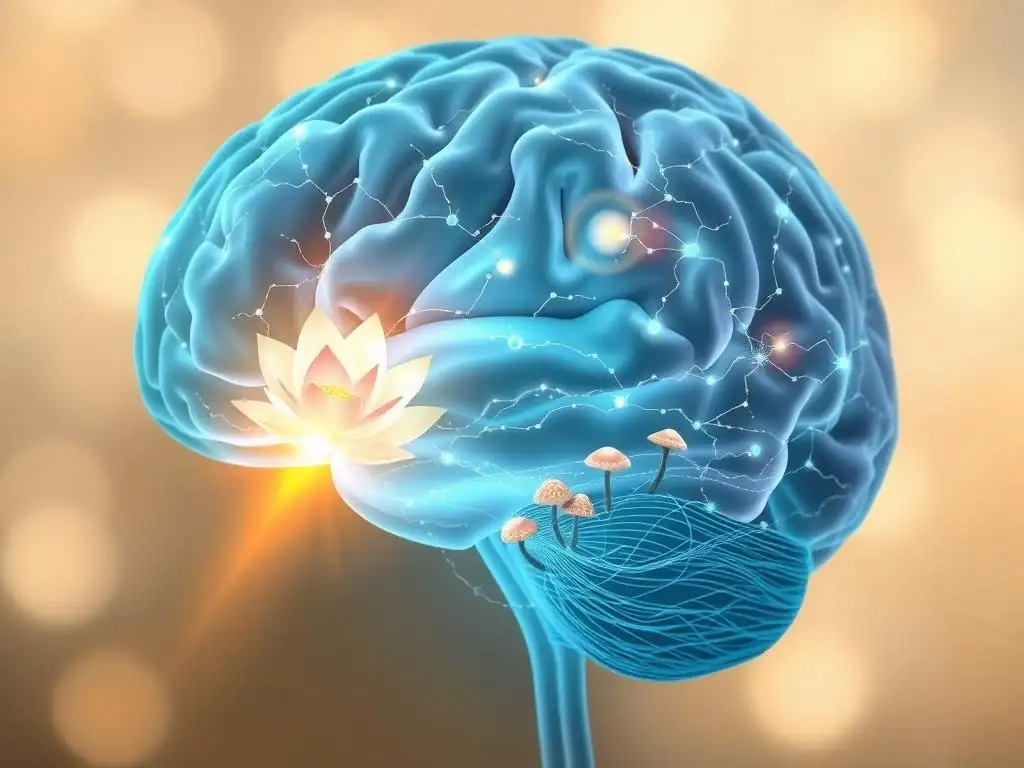
Welcome to Mind Care Guide, a safe space to explore the complexities of mental well-being. Feeling overwhelmed by anxiety? You're not alone. We understand the weight of it, and we're here to offer hope. Did you know your brain has an incredible ability to adapt and change? Delve into our guide on Neuroplasticity anxiety treatment strategies and discover how you can harness this power to reshape your response to anxiety and build a brighter, more resilient future. Let's embark on this journey to mental wellness together.
The Future of Anxiety Treatment: Leveraging the Innate Power of Neuroplasticity
- Introduction: Understanding Neuroplasticity and its Role in Anxiety Relief
- The Neuroscience of Anxiety: How Brain Changes Contribute to Anxiety
-
Neuroplasticity Anxiety Treatment Strategies: Rewiring the Anxious Brain
- Cognitive Behavioral Therapy (CBT) and Neuroplasticity: Strengthening Adaptive Neural Pathways
- Mindfulness and Meditation: Cultivating Neuroplastic Changes for Anxiety Reduction
- Exposure Therapy: Harnessing Neuroplasticity to Confront Fears
- Brain Training and Neuroplasticity: Targeted Exercises for Anxiety Management
- Emerging Therapies: Cutting-Edge Neuroplasticity-Based Anxiety Interventions
- Lifestyle Factors that Enhance Neuroplasticity for Anxiety Management
- Practical Tips for Activating Neuroplasticity in Daily Life
- Case Studies: Real-World Examples of Neuroplasticity-Based Anxiety Recovery
- The Future of Anxiety Treatment: Personalized Neuroplasticity Approaches
- Overcoming Challenges and Maximizing the Benefits of Neuroplasticity
- Conclusion: Embracing Neuroplasticity for a Brighter Future in Anxiety Treatment
-
Frequently Asked Questions
- What is neuroplasticity, and how does it relate to anxiety treatment?
- How can neuroplasticity be used to treat anxiety disorders?
- What are some specific "Neuroplasticity anxiety treatment strategies" mentioned in the article?
- How long does it typically take to see results when using neuroplasticity-based anxiety treatments?
- Are there any risks or side effects associated with neuroplasticity-based anxiety treatments?
- Final Reflection: Harnessing Neuroplasticity: A Future Free from Anxiety's Grip
- Unlock Your Brain's Healing Power: Take Control of Your Anxiety
Introduction: Understanding Neuroplasticity and its Role in Anxiety Relief
Anxiety disorders represent a significant global health challenge, affecting millions and impacting daily life, relationships, and overall well-being. While traditional treatments like medication and therapy have proven effective for many, the quest for more profound and lasting solutions continues. A promising frontier in this pursuit lies within the remarkable capacity of the human brain itself: neuroplasticity. Understanding how the brain can change and adapt offers a powerful new lens through which to view and treat anxiety.
Neuroplasticity, often referred to as the brain's ability to rewire itself, is not just a scientific concept but a fundamental biological process that occurs throughout life. It allows neurons to forge new connections, modify existing ones, and even change their structure and function in response to experiences, learning, and environmental demands. This inherent adaptability means that the brain is not a static organ but a dynamic system constantly being shaped. Recognizing this power opens up exciting possibilities for developing and refining neuroplasticity anxiety treatment strategies.
The Brain's Remarkable Ability: An Overview of Neuroplasticity
Neuroplasticity encompasses several different mechanisms, including synaptic plasticity (changes in the strength of connections between neurons) and structural plasticity (changes in the physical structure of neurons or brain regions). When we learn a new skill, form a memory, or adapt to a new situation, our brains are actively engaged in these processes. For instance, studies of London taxi drivers have famously shown structural changes in the hippocampus, a brain area associated with spatial memory, demonstrating how environmental demands can literally reshape brain structure.
This adaptability is crucial for development, learning, and recovery from injury. It means that neural pathways are not fixed but can be strengthened or weakened, built or pruned based on activity and experience. The implication for mental health, particularly conditions like anxiety disorders characterized by persistent patterns of thought and behavior, is profound. It suggests that the very neural circuits contributing to anxiety are not immutable but can be altered through targeted interventions and conscious effort, forming the basis for effective neuroplasticity anxiety treatment strategies.
Why Neuroplasticity is Key to Overcoming Anxiety Disorders
Anxiety disorders are often associated with persistent, maladaptive patterns of neural activity. The brain gets stuck in a loop of fear, worry, and hypervigilance. If the brain were static, breaking these cycles would be exceedingly difficult. However, because of neuroplasticity, these ingrained patterns can be disrupted and reshaped. Therapy, lifestyle changes, and specific brain-training techniques work precisely by leveraging this capacity to build new, healthier neural pathways that support calm, resilience, and adaptive responses.
Viewing anxiety through the lens of neuroplasticity offers hope and empowerment. It shifts the focus from simply managing symptoms to actively retraining the brain to function in a less anxious state. Effective neuroplasticity anxiety treatment strategies aim to weaken the neural connections associated with fear and worry while simultaneously strengthening those linked to calm, rational thinking, and emotional regulation. This process of active rewiring holds the potential for more fundamental and enduring recovery from anxiety disorders.
The Neuroscience of Anxiety: How Brain Changes Contribute to Anxiety
To understand how neuroplasticity can treat anxiety, it's essential to first grasp the neural underpinnings of the condition. Anxiety is not merely a psychological state; it is deeply rooted in the complex interplay of specific brain regions and their communication pathways. Chronic stress, traumatic experiences, or even genetic predispositions can lead to structural and functional changes in the brain that make individuals more susceptible to excessive worry, fear, and panic.
These changes often involve alterations in the size, activity, and connectivity of key brain areas. For example, chronic stress has been shown in some studies to potentially reduce the volume of the hippocampus, a region vital for memory and emotional regulation. Simultaneously, areas associated with threat detection may become hyperactive. Identifying these specific neural correlates of anxiety is a critical step in developing targeted interventions that can harness the brain's plasticity to reverse or mitigate these changes.
Identifying the Brain Regions Involved in Anxiety (Amygdala, Prefrontal Cortex, Hippocampus)
Several brain regions play central roles in the experience and regulation of anxiety. The amygdala, often called the brain's "fear center," is a small almond-shaped structure deep within the temporal lobe. It is responsible for detecting potential threats and triggering the body's fear response (fight or flight). In individuals with anxiety disorders, the amygdala may be overactive, leading to exaggerated or inappropriate fear responses to non-threatening stimuli. Research using fMRI scans often shows heightened amygdala activity when anxious individuals are presented with emotional stimuli.
The prefrontal cortex (PFC), particularly the ventromedial prefrontal cortex (vmPFC), is crucial for regulating emotions, making decisions, and inhibiting impulses. It acts as a kind of "brake" on the amygdala. In anxiety disorders, the connection and communication between the PFC and the amygdala can be impaired, meaning the PFC is less effective at dampening the amygdala's alarm signals. Studies sometimes show reduced activity or volume in certain PFC areas in individuals with chronic anxiety.
The hippocampus, as mentioned earlier, is involved in memory formation and contextualizing fear. It helps us understand when a threat is real versus imagined or from the past. Dysregulation in the hippocampus can contribute to difficulty distinguishing safe situations from dangerous ones, leading to generalized anxiety or panic.
Dysfunctional Neural Pathways: The Root of Anxiety Symptoms
Anxiety symptoms arise not just from issues within isolated brain regions but from the way these regions communicate via neural pathways. Specific circuits connecting the amygdala, PFC, hippocampus, and other areas like the insula (involved in processing bodily sensations) and the anterior cingulate cortex (ACC, involved in conflict monitoring and worry) become dysregulated. For instance, a hyperactive pathway between the amygdala and the ACC can lead to excessive rumination and worry.
Furthermore, the balance between excitatory and inhibitory neurotransmitters within these pathways can be disrupted. Neurotransmitters like GABA, which has inhibitory effects, may be less effective, while excitatory signals related to stress hormones like cortisol may be amplified. These dysfunctional pathways become reinforced over time through repeated anxious experiences and thoughts, much like repeatedly walking a path in a field makes it more defined. Effective neuroplasticity anxiety treatment strategies aim to prune these overgrown, anxious pathways and cultivate new, healthier ones.
Neuroplasticity Anxiety Treatment Strategies: Rewiring the Anxious Brain
Harnessing the brain's natural capacity for change is at the heart of modern anxiety treatment. Rather than simply masking symptoms, the most effective interventions facilitate the creation of new neural connections and the weakening of old ones that contribute to anxiety. These neuroplasticity anxiety treatment strategies are diverse, ranging from established psychotherapies to cutting-edge technological approaches, all united by the goal of actively reshaping the brain's response to fear and stress.
The power of these strategies lies in their ability to provide repeated experiences that contradict anxious expectations, promote calm, and build resilience. Over time, consistent practice of these techniques leads to measurable changes in brain structure and function, demonstrating the tangible impact of neuroplasticity on mental well-being. Let's explore some key strategies that leverage this remarkable brain ability.
Cognitive Behavioral Therapy (CBT) and Neuroplasticity: Strengthening Adaptive Neural Pathways
Cognitive Behavioral Therapy (CBT) is one of the most widely used and evidence-based treatments for anxiety disorders, and its effectiveness is closely tied to neuroplasticity. CBT works by helping individuals identify and challenge negative, anxious thought patterns and replace them with more realistic and adaptive ones. It also involves behavioral experiments to test anxious predictions and gradually confront feared situations.
Each time a person undergoing CBT successfully challenges a catastrophic thought or tolerates a feared situation without resorting to avoidance, they are essentially providing the brain with a new learning experience. This repeated process strengthens the neural pathways associated with rational appraisal, emotional regulation, and coping, while simultaneously weakening the pathways linked to automatic fear responses and avoidance behaviors.
For example, someone with social anxiety might practice engaging in small social interactions; each positive or neutral experience helps build new neural connections that associate social situations with safety rather than threat, demonstrating a core neuroplasticity anxiety treatment strategy in action.
Mindfulness and Meditation: Cultivating Neuroplastic Changes for Anxiety Reduction
Mindfulness and meditation practices have gained significant traction as effective tools for managing anxiety, and research increasingly points to their impact on neuroplasticity. Mindfulness involves paying non-judgmental attention to the present moment – thoughts, feelings, bodily sensations, and the surrounding environment. Regular meditation often involves focusing attention or cultivating specific qualities like compassion.
Consistent mindfulness and meditation practice has been shown in numerous studies to lead to structural changes in the brain, including increased grey matter density in areas associated with self-awareness, compassion, and emotional regulation (like the insula and parts of the prefrontal cortex). Simultaneously, activity in the amygdala, the fear center, may decrease, and connectivity between the amygdala and the prefrontal cortex may improve.
By training the mind to observe anxious thoughts and feelings without becoming overwhelmed or automatically reacting, individuals build new neural pathways that support a more detached, calm, and regulated response to internal and external stressors, offering a powerful neuroplasticity anxiety treatment strategy.
Exposure Therapy: Harnessing Neuroplasticity to Confront Fears
Exposure therapy is a specific type of CBT that is particularly effective for phobias, panic disorder, and Obsessive-Compulsive Disorder (OCD). It involves gradually and systematically exposing individuals to the objects, situations, or thoughts that trigger their anxiety in a safe and controlled environment. The core principle is to help the individual learn that their feared outcome does not occur or that they can cope with the anxiety.
From a neuroplasticity perspective, exposure therapy works by leveraging a process called extinction learning. When the expected negative consequence does not happen during exposure, the brain updates its prediction model. The neural pathways linking the feared stimulus to the fear response are gradually weakened.
For example, someone with a fear of heights might start by looking at pictures of tall buildings, then standing on a low stool, then a balcony, and so on. Each successful step without catastrophic outcome helps the brain build new associations of safety with heights, effectively rewiring the fear response. This is a direct application of neuroplasticity anxiety treatment strategies focused on fear conditioning.
Brain Training and Neuroplasticity: Targeted Exercises for Anxiety Management
Beyond traditional therapies, specific brain training exercises are being explored for their potential to influence neuroplasticity and reduce anxiety. These often involve tasks designed to improve cognitive functions that are often impaired in anxiety, such as attention control, working memory, and cognitive flexibility. For example, attention bias modification training (ABMT) aims to train individuals to shift their attention away from threatening stimuli and towards neutral or positive ones.
While research is still evolving, the idea is that by repeatedly engaging in these targeted cognitive exercises, individuals can strengthen the neural circuits responsible for these functions. Improved attention control, for instance, could help individuals with anxiety become less fixated on worries or potential threats. Strengthening working memory might help them hold and process more complex information, reducing the feeling of being overwhelmed. These approaches represent a more direct attempt to leverage neuroplasticity as a neuroplasticity anxiety treatment strategy by targeting specific cognitive processes underlying anxiety.
Emerging Therapies: Cutting-Edge Neuroplasticity-Based Anxiety Interventions

The field of anxiety treatment is continuously evolving, with new technologies and approaches emerging that directly interact with or monitor brain activity to promote neuroplastic change. These cutting-edge therapies offer exciting possibilities for individuals who may not respond fully to traditional methods or who are seeking alternative interventions. They represent the forefront of leveraging neuroplasticity for therapeutic gain.
These emerging therapies often involve sophisticated technology to either measure brain activity and provide feedback or to directly stimulate specific brain regions. While some are still considered experimental for anxiety, others are gaining evidence and clinical use. Their development underscores the growing understanding that directly influencing brain function can be a powerful path to reducing anxiety symptoms.
Neurofeedback: Training the Brain to Regulate Anxiety
Neurofeedback is a type of biofeedback that provides individuals with real-time information about their brainwave activity, typically measured using electroencephalography (EEG). The goal is to teach individuals how to voluntarily regulate their brain states. For anxiety, neurofeedback protocols often focus on increasing brainwave frequencies associated with calm and focus (like alpha or SMR waves) and decreasing frequencies associated with anxiety and hyperarousal (like high beta waves), particularly in relevant brain regions.
During a neurofeedback session, sensors are placed on the scalp, and the individual watches a screen or listens to sounds that change based on their brainwave patterns. For example, a screen might brighten or a sound might become clearer when the desired brainwave pattern is produced. Through repeated sessions, the individual learns strategies to produce these desired patterns, effectively training their brain to operate in a less anxious state.
This process relies on the brain's ability to learn and adapt based on feedback, a clear example of leveraging neuroplasticity as a neuroplasticity anxiety treatment strategy. While the mechanisms are complex, the core idea is to reinforce healthier patterns of neural activity.
Transcranial Magnetic Stimulation (TMS): Modulating Brain Activity for Anxiety Relief
Transcranial Magnetic Stimulation (TMS) is a non-invasive brain stimulation technique that uses magnetic pulses delivered through a coil placed on the scalp to stimulate or inhibit activity in specific brain regions. It is an FDA-approved treatment for depression and OCD, and research is exploring its potential for other anxiety disorders like panic disorder and generalized anxiety disorder (GAD).
TMS for anxiety typically targets areas like the prefrontal cortex, aiming to modulate the activity in circuits involved in emotional regulation and fear processing. By delivering repetitive pulses (rTMS), TMS can induce longer-lasting changes in neural excitability and connectivity, promoting neuroplastic changes in the targeted areas and their interconnected networks. For instance, stimulating the left dorsolateral prefrontal cortex might enhance its inhibitory control over the amygdala. While still under investigation for many anxiety conditions, TMS represents a direct method of influencing brain circuits to facilitate neuroplastic recovery, offering another avenue within neuroplasticity anxiety treatment strategies.
Virtual Reality Exposure Therapy (VRET): Immersive Experiences for Fear Reduction
Virtual Reality Exposure Therapy (VRET) combines the principles of traditional exposure therapy with immersive virtual reality technology. Instead of imagining or physically encountering feared situations, individuals experience them within a computer-generated environment. This can range from standing on virtual heights to public speaking in front of a virtual audience or navigating crowded virtual spaces.
VRET leverages neuroplasticity in much the same way as traditional exposure therapy – through extinction learning. By repeatedly confronting feared stimuli in a safe virtual environment where the feared outcome doesn't occur, the brain learns to decouple the stimulus from the fear response. The immersive nature of VR can make the experience feel more real, potentially enhancing the emotional engagement necessary for neuroplastic change. VRET offers a controlled, customizable, and often more accessible way to conduct exposure, making it a valuable addition to the toolkit of neuroplasticity anxiety treatment strategies, especially for phobias and PTSD.
Lifestyle Factors that Enhance Neuroplasticity for Anxiety Management
While therapies and emerging technologies offer targeted approaches, many simple, daily lifestyle choices can significantly impact brain health and enhance neuroplasticity, thereby supporting anxiety management. Integrating these factors into one's routine provides a powerful foundation for the brain's ability to adapt and heal. These aren't just general health recommendations; they are directly linked to creating an environment where neuroplasticity can thrive.
Focusing on diet, exercise, and sleep provides the brain with the necessary building blocks and conditions for optimal function and change. These elements work synergistically to support neural growth, reduce inflammation, regulate neurotransmitters, and build resilience against stress and anxiety. Incorporating these lifestyle factors is a crucial component of a holistic approach to neuroplasticity anxiety treatment strategies.
The Role of Diet in Brain Health and Anxiety Reduction
The food we eat directly impacts brain structure and function, influencing mood and cognitive processes. A diet rich in omega-3 fatty acids (found in fish, flaxseeds), antioxidants (berries, leafy greens), vitamins (especially B vitamins and vitamin D), and minerals (like magnesium and zinc) provides essential nutrients for neuronal health and synaptic function. The gut-brain axis also plays a significant role, with a healthy gut microbiome positively influencing brain chemistry and reducing inflammation, which can contribute to anxiety.
Conversely, diets high in processed foods, sugar, and unhealthy fats can promote inflammation and oxidative stress, potentially impairing neuroplasticity and exacerbating anxiety symptoms. Ensuring adequate hydration is also crucial, as dehydration can negatively affect cognitive function and mood. Prioritizing nutrient-dense foods supports the brain's ability to build and maintain healthy neural pathways, underpinning effective neuroplasticity anxiety treatment strategies.
Exercise and Neuroplasticity: Boosting Mental Resilience
Physical exercise is one of the most potent catalysts for neuroplasticity and has well-documented benefits for reducing anxiety. Aerobic exercise increases blood flow to the brain, delivering oxygen and nutrients essential for cell growth. It also promotes the production of Brain-Derived Neurotrophic Factor (BDNF), a protein that acts like "fertilizer" for the brain, supporting the growth of new neurons and synapses and enhancing synaptic plasticity.
Regular physical activity helps regulate stress hormones like cortisol and can increase the availability of neurotransmitters like serotonin and norepinephrine, which are often implicated in mood and anxiety disorders. Even moderate exercise, like a brisk walk several times a week, can have a significant positive impact on brain function and emotional regulation, strengthening the neural circuits associated with resilience and calm. Incorporating exercise is a fundamental, accessible neuroplasticity anxiety treatment strategy.
Sleep Hygiene: Optimizing Brain Function for Anxiety Control
Sleep is a critical period for brain maintenance, repair, and consolidation of learning and memory – processes intimately linked to neuroplasticity. During sleep, the brain clears metabolic waste products and strengthens important neural connections while weakening less important ones. Chronic sleep deprivation impairs cognitive function, increases stress reactivity, and can exacerbate anxiety symptoms.
Establishing consistent and healthy sleep habits allows the brain to perform these essential functions optimally. This includes aiming for 7-9 hours of quality sleep per night, maintaining a regular sleep schedule, and creating a relaxing bedtime routine. Prioritizing sleep supports overall brain health and enhances the brain's capacity for neuroplastic change, making it easier to benefit from other neuroplasticity anxiety treatment strategies. Poor sleep, conversely, can undermine efforts to rewire the anxious brain.
Practical Tips for Activating Neuroplasticity in Daily Life
Beyond formal therapies and major lifestyle changes, many simple practices can be incorporated into daily life to actively stimulate neuroplasticity and support anxiety management. These everyday actions, when practiced consistently, can contribute significantly to reshaping the brain and fostering a calmer, more resilient state of mind. They empower individuals to take an active role in their own brain health journey.
These practical tips often involve engaging the brain in novel ways, challenging existing patterns, and cultivating positive emotional states. They are accessible tools that can be implemented immediately, complementing more structured interventions and reinforcing the principles of neuroplasticity anxiety treatment strategies.
Implementing Gratitude Practices and Positive Affirmations
Regularly practicing gratitude shifts the brain's focus from perceived threats and deficiencies to appreciation for positive aspects of life. Studies suggest that cultivating gratitude can influence brain regions associated with reward, morality, and self-reference. By consciously focusing on things to be grateful for, individuals can help strengthen neural pathways associated with positive emotions and well-being, counteracting the negativity bias often present in anxiety.
Similarly, positive affirmations involve repeating positive statements about oneself or desired outcomes. While seemingly simple, this practice can challenge ingrained negative self-talk and beliefs. By repeatedly exposing the brain to positive self-referential statements, it can help build new neural connections that support a more positive self-image and a sense of capability, gradually weakening the pathways associated with self-doubt and fear – key elements in many neuroplasticity anxiety treatment strategies.
Creating a Supportive Environment for Neuroplastic Change
The environment we inhabit profoundly impacts our brain. A supportive environment for neuroplasticity involves minimizing exposure to chronic stressors where possible, seeking out positive social interactions, and engaging in activities that are stimulating and enjoyable. Learning new skills, exploring new places, or engaging in creative pursuits all challenge the brain and encourage the formation of new neural connections.
Surrounding oneself with supportive relationships provides emotional buffering against stress and fosters a sense of safety, which is crucial for the brain to move out of a defensive, anxious state. Reducing exposure to negative news or stressful media can also help protect the brain from constant activation of threat circuits. By actively shaping one's environment, individuals create optimal conditions for the brain to heal, adapt, and build resilience through neuroplasticity, reinforcing the benefits of various neuroplasticity anxiety treatment strategies.
Case Studies: Real-World Examples of Neuroplasticity-Based Anxiety Recovery
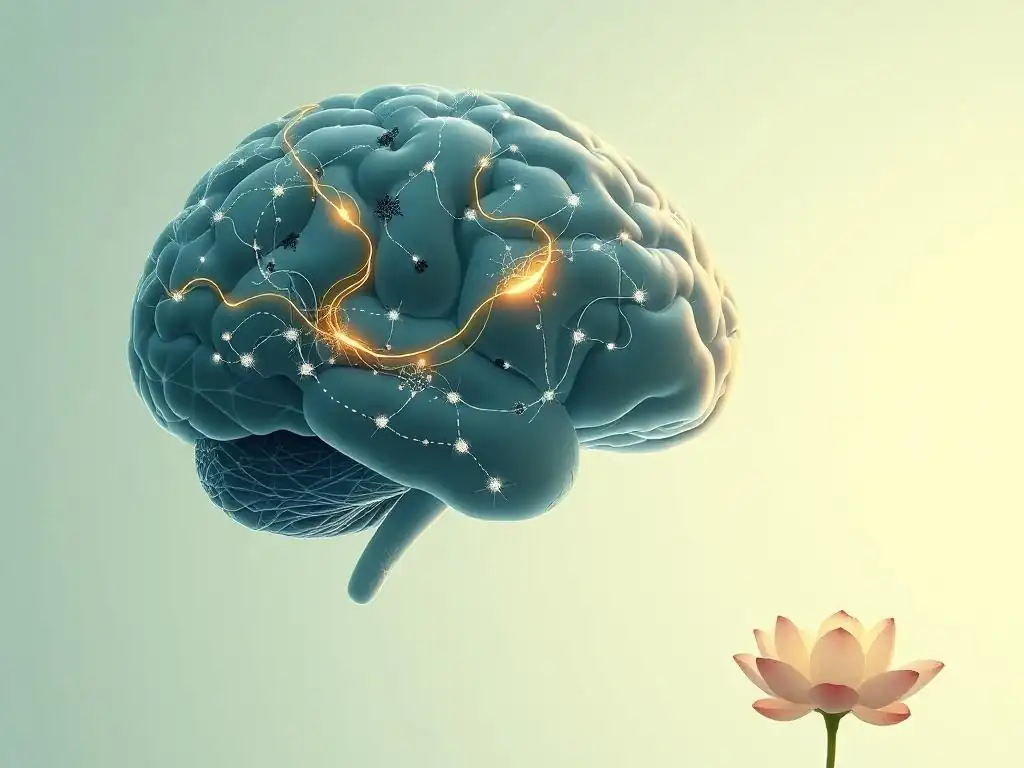
Examining real-world examples provides powerful illustrations of how applying neuroplasticity principles can lead to significant recovery from anxiety disorders. While individual journeys vary, these cases highlight the transformative potential of actively engaging the brain's capacity for change through dedicated effort and appropriate interventions. Names and specific identifying details are generalized to protect privacy while illustrating the principles.
These case studies demonstrate that even deeply ingrained patterns of anxiety are not permanent. They show that by consistently applying neuroplasticity anxiety treatment strategies, individuals can fundamentally alter their relationship with anxiety, moving towards a life characterized by greater freedom and calm.
Case Study: Successful Treatment of Panic Disorder with CBT and Mindfulness
Consider the case of "Sarah," a woman in her late 30s who experienced debilitating panic attacks multiple times a week, severely restricting her life due to fear of having an attack in public. She had developed significant avoidance behaviors, including quitting her job and rarely leaving her home alone. Traditional medication provided some relief but did not eliminate the attacks or the underlying fear.
Sarah began a treatment plan combining Cognitive Behavioral Therapy (CBT) and daily mindfulness practice. In CBT, she learned to identify her catastrophic thoughts ("I'm having a heart attack," "I'm going crazy") and challenge their validity. She also started graded exposure exercises, initially just standing outside her door for a few minutes, then walking around the block, and gradually extending her range. Simultaneously, she practiced mindfulness meditation daily for 20 minutes, focusing on observing her anxious sensations and thoughts without judgment or reaction.
Over six months, the frequency and intensity of her panic attacks dramatically decreased. She was able to return to work part-time and began socializing again. Her brain had learned through repeated experience that her anxious predictions were false (CBT exposure) and that she could tolerate uncomfortable sensations without reacting (mindfulness), effectively rewiring her fear circuits and demonstrating effective neuroplasticity anxiety treatment strategies in action.
Lessons Learned from Neuroplasticity Interventions
Cases like Sarah's underscore several key lessons about leveraging neuroplasticity for anxiety recovery. Firstly, consistency and repetition are crucial. Neuroplastic change takes time and effort; infrequent application of strategies yields limited results. Secondly, a multi-modal approach, combining different neuroplasticity anxiety treatment strategies (like CBT and mindfulness), can be highly effective, as different techniques may target distinct but interconnected neural pathways.
Thirdly, active engagement from the individual is paramount. Neuroplasticity is driven by experience and behavior; the person must actively participate in the exercises, challenges, and practices prescribed. Finally, recovery is not always linear. There may be setbacks, but the underlying principle of the brain's capacity to change provides a framework for understanding that these are temporary deviations from a path of rewiring, not a failure of the brain's ability to heal.
The Future of Anxiety Treatment: Personalized Neuroplasticity Approaches
As our understanding of the brain's complexity and the nuances of neuroplasticity grows, the future of anxiety treatment is moving towards more personalized and targeted interventions. Recognizing that each individual's brain is unique, influenced by genetics, life experiences, and specific anxiety patterns, opens the door to tailoring neuroplasticity anxiety treatment strategies for greater effectiveness.
This personalization involves leveraging insights from genetics, biomarkers, and advanced neuroimaging to identify the most promising avenues for promoting beneficial neuroplastic change in a specific person. The goal is to move beyond a one-size-fits-all approach and develop interventions that are precisely matched to an individual's unique neural profile and treatment needs.
Genetic Factors and Neuroplasticity: Tailoring Treatment to Individual Needs
Genetic variations can influence both susceptibility to anxiety disorders and the brain's capacity for neuroplasticity. For example, variations in genes related to neurotransmitter systems (like serotonin or dopamine) or growth factors (like BDNF) can impact how the brain responds to stress and its ability to change in response to interventions. Understanding an individual's genetic profile could potentially inform which neuroplasticity anxiety treatment strategies might be most effective for them.
While still an emerging field, pharmacogenomics (the study of how genes affect a person's response to drugs) is already influencing medication choices. In the future, similar genetic insights might help predict responsiveness to different types of therapy (e.g., whether someone might respond better to exposure therapy versus purely cognitive restructuring) or guide the selection of brain stimulation protocols. This genetic understanding promises to make neuroplasticity interventions more precise and effective.
The Potential of Biomarkers in Guiding Neuroplasticity Interventions
Biomarkers – measurable indicators of a biological state – offer another avenue for personalizing anxiety treatment. These could include neuroimaging markers (like fMRI or EEG patterns indicative of specific neural circuit dysfunction), genetic markers, epigenetic markers (changes in gene expression not caused by alterations in the DNA sequence), or even physiological markers (like heart rate variability).
Identifying biomarkers associated with specific anxiety subtypes or predictors of treatment response could help clinicians select the most appropriate neuroplasticity anxiety treatment strategies from the outset. For instance, if a specific fMRI pattern is associated with poor response to CBT but good response to neurofeedback, this could guide treatment decisions. Biomarkers could also be used to monitor the effectiveness of interventions in real-time, allowing for adjustments to optimize neuroplastic change. The development and validation of such biomarkers are key areas of research for the future of personalized anxiety treatment.
Overcoming Challenges and Maximizing the Benefits of Neuroplasticity
While the potential of neuroplasticity for anxiety treatment is immense, applying these strategies effectively is not without challenges. The brain's capacity for change means it can learn both adaptive and maladaptive patterns. Overcoming anxiety requires actively disrupting ingrained anxious habits and consistently reinforcing healthier ones. This process can encounter resistance, both from the brain itself and from the individual's psychological patterns.
Addressing these challenges is crucial for maximizing the long-term benefits of neuroplasticity-based interventions. It requires patience, persistence, and a willingness to confront difficult thoughts and feelings. Understanding common obstacles can help individuals stay motivated and on track during their recovery journey, ensuring that neuroplasticity anxiety treatment strategies lead to lasting change.
Addressing Resistance to Change and Negative Thought Patterns
One of the primary challenges in leveraging neuroplasticity for anxiety is the brain's inherent tendency to stick to established patterns, even if they are maladaptive. The neural pathways associated with anxiety have been reinforced over time, making them the brain's default response. Breaking these habits requires conscious effort and can feel uncomfortable or even counterintuitive initially. Negative thought patterns, such as "This won't work" or "I'm not capable of changing," can also act as significant barriers, reinforcing the anxious state.
Overcoming this resistance involves acknowledging that discomfort is a normal part of the change process. It requires persistence in practicing new behaviors and thought patterns, even when it feels difficult. Techniques learned in CBT, like cognitive restructuring and behavioral activation, are specifically designed to help individuals challenge resistance and build momentum towards positive change. Recognizing that resistance is a sign that the brain is beginning to confront old patterns can be a powerful motivator.
Maintaining Long-Term Neuroplasticity for Sustained Anxiety Relief
Achieving significant reduction in anxiety through neuroplasticity anxiety treatment strategies is a major accomplishment, but maintaining those gains requires ongoing effort. Just as the brain can learn new, healthy patterns, it can also revert to old, anxious ones if not continually reinforced. Stressful life events, lack of practice, or neglecting self-care can potentially lead to a resurgence of symptoms.
Sustaining the benefits of neuroplasticity involves integrating the learned strategies into a lifestyle. This means continuing mindfulness practice, regularly challenging anxious thoughts, engaging in activities that promote well-being, prioritizing sleep and exercise, and maintaining social connections. It's about making the practices that fostered neuroplastic change a routine part of life. Viewing recovery as an ongoing process of maintaining brain health and flexibility, rather than a destination, is key to sustained anxiety relief. Relapse prevention planning, often a part of therapy, helps individuals identify potential triggers and develop strategies to re-engage neuroplasticity-promoting behaviors if symptoms begin to return.
Conclusion: Embracing Neuroplasticity for a Brighter Future in Anxiety Treatment
The exploration of neuroplasticity has fundamentally changed our understanding of anxiety disorders and their treatment. It has shifted the perspective from viewing anxiety as a permanent affliction to recognizing it as a condition rooted in changeable brain circuitry. By understanding and actively leveraging the brain's innate ability to rewire itself, we unlock powerful new avenues for healing and recovery. The range of neuroplasticity anxiety treatment strategies available today, from established psychotherapies to cutting-edge technologies and simple lifestyle adjustments, offers hope and tangible pathways towards reducing suffering.
Embracing neuroplasticity means embracing the potential for growth and transformation inherent in the human brain. It empowers individuals by showing them that they are not passive recipients of their anxiety but active participants in reshaping their neural landscape. As research continues to deepen our understanding of this remarkable process, the future promises even more personalized, effective, and accessible ways to harness neuroplasticity for lasting anxiety relief, offering a brighter future for those seeking freedom from excessive worry and fear.
The Power of the Brain to Heal: A Message of Hope and Empowerment
The scientific evidence for neuroplasticity provides a powerful message of hope for anyone struggling with anxiety. It confirms that the brain has an extraordinary capacity to adapt, learn, and heal, even after prolonged periods of distress. This is not merely a theoretical concept but a biological reality that underlies the effectiveness of many therapeutic interventions. Understanding that your brain can change is the first step towards believing that recovery is possible.
This perspective is deeply empowering. It highlights the significant role that individual effort, consistent practice, and engaging in therapeutic processes play in recovery. It underscores that by taking intentional steps – challenging anxious thoughts, facing fears, practicing mindfulness, prioritizing self-care – you are actively participating in the process of rewiring your brain for greater calm and resilience. The power to heal, to a significant extent, resides within your own brain, waiting to be activated.
Resources for Neuroplasticity-Based Mental Well-being
For those interested in exploring neuroplasticity anxiety treatment strategies further, numerous resources are available. Engaging with qualified mental health professionals, such as therapists specializing in CBT, mindfulness-based therapies, or exposure therapy, is a crucial step. They can provide personalized guidance and support in applying these principles.
Educational resources, including books, reputable websites, and workshops on neuroplasticity, mindfulness, and anxiety management, can deepen understanding and provide practical tools. Exploring technologies like neurofeedback or discussing brain stimulation options with a medical professional are avenues for those seeking advanced interventions. Remember that building a support system and prioritizing overall physical health through diet, exercise, and sleep are fundamental components that enhance the brain's capacity for positive change. Embarking on this journey, armed with knowledge about neuroplasticity, offers a profound path towards lasting mental well-being.
Frequently Asked Questions
What is neuroplasticity, and how does it relate to anxiety treatment?
Neuroplasticity is the brain's ability to reorganize itself by forming new neural connections throughout life. In anxiety treatment, understanding this helps us develop strategies that can rewire anxiety-related thought patterns and behaviors.
How can neuroplasticity be used to treat anxiety disorders?
By engaging in specific activities and therapies, we can stimulate neuroplasticity to strengthen new, healthier neural pathways and weaken those associated with anxiety. This often involves cognitive restructuring and exposure therapy.
What are some specific "Neuroplasticity anxiety treatment strategies" mentioned in the article?
Strategies often include mindfulness practices, cognitive behavioral therapy (CBT), and exposure therapy, all of which encourage the brain to form new associations and reduce anxiety responses.
How long does it typically take to see results when using neuroplasticity-based anxiety treatments?
The timeline varies depending on the individual and the severity of their anxiety. However, consistent effort and engagement in therapies can lead to noticeable improvements within several weeks to a few months.
Are there any risks or side effects associated with neuroplasticity-based anxiety treatments?
Generally, these treatments are considered safe. However, some individuals may experience temporary increased anxiety during exposure therapy. It's crucial to work with a qualified mental health professional to manage this process effectively.
Final Reflection: Harnessing Neuroplasticity: A Future Free from Anxiety's Grip
The understanding and application of neuroplasticity represent a paradigm shift in anxiety treatment. No longer are we limited to viewing anxiety as a fixed, intractable condition; instead, we recognize the brain's remarkable capacity to rewire itself, offering pathways to lasting relief and improved well-being. This is not merely a theoretical possibility; it's a rapidly evolving field with increasingly effective therapeutic strategies emerging daily.
The exploration of neuroplasticity's role in anxiety treatment has profoundly impacted my understanding of mental health. It's moved beyond a purely pharmacological approach to encompass a holistic view, recognizing the power of mindful practices, lifestyle changes, and targeted therapies in reshaping neural pathways. This shift is crucial, as it empowers individuals to become active participants in their own healing. The brain is not a machine; it is a garden that can be cultivated.
This quote perfectly encapsulates the potential of neuroplasticity to cultivate a healthier, more resilient mind.
Consider the implications of this for your own life. Are you ready to embrace the potential of your brain's inherent adaptability? This isn't about a quick fix; it's about cultivating a long-term relationship with your mind, nurturing its capacity for change and growth. Explore the therapeutic approaches discussed in this article, and consider how you can integrate mindfulness, lifestyle modifications, or other neuroplasticity-based techniques into your daily life. The journey towards a future free from anxiety's grip begins with a single step – a step towards understanding and harnessing the incredible power of your own brain.
Unlock Your Brain's Healing Power: Take Control of Your Anxiety
Thanks for exploring the fascinating world of neuroplasticity and its role in anxiety treatment! You've now gained valuable insights into how your brain can rewire itself for a calmer, more resilient you. Ready to put this knowledge into action?
- Start your personalized neuroplasticity journey: Identify one small, manageable change you can implement today to foster positive brain rewiring (e.g., a daily mindfulness practice, a new healthy habit). This is your first step towards lasting anxiety relief.
- Share your “aha!” moment: What was the most surprising or insightful piece of information you learned today? Let's spark a conversation and inspire others on their path to well-being! Share your thoughts in the comments below.
- Explore further resources: Delve deeper into the research on neuroplasticity and anxiety by searching for related articles or podcasts. Discover even more ways to harness your brain's incredible capacity for healing.
Ready to embark on this empowering journey towards a more peaceful and balanced life? What's the first small step you'll take to strengthen your brain's natural healing mechanisms?