
Mindfulness: A Powerful Neuroplasticity Tool for Reducing Anxiety Symptoms


Welcome to Mind Care Guide, your sanctuary for understanding and nurturing your mental well-being. Are you struggling with anxiety and seeking effective ways to find relief? Discover how mindfulness, a powerful neuroplasticity tool, can help you reshape your brain and reduce anxiety symptoms. Curious to learn more about the neuroscience behind this transformative practice? Let's embark on this journey together to explore how mindfulness reduce anxiety symptoms and unlock your inner resilience.
Mindfulness: A Powerful Neuroplasticity Tool for Reducing Anxiety Symptoms
- Introduction: Understanding Anxiety and the Promise of Mindfulness
- The Science Behind Mindfulness and Neuroplasticity for Anxiety
-
Mindfulness Techniques for Anxiety Reduction: A Practical Guide
- Focused Attention Meditation: Anchoring Yourself in the Present Moment
- Body Scan Meditation: Cultivating Awareness of Physical Sensations to Reduce Tension
- Open Monitoring Meditation: Observing Thoughts and Feelings Without Judgment
- Walking Meditation: Mindfulness in Motion for Anxiety Relief
- Mindful Breathing Exercises: A Quick and Accessible Tool for Calming Anxiety
- Integrating Mindfulness into Daily Life for Long-Term Anxiety Management
- The Benefits of Mindfulness Beyond Anxiety Reduction: Holistic Well-being
-
Research Supporting Mindfulness for Anxiety: Evidence-Based Efficacy
- Clinical Studies on Mindfulness-Based Interventions (MBIs) for Anxiety Disorders
- Meta-Analyses and Systematic Reviews: A Comprehensive Overview of the Evidence
- Mindfulness-Based Stress Reduction (MBSR) for Generalized Anxiety Disorder: A Randomized Controlled Trial
- Effects of Mindfulness Meditation on Anxiety Symptoms in Healthcare Professionals: A Systematic Review and Meta-Analysis
- Overcoming Challenges in Mindfulness Practice for Anxiety
- Conclusion: Mindfulness as a Sustainable Strategy for Anxiety Relief and Brain Health
-
Frequently Asked Questions
- What is mindfulness and how does it relate to anxiety?
- How does mindfulness impact the brain to reduce anxiety symptoms?
- What are some practical mindfulness techniques I can use to manage anxiety?
- How often should I practice mindfulness to see a reduction in anxiety symptoms?
- Where can I find reliable resources and support for learning and practicing mindfulness for anxiety?
- Final Reflection: Cultivating Inner Peace Through Neuroplasticity
- Unlock Your Mind's Potential: Start Reducing Anxiety Today!
Introduction: Understanding Anxiety and the Promise of Mindfulness
Anxiety is a common human experience, but for millions, it can become a persistent and debilitating condition. Understanding the nature of anxiety and exploring effective tools for managing it is crucial for mental well-being. Mindfulness, an ancient practice gaining significant traction in modern psychology and neuroscience, offers a promising path towards alleviating anxiety symptoms and fostering inner resilience.
The Growing Prevalence of Anxiety Disorders and Their Impact
Anxiety disorders represent a significant global mental health challenge. According to the World Health Organization (WHO), anxiety disorders are among the most common mental disorders worldwide. In the United States alone, estimates suggest that over 40 million adults live with an anxiety disorder in any given year, representing approximately 19% of the population.
These conditions are not merely about feeling stressed; they involve excessive worry, fear, and nervousness that interfere with daily life, work, relationships, and overall quality of life. The impact extends beyond emotional distress, often manifesting as physical symptoms like rapid heart rate, shortness of breath, muscle tension, and difficulty sleeping.
The pervasive nature of anxiety disorders underscores the urgent need for accessible and effective interventions. While traditional treatments like therapy and medication are vital, many individuals seek complementary or alternative approaches to manage their symptoms and build long-term coping strategies. The chronic and often fluctuating nature of anxiety means that individuals benefit greatly from tools they can integrate into their daily lives to cultivate a sense of calm and control. This is where practices like mindfulness reduce anxiety symptoms by offering a non-pharmacological route to emotional regulation and stress reduction.
Introducing Mindfulness: A Path to Inner Peace and Anxiety Relief
Mindfulness is the practice of intentionally bringing one's attention to the present moment without judgment. It involves observing thoughts, feelings, bodily sensations, and the surrounding environment with a sense of curiosity and acceptance. Originating from ancient contemplative traditions, mindfulness has been adapted into secular practices and therapeutic interventions, most notably Mindfulness-Based Stress Reduction (MBSR) and Mindfulness-Based Cognitive Therapy (MBCT). Unlike simply relaxing, mindfulness is an active training of the mind to be present, which over time can shift our relationship with difficult emotions like anxiety.
Engaging in mindfulness practice helps individuals become more aware of their anxiety triggers and patterns without getting swept away by them. Instead of automatically reacting to anxious thoughts with more worry or avoidance, mindfulness teaches us to notice these thoughts as temporary mental events. This creates a space between the trigger and the reaction, allowing for a more considered and less reactive response. This fundamental shift in awareness is key to how mindfulness reduce anxiety symptoms, helping individuals navigate challenging internal experiences with greater ease and resilience.
Neuroplasticity: The Brain's Remarkable Ability to Change and Adapt
Neuroplasticity is the brain's inherent ability to reorganize itself by forming new neural connections throughout life. For many years, it was believed that the adult brain was relatively fixed in its structure and function. However, groundbreaking research over the past few decades has demonstrated that the brain is remarkably malleable, capable of changing in response to experiences, learning, and even intentional mental training. This means that our thoughts, behaviors, and environment can literally reshape our brain's physical structure and functional organization.
This concept of neuroplasticity is particularly exciting in the context of mental health and anxiety. It suggests that the neural pathways associated with anxiety responses, such as those involving the fear center (amygdala) or worry circuits (Default Mode Network), are not fixed. Through targeted practices, it is possible to weaken these unhelpful pathways and strengthen those associated with calm, focus, and emotional regulation. Understanding neuroplasticity provides a scientific basis for why practices like mindfulness reduce anxiety symptoms over time – they are actively training the brain to respond differently to stress and worry.
The Science Behind Mindfulness and Neuroplasticity for Anxiety
The growing body of scientific evidence highlights the profound impact of mindfulness practices on the brain. Research using neuroimaging techniques like fMRI (functional Magnetic Resonance Imaging) and structural MRI has provided insights into how consistent mindfulness training can lead to measurable changes in brain structure and function, changes that are directly linked to reducing anxiety symptoms and improving emotional well-being. These studies confirm that mindfulness is not just a relaxation technique but a form of mental training that can rewire the brain.
These neuroscientific findings offer a compelling explanation for the observed psychological benefits of mindfulness, including its ability to alleviate anxiety. By understanding the specific brain regions and networks influenced by mindfulness, we gain a deeper appreciation for its therapeutic potential. The brain's plasticity allows it to adapt and change, and mindfulness provides a mechanism through which individuals can actively participate in this process, gradually shifting their neural landscape away from states prone to excessive worry and fear towards greater calm and resilience.
How Mindfulness Practices Influence Brain Structure and Function
Consistent mindfulness practice has been shown to induce structural changes in various brain regions. Studies have found increases in gray matter density in areas associated with learning, memory, emotion regulation, and perspective-taking, such as the hippocampus and parts of the prefrontal cortex.
For instance, research on participants completing an 8-week MBSR program has demonstrated measurable increases in gray matter volume in regions like the left hippocampus, known to play a role in memory and stress regulation. Conversely, some studies suggest a decrease in gray matter volume in the amygdala, the brain's fear center, which is often hyperactive in individuals with anxiety disorders.
Beyond structural changes, mindfulness also alters brain function and connectivity. fMRI studies show that mindfulness training can strengthen the functional connection between the prefrontal cortex (involved in higher-order cognitive control and emotion regulation) and the amygdala. This enhanced connectivity suggests that the 'thinking' part of the brain gains more influence over the 'feeling' part, allowing for a more regulated response to emotional triggers.
Furthermore, mindfulness can alter activity within brain networks, such as reducing activity in the Default Mode Network (DMN), which is often associated with mind-wandering and rumination, common features of anxiety. These combined structural and functional adaptations illustrate the neuroplastic mechanisms by which mindfulness reduce anxiety symptoms effectively.
Mindfulness and the Amygdala: Calming the Fear Center
The amygdala is a small, almond-shaped structure deep within the brain that plays a crucial role in processing emotions, particularly fear and threat detection. In individuals with anxiety disorders, the amygdala is often hyper-responsive, leading to exaggerated fear responses even to non-threatening stimuli. This heightened activity contributes significantly to the feelings of panic, dread, and hypervigilance characteristic of anxiety. Research indicates that mindfulness practice can directly impact the activity and even the size of the amygdala.
Studies using fMRI have shown that individuals with mindfulness training exhibit reduced amygdala activation when exposed to emotional stimuli compared to those without such training. This suggests that mindfulness helps to dampen the brain's initial fear response. Long-term practitioners may even show reduced amygdala volume, as mentioned previously. By training the mind to observe thoughts and sensations without immediate reaction, mindfulness helps to regulate the amygdala's alarm system, allowing for a more measured and less fearful response to perceived threats. This calming effect on the amygdala is a fundamental way mindfulness reduce anxiety symptoms at a neurological level.
Strengthening the Prefrontal Cortex: Enhancing Emotional Regulation Through Mindfulness
The prefrontal cortex (PFC), particularly the medial and lateral regions, is involved in executive functions such as planning, decision-making, attention, and importantly, emotional regulation. It acts as the 'control center' of the brain, helping to modulate responses originating from more primitive areas like the amygdala. In individuals with anxiety, the connection and regulatory influence of the PFC over the amygdala can be weakened. Mindfulness training appears to strengthen this crucial top-down control pathway.
Research has shown that mindfulness practice increases activity and gray matter volume in areas of the PFC. This enhanced PFC function is linked to improved emotional regulation skills. By cultivating present-moment awareness, individuals learn to observe their emotional states from a more detached perspective, allowing the PFC to step in and regulate the intensity and duration of emotional responses.
This strengthened executive control helps individuals interrupt cycles of worry and rumination, enabling them to choose more adaptive responses to stress rather than being overwhelmed by anxious feelings. This strengthening of the PFC is a key neuroplastic change that helps mindfulness reduce anxiety symptoms by improving the brain's capacity for self-regulation.
Mindfulness and the Default Mode Network (DMN): Reducing Rumination and Worry
The Default Mode Network (DMN) is a network of brain regions that is most active when the mind is not focused on the external world and is instead engaged in internal tasks such as thinking about the past or future, self-referential thinking, and mind-wandering. While the DMN is essential for activities like planning and reflecting, excessive or uncontrolled activity in this network is strongly associated with rumination, worry, and self-critical thoughts – hallmarks of anxiety and depression.
Studies have demonstrated that mindfulness training leads to decreased activity in the DMN, particularly during mindfulness practice and even during resting states. Furthermore, mindfulness appears to strengthen the connectivity between the DMN and regions of the PFC involved in attention and cognitive control.
This suggests that mindfulness helps individuals become more aware of when their mind is wandering into anxious rumination and provides the cognitive resources to disengage from these thought loops and redirect attention to the present moment. By reducing the dominance of the DMN and strengthening the ability to shift focus, mindfulness reduce anxiety symptoms by alleviating the burden of persistent worry and overthinking.
Mindfulness Techniques for Anxiety Reduction: A Practical Guide
Engaging in mindfulness doesn't require hours of dedicated practice or complex rituals. Many simple yet powerful techniques can be integrated into daily life to cultivate present-moment awareness and manage anxiety symptoms. Consistency is often more important than the duration of each practice. Exploring different techniques can help individuals find what resonates best with them and fits into their lifestyle.
Practicing these techniques regularly helps to train the brain, leveraging neuroplasticity to build new habits of mind that are less prone to getting caught in anxiety. Even short bursts of mindfulness throughout the day can make a significant difference in managing stress and fostering a sense of calm. These accessible tools empower individuals to take an active role in their mental well-being.
Focused Attention Meditation: Anchoring Yourself in the Present Moment
Focused Attention Meditation involves directing your attention to a single object, such as the breath, bodily sensations, a sound, or a visual point. When the mind inevitably wanders (which it will! ), the practice is simply to notice the distraction without judgment and gently guide the attention back to the chosen object. This repeated process of noticing mind-wandering and returning to the focus is like doing reps at a mental gym, strengthening the neural circuits responsible for attention and cognitive control.
This technique is particularly helpful for anxiety because it trains the mind to stay grounded in the present rather than getting lost in worries about the future or regrets about the past. By focusing on the breath, for instance, you anchor yourself in the physical reality of the moment, which can interrupt the cycle of anxious thoughts. Studies have shown that even short periods of focused attention meditation can reduce self-reported anxiety levels and decrease physiological markers of stress. Regular practice improves sustained attention and reduces distractibility, making it easier to disengage from anxious thought patterns.
Body Scan Meditation: Cultivating Awareness of Physical Sensations to Reduce Tension
Body Scan Meditation involves systematically bringing gentle, non-judgmental attention to different parts of the body, noticing any sensations present – tingling, warmth, pressure, tension, or absence of sensation. The practice is not about trying to change anything, but simply observing what is there. You might start with the toes, then move up through the feet, ankles, legs, torso, arms, neck, and head. This can be done lying down or sitting comfortably.
Anxiety often manifests physically as muscle tension, stomach discomfort, or shallow breathing. The body scan helps individuals become more aware of these physical symptoms of anxiety in the moment. By acknowledging these sensations without judgment or the need to fix them, individuals can learn to tolerate physical discomfort and reduce the tendency to catastrophize or react with more anxiety. It also helps to release stored tension. Research indicates that body scan practice can improve interoception (the ability to sense internal bodily states), which is often dysregulated in anxiety, and contributes to a reduction in overall anxiety levels.
Open Monitoring Meditation: Observing Thoughts and Feelings Without Judgment
Open Monitoring Meditation, sometimes called choiceless awareness, involves observing whatever arises in the field of awareness without focusing on one specific object. This includes thoughts, feelings, sensations, sounds, and external stimuli. The practice is to simply notice these phenomena as they come and go, like clouds passing in the sky, without getting caught up in them or judging them as good or bad. It cultivates a sense of spaciousness and detachment from internal experiences.
This technique is powerful for managing anxiety because it directly addresses the tendency to become fused with or overwhelmed by anxious thoughts and feelings. By practicing observing thoughts like "I'm going to fail" or "What if something bad happens?" simply as thoughts, rather than absolute truths or immediate threats, their power diminishes.
This non-judgmental observation fosters acceptance and reduces the reactivity that fuels the anxiety cycle. Studies suggest that open monitoring practices can enhance metacognitive awareness (awareness of one's own thought processes) and reduce the emotional impact of negative thoughts, helping mindfulness reduce anxiety symptoms by changing the relationship with internal experiences.
Walking Meditation: Mindfulness in Motion for Anxiety Relief

Walking meditation integrates mindfulness practice into the activity of walking. It involves paying deliberate attention to the physical sensations of walking – the lifting and placing of the feet, the movement of the legs, the swing of the arms, the contact with the ground. The pace can be slow and deliberate or more natural, depending on preference. The focus is on the present-moment experience of movement and sensation.
This technique offers a way to practice mindfulness while engaging in physical activity, which itself can be beneficial for anxiety. It helps to ground individuals who might find sitting meditation challenging, providing a gentle rhythm to focus on. By directing attention to the bodily experience of walking, it helps to interrupt anxious rumination and bring awareness out of the head and into the body. Walking meditation can be practiced indoors or outdoors and provides a portable tool for managing anxiety throughout the day, offering a moving anchor for presence that helps mindfulness reduce anxiety symptoms even during active periods.
Mindful Breathing Exercises: A Quick and Accessible Tool for Calming Anxiety
Mindful breathing is perhaps the most fundamental and accessible mindfulness technique. It simply involves paying attention to the sensation of the breath as it enters and leaves the body. There's no need to change the breath; the practice is purely to observe its natural rhythm – the rise and fall of the chest or abdomen, the feeling of air moving through the nostrils. When the mind wanders, gently bring attention back to the breath.
Deep, slow breathing can directly activate the body's relaxation response, counteracting the physiological symptoms of anxiety like rapid heart rate and shallow breathing. Mindful breathing combines this physiological benefit with the mental training of mindfulness. By focusing on the breath, individuals create a simple anchor in the present moment that can be accessed anywhere, anytime.
Even taking just a few mindful breaths during a stressful situation can help to interrupt the anxiety response, providing an immediate tool to help mindfulness reduce anxiety symptoms in the moment. This technique can be done discreetly and is highly effective for grounding oneself during panic or intense worry.
Integrating Mindfulness into Daily Life for Long-Term Anxiety Management
The true power of mindfulness for anxiety relief comes not just from formal meditation sessions but from integrating mindful awareness into everyday activities. By consciously bringing attention to ordinary moments, individuals can cultivate a continuous state of presence that acts as a buffer against stress and worry. This ongoing practice reinforces the neuroplastic changes initiated by formal meditation, building resilience over time.
Integrating mindfulness into daily life transforms routine tasks into opportunities for practice, making it a sustainable strategy for long-term anxiety management. It's about shifting from doing mindfulness to being mindful, weaving awareness into the fabric of your day. This consistent engagement helps solidify the brain's new pathways associated with calm and focus, enhancing the ability of mindfulness reduce anxiety symptoms effectively and durably.
Creating a Daily Mindfulness Practice: Tips and Strategies
Establishing a consistent daily mindfulness practice is key to experiencing its full benefits for anxiety. Start small – even 5-10 minutes a day can be beneficial. Choose a specific time that works for you, perhaps first thing in the morning or before bed, to make it a regular habit. Find a quiet space where you won't be interrupted. Consistency is more important than the duration of each session, especially when starting. Using guided meditations, available through various apps and online resources, can be very helpful for beginners.
Don't strive for a mind free of thoughts; the goal is simply to notice when the mind wanders and gently bring it back. Treat yourself with patience and self-compassion, recognizing that mind-wandering is natural. Consider keeping a journal to track your practice and any shifts in your anxiety levels or overall well-being. Over time, as your capacity for mindfulness grows, you may naturally extend your practice sessions. Committing to this daily discipline is a proactive step towards using mindfulness reduce anxiety symptoms through consistent brain training.
Mindful Eating: Cultivating Awareness of Your Relationship with Food
Mindful eating involves paying full attention to the experience of eating – noticing the colors, smells, textures, and tastes of the food, as well as the physical sensations of hunger and fullness. Instead of eating quickly or while distracted, mindful eating encourages slowing down and savoring each bite. It also involves paying attention to how different foods make your body feel.
For individuals with anxiety, mindful eating can be particularly beneficial. Anxiety can sometimes lead to disordered eating patterns, such as eating too quickly, overeating, or using food to cope with difficult emotions. By bringing awareness to the eating experience, individuals can develop a healthier relationship with food, reduce stress around meals, and become more attuned to their body's needs. This practice helps ground you in the present moment multiple times a day, reinforcing the benefits of mindfulness reduce anxiety symptoms by extending awareness beyond formal meditation.
Mindful communication involves paying full attention when speaking and listening. When speaking, it means being aware of your intentions, the impact of your words, and your tone of voice. When listening, it means truly hearing the other person without interrupting, formulating your response, or letting your mind wander. It's about being fully present in the interaction.
Social anxiety often stems from excessive worry about judgment, saying the wrong thing, or not being liked. Mindful communication can help reduce social anxiety by shifting focus from internal self-criticism to genuine engagement with the other person. By practicing mindful listening, you become less preoccupied with your own anxious thoughts and more connected to the conversation. Being mindfully aware of your own communication helps you express yourself more clearly and authentically, reducing misunderstandings that can fuel social worries. This application of mindfulness reduce anxiety symptoms in social settings by fostering presence and connection.
Mindfulness and Sleep: Improving Sleep Quality and Reducing Nighttime Worry
Anxiety and sleep problems often go hand in hand. Anxious thoughts can make it difficult to fall asleep or cause individuals to wake up during the night worrying. Mindfulness practices can significantly improve sleep quality by calming the mind and reducing nighttime anxiety. Simple techniques like mindful breathing or a short body scan before bed can help relax the body and quiet racing thoughts.
Creating a mindful bedtime routine can signal to the brain that it's time to wind down. This might include a few minutes of quiet meditation, gentle stretching with awareness, or mindfully preparing for bed. If you wake up with anxious thoughts during the night, instead of engaging with them, you can practice mindful observation – simply noticing the thoughts without getting caught in them, and returning your attention to the breath or bodily sensations.
This non-reactive approach helps to break the cycle of nighttime worry, allowing for more restful sleep. Improving sleep through mindfulness further supports the brain's ability to regulate mood and stress, reinforcing how mindfulness reduce anxiety symptoms by addressing a key contributing factor.
The Benefits of Mindfulness Beyond Anxiety Reduction: Holistic Well-being
While mindfulness is a powerful tool specifically for managing anxiety symptoms, its benefits extend far beyond. Regular practice cultivates a range of positive psychological traits and enhances overall well-being. By training the mind to be present and non-reactive, mindfulness fosters a more balanced and fulfilling life, equipping individuals with skills that are valuable in navigating various challenges.
Embracing mindfulness as a lifestyle contributes to a more robust mental and emotional state. It's a practice that builds internal resources, making individuals more resilient in the face of adversity and more appreciative of positive experiences. The skills learned through mindfulness practice are transferable to many different areas of life, enhancing relationships, improving focus, and fostering a greater sense of peace. This holistic impact underscores why mindfulness reduce anxiety symptoms as part of a broader framework for improved mental health.
Mindfulness and Stress Management: Building Resilience to Life's Challenges
Stress is an inevitable part of life, but our reaction to stress significantly impacts our well-being. Mindfulness helps individuals become more aware of their stress triggers and their typical reactions to stress. Instead of reacting automatically with tension, worry, or avoidance, mindfulness provides the capacity to pause, observe the stress response in the body and mind, and choose a more skillful reaction.
By cultivating present-moment awareness, mindfulness helps to differentiate between a stressful event and the thoughts and feelings we attach to it. This creates psychological distance, reducing the feeling of being overwhelmed. Regular practice lowers overall stress levels and improves the ability to recover from stressful experiences more quickly. It builds resilience by training the mind to remain relatively calm and centered even amidst challenging circumstances, significantly contributing to how mindfulness reduce anxiety symptoms that are often triggered by stress.
Mindfulness and Emotional Regulation: Developing Greater Emotional Stability
Emotional regulation is the ability to understand and manage one's emotional responses. Individuals with anxiety often struggle with intense, overwhelming emotions and difficulty bouncing back from negative emotional states. Mindfulness practice directly enhances emotional regulation skills by fostering greater awareness and acceptance of emotions.
Through mindfulness, individuals learn to observe emotions as temporary states rather than identifying with them or being controlled by them. Practicing non-judgmental awareness helps to reduce the secondary suffering that often arises from judging or resisting difficult feelings ("I shouldn't feel this way"). This acceptance allows emotions to be processed more effectively. Research shows that mindfulness increases activity in brain regions associated with emotional regulation (like the PFC) and decreases reactivity in emotional centers (like the amygdala), leading to greater emotional stability and contributing significantly to how mindfulness reduce anxiety symptoms by improving the ability to handle feelings.
Mindfulness and Self-Compassion: Cultivating Kindness and Acceptance Towards Yourself
Self-compassion involves treating oneself with the same kindness, care, and understanding that one would offer a good friend who is suffering. It has three components: self-kindness (vs. self-judgment), common humanity (recognizing that suffering and imperfection are part of the shared human experience), and mindfulness (observing one's painful thoughts and feelings with balanced awareness).
For individuals struggling with anxiety, self-criticism and self-judgment are often significant burdens. Mindfulness practice naturally cultivates self-compassion by fostering a non-judgmental attitude towards internal experiences. As you become more aware of your thoughts and feelings without harsh criticism, you develop a kinder relationship with yourself. Research indicates that self-compassion is strongly correlated with reduced anxiety and depression and increased emotional resilience. Integrating self-compassion into mindfulness practice enhances its effectiveness, further supporting how mindfulness reduce anxiety symptoms by addressing underlying patterns of self-criticism.
Research Supporting Mindfulness for Anxiety: Evidence-Based Efficacy
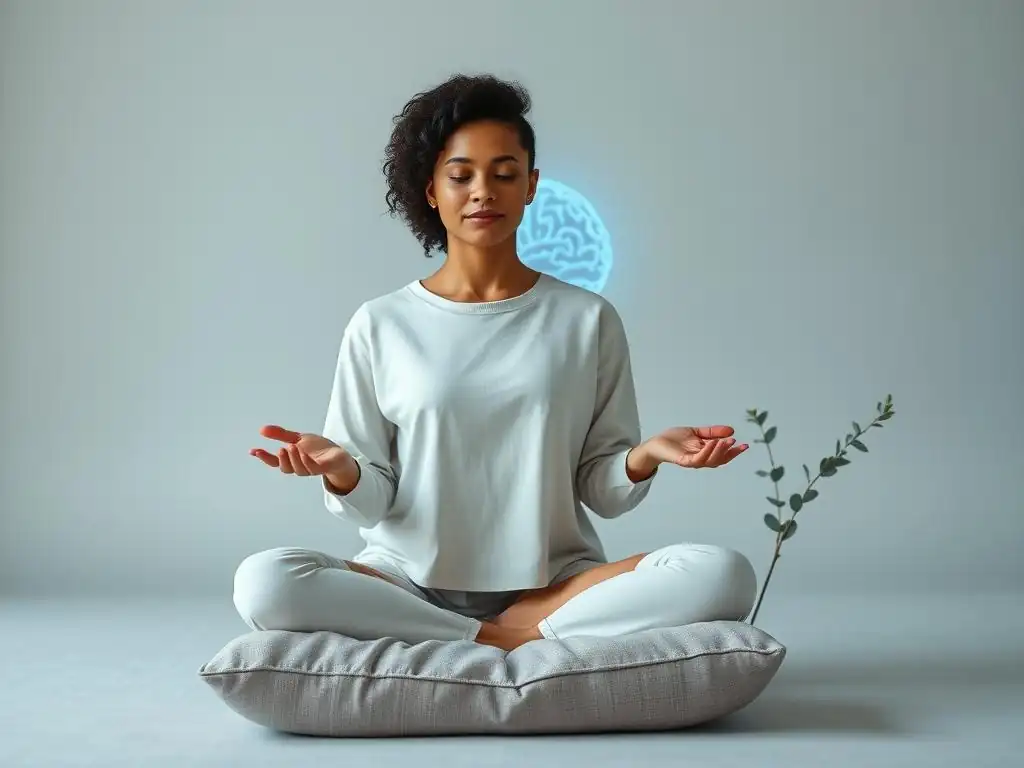
The effectiveness of mindfulness-based interventions for reducing anxiety symptoms is well-supported by a growing body of scientific research. Numerous studies, ranging from randomized controlled trials to large-scale meta-analyses, have demonstrated the positive impact of mindfulness on various anxiety disorders and general anxiety. This evidence base provides confidence in mindfulness as a valid and effective approach.
This research confirms the subjective reports of individuals who find relief through mindfulness and provides objective data on its psychological and physiological effects. Understanding the scientific support behind mindfulness can empower individuals to explore these practices with confidence and inform healthcare professionals recommending mindfulness as a therapeutic tool. The consistent findings across different study designs highlight the robust capacity of mindfulness reduce anxiety symptoms.
Clinical Studies on Mindfulness-Based Interventions (MBIs) for Anxiety Disorders
Clinical studies, particularly randomized controlled trials (RCTs), are considered the gold standard for evaluating treatment efficacy. Numerous RCTs have investigated the impact of structured Mindfulness-Based Interventions (MBIs) like MBSR and MBCT on individuals diagnosed with anxiety disorders, including Generalized Anxiety Disorder (GAD), Social Anxiety Disorder (SAD), and Panic Disorder. These studies typically compare the outcomes of participants receiving MBIs to control groups (e.g., waitlist, standard care, or other interventions).
Results from these trials consistently show that MBIs lead to significant reductions in anxiety symptoms compared to control groups. For example, studies on MBSR for GAD have reported symptom reduction rates comparable to or exceeding those achieved by other psychotherapeutic approaches. Participants often report decreased worry, less avoidance behavior, and improved overall functioning. These clinical findings provide strong evidence that structured programs rooted in mindfulness reduce anxiety symptoms effectively in clinical populations.
Meta-Analyses and Systematic Reviews: A Comprehensive Overview of the Evidence
Meta-analyses and systematic reviews synthesize the findings of multiple individual studies, providing a more comprehensive and statistically powerful assessment of an intervention's effectiveness. Several meta-analyses have examined the cumulative evidence for MBIs in treating anxiety and mood disorders. These reviews pool data from dozens of studies, often involving thousands of participants.
These large-scale analyses consistently conclude that MBIs have a moderate to large effect size in reducing symptoms of anxiety. For instance, a prominent meta-analysis published in JAMA Internal Medicine in 2014 reviewed 47 trials involving over 3,500 participants and found that MBIs had a moderate effect on reducing anxiety and depression symptoms, with improvements sustained over several months. Another meta-analysis focusing specifically on anxiety disorders across 39 studies found similar significant reductions. These comprehensive reviews provide compelling evidence from aggregated data that mindfulness reduce anxiety symptoms across diverse populations and anxiety presentations.
Mindfulness-Based Stress Reduction (MBSR) for Generalized Anxiety Disorder: A Randomized Controlled Trial
A notable randomized controlled trial published in the journal Psychiatric Services in 2014 specifically investigated the effectiveness of MBSR for individuals with Generalized Anxiety Disorder (GAD), a condition characterized by chronic and excessive worry. The study compared an 8-week MBSR program to a control group. Participants in the MBSR group attended weekly sessions and engaged in daily home practice.
The results demonstrated significant reductions in GAD symptoms, worry severity, and improvement in overall functioning in the MBSR group compared to the control group. A substantial percentage of participants in the MBSR group achieved clinically significant symptom reduction. This trial provided specific evidence for MBSR's efficacy in addressing the persistent worry central to GAD, illustrating how this specific mindfulness program can effectively help mindfulness reduce anxiety symptoms in this population.
Effects of Mindfulness Meditation on Anxiety Symptoms in Healthcare Professionals: A Systematic Review and Meta-Analysis
Healthcare professionals often experience high levels of stress and anxiety due to demanding work environments. A systematic review and meta-analysis published in the Journal of Advanced Nursing in 2019 examined the effects of mindfulness meditation interventions on anxiety symptoms among healthcare professionals. The review included multiple studies and assessed the aggregated outcomes.
The findings indicated that mindfulness meditation interventions led to a significant reduction in anxiety symptoms among healthcare professionals. This suggests that mindfulness is not only beneficial for individuals with diagnosed anxiety disorders but also for managing work-related stress and anxiety in high-pressure professions. This review provides evidence for the broad applicability of mindfulness practices, highlighting how mindfulness reduce anxiety symptoms in specific occupational groups facing chronic stress.
Overcoming Challenges in Mindfulness Practice for Anxiety
While mindfulness offers significant benefits, starting and maintaining a practice, especially when dealing with anxiety, can present challenges. It's common to encounter difficulties such as a restless mind, self-judgment, or simply finding the time. Recognizing these obstacles is the first step to navigating them successfully and building a sustainable practice that helps mindfulness reduce anxiety symptoms over time.
Approaching challenges with patience and self-compassion is crucial. Mindfulness itself provides the tools to observe these difficulties without getting discouraged. Seeking support and utilizing available resources can also make the journey smoother and more effective.
Common Obstacles and How to Address Them
One of the most common obstacles is the "monkey mind" – a mind that is constantly busy, jumping from thought to thought. This can feel particularly overwhelming for someone with anxiety, who might experience a barrage of worries during practice. The key here is not to eliminate thoughts but to change your relationship with them. View thoughts as transient events, like cars passing by, rather than absolute commands or truths. Gently bring your attention back to your chosen anchor (like the breath) each time your mind wanders, without self-criticism. This act of returning is the practice.
Another challenge is self-judgment, thinking "I'm doing it wrong" or "My mind is too anxious for this." Remember that there is no single "right" way to practice, and a busy mind is normal, especially when anxious. Be kind to yourself; acknowledge the judgment without getting lost in it, and return to the present moment with compassion. Finding dedicated time can also be difficult.
Start small with just 5-10 minutes, perhaps using transition times like before eating or after waking up. Consistency is more impactful than duration. These strategies help overcome barriers and enable consistent practice so that mindfulness reduce anxiety symptoms effectively.
Finding a Qualified Mindfulness Teacher or Therapist
While many resources are available for self-guided mindfulness practice, learning from a qualified teacher or therapist can be invaluable, especially when dealing with anxiety. A teacher can provide guidance on techniques, offer support in navigating difficulties that arise during practice (which can sometimes include uncomfortable emotions or sensations), and help tailor the practice to your specific needs and challenges.
Therapists who integrate mindfulness into their practice, such as those trained in MBSR, MBCT, Dialectical Behavior Therapy (DBT), or Acceptance and Commitment Therapy (ACT), can help you understand how mindfulness relates to your anxiety patterns and provide therapeutic support. They can guide you through difficult moments that may arise during practice and help you integrate mindfulness insights into your overall mental health strategy. A good teacher or therapist can significantly enhance the effectiveness of using mindfulness reduce anxiety symptoms by providing expert support and personalized guidance.
Mindfulness Apps and Online Resources: Accessibility and Convenience
In today's digital age, numerous mindfulness apps and online resources have made practice more accessible and convenient than ever before. Apps like Headspace, Calm, or Insight Timer offer guided meditations of varying lengths, programs tailored to specific goals (like anxiety or sleep), and reminders to practice. Many websites and platforms also offer free guided meditations, talks, and courses.
These resources can be excellent starting points, providing structure and guidance for beginners. They allow individuals to practice anytime, anywhere, making it easier to integrate mindfulness into a busy schedule. While apps cannot replace personalized guidance from a teacher or therapist, they offer a valuable tool for establishing and maintaining a regular practice, making it easier to access the benefits of mindfulness reduce anxiety symptoms through consistent engagement. Choose resources that feel comfortable and trustworthy.
Conclusion: Mindfulness as a Sustainable Strategy for Anxiety Relief and Brain Health
Mindfulness is far more than a temporary fix; it is a transformative practice that leverages the brain's natural neuroplasticity to build lasting resilience against anxiety. By cultivating present-moment awareness and non-judgmental observation, individuals can fundamentally change their relationship with anxious thoughts, feelings, and sensations. The scientific evidence, from neuroimaging studies showing changes in brain structure and function to clinical trials demonstrating symptom reduction, strongly supports the efficacy of mindfulness-based approaches for anxiety.
Embracing mindfulness is an investment in your long-term mental health. It's a skill that strengthens over time with consistent practice, offering a sustainable path towards greater calm, emotional stability, and overall well-being. As research continues to uncover the intricate ways mindfulness interacts with the brain, its role in mental health treatment is only expected to grow.
Embracing Mindfulness for a Calmer, More Balanced Life
Committing to a mindfulness practice is a commitment to cultivating a calmer, more balanced existence. It involves making time, even just a few minutes daily, to pause, breathe, and simply be present. This intentional practice counteracts the hurried, distracted pace of modern life that often exacerbates anxiety. By regularly stepping out of the cycle of worry and into the present moment, you create space for peace and clarity.
Integrating mindfulness into everyday activities, from eating to communicating, further reinforces this shift towards presence. It's about learning to meet life's challenges with greater awareness and less reactivity. As the brain adapts through neuroplasticity, the effort required to return to the present diminishes, and a state of mindful awareness becomes more natural. This journey of embracing mindfulness reduce anxiety symptoms not just by managing difficult moments but by fundamentally altering the landscape of your internal experience.
The Future of Mindfulness in Mental Health Treatment
Given the robust evidence supporting its effectiveness and its appeal as a non-pharmacological intervention, mindfulness is increasingly being integrated into mainstream mental health treatment. It is used in conjunction with traditional therapies like CBT, offered in clinical settings, and promoted through public health initiatives. The understanding of its neurobiological mechanisms continues to deepen, potentially leading to more targeted and personalized mindfulness interventions in the future.
As mental health care evolves, practices like mindfulness are likely to play an even more central role, empowering individuals with practical tools for self-management and resilience. The focus on brain plasticity highlights the potential for recovery and change, offering hope to those struggling with chronic anxiety. The future holds promise for wider acceptance and accessibility of mindfulness, solidifying its position as a vital component in the comprehensive approach to mental well-being, further enabling its capacity to help mindfulness reduce anxiety symptoms for a wider population.
Mindfulness: A Path to Lasting Anxiety Relief Through Neuroplasticity
Ultimately, mindfulness offers a powerful path to lasting anxiety relief by harnessing the brain's incredible ability to change. It's not about eliminating anxiety entirely but about transforming your relationship with it. Through consistent practice, you train your brain to be less reactive to fearful stimuli, more capable of regulating emotions, and less prone to getting lost in worry.
The neuroplastic changes facilitated by mindfulness create a foundation for sustained well-being. By strengthening the prefrontal cortex, calming the amygdala, and reducing activity in the DMN, mindfulness literally rewires the brain away from anxious patterns. This makes it a sustainable strategy, offering tools that remain accessible throughout life's ups and downs. Embracing mindfulness is embracing the potential of your own brain to heal and adapt, providing a powerful and enduring way to help mindfulness reduce anxiety symptoms and cultivate a life of greater peace and presence.
Frequently Asked Questions
What is mindfulness and how does it relate to anxiety?
Mindfulness is the practice of paying attention to the present moment without judgment. It helps reduce anxiety by shifting focus away from worrying thoughts and promoting emotional regulation.
How does mindfulness impact the brain to reduce anxiety symptoms?
Mindfulness leverages neuroplasticity, the brain's ability to reorganize itself. Regular practice can strengthen areas associated with emotional control and weaken those involved in anxiety.
What are some practical mindfulness techniques I can use to manage anxiety?
Techniques include mindful breathing, body scan meditations, and mindful walking. These activities help you become aware of your physical sensations and interrupt anxious thought patterns.
How often should I practice mindfulness to see a reduction in anxiety symptoms?
Consistency is key. Aim for at least 10-15 minutes daily. You may start noticing improvements in anxiety levels after a few weeks of regular mindfulness practice.
Where can I find reliable resources and support for learning and practicing mindfulness for anxiety?
Mind Care Guide offers comprehensive information, guided meditations, and access to mental health professionals. Other resources include mindfulness apps and local mindfulness workshops.
Final Reflection: Cultivating Inner Peace Through Neuroplasticity
The power of mindfulness to alleviate anxiety symptoms is not merely a trendy wellness practice; it's a scientifically validated pathway to rewiring our brains for greater calm and resilience. This article has explored the fascinating intersection of mindfulness and neuroplasticity, demonstrating how consistent mindful practice can literally reshape the neural pathways associated with anxiety, leading to tangible reductions in symptoms. This isn't just about feeling better; it's about fundamentally altering our relationship with stress and fear.
The impact of mindfulness on our collective cultural landscape is undeniable. We live in a world saturated with stressors, and the search for effective coping mechanisms is more urgent than ever. The growing popularity of mindfulness-based interventions speaks to a deep-seated need for accessible tools to manage anxiety. The mind is everything. What you think you become.
– Buddha. This ancient wisdom is now being validated by modern neuroscience, offering a powerful message of hope and self-empowerment. The ongoing research in this field continues to illuminate the profound ways in which we can actively shape our own mental well-being.
Now, consider your own life. What areas feel overwhelmed by anxiety? Where could you incorporate even small moments of mindful awareness – a deep breath during a stressful meeting, a few minutes of focused attention on your senses during a chaotic day? This isn't about achieving perfect serenity; it's about cultivating a kinder, more compassionate relationship with your own mind and body. Begin today. Start small. Embrace the journey of rewiring your brain for peace, and witness the transformative power of mindfulness unfold within you.
Unlock Your Mind's Potential: Start Reducing Anxiety Today!
Thanks for taking the time to explore the powerful connection between mindfulness and anxiety reduction! You've now learned how to harness the incredible power of neuroplasticity to rewire your brain for calm. Ready to put this knowledge into practice?
- Begin a 5-minute daily mindfulness practice: Even short sessions can make a significant difference. Focus on your breath, body sensations, or a guided meditation. This is your key step to cultivating inner peace.
- Share this article with someone you care about: Help them discover this transformative technique and experience the benefits alongside you.
- Explore different mindfulness techniques: From body scans to mindful walking, experiment to find what resonates best with you and enhances your personal journey.
What small step will you take today to cultivate more mindfulness and reduce your anxiety levels?