
Generalised Anxiety Disorder (GAD): Applying Neuroplasticity to Manage Chronic Worry


Welcome to Mind Care Guide, a space dedicated to understanding and nurturing your mental well-being.
Feeling overwhelmed by persistent worry and anxiety? You're not alone. In this article, we delve into the fascinating world of GAD neuroplasticity management techniques, exploring how your brain's inherent ability to adapt can be harnessed to alleviate the grip of Generalised Anxiety Disorder. Discover practical strategies and empowering insights to reshape your neural pathways and reclaim control of your thoughts. Ready to begin your journey towards a calmer, more resilient you? Let's explore how neuroplasticity can help.
Generalised Anxiety Disorder (GAD): Applying Neuroplasticity to Manage Chronic Worry
- Understanding Generalised Anxiety Disorder (GAD)
- The Neuroscience of GAD: Brain Regions and Neural Pathways Involved
- Neuroplasticity: The Brain's Capacity for Change in GAD
- GAD Neuroplasticity Management Techniques: Rewiring the Anxious Brain
- Practical Strategies for Implementing GAD Neuroplasticity Management Techniques
- Maintaining Long-Term Progress: Sustaining Neuroplastic Changes in GAD
- Emerging Research on Neuroplasticity and GAD Treatment
- Conclusion: Empowering Individuals with GAD Through Neuroplasticity
-
Frequently Asked Questions
- What is Generalised Anxiety Disorder (GAD) and how does it relate to neuroplasticity?
- How can neuroplasticity be harnessed to manage GAD?
- What are some GAD neuroplasticity management techniques described in the article?
- How long does it typically take to see results from using neuroplasticity-based techniques for GAD?
- Is professional guidance necessary when applying neuroplasticity techniques for GAD?
- Final Reflection: Rewiring Worry: Neuroplasticity's Promise for GAD
- Unleash Your Brain's Power: Conquer Chronic Worry
Understanding Generalised Anxiety Disorder (GAD)
Defining Generalised Anxiety Disorder: Symptoms and Diagnostic Criteria
Generalised Anxiety Disorder (GAD) is a common and often debilitating mental health condition characterized by excessive, uncontrollable worry about everyday things. This worry is persistent and difficult to manage, often leading individuals to anticipate disaster and be overly concerned about money, health, family, work, or other issues, even when there is little or no reason to worry. Unlike a transient state of anxiety related to a specific event, GAD involves a chronic pattern of unease that significantly impacts daily functioning and quality of life.
According to diagnostic criteria, a diagnosis of GAD requires excessive anxiety and worry occurring more days than not for at least six months, about a number of events or activities. Furthermore, the individual finds it difficult to control the worry. The anxiety and worry are associated with three or more of the following six symptoms (with at least some symptoms having been present for more days than not for the past 6 months): restlessness or feeling on edge, being easily fatigued, difficulty concentrating or mind going blank, irritability, muscle tension, and sleep disturbance.
These symptoms are not attributable to the effects of a substance or another medical condition and cause clinically significant distress or impairment in social, occupational, or other important areas of functioning. Approximately 2-3% of the population experiences GAD in any given year, with lifetime prevalence estimates ranging higher, suggesting it is a widespread challenge.
The Impact of Chronic Worry on the Brain and Body
Chronic worry, the hallmark of GAD, has profound and measurable effects on both the brain and the body. In the brain, persistent anxiety can lead to changes in the structure and function of key regions involved in processing emotion, fear, and decision-making, such as the amygdala, prefrontal cortex, and hippocampus. This constant state of alert can contribute to an overactive fear response system and impaired cognitive control. For instance, studies using neuroimaging techniques like fMRI have shown heightened activity in the amygdala when individuals with GAD are presented with uncertain or ambiguous stimuli, compared to healthy controls.
Physically, the sustained activation of the body's stress response system due to chronic worry takes a toll. This includes the continuous release of stress hormones like cortisol, which can lead to various physical symptoms over time. Common physical manifestations of GAD include fatigue, headaches, muscle tension, digestive issues (like irritable bowel syndrome), and sleep disturbances. Prolonged exposure to high cortisol levels has also been linked to increased risk for other health problems, including cardiovascular issues and weakened immune function. Managing GAD neuroplasticity techniques often aims to dampen this physiological stress response by altering brain patterns.
Differentiating GAD from Other Anxiety Disorders
While GAD shares characteristics with other anxiety disorders, such as panic disorder, social anxiety disorder, and specific phobias, its defining feature is the generalised and pervasive nature of the worry, which is not tied to a specific situation or object. For example, someone with a specific phobia might experience intense fear only when encountering a spider, whereas someone with GAD worries excessively about multiple aspects of life – their job security, their child's health, potential car breakdowns, minor social interactions, and so on, often simultaneously.
Panic disorder is characterized by sudden, intense episodes of fear (panic attacks), which are distinct from the constant, low-level, but persistent worry of GAD. Social anxiety disorder involves fear and avoidance specifically related to social situations due to fear of judgment or embarrassment. While a person with GAD might worry about a social event, the core issue is not the social interaction itself but the general 'what ifs' surrounding it (e.g., "What if I say something stupid?
", "What if I get sick there? ", "What if something bad happens while I'm out?"). Understanding these distinctions is crucial for accurate diagnosis and selecting appropriate GAD neuroplasticity management techniques.
The Neuroscience of GAD: Brain Regions and Neural Pathways Involved
The Amygdala's Role in Anxiety and Fear Processing
The amygdala, a small almond-shaped structure deep within the brain's temporal lobe, is a central player in processing emotions, particularly fear and anxiety. It acts as the brain's alarm system, rapidly evaluating potential threats and triggering the fight-or-flight response. In individuals with GAD, the amygdala often appears hyperactive or overly sensitive. This means that even minor or ambiguous stimuli can be perceived as threatening, leading to an exaggerated fear response.
Neuroimaging studies consistently show increased resting-state activity and greater reactivity in the amygdala of individuals diagnosed with GAD compared to healthy controls. This heightened activity contributes to the constant feeling of being on edge and the difficulty in downregulating the fear response. The amygdala's strong connections to other brain regions, such as the prefrontal cortex and hippocampus, mean that its overactivity can disrupt cognitive functions and contribute to the formation of anxious memories. Applying GAD neuroplasticity management techniques often targets modulating the activity of this critical brain region.
Prefrontal Cortex Dysfunction in GAD: Inhibitory Control and Worry
The prefrontal cortex (PFC), particularly the ventromedial and dorsolateral regions, plays a crucial role in executive functions such as decision-making, working memory, and regulating emotions. In healthy individuals, the PFC helps to inhibit or dampen the activity of the amygdala when a perceived threat is evaluated as non-threatening. It allows for reasoned assessment and control over emotional responses.
In GAD, there is often evidence of dysfunction in the PFC, particularly in its ability to exert inhibitory control over the amygdala and other limbic regions. This impaired top-down regulation means the 'thinking' part of the brain struggles to calm down the 'alarm' part. This deficit in cognitive control contributes significantly to the uncontrollability of worry, as the individual finds it difficult to disengage from anxious thoughts. Research suggests altered connectivity patterns between the PFC and the amygdala in GAD, reinforcing the anxious state. Effective GAD neuroplasticity management techniques aim to strengthen these regulatory pathways.
Neurotransmitter Imbalances: Serotonin, GABA, and Dopamine
Neurotransmitters are chemical messengers in the brain that transmit signals between nerve cells. Several neurotransmitters are implicated in the regulation of mood and anxiety, and imbalances in these systems are thought to contribute to G the development and maintenance of GAD. Serotonin, for example, is known to influence mood, sleep, and anxiety. Medications targeting the serotonin system, such as Selective Serotonin Reuptake Inhibitors (SSRIs), are commonly used to treat GAD, suggesting a role for serotonin dysregulation.
Gamma-aminobutyric acid (GABA) is the brain's primary inhibitory neurotransmitter, meaning it reduces neural activity. GABA helps to calm the nervous system and counteract the excitatory effects of other neurotransmitters like glutamate. Deficiencies or impaired function of GABAergic systems are strongly linked to increased anxiety and worry.
Benzodiazepines, which enhance GABA's effects, are effective in reducing acute anxiety symptoms, although they are not typically recommended for long-term GAD management due to dependence risk. Dopamine, involved in reward and motivation, may also play a role, with research suggesting complex interactions between dopamine and other systems in anxiety disorders. Understanding these neurotransmitter systems provides targets for pharmacological and GAD neuroplasticity management techniques aimed at restoring balance.
Neuroplasticity: The Brain's Capacity for Change in GAD
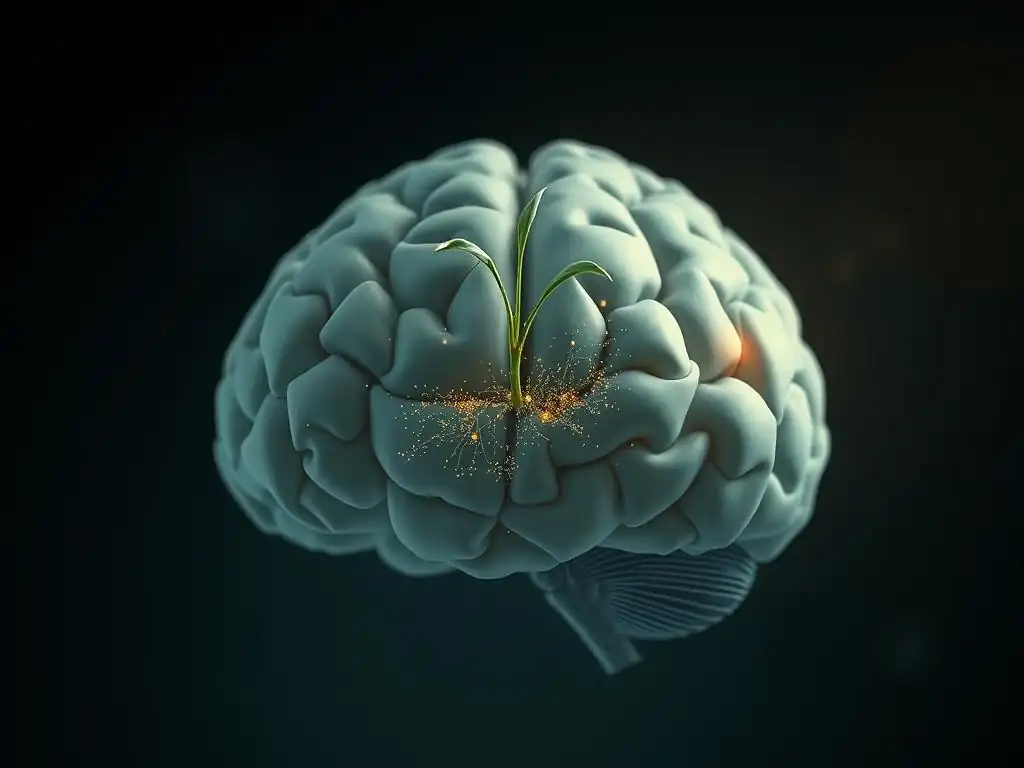
Defining Neuroplasticity and Its Relevance to Mental Health
Neuroplasticity, often referred to as brain plasticity, is the remarkable ability of the brain to reorganize itself throughout life. This involves forming new neural connections, weakening old ones, and even generating new neurons in some areas. The brain isn't a fixed structure; it constantly adapts in response to experiences, learning, and environmental demands. This capacity for change is fundamental to how we learn, remember, and recover from injury.
The concept of neuroplasticity is profoundly relevant to mental health. It offers hope that conditions like GAD, which involve maladaptive neural circuits, are not permanent and can be modified. If the brain can learn to be anxious, it can also learn to be less anxious. Therapeutic interventions like psychotherapy and lifestyle changes leverage neuroplasticity to rewire the brain's pathways, reducing the influence of anxious circuits and strengthening those associated with calm, resilience, and adaptive responses. Understanding this principle is key to applying GAD neuroplasticity management techniques effectively.
How Neuroplasticity Can Be Harnessed to Reduce Anxiety Symptoms
Harnessing neuroplasticity for GAD management involves intentionally engaging in activities and thought patterns that promote the growth and strengthening of neural pathways associated with reduced anxiety and improved emotional regulation. This means actively weakening the hyperactive fear circuits (like the amygdala's over-responsiveness) and strengthening the prefrontal cortex's ability to regulate these responses. It also involves building new, healthier habits of thinking and reacting.
For example, practicing mindfulness meditation can strengthen the brain regions associated with attention regulation and self-awareness, helping individuals notice anxious thoughts without getting swept away by them. Engaging in cognitive restructuring helps build new thought pathways that challenge negative predictions and appraisals. These GAD neuroplasticity management techniques work by providing repeated, consistent experiences that signal to the brain that the perceived threats are not real or manageable, gradually reshaping neural circuits.
Evidence for Neuroplastic Changes in Individuals with GAD
Research provides increasing evidence that the brains of individuals with GAD can change in response to therapy and other interventions, reflecting neuroplasticity. Studies utilizing fMRI have shown that successful treatment with Cognitive Behavioral Therapy (CBT) or SSRI medication can lead to reductions in amygdala activity and increased connectivity between the prefrontal cortex and the amygdala in individuals with GAD. One study, for instance, reported a significant decrease in amygdala reactivity to emotional stimuli after a course of CBT for GAD.
Furthermore, research on mindfulness-based interventions has shown increases in gray matter density in areas associated with self-awareness and emotional regulation, such as the insula and prefrontal cortex, in individuals with anxiety disorders who regularly practice meditation. While the brain differences in GAD contribute to the disorder, the evidence for neuroplastic changes provides a scientific basis for the effectiveness of GAD neuroplasticity management techniques, demonstrating that the brain can indeed be rewired for less anxiety.
GAD Neuroplasticity Management Techniques: Rewiring the Anxious Brain
Cognitive Behavioral Therapy (CBT) and Neuroplasticity: Changing Thought Patterns
Cognitive Behavioral Therapy (CBT) is one of the most widely supported and effective psychotherapies for GAD. It operates on the principle that our thoughts, feelings, and behaviors are interconnected, and by changing maladaptive thought patterns and behaviors, we can change how we feel. From a neuroplasticity perspective, CBT works by providing repeated experiences of challenging and restructuring anxious thoughts and engaging in behaviors that contradict anxious predictions. This process strengthens new neural pathways associated with more rational appraisals and adaptive responses, while weakening the old pathways that support chronic worry.
CBT specifically targets the cognitive distortions common in GAD, such as catastrophic thinking, overestimation of risk, and intolerance of uncertainty. By systematically identifying and challenging these negative automatic thoughts, individuals learn to replace them with more balanced and realistic perspectives. This active mental training is a powerful form of neuroplasticity management for GAD, as it directly influences the brain's cognitive circuits involved in worry and appraisal.
Identifying and Challenging Negative Automatic Thoughts
A core component of CBT for GAD involves becoming aware of negative automatic thoughts (NATs). These are the rapid, often unconscious, negative interpretations that pop into our minds in response to situations. For someone with GAD, NATs might include thoughts like "This headache means I have a brain tumor," "If I don't finish this task perfectly, I'll lose my job," or "Something terrible is going to happen to my child." Learning to identify these thoughts as they occur is the first step in gaining control over them.
Once identified, these NATs are challenged. This is not about simply telling yourself to "think positively," but rather examining the evidence for and against the thought. For instance, if the thought is "This headache means I have a brain tumor," the individual would consider: What is the evidence for this? (I have a headache). What is the evidence against this? (Headaches are common, I'm otherwise healthy, I've had headaches before that weren't tumors, doctors have told me I'm fine). This rigorous process of questioning the validity of anxious thoughts actively rewires the brain's appraisal system.
Cognitive Restructuring Techniques for GAD
Cognitive restructuring encompasses various techniques used to systematically challenge and change unhelpful thought patterns. One common technique is Socratic questioning, where a therapist uses questions to help the client examine their thoughts ("What's the worst that could happen? How likely is that, really? If that did happen, how would you cope?"). Another technique involves creating alternative, more balanced thoughts based on the evidence gathered.
For example, if the NAT is "I can't handle this uncertainty about the future," a more balanced thought might be "Uncertainty is a normal part of life, I have coped with uncertainty before, and I can develop skills to manage my feelings about it." Regularly practicing these cognitive restructuring techniques, perhaps daily through thought records or journaling, reinforces the new, more adaptive neural pathways, making them stronger and more automatic over time. This consistent practice is vital for GAD neuroplasticity management.
Mindfulness-Based Interventions: Training Attention and Reducing Worry
Mindfulness involves paying attention to the present moment without judgment. Mindfulness-based interventions (MBIs) like Mindfulness-Based Stress Reduction (MBSR) or Mindfulness-Based Cognitive Therapy (MBCT) teach individuals techniques such as meditation, body scans, and mindful movement to cultivate this awareness. For GAD, mindfulness helps by shifting attention away from future-oriented, hypothetical worries and towards present reality. It trains the brain to observe thoughts and feelings without getting entangled in them, reducing their power.
Neuroscience research supports the impact of mindfulness on brain structure and function. Studies show that regular mindfulness practice can lead to increased gray matter in areas associated with self-awareness, compassion, and emotional regulation, such as the insula and prefrontal cortex. It can also decrease the size and activity of the amygdala and strengthen the connections between the PFC and amygdala, improving the brain's ability to manage emotional responses. These changes are direct examples of how mindfulness acts as a GAD neuroplasticity management technique.
Mindfulness Meditation and Its Effects on Brain Activity
Mindfulness meditation typically involves focusing attention on a specific anchor, such as the breath, bodily sensations, or sounds, and gently bringing the attention back whenever the mind wanders. For someone with GAD whose mind constantly drifts to worries, this practice provides repetitive training in directing and sustaining attention. Each time the mind wanders to a worry and is gently guided back to the breath, it's like a 'rep' for the brain's attention-regulation circuits.
Functional MRI studies have shown that during mindfulness meditation, there is often decreased activity in the Default Mode Network (DMN), a brain network associated with mind-wandering and self-referential thought, which is often hyperactive in anxiety. Simultaneously, there is increased activity in areas related to focused attention. Over time, this practice can lead to a more stable and less reactive attentional system, making individuals less susceptible to getting caught in cycles of worry. A study involving an 8-week mindfulness program reported significant reductions in anxiety symptoms and corresponding changes in brain connectivity patterns in participants with GAD.
Cultivating Present Moment Awareness to Reduce Anxiety
Beyond formal meditation, cultivating present moment awareness throughout the day is a powerful practice for GAD. This involves intentionally bringing attention to what is happening right now – the taste of food, the feeling of water during a shower, the sounds of nature, the sensations in the body while walking. This practice counters the tendency in GAD to live predominantly in hypothetical future scenarios filled with potential threats.
By grounding oneself in the present, the brain is given a break from the constant 'what if' simulations. This repeated redirection of attention away from anxious rumination and towards concrete, present experience helps to weaken the neural pathways associated with chronic worry and strengthen those associated with engagement with reality. It teaches the brain that the present moment is often safe, providing a contrast to the perceived dangers of the imagined future. This shift in attentional habit is a fundamental aspect of using mindfulness as a GAD neuroplasticity management technique.
Exposure Therapy: Confronting Fears and Rewiring Fear Responses
Exposure therapy, while most commonly associated with phobias and OCD, can also be adapted for GAD, particularly for specific worries or situations that trigger intense anxiety. The core principle is confronting feared situations or thoughts in a safe, controlled environment, allowing the individual to learn that their feared outcome does not occur or that they can cope with the anxiety. From a neuroplasticity standpoint, exposure therapy works by creating new learning experiences that contradict the brain's stored fear associations. It helps to extinguish the conditioned fear response and build new, non-anxious responses.
Repeated exposure without the feared consequence occurring, or with the ability to tolerate the associated anxiety, weakens the neural connections that link the trigger (situation or thought) to the fear response (amygdala activation, physiological symptoms). Simultaneously, it strengthens pathways associated with safety, coping, and accurate risk assessment, often involving the prefrontal cortex and hippocampus. This direct confronting of anxiety is a potent form of GAD neuroplasticity management.
Gradual Exposure Techniques for GAD
For GAD, exposure might involve confronting situations that trigger worry, even if they don't fit the typical phobia model. This could include:
- Intentionally leaving a task unfinished for a short period if the worry is about imperfection or catastrophic consequences of not completing things immediately.
- Spending time with uncertainty, such as deliberately not checking news updates or emails for a set time if worry revolves around potential bad news.
- Engaging in social situations if social evaluation is a common worry theme, even if it's not social phobia.
These exposures are typically done gradually, starting with less anxiety-provoking situations and progressing to more challenging ones, often following a fear hierarchy. For example, someone worried about health might start by reading about mild symptoms of an illness they fear, then look at pictures, then perhaps visit a doctor for a non-urgent check-up. Each successful exposure reinforces the brain's learning that the situation is manageable and the anxiety decreases over time through habituation and new learning.
Imaginal Exposure for Intrusive Thoughts and Worries
Imaginal exposure involves vividly imagining feared scenarios or intrusive anxious thoughts. This is particularly relevant for GAD, where worries are often hypothetical and future-oriented ("What if my plane crashes? ", "What if I get a terrible illness? ", "What if I lose all my money?"). Instead of trying to suppress these thoughts (which often backfires), imaginal exposure involves intentionally bringing them to mind and staying with the associated anxiety until it naturally decreases.
By repeatedly confronting the feared thought or scenario in imagination, the brain learns that the thought itself is not dangerous and that the anxiety it triggers is tolerable and temporary. This process, known as habituation, reduces the emotional impact of the thought over time. For example, someone with health anxiety might repeatedly imagine receiving a feared diagnosis and coping with it. While initially distressing, this practice weakens the automatic link between the thought and intense panic, helping to rewire the brain's response to internal triggers. This is a key GAD neuroplasticity management technique for internal worries.
Lifestyle Modifications: Supporting Brain Health and Resilience
Beyond targeted therapeutic techniques, broader lifestyle changes play a significant role in supporting overall brain health and enhancing neuroplasticity, which in turn can help manage GAD. These modifications create an environment within the brain and body that is more conducive to reducing anxiety and building resilience. Consistent healthy habits provide the brain with the necessary resources and conditions to optimize its capacity for positive change.
Incorporating regular physical activity, maintaining a balanced diet rich in nutrients that support brain function, and prioritizing sufficient, quality sleep are fundamental pillars of GAD neuroplasticity management. These factors directly influence neurotransmitter levels, reduce inflammation, improve blood flow to the brain, and promote the production of growth factors like Brain-Derived Neurotrophic Factor (BDNF), which is essential for neurogenesis (the creation of new neurons) and synaptic plasticity.
The Role of Exercise in Promoting Neuroplasticity and Reducing Anxiety
Regular physical exercise is one of the most powerful boosters of neuroplasticity and has well-documented benefits for anxiety reduction. When we exercise, the brain releases BDNF, often called "Miracle-Gro" for the brain because it promotes the growth, survival, and function of neurons and synapses. Increased BDNF levels are associated with improved mood, cognitive function, and reduced anxiety.
Aerobic exercise, such as brisk walking, running, or swimming, performed consistently (e.g., 30 minutes most days of the week), has been shown in numerous studies to reduce anxiety symptoms in individuals with GAD. Exercise also helps regulate neurotransmitters like serotonin and norepinephrine and reduces stress hormones like cortisol. Furthermore, the rhythmic nature of some exercises can have a calming effect, providing a break from anxious thoughts. Incorporating regular exercise is a practical and evidence-based GAD neuroplasticity management technique.
Nutrition and Brain Health: Foods That Support Anxiety Management
A nutrient-rich diet provides the building blocks and fuel the brain needs to function optimally and support neuroplasticity. While no specific diet "cures" GAD, certain dietary patterns and nutrients are associated with better mental health outcomes. A diet rich in omega-3 fatty acids (found in fatty fish like salmon, walnuts, chia seeds), antioxidants (from fruits and vegetables), and B vitamins (from whole grains, leafy greens) can support brain health and reduce inflammation, which has been linked to mood disorders.
Conversely, diets high in processed foods, sugar, and unhealthy fats can negatively impact brain function and potentially exacerbate anxiety symptoms. Ensuring adequate intake of complex carbohydrates can help regulate blood sugar levels, preventing energy crashes that can worsen anxiety. The gut-brain axis is also increasingly recognized; consuming probiotics (like yogurt, kimchi) and prebiotics (from fiber-rich foods) can support a healthy gut microbiome, which in turn influences brain chemistry and mood. Making conscious dietary choices is a supportive GAD neuroplasticity management strategy.
Sleep Hygiene and Its Impact on Anxiety and Neuroplasticity
Sleep plays a critical role in brain function, memory consolidation, emotional regulation, and neuroplasticity. Chronic sleep deprivation or poor sleep quality, common in GAD, can exacerbate anxiety symptoms and impair the brain's ability to recover and adapt. During sleep, the brain consolidates memories, clears metabolic waste products, and strengthens or weakens synaptic connections based on the day's experiences.
Prioritizing sleep hygiene – consistent sleep and wake times, creating a dark and quiet sleep environment, avoiding caffeine and alcohol before bed, and establishing a relaxing bedtime routine – is essential for managing GAD. Getting 7-9 hours of quality sleep per night allows the brain to perform these restorative processes, which are vital for supporting the neuroplastic changes facilitated by other GAD neuroplasticity management techniques. Improving sleep can break a vicious cycle where anxiety causes poor sleep, and poor sleep worsens anxiety.
Practical Strategies for Implementing GAD Neuroplasticity Management Techniques
Creating a Personalized Neuroplasticity Plan for GAD
Implementing GAD neuroplasticity management techniques effectively requires a structured, personalized approach. Simply reading about these techniques is not enough; consistent practice is key to driving neuroplastic change. A personalized plan should start with identifying the specific symptoms and triggers of your GAD. Are your worries primarily about health, finances, relationships, or a mix? What situations or thoughts tend to escalate your anxiety?
Next, select one or two techniques to focus on initially that feel manageable and relevant to your challenges. For example, if your worry is driven by catastrophic thoughts, start with identifying and challenging negative automatic thoughts using a thought record. If you struggle with being present, begin with short daily mindfulness meditations. Integrate lifestyle changes like regular walks or improving sleep hygiene. The plan should outline what you will do, when, and how often, making it specific and actionable. For instance: "Practice mindful breathing for 5 minutes every morning" or "Complete a thought record for one worry each day."
Setting Realistic Goals and Tracking Progress
Setting realistic goals is crucial for maintaining motivation and seeing the effects of GAD neuroplasticity management over time. Neuroplastic change is a gradual process; it doesn't happen overnight. Instead of aiming for complete absence of anxiety immediately, set smaller, achievable goals, such as reducing the intensity of worry in a specific situation by a small percentage, increasing the duration of tolerance for uncertainty, or consistently practicing a technique for a set number of days per week.
Tracking progress provides valuable feedback and reinforces positive changes. This can involve journaling about your experiences, using a symptom tracker to rate anxiety levels in different situations, noting the frequency of using a coping skill, or simply reflecting weekly on what felt easier or different. Seeing tangible evidence, like a slight decrease in average daily worry rating after a month of consistent practice, provides encouragement and demonstrates the brain's capacity for change. This systematic approach helps solidify the benefits of GAD neuroplasticity management techniques.
Seeking Professional Guidance: Working with a Therapist or Counselor
While self-help resources can be valuable, working with a qualified mental health professional, such as a therapist or counselor experienced in treating anxiety disorders, is highly recommended for implementing GAD neuroplasticity management techniques. A therapist can provide an accurate diagnosis, help you understand the specific ways GAD affects your brain and behavior, and guide you in selecting and applying the most appropriate techniques for your unique situation.
Therapists trained in CBT, mindfulness-based therapies, or acceptance and commitment therapy (ACT) can teach you these skills effectively, provide support and accountability, and help you navigate challenges that arise during the process. They can also help tailor exposure exercises or cognitive restructuring to your specific worries and progress. Professional guidance ensures that you are using GAD neuroplasticity management techniques safely and effectively, maximizing your potential for recovery and long-term well-being.
Maintaining Long-Term Progress: Sustaining Neuroplastic Changes in GAD

Relapse Prevention Strategies: Identifying and Managing Triggers
Maintaining progress in managing GAD is an ongoing process that involves anticipating challenges and having strategies in place to manage potential setbacks. Relapse prevention begins with identifying your personal triggers – the specific situations, thoughts, or feelings that tend to increase your anxiety or reignite worry cycles. These might be external stressors (e.g., work pressure, family conflicts) or internal states (e.g., fatigue, uncertainty).
Developing a plan for managing these triggers is essential. This might involve proactively using coping skills when encountering a trigger, such as practicing mindful breathing during a stressful meeting or engaging in a cognitive restructuring exercise when a familiar worry thought arises. It also involves accepting that occasional periods of increased anxiety are normal and do not signify failure. Having a clear plan for what steps to take if anxiety flares up – perhaps reaching out to a therapist, increasing mindfulness practice, or prioritizing self-care – is a key component of sustaining the benefits of GAD neuroplasticity management techniques.
Building a Support System: Connecting with Others and Sharing Experiences
Social support plays a crucial role in mental health and resilience. Connecting with others who understand what you're going through can reduce feelings of isolation and provide encouragement. This might involve sharing your experiences with trusted friends or family members, participating in a support group for anxiety, or engaging in online communities. Hearing how others cope with GAD and the techniques they find helpful can offer new perspectives and reinforce your own efforts.
A strong support system can also provide practical assistance or simply a listening ear during challenging times, preventing minor setbacks from escalating into full relapses. Sharing your journey and celebrating small victories with others can strengthen your commitment to using GAD neuroplasticity management techniques. Knowing you are not alone in your efforts to rewire your brain can be incredibly empowering.
The Importance of Continued Practice and Self-Care
Neuroplasticity is driven by consistent experience and practice. Just as learning a new language or musical instrument requires ongoing effort, maintaining the positive changes in brain pathways associated with reduced anxiety requires continued engagement with the techniques you've learned. Viewing GAD management as an ongoing practice rather than a temporary fix is key to long-term success.
This means continuing to regularly practice mindfulness, challenge anxious thoughts, expose yourself to manageable uncertainties, prioritize sleep, exercise, and healthy eating, even when you are feeling well. Integrating these practices into your daily routine as habits makes them sustainable. Furthermore, prioritizing self-care – setting boundaries, engaging in enjoyable activities, allowing time for rest and recovery – helps buffer against stress and supports the brain's capacity for resilience and positive change. Consistent self-care reinforces the environment necessary for GAD neuroplasticity management techniques to remain effective.
Emerging Research on Neuroplasticity and GAD Treatment
Transcranial Magnetic Stimulation (TMS) as a Potential Adjunct Therapy
Transcranial Magnetic Stimulation (TMS) is a non-invasive brain stimulation technique that uses magnetic pulses to stimulate specific areas of the brain. It is currently approved for treating depression and Obsessive-Compulsive Disorder (OCD), and research is exploring its potential for other conditions, including anxiety disorders like GAD. From a neuroplasticity perspective, TMS is thought to induce changes in cortical excitability and connectivity in targeted brain regions, potentially modulating dysfunctional circuits involved in anxiety.
Early research on TMS for GAD is promising but still considered experimental. Studies are investigating whether stimulating specific areas, such as the prefrontal cortex, can improve its inhibitory control over the amygdala. For instance, some preliminary studies have shown reductions in anxiety symptoms following TMS treatment in individuals with GAD, along with observed changes in brain activity patterns. While not yet a standard treatment, TMS represents an exciting area of research into directly influencing brain pathways as a GAD neuroplasticity management technique.
The Role of Neurofeedback in Regulating Brain Activity and Reducing Anxiety
Neurofeedback is a type of biofeedback that allows individuals to see their brain activity in real-time and learn to self-regulate it. Sensors are placed on the scalp to measure electrical activity (EEG), and this information is displayed visually or audibly to the individual. For GAD, neurofeedback might involve training individuals to increase activity in brainwave patterns associated with relaxation and calm (e.g., alpha waves) or decrease activity in patterns associated with anxiety (e.g., high beta waves in certain regions).
The underlying principle is that by receiving real-time feedback on their brain state, individuals can learn to consciously shift their brain activity patterns, thereby promoting neuroplastic changes. For example, training might focus on increasing activity in the prefrontal cortex or decreasing activity in the amygdala. Some studies have shown positive results with neurofeedback for anxiety reduction, suggesting it could be a valuable GAD neuroplasticity management technique by directly teaching the brain to regulate its own activity, although more large-scale research is needed to establish its efficacy compared to standard treatments.
Conclusion: Empowering Individuals with GAD Through Neuroplasticity
Embracing the Potential for Change and Recovery
Living with Generalised Anxiety Disorder can feel overwhelming and immutable, as if chronic worry is a fixed part of who you are. However, the science of neuroplasticity offers a powerful counter-narrative: the brain's capacity for change means that recovery and significant reduction in anxiety symptoms are not just possible, but are supported by the very nature of our brain. Understanding that the anxious brain is not a static entity but a dynamic system capable of being rewired is incredibly empowering.
Embracing this potential involves shifting from a mindset of helplessness to one of active engagement in the process of change. It means recognizing that while GAD is a real and challenging condition, you have the ability to influence your brain's pathways through intentional practice of GAD neuroplasticity management techniques. This perspective instills hope and motivates consistent effort in applying the strategies that can lead to lasting relief from chronic worry.
Resources for Further Learning and Support
Embarking on the journey of managing GAD through neuroplasticity is a significant step towards reclaiming your well-being. To support this journey, numerous resources are available. These include reputable mental health websites providing detailed information on GAD and treatment options, books on CBT, mindfulness, and anxiety management, and guided meditation apps or programs.
Seeking professional help from therapists specializing in anxiety disorders is a crucial resource, offering personalized guidance and evidence-based techniques. Support groups, both in-person and online, provide a community where you can share experiences and gain support. Exploring these resources can deepen your understanding of GAD and neuroplasticity, equip you with practical tools, and connect you with others who are also working towards managing chronic worry and rewiring their anxious brains.
Frequently Asked Questions
What is Generalised Anxiety Disorder (GAD) and how does it relate to neuroplasticity?
GAD is a mental health condition characterised by excessive and persistent worry. Neuroplasticity is the brain's ability to reorganize itself by forming new neural connections, and it offers hope for managing GAD symptoms.
How can neuroplasticity be harnessed to manage GAD?
By engaging in specific mental exercises and lifestyle changes, individuals with GAD can retrain their brains to reduce anxious thoughts and behaviors. This leverages the brain's natural ability to adapt and change.
What are some GAD neuroplasticity management techniques described in the article?
The article likely details techniques such as mindfulness meditation, cognitive behavioral therapy (CBT) exercises focused on thought restructuring, and exposure therapy to reduce avoidance behaviors.
How long does it typically take to see results from using neuroplasticity-based techniques for GAD?
The timeline varies, but consistent effort over several weeks or months is usually required to observe noticeable changes. Patience and persistence are key to successful neuroplasticity-based interventions.
Is professional guidance necessary when applying neuroplasticity techniques for GAD?
While some techniques can be self-directed, working with a therapist or counselor experienced in CBT and neuroplasticity can provide personalized guidance and support, leading to more effective outcomes.
Final Reflection: Rewiring Worry: Neuroplasticity's Promise for GAD
The persistent grip of Generalized Anxiety Disorder (GAD) affects millions, yet the burgeoning field of neuroplasticity offers a powerful counterpoint to chronic worry. Understanding how our brains can change and adapt provides not just hope, but a concrete pathway towards managing this debilitating condition. This isn't about simply suppressing symptoms; it's about actively reshaping the neural pathways that fuel anxiety.
The exploration of neuroplasticity in relation to GAD has profoundly impacted my understanding of mental health, shifting the narrative from one of inherent limitations to one of empowering self-directed change. The brain is not a static organ; it is constantly changing and adapting in response to our experiences.
This quote encapsulates the core message of this article, highlighting the potential for positive transformation even in the face of seemingly intractable anxiety. The ongoing research in this area is truly inspiring, offering a tangible sense of hope to those struggling with GAD and demonstrating the incredible resilience of the human brain.
Now, consider your own anxieties. What repetitive thought patterns contribute to your worry? How can you consciously introduce new, healthier neural pathways through practices like mindfulness, cognitive behavioral therapy (CBT), or even simple lifestyle changes? This article has provided you with tools; it's now your turn to actively engage in the process of rewiring your brain. Embrace the power of neuroplasticity, and embark on a journey towards a calmer, more fulfilling life. You have the capacity to reshape your experience of anxiety; begin today.
Unleash Your Brain's Power: Conquer Chronic Worry
Thanks for taking the time to explore how neuroplasticity can help manage Generalized Anxiety Disorder. You've now gained valuable insights into reshaping your brain's response to worry. Let's put that knowledge into action!
- Prioritize one small, manageable step towards changing your anxious thought patterns today. This could be anything from practicing mindful breathing for five minutes to scheduling a calming activity.
- Share this article with someone who might benefit from understanding the power of neuroplasticity in managing anxiety. Let's spread awareness and support!
- Consider exploring guided meditation techniques specifically designed to enhance neuroplasticity – many free resources are available online.
Ready to start rewiring your brain for calm? What's one small change you can commit to making this week?