
The Neuroscience of Breaking Anxiety Habits Through Intentional Brain Rewiring

Welcome to Mind Care Guide, a space dedicated to nurturing your mental well-being.
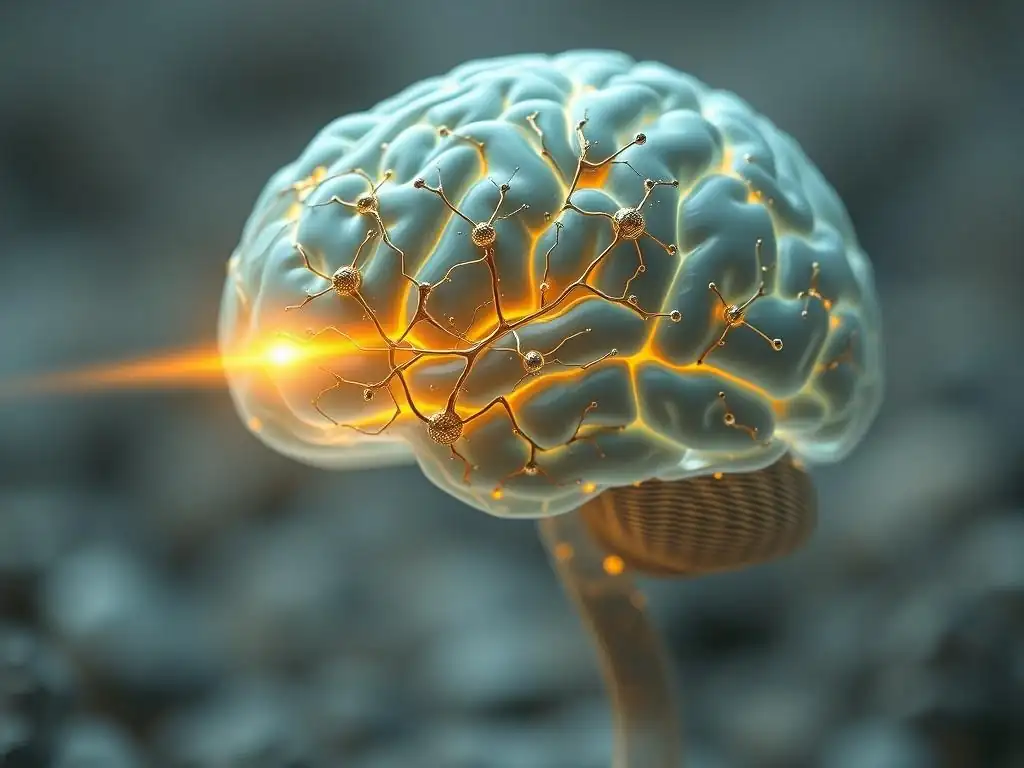
Feeling trapped by anxiety's grip? You're not alone. Explore the fascinating world of "Anxiety habit rewiring neuroscience" and discover how you can leverage the power of your brain's inherent plasticity to break free from anxiety's persistent patterns. Ready to understand the science behind lasting change and start rewiring your anxious habits?
The Neuroscience of Breaking Anxiety Habits Through Intentional Brain Rewiring
Anxiety, a pervasive mental health challenge, often manifests as repetitive thoughts, behaviors, and emotional responses that can feel deeply ingrained. These patterns, sometimes referred to as anxiety habits, can significantly impact daily life. However, emerging research in neuroscience offers a hopeful perspective: the brain is not static.
It possesses a remarkable ability to change and adapt, a phenomenon known as neuroplasticity. Understanding the neuroscience behind these anxiety habits and how to intentionally leverage the brain's rewiring capabilities can pave a path towards greater calm and control. This article delves into the intricate relationship between brain function and anxiety patterns, exploring how targeted strategies rooted in neuroscience can help break the cycle of anxiety habits.
- Understanding Anxiety Habits: A Neuroscience Perspective
- The Power of Neuroplasticity: Rewiring Your Brain for Anxiety Relief
-
Practical Strategies for Anxiety Habit Rewiring Through Neuroscience
- Identify Your Anxiety Triggers: The First Step to Brain Rewiring
- Mindfulness and Meditation: Training Your Brain for Calmness
- Cognitive Behavioral Therapy (CBT): Reshaping Thought Patterns and Reducing Anxiety
- Exposure Therapy: Facing Fears to Rewire Anxiety Responses
- The Role of Exercise and Nutrition in Brain Health and Anxiety Reduction
- Techniques for Intentional Brain Rewiring to Break Anxiety Habits
- The Science of Habit Formation and Breaking Anxiety Cycles
- Measuring Progress and Maintaining Long-Term Anxiety Relief Through Brain Rewiring
- The Future of Anxiety Treatment: Neuroscience-Based Approaches
- Conclusion: Embracing the Power of Neuroplasticity for Anxiety Habit Rewiring
-
Frequently Asked Questions
- What is anxiety habit rewiring neuroscience?
- How does the brain learn anxiety habits in the first place?
- What brain areas are most involved in anxiety habit formation?
- What are some practical techniques for rewiring anxiety habits based on neuroscience?
- How long does it typically take to rewire anxiety habits using neuroscience-based approaches?
- Final Reflection: Rewiring Your Mind, Rewiring Your Life
- Unlock Your Calm: Rewire Your Brain for Lasting Peace
Understanding Anxiety Habits: A Neuroscience Perspective
Anxiety, while a natural human emotion, can become problematic when it leads to persistent, often automatic, responses that are disproportionate to the actual threat. These ingrained patterns of thought, feeling, and behavior constitute what can be understood as anxiety habits. From constantly checking for reassurance to avoiding specific situations, these habits are not simply choices but are often driven by underlying neurological processes that have become reinforced over time. Recognizing these patterns as learned responses, wired into the brain, is the first step in applying the principles of neuroscience for anxiety habit rewiring.
Understanding anxiety from a neuroscience perspective reveals that these habits are deeply rooted in the brain's architecture and its learning mechanisms. It's not just a feeling; it's a series of interconnected neural pathways that have been strengthened through repeated experience. This neurological perspective is key to developing effective strategies for intentional brain rewiring aimed at reducing the grip of anxiety habits and fostering more adaptive responses.
What are Anxiety Habits? Defining Repetitive Anxiety Patterns
Anxiety habits are essentially learned, automatic sequences of thoughts, feelings, and behaviors that are triggered by specific cues and aimed at reducing perceived threat or discomfort, but which ultimately maintain or exacerbate anxiety. Think of the constant rumination about potential negative outcomes, the immediate urge to avoid social situations, or the compulsive need to perform certain rituals when feeling stressed.
These are not conscious decisions made anew each time, but rather well-worn neural pathways that are activated automatically. They represent the brain's attempt to cope with anxiety, often developed during times of stress or perceived danger, which have become maladaptive over time.
These repetitive patterns become habitual because they often provide immediate, albeit temporary, relief from anxious feelings. For example, avoiding a feared situation instantly reduces the discomfort associated with it. This immediate relief acts as a powerful reward, reinforcing the avoidance behavior and strengthening the neural connections associated with that habit loop. Over time, this makes the anxiety habit more automatic and harder to break, even when it's clear that the behavior isn't serving long-term well-being. Understanding these entrenched patterns is fundamental to applying neuroscience principles for effective anxiety habit rewiring.
The Neurological Basis of Anxiety: Brain Regions Involved
Anxiety is a complex experience involving a network of brain regions, not just one single area. The amygdala, often referred to as the brain's "fear center," plays a crucial role in detecting potential threats and initiating the body's stress response. Research consistently shows increased activity and sometimes altered structure in the amygdala in individuals with anxiety disorders. For instance, studies using fMRI (functional magnetic resonance imaging) have shown that the amygdala is hyper-responsive to perceived threats in anxious individuals compared to non-anxious controls.
Other key regions involved include the prefrontal cortex (PFC), particularly the ventromedial PFC, which is involved in regulating emotions and evaluating risks. In anxiety, there is often reduced activity or connectivity between the PFC and the amygdala, suggesting a weakened ability of the regulatory part of the brain to calm the alarm signals from the threat detection system.
The hippocampus, involved in memory formation and context processing, also plays a role; dysregulation here can lead to difficulty distinguishing between safe and dangerous situations, contributing to persistent anxiety. Understanding the interplay between these regions is vital for comprehending how anxiety becomes neurologically entrenched and how brain rewiring can target these specific areas.
How Anxiety Habits Form: The Brain's Learning Mechanisms
Anxiety habits are formed through the brain's powerful learning mechanisms, primarily involving association and reinforcement. When a person experiences anxiety in a particular situation (the cue), they often engage in a behavior (the routine) that provides temporary relief (the reward). This "habit loop" strengthens the neural connections between the cue and the routine. For example, feeling anxious in a social setting (cue) might lead to leaving early (routine), which immediately reduces discomfort (reward). The brain learns that leaving early is an effective way to alleviate social anxiety in that context.
This learning process is mediated by neurochemical changes, particularly involving neurotransmitters like dopamine, which is associated with reward and motivation. The release of dopamine when an anxiety-reducing behavior is performed, even if maladaptive in the long run, reinforces the neural pathway for that habit. Over time, this pathway becomes highly efficient and automatic. The neuroscience of anxiety habit rewiring focuses on understanding these loops to intentionally build new, healthier pathways that compete with and eventually override the old anxiety-driven ones.
The Power of Neuroplasticity: Rewiring Your Brain for Anxiety Relief
For decades, the prevailing view was that the adult brain was largely fixed in its structure and function. However, revolutionary discoveries have shown that the brain is remarkably dynamic and capable of change throughout life. This inherent malleability is known as neuroplasticity. This understanding fundamentally shifts how we view and treat conditions like anxiety, offering a powerful framework for recovery. If anxiety habits are learned and wired into the brain, then neuroplasticity provides the biological basis for unlearning those habits and establishing new, healthier patterns.
Harnessing the power of neuroplasticity is central to effective anxiety habit rewiring. It means that through focused effort and specific practices, individuals can actively reshape their neural circuits, weakening the connections that support anxiety and strengthening those that promote calm, resilience, and adaptive coping. This isn't about simply "thinking positively"; it's about engaging in experiences and exercises that physically alter the brain's structure and function at a cellular and network level.
Neuroplasticity Explained: The Brain's Ability to Change
Neuroplasticity refers to the brain's lifelong ability to reorganize itself by forming new neural connections throughout life. This process allows neurons to compensate for injury and disease and to adjust their activities in response to new situations or changes in their environment. At a microscopic level, neuroplasticity involves changes in synaptic strength (how effectively one neuron communicates with another), the formation of new synapses, and even, in some limited areas like the hippocampus, the birth of new neurons (neurogenesis). When you learn a new skill, practice a language, or experience a new emotion, your brain is undergoing neuroplastic changes.
This capability is not limited to childhood; it persists, albeit sometimes at a slower pace, into adulthood and old age. The phrase "neurons that fire together, wire together," often attributed to neuroscientist Donald Hebb, encapsulates a core principle of neuroplasticity: repeated activation of a particular neural pathway strengthens the connections within that pathway. Conversely, pathways that are used less frequently tend to weaken. This principle is foundational to the neuroscience of anxiety habit rewiring, as it suggests that intentionally activating new, non-anxious responses can weaken the old anxiety pathways.
How Intentional Brain Rewiring Can Reduce Anxiety
Intentional brain rewiring for anxiety reduction involves consciously engaging in activities and thought patterns that promote the formation and strengthening of neural pathways associated with calmness, rational evaluation of threats, and adaptive coping responses. Instead of automatically following the anxiety habit loop (cue -> anxious routine -> temporary relief), intentional rewiring involves interrupting that loop and choosing a different response. For example, instead of avoiding a social situation (anxious routine), one might choose to stay and practice mindfulness techniques (new routine).
Over time, consistently choosing the new, non-anxious response weakens the old pathway and strengthens the new one. This leads to measurable changes in brain activity. Studies have shown that practices like mindfulness meditation can increase connectivity between the prefrontal cortex and the amygdala, enhancing the brain's ability to regulate fear responses. Similarly, cognitive behavioral therapy (CBT) helps restructure thought patterns, which corresponds to changes in neural circuits involved in evaluating and responding to stressful situations. This demonstrates how applying the principles of anxiety habit rewiring neuroscience can lead to tangible improvements in brain function and reduced anxiety.
Anxiety Habit Rewiring: Leveraging Neuroplasticity for Mental Wellness
Leveraging neuroplasticity for mental wellness, specifically for anxiety habit rewiring, means actively training your brain away from automatic anxious responses towards more flexible and resilient ones. It's an active process that requires consistent effort, much like learning any new skill. This process isn't about erasing the brain's ability to experience anxiety altogether – anxiety is a necessary survival mechanism – but about regaining control over excessive or disproportionate anxious reactions.
Effective anxiety habit rewiring involves understanding the specific neural pathways associated with your anxiety habits and then systematically engaging in practices that build alternative, healthier pathways. This can involve behavioral changes, cognitive restructuring, mindfulness, and other therapeutic approaches. The goal is to make the desired, non-anxious responses the new default, reducing the automaticity and intensity of the old anxiety habits. This application of neuroscience to mental health offers a powerful framework for recovery and building long-term resilience.
Practical Strategies for Anxiety Habit Rewiring Through Neuroscience
Armed with the understanding of neuroplasticity and the neurological basis of anxiety habits, individuals can employ practical strategies designed to intentionally rewire their brains. These strategies are not mere coping mechanisms; they are active interventions aimed at modifying neural circuits. By consistently practicing these techniques, individuals can weaken the pathways that drive anxiety habits and strengthen those that support calm, rational thought, and adaptive behavior. This section explores several evidence-based approaches rooted in the principles of anxiety habit rewiring neuroscience.
Implementing these strategies requires patience and persistence, as changing ingrained neural pathways takes time and repetition. However, the scientific evidence supporting the brain's capacity for change provides a strong foundation of hope. By actively engaging in these practices, individuals are not just managing symptoms; they are fundamentally altering the brain's response to anxiety triggers, leading to more sustainable relief.
Identify Your Anxiety Triggers: The First Step to Brain Rewiring
Identifying your specific anxiety triggers is a crucial first step in anxiety habit rewiring. Triggers are the cues that initiate the anxiety habit loop. They can be external (e.g., a specific place, person, or situation) or internal (e.g., a thought, feeling, or physical sensation). From a neuroscience perspective, triggers are the stimuli that activate the ingrained neural pathways associated with your anxiety habits. For example, receiving an email from your boss (external trigger) might immediately activate pathways leading to catastrophic thinking and physical tension (anxious routine).
Keeping a journal can be highly effective in pinpointing these triggers and the subsequent anxiety habits. Note down when you feel anxious, what was happening just before, how you reacted (thoughts, feelings, behaviors), and what the outcome was. This process helps you become more aware of the automaticity of the habit loop and the specific cues that initiate it. Once triggers are identified, you can then consciously choose to respond differently, initiating the process of building new neural pathways and weakening the old ones, a core element of anxiety habit rewiring neuroscience.
Mindfulness and Meditation: Training Your Brain for Calmness
Mindfulness and meditation are powerful tools for anxiety habit rewiring because they directly influence brain activity and structure. Regular mindfulness practice involves paying attention to the present moment without judgment. This trains the prefrontal cortex to become more active, enhancing its ability to regulate the amygdala's response to perceived threats. Studies using fMRI have shown that long-term meditators exhibit structural changes, such as increased gray matter density in areas associated with attention, interoception (awareness of internal bodily states), and emotional regulation, including the prefrontal cortex and insula.
Furthermore, mindfulness helps individuals observe their anxious thoughts and feelings without automatically reacting to them or getting swept away by them. This creates a space between the trigger and the habitual anxious response, allowing for a conscious choice of a different behavior. By repeatedly choosing not to engage with anxious rumination or automatic avoidance, individuals weaken the neural pathways associated with these habits and strengthen those associated with present-moment awareness and non-reactivity.
A study published in Psychological Science in 2013 showed that just a few weeks of mindfulness training led to reduced amygdala activity in response to negative stimuli. This demonstrates the tangible neurological impact of these practices on anxiety habit rewiring.
Cognitive Behavioral Therapy (CBT): Reshaping Thought Patterns and Reducing Anxiety
Cognitive Behavioral Therapy (CBT) is a widely effective therapy for anxiety disorders, and its success is rooted in its ability to facilitate brain rewiring. CBT helps individuals identify and challenge maladaptive thought patterns (cognitive distortions) that contribute to anxiety. For example, someone with social anxiety might automatically assume others are judging them negatively. CBT helps them examine the evidence for this thought and consider alternative, more balanced perspectives. This process of challenging and restructuring thoughts directly influences the neural circuits involved in evaluating social cues and potential threats.
By consistently practicing identifying and modifying anxious thoughts, individuals weaken the neural pathways associated with those thoughts and strengthen pathways associated with more rational and realistic thinking. Behavioral components of CBT, such as gradually facing feared situations (exposure), also contribute significantly to brain rewiring.
Research using neuroimaging has shown that successful CBT treatment for anxiety disorders is associated with changes in activity and connectivity within the fear network, including reduced amygdala activation and increased connectivity between the prefrontal cortex and the amygdala, reflecting enhanced top-down regulation. This underscores how CBT operates as a form of intentional anxiety habit rewiring based on neuroscience principles.
Exposure Therapy: Facing Fears to Rewire Anxiety Responses

Exposure therapy is a highly effective behavioral technique for anxiety that directly targets the fear response and promotes brain rewiring. It involves gradually and systematically exposing individuals to their feared objects or situations in a safe and controlled environment, without engaging in their typical anxiety habits (like avoidance or seeking reassurance). The core principle is based on extinction learning – the process by which the brain learns that a previously feared stimulus is actually safe when the expected negative outcome does not occur.
From a neuroscience perspective, exposure therapy works by weakening the neural association between the feared stimulus and the fear response. Repeated exposure without negative consequences leads to a decrease in amygdala activity and a strengthening of inhibitory pathways, particularly involving the prefrontal cortex, which signal safety. For example, someone with a fear of public speaking might start by speaking in front of one person, then two, and gradually increase the audience size.
Each successful exposure without catastrophe helps the brain update its "threat assessment" for public speaking. Studies have shown that successful exposure therapy leads to enduring changes in brain activity patterns, demonstrating its power in anxiety habit rewiring by building new safety associations.
The Role of Exercise and Nutrition in Brain Health and Anxiety Reduction
While not therapeutic techniques in themselves, regular physical exercise and good nutrition play a vital supporting role in anxiety habit rewiring by promoting overall brain health and function. Exercise increases blood flow to the brain, which is essential for the health and function of neurons. It also promotes the production of neurotrophic factors, such as Brain-Derived Neurotrophic Factor (BDNF), which supports the growth, survival, and differentiation of neurons and synapses – processes crucial for neuroplasticity. Aerobic exercise, in particular, has been shown to enhance neurogenesis in the hippocampus, an area important for mood regulation and stress resilience.
Nutrition also significantly impacts brain function. A diet rich in omega-3 fatty acids, antioxidants, vitamins, and minerals provides the building blocks and support necessary for optimal neural communication and plasticity. Conversely, diets high in processed foods and sugar can contribute to inflammation and oxidative stress, potentially impairing brain function. By supporting brain health through exercise and nutrition, individuals create a more fertile ground for intentional anxiety habit rewiring efforts to be successful, enhancing the brain's capacity for change and resilience.
Techniques for Intentional Brain Rewiring to Break Anxiety Habits
Understanding the principles of neuroplasticity provides a roadmap for actively engaging in techniques that promote intentional brain rewiring to break anxiety habits. These techniques leverage the brain's natural learning mechanisms to build new, healthier neural pathways that compete with and ultimately override the old, ingrained anxiety responses. This involves consciously directing attention, practicing new behaviors, and reinforcing desired outcomes.
Applying these techniques consistently is key. Just as anxiety habits were formed through repetition, breaking them requires repeated activation of the new, desired pathways. This section explores specific techniques grounded in neuroscience that can be incorporated into a strategy for anxiety habit rewiring.
Hebbian Learning and Anxiety: "Neurons that Fire Together, Wire Together"
The principle of Hebbian learning, "neurons that fire together, wire together," is fundamental to understanding how anxiety habits become deeply ingrained and how they can be rewired. Every time you experience a trigger and follow it with an anxious thought, feeling, or behavior, the neurons involved in that sequence fire together, strengthening the connections between them. This makes the pathway more efficient and automatic. For example, if seeing a crowded place consistently leads to thoughts of panic and the urge to escape, the neural circuit connecting "crowded place" with "panic/escape" becomes stronger.
Intentional brain rewiring for anxiety leverages this principle in reverse. By consciously choosing a different response when faced with an anxiety trigger – for instance, practicing deep breathing instead of escaping – you activate a new set of neural pathways. Repeatedly activating this new pathway ("crowded place" - deep breathing/staying calm
) weakens the old "crowded place" - panic/escape
pathway and strengthens the new one. This is the essence of anxiety habit rewiring neuroscience in action: using conscious effort to direct neural activity and reshape the brain's functional architecture.
Visualization and Mental Rehearsal: Shaping Future Responses to Anxiety
Visualization and mental rehearsal are powerful cognitive techniques that can aid in anxiety habit rewiring by activating and strengthening desired neural pathways even in the absence of the actual trigger. By vividly imagining yourself successfully navigating a feared situation while remaining calm and using adaptive coping skills, you are essentially rehearsing the desired response in your brain. This mental practice activates the neural circuits that would be involved in the actual situation, reinforcing the desired pattern.
Neuroscience research shows that visualizing an action can activate many of the same brain regions as actually performing the action, albeit often to a lesser extent. For someone with social anxiety, mentally rehearsing a conversation where they feel confident and at ease helps to strengthen the neural connections associated with calm social interaction, making it easier to access that state when facing a real social situation. This technique, grounded in the brain's ability to learn through simulation, is a valuable component of intentional brain rewiring for anxiety.
Positive Reinforcement: Rewarding New, Healthier Behaviors
Positive reinforcement is a key principle in behavioral psychology that also has a clear basis in neuroscience and is highly relevant to anxiety habit rewiring. When you engage in a new, non-anxious behavior in response to a trigger and experience a positive outcome or feeling (even if it's just a sense of accomplishment or reduced anxiety over time), the brain's reward system, involving dopamine pathways, is activated. This activation strengthens the neural connections associated with the new behavior, making it more likely to be repeated in the future.
For example, if you typically avoid public speaking due to anxiety, but you successfully give a short presentation and feel a sense of pride afterward, this positive feeling reinforces the behavior of public speaking. It doesn't mean the anxiety disappears instantly, but the positive reinforcement helps to build a stronger association between the trigger (public speaking opportunity) and the new routine (giving the presentation), competing with the old avoidance habit. Intentionally recognizing and celebrating small victories in overcoming anxiety habits provides this crucial positive reinforcement necessary for strengthening new neural pathways during brain rewiring.
Sleep Hygiene: Optimizing Brain Function for Anxiety Management
Adequate and quality sleep is not just restful; it is essential for optimal brain function, including processes critical for anxiety habit rewiring. During sleep, particularly REM sleep, the brain is actively involved in consolidating memories, processing emotions, and pruning unnecessary synaptic connections while strengthening important ones. Chronic sleep deprivation impairs the function of the prefrontal cortex, making it harder to regulate emotions and increasing the reactivity of the amygdala – essentially undermining the brain's capacity for managing anxiety and engaging in effective rewiring.
Ensuring good sleep hygiene – maintaining a regular sleep schedule, creating a relaxing bedtime routine, and ensuring a dark, quiet sleep environment – supports the brain's natural processes of consolidation and regulation. This optimizes the brain's ability to learn new, non-anxious responses, process emotional experiences effectively, and strengthen the neural pathways that support resilience. Prioritizing sleep is therefore a fundamental, albeit often overlooked, component in any strategy for anxiety habit rewiring based on neuroscience.
The Science of Habit Formation and Breaking Anxiety Cycles
Understanding the general science of habit formation provides a valuable framework for specifically addressing anxiety habits. Habits, whether positive or negative, share common neurological underpinnings. They are efficient shortcuts the brain creates to automate routine behaviors, freeing up cognitive resources for more complex tasks. While this is beneficial for many daily activities, it can be detrimental when the automated behavior is an anxiety response. Applying the science of how habits are formed and broken is directly applicable to anxiety habit rewiring.
Breaking an anxiety habit isn't about eliminating the brain's ability to form habits; it's about replacing an old, maladaptive habit with a new, healthier one. This involves disrupting the existing habit loop and consciously constructing a new one that leads to a different, more adaptive outcome. This process requires awareness, intentional effort, and consistent practice, all supported by the principles of neuroplasticity and anxiety habit rewiring neuroscience.
Understanding the Habit Loop: Cue, Routine, Reward in Anxiety
The "habit loop" is a concept popularized by Charles Duhigg in "The Power of Habit," but it is firmly grounded in neuroscience. It consists of three main components:
- Cue: A trigger that signals the brain to initiate a specific habit. For anxiety habits, this could be a specific situation, a thought, a feeling, or even a time of day.
- Routine: The behavior, thought pattern, or emotional response that automatically follows the cue. This is the anxiety habit itself (e.g., worrying excessively, avoiding a place, seeking reassurance).
- Reward: The positive outcome or feeling that reinforces the habit loop, making it more likely to occur in the future. For anxiety habits, the "reward" is often temporary relief from the anxious feeling, even though the habit is detrimental long-term.
From a neurological perspective, the cue activates a specific neural pathway leading to the routine, and the reward strengthens that pathway. This process occurs largely in areas like the basal ganglia, which are involved in habit formation, working in conjunction with the prefrontal cortex and other areas. Recognizing your specific cue-routine-reward loops is essential for targeted anxiety habit rewiring.
Interrupting the Anxiety Habit Loop: Creating New Pathways
Breaking an anxiety habit requires interrupting this automatic loop. This is where intentional effort and the principles of neuroplasticity come into play. The goal is to insert a new, desired routine between the cue and the potential reward (which, in this case, is the absence of the usual negative consequences or the presence of a more adaptive outcome).
For example, if the cue is "feeling stressed about work," the old routine might be "endless rumination leading to physical tension." Interrupting this involves recognizing the cue and consciously choosing a different routine, such as "taking 5 minutes for deep breathing" or "going for a short walk."
This interruption weakens the automatic link between the "feeling stressed" cue and the "rumination" routine. It requires conscious effort initially because the old pathway is stronger. However, by repeatedly choosing the new routine, you begin to build and strengthen a new neural pathway associated with a more adaptive response to stress. This process of actively choosing and practicing new responses is the core mechanism by which intentional brain rewiring disrupts anxiety habits.
Replacing Anxiety Habits with Positive Coping Mechanisms
The most effective way to break anxiety habits isn't just to stop the old behavior, but to replace it with a new, positive coping mechanism. The brain is wired for efficiency; simply trying not to do something is often less effective than training it to do something else instead.
When you replace an anxiety habit with a positive behavior, you are creating a competing habit loop that can eventually become the dominant response. If the cue is "feeling overwhelmed," replacing the habit of "procrastinating and worrying" with "breaking the task into small steps and starting with one" creates a new routine.
Neuroscience supports this approach. By consistently activating the neural pathways associated with the positive coping mechanism in response to the anxiety trigger, you strengthen these pathways. Over time, the new pathway becomes more efficient and the old anxiety pathway weakens due to lack of use. This deliberate replacement strategy is a powerful application of anxiety habit rewiring neuroscience, helping individuals build a repertoire of healthy responses that can effectively compete with and eventually override ingrained anxiety patterns.
Measuring Progress and Maintaining Long-Term Anxiety Relief Through Brain Rewiring
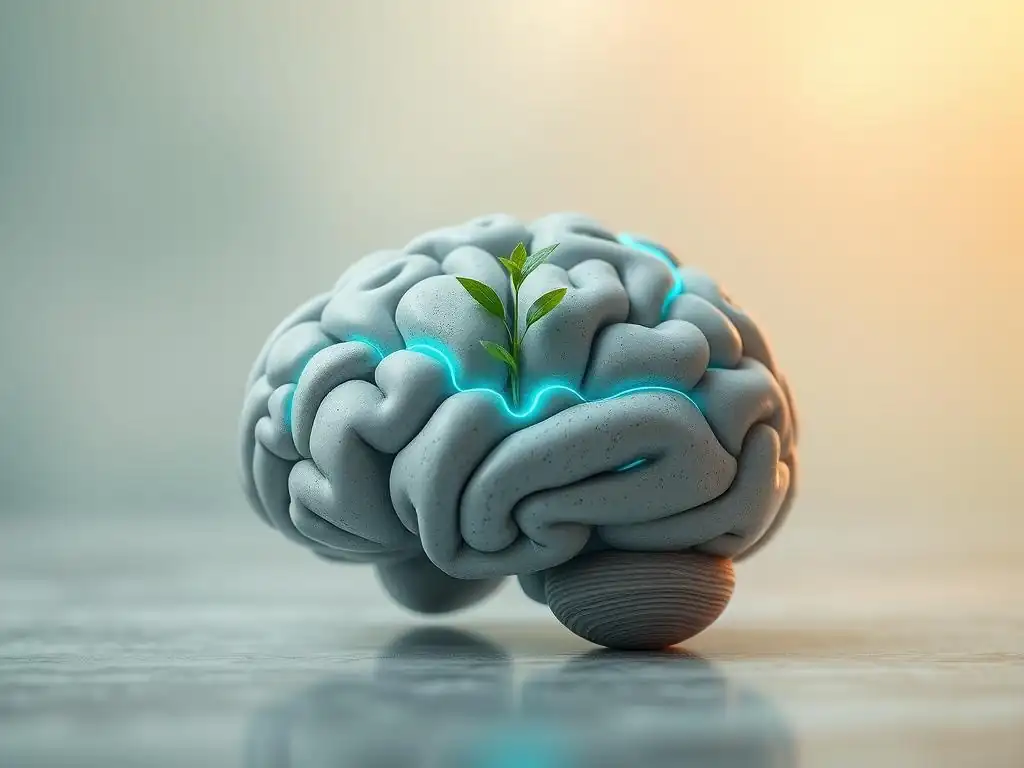
Intentional brain rewiring for anxiety is not a quick fix; it's a process that requires ongoing effort and monitoring. Measuring progress provides valuable feedback, reinforcing positive changes and helping identify areas that need more attention. Maintaining long-term relief involves solidifying the new neural pathways and developing strategies to prevent relapse into old anxiety habits. This final section explores how to track progress and sustain the benefits of brain rewiring.
Sustaining the changes achieved through anxiety habit rewiring is crucial for long-term mental wellness. It involves continuing to practice the new behaviors, being mindful of potential triggers, and having strategies in place to address challenges. This ongoing effort ensures that the newly built, healthier neural pathways remain strong and resilient.
Tracking Your Anxiety Levels and Identifying Patterns
Regularly tracking your anxiety levels and identifying ongoing patterns is essential for effective anxiety habit rewiring and maintaining progress. This can be done through journaling, using a mood tracking app, or simply rating your anxiety on a scale (e.g., 1-10) at different points throughout the day or when specific triggers occur. Note the date, time, situation, your anxiety level, the thoughts and feelings you experienced, the action you took (the routine), and the immediate outcome.
Reviewing these records helps you become more aware of lingering triggers, identify when old anxiety habits might be resurfacing, and see how your new coping strategies are working. For example, you might notice that your anxiety level when facing a specific trigger has decreased from an 8 to a 4 over several weeks of practicing a new response. This data provides concrete evidence of brain rewiring in action, reinforcing your motivation to continue the process. Tracking helps make the often subtle changes resulting from rewiring more visible and manageable.
Celebrating Small Victories: Reinforcing Positive Changes
Celebrating small victories is a simple yet powerful application of positive reinforcement for anxiety habit rewiring. Every time you successfully identify a trigger and choose a new, adaptive response instead of the old anxiety habit, you are strengthening a new neural pathway. Acknowledging these moments, no matter how small they seem, provides a dose of positive reinforcement that helps solidify the new behavior. This aligns with the brain's reward system; recognizing success releases neurochemicals that reinforce the preceding actions.
For instance, if your habit is to leave a social gathering early due to anxiety, and one evening you manage to stay for an extra 15 minutes while practicing mindful breathing, that's a significant victory. Take a moment to acknowledge your effort and success. This internal or external recognition reinforces the neural circuits involved in staying and coping. Celebrating progress, even incremental steps, fuels motivation and strengthens the brain's capacity for continued anxiety habit rewiring.
Seeking Professional Guidance: When to Consult a Therapist
While intentional brain rewiring techniques can be incredibly powerful, anxiety disorders are complex, and sometimes professional guidance is necessary. A therapist, particularly one trained in CBT, Exposure Therapy, or other evidence-based approaches, can provide personalized strategies, support, and accountability for anxiety habit rewiring. They can help you identify deeply ingrained patterns, safely guide you through exposure exercises, challenge cognitive distortions, and teach specific techniques tailored to your unique challenges.
Neuroscience supports the efficacy of these therapies in promoting beneficial brain changes. A therapist acts as a guide in the process of intentional brain rewiring, helping you navigate difficulties and maintain momentum. If your anxiety feels overwhelming, is significantly impacting your life, or you are struggling to implement self-guided techniques, seeking professional help is a sign of strength and a crucial step towards effective anxiety habit rewiring and long-term relief.
The Future of Anxiety Treatment: Neuroscience-Based Approaches
The rapid advancements in neuroscience are continuously shaping our understanding of anxiety and opening new avenues for treatment. As we gain deeper insights into the specific neural circuits involved in different types of anxiety and how neuroplasticity can be harnessed, the future of anxiety treatment is moving towards increasingly targeted and personalized interventions. This focus on the brain's capacity for change is revolutionizing therapeutic approaches.
The integration of neuroscience into clinical practice holds immense promise for developing more effective and efficient strategies for anxiety habit rewiring, offering hope for individuals seeking relief from the persistent grip of anxiety.
Emerging Research in Neuroplasticity and Anxiety Disorders
Emerging research continues to shed light on the intricate relationship between neuroplasticity and anxiety disorders. Studies are exploring the specific molecular and cellular mechanisms underlying maladaptive plasticity in anxiety, such as altered gene expression, changes in synaptic protein levels, and impaired neurogenesis. This deeper understanding could lead to the development of novel pharmacological or non-pharmacological interventions that directly target these biological processes to promote beneficial brain rewiring.
Furthermore, research is utilizing advanced neuroimaging techniques to better understand the brain changes that occur during successful treatment with therapies like CBT or mindfulness. Identifying the specific neural signatures of recovery can help refine existing treatments and develop new ones. For example, researchers are investigating whether certain baseline brain characteristics can predict who will respond best to specific types of anxiety habit rewiring interventions.
Personalized Brain Rewiring: Tailoring Treatments to Individual Needs
One of the exciting frontiers in anxiety treatment is the potential for personalized brain rewiring. Recognizing that while anxiety disorders share common features, the specific triggers, habits, and underlying neural patterns can vary significantly from person to person. Future treatments may involve assessing an individual's unique brain profile – perhaps using neuroimaging or other biomarkers – to tailor interventions specifically to their needs.
This could mean selecting the most appropriate therapeutic techniques (e.g., which type of exposure, which cognitive strategies) or combining different approaches in a way that is most likely to promote beneficial neuroplastic changes for that individual's specific anxiety habit patterns. Tailoring interventions based on a deeper understanding of the neuroscience of anxiety habit rewiring could lead to more efficient and effective treatment outcomes.
The Potential of Neurofeedback for Anxiety Reduction
Neurofeedback is a technique that allows individuals to see their brain activity in real-time and learn to modify it. While still an area of active research, neurofeedback holds potential as a neuroscience-based approach for anxiety reduction and brain rewiring. For example, individuals might be trained to increase activity in brain regions associated with calmness and regulation (like the prefrontal cortex) or decrease activity in regions associated with fear processing (like the amygdala).
By providing real-time feedback on brain activity, neurofeedback allows individuals to learn, through trial and error, the mental strategies or states that correspond to desired changes in brain function. This direct training of brain activity patterns could potentially facilitate targeted anxiety habit rewiring, helping individuals gain more direct control over their physiological and emotional responses to triggers. Research is ongoing to determine its efficacy and optimal application for various anxiety disorders.
Conclusion: Embracing the Power of Neuroplasticity for Anxiety Habit Rewiring
Anxiety habits, those deeply ingrained patterns of thought, feeling, and behavior, can feel automatic and insurmountable. However, the science of neuroplasticity offers a profoundly hopeful message: your brain is capable of change. Understanding the neuroscience of anxiety habit formation reveals that these patterns are learned and wired into the brain, but the same principles of learning and plasticity can be applied to break free from them. Intentional brain rewiring is not a passive process; it is an active engagement with your brain's capacity to change, allowing you to build new, healthier pathways that promote calmness and resilience.
By identifying triggers, employing evidence-based strategies like mindfulness, CBT, and exposure therapy, prioritizing brain health through exercise and nutrition, and utilizing techniques rooted in Hebbian learning and positive reinforcement, individuals can systematically weaken the neural circuits supporting anxiety habits and strengthen those supporting adaptive responses. This journey requires patience, persistence, and self-compassion, but the scientific evidence confirms that lasting change is possible through dedicated effort in anxiety habit rewiring.
Key Takeaways: Rewiring Your Brain for a Calmer Life
- Anxiety habits are learned, automatic patterns driven by reinforced neural pathways in the brain.
- Neuroplasticity is the brain's ability to change and reorganize itself throughout life, providing the biological basis for breaking anxiety habits.
- Intentional brain rewiring involves actively engaging in practices that weaken anxiety-associated pathways and strengthen healthier ones.
- Strategies like identifying triggers, mindfulness, CBT, exposure therapy, exercise, and good nutrition all support brain rewiring for anxiety relief.
- Hebbian learning ("neurons that fire together, wire together") explains how both anxiety habits form and how new, non-anxious responses can be strengthened.
- Tracking progress and celebrating small victories reinforces positive changes and motivates continued effort in anxiety habit rewiring.
- Seeking professional guidance is a valuable step for navigating complex anxiety patterns and optimizing brain rewiring efforts.
- The future of anxiety treatment is increasingly focused on neuroscience-based approaches that leverage neuroplasticity for personalized and effective interventions.
Embracing the power of neuroplasticity means recognizing that you have the capacity to reshape your brain and, in doing so, reshape your experience of anxiety.
Further Resources for Learning More About Neuroplasticity and Anxiety
To deepen your understanding of the neuroscience of anxiety habit rewiring and neuroplasticity, explore reputable resources such as academic journals focused on neuroscience, psychology, and psychiatry. Books by experts in the field of neuroplasticity and habit formation can offer accessible explanations of these complex concepts. Organizations dedicated to mental health research and advocacy often provide summaries of the latest scientific findings. Educational websites from universities and research institutions can also be valuable sources of information on the brain's capacity for change and its relevance to mental health conditions like anxiety.
Frequently Asked Questions
What is anxiety habit rewiring neuroscience?
Anxiety habit rewiring neuroscience refers to the use of principles of neuroscience to consciously change the neural pathways associated with anxiety-related habits. This involves understanding how the brain learns and unlearns behaviors to reduce anxiety symptoms.
How does the brain learn anxiety habits in the first place?
The brain learns anxiety habits through a process of associative learning, where certain triggers become linked to feelings of anxiety. This repetition strengthens the neural connections involved, creating a habitual anxiety response. These pathways are often reinforced through negative reinforcement.
What brain areas are most involved in anxiety habit formation?
Several brain areas play a crucial role, including the amygdala (processing fear), the hippocampus (memory formation), and the prefrontal cortex (executive function). Understanding these areas is key to targeted habit rewiring techniques.
What are some practical techniques for rewiring anxiety habits based on neuroscience?
Techniques include mindfulness exercises to increase awareness of triggers, cognitive reappraisal to challenge negative thoughts, and exposure therapy to gradually confront fears. These strategies help weaken existing pathways and build new, healthier ones.
How long does it typically take to rewire anxiety habits using neuroscience-based approaches?
The timeframe varies depending on the severity of the anxiety, individual differences, and consistency of practice. However, with dedicated effort and the right techniques, noticeable improvements can be seen within weeks to months.
Final Reflection: Rewiring Your Mind, Rewiring Your Life
The neuroscience of breaking anxiety habits isn't just a fascinating academic pursuit; it's a vital tool for reclaiming your mental well-being in a world increasingly saturated with stressors. Understanding how our brains form and reinforce anxiety patterns allows us to actively participate in the process of change, moving from passive sufferers to active architects of our own mental landscapes. This isn't about quick fixes or superficial solutions; it's about a fundamental shift in perspective and a commitment to intentional brain rewiring.
The impact of this research extends far beyond the individual. As we collectively unravel the complexities of anxiety and its neurological underpinnings, we foster a more compassionate and informed society. We move away from stigmatizing mental health struggles and towards a culture of understanding and support. The mind is everything. What you think you become.
– Buddha. This ancient wisdom finds powerful validation in the modern science of neuroplasticity, highlighting the incredible capacity of the human brain to adapt and heal. This understanding empowers not only individuals struggling with anxiety but also those who seek to support them.
Now, consider your own relationship with anxiety. What habits have you identified that contribute to your anxious responses? What small, intentional steps can you take today to begin rewiring your brain towards greater calm and resilience? This journey of self-discovery and transformation requires patience, persistence, and self-compassion. But the rewards – a life lived with less anxiety and more freedom – are immeasurable. Embrace the power of neuroplasticity, and begin building the brain you've always wanted.
Unlock Your Calm: Rewire Your Brain for Lasting Peace
Thanks for diving into the neuroscience of anxiety and how to break free from its grip! You've just gained valuable insights into retraining your brain for lasting peace and calm. Now, it's time to put that knowledge into action.
Here are a few steps to help you get started:
- Implement one new mindfulness technique this week. Choose from the practices discussed—even just five minutes a day can make a significant difference. This is your key step towards rewiring your brain.
- Share this article with someone you know who struggles with anxiety. Helping others can be incredibly empowering and strengthen your own practice.
- Consider journaling about your experiences with mindfulness and how you're feeling; noticing changes, both big and small, can reinforce the positive effects.
Ready to experience the transformative power of intentional brain rewiring? What small, consistent change will you implement this week to cultivate more calm in your life?