
How Negative Thinking Patterns Physically Reshape Your Brain for Anxiety


Welcome to Mind Care Guide, your sanctuary for understanding and nurturing your mental well-being.
Are you feeling trapped by persistent negative thoughts? It's more than just a feeling; it's a process that can actually reshape your brain and amplify anxiety. In this eye-opening exploration of negative thinking, anxiety, and brain reshaping, we delve into the neuroscience behind these patterns, offering practical insights and actionable strategies to reclaim control. Ready to understand how your thoughts impact your brain and begin building a more resilient you? Let's explore.
- How Negative Thinking Patterns Physically Reshape Your Brain for Anxiety: A Mind Care Guide
- The Physical Impact of Negative Thinking on the Anxious Brain
- Negative Thinking Anxiety Brain Reshaping: Specific Patterns and Their Effects
- Breaking the Cycle: Rewiring Your Brain for Reduced Anxiety
- Practical Strategies for Counteracting Negative Thinking and Promoting Positive Brain Changes
- The Long-Term Benefits of Positive Brain Rewiring for Anxiety
- Conclusion: Taking Control of Your Thoughts and Reshaping Your Brain for a Calmer Mind
-
Frequently Asked Questions
- How does negative thinking contribute to anxiety, according to the article?
- What does the article mean by "brain reshaping" in the context of negative thinking and anxiety?
- Can the effects of negative thinking on the brain be reversed?
- What role does neuroplasticity play in both creating and overcoming anxiety related to negative thinking?
- What are some practical steps one can take to combat negative thinking and alleviate anxiety, based on the "Mind Care Guide" approach?
- Final Reflection: The Malleable Mind: Rewiring Your Brain for Calm
- Unleash Your Brain's Resilience: Reclaim Your Calm
How Negative Thinking Patterns Physically Reshape Your Brain for Anxiety: A Mind Care Guide
The Brain's Role in Anxiety Disorders: An Overview
Anxiety disorders are complex conditions involving dysregulation in various brain regions responsible for processing fear, emotion, and cognitive control. Key areas implicated include the amygdala, the prefrontal cortex, the hippocampus, and the anterior cingulate cortex. These regions form interconnected circuits that, when functioning typically, help us assess threats, regulate our emotional responses, and learn from experiences. However, in anxiety disorders, these circuits often become hyperactive or underactive, leading to persistent worry, fear, and physical symptoms. Understanding this underlying neural basis is crucial to appreciating how our thoughts can influence our mental state.
Scientific research, often utilizing fMRI scans, has consistently shown altered activity in these brain regions in individuals diagnosed with generalized anxiety disorder (GAD), panic disorder, and social anxiety disorder. For instance, the amygdala, often dubbed the brain's 'fear center', frequently shows heightened reactivity to perceived threats, even minor ones. Simultaneously, areas of the prefrontal cortex responsible for executive functions like planning and emotional regulation may exhibit reduced activity or connectivity with the amygdala, impairing the brain's ability to dampen the fear response. This imbalance creates a fertile ground for the development and perpetuation of anxious feelings and thought patterns.
Neuroplasticity: How Your Brain Adapts to Experience
Neuroplasticity is the remarkable ability of the brain to reorganize itself throughout life by forming new neural connections. It's the biological basis of learning and memory. Every thought, emotion, behavior, and experience triggers specific neural pathways, and repeated activation of these pathways strengthens the connections between neurons. Conversely, pathways that are used less frequently tend to weaken over time. This means the brain is not a static organ but is constantly being shaped and remodeled by our interactions with the world and, significantly, by our internal mental landscape, including our thoughts.
This principle of "neurons that fire together, wire together" is fundamental to understanding how negative thinking can impact the brain. When someone repeatedly engages in anxious or negative thought patterns, the neural circuits associated with these thoughts and the emotions they evoke become stronger and more easily activated. This process reinforces the negative thinking anxiety brain reshaping, making it easier for the brain to fall into these patterns in the future. It's like carving a path in a forest – the more you walk on it, the clearer and easier it becomes to traverse.
The Connection Between Negative Thinking and Brain Structure
Chronic negative thinking patterns are not just transient mental states; they have tangible effects on brain structure and function due to neuroplasticity. When a person habitually thinks negatively, they are repeatedly activating specific neural circuits linked to stress, fear, and rumination. Over time, this consistent activation can lead to observable physical changes in the brain, such as alterations in the size of certain regions, changes in the density of gray matter (which contains neuron cell bodies), and modifications in the connections between different brain areas.
For example, research suggests that prolonged exposure to stress and negative thought loops can contribute to changes in the amygdala, potentially leading to its enlargement and increased reactivity. Simultaneously, areas like the hippocampus, critical for memory and stress regulation, may show a reduction in volume. This negative thinking anxiety brain reshaping creates a feedback loop: the structural and functional changes in the brain make it more prone to negative thinking and anxiety, further solidifying the problematic patterns.
The Physical Impact of Negative Thinking on the Anxious Brain
How Negative Thoughts Trigger the Stress Response
Negative thoughts are powerful stimuli for the brain's stress response system, primarily the hypothalamic-pituitary-adrenal (HPA) axis. When a negative thought arises, especially one perceived as threatening ("What if I fail? ", "They must think I'm incompetent"), the brain interprets this as a potential danger. This triggers a cascade of physiological events: the hypothalamus signals the pituitary gland, which in turn signals the adrenal glands to release stress hormones, most notably cortisol and adrenaline. These hormones prepare the body for 'fight or flight,' increasing heart rate, blood pressure, and muscle tension.
Even if the perceived threat exists only in the mind, the body reacts as if it were real. Chronic exposure to these stress hormones due to persistent negative thinking can have detrimental effects on the brain and body. High levels of cortisol, for instance, have been implicated in damaging neurons, particularly in the hippocampus, and disrupting neurotransmitter systems. This constant state of physiological alert, fueled by negative thought patterns, contributes significantly to the physical symptoms of anxiety and reinforces the negative thinking anxiety brain reshaping process.
The Amygdala's Role in Anxiety and Fear Conditioning
The amygdala is a pair of almond-shaped structures deep within the brain's temporal lobes, playing a central role in processing emotions, particularly fear and anxiety. It acts as a rapid-response system, quickly evaluating incoming sensory information for potential threats and initiating a fear response before conscious thought even occurs. In individuals prone to anxiety, the amygdala can become hyperactive, overreacting to neutral or mildly negative stimuli as if they were highly dangerous. This heightened sensitivity means that even subtle negative thoughts can trigger a strong fear signal.
Repeated negative experiences and thoughts effectively 'train' the amygdala to be more reactive, a process known as fear conditioning. Studies using neuroimaging have shown increased amygdala activity in response to fear-inducing images or situations in anxious individuals compared to non-anxious controls. Chronic negative thinking provides a continuous stream of 'threat' signals, constantly activating and strengthening the amygdala's fear response pathways, thereby contributing significantly to the negative thinking anxiety brain reshaping that underlies persistent anxiety.
The Prefrontal Cortex and its Diminished Control Over Negative Emotions
The prefrontal cortex (PFC), located at the front of the brain, is responsible for higher-level cognitive functions, including decision-making, planning, working memory, and, crucially, regulating emotions. It acts as the brain's executive control center, capable of evaluating the signals from the amygdala and determining whether a perceived threat is real or requires a less intense response. In a healthy brain, the PFC can dampen excessive fear or anxiety responses generated by the amygdala.
However, in individuals with chronic anxiety and pervasive negative thinking, the connection and communication between the PFC and the amygdala can become impaired. Research indicates that the ventromedial prefrontal cortex (vmPFC), specifically involved in inhibiting fear responses, may show reduced activity or connectivity with the amygdala. This diminished control means the PFC is less effective at modulating the amygdala's heightened activity, allowing fear and negative emotions to persist and dominate. This weakened top-down regulation is a key component of the negative thinking anxiety brain reshaping observed in anxiety disorders.
Reduced Hippocampal Volume: Memory and Emotional Regulation
The hippocampus, another key structure within the temporal lobe, is vital for forming new memories, spatial navigation, and plays a significant role in regulating the stress response. It helps contextualize fear memories and signals the HPA axis to shut down the stress response once a threat has passed. The hippocampus is particularly vulnerable to the effects of chronic stress hormones like cortisol.
Numerous studies, including meta-analyses of neuroimaging data, have consistently reported reduced hippocampal volume in individuals with chronic stress, depression, and anxiety disorders. For example, some studies suggest an average reduction in hippocampal volume ranging from 5% to 15% in populations with long-term GAD or PTSD compared to healthy controls. This reduction is believed to impair the hippocampus's ability to regulate the stress response effectively and process emotional memories, making individuals more susceptible to persistent anxiety and difficulty recovering from stressful experiences. This structural change is a significant manifestation of negative thinking anxiety brain reshaping.
Negative Thinking Anxiety Brain Reshaping: Specific Patterns and Their Effects
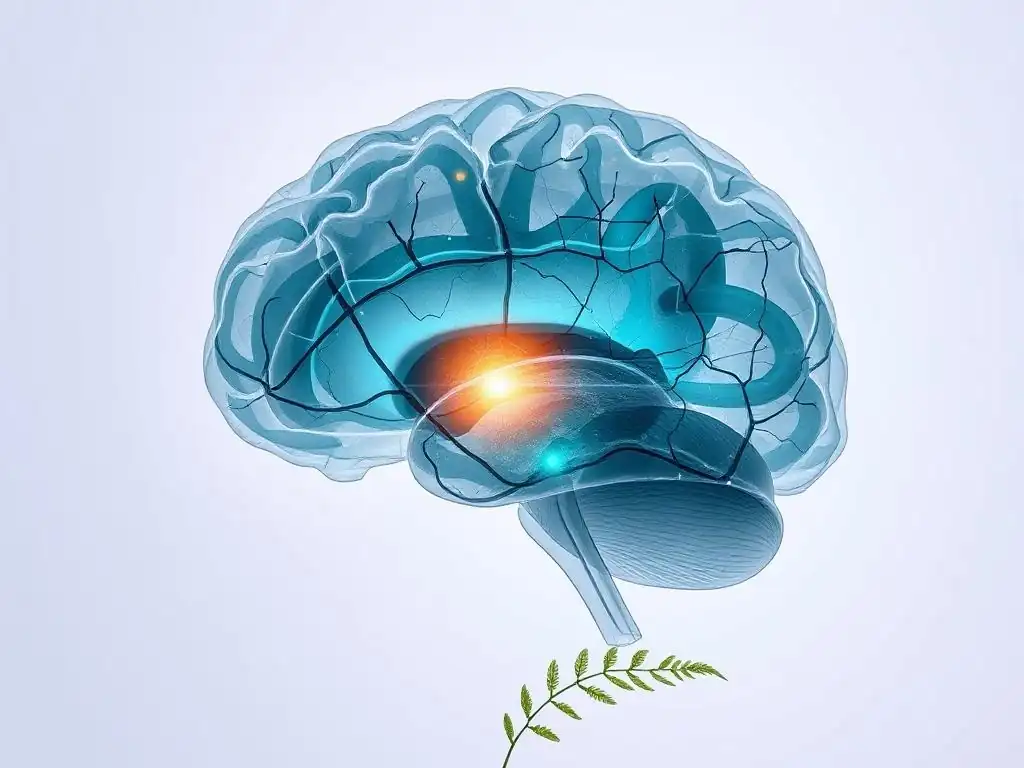
Catastrophizing: Imagining the Worst-Case Scenario
Catastrophizing is a cognitive distortion where individuals anticipate the worst possible outcome, often viewing even minor setbacks as potential disasters. For example, receiving a slightly critical email might lead to thoughts like "I'm going to be fired, and then I'll never find another job and lose my house." This pattern involves activating brain circuits associated with fear and threat processing at an extremely high level, even when the actual situation poses little danger.
Repeated catastrophizing reinforces the neural pathways linked to extreme fear and panic. This constant state of alarm keeps the amygdala in a hyper-vigilant state and further weakens the PFC's ability to introduce realistic perspective. The brain becomes wired to jump immediately to worst-case scenarios, making it difficult to evaluate situations rationally. This specific form of negative thinking anxiety brain reshaping contributes significantly to panic attacks and pervasive worry.
Overgeneralization: Drawing Broad Conclusions from Single Events
Overgeneralization involves taking a single negative event and concluding that it is part of a never-ending pattern of defeat or negative outcomes. For instance, a single rejection on a date might lead to the thought, "I'll always be alone." This cognitive error causes the brain to associate a wide range of situations with negative outcomes based on limited evidence.
This pattern strengthens neural connections that link diverse stimuli to negative emotional responses. It trains the brain to anticipate negativity across different contexts, reducing flexibility in thinking and increasing baseline anxiety levels. By constantly applying negative labels based on isolated incidents, overgeneralization hardens the negative thinking anxiety brain reshaping, making it harder to see possibilities for positive change or success.
Mental Filtering: Focusing on Negatives and Ignoring Positives
Mental filtering, sometimes called 'selective abstraction', involves focusing exclusively on the negative aspects of a situation while ignoring any positive or neutral information. For example, someone might receive ten positive comments on a presentation and one critical one, yet only dwell on the criticism, dismissing the praise. This distortion trains the brain to actively seek out and prioritize negative data.
This cognitive bias reinforces neural circuits associated with negativity and diminishes those related to positive processing. By constantly activating the 'negative' pathways and neglecting the 'positive' ones, the brain becomes more attuned to potential threats and flaws, while positive experiences fail to make a lasting neural impact. This skewed processing significantly contributes to the negative thinking anxiety brain reshaping, maintaining a pessimistic outlook and increasing vulnerability to anxiety.
Personalization: Taking Blame for Events Beyond Your Control
Personalization is the tendency to attribute external events, especially negative ones, to oneself, even when there is no basis for doing so. For example, assuming a colleague's bad mood is because of something you did, even if you had no interaction with them that day. This pattern involves the self-referential areas of the brain becoming excessively involved in interpreting external events negatively.
This distortion strengthens neural connections that link external stressors to internal feelings of guilt, shame, or inadequacy. It keeps the individual in a constant state of potential blame, heightening anxiety about interactions and outcomes. By constantly internalizing external negativity, personalization hardens the negative thinking anxiety brain reshaping around self-blame and heightened threat perception.
The Impact of Chronic Negative Thinking on Brain Pathways
Chronic engagement in any of these negative thinking patterns reinforces specific neural pathways. The more these patterns are repeated, the more efficient the brain becomes at executing them. This is the core mechanism of negative thinking anxiety brain reshaping. Pathways involving the amygdala, stress response systems, and areas associated with rumination (like parts of the medial prefrontal cortex and posterior cingulate cortex) become overactive and robust.
Simultaneously, pathways associated with positive emotions, rational evaluation (dorsolateral prefrontal cortex), and stress recovery (hippocampus, vmPFC) may become weaker or less connected. This imbalance creates a brain architecture that is predisposed to anxiety. The brain's default mode shifts towards vigilance, worry, and anticipating problems, making it challenging to break free from the cycle without conscious effort and targeted interventions.
Breaking the Cycle: Rewiring Your Brain for Reduced Anxiety
Cognitive Behavioral Therapy (CBT) and Negative Thought Modification
Cognitive Behavioral Therapy (CBT) is a highly effective therapeutic approach for anxiety disorders that directly targets negative thinking patterns. CBT operates on the principle that our thoughts, feelings, and behaviors are interconnected, and changing one can change the others. A core component of CBT involves identifying automatic negative thoughts (ANTs), challenging their validity, and replacing them with more realistic and balanced thoughts. This process is essentially an exercise in conscious negative thinking anxiety brain reshaping.
Through repeated practice of identifying and challenging ANTs, individuals learn to activate different neural pathways – those associated with rational evaluation in the prefrontal cortex – instead of automatically defaulting to amygdala-driven fear responses. This conscious effort to alter thought patterns helps weaken the overactive 'negative' pathways and strengthen the 'positive' or 'realistic' ones. Studies have shown that successful CBT treatment is associated with observable changes in brain activity and structure, including reduced amygdala reactivity and increased PFC control, providing neurobiological evidence for its rewiring effect.
Mindfulness and Meditation: Cultivating Present Moment Awareness
Mindfulness practices, such as meditation, involve intentionally bringing one's attention to the present moment without judgment. This practice helps individuals observe their thoughts and feelings as transient mental events rather than getting swept away by them. By observing negative thoughts from a distance, without automatically engaging with them or reacting emotionally, mindfulness helps to decouple the thought from the immediate stress response.
Regular mindfulness practice has been shown to induce significant negative thinking anxiety brain reshaping. Research indicates that meditation can lead to structural changes, such as increased gray matter density in areas associated with self-awareness, compassion, and emotional regulation (like the insula and prefrontal cortex), and potentially decrease amygdala size and activity over time. By training the brain to stay present and less reactive to internal stimuli, mindfulness helps build resilience against the automatic negative loops that fuel anxiety.
Neurofeedback: Training Your Brain to Regulate Emotional Responses
Neurofeedback is a type of biofeedback that provides real-time information about one's own brainwave activity. Through sensors placed on the scalp, an individual can see their brain activity displayed on a screen and learn to modify it, often with the goal of increasing desirable patterns (like calm focus) and decreasing undesirable ones (like excessive beta waves associated with anxiety). This is a direct method aimed at negative thinking anxiety brain reshaping at the level of brainwave patterns.
By providing immediate feedback on brain states associated with anxiety (often involving activity in the amygdala or specific cortical regions), neurofeedback allows individuals to learn strategies to regulate these states consciously. Over sessions, the brain learns to maintain more balanced activity patterns, improving emotional regulation and reducing reactivity to stressors. While the mechanisms are still being fully understood, neurofeedback offers a promising avenue for directly influencing the neural activity underlying negative thinking and anxiety.
Lifestyle Changes: Diet, Exercise, and Sleep for Brain Health
While not directly targeting specific thought patterns, fundamental lifestyle factors like diet, exercise, and sleep profoundly impact overall brain health and resilience, indirectly supporting negative thinking anxiety brain reshaping. A balanced diet rich in omega-3 fatty acids, antioxidants, and vitamins supports neuronal function and reduces inflammation, which can negatively affect brain health.
Regular physical exercise has been shown to promote neurogenesis (the creation of new neurons), particularly in the hippocampus, which is crucial for memory and stress regulation. Exercise also helps regulate neurotransmitters like serotonin and dopamine, improving mood and reducing anxiety. Adequate sleep is essential for memory consolidation, emotional processing, and allowing the brain to clear metabolic waste products. Chronic sleep deprivation exacerbates amygdala reactivity and impairs PFC function. Prioritizing these lifestyle elements creates a healthier brain environment, making it easier to implement strategies for modifying negative thoughts and promoting positive neural changes.
Practical Strategies for Counteracting Negative Thinking and Promoting Positive Brain Changes
Identifying and Challenging Negative Automatic Thoughts (NATs)
The first step in counteracting negative thinking is becoming aware of it. Practice monitoring your thoughts, especially in situations that trigger anxiety. Ask yourself: What am I thinking right now? Are these thoughts realistic? Common ANTs often fall into categories like 'all-or-nothing thinking,' 'fortune-telling,' or 'mind-reading.' Once identified, challenge the evidence for and against the thought. For example, if the thought is "I'm going to fail this presentation," ask: What is the actual evidence I will fail? What is the evidence I might succeed or do okay?
This process of identification and challenge is an active exercise in negative thinking anxiety brain reshaping. Each time you question an automatic negative thought and evaluate it rationally, you strengthen the neural pathways in your prefrontal cortex responsible for logical thinking and weaken the automatic link between the trigger and the anxious response in the amygdala. It requires consistent practice, but over time, the brain becomes more adept at this critical evaluation.
Developing Realistic and Balanced Thinking Patterns
Beyond simply challenging negative thoughts, actively work on developing more balanced and realistic perspectives. This involves considering alternative explanations for events and acknowledging shades of gray instead of viewing things in black and white. If you made a mistake, instead of "I'm a complete failure," a balanced thought might be "I made a mistake on this task, but I can learn from it, and it doesn't negate my other successes."
Consciously constructing and practicing balanced thoughts creates new, healthier neural pathways. By choosing to focus on evidence, probabilities, and alternative viewpoints, you are training your brain to respond to situations with greater flexibility and less emotional reactivity. This deliberate cultivation of realistic thinking is a powerful tool for promoting positive negative thinking anxiety brain reshaping.
Practicing Gratitude and Positive Affirmations
Intentionally focusing on positive aspects of your life through gratitude practices (like keeping a gratitude journal) or using positive affirmations can help shift your brain's focus. While it might feel forced initially, deliberately seeking out things to be grateful for activates different neural circuits than those used for worrying. Positive affirmations, when used mindfully, can help challenge deeply ingrained negative self-beliefs by repeatedly exposing the brain to counter-statements.
Research suggests that gratitude practices can influence brain activity in areas associated with social bonding and reward, potentially counteracting the isolation and threat-focus common in anxiety. Regularly activating these 'positive' pathways helps to build them up, providing a counterbalance to the overactive 'negative' pathways, contributing to positive negative thinking anxiety brain reshaping.
Connecting with supportive friends, family, or support groups is crucial for managing anxiety and promoting positive brain changes. Social interaction, especially supportive connection, can buffer the effects of stress and trigger the release of oxytocin, a hormone associated with bonding and calming effects. Sharing your feelings with others can also help you gain perspective on your negative thoughts.
Strong social connections activate brain regions involved in trust, empathy, and reward, helping to downregulate the stress response. Feeling supported reduces the brain's perception of being alone in facing threats, thereby lessening the burden on the amygdala and stress systems. This external support provides an environment conducive to internal negative thinking anxiety brain reshaping towards greater security and resilience.
The Long-Term Benefits of Positive Brain Rewiring for Anxiety
Improved Emotional Regulation and Resilience
Successfully engaging in strategies to modify negative thinking and promote positive brain changes leads to significant improvements in emotional regulation. As the prefrontal cortex gains better control over the amygdala, the brain becomes more adept at managing intense emotions like fear and worry. This results in less frequent and less intense emotional reactivity to stressors.
Increased resilience means the brain is better equipped to bounce back from challenging experiences. Instead of getting stuck in negative thought loops, the brain can more easily activate problem-solving and coping mechanisms. This improved ability to regulate emotions and recover from adversity is a direct benefit of intentional negative thinking anxiety brain reshaping.
Reduced Anxiety Symptoms and Panic Attacks
The most direct benefit of rewiring the anxious brain is a reduction in the frequency and severity of anxiety symptoms, including chronic worry, physical tension, and panic attacks. As the neural pathways associated with fear and stress become weaker and less easily triggered, the physiological and psychological manifestations of anxiety diminish.
For individuals who experience panic attacks, the ability to challenge catastrophic thoughts and regulate the stress response through strengthened PFC control can significantly reduce the likelihood and intensity of these episodes. This tangible decrease in symptoms is a powerful indicator of successful negative thinking anxiety brain reshaping.
Enhanced Cognitive Function and Focus
Chronic anxiety and negative thinking can impair cognitive functions such as concentration, memory, and decision-making. The constant state of vigilance and the brain's allocation of resources to threat detection can overwhelm cognitive resources. As the brain rewires towards calmness and reduced threat perception, these cognitive abilities often improve.
With less energy consumed by worry and rumination, the prefrontal cortex is better able to perform its executive functions. This leads to enhanced focus, improved memory consolidation (partially due to a healthier hippocampus), and clearer thinking. Positive negative thinking anxiety brain reshaping frees up cognitive capacity that was previously consumed by anxiety.
Increased Overall Well-being and Life Satisfaction
Ultimately, reshaping the brain away from negative thinking and anxiety pathways leads to a profound increase in overall well-being and life satisfaction. When the brain is less dominated by fear and worry, individuals are more able to experience positive emotions, engage fully in life, and pursue their goals without being held back by debilitating anxiety.
This shift allows for greater participation in social activities, increased enjoyment of everyday moments, and a more optimistic outlook on the future. The positive negative thinking anxiety brain reshaping not only reduces distress but actively cultivates a state of greater peace, contentment, and fulfillment.
Conclusion: Taking Control of Your Thoughts and Reshaping Your Brain for a Calmer Mind
Frequently Asked Questions
How does negative thinking contribute to anxiety, according to the article?
Negative thinking patterns can physically reshape your brain over time, making you more prone to anxiety. This happens because repeated negative thoughts strengthen neural pathways associated with fear and worry, leading to heightened anxiety responses.
What does the article mean by "brain reshaping" in the context of negative thinking and anxiety?
"Brain reshaping" refers to the neuroplasticity of the brain. Persistent negative thoughts cause changes in the brain's structure and function, reinforcing negative thought patterns and exacerbating anxiety symptoms.
Can the effects of negative thinking on the brain be reversed?
Yes, the article implies that it's possible to reverse the effects. Techniques like cognitive behavioral therapy (CBT) and mindfulness can help you identify and challenge negative thoughts, promoting positive brain changes.
Neuroplasticity is the brain's ability to reorganize itself. It allows negative thinking to strengthen anxiety-related pathways, but it also means we can actively reshape our brains by practicing positive and mindful thinking.
What are some practical steps one can take to combat negative thinking and alleviate anxiety, based on the "Mind Care Guide" approach?
The "Mind Care Guide" likely suggests techniques like identifying and challenging negative thoughts, practicing mindfulness, and seeking professional help like therapy. These methods can help to rewire the brain and reduce anxiety.
Final Reflection: The Malleable Mind: Rewiring Your Brain for Calm
The pervasive nature of negative thinking is not merely a mental hurdle; it's a neurological pathway actively reshaping your brain, increasing anxiety and impacting your physical well-being. This article explored the fascinating, and frankly alarming, connection between negative thought patterns and the physical alterations in brain structure associated with anxiety disorders. Understanding this link is the crucial first step towards reclaiming control over your mental landscape.
The ongoing influence of negative thinking on our society is undeniable, manifesting in everything from increased rates of anxiety and depression to the perpetuation of harmful societal narratives. It's a silent epidemic, subtly shaping our perceptions and actions. The mind is everything. What you think you become.
- Buddha. This ancient wisdom rings truer than ever in the light of modern neuroscience, highlighting the power we possess to actively reshape our brains through conscious thought. My own journey in understanding this connection has been transformative, leading me to prioritize mindfulness and cognitive restructuring techniques in my daily life.
You now possess the knowledge to begin actively reshaping your neural pathways. This isn't about magically erasing negative thoughts, but about cultivating awareness, challenging ingrained patterns, and consciously building new, healthier neural connections. Start small: notice your negative thoughts without judgment, challenge their validity, and replace them with more positive and realistic alternatives. Embrace practices like mindfulness meditation and cognitive behavioral therapy (CBT). Your brain is remarkably plastic; it's capable of incredible change. Take the first step today, and begin the journey towards a calmer, more resilient you.
Unleash Your Brain's Resilience: Reclaim Your Calm
Thanks for taking the time to explore the powerful connection between negative thoughts and anxiety. You've now uncovered valuable insights into how your brain adapts to negativity—and how you can change that! Ready to take control?
- Prioritize a single positive affirmation today: Choose one positive thought to actively repeat throughout the day. Notice how it feels to shift your internal dialogue. This is the core step towards reshaping your neural pathways.
- Explore mindfulness techniques: Even 5 minutes of daily meditation can significantly reduce stress and promote mental clarity. Many free guided meditations are available online.
- Share your experience: Let's build a supportive community! Share your chosen affirmation and how it made you feel in the comments below. Let's learn from each other.
What positive affirmation will you choose to reshape your brain today, and what small step will you take to integrate it into your life?