
Panic Disorder and Your Brain: How Neuroplasticity Can Interrupt Attack Cycles

Welcome to Mind Care Guide, a space dedicated to nurturing your mental well-being.
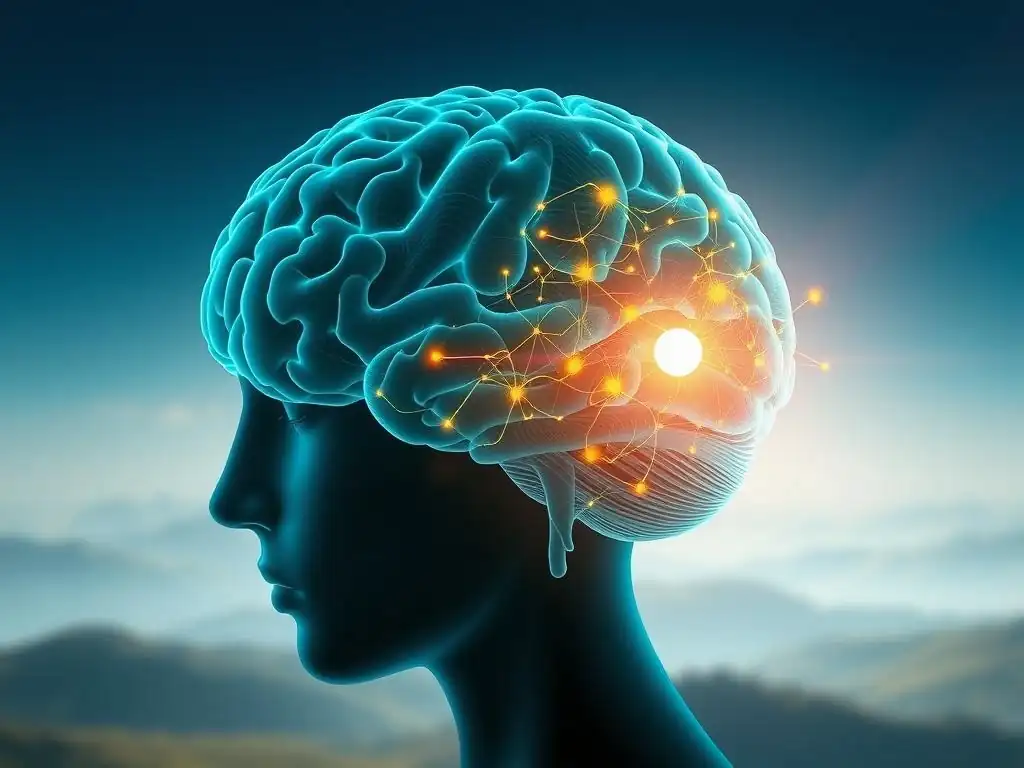
Feeling trapped by panic? It might feel like your brain is working against you. But what if you could rewire those panic pathways? In this article, we delve into the fascinating world of panic disorder brain neuroplasticity, exploring how your brain's incredible ability to adapt can actually help you interrupt the cycles of panic attacks. Ready to discover the science behind reclaiming control?
Panic Disorder and Your Brain: How Neuroplasticity Can Interrupt Attack Cycles
- Understanding Panic Disorder: A Neurological Perspective
- The Neuroscience of Panic Disorder: Brain Changes and Maladaptive Patterns
- Neuroplasticity: Your Brain's Ability to Change and Adapt
- Panic Disorder Brain Neuroplasticity: Rewiring Your Brain for Calm
-
Practical Techniques for Harnessing Neuroplasticity in Panic Disorder
- Cognitive Behavioral Therapy (CBT) and Neuroplasticity
- Mindfulness Meditation for Panic: Cultivating Awareness and Calm
- Exposure Therapy and Brain Rewiring: Facing Your Fears
- Breathing Exercises and Vagal Tone: Activating the Relaxation Response
- Acceptance and Commitment Therapy (ACT) for Psychological Flexibility
- Lifestyle Factors that Support Brain Plasticity and Reduce Panic
- Building Resilience: Long-Term Strategies for Managing Panic Disorder
- Conclusion: Embracing Neuroplasticity for a Panic-Free Future
-
Frequently Asked Questions
- What is neuroplasticity, and how does it relate to panic disorder?
- How can neuroplasticity help interrupt panic attack cycles?
- What specific techniques can leverage neuroplasticity to manage panic disorder?
- How long does it typically take to see noticeable changes in panic disorder symptoms using neuroplasticity-based approaches?
- Is neuroplasticity a "cure" for panic disorder, or is it more about managing symptoms?
- Final Reflection: Rewiring Your Response to Panic
- Unlock Your Brain's Power: Break Free from Panic
Understanding Panic Disorder: A Neurological Perspective
Defining Panic Disorder and Panic Attacks
Panic disorder is a type of anxiety disorder characterized by recurrent, unexpected panic attacks. A panic attack is a sudden episode of intense fear that triggers severe physical reactions when there is no real danger or apparent cause. These attacks can be terrifying, often leading individuals to believe they are losing control, having a heart attack, or even dying.
Symptoms can include a racing heart, shortness of breath, trembling, dizziness, nausea, chest pain, and a sense of detachment from reality. While a single panic attack can be frightening, the diagnosis of panic disorder involves persistent worry about having more attacks and significant changes in behavior aimed at avoiding future attacks, such as avoiding certain places or situations.
The unpredictability of panic attacks is a core feature of the disorder, creating a cycle of fear of fear itself. This anticipatory anxiety can be debilitating, significantly impacting daily life, work, and social interactions. Approximately 2-3% of the U.S. population experiences panic disorder in a given year, with women being twice as likely as men to develop the condition.
Onset typically occurs in late adolescence or early adulthood. Understanding the biological underpinnings, particularly the role of the brain, is crucial for developing effective strategies to manage and potentially overcome this challenging condition, highlighting the relevance of studying panic disorder brain neuroplasticity.
The Role of the Amygdala in Panic Response
The amygdala, a small almond-shaped structure deep within the brain's temporal lobe, is a key player in processing emotions, particularly fear and threat detection. In individuals with panic disorder, the amygdala appears to be hyperactive or overly sensitive. This heightened sensitivity means it may misinterpret non-threatening signals as dangerous, triggering the body's fight-or-flight response even in safe situations. When the amygdala perceives a threat, it sends signals to other parts of the brain and body, initiating the cascade of physical symptoms characteristic of a panic attack, such as increased heart rate and rapid breathing.
Research using neuroimaging techniques, such as fMRI, has shown increased activity in the amygdala during panic attacks or when anticipating panic in individuals with panic disorder compared to healthy controls. This suggests a dysregulation in the brain's fear circuitry. The constant state of alert or heightened reactivity in the amygdala contributes significantly to the persistent anxiety and susceptibility to sudden attacks experienced by those with the disorder. Understanding this neural basis is a vital step in exploring how interventions focused on panic disorder brain neuroplasticity can help modulate the amygdala's response.
Other Brain Regions Involved in Panic: Hippocampus, Prefrontal Cortex, and Locus Coeruleus
While the amygdala is central, several other brain regions interact with it and contribute to the experience of panic. The hippocampus, located next to the amygdala, is involved in memory formation, particularly fear memories and contextualizing threats. In panic disorder, the hippocampus might contribute to associating certain situations or environments with panic attacks, leading to avoidance behaviors. Studies suggest alterations in hippocampal volume and function in chronic anxiety conditions, including panic disorder.
The prefrontal cortex (PFC), especially the medial and ventromedial regions, plays a crucial role in executive functions, decision-making, and regulating emotions. It acts as a "brake" on the amygdala, helping to appraise situations rationally and inhibit inappropriate fear responses. In panic disorder, there's evidence of reduced activity or connectivity in the PFC, suggesting a weakened ability to regulate the hyperactive amygdala.
The locus coeruleus, located in the brainstem, is the primary source of norepinephrine, a neurotransmitter involved in the stress response. Heightened activity in the locus coeruleus can increase arousal and contribute to the physical symptoms of panic. The complex interplay between these regions underscores the widespread impact of panic disorder on the brain and highlights potential targets for therapeutic interventions leveraging panic disorder brain neuroplasticity.
The Neuroscience of Panic Disorder: Brain Changes and Maladaptive Patterns
How Panic Disorder Affects Brain Structure and Function
Chronic panic disorder can lead to observable changes in the brain over time. While the precise structural changes are still an area of active research, some studies have indicated potential alterations in the size and connectivity of key regions involved in fear and emotion regulation. For example, some findings suggest changes in the volume of the amygdala or hippocampus, although results can vary between studies.
Functional changes, as measured by neuroimaging during tasks or at rest, are more consistently observed. These include heightened reactivity in the amygdala and insula (involved in processing bodily sensations) and reduced activity or impaired connectivity in areas of the prefrontal cortex responsible for cognitive control and emotion regulation.
These structural and functional changes are not necessarily permanent damage but represent the brain adapting in response to the persistent state of fear and anxiety. The brain becomes more efficient at triggering panic responses and less efficient at calming down or evaluating situations rationally. This maladaptive wiring reinforces the panic cycle. Understanding these changes is fundamental to appreciating how targeted interventions focusing on panic disorder brain neuroplasticity can aim to reverse these patterns and build healthier neural connections.
Maladaptive Neural Pathways in Panic: Fear Conditioning and Excitatory/Inhibitory Imbalance
Panic disorder involves the strengthening of specific maladaptive neural pathways. One key process is fear conditioning, where neutral stimuli or internal bodily sensations become associated with the intense fear of a panic attack. For instance, experiencing a rapid heartbeat during exercise might become a trigger if it was previously followed by a panic attack. This association is learned and reinforced through pathways involving the amygdala and hippocampus, leading to an automatic fear response whenever that sensation is perceived.
Furthermore, there appears to be an imbalance between excitatory and inhibitory neurotransmission in the brains of individuals with panic disorder. Neurotransmitters like glutamate are excitatory, promoting neuronal activity, while GABA is inhibitory, dampening it. An overactive glutamatergic system or an underactive GABAergic system, particularly in fear-related circuits, could contribute to the heightened excitability and difficulty in calming down observed in panic. This imbalance, alongside reinforced fear pathways, creates a biological predisposition for panic attacks. Addressing these imbalances and pathways is a primary goal when applying principles of panic disorder brain neuroplasticity in therapy.
The Impact of Chronic Panic on Cognitive Function
Beyond the immediate distress of attacks, chronic panic disorder can significantly impact cognitive function. The constant state of hypervigilance and anxiety consumes cognitive resources, making it difficult to concentrate, focus, and make decisions. Individuals may experience problems with memory, particularly recalling non-fear-related information, as the brain prioritizes threat detection. The anticipatory anxiety about future attacks can also impair executive functions like planning and problem-solving, as mental energy is diverted to managing fear and avoidance behaviors.
This cognitive burden can affect performance at work or school and interfere with daily tasks. For example, someone constantly worried about having a panic attack in public might struggle with simple errands or attending meetings. While not a core diagnostic symptom, these cognitive difficulties are a significant consequence of living with chronic panic disorder. Recognizing this impact underscores the need for comprehensive treatment approaches that not only reduce attack frequency but also improve overall cognitive well-being, leveraging the potential of panic disorder brain neuroplasticity to restore healthier cognitive processing.
Neuroplasticity: Your Brain's Ability to Change and Adapt
What is Neuroplasticity and How Does it Work?
Neuroplasticity, often referred to as brain plasticity, is the remarkable ability of the brain to reorganize itself throughout life. It is the process by which neural pathways can change and adapt based on new experiences, learning, environmental changes, or even injury. This isn't just about creating new neurons (neurogenesis, which happens in specific areas like the hippocampus); it's primarily about strengthening or weakening existing connections (synapses) between neurons, and even forming new synaptic connections.
When we learn something new or practice a skill, specific neural circuits are activated repeatedly, leading to stronger connections between the neurons involved. Conversely, connections that are rarely used can weaken.
At a cellular level, neuroplasticity involves changes in synaptic strength, the formation of new synapses, and even alterations in the structure of neurons and glial cells. This dynamic process allows the brain to be incredibly flexible and resilient. It's the biological basis for learning, memory, and recovery from brain injury. Understanding this inherent capacity for change is fundamental when considering how to address maladaptive patterns in conditions like panic disorder, as it provides a pathway for therapeutic intervention focused on panic disorder brain neuroplasticity.
Types of Neuroplasticity: Structural and Functional
Neuroplasticity can be broadly categorized into two main types: structural and functional. Structural plasticity refers to changes in the brain's physical structure, such as alterations in the size of specific brain regions or the thickness of the cerebral cortex. For example, studies have shown that learning a new language or navigating a complex environment can lead to increases in gray matter density in relevant brain areas. This type of plasticity involves changes in the number or size of neurons, synapses, or glial cells.
Functional plasticity, on the other hand, refers to changes in the strength or efficiency of synaptic connections and neural pathways. This can involve changes in how information is processed or transmitted between different brain regions. For instance, after a stroke damages one area, another part of the brain might take over the functions of the damaged area through functional reorganization.
Both structural and functional plasticity are often intertwined and contribute to the brain's overall ability to adapt. In the context of panic disorder, therapies aim to induce both types of changes – altering the functional activity within fear circuits and potentially influencing the structure of related brain regions – through targeted exercises leveraging panic disorder brain neuroplasticity.
Neuroplasticity and Mental Health: A Powerful Connection
The concept of neuroplasticity has revolutionized our understanding of mental health conditions. Historically, many mental illnesses were viewed as static or degenerative conditions. However, the recognition of the brain's capacity for change offers a powerful perspective: maladaptive patterns associated with disorders like depression, anxiety, PTSD, and panic disorder are not fixed but represent learned or reinforced neural pathways that can potentially be modified.
Therapeutic interventions, such as psychotherapy (like CBT or exposure therapy), mindfulness practices, and even certain lifestyle changes, are believed to work, at least in part, by harnessing neuroplasticity. These approaches provide new experiences and learning opportunities that activate different neural circuits, helping to weaken maladaptive connections and strengthen healthier ones. For someone with panic disorder, this means the brain's tendency to overreact to perceived threats can be retrained. The brain that learned to panic can also learn to respond with calm, illustrating the profound potential of applying principles of panic disorder brain neuroplasticity in recovery.
Panic Disorder Brain Neuroplasticity: Rewiring Your Brain for Calm
Using Neuroplasticity to Interrupt Panic Attack Cycles
Applying the principles of neuroplasticity offers a hopeful pathway for individuals with panic disorder. The core idea is that the brain's fear response pathways, which have become hypersensitive and easily triggered, can be rewired. By engaging in specific practices and therapies, individuals can weaken the maladaptive connections that link certain triggers (internal sensations or external situations) to intense fear responses and simultaneously strengthen connections in brain regions responsible for calm, rational appraisal, and emotional regulation. This active process of "rewiring" is the essence of panic disorder brain neuroplasticity in action.
This isn't about simply "thinking positive"; it's about engaging in experiences that physically alter the neural landscape. For example, repeatedly facing a feared situation in a controlled way without experiencing catastrophic consequences helps the amygdala learn that the situation is not actually dangerous, gradually weakening the fear association. Similarly, practicing relaxation techniques can strengthen pathways associated with the parasympathetic nervous system, counteracting the sympathetic "fight-or-flight" response. This deliberate effort to change brain activity and structure is the therapeutic application of panic disorder brain neuroplasticity.
Identifying Triggers and Breaking Negative Associations
A crucial step in leveraging panic disorder brain neuroplasticity is identifying the specific internal and external triggers that precede panic attacks. These can range from physical sensations like dizziness or a rapid heartbeat to specific places like crowded stores or public transportation. Once identified, therapeutic strategies can target the neural associations that have formed between these triggers and the panic response. For example, if a rapid heartbeat triggers panic, interoceptive exposure exercises (intentionally bringing on the sensation in a safe setting) can help break the learned association.
Through repeated exposure to the trigger without the feared consequence (e.g., not having a heart attack, not losing control), the brain's fear circuitry learns that the trigger is not inherently dangerous. This process, known as extinction learning, weakens the synaptic connections in the amygdala and related areas that previously linked the trigger to panic. It's like creating new, alternative pathways that signal "safe" instead of "danger" when the trigger is encountered. This systematic dismantling of fear associations is a direct application of panic disorder brain neuroplasticity.
Strengthening the Prefrontal Cortex: Cognitive Control and Emotional Regulation
While weakening the fear response is vital, strengthening the brain's ability to regulate emotions is equally important. The prefrontal cortex (PFC), particularly its medial and ventral regions, plays a key role in this. In panic disorder, the PFC's ability to inhibit the amygdala's alarm signals is often compromised. Therapeutic techniques can help enhance PFC function and its connectivity with the amygdala, improving cognitive control over emotional responses.
Practices that require focused attention, rational appraisal, and conscious decision-making, such as those used in Cognitive Behavioral Therapy (CBT), help activate and strengthen PFC pathways. For instance, challenging catastrophic thoughts ("This rapid heartbeat means I'm having a heart attack") with more realistic appraisals ("This rapid heartbeat is uncomfortable but harmless, likely due to anxiety") actively engages the PFC, allowing it to exert more control over the amygdala's reaction. Strengthening this top-down regulation is a core aspect of using panic disorder brain neuroplasticity to build resilience against panic.
Practical Techniques for Harnessing Neuroplasticity in Panic Disorder
Cognitive Behavioral Therapy (CBT) and Neuroplasticity
Cognitive Behavioral Therapy (CBT) is one of the most effective treatments for panic disorder, and its success is largely attributed to its ability to induce positive neuroplastic changes. CBT helps individuals identify and challenge the distorted thoughts and beliefs that fuel their panic. By learning to reframe catastrophic interpretations of bodily sensations or situations, individuals actively engage their prefrontal cortex, strengthening its ability to override the amygdala's fear signals. For example, a common CBT technique involves examining evidence for and against a fearful thought, a process that builds new, more rational neural pathways.
Furthermore, exposure techniques within CBT, such as interoceptive exposure (confronting physical sensations) and situational exposure (gradually entering feared places), directly target the maladaptive fear associations. Repeated, safe exposure allows for extinction learning, weakening the connections between triggers and panic responses in the amygdala. Studies using fMRI have shown that successful CBT treatment for anxiety disorders is associated with decreased amygdala activity and increased activity in prefrontal regulatory regions, providing neurobiological evidence for how CBT facilitates panic disorder brain neuroplasticity.
Mindfulness Meditation for Panic: Cultivating Awareness and Calm
Mindfulness meditation is another powerful tool for harnessing neuroplasticity to manage panic disorder. Mindfulness involves paying attention to the present moment without judgment, including observing physical sensations, thoughts, and emotions. Regular mindfulness practice has been shown to increase gray matter density in areas of the brain associated with attention, self-awareness, and emotion regulation, such as the prefrontal cortex and insula.
For someone prone to panic, mindfulness helps in several ways. It allows individuals to observe anxious thoughts or bodily sensations without automatically reacting with fear. By practicing non-judgmental awareness, the learned association between a sensation (like a racing heart) and panic can be weakened. Mindfulness also strengthens the brain's ability to tolerate discomfort and uncertainty, reducing the fight-or-flight impulse. The simple act of focusing on breath during moments of anxiety activates the parasympathetic nervous system and reinforces pathways associated with calm. This practice directly supports positive panic disorder brain neuroplasticity by building new habits of attention and response.
Exposure Therapy and Brain Rewiring: Facing Your Fears
Exposure therapy, often a component of CBT but also practiced independently, is specifically designed to leverage the brain's capacity for extinction learning. It involves gradually and systematically exposing an individual to feared situations or bodily sensations in a safe and controlled environment. The core principle is that by confronting the feared stimulus repeatedly without experiencing the predicted catastrophic outcome, the brain learns that the stimulus is not dangerous, thereby extinguishing the fear response.
This process involves significant neuroplastic changes. When the feared stimulus is encountered, the amygdala is initially activated. However, as the exposure continues and no harm occurs, activity in the prefrontal cortex increases, inhibiting the amygdala's response. The synaptic connections forming the fear association are weakened, while new pathways signaling safety are strengthened.
A meta-analysis of exposure therapy studies showed significant reductions in anxiety symptoms across various disorders. For panic disorder, this might involve starting with brief exposure to slight dizziness (interoceptive) or standing outside a crowded store (situational) and gradually progressing. This systematic approach is a prime example of how targeted experiences can drive panic disorder brain neuroplasticity.
Breathing Exercises and Vagal Tone: Activating the Relaxation Response
Simple physiological interventions like controlled breathing exercises can also influence brain activity and support neuroplasticity. Deep, slow breathing activates the vagus nerve, a major component of the parasympathetic nervous system, which is responsible for the body's relaxation response. By deliberately slowing down breathing during moments of anxiety or as a regular practice, individuals can signal to the brain that they are safe, counteracting the sympathetic nervous system's fight-or-flight alarm.
Regular practice of diaphragmatic or paced breathing can strengthen the neural pathways associated with the vagal nerve's calming effect. This increases vagal tone over time, making it easier for the body and brain to return to a state of calm after experiencing stress or anxiety. While seemingly simple, this physiological regulation technique directly influences the brain's state, reinforcing inhibitory pathways and helping to dampen the excitability of fear circuits. It's a fundamental tool that contributes to positive panic disorder brain neuroplasticity by fostering a sense of safety and control.
Acceptance and Commitment Therapy (ACT) for Psychological Flexibility
Acceptance and Commitment Therapy (ACT) is another therapeutic approach that aligns well with the principles of neuroplasticity, focusing on increasing psychological flexibility. ACT encourages individuals to accept difficult thoughts and feelings rather than fighting against them, to be present in the moment, and to commit to actions aligned with their values. For panic disorder, this means learning to co-exist with uncomfortable sensations or anxious thoughts without letting them dictate behavior (like avoidance).
By practicing acceptance and defusion (detaching from thoughts), individuals weaken the power of automatic negative reactions. This cognitive flexibility relies on and strengthens prefrontal cortex functions. Committing to values-based actions, even when anxious, involves overriding fear-driven impulses and building new behavioral patterns. ACT helps shift the brain's focus from avoiding internal experiences to engaging with life. This process of consciously choosing responses based on values, rather than reacting automatically to fear, fosters significant changes in neural pathways, contributing to long-term panic disorder brain neuroplasticity and resilience.
Lifestyle Factors that Support Brain Plasticity and Reduce Panic
The Importance of Sleep for Brain Health and Panic Management
Sleep is not just a period of rest; it's a critical time for brain maintenance, consolidation of learning, and restoration of neural circuits. Chronic sleep deprivation or poor sleep quality negatively impacts brain function, including areas involved in emotion regulation. Studies show that sleep deprivation can increase amygdala reactivity and decrease connectivity between the amygdala and the prefrontal cortex, making individuals more susceptible to anxiety and panic.
Prioritizing consistent, quality sleep (typically 7-9 hours per night for adults) supports optimal brain function and enhances neuroplasticity. During sleep, the brain processes emotional experiences and consolidates fear extinction memories, which is vital for recovery from panic disorder. Establishing a regular sleep schedule and practicing good sleep hygiene can help regulate neurotransmitters and improve the brain's ability to manage stress and fear signals, thereby supporting the positive changes targeted by panic disorder brain neuroplasticity interventions.
Nutrition and Brain Function: Foods that Support Neuroplasticity
What we eat significantly impacts brain structure and function, influencing neuroplasticity and mental health. A diet rich in omega-3 fatty acids, found in fatty fish like salmon, walnuts, and flaxseeds, is crucial for brain cell membranes and synaptic function. Antioxidants, abundant in fruits and vegetables, help protect brain cells from damage. B vitamins, found in whole grains, leafy greens, and lean proteins, are essential for neurotransmitter synthesis.
Conversely, diets high in processed foods, sugar, and unhealthy fats can contribute to inflammation and oxidative stress, which can impair brain function and potentially hinder neuroplasticity. Maintaining stable blood sugar levels through balanced meals can also prevent energy crashes that might trigger anxiety symptoms. While diet alone cannot cure panic disorder, nourishing the brain with the right nutrients provides the building blocks and support necessary for neural repair, growth, and adaptation, complementing efforts focused on panic disorder brain neuroplasticity.
Exercise and Panic: Boosting Mood and Reducing Anxiety
Regular physical exercise is a powerful facilitator of neuroplasticity and has well-documented benefits for mental health, including reducing anxiety and panic symptoms. Exercise increases blood flow to the brain, promoting the growth of new neurons (neurogenesis) in areas like the hippocampus and enhancing the production of neurotrophic factors like Brain-Derived Neurotrophic Factor (BDNF). BDNF is often called "Miracle-Gro" for the brain because it supports the survival and growth of neurons and synapses, directly enhancing neuroplasticity.
Exercise also helps regulate neurotransmitters like serotonin, norepinephrine, and dopamine, which play roles in mood, stress response, and motivation. The physiological effects of exercise, such as increased heart rate and respiration, can also provide exposure to these bodily sensations in a controlled context, helping to break the fear association for individuals with panic disorder. Aiming for at least 150 minutes of moderate-intensity exercise per week, as recommended by health guidelines, can significantly support overall brain health and bolster the brain's capacity for positive change through panic disorder brain neuroplasticity.
Building Resilience: Long-Term Strategies for Managing Panic Disorder
Human connection is vital for mental well-being and can play a significant role in managing panic disorder. A supportive social network provides emotional support, reduces feelings of isolation, and offers practical assistance. Sharing experiences with trusted friends or family members can validate feelings and reduce the shame or fear associated with panic attacks. Social interaction itself can have positive effects on brain chemistry, releasing oxytocin and reducing stress hormones.
Engaging in social activities, even small ones, can challenge avoidance behaviors often associated with panic disorder. Building and nurturing healthy relationships provides a buffer against stress and reinforces a sense of safety and belonging. While panic disorder can make social situations challenging, gradually re-engaging with supportive individuals is an important step in recovery and contributes to the overall environment that supports brain health and resilience, working alongside targeted panic disorder brain neuroplasticity efforts.
Developing Coping Mechanisms for Stress
Stress is a known trigger or exacerbating factor for panic attacks. Developing effective coping mechanisms is therefore crucial for long-term management. This involves identifying personal stressors and learning healthy ways to respond to them rather than resorting to avoidance or maladaptive behaviors. Coping strategies can include relaxation techniques (like progressive muscle relaxation or guided imagery), engaging in hobbies, spending time in nature, or journaling.
Learning to manage stress effectively helps regulate the body's stress response system (the HPA axis) and prevents the chronic elevation of stress hormones like cortisol, which can negatively impact brain areas involved in memory and emotion regulation. By consistently applying healthy coping strategies, individuals reinforce neural pathways associated with calm and resilience, further supporting the positive changes facilitated by panic disorder brain neuroplasticity.
The Role of Professional Guidance and Medication Management
While self-help strategies and lifestyle changes are invaluable, professional guidance is often essential for effectively managing panic disorder. Therapists specializing in anxiety disorders can provide evidence-based treatments like CBT, ACT, and exposure therapy, guiding individuals through the process of identifying triggers, challenging thoughts, and safely confronting fears. A mental health professional can also help develop a personalized treatment plan and provide ongoing support.
In some cases, medication may be a necessary component of treatment, particularly in the initial stages or for severe symptoms. Antidepressants (like SSRIs) and anti-anxiety medications (like benzodiazepines, though these are typically used short-term) can help regulate neurotransmitter imbalances and reduce the frequency and intensity of panic attacks, creating a window for therapeutic work and neuroplastic change to occur.
Medication management should always be overseen by a qualified medical professional. Combining therapy and medication, when needed, offers a comprehensive approach that maximizes the potential for recovery by addressing both the psychological and biological aspects of the disorder and creating optimal conditions for panic disorder brain neuroplasticity.
Conclusion: Embracing Neuroplasticity for a Panic-Free Future
The Power of Neuroplasticity in Overcoming Panic Disorder
The journey of overcoming panic disorder is deeply intertwined with the concept of neuroplasticity. The brain, which developed maladaptive fear responses and hyperactive threat detection systems, possesses the inherent capacity to change. This means that the panic disorder brain is not a static entity but a dynamic system capable of being rewired. By understanding how panic affects the brain and by actively engaging in targeted therapeutic strategies and healthy lifestyle practices, individuals can deliberately influence their neural pathways.
Techniques rooted in cognitive behavioral principles, exposure, mindfulness, and physiological regulation work by strengthening connections that promote calm, rational appraisal, and emotional control while weakening the connections that trigger fear and avoidance. This active process of shaping the brain through experience empowers individuals, offering a tangible pathway towards reducing the frequency and intensity of panic attacks and building lasting resilience. Embracing the power of panic disorder brain neuroplasticity transforms the challenge into an opportunity for profound personal growth and neural change.
Continued Learning and Self-Care for Long-Term Well-being
Achieving a significant reduction in panic symptoms and building resilience is a remarkable accomplishment, but maintaining well-being requires ongoing effort. Continued learning about panic disorder, brain health, and neuroplasticity can empower individuals to stay engaged in their recovery journey. Staying curious about new research or refining existing coping skills helps maintain momentum and confidence.
Prioritizing consistent self-care practices – including adequate sleep, nutritious eating, regular exercise, stress management, and nurturing social connections – provides the essential foundation for supporting positive brain changes. Relapses are a normal part of recovery for many conditions, but with a strong understanding of personal triggers, effective coping mechanisms, and the knowledge that the brain can continue to adapt, individuals are better equipped to navigate challenges. Committing to these long-term strategies ensures that the positive changes initiated through harnessing panic disorder brain neuroplasticity continue to flourish, supporting a life free from the grip of panic.
Frequently Asked Questions
What is neuroplasticity, and how does it relate to panic disorder?
Neuroplasticity is the brain's ability to reorganize itself by forming new neural connections throughout life. In the context of panic disorder, it offers the potential to rewire the brain's response to triggers and reduce the frequency and intensity of panic attacks. It's about learning new coping mechanisms.
How can neuroplasticity help interrupt panic attack cycles?
By repeatedly practicing new, healthier responses to panic triggers, neuroplasticity allows you to create new neural pathways that bypass the habitual panic response. This process essentially re-trains the brain to react differently, reducing reliance on the old, anxiety-driven patterns.
What specific techniques can leverage neuroplasticity to manage panic disorder?
Techniques like Cognitive Behavioral Therapy (CBT), mindfulness meditation, and exposure therapy can all promote neuroplasticity. These methods encourage the formation of new neural connections associated with calm and rational thinking, ultimately weakening the pathways associated with panic.
How long does it typically take to see noticeable changes in panic disorder symptoms using neuroplasticity-based approaches?
The timeframe varies depending on the individual, the severity of the disorder, and the consistency of the effort. However, with dedication and proper guidance, many people begin to experience noticeable improvements within a few weeks to several months of actively engaging in neuroplasticity-based techniques.
Is neuroplasticity a "cure" for panic disorder, or is it more about managing symptoms?
While neuroplasticity can lead to significant and lasting improvements, it's generally considered a powerful tool for managing panic disorder rather than a guaranteed "cure." The goal is to develop effective coping mechanisms and build resilience against future panic attacks.
Final Reflection: Rewiring Your Response to Panic
Understanding the intricate relationship between panic disorder and neuroplasticity offers a powerful pathway to reclaiming control over your mental health. This isn't just theoretical; it's a tangible opportunity to actively reshape the neural pathways that contribute to panic attacks, moving from a state of fear and anxiety to one of calm and resilience. The research presented highlights the incredible capacity of the brain to adapt and heal, offering hope where previously there may have been only despair.
The ongoing impact of this discovery is profound. It shifts the narrative from a debilitating condition to one that is manageable and even potentially reversible. This understanding empowers individuals to become active participants in their own recovery, rather than passive recipients of treatment. As Dr. Norman Doidge eloquently states in his work on neuroplasticity, The brain is not a machine; it is an organ of growth and change.
This quote encapsulates the core message of this article: that the experience of panic, while intensely challenging, does not define you, and that you possess the inherent ability to alter your brain's response to fear.
Consider the implications of this for your own life. What steps can you take today to begin cultivating the neuroplastic changes discussed? Perhaps it's exploring therapeutic techniques like Cognitive Behavioral Therapy (CBT) or mindfulness practices, or engaging in regular physical activity and healthy lifestyle choices. The journey to managing panic disorder is personal and unique, but the empowering truth remains: you have the power to rewrite your brain's response to fear, one mindful breath, one therapeutic session, one healthy choice at a time. Embrace this potential, and begin your journey towards a calmer, more resilient you.
Unlock Your Brain's Power: Break Free from Panic
Thanks for taking the time to explore the fascinating connection between panic disorder and neuroplasticity! You've learned how your brain's ability to rewire itself can be your key to interrupting those debilitating attack cycles. Now, let's put that knowledge into action.
- Prioritize one small, manageable step today: This could be anything from practicing a single deep breathing exercise to scheduling a short meditation session. Small wins build confidence!
- Explore additional coping mechanisms: Review the techniques discussed in the article and choose one that resonates with you to try this week. Consider journaling about your experience.
- Share your progress (or questions!) in the comments below: Connect with others on their journey and learn from shared experiences.
What small step will you take today to harness the power of neuroplasticity and start reshaping your response to panic?