
Taming Stress with Your Fork: Foods That Help Your Body Cope

Welcome to Mind Care Guide, a space dedicated to nurturing your mental well-being.
Feeling overwhelmed? You're not alone. Discover how the power of food can be a surprising ally in your journey towards calm. This week, we're diving into stress-reducing foods for anxiety, exploring how what you eat can significantly impact your emotional state. Intrigued? Let's explore how your next meal can become a step towards a more peaceful you...
- Understanding Stress and Anxiety: The Role of Nutrition in Mental Health
-
Key Stressreducing Foods for Anxiety: Nutritional Allies for Mental Calm
- Omega-3 Rich Foods: Supporting Brain Health and Reducing Stress
- Magnesium-Packed Foods: Natural Relaxants for Anxiety Relief
- Antioxidant-Rich Fruits and Vegetables: Combatting Stress-Induced Oxidative Damage
- Complex Carbohydrates and Their Role in Serotonin Production
- Herbal Teas and Adaptogens: Natural Stress Soothers
- How Stressreducing Foods Help Your Body Cope with Anxiety
- Practical Tips for Incorporating Stressreducing Foods into Your Daily Diet
- Foods to Avoid When Managing Stress and Anxiety
- Lifestyle Habits Complementing Stressreducing Foods for Anxiety Management
- Conclusion: Building a Stress-Resilient Body with Mindful Eating
-
Frequently Asked Questions
- What are some stress-reducing foods I can incorporate into my diet to help with anxiety?
- How do stress-reducing foods work to alleviate anxiety?
- Can changing my diet alone completely cure my anxiety?
- Are there any foods I should avoid if I'm trying to reduce anxiety through my diet?
- How long does it typically take to see the effects of using stress-reducing foods for managing anxiety?
- Final Reflection: Nourishing Resilience, One Bite at a Time
- Unlock Your Body's Natural Calm: Start Eating Your Way to Serenity
Understanding Stress and Anxiety: The Role of Nutrition in Mental Health
Stress and anxiety are common experiences in modern life, impacting millions globally. While psychological strategies and lifestyle changes are crucial, the connection between what we eat and how we feel is increasingly recognized. Nutrition plays a significant role in modulating our body's stress response and influencing our mental state. Understanding this link is the first step in leveraging the power of food as a tool for well-being.
How Stress Affects the Body and Mind
Chronic stress triggers a cascade of physiological responses in the body. The hypothalamic-pituitary-adrenal (HPA) axis is activated, leading to the release of stress hormones like cortisol and adrenaline. While acute stress responses are vital for survival, prolonged elevation of these hormones can have detrimental effects. Physically, this can manifest as increased heart rate, digestive issues, muscle tension, and a weakened immune system.
Mentally, chronic stress often contributes to feelings of overwhelm, irritability, difficulty concentrating, and can exacerbate symptoms of anxiety and depression. The brain's structure and function can be altered, particularly in areas related to mood, memory, and decision-making. For example, prolonged cortisol exposure can impair the hippocampus, a brain region vital for memory and emotional regulation. Recognizing these widespread impacts underscores the importance of addressing stress from multiple angles, including nutritional support aimed at calming the nervous system and supporting overall resilience.
The Connection Between Diet and Anxiety Levels
The food we consume directly impacts our brain chemistry and inflammatory pathways, both of which are intimately linked to anxiety. A diet high in processed foods, refined sugars, and unhealthy fats can promote inflammation throughout the body, including the brain. This neuroinflammation is increasingly implicated in the development and severity of anxiety disorders. Conversely, a diet rich in whole, nutrient-dense foods provides the building blocks for healthy neurotransmitter production and supports a balanced gut microbiome, which is now known to communicate directly with the brain.
Studies have shown correlations between dietary patterns and mental health outcomes. For instance, populations consuming traditional diets high in vegetables, fruits, fish, and whole grains tend to have lower rates of depression and anxiety compared to those consuming Westernized diets characterized by high intake of red meat, processed foods, and sugary drinks. This suggests that dietary choices are not merely about physical health but are fundamental to supporting a calm and resilient mind.
Why Choosing Stressreducing Foods for Anxiety Matters
Selecting stressreducing foods for anxiety is a proactive strategy to build resilience against daily stressors. These foods provide specific nutrients that help modulate the body's stress response, support neurotransmitter balance, and reduce inflammation. Instead of relying solely on coping mechanisms after stress hits, incorporating targeted nutrition helps fortify the body's ability to handle stress more effectively from the outset.
A focus on stressreducing foods for anxiety empowers individuals to take control of their well-being through daily choices. It's about providing the brain and body with the optimal fuel to function smoothly, reducing the likelihood of triggering or exacerbating anxiety symptoms. This nutritional approach complements other stress management techniques and offers a foundational layer of support for long-term mental health.
Key Stressreducing Foods for Anxiety: Nutritional Allies for Mental Calm
Certain foods are particularly beneficial when aiming to reduce the physiological impact of stress and ease anxiety symptoms. These foods are rich in specific vitamins, minerals, fatty acids, and antioxidants known for their calming and mood-stabilizing properties. Integrating these nutritional allies into your daily meals can make a tangible difference in how you feel.
Omega-3 Rich Foods: Supporting Brain Health and Reducing Stress
Omega-3 fatty acids, particularly EPA (eicosapentaenoic acid) and DHA (docosahexaenoic acid), are crucial for brain health and function. They are integral components of brain cell membranes and play a significant role in regulating neurotransmitter function and reducing inflammation. Chronic inflammation in the brain is linked to mood disorders, including anxiety.
Incorporating sources of omega-3s into your diet can help counteract this. Fatty fish like salmon, mackerel, and sardines are excellent sources of EPA and DHA. For example, a 3-ounce serving of wild-caught salmon can provide over 1,500 mg of omega-3s. Plant-based sources include flaxseeds, chia seeds, and walnuts, which provide ALA (alpha-linolenic acid) that the body can convert into EPA and DHA, though less efficiently. Regular consumption of these foods is a key strategy for using stressreducing foods for anxiety, supporting neural pathways associated with calm and emotional stability.
Magnesium-Packed Foods: Natural Relaxants for Anxiety Relief
Magnesium is a mineral involved in hundreds of biochemical reactions in the body, many of which are related to stress and anxiety. It plays a role in the function of the nervous system, helping to regulate neurotransmitters like GABA (gamma-aminobutyric acid), which has calming effects. Magnesium deficiency is common and has been linked to increased susceptibility to stress and anxiety.
Consuming foods high in magnesium can act as a natural relaxant. Good sources include dark leafy greens (like spinach and kale), nuts (especially almonds and cashews), seeds (pumpkin and sesame seeds), legumes (black beans and lentils), and whole grains (brown rice and quinoa). For instance, a cup of cooked spinach contains approximately 157 mg of magnesium, about 40% of the daily recommended intake for adults. Prioritizing these magnesium-rich options is a practical way to utilize stressreducing foods for anxiety.
Antioxidant-Rich Fruits and Vegetables: Combatting Stress-Induced Oxidative Damage
Stress, particularly chronic stress, can increase oxidative stress in the body, damaging cells, including brain cells. Antioxidants are compounds found in foods that help neutralize harmful free radicals, thereby protecting against oxidative damage. A diet abundant in colorful fruits and vegetables provides a wide spectrum of antioxidants, including vitamins C and E, carotenoids, and flavonoids.
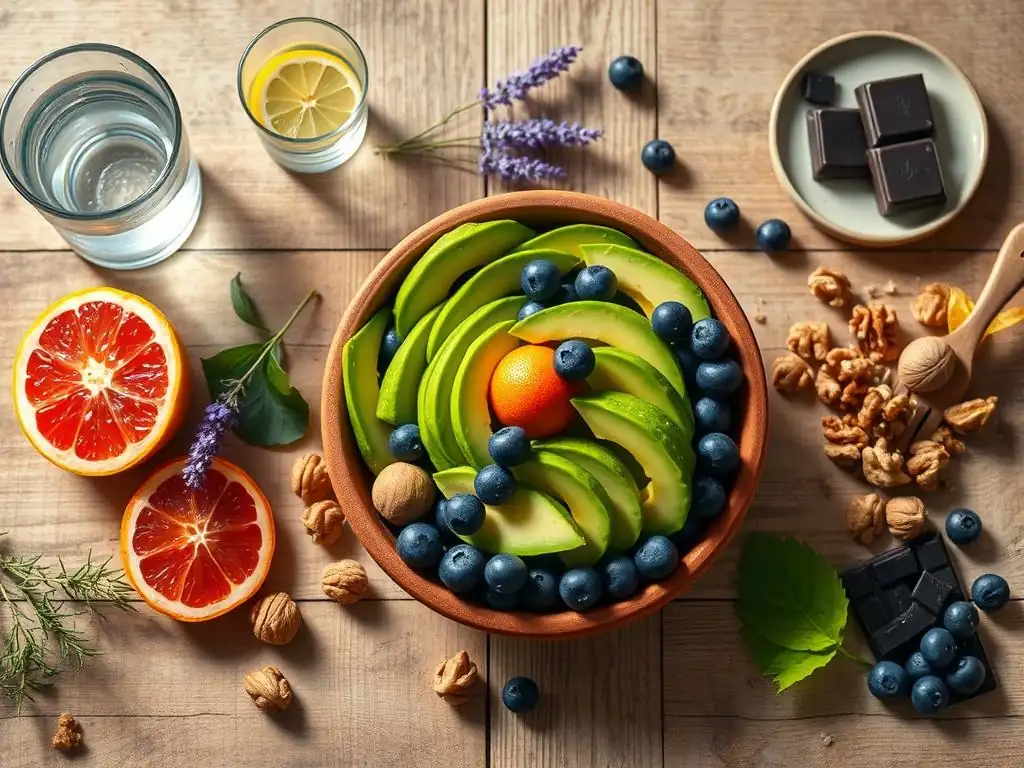
Berries (like blueberries, strawberries, and raspberries), dark chocolate (with high cocoa content), leafy greens, and vibrant vegetables (such as bell peppers, broccoli, and sweet potatoes) are packed with these protective compounds. For example, blueberries are renowned for their high levels of anthocyanins, powerful antioxidants that may help improve mood and cognitive function. Including a variety of these foods daily helps your body combat the cellular impact of stress, making them essential stressreducing foods for anxiety.
Complex Carbohydrates and Their Role in Serotonin Production

Complex carbohydrates, found in whole grains, vegetables, and legumes, play an indirect but important role in mood regulation. They help stabilize blood sugar levels, preventing the energy crashes and mood swings that can exacerbate anxiety. Furthermore, consuming complex carbohydrates facilitates the transport of tryptophan, an amino acid, into the brain.
Tryptophan is a precursor to serotonin, a neurotransmitter often referred to as the "feel-good" chemical, which plays a key role in regulating mood, sleep, and appetite. While protein also contains tryptophan, carbohydrates are needed to clear competing amino acids from the bloodstream, allowing tryptophan to cross the blood-brain barrier more effectively. Choosing whole-wheat pasta, brown rice, oats, and starchy vegetables like sweet potatoes provides a steady supply of energy and supports the production of calming neurotransmitters, positioning them as valuable stressreducing foods for anxiety.
Herbal Teas and Adaptogens: Natural Stress Soothers
Beyond solid foods, certain beverages and plant compounds offer calming properties. Herbal teas like chamomile, valerian root, and passionflower have been traditionally used for their relaxing effects and ability to promote sleep, often disrupted by stress and anxiety. Chamomile, for example, contains apigenin, an antioxidant that may bind to certain receptors in the brain, reducing anxiety and initiating sleep.
Adaptogens are a class of herbs and mushrooms that are believed to help the body adapt to stress. Examples include Ashwagandha, Rhodiola Rosea, and Holy Basil (Tulsi). While research is ongoing, some studies suggest they can help modulate the stress response system (HPA axis) and reduce cortisol levels. While not strictly "foods," incorporating these into your routine, perhaps as teas or supplements (with caution and professional advice), can complement the effects of stressreducing foods for anxiety.
How Stressreducing Foods Help Your Body Cope with Anxiety
The impact of diet on stress and anxiety goes beyond simply providing nutrients. It involves complex biochemical interactions, influences on the gut microbiome, and the modulation of neurotransmitter systems. Understanding these mechanisms highlights the profound connection between nutrition and mental resilience.
The Biochemical Impact of Nutrients on Stress Hormones
Nutrients from stressreducing foods for anxiety directly influence the production and regulation of stress hormones like cortisol. For example, B vitamins, found in foods like whole grains, leafy greens, and legumes, are essential for the proper functioning of the nervous system and the production of neurotransmitters. Vitamin C, abundant in citrus fruits and berries, may help reduce cortisol levels and protect the body from stress-induced damage.
Minerals like zinc, found in nuts, seeds, and legumes, are also involved in the stress response. Zinc deficiency has been linked to increased anxiety. By providing adequate levels of these essential nutrients, stressreducing foods for anxiety help keep the hormonal stress response in check, preventing it from becoming chronically elevated and contributing to anxiety symptoms. This biochemical support is fundamental to building a resilient system.
Gut-Brain Axis: The Influence of Diet on Emotional Well-being
A significant portion of serotonin, a key mood-regulating neurotransmitter, is produced in the gut. The gut microbiome – the trillions of bacteria living in our digestive tract – plays a critical role in this production and communicates with the brain through various pathways, including the vagus nerve and the production of short-chain fatty acids (SCFAs). This complex communication system is known as the gut-brain axis.
A diet rich in fiber from fruits, vegetables, legumes, and whole grains feeds beneficial gut bacteria, promoting a healthy and diverse microbiome. These bacteria produce SCFAs like butyrate, which can have anti-inflammatory effects and influence brain function. Conversely, a diet high in sugar and processed foods can disrupt the balance of gut bacteria, potentially leading to inflammation and negatively impacting mood. Therefore, choosing fiber-rich stressreducing foods for anxiety supports not only digestion but also directly influences emotional well-being via the gut-brain axis.
Enhancing Neurotransmitter Function Through Food Choices
Neurotransmitters are chemical messengers that transmit signals throughout the brain and nervous system, influencing mood, sleep, focus, and anxiety levels. Key neurotransmitters involved in anxiety include serotonin, GABA, and dopamine. The building blocks for these neurotransmitters come directly from the food we eat.
As mentioned, tryptophan from protein and carbohydrates is a precursor to serotonin. Magnesium and B vitamins are cofactors needed for the synthesis of many neurotransmitters. Omega-3 fatty acids influence the fluidity of cell membranes, which is crucial for efficient neurotransmitter signaling. By providing the necessary raw materials and cofactors, stressreducing foods for anxiety optimize neurotransmitter synthesis and function, helping to maintain balance and promote feelings of calm and stability.
Practical Tips for Incorporating Stressreducing Foods into Your Daily Diet
Making dietary changes can seem daunting, but integrating stressreducing foods for anxiety into your daily routine can be simple with a little planning. The key is consistency and focusing on nutrient density rather than strict rules.
Meal Planning Strategies to Maximize Anxiety-Reducing Nutrients
Planning meals ahead of time can ensure you consistently consume stressreducing foods for anxiety. Aim to include sources of omega-3s, magnesium, antioxidants, and complex carbohydrates in each meal. For example:
- Breakfast: Oatmeal with berries, nuts, and seeds.
- Lunch: Salad with leafy greens, legumes (like chickpeas or lentils), and a source of healthy fats (avocado or olive oil).
- Dinner: Baked salmon or chicken breast with quinoa and steamed broccoli.
Consider batch cooking staples like brown rice or quinoa, roasting a large tray of vegetables, or preparing overnight oats for quick, healthy options throughout the week. This reduces decision fatigue and makes it easier to make nutritious choices, especially when feeling stressed.
Snack Ideas Featuring Stressreducing Foods for Anxiety
Snacking wisely between meals can help maintain stable blood sugar levels and provide a continuous supply of anxiety-reducing nutrients. Avoid sugary snacks or refined carbohydrates that can lead to energy crashes. Instead, opt for snacks that incorporate the key stressreducing foods for anxiety:
- A handful of almonds or walnuts
- Greek yogurt with berries and chia seeds
- Carrot sticks or cucumber slices with hummus
- An apple with a tablespoon of nut butter
- Edamame (steamed soybeans)
These snacks provide protein, fiber, healthy fats, and essential minerals like magnesium, helping you feel satiated and calm until your next meal.
Cooking Methods That Preserve Nutrient Integrity for Mental Health
The way food is prepared can affect its nutrient content. While some nutrients are lost during cooking, certain methods help preserve more vitamins and minerals, maximizing the benefits of stressreducing foods for anxiety.
- Steaming: This gentle method helps retain water-soluble vitamins (like B vitamins and C) in vegetables.
- Roasting: Roasting at moderate temperatures can concentrate flavors and nutrients in vegetables.
- Sautéing: Use minimal healthy oil (like olive oil) and cook quickly to minimize nutrient loss.
- Eating Raw: Enjoying raw fruits and vegetables in salads preserves their full vitamin C content, which is heat-sensitive.
Be mindful of avoiding excessive frying or boiling, which can significantly deplete certain nutrients. Prioritizing simple, gentle cooking methods ensures you get the most nutritional value from your stressreducing foods for anxiety.
Foods to Avoid When Managing Stress and Anxiety
Just as certain foods can help manage stress and anxiety, others can unfortunately make symptoms worse. Identifying and limiting these items is as important as incorporating beneficial foods.
The Impact of Caffeine and Sugar on Anxiety Symptoms
Caffeine is a stimulant that affects the central nervous system. While a small amount might be tolerable for some, excessive caffeine intake can mimic or exacerbate anxiety symptoms like jitters, rapid heart rate, and nervousness. It can also disrupt sleep patterns, and poor sleep is closely linked to increased anxiety.
Similarly, refined sugars and sugary drinks cause rapid spikes and subsequent crashes in blood sugar levels. These fluctuations can lead to mood swings, irritability, and symptoms that feel very much like anxiety. Consuming large amounts of sugar can also contribute to inflammation and negatively impact the gut microbiome, further affecting the gut-brain axis. Reducing intake of sugary snacks, sodas, and excessive caffeine is a crucial step in using diet to manage anxiety.
Processed and Fast Foods: How They Exacerbate Stress Responses
Processed foods are often high in unhealthy fats (like trans and saturated fats), added sugars, and sodium, while being low in essential nutrients and fiber. Fast foods typically fall into this category. Diets high in these types of foods are associated with increased inflammation throughout the body, including the brain.
Chronic inflammation is a known contributor to mood disorders, including anxiety. Furthermore, processed foods often lack the beneficial compounds found in whole foods that support neurotransmitter production and a healthy gut microbiome. Relying on these foods can create a nutritional deficit that leaves the body less equipped to handle stress, counteracting the benefits of stressreducing foods for anxiety. Opting for whole, unprocessed foods whenever possible is a better strategy for mental well-being.
Lifestyle Habits Complementing Stressreducing Foods for Anxiety Management
Nutrition is a powerful tool, but it's most effective when combined with other healthy lifestyle habits. Integrating mindful practices and ensuring proper hydration can significantly enhance the benefits derived from stressreducing foods for anxiety.
Combining Nutrition with Mindfulness and Relaxation Techniques
A holistic approach to stress and anxiety management involves addressing both the body and the mind. While diet provides the physiological foundation, practices like mindfulness meditation, deep breathing exercises, yoga, or progressive muscle relaxation can help calm the nervous system in the moment and build resilience over time.
For example, practicing mindful eating involves paying attention to your food, savoring each bite, and noticing your body's hunger and fullness cues. This can help reduce stress around food choices and improve digestion. Combining the calming effects of stressreducing foods for anxiety with regular relaxation practices creates a powerful synergy, promoting a greater sense of peace and control.
The Role of Hydration in Supporting Stress Reduction
Dehydration, even mild, can impact mood, concentration, and energy levels, potentially exacerbating feelings of stress and anxiety. Water is essential for numerous bodily functions, including nutrient transport, waste removal, and maintaining optimal brain function.
Ensuring adequate hydration throughout the day supports overall physiological balance, which is crucial for managing the stress response. While herbal teas can contribute to fluid intake and offer calming benefits, plain water should be the primary source of hydration. Making conscious efforts to stay hydrated complements the positive effects of stressreducing foods for anxiety by supporting the body's systems in functioning smoothly under pressure.
Conclusion: Building a Stress-Resilient Body with Mindful Eating
Navigating the complexities of modern life often means encountering stress and anxiety. While there's no single cure, empowering yourself with knowledge about how diet impacts your mental state is a crucial step toward building resilience. Focusing on stressreducing foods for anxiety provides your body with the essential nutrients it needs to regulate stress hormones, support brain health, and foster a calm nervous system.
Summary of Stressreducing Foods for Anxiety and Their Benefits
We've explored how foods rich in omega-3 fatty acids (like fatty fish), magnesium (found in leafy greens and nuts), antioxidants (from colorful fruits and vegetables), and complex carbohydrates (whole grains) act as nutritional allies. These foods work through various mechanisms – reducing inflammation, supporting neurotransmitter balance, influencing the gut-brain axis, and helping regulate stress hormones – to help your body cope more effectively. Equally important is minimizing foods that can trigger or worsen anxiety, such as excessive caffeine, sugar, and processed items.
Encouraging Consistency for Long-Term Mental Well-being Through Nutrition
The benefits of stressreducing foods for anxiety are cumulative. While you might notice some positive changes relatively quickly, consistent dietary choices over time build a stronger foundation for long-term mental well-being. It's not about perfection, but about making gradual, sustainable changes and being mindful of how different foods make you feel. By consciously choosing foods that nourish both your body and mind, you are taking a powerful step towards taming stress and fostering a calmer, more resilient state. Prioritizing stressreducing foods for anxiety is an act of self-care that supports your mental health journey.
Frequently Asked Questions
What are some stress-reducing foods I can incorporate into my diet to help with anxiety?
Certain foods can help manage anxiety symptoms. Consider adding foods rich in omega-3 fatty acids, like salmon, and foods containing magnesium, such as leafy greens, to your diet. These nutrients can positively affect your mood.
How do stress-reducing foods work to alleviate anxiety?
These foods often contain nutrients that support the production of neurotransmitters like serotonin and dopamine. They also can help regulate the stress hormone cortisol, leading to a calmer state.
Can changing my diet alone completely cure my anxiety?
While stress-reducing foods can significantly help manage anxiety, they are not a cure. A balanced diet should be used in conjunction with other strategies like therapy and exercise.
Are there any foods I should avoid if I'm trying to reduce anxiety through my diet?
Yes, limiting processed foods, sugary drinks, and excessive caffeine is crucial. These can exacerbate anxiety symptoms and lead to blood sugar spikes that worsen mood.
How long does it typically take to see the effects of using stress-reducing foods for managing anxiety?
The timeline varies from person to person. However, incorporating dietary changes consistently over several weeks or months, combined with other healthy habits, should yield noticeable improvements in overall mental well-being.
Final Reflection: Nourishing Resilience, One Bite at a Time
The connection between our diet and our mental well-being is undeniable, and the impact of stress-reducing foods for anxiety is becoming increasingly recognized in today's fast-paced world. We've explored the science behind how certain foods can calm our nervous systems and bolster our resilience against stress, showcasing the power of proactive nutrition in managing anxiety. This isn't just about fleeting relief; it's about building a foundation of sustained mental health.
The journey to understanding the profound influence of food on our emotional landscape is a personal one. I've witnessed firsthand the transformative power of incorporating stress-reducing foods into my own life, experiencing a noticeable shift in my ability to manage daily pressures. The food you eat can be either the safest and most powerful form of medicine or the slowest form of poison.
This quote, often attributed to Ann Wigmore, perfectly encapsulates the responsibility we have in choosing what fuels our bodies and minds. The information shared in this article is not just about dietary choices; it's about taking control of our well-being, one mindful bite at a time.
Now, I invite you to reflect on your own relationship with food and stress. Consider incorporating some of the foods highlighted in this article into your daily routine. Experiment, listen to your body, and discover the unique combination of nutrients that best supports your mental and emotional equilibrium. Remember, taming stress isn't about perfection; it's about progress. Start small, be patient with yourself, and embrace the journey towards a healthier, more resilient you.
Unlock Your Body's Natural Calm: Start Eating Your Way to Serenity
Thanks for taking the time to explore the power of food in stress management! You've now learned how simple dietary changes can make a huge difference in your overall well-being. Ready to put this knowledge into action?
- Prioritize the "Calm Foods": Start incorporating at least three of the stress-reducing foods mentioned in the article into your meals this week. Notice how you feel – both physically and mentally – as you make this shift.
- Share Your Stress-Busting Meal Ideas: Tell us about your favorite calming meals and recipes in the comments below. Let's create a supportive community!
- Track Your Progress: Keep a food journal for a few days, noting not only what you eat, but also your energy levels and stress levels throughout the day.
What small change will you make today to nourish your mind and body?