
Healing Trauma Gently: The Role of Tai Chi in PTSD Recovery

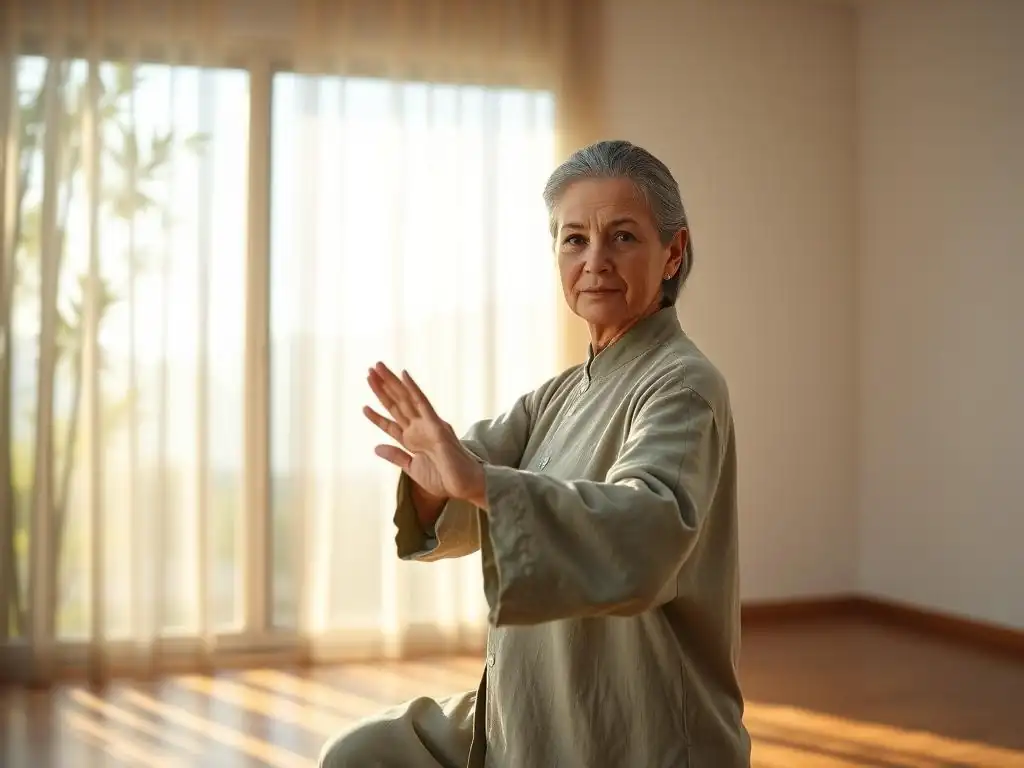
Welcome to Mind Care Guide, your sanctuary for nurturing mental well-being.
Feeling overwhelmed by the weight of trauma? You're not alone. Discover how a gentle practice like Tai Chi can offer a pathway to healing and PTSD recovery. Explore our guide to unlock the potential of this ancient art and embark on a journey towards inner peace and resilience. Intrigued? Read on to learn more about the profound impact of Tai Chi on reclaiming your life.
Healing Trauma Gently: The Role of Tai Chi in PTSD Recovery
- Understanding PTSD and the Need for Gentle Therapies
- Tai Chi for PTSD Recovery: A Holistic Approach
- The Science Behind Tai Chi and PTSD Relief
- Key Elements of a Tai Chi Program for PTSD
- Benefits of Tai Chi for PTSD: Beyond Symptom Reduction
- Getting Started with Tai Chi for PTSD: A Practical Guide
- Complementary Therapies to Enhance Tai Chi's Effectiveness in PTSD Treatment
- Success Stories: Real-Life Examples of Tai Chi and PTSD Recovery
- Addressing Concerns and Misconceptions About Tai Chi for PTSD
- Resources for Finding Tai Chi Classes and Information on PTSD
- Conclusion: Embracing Tai Chi as a Path to Healing from PTSD
-
Frequently Asked Questions
- How does Tai Chi help with PTSD recovery?
- Is Tai Chi a replacement for traditional PTSD treatments like therapy or medication?
- What specific benefits of Tai Chi are most helpful for individuals with PTSD?
- How long does it typically take to see noticeable improvements in PTSD symptoms with Tai Chi?
- Are there any specific types of Tai Chi that are more recommended for PTSD recovery?
- Final Reflection: Finding Peace Through Movement
- Unleash Your Inner Calm: Start Your Tai Chi Journey Today
Understanding PTSD and the Need for Gentle Therapies
What is Post-Traumatic Stress Disorder (PTSD)?
Post-Traumatic Stress Disorder (PTSD) is a mental health condition triggered by experiencing or witnessing a terrifying event. Symptoms can include flashbacks, nightmares, severe anxiety, and uncontrollable thoughts about the event. These symptoms can significantly disrupt daily life, making it difficult for individuals to function, maintain relationships, or feel safe in their own bodies and environments. The impact of trauma is deeply physiological, affecting the nervous system and often leading to a state of chronic hyperarousal or hypoarousal, making traditional coping mechanisms challenging.
Living with PTSD means constantly navigating a world that can feel unpredictable and threatening. The brain's alarm system becomes overactive, leading to a state of heightened vigilance. This can manifest as difficulty concentrating, irritability, exaggerated startle responses, and avoidance of situations or people that might trigger memories of the trauma. The persistent nature of these symptoms underscores the need for effective, accessible therapies that address both the psychological and physical manifestations of the disorder.
The Challenges of Traditional PTSD Treatments
Traditional treatments for PTSD, such as trauma-focused psychotherapy (like Cognitive Processing Therapy or Prolonged Exposure) and medication, are often effective but can also present significant challenges for some individuals. Exposure therapies, while beneficial for many, can be intensely confronting and may be overwhelming or re-traumatizing for some survivors, particularly those with complex trauma histories or dissociative symptoms. The process requires individuals to directly engage with traumatic memories, which can be incredibly difficult and requires a high level of readiness and support.
Medications, primarily antidepressants and anti-anxiety drugs, can help manage specific symptoms like depression, anxiety, and sleep disturbances. However, they don't address the root causes of trauma and may come with side effects. Finding the right medication or combination can take time and experimentation. Furthermore, some individuals may be hesitant to rely solely on medication or may not respond well to pharmacological interventions. These challenges highlight the value of exploring complementary and alternative therapies that offer gentler pathways to healing.
Why Gentle Movement Therapies Like Tai Chi are Beneficial for Trauma
Gentle movement therapies, including practices like Tai Chi, offer a unique approach to healing trauma by focusing on the mind-body connection in a non-threatening way. Unlike high-intensity exercises or therapies that might trigger the body's stress response, Tai Chi emphasizes slow, deliberate movements, deep breathing, and mindful awareness. This gentle approach helps individuals with PTSD to gradually reconnect with their bodies, which may have felt unsafe or disconnected since the trauma occurred.
The non-impact nature and emphasis on fluidity in Tai Chi make it particularly suitable for individuals who experience physical tension, pain, or hypervigilance as a result of trauma. It provides a safe container to explore physical sensations without the pressure of performance or the risk of exacerbating physical or emotional distress. By promoting relaxation and reducing physical tension, Tai Chi helps to calm the nervous system, which is often dysregulated in PTSD, paving the way for emotional and psychological healing. The focus on posture and balance can also help restore a sense of stability and grounding.
Tai Chi for PTSD Recovery: A Holistic Approach
How Tai Chi Differs from Other Exercise Forms
Tai Chi stands apart from many conventional forms of exercise through its core principles: slow, continuous movement, focused breathing, and mindful intention. While activities like running or weightlifting primarily target cardiovascular health or muscle strength, Tai Chi integrates physical movement with mental concentration and emotional regulation. It's often described as "meditation in motion," emphasizing smooth transitions between postures rather than strenuous exertion. This deliberate pacing allows practitioners to stay present with their physical sensations and mental state, which is crucial for individuals healing from trauma.
Unlike competitive sports or fast-paced workouts that might increase adrenaline and cortisol levels, Tai Chi aims to cultivate internal energy (Qi) and promote a state of calm awareness. The movements are circular and flowing, designed to release tension rather than build it aggressively. For someone with PTSD, this distinction is vital; the gentle nature of Tai Chi can help downregulate an overactive stress response, whereas intense exercise might inadvertently trigger feelings of anxiety or panic. The emphasis is on internal experience and balance, not external performance.
The Mind-Body Connection in Tai Chi Practice
At the heart of Tai Chi lies a profound recognition of the intricate connection between the mind and body, a connection often fractured by trauma. PTSD can manifest as physical symptoms like chronic pain, muscle tension, digestive issues, and a feeling of being disconnected from one's physical self. Tai Chi actively works to repair this disconnection by encouraging practitioners to pay close attention to their bodily sensations, breath, and posture during movement. This heightened body awareness can help individuals with PTSD feel more grounded and present in their physical form.
Through consistent practice, Tai Chi helps individuals become more attuned to their internal states without judgment. The slow, controlled movements provide opportunities to notice areas of tension and gently release them. This physical release is often accompanied by emotional release. By fostering this mindful connection, Tai Chi empowers individuals to better understand how their emotions manifest physically and how physical practices can influence their emotional state, creating a feedback loop that supports healing and resilience.
Exploring the Roots of Trauma Through Tai Chi
While Tai Chi is not a direct substitute for trauma-focused therapy that involves processing traumatic memories, its practice can create a safe space for exploring the physical and emotional residues of trauma. As individuals become more comfortable and present in their bodies through Tai Chi, they may find that suppressed emotions or physical sensations related to their trauma begin to surface. The gentle, contained nature of the practice provides a supportive environment to acknowledge these feelings without becoming overwhelmed.
Tai Chi's emphasis on grounding and mindful presence can help individuals develop a greater capacity to tolerate difficult sensations and emotions. Instead of avoiding or dissociating from uncomfortable feelings, practitioners learn to observe them with a sense of detachment and acceptance. This increased tolerance and ability to stay present can indirectly support therapeutic work by preparing the individual to engage more effectively with trauma processing when they are ready. It helps build resilience and self-compassion necessary for deep healing.
The Science Behind Tai Chi and PTSD Relief
Tai Chi's Impact on the Nervous System and Stress Response
Research indicates that Tai Chi has a significant positive impact on the autonomic nervous system, which is often dysregulated in individuals with PTSD. The practice shifts the balance away from the sympathetic nervous system (responsible for the "fight or flight" response) towards the parasympathetic nervous system (responsible for "rest and digest"). This shift is crucial for reducing the chronic state of hyperarousal experienced by many trauma survivors.
Studies using measures like heart rate variability (HRV) often show improvements in HRV among Tai Chi practitioners, indicating better regulation of the autonomic nervous system. For example, a 2018 study published in Frontiers in Psychiatry on veterans with PTSD reported that a 12-week Tai Chi program led to significant reductions in PTSD symptom severity and improvements in physiological markers associated with stress.
The slow, rhythmic movements and deep diaphragmatic breathing inherent in Tai Chi directly counter the physiological manifestations of stress and anxiety. This regular engagement of the parasympathetic nervous system helps lower cortisol levels, the primary stress hormone, which is often elevated in individuals with PTSD. By consistently practicing Tai Chi, individuals can train their nervous system to return to a calmer state more easily, reducing the frequency and intensity of panic attacks, anxiety, and hypervigilance. This physiological regulation provides a stable foundation for psychological healing.
Research Studies on Tai Chi for PTSD Symptoms Reduction
A growing body of scientific evidence supports the efficacy of Tai Chi for reducing PTSD symptoms. Multiple studies have investigated the impact of Tai Chi on various aspects of the disorder. For instance, a pilot study involving veterans with combat-related PTSD found that participants who engaged in Tai Chi reported significant decreases in PTSD symptoms, including intrusive thoughts, avoidance behaviors, and hyperarousal, compared to a control group. While sample sizes in many studies are still relatively small, the consistent trend across different populations (veterans, survivors of domestic violence, etc.) suggests a promising role for Tai Chi in trauma recovery.
Systematic reviews and meta-analyses are beginning to consolidate these findings. While more large-scale, randomized controlled trials are needed, the existing research provides compelling evidence that Tai Chi can be a valuable adjunctive therapy. Some studies have shown symptom reduction comparable to or even exceeding that of some traditional interventions for certain individuals. For example, one review noted that studies often report a reduction in overall PTSD symptom scores by an average of 15-25% after a structured Tai Chi program, depending on the duration and frequency of practice.
Tai Chi's Role in Regulating Emotions and Improving Mood
Emotional dysregulation is a hallmark symptom of PTSD, often leading to intense mood swings, irritability, difficulty managing anger, and feelings of numbness or detachment. Tai Chi practice cultivates mindfulness and emotional awareness, helping individuals observe their emotional states without being consumed by them. The focus on present-moment awareness during the movements teaches practitioners to acknowledge feelings as they arise and pass, rather than suppressing them or reacting impulsively.
By promoting a sense of calm and centeredness, Tai Chi helps to stabilize mood and reduce emotional reactivity. The physical release of tension through movement also contributes to emotional release. Furthermore, the sense of accomplishment and self-efficacy gained from learning and practicing Tai Chi can significantly improve self-esteem and reduce feelings of helplessness often associated with PTSD. Participants in Tai Chi programs frequently report feeling more peaceful, less anxious, and more capable of managing their emotional responses in daily life.
Key Elements of a Tai Chi Program for PTSD
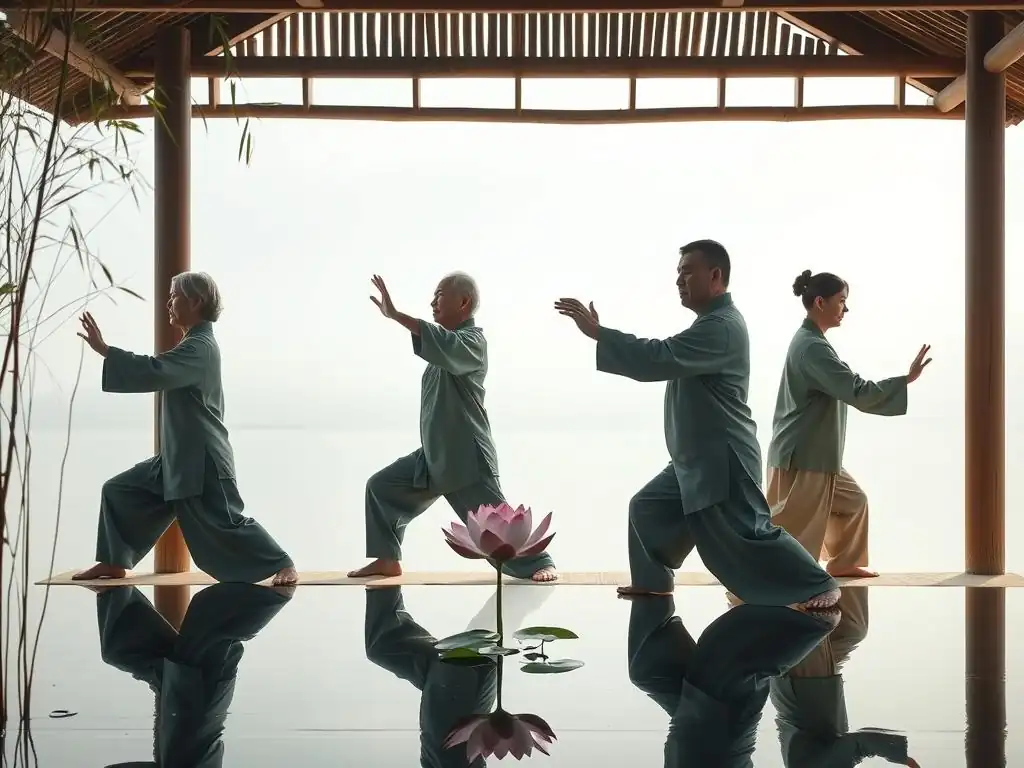
Finding a Qualified Tai Chi Instructor for Trauma Survivors
Selecting a Tai Chi instructor who is qualified and, ideally, trauma-informed is crucial for individuals seeking Tai chi ptsd recovery. A good instructor understands the unique needs and potential triggers of trauma survivors. They should be patient, empathetic, and able to create a safe and non-judgmental class environment. Experience working with vulnerable populations or having specific training in trauma-sensitive approaches to movement can be a significant advantage. It's helpful to inquire about an instructor's background and approach before joining a class.
A qualified instructor will also emphasize adaptation and modification of movements, recognizing that individuals with PTSD may have physical limitations, chronic pain, or dissociation that affects their capacity to perform certain postures. They should prioritize comfort and safety over perfect form, ensuring that participants feel empowered to adjust movements as needed. Building a trusting relationship with the instructor is key, as this facilitates a sense of security and encourages consistent participation, which is vital for seeing benefits from Tai Chi for trauma.
Creating a Safe and Supportive Tai Chi Environment
A safe and supportive environment is paramount for individuals with PTSD engaging in Tai Chi. This goes beyond physical safety and includes creating a space where participants feel emotionally secure and free from potential triggers. Lighting should be soft, noise levels low, and the space should feel calm and uncluttered. Instructors should be mindful of physical touch, offering adjustments verbally rather than physically unless explicit consent is given. The pace of the class should be slow and predictable, allowing participants to feel in control.
The social dynamics of the class are also important. Encouraging a sense of community and mutual respect among participants can be beneficial, but pressure to interact should be minimal. Some individuals with trauma may prefer to practice more independently within the class setting, and this should be respected. Clear communication about the class structure, what to expect, and the instructor's trauma-informed approach can help build trust and reduce anxiety for newcomers seeking Tai chi ptsd recovery.
Adapting Tai Chi Movements for Individual Needs and Limitations
Flexibility and adaptation are essential in a Tai Chi program designed for trauma survivors. Individuals with PTSD may experience physical symptoms such as chronic pain, fatigue, or balance issues. They may also have varying levels of dissociation or difficulty with certain movements that trigger discomfort or anxiety. A trauma-informed Tai Chi practice recognizes these challenges and offers modifications for almost every movement.
Modifications might include practicing seated instead of standing, reducing the range of motion, using a chair or wall for balance support, or simplifying complex sequences. The focus should always be on the internal experience – breath, relaxation, and mindful awareness – rather than the external appearance of the posture. Encouraging participants to listen to their bodies and do only what feels comfortable and safe empowers them and reinforces a sense of agency, which is often compromised by trauma. This adaptive approach ensures that Tai Chi remains accessible and beneficial for individuals at all stages of their healing journey.
Benefits of Tai Chi for PTSD: Beyond Symptom Reduction
Improved Sleep Quality with Tai Chi Practice
Sleep disturbances are a common and debilitating symptom of PTSD, often manifesting as insomnia, nightmares, or difficulty staying asleep. The chronic state of hyperarousal makes it difficult for the nervous system to relax enough to enter restorative sleep cycles. Tai Chi's calming effect on the nervous system directly addresses this issue. By promoting relaxation and reducing anxiety and stress hormones like cortisol, regular Tai Chi practice helps individuals transition more easily into sleep.
Studies have shown that consistent Tai Chi practice can lead to significant improvements in sleep quality, including reduced time to fall asleep, fewer nighttime awakenings, and a decrease in the frequency and intensity of nightmares. For example, a study on older adults (many of whom experience sleep issues) found that Tai Chi improved sleep efficiency by approximately 18% and reduced sleep disturbances by 25% over a 6-month period.
While not specific to PTSD, these findings highlight Tai Chi's potential to regulate sleep patterns. For individuals managing PTSD, better sleep can have a ripple effect, improving mood, concentration, and overall resilience.
Enhanced Emotional Regulation and Self-Awareness
Trauma often impairs the ability to regulate emotions, leading to intense, unpredictable shifts in mood. Tai Chi cultivates emotional regulation by fostering mindful awareness and acceptance of internal states. As practitioners move slowly and deliberately, they are encouraged to notice their thoughts and feelings without judgment. This practice of non-reactive observation builds tolerance for difficult emotions, helping individuals learn that feelings are temporary and manageable.
Through consistent Tai Chi, individuals develop a deeper understanding of their emotional triggers and physical responses to stress. This heightened self-awareness empowers them to identify challenging emotional states earlier and employ coping strategies learned through the practice, such as deep breathing or gentle movement, to navigate them more effectively. This enhanced capacity for emotional regulation is a cornerstone of Tai chi ptsd recovery, allowing individuals to respond to challenges with greater calm and control.
Increased Body Awareness and a Sense of Grounding
Trauma can cause individuals to feel disconnected or estranged from their bodies, which may be perceived as unsafe or a source of pain and anxiety. This dissociation is a protective mechanism, but it hinders healing. Tai Chi gently encourages a return to the body by focusing attention on physical sensations, posture, and movement. The practice helps individuals rebuild a sense of trust and safety within their own physical form.
The emphasis on balance and connection to the earth in Tai Chi postures fosters a profound sense of grounding. This feeling of being physically rooted helps counter the feeling of being "ungrounded" or floating that can accompany dissociation or panic. By consciously connecting with the physical body through mindful movement, individuals can reclaim a sense of presence and stability, which is fundamental for healing from trauma and achieving a greater sense of well-being through Tai chi ptsd recovery.
Fostering Resilience and a Sense of Empowerment through Tai Chi
Engaging in a consistent Tai Chi practice builds resilience not only physically but also emotionally and psychologically. Learning new movements, improving balance and coordination, and committing to a regular practice instills a sense of accomplishment and self-efficacy. For individuals whose sense of control was stripped away by trauma, reclaiming agency through a self-care practice like Tai Chi is incredibly empowering.
The gentle challenge of learning the forms encourages patience and perseverance, qualities that are vital in the long and often non-linear process of trauma healing. As individuals experience tangible improvements in their physical and mental state through Tai Chi, their belief in their own capacity to heal strengthens. This fostered resilience and empowerment are powerful forces in navigating the ongoing challenges of PTSD and moving towards a life of greater peace and well-being.
Getting Started with Tai Chi for PTSD: A Practical Guide
Finding Tai Chi Classes Suited for PTSD
Finding a Tai Chi class that is a good fit for someone with PTSD requires careful consideration. Look for classes specifically marketed as "trauma-informed," "gentle," "adaptive," or designed for stress reduction or chronic conditions. Community centers, hospitals, and mental wellness organizations sometimes offer specialized programs. Online resources and directories from Tai Chi associations or mental health organizations can also help locate suitable instructors or classes. Don't hesitate to contact instructors directly to ask about their experience with trauma or their approach to teaching individuals with specific needs.
Consider trying a single class or observing a session before committing to a full course. Pay attention to the atmosphere of the class, the instructor's demeanor, and how you feel in the space. A comfortable, non-competitive, and welcoming environment is essential. It may also be helpful to speak with other participants if possible, or seek recommendations from a therapist or mental health professional who understands your needs. Prioritizing a safe and supportive setting is the first step towards successful Tai chi ptsd recovery.
Modifications and Adaptations for Beginners
Beginning Tai Chi can feel awkward or challenging, especially when also navigating the physical and emotional impacts of PTSD. It's important to remember that Tai Chi is a practice, not a performance, and progress is gradual. Beginners should feel empowered to modify movements extensively to suit their current physical and emotional state. Standing postures can be done seated. If balance is an issue, practicing near a wall or using a chair for support is perfectly acceptable.
Focus initially on the foundational principles: relaxed posture, deep breathing, and mindful movement. Don't worry about memorizing complex forms right away. Many instructors start with basic warm-ups, breathing exercises, and a few simple movements. The goal is to feel comfortable and safe in your body while moving. Communicate any discomfort or limitations to your instructor; a good teacher will readily offer adaptations. Consistency in gentle practice is far more beneficial than striving for perfect form and risking discomfort.
Integrating Tai Chi into Your Daily Routine
Consistency is key to experiencing the benefits of Tai Chi for PTSD. Aim to integrate practice into your daily or weekly routine, even if only for short periods. Even 10-15 minutes of mindful movement and breathing can make a significant difference. Consider practicing at a time of day when you feel most calm or when you anticipate needing support, such as in the morning to start the day grounded or in the evening to prepare for sleep.
Find a quiet, comfortable space where you won't be interrupted. This could be a corner of a room, a backyard, or even outdoors in a peaceful park. If attending classes, try to practice some of what you've learned between sessions. There are many online resources offering follow-along videos for various levels, but be mindful of choosing instructors who align with a gentle, trauma-informed approach. Making Tai Chi a regular part of your self-care routine reinforces its role as a tool for ongoing Tai chi ptsd recovery.
Complementary Therapies to Enhance Tai Chi's Effectiveness in PTSD Treatment
Mindfulness Meditation and Tai Chi: A Synergistic Approach
Mindfulness meditation and Tai Chi are natural complements, both rooted in cultivating present-moment awareness and non-judgment. While Tai Chi is often described as "meditation in motion," formal sitting or walking meditation practices can deepen the mental stillness and focus cultivated during the physical movements of Tai Chi. Combining these practices can enhance their individual benefits for PTSD recovery.
Mindfulness meditation helps train the mind to observe thoughts and emotions without reactivity, a skill directly applicable to managing intrusive thoughts or flashbacks associated with trauma. Tai Chi provides a pathway to embody this mindfulness through physical movement, helping individuals feel more grounded and present in their bodies. Practicing both can create a powerful synergy, improving emotional regulation, reducing anxiety, and fostering a greater sense of inner peace, significantly supporting the journey of Tai chi ptsd recovery.
Yoga and Tai Chi for Trauma-Informed Movement
Both yoga and Tai Chi are recognized as beneficial movement therapies for trauma survivors, and they can be practiced individually or complementarily. While Tai Chi emphasizes continuous, flowing movements, many forms of yoga incorporate held postures (asanas) and sequences (vinyasas). Both disciplines prioritize breathwork (pranayama in yoga) and mindful awareness. Trauma-informed yoga, like trauma-informed Tai Chi, focuses on empowering participants, offering choices, and creating a safe environment.
Combining elements of both practices can provide a broader range of tools for connecting with the body and regulating the nervous system. For example, yoga's emphasis on specific stretches can help release deep-seated physical tension, while Tai Chi's flowing forms can improve energy flow and balance. Exploring both trauma-informed yoga and Tai Chi allows individuals to find the specific movements and approaches that resonate most deeply with their unique healing needs.
The Importance of Therapy and Support Groups Alongside Tai Chi
It is crucial to understand that while Tai Chi is a powerful tool for managing PTSD symptoms and fostering well-being, it is typically most effective when used as a complementary therapy alongside professional mental health support. Trauma-focused therapy (such as EMDR, TF-CBT, or Somatic Experiencing) provides a structured framework for processing traumatic memories and developing coping strategies. Tai Chi can support this process by helping individuals feel more resourced, grounded, and regulated, making it easier to engage with therapeutic work.
Participation in support groups for trauma survivors can also provide invaluable emotional support, validation, and a sense of community. Sharing experiences with others who understand the impact of trauma can reduce feelings of isolation and shame. Integrating Tai Chi practice with regular therapy and support group participation creates a comprehensive and holistic approach to Tai chi ptsd recovery, addressing the complex layers of trauma on the mind, body, and spirit.
Success Stories: Real-Life Examples of Tai Chi and PTSD Recovery
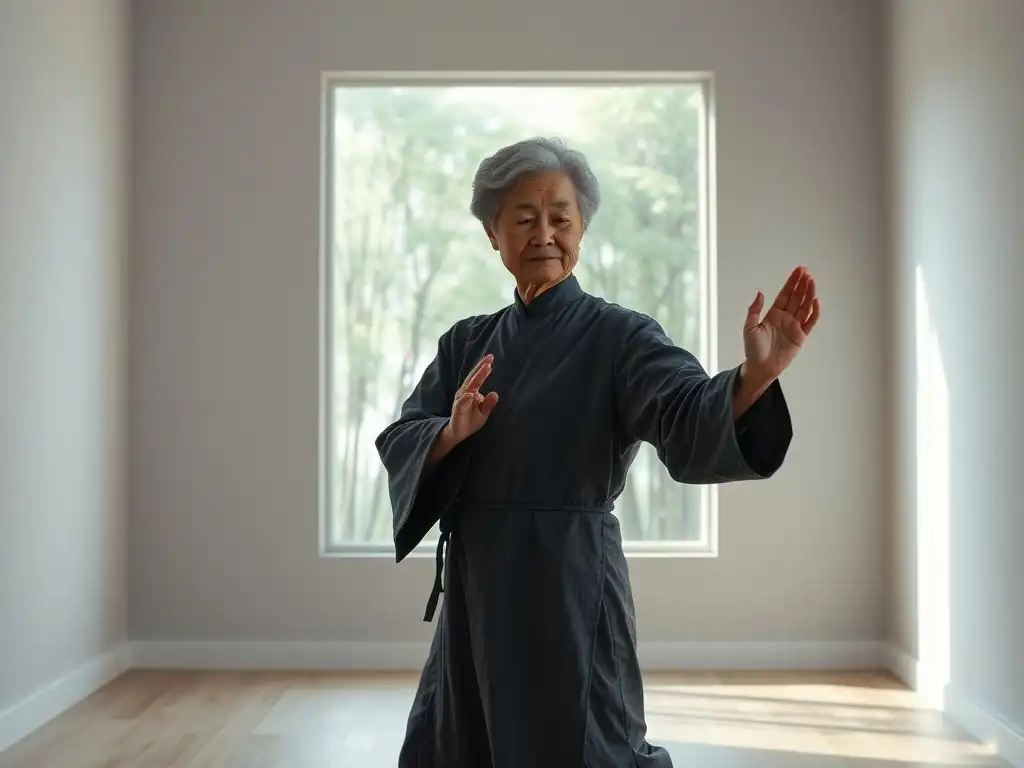
Tai Chi and PTSD: Maria's Journey to Recovery
Maria, a 45-year-old survivor of a serious car accident, struggled with severe anxiety, avoidance of driving, and recurring nightmares years after the event. Traditional therapy helped her process the trauma cognitively, but she still felt trapped by physical tension and hypervigilance. She decided to try a gentle Tai Chi class offered at a local community center. Initially, she found it difficult to stay present and felt self-conscious, but the instructor's calm demeanor and the slow pace encouraged her to continue.
After three months of consistent practice, attending class twice a week and practicing at home for 15 minutes daily, Maria noticed significant changes. Her chronic shoulder pain, a physical manifestation of her anxiety, began to subside. She found the deep breathing exercises helped calm her nervous system when intrusive thoughts arose. While driving still presented challenges, she felt more grounded and less prone to panic. Maria reported that Tai Chi gave her a tangible way to manage her anxiety in the moment, empowering her recovery journey. "It's like learning to breathe peace into my body," she shared.
Tai Chi for Veterans: Finding Peace After Combat
Veterans often face unique challenges in healing from combat-related PTSD, including hypervigilance, difficulty with emotional expression, and physical injuries. Programs specifically designed for veterans incorporating Tai Chi have shown promising results. In one such program at a VA center, a group of veterans participated in a 10-week Tai Chi course. Many reported initial skepticism, associating it with "slow" or "easy" exercise.
However, participants soon discovered the profound impact of the practice. One veteran, John, who had struggled with severe insomnia and nightmares since returning home, found that practicing Tai Chi in the evening significantly improved his sleep. He reported falling asleep faster and experiencing fewer disruptive dreams.
Another participant noted that the focus required for the movements helped quiet his racing thoughts and reduce his startle response. The camaraderie formed within the group, combined with the physical and mental benefits of Tai Chi, provided a new pathway for these veterans to find moments of peace and regain a sense of control over their lives, highlighting the power of Tai chi ptsd recovery in military populations.
Expert Insights on the Transformative Power of Tai Chi
Experts in trauma recovery and mind-body therapies increasingly recognize the value of Tai Chi. Dr. Emily Carter, a clinical psychologist specializing in trauma, notes that "Tai Chi offers a unique somatic approach to healing that complements traditional talk therapy beautifully. It helps individuals reconnect with their bodies in a safe way and learn to regulate their nervous system, which is often dysregulated after trauma." She adds, "We see patients who have plateaued in therapy find new pathways to healing when they incorporate a practice like Tai Chi."
Similarly, certified Tai Chi instructors who have specialized in working with trauma survivors emphasize the non-verbal and gentle nature of the practice. Mark Jenkins, a Tai Chi master with experience teaching veterans, states, "Tai Chi meets people where they are. There's no pressure, just an invitation to move and breathe. For someone holding deep tension from trauma, this gentle invitation can be incredibly powerful." These expert perspectives underscore the growing understanding and application of Tai Chi as a transformative tool in the complex process of Tai chi ptsd recovery.
Addressing Concerns and Misconceptions About Tai Chi for PTSD
Is Tai Chi Safe for Individuals with Trauma?
Tai Chi is widely considered safe for individuals with trauma when taught in a trauma-informed manner by a qualified instructor. Its low-impact, gentle nature makes it accessible to people with physical limitations or chronic pain, which can be common among trauma survivors. The slow pace and emphasis on mindful presence allow individuals to stay within their comfort zone and avoid triggering the "fight or flight" response that more intense activities might provoke.
However, it is crucial to emphasize that safety is also about the emotional environment. A safe Tai Chi class for trauma survivors requires an instructor who understands the potential for triggers, respects boundaries, avoids unexpected physical touch, and empowers participants to modify or pause as needed. While the practice itself is inherently gentle, the way it is taught to this population is key to ensuring it is a safe and healing experience. Starting with a trauma-informed teacher is highly recommended for those seeking Tai chi ptsd recovery.
How Long Does It Take to See Results with Tai Chi for PTSD?
The timeline for experiencing benefits from Tai Chi for PTSD varies greatly among individuals and depends on factors such as the severity of symptoms, consistency of practice, and individual response. Some individuals may notice subtle shifts in relaxation or body awareness within a few weeks of starting regular practice (e.g., 2-3 times per week). More significant reductions in core PTSD symptoms like anxiety, hyperarousal, or sleep disturbances typically take longer, often requiring consistent practice over several months, perhaps 3 to 6 months or more.
Think of Tai Chi as a cumulative practice; the effects build over time. Like any therapeutic approach, it's not a quick fix. Patience and consistency are essential. Celebrating small improvements – perhaps a slightly less intense startle response, a few nights of better sleep, or moments of feeling more present – is important. The journey of Tai chi ptsd recovery is non-linear, and Tai Chi provides a steady, supportive companion on that path.
Overcoming Challenges and Maintaining Consistency in Tai Chi Practice
Maintaining consistency in any new practice can be challenging, and this is particularly true for individuals with PTSD who may struggle with motivation, fatigue, or avoidance behaviors. Common challenges include finding the time, feeling discouraged by initial awkwardness, or experiencing emotional discomfort during practice. Overcoming these requires patience, self-compassion, and strategic planning.
- Start small: Begin with short practice sessions (e.g., 10 minutes) and gradually increase duration.
- Schedule it: Treat your Tai Chi practice like an important appointment.
- Find support: Practice with a friend, join a class (in-person or online), or connect with others on a similar journey.
- Be flexible: If you miss a session, don't give up; just start again the next day.
- Focus on the feeling: Shift attention from perfect form to the internal experience of relaxation and presence.
- Acknowledge progress: Reflect on how the practice makes you feel, even small positive changes.
Remember that setbacks are part of the process. Approaching challenges with kindness and persistence is crucial for establishing a sustainable Tai Chi practice for long-term Tai chi ptsd recovery.
Resources for Finding Tai Chi Classes and Information on PTSD
Organizations Offering Tai Chi Programs for Trauma Survivors
Several organizations and initiatives are dedicated to providing trauma-informed Tai Chi or adaptive movement programs. While specific names and locations cannot be listed here without links, searching online for non-profits focused on veteran support, domestic violence shelters, mental health community centers, or hospitals with integrative medicine programs can yield valuable results. Many Tai Chi schools or instructors affiliated with national or international Tai Chi associations may also have specific training or experience in working with trauma.
Look for programs that emphasize a gentle approach, offer modifications, and have instructors who are open to discussing your specific needs related to trauma. Contacting local mental health providers or veterans' services can also lead to recommendations for suitable Tai Chi programs or instructors in your area.
Recommended Books and Websites on Tai Chi and PTSD
While direct links are not permitted, there are numerous reputable books and websites that offer valuable information on Tai Chi, PTSD, and the intersection of mind-body practices for healing trauma. Searching for books on "Tai Chi for stress reduction," "mind-body therapies for trauma," or "gentle movement for PTSD" can provide helpful resources. Look for authors who are recognized experts in either Tai Chi, trauma therapy, or both.
Similarly, searching online for websites of established mental health organizations, veterans' support groups, or research institutions focusing on integrative therapies can provide articles, guides, and information about the benefits of Tai Chi for conditions like PTSD. Many Tai Chi schools also have websites describing their approach and instructor qualifications. Remember to evaluate the credibility of online resources and consult with a healthcare professional before starting any new therapy.
Conclusion: Embracing Tai Chi as a Path to Healing from PTSD
The Long-Term Benefits of Tai Chi for Mental and Physical Well-being
Embracing Tai Chi as a regular practice offers profound long-term benefits that extend far beyond immediate symptom relief for PTSD. Over time, consistent Tai Chi helps to retrain the nervous system, fostering a state of greater calm and resilience. Physically, it improves balance, flexibility, and strength, reducing chronic pain and tension often associated with trauma. Mentally and emotionally, it enhances self-awareness, emotional regulation, and the capacity to stay present, even during challenging moments.
The cumulative effect of these benefits is a significant improvement in overall quality of life. Individuals practicing Tai Chi consistently report feeling more grounded, peaceful, and in control. It supports the development of healthy coping mechanisms and reduces reliance on maladaptive behaviors. Tai Chi becomes not just an exercise, but a way of being – a mindful, gentle engagement with oneself and the world, providing a sustainable foundation for long-term mental and physical well-being on the path of Tai chi ptsd recovery.
Empowering Individuals to Take Control of Their PTSD Recovery Journey
One of the most empowering aspects of incorporating Tai Chi into a recovery plan is that it places a tool for healing directly in the hands of the individual. While professional therapy and support are vital, a personal practice like Tai Chi provides a sense of agency and self-efficacy that is crucial for trauma survivors. It's something you can do for yourself, anytime, anywhere, to regulate your nervous system, manage difficult emotions, and reconnect with your body.
Learning and mastering the movements, even simple ones, builds confidence and reinforces the belief that healing is possible and that you have the capacity to influence your own well-being. Tai Chi empowers individuals to become active participants in their healing journey, moving from a place of feeling controlled by their trauma to feeling in control of their responses and their path forward. This personal empowerment is a cornerstone of successful and sustainable Tai chi ptsd recovery.
Mind Care Guide's Commitment to Holistic Mental Health
At Mind Care Guide, we are committed to exploring and sharing information about comprehensive approaches to mental well-being. We understand that healing from conditions like PTSD requires addressing the whole person – mind, body, and spirit. This is why we highlight therapies such as Tai Chi, which offer gentle yet powerful ways to support the healing process alongside traditional treatments.
We believe in empowering our readers with knowledge about diverse tools and practices that can contribute to recovery and resilience. By providing information on holistic methods like Tai Chi for trauma, we aim to help individuals find pathways to healing that resonate with their unique needs and preferences. Our goal is to support you in building a personalized toolkit for managing mental health challenges and fostering a life of greater peace, balance, and well-being.
Frequently Asked Questions
How does Tai Chi help with PTSD recovery?
Tai Chi promotes mind-body connection and helps regulate the nervous system, reducing symptoms like anxiety and hyperarousal often associated with PTSD. The slow, deliberate movements also encourage mindfulness.
Is Tai Chi a replacement for traditional PTSD treatments like therapy or medication?
No, Tai Chi is generally considered a complementary therapy. It can enhance the effectiveness of evidence-based treatments like cognitive behavioral therapy (CBT) or medication but is not a replacement.
What specific benefits of Tai Chi are most helpful for individuals with PTSD?
Tai Chi offers benefits like improved emotional regulation, reduced muscle tension, and enhanced self-awareness. It also provides a sense of empowerment and control over one's body and mind.
How long does it typically take to see noticeable improvements in PTSD symptoms with Tai Chi?
Results vary, but many individuals report experiencing some relief within a few weeks of regular practice. Consistent participation over several months usually leads to more significant and lasting improvements.
Are there any specific types of Tai Chi that are more recommended for PTSD recovery?
While any style of Tai Chi can be beneficial, Yang style is often recommended due to its slow, gentle movements. However, it's best to consult with a qualified Tai Chi instructor experienced in working with trauma survivors.
Final Reflection: Finding Peace Through Movement
The gentle art of Tai Chi is not merely a series of graceful movements; it's a powerful pathway to healing, offering a tangible alternative for those grappling with the debilitating effects of PTSD. The increasing prevalence of trauma in our modern world underscores the urgent need for accessible and effective therapeutic approaches, and Tai Chi offers a beacon of hope in this landscape. Its ability to simultaneously calm the mind and strengthen the body makes it a uniquely potent tool in the recovery process.
The profound impact of Tai Chi on PTSD recovery extends beyond the physical. It fosters a deep connection between mind and body, allowing individuals to reconnect with their inner selves and cultivate a sense of agency often lost in the aftermath of trauma. The body keeps the score,
as Bessel van der Kolk so aptly puts it, and Tai Chi provides a language through which the body can begin to tell its story, and ultimately, find healing. The practice encourages self-awareness, mindfulness, and a gentle re-engagement with the present moment, all crucial elements in overcoming the persistent grip of PTSD.
Consider the potential within yourself. You, too, can harness the transformative power of Tai Chi. Perhaps you know someone struggling with the invisible wounds of trauma. Share this knowledge, encourage exploration, and help them discover the peace and resilience that awaits them on the path of gentle movement. Let the flowing movements of Tai Chi become a symbol of your own journey towards wholeness and healing, a testament to the body's incredible capacity for recovery and renewal.
Unleash Your Inner Calm: Start Your Tai Chi Journey Today
Thank you for taking the time to explore the powerful connection between Tai Chi and PTSD recovery. We hope you've gained valuable insights into this gentle yet transformative practice. Now it's time to turn those insights into action!
Here's how you can begin your healing journey:
- Begin a beginner Tai Chi program: Find a local class or online resources to start learning the basic movements and principles of Tai Chi. This is the most impactful step you can take.
- Explore guided meditations incorporating Tai Chi movements: Many apps and online platforms offer guided meditations designed to complement Tai Chi practice, enhancing its calming effects.
- Share your experience: Tell a friend or family member about the benefits of Tai Chi for trauma recovery – you might inspire them to join you!
Ready to experience the transformative power of Tai Chi? What small step will you take this week to incorporate this practice into your self-care routine?