
Finding Your Tribe: The Importance of PPD Support Groups

Welcome to Mind Care Guide.
Feeling lost and overwhelmed after giving birth? You're not alone. Postpartum Depression (PPD) can cast a long shadow, but there's light ahead. This feeling of isolation doesn't have to define your journey. We understand the challenges you're facing, and we're here to help you navigate them. Let's explore the vital role of finding support groups for PPD and how connecting with others can be a powerful step towards healing. Discover how sharing your experiences and learning from others can make all the difference.
Finding Your Tribe: The Importance of Maternal Mental Health Support Groups
- Understanding Postpartum Mood Disorders (PPMDs) and the Need for Support
- The Power of Support Groups for PPMD Recovery
- Finding Support Groups for PPMDs: Your Options
- What to Expect in a PPMD Support Group Meeting
- Overcoming Barriers to Joining a PPMD Support Group
- Maximizing the Benefits of Your PPMD Support Group Experience
- Beyond Support Groups: Additional Resources for PPMD Recovery
- The Long-Term Impact of PPMD Support and Recovery
- Frequently Asked Questions
- Final Reflection: The Enduring Power of Connection in the PPD Journey
- Unlock Your Support Network: Take the Next Step
Understanding Postpartum Mood Disorders (PPMDs) and the Need for Support
Defining Postpartum Mood Disorders: Symptoms and Impact on New Parents
Postpartum Mood Disorders (PPMDs) encompass a range of mental health challenges that can affect parents during pregnancy and the postpartum period, typically within the first year after birth. While often referred to collectively as "postpartum depression," PPMDs include conditions like postpartum anxiety, obsessive-compulsive disorder, and in rare cases, postpartum psychosis. Postpartum depression itself is characterized by persistent feelings of sadness, hopelessness, irritability, and fatigue that go beyond the common "baby blues." It can significantly impair a parent's ability to function and care for themselves and their baby.
The impact of PPMDs extends far beyond the individual parent. It can strain relationships with partners and family members, affect the parent-infant bond, and potentially influence the child's development. Studies suggest that as many as 1 in 7 new mothers may experience postpartum depression, and partners can also be affected, with estimates indicating up to 1 in 10 new fathers experiencing paternal postpartum depression. Recognizing the diverse symptoms and understanding that PPMDs are treatable medical conditions, not a personal failing, is the crucial first step towards recovery.
Navigating the transition to parenthood is inherently challenging, involving significant physical, emotional, and social adjustments. Without adequate social support, these challenges can feel overwhelming, particularly when compounded by the symptoms of a PPMD. Social connection provides a buffer against stress, reduces feelings of isolation, and offers a vital sense of belonging during a time of immense change.
Receiving support from a partner, family, friends, or a community can provide practical help with childcare and household tasks, emotional validation, and a reminder that you are not alone. Research consistently shows that strong social support networks are protective factors against the development or severity of postpartum mental health issues. Conversely, isolation is a significant risk factor, making it harder for individuals to cope with symptoms and seek help. This highlights the critical need for readily available support systems.
The Unique Challenges Faced by Parents with PPMDs
Parents experiencing PPMDs face a unique set of challenges that can make recovery feel particularly difficult. On top of managing the demands of caring for a newborn – including sleep deprivation, constant feeding schedules, and navigating infant cues – they are simultaneously battling distressing internal symptoms. The guilt and shame often associated with not feeling the expected joy of motherhood can be profound, leading parents to hide their struggles and further isolate themselves.
Furthermore, hormonal shifts following birth can significantly impact mood and energy levels. Societal pressure to present a picture of perfect parenthood can intensify feelings of inadequacy when symptoms make daily tasks feel impossible. Balancing self-care needs with the round-the-clock demands of a baby while experiencing intense anxiety or depression is an immense undertaking, requiring significant resilience and, crucially, external support.
The Power of Support Groups for PPMD Recovery
What are Postpartum Mood Disorder Support Groups?
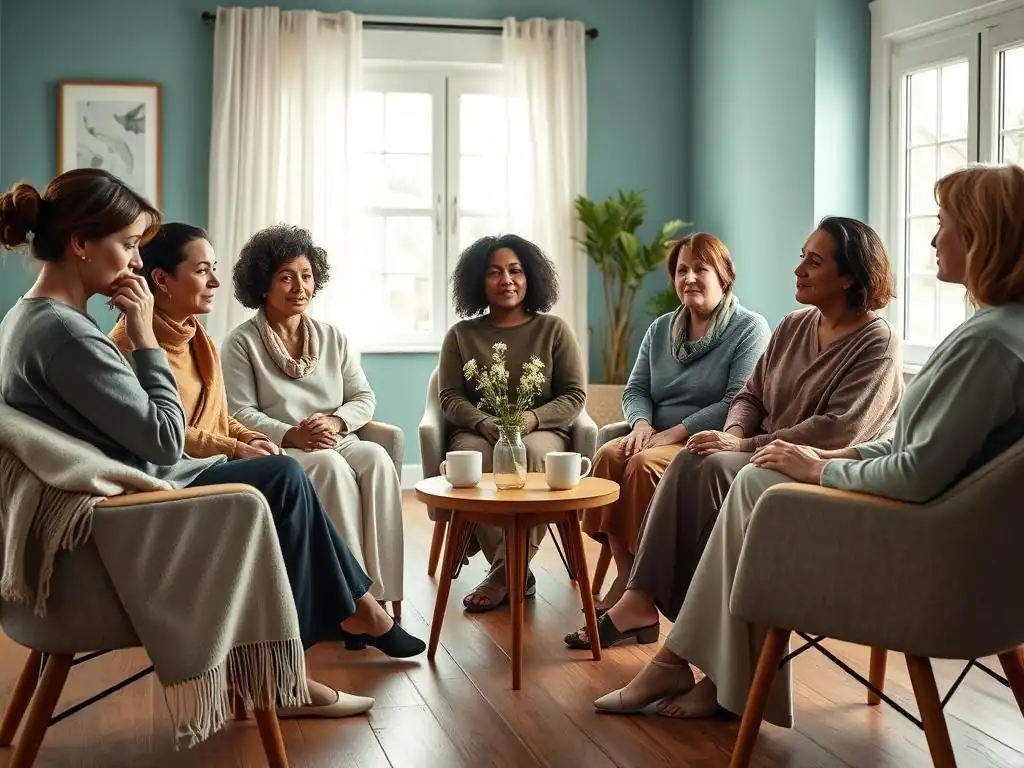
Postpartum Mood Disorder support groups are structured gatherings, either in-person or online, where individuals who are experiencing or have experienced PPMDs can connect with peers. These groups are typically facilitated by a trained professional, such as a therapist or peer support specialist, but the core of the support comes from shared experiences among participants. They provide a safe, confidential space to discuss challenges, share feelings, and offer mutual encouragement without fear of judgment.
These groups are specifically designed to address the unique context of postpartum mental health. Discussions often revolve around the specific symptoms, challenges related to infant care, relationship dynamics affected by PPMDs, and strategies for coping and recovery. Unlike general support groups, PPMD groups focus on the particular stressors and emotional landscape of the postpartum period, making the shared experiences highly relevant and validating for participants.
Benefits of Joining a PPMD Support Group: Sharing, Learning, and Healing
Joining a support group offers a multifaceted approach to healing and recovery for parents dealing with PPMDs. The simple act of being in a room (or virtual space) with others who understand your struggles can be profoundly comforting. It moves you from a place of feeling utterly alone to feeling connected and seen.
Reducing Feelings of Isolation and Loneliness
One of the most significant benefits is the reduction of isolation. PPMDs often thrive in secrecy and solitude. Hearing others articulate feelings and experiences similar to your own immediately breaks down the walls of loneliness. You realize you are not the only one struggling with persistent sadness, overwhelming anxiety, or difficulty bonding. This shared understanding creates a powerful sense of community and belonging.
It is common for new parents, especially those with PPMDs, to feel cut off from their previous social circles. A support group provides a new, understanding community specifically tailored to this life stage and its mental health challenges. Participants often exchange contact information and develop friendships outside of the group, extending the support network.
Gaining Practical Advice and Coping Strategies
Beyond emotional support, groups are a rich source of practical information and coping strategies. Members share what has worked for them in managing symptoms, navigating sleep deprivation, dealing with intrusive thoughts, or communicating needs to their partners. This peer-to-peer knowledge exchange can be incredibly valuable.
Facilitators often introduce evidence-based coping techniques, mindfulness exercises, or stress reduction strategies. Participants learn from both the facilitator and each other, accumulating a toolkit of practical methods to manage their symptoms and improve their daily lives. This practical aspect complements therapeutic interventions by providing real-world, peer-tested solutions.
Finding Validation and Understanding from Peers
Validation is a cornerstone of the support group experience. In a world that often expects new parents to be effortlessly joyful, admitting you are struggling can be met with well-meaning but unhelpful platitudes. In a support group, there is an inherent understanding of the depth of despair, the intensity of anxiety, and the complexity of postpartum emotions.
Hearing others say, "I felt exactly that way," or "That was my experience too," provides immense relief and confirms that your feelings are valid and not a sign of failure. This validation reduces shame and encourages openness, creating a virtuous cycle of sharing and healing. It allows individuals to move past self-blame and focus on recovery.
Improving Mood and Reducing Anxiety
Regular participation in a support group has been shown to have a positive impact on mood and anxiety levels. The combination of reduced isolation, emotional validation, and practical coping strategies directly addresses core symptoms of PPMDs. Sharing your burden lightens its weight, and receiving empathy and encouragement fosters hope.
The structured environment of a group meeting provides a predictable, safe space to process difficult emotions. Learning that recovery is possible and witnessing others' progress offers inspiration. While a support group is not a substitute for professional treatment like therapy or medication, it serves as a powerful adjunct, contributing significantly to symptom reduction and overall well-being.
Finding Support Groups for PPMDs: Your Options

Finding support groups for PPD or other PPMDs is a crucial step towards recovery. Fortunately, there are several avenues available, offering flexibility and accessibility depending on your circumstances. The key is to start looking and reach out.
Online PPMD Support Groups: Accessibility and Convenience
Online support groups have become increasingly popular and accessible, offering a lifeline to parents who may face geographical barriers, transportation issues, or difficulties leaving the house with a new baby. These groups operate through various platforms, including dedicated mental health websites, social media groups (often private for confidentiality), and forums.
The convenience is a major draw; you can participate from the comfort of your home, often at flexible times. Online groups can connect you with a wider network of parents from different locations, offering diverse perspectives. However, it's important to vet online groups to ensure they are moderated by trained individuals and maintain a safe and confidential environment. Searching specifically for "online support groups for postpartum depression" or "virtual PPMD support" can yield many options.
Local PPMD Support Groups: Connecting with Parents in Your Community
Local, in-person support groups offer the benefit of face-to-face interaction and the opportunity to connect with other parents in your immediate community. These groups often meet at hospitals, community centers, mental health clinics, or even private practices. The physical presence can foster deeper connections and allow for spontaneous interactions before or after meetings.
Finding support groups for PPD locally often involves contacting your healthcare provider (obstetrician, pediatrician, or family doctor), local hospitals, mental health services, or community health organizations. Childbirth education centers or doula networks might also have information. While requiring travel, local groups can provide a strong sense of community and shared local resources.
Specialized Support Groups: Tailored to Specific Needs
Sometimes, a general PPMD support group may not fully address the specific challenges an individual is facing. Specialized groups exist to cater to particular demographics or specific symptomatic experiences, providing a more targeted form of support.
Support Groups for Specific Demographics
These groups are tailored to the unique experiences of particular populations. Examples include support groups specifically for partners experiencing paternal postpartum depression, groups for single mothers, groups for parents of multiples (twins, triplets, etc. ), groups for parents who have experienced infant loss or NICU stays, or groups for parents from specific cultural or ethnic backgrounds. These groups acknowledge that identity and experience shape the postpartum journey and its mental health challenges.
Support Groups Focused on Specific Symptoms or Co-occurring Conditions
Some groups focus on managing specific symptoms, such as postpartum anxiety, obsessive-compulsive symptoms (postpartum OCD), or dealing with intrusive thoughts. Others might be tailored for parents managing a pre-existing mental health condition alongside a PPMD, such as bipolar disorder or a history of trauma. These specialized groups allow for deeper dives into particular challenges and offer strategies specifically relevant to those experiences. Finding support groups for PPD with these specific focuses might require more targeted searching or referrals from mental health professionals.
What to Expect in a PPMD Support Group Meeting
Attending a support group for the first time can feel daunting, but understanding the typical structure and flow can help alleviate anxiety. While formats can vary, there are common elements you can generally anticipate.
The Structure and Format of Typical Support Group Sessions
Most PPMD support group sessions have a predictable structure designed to create a safe and productive environment. Meetings often begin with introductions, where participants share their name (or preferred name) and perhaps briefly mention how they are feeling that day. This check-in sets the tone and allows everyone to gauge the group's overall mood.
Following introductions, the facilitator might introduce a topic for discussion related to postpartum mental health, coping strategies, or parenting challenges. There is then dedicated time for open sharing, where individuals can talk about their experiences, struggles, and successes. The facilitator guides the conversation, ensures everyone has an opportunity to speak if they wish, and maintains group boundaries and confidentiality. Meetings often conclude with a brief check-out and sometimes a shared coping exercise or positive affirmation. The duration of meetings typically ranges from 60 to 90 minutes.
Common Topics Discussed in PPMD Support Groups
The discussions in PPMD support groups cover a wide range of topics relevant to the postpartum experience and mental health challenges. Common themes include sleep deprivation and its impact on mood, feeding challenges (breastfeeding, bottle-feeding struggles), navigating relationship changes with a partner, managing anxiety and intrusive thoughts, dealing with guilt and shame, finding time for self-care, communicating needs to family and friends, and discussing treatment options like therapy and medication.
Participants often share specific anecdotes about their day-to-day struggles, such as the difficulty of getting out of bed, the overwhelming nature of errands with a baby, or navigating social interactions when feeling depressed or anxious. These shared narratives normalize difficult experiences and foster a sense of solidarity. Discussions about small victories, like taking a shower or going for a short walk, are also common and celebrated.
Creating a Safe and Supportive Environment
A key element of effective support groups is the creation and maintenance of a safe and supportive environment. This is usually established through group guidelines or "rules" shared at the beginning of sessions. These guidelines typically emphasize confidentiality (what is shared in the group stays in the group), active listening without interruption, respecting different perspectives, and refraining from giving unsolicited advice (instead offering support based on personal experience).
The facilitator plays a crucial role in upholding these guidelines and ensuring that the space remains non-judgmental and empathetic. Participants are encouraged to share only what they feel comfortable with and are never pressured to speak. This commitment to safety and respect is what allows individuals to be vulnerable and truly benefit from the shared experience.
Overcoming Barriers to Joining a PPMD Support Group
Despite the clear benefits, many parents face significant barriers when considering joining a PPMD support group. Recognizing and addressing these obstacles is the first step towards overcoming them.
Addressing Feelings of Shame or Stigma
One of the most significant barriers is the pervasive shame and stigma surrounding maternal mental health issues. Many parents internalize the societal pressure to be a "perfect" parent and view their struggles with PPD or anxiety as a personal failure rather than a medical condition. This can lead to intense feelings of embarrassment and a reluctance to admit they need help, let alone discuss their difficulties with strangers.
Overcoming this involves reframing the narrative: recognizing that seeking support is a sign of strength and self-awareness, not weakness. Hearing from others in a group setting who have similar feelings can powerfully counteract this shame. Facilitators often work to normalize these feelings from the outset, creating an environment where vulnerability is met with compassion.
Finding Time and Childcare
Practical barriers like finding time and securing childcare are very real challenges for new parents. The demands of infant care are constant, and scheduling anything outside the home can feel impossible, especially when energy levels are low due to depression or anxiety. Even online groups require a dedicated block of time free from immediate childcare duties.
Finding support groups for PPD that fit into a chaotic schedule might require creative solutions. Some groups offer sessions at different times of day or evening. Some in-person groups may offer on-site childcare or allow babies to attend (though this can sometimes be distracting). Enlisting the help of a partner, family member, or friend for childcare during the meeting time is often necessary. Prioritizing this time for self-care is essential for recovery.
Managing Anxiety About Sharing Personal Experiences
The thought of sharing deeply personal and often painful experiences with a group of people you don't know can be incredibly anxiety-provoking, especially for individuals already struggling with heightened anxiety. Fears about being judged, not knowing what to say, or becoming emotional in front of others are common.
It's important to remember that in most support groups, there is no pressure to share. You can simply attend, listen, and observe until you feel more comfortable. Most participants felt similarly nervous at their first meeting. Starting with an online group where you can be anonymous initially might feel less intimidating. The facilitator's role is to create a welcoming atmosphere and ensure that sharing is always voluntary and respected.
Maximizing the Benefits of Your PPMD Support Group Experience

Once you've taken the step to join a support group, there are ways to actively engage to ensure you get the most out of the experience and support your recovery journey.
Active Participation and Engagement
While listening is valuable, active participation tends to yield greater benefits. This doesn't mean you have to share every detail of your struggles immediately, but engaging by introducing yourself, sharing briefly when you feel ready, or offering words of support to others can deepen your connection to the group. Asking questions, even if they feel silly, is also a form of active engagement.
Think of the group as a resource you are actively utilizing. The more you invest your presence and attention, the more you are likely to receive in terms of support, understanding, and practical help. Even small acts of participation, like nodding in agreement or offering a simple "thank you" after someone shares, contribute to the group's supportive dynamic.
Building Connections and Friendships
Support groups are fertile ground for building meaningful connections and friendships with people who truly understand your current reality. Don't hesitate to connect with other members outside of the scheduled meeting time if the group allows. Exchanging contact information (if comfortable), meeting for a coffee (with or without babies), or simply sending a supportive text can extend the benefits of the group beyond the meeting room.
These peer relationships can become a vital part of your long-term support network. Sharing the ups and downs of recovery with a friend who is walking a similar path provides ongoing encouragement and reduces the potential for relapse into isolation after the formal group sessions end.
Setting Realistic Expectations and Practicing Self-Care
It's important to have realistic expectations about what a support group can provide. It is a valuable tool, but it is typically not a standalone replacement for professional medical or therapeutic treatment for PPMDs. View it as a crucial component of a broader recovery plan.
Also, attending a support group, especially one where difficult emotions are discussed, can be emotionally taxing. Practice self-care before and after meetings. This might involve ensuring you've eaten, getting some fresh air, or scheduling quiet time afterward. Recognize that processing what was shared takes energy, and be gentle with yourself. Continue to prioritize sleep, nutrition, and other self-care strategies alongside group participation.
Beyond Support Groups: Additional Resources for PPMD Recovery
While finding support groups for PPD and other PPMDs is invaluable, a comprehensive approach to recovery often involves utilizing multiple resources. Support groups work best when integrated into a broader care plan.
Therapy and Counseling for Postpartum Mood Disorders
Professional therapy or counseling is a cornerstone of treatment for most PPMDs. Therapists trained in perinatal mental health can provide evidence-based interventions such as Cognitive Behavioral Therapy (CBT) or Interpersonal Therapy (IPT), which are highly effective for treating postpartum depression and anxiety. Therapy offers a confidential space to explore the root causes of symptoms, develop personalized coping strategies, and process the complex emotions associated with this life transition.
Individual therapy provides one-on-one support tailored specifically to your needs, while couples counseling can help partners navigate the impact of PPMDs on their relationship. Many therapists specializing in this area offer flexible appointments and are understanding of the challenges new parents face.
Medication Options for PPMD Treatment
For many individuals, medication, particularly antidepressants or anti-anxiety medications, can be a critical component of PPMD treatment. These medications can help regulate brain chemistry imbalances that contribute to symptoms like persistent sadness, severe anxiety, or panic attacks. Decisions about medication should always be made in consultation with a healthcare provider, such as a psychiatrist or a primary care physician with experience in perinatal mental health.
Healthcare providers can discuss the risks and benefits of different medications, especially concerning breastfeeding if applicable. Medication can help lift the debilitating weight of symptoms, making it easier to engage in therapy, support groups, and daily life, thus accelerating the recovery process.
Lifestyle Changes and Self-Care Strategies for PPMD Management
Alongside professional treatment and support groups, incorporating positive lifestyle changes and consistent self-care practices is vital for managing PPMD symptoms and promoting long-term well-being. Simple yet powerful strategies include prioritizing sleep whenever possible (even in short bursts), nourishing your body with regular, healthy meals, and incorporating gentle physical activity like walking.
Other effective self-care techniques include mindfulness or meditation, spending time in nature, engaging in hobbies you enjoy (even for brief periods), and setting realistic expectations for yourself as a parent. Learning to delegate tasks and accepting help from others is also a crucial form of self-care. These strategies, when consistently practiced, build resilience and support mental and emotional health.
The Long-Term Impact of PPMD Support and Recovery
Engaging with support and pursuing recovery from PPMDs has profound and lasting benefits, extending far beyond the initial period of intense symptoms. It is an investment in the long-term health and well-being of the entire family.
Building Resilience and Preventing Recurrence
Successfully navigating the challenges of a PPMD, often with the help of support groups and professional care, builds significant emotional resilience. Learning effective coping strategies, understanding your triggers, and developing a strong support network equips you to handle future stressors, including the demands of parenting as your child grows.
Recovery from a PPMD also provides insights into your own mental health needs, making you more attuned to early warning signs should symptoms begin to resurface in the future. This awareness, combined with a practiced ability to reach out for help, significantly reduces the risk and severity of future episodes, whether postpartum or otherwise.
Empowering Parents to Thrive After PPMD
Recovery is not just about the absence of symptoms; it is about empowering parents to not just survive but thrive in their roles and lives. By addressing PPMDs head-on, parents reclaim their energy, joy, and capacity for connection. This allows them to more fully engage with their infants, nurture their relationships, and rediscover their sense of self beyond parenthood.
Finding support groups for PPD and actively participating in the recovery process helps parents regain confidence that may have been eroded by their symptoms. They learn that they are capable, resilient, and deserving of well-being, enabling them to embrace the joys and challenges of parenting from a place of strength.
Advocating for Increased Awareness and Support for Postpartum Mental Health
Many individuals who have recovered from PPMDs become passionate advocates for greater awareness and support for other parents. Sharing their stories helps to break down the stigma that prevents others from seeking help. By speaking openly about their experiences, they contribute to a cultural shift that recognizes perinatal mental health as a critical public health issue.
Whether through formal advocacy organizations, sharing within their communities, or simply being open with friends and family, these individuals play a vital role in ensuring that future generations of parents have easier access to the understanding, resources, and support groups they need to navigate the postpartum period successfully.
Frequently Asked Questions
What is PPD and why are support groups important for it?
PPD stands for Postpartum Depression, a serious mental health condition affecting mothers after childbirth. Support groups provide a safe and understanding environment to share experiences and learn coping strategies, reducing feelings of isolation.
How do PPD support groups help with recovery?
They offer peer support and validation, helping women realize they are not alone in their struggles. This shared experience can reduce stigma and provide practical advice on managing symptoms.
Where can I find PPD support groups near me?
"Mind Care Guide" offers a directory of resources. Also, you can ask your healthcare provider or search online using keywords like "PPD support groups" and your city/region.
What if I'm hesitant to join a support group?
It's normal to feel hesitant. Consider starting with an online group for anonymity. Remember, you don't have to share everything immediately; listening is also beneficial.
What if there aren't any PPD support groups specifically available in my area?
Explore general postpartum support groups or online PPD communities. These can still provide valuable support and connection during this challenging time.
Final Reflection: The Enduring Power of Connection in the PPD Journey
The struggle with postpartum depression (PPD) is far from solitary, yet the isolating nature of the illness often makes it feel that way. Finding a supportive community is not merely beneficial; it's crucial for navigating the complexities of recovery and reclaiming joy after childbirth. This article has highlighted the vital role support groups play in providing a safe space for sharing experiences, reducing feelings of shame and isolation, and fostering a sense of belonging during a vulnerable time.
The impact of PPD extends far beyond the individual, rippling outwards to affect families and communities. The stigma surrounding mental health, particularly postpartum mental health, continues to hinder open conversations and timely intervention. Yet, the growing awareness and increased accessibility of support groups represent a powerful shift in societal attitudes. The most basic of all human needs is the need to understand and be understood.
– Ralph Nichols. This quote underscores the fundamental human need for connection, a need amplified tenfold during the challenging postpartum period. The shared experiences within these groups validate feelings, offer practical advice, and ultimately, foster hope.
You, the reader, are now equipped with the knowledge to seek out and engage with the support you deserve. Don't hesitate to reach out. Take the first step towards building your tribe – a network of understanding and empathy that can profoundly impact your journey toward healing and well-being. Your strength and resilience are remarkable, and you don't have to navigate this alone. Remember, finding your tribe is not just about surviving; it's about thriving.
Unlock Your Support Network: Take the Next Step
Thank you for taking the time to explore the vital role of PPD support groups. We hope this article helped illuminate the power of connection during a challenging time. Now, let's move from reading to action!
- Join a local or online PPD support group today. Finding your tribe is the first step towards healing and feeling less alone. Many groups offer flexible schedules and various formats to suit your needs.
- Share this article with a friend or family member who might benefit from the information. Opening up the conversation about PPD is crucial for creating understanding and breaking down stigma.
- Consider reaching out to a trusted healthcare professional to discuss your own journey and explore additional resources. Remember, seeking professional guidance is a sign of strength, not weakness.
Ready to embark on this journey of connection and support? What's one small step you can take today to nurture your well-being?