
Spirituality and Aging: Finding Meaning and Purpose in Later Life

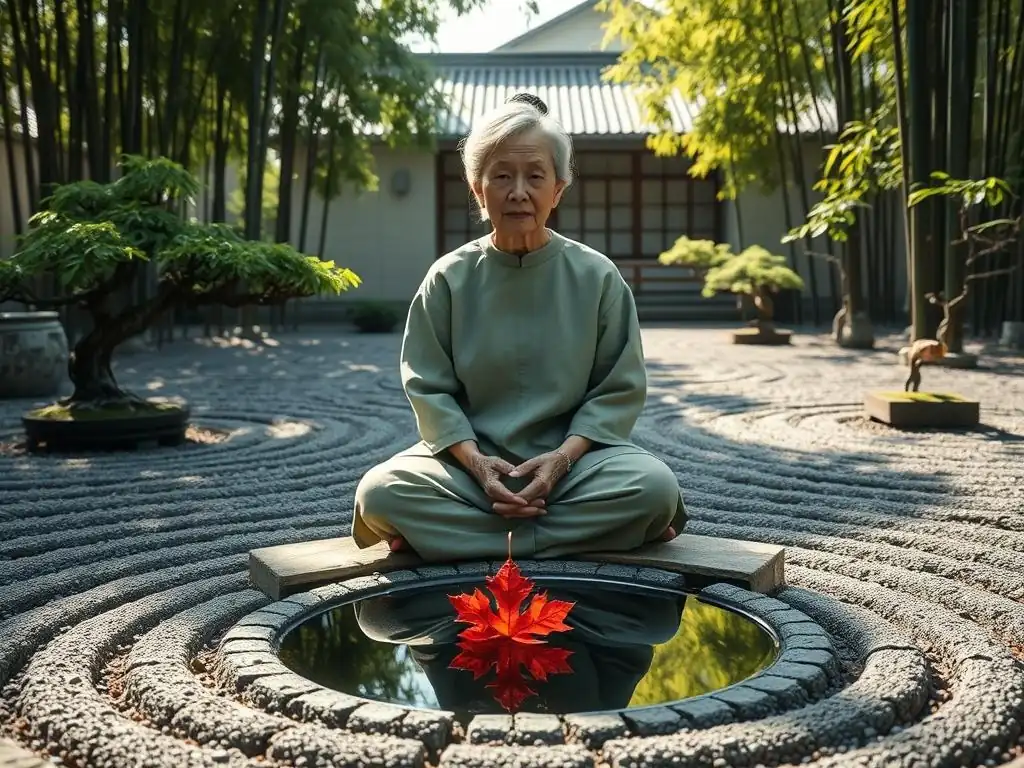
Welcome to Mind Care Guide.
Are you feeling a subtle shift in your perspective as you navigate later life? Perhaps a longing for something more? It's a common feeling, and you're not alone. In this space, we understand the unique challenges and opportunities that aging presents to our mental well-being. We believe that exploring your inner self can be a powerful tool for finding peace and fulfillment.
Dive into our article on spirituality, aging, purpose, and later life to uncover how connecting with something larger than yourself can bring renewed meaning and joy to your journey. Let's explore together how to cultivate a deeper sense of purpose and well-being in these precious years. What if the key to a happier, healthier later life lies within your own spirit?
Finding Meaning and Purpose in Later Life
- Introduction: The Significance of Meaning and Purpose as We Age
- Defining Meaning and Purpose in the Context of Aging
- Benefits of Purposeful Living for Seniors
- Finding New Sources of Purpose and Meaning in Later Life
- Practical Strategies for Discovering and Maintaining Purpose
- Addressing Challenges to Maintaining Purpose in Aging
- The Role of Social Connections and Support Systems
- Leaving a Legacy of Meaning
- Conclusion: Embracing a Purposeful Later Life
-
Frequently Asked Questions
- What role does spirituality play in the lives of older adults?
- How can engaging in spiritual practices benefit mental well-being during later life?
- What are some practical ways older adults can explore their spirituality?
- How does finding purpose relate to successful aging?
- What resources are available to support spiritual exploration and mental well-being for older adults?
- Final Reflection: Embracing the Sacred Journey of Aging
- Unlock Your Next Chapter: Embrace Meaningful Aging
Introduction: The Significance of Meaning and Purpose as We Age
The journey of life brings continuous change, and aging is a significant phase marked by unique transitions. As individuals move into their later years, questions of identity, value, and contribution often surface. Finding meaning and purpose becomes not just a philosophical pursuit but a vital component of overall well-being. This exploration delves into how spirituality, personal values, and engagement can enrich the lives of seniors, helping them navigate the challenges and embrace the opportunities of later life.
Understanding the profound impact of having a sense of purpose is critical for supporting healthy aging. It's about more than just staying busy; it's about feeling connected to something larger than oneself, whether that connection is spiritual, communal, or deeply personal. This article aims to provide a comprehensive guide to understanding, finding, and maintaining meaning and purpose, particularly focusing on the role of spirituality aging purpose later life, and how these elements intertwine to foster a fulfilling and vibrant existence in one's senior years.
Why Meaning and Purpose Matter in Later Life
As people age, they often face significant life changes, such as retirement, the loss of loved ones, and shifts in physical health. These transitions can sometimes lead to feelings of isolation or a diminished sense of self-worth if one's identity was primarily tied to past roles, like a career or raising children.
Having a strong sense of meaning and purpose provides a framework for navigating these changes, offering direction and motivation during a phase of life that can otherwise feel uncertain. Research consistently shows that older adults who report a higher sense of purpose tend to experience better physical health outcomes, including lower rates of stroke and heart attack, and are more likely to maintain independence.
Furthermore, a sense of purpose acts as a protective factor against mental health challenges prevalent in later life. Studies indicate that feeling purposeful is associated with lower rates of depression and anxiety among seniors. For instance, a study involving over 6,000 older adults found that those with the highest levels of purpose in life had a significantly reduced risk of mortality over a four-year period compared to those with the lowest levels.
This suggests that finding purpose later in life is not merely about feeling good, but is fundamentally linked to longevity and quality of life. It is a cornerstone of positive aging, enabling individuals to continue growing and contributing.
Understanding the Connection Between Purpose, Well-being, and Aging
The link between purpose and well-being in aging is multifaceted and deeply rooted in psychological and even physiological processes. When older adults feel they have a reason to get up in the morning, they are more likely to engage in healthy behaviors, maintain social connections, and actively participate in life. This engagement stimulates cognitive function and emotional resilience. For example, participating in activities aligned with one's purpose, whether it's volunteering at a local library or pursuing a long-held passion like painting, provides mental stimulation and a sense of accomplishment, which are crucial for maintaining cognitive vitality as one ages.
Moreover, having a clear sense of purpose can influence how older adults perceive challenges and setbacks. Instead of feeling overwhelmed by difficulties, a strong purpose can provide perspective and motivation to persevere. It fosters a growth mindset, where aging is seen not as a decline but as an opportunity for continued learning and contribution.
The spiritual dimension of spirituality aging purpose later life often plays a key role here, providing a sense of connection to something transcendent or a belief system that offers comfort, hope, and a framework for understanding life's transitions, including mortality. This integration of purpose, well-being, and acceptance of the aging process contributes to a more peaceful and fulfilling later life.
Defining Meaning and Purpose in the Context of Aging
Meaning and purpose are often used interchangeably, but they can be understood with subtle distinctions in the context of later life. Meaning can be seen as the sense of significance or coherence one finds in life experiences, relationships, and beliefs. It's about understanding one's place in the world and finding value in one's journey.
Purpose, on the other hand, is often more action-oriented; it's about having goals, contributing to something larger than oneself, and having a reason for being. In aging, purpose shifts from perhaps career or primary caregiving roles to new avenues of contribution and engagement that align with one's current capabilities and interests.
For a senior, finding meaning might involve reflecting on a lifetime of experiences, cherishing memories, and appreciating the wisdom gained. It could also involve connecting with a spiritual path that provides comfort and perspective. Finding purpose later in life could mean dedicating time to mentoring, pursuing a creative project, advocating for a cause, or simply focusing on cultivating joy and connection within their family and community. Both meaning and purpose are dynamic and can evolve throughout later life, adapting to changing circumstances and priorities.
Beyond Career: Exploring Different Facets of Purpose
For many individuals, a significant portion of their adult identity and purpose is tied to their career. Retirement, while often anticipated, can leave a void if this was the primary source of purpose. Therefore, exploring facets of purpose beyond professional life is essential for successful aging. Purpose in later life can manifest in numerous ways that leverage a senior's accumulated wisdom, skills, and life experience. It is about identifying what feels significant and engaging now.
Examples of purpose beyond career include roles within the family (e.g., grandparenting, providing wisdom and support), community involvement (e.g., participating in local clubs, neighborhood initiatives), creative expression (e.g., writing, painting, music), advocacy (e.g., supporting environmental causes, political campaigns), and spiritual practices (e.g., deepening faith, engaging with a faith community). For example, a retired teacher might find new purpose in tutoring children after school, while a former engineer might dedicate time to building homes for a charity. These new roles provide structure, social connection, and a renewed sense of contribution, reinforcing the importance of finding purpose later in life.
The Role of Personal Values and Interests in Finding Meaning
Discovering or rediscovering one's personal values and interests is a fundamental step in finding meaning and purpose in later life. Values are the principles or beliefs that guide one's life and are deeply personal. Identifying what truly matters – whether it's family, creativity, service, learning, or spirituality – provides a compass for directing energy and attention towards meaningful activities. Interests are the activities or subjects that capture one's curiosity and enthusiasm. Reconnecting with long-held interests or exploring new ones can open doors to fulfilling pursuits.
Consider an individual who values lifelong learning and community connection. They might find great meaning and purpose by joining a book club, enrolling in university extension courses, or becoming a docent at a local museum.
Someone who values service and has a spiritual orientation might find purpose through volunteer work with a faith-based organization or by offering support and comfort to others within their spiritual community. Aligning daily activities and commitments with one's core values and genuine interests makes finding purpose later in life feel authentic and sustainable, contributing significantly to overall well-being and a richer spirituality aging purpose later life experience.
Benefits of Purposeful Living for Seniors
Living a life guided by meaning and purpose offers a wealth of benefits for older adults, impacting their physical, mental, and social health. It shifts the focus from potential limitations to opportunities for growth and contribution. This proactive approach to aging fosters resilience and enhances overall quality of life, making the later years a time of continued vitality and fulfillment rather than decline.
Enhanced Mental and Emotional Well-being
A strong sense of purpose is a powerful antidote to feelings of emptiness, boredom, and despair that can sometimes accompany aging. It provides a framework for daily life, offering goals and reasons to stay active and engaged.
Research consistently demonstrates that older adults with higher levels of purpose report greater life satisfaction, more positive emotions, and lower levels of stress. For instance, a study published in the Journal of Clinical Psychiatry found that a strong purpose in life was associated with a reduced risk of developing Alzheimer's disease and mild cognitive impairment in older adults, suggesting a potential protective effect on brain health.
Furthermore, having purpose helps in coping with adversity. When faced with health challenges, loss, or other difficulties, a sense of purpose can provide perspective, hope, and motivation to adapt and persevere. It helps maintain a positive outlook, enabling seniors to focus on what they can do and what still matters to them. This emotional resilience is a cornerstone of mental well-being in later life, allowing individuals to navigate challenges with greater strength and optimism.
Reducing Loneliness and Isolation
Finding purpose often involves engaging with the world and connecting with others, which is crucial for combating loneliness and social isolation – significant issues for many older adults. Activities aligned with purpose, such as volunteering, joining clubs, or participating in community projects, inherently involve social interaction and provide opportunities to build meaningful relationships. These connections offer emotional support, intellectual stimulation, and a sense of belonging.
Consider an older adult who volunteers at a local animal shelter. This purposeful activity not only provides structure to their week but also connects them with other volunteers and staff who share a common interest. These interactions can develop into friendships, reducing feelings of isolation. Similarly, participating in a spiritual community or a shared interest group focused on spirituality aging purpose later life can provide a strong network of support and shared understanding. These social ties are vital for mental health and overall well-being, reinforcing that purpose is often found in connection.
Fostering Resilience and a Sense of Control
Purposeful living empowers seniors by fostering a sense of agency and control over their lives, even when faced with circumstances they cannot change, such as age-related physical changes. By actively choosing how they spend their time and energy in pursuit of their purpose, older adults reinforce their ability to make decisions and influence their environment. This sense of control is vital for maintaining independence and self-efficacy.
Resilience, the ability to bounce back from adversity, is also significantly enhanced by having a strong purpose. When faced with health setbacks or personal losses, knowing why they want to persevere provides the motivation to seek solutions, adapt, and maintain hope. For example, an individual dedicated to mentoring young people might find the strength to manage a chronic illness effectively so they can continue their valuable work. This intrinsic motivation, fueled by purpose, helps seniors navigate the inevitable challenges of aging with greater strength and determination.
Finding New Sources of Purpose and Meaning in Later Life
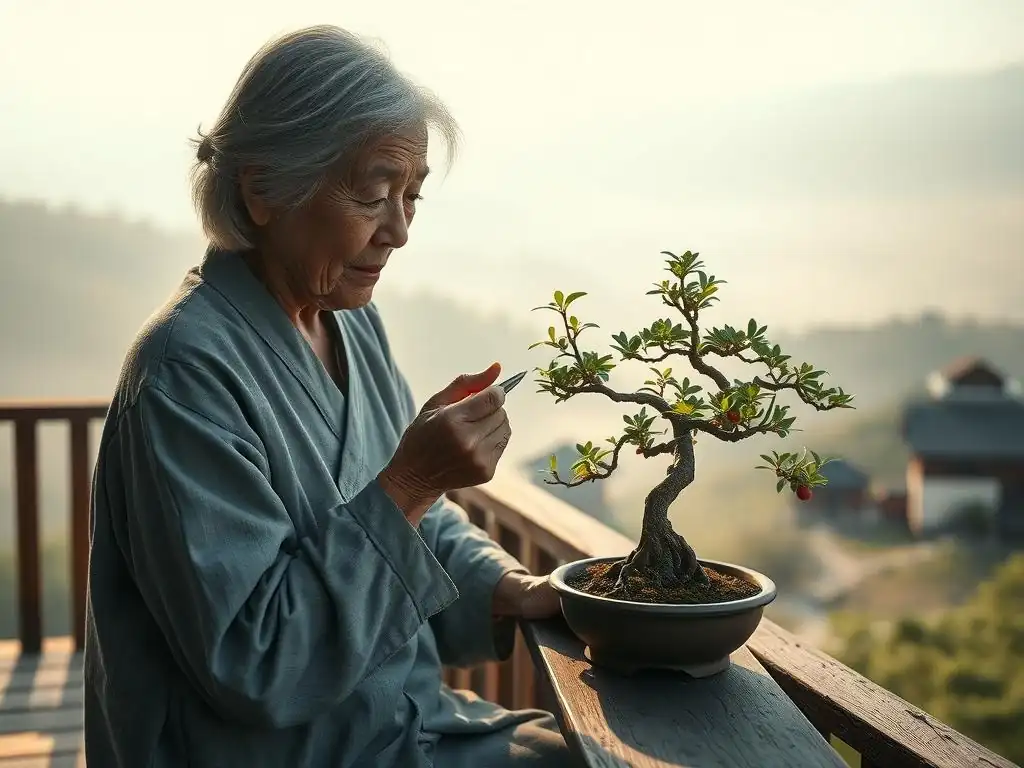
The transition into later life presents a unique opportunity to explore new avenues for finding meaning and purpose, distinct from earlier life stages. It's a time for reflection, rediscovery, and embracing activities that resonate deeply with one's current self and aspirations. This phase allows for a shift in focus from external achievements to internal fulfillment and contribution in ways that are personally significant.
Overcoming Feelings of Uselessness and Boredom
A common challenge in later life, particularly after retirement or significant life changes, is grappling with feelings of uselessness or pervasive boredom. These feelings often stem from a loss of routine, social roles, and the daily challenges that previously provided structure and a sense of contribution. Addressing these feelings requires a conscious effort to identify and cultivate new sources of engagement and value. It's about reframing this phase of life as an opportunity for exploration rather than a period of decline.
One effective strategy is to actively seek out opportunities that align with one's values and interests, even if they are different from past pursuits. This might involve exploring volunteer opportunities, joining clubs or groups, pursuing creative endeavors, or dedicating time to spiritual practices.
For example, instead of feeling useless after leaving a demanding job, an individual might find immense value in using their organizational skills to help a local non-profit or their communication skills to write memoirs for their family. The key is proactive engagement and a willingness to try new things to discover what brings a renewed sense of vitality and purpose.
Identifying Passions and Interests for Engagement
Rekindling old passions or discovering new interests is a joyful path to finding purpose later in life. Many people put hobbies or personal interests on hold during their working years or while raising families. Later life provides the time and space to revisit these or explore entirely new areas. This exploration is not just about filling time; it's about engaging in activities that are intrinsically rewarding and stimulating.
Think about what activities bring you joy, spark your curiosity, or make you lose track of time. Was there something you always wanted to learn, like playing a musical instrument or a new language? Is there a cause you feel strongly about? Do you enjoy creative expression through art, writing, or crafting?
Identifying these passions and interests provides a rich foundation for building a purposeful routine. For instance, someone who always loved history might find purpose in researching local historical events, giving talks at community centers, or writing historical fiction. This pursuit of passion contributes significantly to a fulfilling spirituality aging purpose later life journey.
Cultivating Gratitude and Positive Relationships
Cultivating an attitude of gratitude is a simple yet profound way to enhance meaning in later life. Taking time regularly to appreciate the good things in one's life – health, relationships, past experiences, simple pleasures – shifts focus from what might be lacking to the abundance that exists. This practice can foster a more positive outlook and a deeper connection to the present moment.
Furthermore, nurturing positive relationships is fundamental to both meaning and purpose. Strong social connections provide emotional support, companionship, and opportunities for mutual contribution. Spending quality time with family and friends, actively listening, and offering support to others reinforces bonds and creates shared experiences that add richness and meaning to life. For many, the purpose in later life revolves significantly around being a supportive presence for loved ones and cherishing these connections. Engaging in activities that foster these relationships, such as hosting family dinners, participating in community events, or joining social clubs, is vital for well-being.
Practical Strategies for Discovering and Maintaining Purpose
Finding purpose in later life is not a passive process; it often requires intentional effort and exploration. Fortunately, there are many practical strategies older adults can employ to discover new avenues for meaningful engagement and maintain a sense of purpose as they navigate the aging process. These strategies often involve connecting with others, learning new things, and contributing to the community.
Volunteering and Community Involvement
Volunteering is one of the most widely recognized and effective ways for seniors to find and maintain purpose. It offers structured activity, social interaction, and the undeniable satisfaction of contributing to the well-being of others and the community. Opportunities are vast, ranging from helping at schools, hospitals, or libraries to working with environmental groups, animal shelters, or faith-based organizations.
Studies have shown that older adults who volunteer report higher levels of happiness and life satisfaction and experience fewer symptoms of depression and anxiety. For instance, a national survey found that seniors who volunteer regularly are significantly less likely to report feeling isolated compared to non-volunteers. Volunteering allows seniors to utilize their skills and wisdom, meet new people, and feel valued, all of which are crucial components of finding purpose later in life. It provides a clear, actionable way to make a positive impact.
Lifelong Learning and Skill Development
Engaging in lifelong learning is another powerful strategy for maintaining a sense of purpose and vitality. Learning new things keeps the mind sharp, introduces new perspectives, and can open doors to new interests and social circles. This doesn't have to mean formal education; it can include taking workshops, attending lectures, learning a new craft, studying a foreign language, or mastering a new technology.
Many communities offer affordable or free learning opportunities for seniors, such as classes at local colleges, community centers, or libraries. Online platforms also provide access to a vast array of courses on almost any subject imaginable. Pursuing learning for its own sake or to acquire a skill that enables new activities (like learning photography to document nature or learning computer skills to connect with family online) provides intellectual stimulation and a clear goal, contributing significantly to maintaining a sense of purpose in aging.
Creative Pursuits and Hobbies
Engaging in creative activities and hobbies can be a deeply fulfilling way to find meaning and purpose. Whether it's painting, sculpting, writing, playing music, gardening, knitting, or woodworking, creative pursuits offer opportunities for self-expression, skill development, and the satisfaction of bringing something new into the world. Hobbies provide structure, enjoyment, and a sense of accomplishment.
Creative activities can be pursued individually or as part of a group, offering flexibility and potential for social connection. Joining a choir, a writing group, or a pottery class provides shared experiences and feedback, enriching the creative process. The act of creating something, even if just for personal enjoyment, can be profoundly meaningful. It taps into intrinsic motivation and provides a tangible outcome that reinforces a sense of capability and purpose. For many, these activities become central to their spirituality aging purpose later life experience.
Mentoring and Sharing Knowledge
After decades of accumulating knowledge, skills, and life experience, older adults have a wealth of wisdom to share. Mentoring younger generations or sharing expertise within their community is a powerful way to find purpose and leave a lasting impact. This can happen informally within families or through structured programs connecting seniors with students or young professionals.
Mentoring provides a clear role and responsibility, fostering a sense of being valued and needed. It allows seniors to see the direct impact of their knowledge and guidance on others' lives. This intergenerational connection is beneficial for both mentor and mentee, breaking down age barriers and fostering mutual respect. Sharing life lessons, practical skills, or professional insights provides a tangible way for seniors to contribute their unique assets, solidifying their sense of purpose in aging.
Connecting with Loved Ones and Building Strong Relationships
While mentioned earlier, the strategic effort to deepen connections with loved ones warrants specific emphasis. Maintaining strong relationships with family (children, grandchildren, siblings, extended family) and close friends is not merely a pleasant aspect of later life; it is a vital source of meaning and, for many, a primary purpose.
This involves actively nurturing these relationships: making time for visits, phone calls, or video chats; participating in family events; offering support and presence; and simply enjoying shared moments. For grandparents, the relationship with grandchildren often becomes a central source of joy and purpose. Being present in their lives, sharing stories, and passing down family traditions provides a profound sense of continuity and meaning. Investing in these core relationships offers consistent emotional support and reinforces a sense of belonging, which are foundational to a purposeful and fulfilling later life.
Addressing Challenges to Maintaining Purpose in Aging
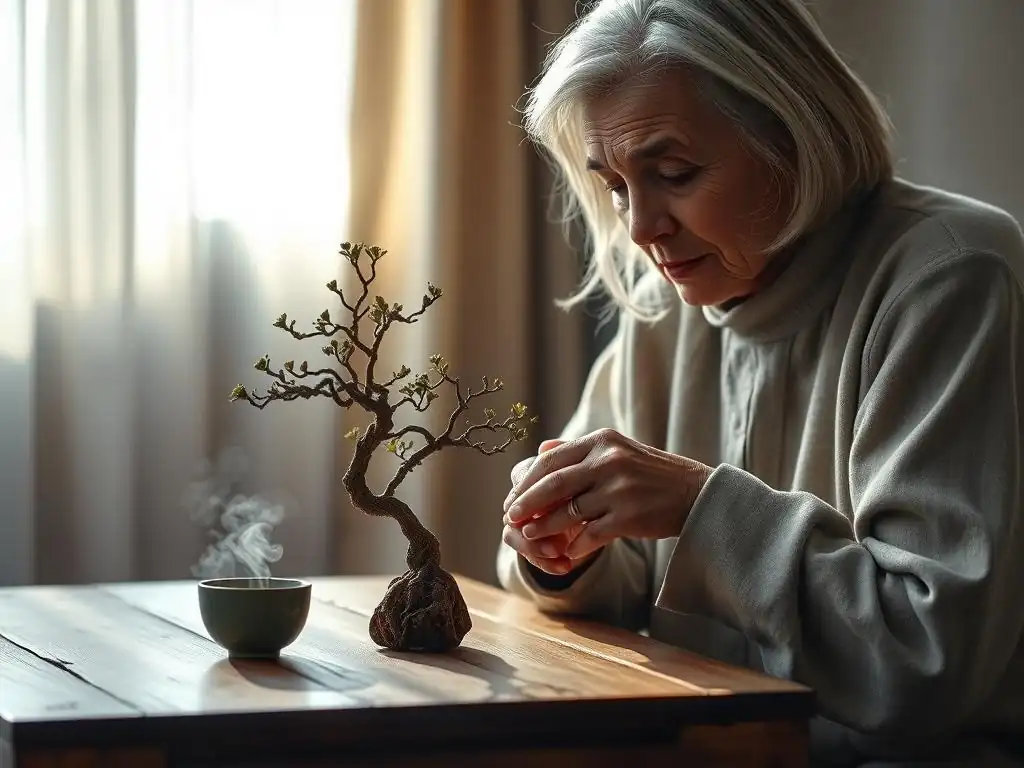
While the pursuit of meaning and purpose in later life is incredibly beneficial, it's important to acknowledge that seniors may face significant challenges that can impact their ability to stay engaged and purposeful. These challenges are often related to physical health, emotional well-being, and life transitions. Recognizing and addressing these obstacles is crucial for supporting older adults in their journey.
Dealing with Physical Limitations and Health Concerns
Age-related physical changes and chronic health conditions are common in later life and can pose significant barriers to maintaining activities that previously provided purpose. Reduced mobility, fatigue, pain, or sensory impairments can make it difficult to participate in hobbies, volunteer work, or social gatherings. These limitations can lead to frustration, a sense of loss of independence, and a diminished capacity to pursue desired goals.
Addressing these challenges requires adaptation and finding alternative ways to engage. This might involve seeking medical support to manage symptoms, utilizing assistive devices, or modifying activities to better suit current abilities. For example, someone who loved gardening might transition to container gardening or supervising others. Someone with limited mobility might find purpose in online volunteering or connecting with others through virtual platforms. The key is flexibility and creativity in finding new ways to contribute and engage that are accessible and sustainable, ensuring that physical limitations do not extinguish the pursuit of purpose.
Managing Loss and Grief
Loss is an inevitable part of aging. Seniors often experience the death of spouses, partners, friends, and family members, as well as the loss of health, independence, and familiar routines. Grief can be profound and prolonged, impacting emotional well-being and making it difficult to find motivation or energy for purposeful activities. The cumulative effect of multiple losses can be particularly challenging.
Processing grief is a necessary part of healing, and it's important for seniors to allow themselves time and space to mourn. Support from family, friends, grief counseling, or support groups can be invaluable. While grief can temporarily overshadow the desire for purpose, eventually, for many, finding meaning in the face of loss becomes part of the journey.
This might involve honoring the memory of loved ones through continued engagement in activities they shared, supporting causes they cared about, or finding new ways to connect with others who understand their experience. Spirituality often plays a significant role here, offering comfort and a framework for understanding mortality and the continuity of spirit, which can help in navigating grief and rediscovering purpose.
Finding Purpose After Retirement
Retirement, while anticipated as a time of freedom, can sometimes lead to a crisis of purpose for those whose identity was heavily tied to their profession. The sudden lack of structure, daily tasks, and social interaction associated with work can leave individuals feeling adrift and without clear direction. This transition requires intentional planning and a proactive approach to redefine one's role and purpose.
It's helpful to view retirement not as an end, but as a new chapter with opportunities for exploration. Before or early in retirement, taking time for self-reflection to identify values, interests, and potential new avenues for contribution is crucial. This might involve experimenting with different activities, volunteering, or pursuing education. Setting small, achievable goals related to these new pursuits can help build momentum and a renewed sense of accomplishment. Connecting with retired peers who have successfully navigated this transition can also provide inspiration and practical advice on finding purpose later in life.
Social connections are not just a pleasant addition to later life; they are a fundamental pillar supporting mental well-being, resilience, and the ability to find and maintain purpose. Strong relationships provide emotional support, practical assistance, opportunities for shared activities, and a sense of belonging. For older adults, social isolation is a significant risk factor for poor health outcomes, including depression, cognitive decline, and increased mortality.
Engaging in purposeful activities often happens within a social context, whether it's volunteering with a group, participating in a class, or being part of a faith community. These shared experiences reinforce connections and provide mutual support, making the pursuit of purpose more enjoyable and sustainable. Having a supportive network also provides a safety net during challenging times, offering comfort and encouragement that helps seniors navigate difficulties and maintain their engagement with life.
Regular social interaction offers numerous benefits for seniors. It provides mental stimulation, helping to keep cognitive abilities sharp. Conversations, shared activities, and collaborative projects all engage the brain. Social connections also provide emotional support, offering a listening ear, empathy, and encouragement during difficult times. This support can buffer stress and improve mood.
Furthermore, social interaction provides opportunities for mutual aid and a sense of reciprocity. Older adults can offer support to others, reinforcing their own value and purpose. Helping a friend, mentoring someone, or simply being a good listener are all ways that seniors contribute to their social network and, in turn, their own well-being. A study by the AARP Foundation found that older adults who feel connected to others have a 66% lower risk of depression symptoms. This highlights the profound impact of social ties on mental health and the ability to live a purposeful later life.
Finding a Community That Fits Your Needs
Finding the right community is key to fostering strong social connections and finding purpose later in life. Communities can take many forms, including geographic neighborhoods, interest-based groups, volunteer organizations, or faith-based congregations. The ideal community is one where an individual feels welcomed, accepted, and has opportunities to participate in activities that align with their values and interests.
Exploring different options is encouraged. This might involve visiting local senior centers, attending meetings of clubs or organizations, trying a new class, or participating in events hosted by a local place of worship. Online communities can also provide connections, particularly for those with mobility issues or living in remote areas. The goal is to find a group where meaningful relationships can be built and where one feels a sense of belonging and shared purpose. For those seeking spirituality aging purpose later life, a faith community can offer deep connections and shared spiritual goals.
Many resources exist to help seniors connect with others and find social engagement opportunities. Local senior centers are often hubs for activities, classes, meals, and social events. Libraries frequently host book clubs, lectures, and workshops. Community colleges offer continuing education courses. Volunteer matching services can help individuals find organizations needing their skills.
Additionally, national organizations like AARP, local area agencies on aging, and various non-profits focused on senior well-being provide information and programs aimed at reducing isolation and promoting engagement. Faith-based organizations often have active senior groups and opportunities for service. Utilizing these resources can make the process of finding social connections and purposeful activities more accessible and less daunting, paving the way for a more connected and meaningful later life.
Leaving a Legacy of Meaning
As individuals reflect on their lives in later years, the concept of legacy often becomes important. Leaving a legacy is not necessarily about wealth or fame; it's about the impact one has had on others and the world. For many seniors, finding purpose involves thinking about what they want to pass on – whether it's values, stories, knowledge, or contributions to their community or family. This focus on legacy can provide profound meaning and a sense of continuity.
Considering one's legacy can shape how time is spent in later life. It might inspire efforts to document family history, mentor younger generations, support charitable causes, or contribute to environmental preservation. The act of leaving a legacy reinforces the idea that one's life has mattered and continues to matter, providing a powerful source of purpose and fulfillment in aging.
One of the most valuable legacies seniors can leave is the sharing of their life lessons, experiences, and stories. A lifetime of navigating challenges, celebrating triumphs, and witnessing history provides unique insights and wisdom. Sharing these with family, friends, or the wider community can be incredibly meaningful for both the storyteller and the listener.
This can take many forms: writing memoirs or journals, recording oral histories, creating family trees with narratives, or simply engaging in conversations with grandchildren or younger relatives about their experiences. Participating in programs where seniors visit schools or community groups to share stories can also be deeply rewarding. This act of passing down history and wisdom connects generations, preserves heritage, and provides a tangible sense of contribution and purpose in aging.
Contributing to Future Generations
Contributing to the well-being and success of future generations is a powerful source of purpose for many seniors. This contribution can be direct, such as providing childcare for grandchildren, mentoring young people, or volunteering in educational settings. It can also be indirect, such as supporting causes that will benefit future generations (like environmental protection or educational initiatives) or instilling values and traditions within the family.
Seeing the positive impact of their efforts on younger people provides a clear and tangible sense of purpose. Knowing that they are playing a part in shaping the future offers a deep sense of fulfillment and continuity. This focus on future generations is a natural extension of a life lived and provides a compelling reason to stay engaged and purposeful in later life. It embodies the spirit of spirituality aging purpose later life by looking beyond oneself to contribute to the greater good.
Finding Peace and Fulfillment
Ultimately, leaving a legacy is deeply intertwined with finding peace and fulfillment in later life. As seniors reflect on their lives and actively contribute to something enduring, they can find a sense of closure, acceptance, and satisfaction. This doesn't mean life becomes devoid of challenges, but rather that these challenges are met with a foundation of meaning and purpose.
Peace comes from accepting one's past, finding meaning in present circumstances, and feeling connected to something larger than oneself, often through spiritual or communal ties. Fulfillment arises from knowing that one's life has had value and that they are continuing to contribute in meaningful ways. The pursuit of spirituality aging purpose later life culminates in this sense of peace and fulfillment, allowing older adults to live their final years with dignity, joy, and a profound sense of having lived a life well-lived.
Conclusion: Embracing a Purposeful Later Life
Aging is a unique and valuable chapter of life, offering opportunities for reflection, growth, and continued contribution. Finding and embracing meaning and purpose during these years is not merely a desirable outcome but a vital component of overall well-being, resilience, and longevity. It provides a compass through transitions, a shield against isolation, and a source of profound fulfillment.
By actively exploring new interests, leveraging accumulated wisdom, nurturing relationships, and connecting with community or spiritual life, seniors can cultivate a rich and purposeful existence. While challenges like health issues or loss are real, a strong sense of purpose provides the strength and adaptability to navigate them.
The Enduring Power of Purpose in Aging
The power of purpose does not diminish with age; in fact, it often becomes more crucial. It provides the motivation to stay engaged, the resilience to face difficulties, and the framework for a life filled with meaning and satisfaction. Seniors who prioritize finding purpose later in life are more likely to remain active, healthy, and connected to the world around them. This enduring power transforms aging from a period of potential decline into a time of continued vitality and contribution.
Continuing the Journey of Growth and Contribution
Later life is not an endpoint but a continuation of the journey of growth and contribution. There are always new things to learn, new ways to connect, and new opportunities to make a difference. Embracing a purposeful later life means remaining curious, staying engaged, and continuing to seek out activities that bring joy, meaning, and a sense of value.
It's about recognizing that wisdom and experience are invaluable assets and that seniors have a vital role to play in their families, communities, and the world. The journey of spirituality aging purpose later life is an ongoing process of discovery, adaptation, and fulfillment, enriching not only the lives of older adults but also the lives of those around them.
Frequently Asked Questions
What role does spirituality play in the lives of older adults?
Spirituality often provides a sense of comfort and meaning in the face of life's challenges, particularly as individuals age. It can offer a framework for understanding life's transitions and coping with loss.
How can engaging in spiritual practices benefit mental well-being during later life?
Spiritual practices, such as meditation or prayer, can reduce stress, improve mood, and foster a sense of connection and belonging. This contributes significantly to mental well-being during later life.
What are some practical ways older adults can explore their spirituality?
Older adults can explore their spirituality through activities like attending religious services, practicing mindfulness, spending time in nature, or engaging in acts of service. These activities nurture a sense of purpose.
How does finding purpose relate to successful aging?
Finding purpose during later life is strongly linked to greater life satisfaction, improved physical health, and increased longevity. It helps individuals maintain a positive outlook and engage actively in their lives.
What resources are available to support spiritual exploration and mental well-being for older adults?
Resources include local religious organizations, community centers offering mindfulness programs, and mental health professionals specializing in geriatric care. Mind Care Guide also offers resources and information on this topic.
Final Reflection: Embracing the Sacred Journey of Aging
The search for meaning and purpose is a universal human experience, but it takes on a unique and profound urgency as we age. Our later years, often perceived as a time of decline, can instead become a period of remarkable spiritual growth and profound connection, a time to harvest the wisdom sown throughout a lifetime. This journey, though sometimes challenging, offers unparalleled opportunities for self-discovery and the deepening of our inner lives.
The exploration of spirituality in later life is not merely a personal pursuit; it's a vital thread in the tapestry of our collective human experience. The wisdom gained through aging, the acceptance of mortality, and the cultivation of inner peace are invaluable contributions to society. As the renowned author, Thomas Moore, wisely stated: The soul needs to be nurtured in old age, not abandoned. It needs to be given the space to reflect, to remember, to dream, and to find its own unique way of expressing itself.
This resonates deeply with the countless individuals I've encountered who find their later years to be a time of unprecedented spiritual flourishing, a testament to the enduring power of the human spirit.
Consider your own life journey. What spiritual practices nourish your soul? What lessons have you learned that you can share with others? Now is the time to actively cultivate your inner landscape, to embrace the beauty and wisdom that age brings, and to find purpose in the unique contributions you can still make to the world. Let this exploration of spirituality and aging be a catalyst for self-reflection, a pathway to a richer, more meaningful life in your later years, and a legacy of wisdom and grace for generations to come.
Unlock Your Next Chapter: Embrace Meaningful Aging
Thanks for taking the time to explore the journey of spiritual growth in later life. We hope this article equipped you with valuable insights and inspiration. Now it's time to put those insights into action!
Here's how you can continue your exploration:
- Begin a daily reflection practice: Even 5 minutes of quiet contemplation can significantly impact your sense of purpose and inner peace. Try focusing on gratitude, mindfulness, or a simple prayer. This is the core step to unlocking deeper meaning.
- Share your reflections: Connect with others on this path. Share your thoughts and experiences with family, friends, or in a supportive online community. Discussing your journey can deepen your understanding and inspire others.
- Explore a new spiritual practice: This might involve joining a local group, attending a workshop, or simply reading a book on a topic that resonates with you. Try something you haven't considered before; you might be surprised at what you discover.
What small step will you take today to nurture your spiritual well-being and embrace this exciting new chapter?