
Veteran Suicide Crisis: Identifying Risks and Finding Hope

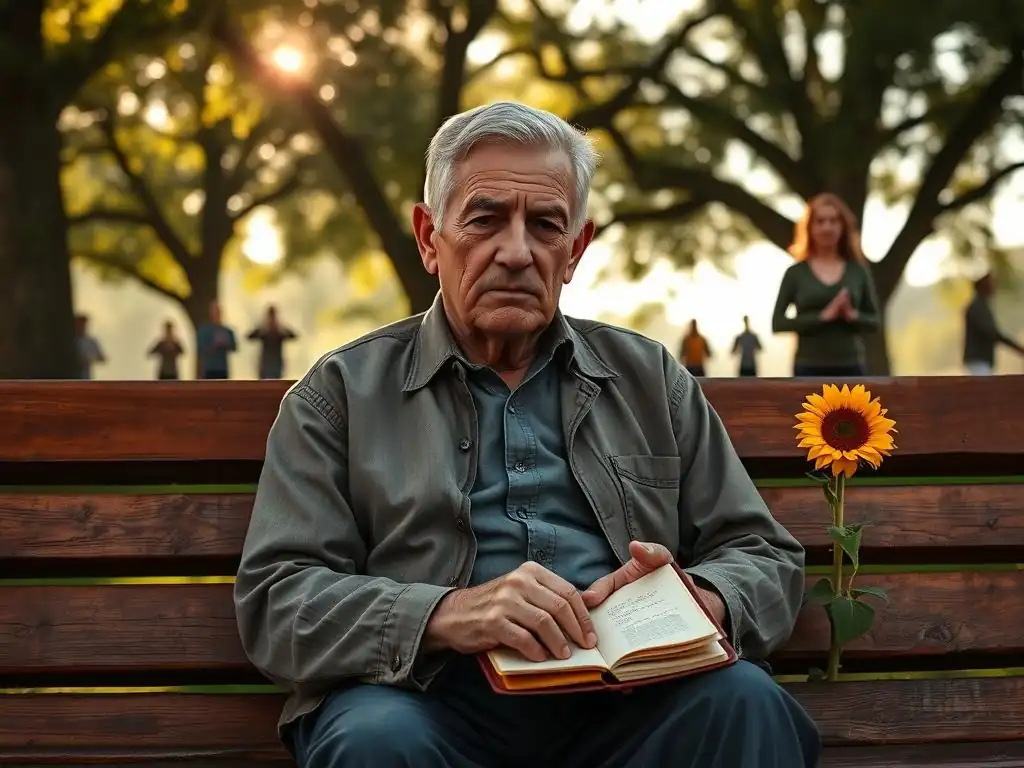
Welcome to Mind Care Guide, a sanctuary dedicated to your mental well-being.
It takes courage to face life's challenges, and we understand the unique battles our veterans face. Are you seeking information and support? Navigating the complexities of trauma and stress can feel overwhelming, but you're not alone. This guide, Veteran Suicide Crisis: Identifying Risks and Finding Hope, delves into the critical resources available for suicide prevention. Learn how to recognize the signs, access vital support networks, and discover pathways towards healing and hope. Let's explore this crucial topic together.
Addressing Veteran Suicide: A Comprehensive Guide
- Understanding the Crisis: Scope and Impact
- Identifying Risk Factors
- Recognizing Warning Signs
- Resources and Support
- Supporting a Veteran in Crisis
- Building Supportive Communities
- The Role of Family and Friends
- Hope and Healing: Recovery and Resilience
- Conclusion: Empowering Veterans and Promoting Prevention
-
Frequently Asked Questions
- What are some of the key risk factors associated with veteran suicide, as discussed in Mind Care Guide's article?
- Where can I find immediate help if I or a veteran I know is experiencing a suicide crisis, according to the Mind Care Guide article?
- What types of support resources does Mind Care Guide recommend for veterans struggling with mental health challenges beyond immediate crisis intervention?
- How does the Mind Care Guide article frame the concept of "hope" in the context of veteran suicide prevention?
- How does the Mind Care Guide article on Veteran Suicide Crisis function as a "Veteran suicide prevention resources guide"?
- Final Reflection: Finding Hope Beyond the Scars
- Unleash Your Support: Join the Fight Against Veteran Suicide
Understanding the Crisis: Scope and Impact
Statistics and Trends in Veteran Suicide Rates
The issue of veteran suicide represents a profound and urgent public health crisis. Recent data from the U.S. Department of Veterans Affairs (VA) consistently shows that veterans die by suicide at rates significantly higher than their civilian counterparts. For instance, reports indicate that in recent years, the suicide rate among veterans has been roughly 1.5 to 2 times the rate for non-veteran adults, even after accounting for age and gender differences.
This disparity is particularly stark among younger veterans and female veterans, though the overall number of veteran suicides remains tragically high across all demographics. Understanding these trends is crucial for developing effective veteran suicide prevention resources guide strategies.
While the total number of veteran suicides has shown some fluctuations year to year, the persistently elevated rate underscores the unique challenges faced by this population. For example, in one recent year, over 6,000 veterans died by suicide. This figure represents not just a statistic, but thousands of individual lives lost and countless families devastated.
Analyzing trends over time helps researchers and policymakers identify specific cohorts or periods where risk is highest, such as immediately following transition from service or among those with specific service experiences. This granular data is vital for tailoring intervention and providing targeted veteran suicide prevention resources guide support.
Unique Challenges Contributing to Increased Risk
Veterans often face a complex array of challenges that can increase their vulnerability to mental health crises and suicidal ideation. The very nature of military service, including exposure to combat stress, trauma, and the demanding lifestyle, can have lasting psychological effects. Beyond service-related issues, the transition back to civilian life presents its own set of hurdles. Navigating this shift often involves finding new employment, adapting to a different social environment, and sometimes dealing with physical injuries or chronic pain sustained during service, all of which can contribute to feelings of isolation, loss of purpose, and financial strain.
Furthermore, military culture, while fostering camaraderie, can also inadvertently contribute to stigma surrounding mental health struggles. The emphasis on strength, resilience, and self-reliance can make it difficult for veterans to admit vulnerability or seek help when they are struggling. This cultural barrier, combined with potential difficulties navigating healthcare systems, including the VA, can delay or prevent veterans from accessing the timely support they desperately need. Addressing these unique challenges is fundamental to any comprehensive veteran suicide prevention resources guide effort.
Identifying Risk Factors
Mental Health: PTSD, Depression, and Anxiety
Mental health conditions are significant risk factors for suicide in the veteran population. Post-Traumatic Stress Disorder (PTSD), often stemming from combat exposure or military sexual trauma (MST), can lead to intrusive memories, nightmares, hypervigilance, and avoidance behaviors, severely impacting a veteran's quality of life and increasing feelings of distress and hopelessness. Depression, characterized by persistent sadness, loss of interest, fatigue, and feelings of worthlessness, is also highly prevalent among veterans and is strongly associated with suicidal thoughts and behaviors.
Anxiety disorders, including generalized anxiety disorder and panic disorder, can further compound these issues, creating a pervasive sense of unease and fear that makes daily functioning difficult. The co-occurrence of these conditions is common, and veterans struggling with multiple mental health issues face an even higher risk. Effective veteran suicide prevention resources guide strategies must prioritize accessible and comprehensive mental health treatment that addresses these interconnected conditions.
Traumatic Experiences: Combat Exposure and MST
Direct exposure to combat situations is a well-documented risk factor for mental health issues and suicide among veterans. Experiences such as witnessing death or injury, being in life-threatening situations, or participating in acts of violence can leave deep psychological scars. The intensity and frequency of these exposures can significantly increase the likelihood of developing PTSD and other trauma-related disorders.
Military Sexual Trauma (MST), which includes sexual assault or repeated sexual harassment experienced during military service, is another devastating form of trauma that disproportionately affects veterans and is strongly linked to increased risk of suicide. MST can occur regardless of gender or branch of service and can lead to severe and long-lasting mental health consequences, including PTSD, depression, substance abuse, and suicidal ideation. Providing specialized care and support for veterans who have experienced MST is a critical component of veteran suicide prevention resources guide efforts.
Substance Use Disorders
Substance use disorders (SUDs), including alcohol dependency and drug addiction, are common among veterans and significantly elevate the risk of suicide. Veterans may turn to alcohol or drugs as a way to cope with the symptoms of PTSD, depression, chronic pain, or the stress of transitioning to civilian life. While providing temporary relief, substance abuse ultimately exacerbates mental health problems, impairs judgment, increases impulsivity, and can lead to social and financial instability, all of which are risk factors for suicidal behavior.
The relationship between SUDs and suicide is complex and bidirectional; mental health issues can predispose individuals to substance abuse, and substance abuse can worsen mental health and increase suicidal risk. Veterans struggling with co-occurring mental health disorders and SUDs require integrated treatment that addresses both issues simultaneously. Access to effective treatment for SUDs is a vital part of any veteran suicide prevention resources guide.
Transition to Civilian Life
The period immediately following separation from military service is a particularly vulnerable time for many veterans. The structured environment of the military provides a clear sense of purpose, identity, and community. Transitioning to civilian life often means losing this structure, navigating bureaucracy to access benefits, finding new employment, and re-establishing social networks outside of the military context. This abrupt change can lead to feelings of disorientation, isolation, and a loss of identity, sometimes referred to as "identity crisis."
Furthermore, skills and experiences gained in the military may not always translate directly to civilian jobs, leading to employment challenges and financial stress. The loss of the close bonds shared with fellow service members can result in significant social isolation. These combined stressors during a critical life transition period can significantly increase a veteran's risk of experiencing a mental health crisis or contemplating suicide. Providing robust veteran suicide prevention resources guide support specifically tailored to the transition phase is essential.
A strong social support network is a powerful protective factor against suicide. Conversely, social isolation and a lack of meaningful connections significantly increase risk. Veterans may experience isolation for various reasons, including geographic relocation after service, difficulty relating to civilians who don't understand their experiences, or withdrawal due to symptoms of PTSD or depression. The loss of the intense camaraderie experienced in military units can leave a profound void.
Feeling disconnected from others and lacking a sense of belonging can amplify feelings of loneliness, hopelessness, and burdensomeness, all of which are associated with suicidal ideation. Ensuring veterans have access to opportunities for social engagement, peer support, and community integration is crucial for building resilience and reducing isolation. A comprehensive veteran suicide prevention resources guide should highlight avenues for connecting with others.
Financial and Housing Instability
Financial difficulties and housing insecurity are significant stressors that can contribute to suicidal risk among veterans. Unemployment, underemployment, difficulty managing finances, or unexpected expenses can lead to overwhelming stress and feelings of failure. Housing instability, ranging from difficulty finding affordable housing to experiencing homelessness, adds another layer of vulnerability.
These practical challenges can consume a veteran's energy and resources, making it harder to focus on mental health or seek help. The stress and shame associated with financial or housing problems can also exacerbate feelings of depression and hopelessness. Addressing these basic needs through programs providing financial assistance, job training, and housing support is a critical, often overlooked, aspect of veteran suicide prevention resources guide efforts.
Access to Lethal Means
The ease of access to lethal means, particularly firearms, is a critical factor in the likelihood that a suicide attempt will be fatal. A significant percentage of veteran suicides involve firearms. While respecting the rights of firearm ownership, strategies that promote safe storage practices can create a crucial barrier during a moment of crisis.
Reducing access to lethal means doesn't necessarily mean removing them permanently, but rather creating time and space between a suicidal impulse and the ability to act on it. This might involve storing firearms unloaded and locked separately from ammunition, or temporarily transferring them to a trusted friend or family member during a period of high risk. Discussing safe storage practices should be a sensitive but important part of conversations around veteran suicide prevention resources guide.
Recognizing Warning Signs
Behavioral Changes: Withdrawal, Irritability, Recklessness
Significant changes in behavior can be key indicators that a veteran is struggling and potentially at risk of suicide. One common sign is withdrawal from social activities, friends, and family that they once enjoyed. They might isolate themselves, spend more time alone, and show less interest in hobbies or work. This withdrawal can stem from depression, anxiety, or difficulty coping with trauma symptoms.
Increased irritability, agitation, or unpredictable mood swings can also signal distress. A veteran who is normally calm might become easily angered or frustrated. Conversely, some might exhibit reckless or impulsive behaviors, such as excessive speeding, substance abuse binges, or engaging in risky activities without regard for consequences. These behaviors can be a way of self-medicating or acting out intense emotional pain. Recognizing these shifts is vital when navigating a veteran suicide prevention resources guide.
Expressions of Hopelessness and Worthlessness
Verbal cues are often direct warning signs. A veteran might express feelings of hopelessness about the future, believing that things will never get better or that there is no way out of their current situation. They might talk about feeling like a burden to others, stating that their family or the world would be better off without them. These expressions reflect a deep sense of despair and lack of perceived solutions to their problems.
Statements indicating worthlessness, self-blame, or intense guilt are also red flags. They might dwell on past mistakes, feel like a failure, or believe they are fundamentally flawed. Listening attentively to these expressions and taking them seriously is paramount. Dismissing such statements as mere complaining or attention-seeking can be a tragic mistake. These are cries for help that require immediate attention and connection to veteran suicide prevention resources guide.
Increased Substance Use
A noticeable increase in the consumption of alcohol or drugs is a common coping mechanism for veterans experiencing emotional pain, but it is also a significant warning sign for increased suicide risk. They might start drinking more frequently, in larger quantities, or using drugs more heavily than before. This escalation in substance use is often an attempt to numb painful emotions, escape difficult memories, or alleviate symptoms of anxiety or depression.
However, increased substance use impairs judgment, reduces inhibitions, and can intensify feelings of depression and hopelessness, thereby increasing the likelihood of impulsive suicidal behavior. If you notice a veteran who is significantly increasing their substance use, especially in conjunction with other warning signs, it is crucial to address the issue with concern and encourage them to seek professional help. Connecting them with resources that address both substance use and mental health is key for a veteran suicide prevention resources guide.
Suicidal Talk or Thoughts

Any mention of suicide, no matter how vague or indirect, should be taken seriously. This includes direct statements like "I want to die" or "I'm going to kill myself," as well as indirect hints such as "I wish I wasn't here," "Soon you won't have to worry about me," or "It won't matter anymore." Some veterans might also express thoughts about death, dying, or not wanting to wake up.
It's a myth that people who talk about suicide won't actually attempt it. In fact, talking about suicide is often a direct plea for help. Asking directly if someone is thinking about suicide does not plant the idea; it can provide relief by allowing them to share their pain. If a veteran expresses any suicidal thoughts, it is an emergency situation requiring immediate action and access to crisis veteran suicide prevention resources guide.
Preparatory Actions: Giving Away Possessions
Sometimes, individuals contemplating suicide engage in preparatory behaviors as they make arrangements or put their affairs in order. This can include giving away cherished possessions, writing a will, or saying goodbye to friends and family as if for the last time. These actions may indicate that the person has made a decision and is preparing to end their life.
Other preparatory signs might include researching methods of suicide, acquiring means to harm themselves, or making plans for their pets or belongings. While these actions can sometimes be subtle, observing a combination of behavioral changes, expressions of hopelessness, and preparatory actions should trigger immediate concern and intervention. Knowing these signs is a critical part of utilizing any veteran suicide prevention resources guide effectively.
Resources and Support
Crisis Hotlines and Emergency Services
Immediate help is available for veterans in crisis. Crisis hotlines provide confidential support 24/7 and can connect individuals with trained crisis counselors who can offer immediate emotional support and guidance. The most prominent resource for veterans is the Veterans Crisis Line.
In situations where there is an imminent threat to life, calling 911 or going to the nearest emergency room is the fastest way to ensure safety and access professional help. Emergency services are equipped to handle mental health emergencies and can provide immediate assessment and intervention. Knowing these initial points of contact is the first step in leveraging a veteran suicide prevention resources guide.
Veterans Crisis Line
The Veterans Crisis Line is a vital resource specifically designed for veterans, service members, National Guard and Reserve members, and their families and friends. It provides confidential support 24 hours a day, 7 days a week, 365 days a year. Veterans can connect with caring, qualified responders by calling, texting, or chatting online.
Responders at the Veterans Crisis Line are trained to handle the unique challenges faced by the military community. They can provide immediate support, connect veterans with local VA resources, and dispatch emergency services if necessary. The Veterans Crisis Line is a cornerstone of the veteran suicide prevention resources guide landscape, offering a lifeline during moments of intense distress.
Mental Health Treatment Options
Access to effective mental health treatment is crucial for long-term recovery and suicide prevention. The VA healthcare system offers a wide range of mental health services specifically tailored to veterans' needs. These services are often comprehensive and designed to address the unique experiences of military service.
Beyond the VA, numerous community-based mental health providers offer services. Veterans can explore options through their private insurance, community mental health centers, or non-profit organizations dedicated to veteran support. Navigating these options can sometimes be complex, highlighting the importance of resources that act as a veteran suicide prevention resources guide.
Therapy and Counseling
Various forms of therapy and counseling have proven effective in treating mental health conditions common among veterans. Cognitive Behavioral Therapy (CBT) helps individuals identify and change negative thought patterns and behaviors. Trauma-focused therapies, such as Prolonged Exposure (PE) and Eye Movement Desensitization and Reprocessing (EMDR), are specifically designed to help veterans process traumatic experiences.
Group therapy can also be beneficial, providing a supportive environment where veterans can connect with peers who have similar experiences. Individual counseling offers a confidential space to explore personal challenges, develop coping strategies, and work towards recovery goals. Finding the right type of therapy is a key step in utilizing a veteran suicide prevention resources guide.
Medication Management
For many mental health conditions, medication can be an essential part of a comprehensive treatment plan. Antidepressants, anti-anxiety medications, and mood stabilizers can help manage symptoms of depression, anxiety, PTSD, and other disorders. These medications are typically prescribed and monitored by psychiatrists or other medical professionals.
Medication management involves working closely with a healthcare provider to find the right medication and dosage, monitor for side effects, and make adjustments as needed. While medication alone may not be sufficient, it can significantly improve symptoms and enable veterans to engage more effectively in therapy and other forms of support. Information on accessing psychiatric care is a vital element of a veteran suicide prevention resources guide.
Inpatient/Outpatient Programs
For veterans experiencing severe mental health crises or struggling with substance abuse, more intensive levels of care may be necessary. Inpatient programs provide 24/7 care in a hospital or residential setting, offering a safe environment for stabilization and intensive treatment. These programs are often necessary during acute suicidal crises or severe substance withdrawal.
Outpatient programs offer structured treatment on a less intensive basis, allowing veterans to live at home while attending therapy sessions and receiving support during the day or evening. These programs can be beneficial for managing chronic conditions, transitioning from inpatient care, or addressing substance use disorders. Understanding these levels of care is important for a comprehensive veteran suicide prevention resources guide.
Peer Support Networks
Connecting with other veterans who understand the unique challenges of military service can be incredibly therapeutic. Peer support networks provide a space for veterans to share their experiences, offer mutual support, and build camaraderie outside of a clinical setting. These groups are often led by trained veteran peers who have their own experiences with recovery.
Organizations like the Wounded Warrior Project, Team Rubicon, and local veteran centers often facilitate peer support groups and activities. These connections can reduce feelings of isolation, build a sense of belonging, and provide practical advice and encouragement. Peer support is a powerful, non-clinical component of a veteran suicide prevention resources guide.
VA Mental Health Services
The Department of Veterans Affairs is the largest provider of mental healthcare for veterans in the United States. VA facilities offer a wide array of services, including individual and group therapy, medication management, substance abuse treatment, and specialized programs for PTSD, MST, and other conditions. Veterans enrolled in VA healthcare can access these services often at little to no cost.
Navigating the VA system can sometimes be challenging, but dedicated staff and resources are available to assist veterans in accessing care. The VA is continuously working to expand access to mental health services, including through telehealth options for veterans in rural areas. Understanding how to access VA services is fundamental to utilizing any veteran suicide prevention resources guide.
Community-Based Resources
Beyond the VA, a wealth of community-based organizations and non-profits offer support to veterans. These resources can include local veteran centers, faith-based organizations, veteran-specific charities, and community mental health clinics. Services offered may range from counseling and support groups to assistance with housing, employment, and legal issues.
Exploring community resources can provide additional options for support, especially for veterans who may not be eligible for or prefer not to use VA services. Websites and local directories often list these organizations. Connecting with these local resources is a valuable step outlined in a comprehensive veteran suicide prevention resources guide.
Alternative Therapies: Mindfulness, Yoga, Art Therapy
In addition to traditional clinical treatments, many veterans find benefit in alternative and complementary therapies. Practices like mindfulness and meditation can help veterans manage stress, reduce anxiety, and increase self-awareness. Yoga and other physical activities can improve mood, reduce tension, and promote overall well-being.
Creative therapies such as art therapy, music therapy, and writing can provide veterans with non-verbal ways to express their emotions and process traumatic experiences. While not a substitute for clinical care, these therapies can be valuable tools in a veteran's recovery journey and are increasingly being integrated into comprehensive care plans. Exploring these options can enhance a veteran suicide prevention resources guide.
Supporting a Veteran in Crisis
Approaching with Sensitivity and Respect
If you are concerned about a veteran, approaching them with sensitivity, empathy, and respect is crucial. Choose a private time and place to talk and express your concerns in a non-judgmental way. Avoid accusatory language or making assumptions about what they are going through.
Start the conversation by expressing your care and concern, for example, "I've been worried about you lately, and I wanted to check in." Be prepared to listen more than you talk and create a safe space for them to share if they are ready. Your calm and supportive demeanor can make a significant difference in encouraging them to open up. This initial approach is key when trying to offer a veteran suicide prevention resources guide.
Active Listening and Validation
When a veteran shares their struggles, practice active listening. This means paying full attention, nodding, making eye contact, and reflecting back what you hear to ensure you understand. Avoid interrupting or trying to offer quick fixes. The goal is to truly hear and understand their pain.
Validate their feelings by acknowledging that their experiences are real and difficult. Statements like "It sounds like you are going through a lot right now" or "I can hear how much pain you are in" can help them feel understood and less alone. You don't need to have answers, just the ability to listen with compassion. Active listening is a fundamental skill when supporting someone using a veteran suicide prevention resources guide.
Encouraging Professional Help
While your support is invaluable, it's essential to encourage the veteran to seek professional help from mental health experts. Frame seeking help as a sign of strength, not weakness, and emphasize that trained professionals have the tools and expertise to help them navigate their challenges.
Offer to help them find resources, make appointments, or even accompany them to an initial visit if they are comfortable. Be persistent but not pushy. Providing them with specific information from a veteran suicide prevention resources guide can empower them to take the next step.
Reducing Access to Lethal Means

If a veteran expresses suicidal intent or you believe they are in immediate danger, it is critical to ask if they have access to firearms, medications, or other means they could use to harm themselves. This conversation must be handled with extreme sensitivity.
If lethal means are present, work with the veteran and potentially other trusted individuals to temporarily remove or secure them. This might involve storing firearms elsewhere, locking up medications, or having a trusted person hold onto keys or other items. This step can be life-saving during a crisis. Discussions about safe storage are increasingly included in veteran suicide prevention resources guide materials.
Ongoing Support and Connection
Supporting a veteran in crisis is not a one-time event. Ongoing support and maintaining connection are vital for their recovery journey. Check in with them regularly, invite them to spend time with you, and continue to offer your listening ear.
Recovery is a process, and there may be ups and downs. Be patient and continue to encourage them to engage with their treatment and support systems. Your consistent presence and care can be a powerful protective factor against future crises. Long-term engagement is a crucial element when implementing a veteran suicide prevention resources guide.
Building Supportive Communities
Raising Awareness and Reducing Stigma
Combating the veteran suicide crisis requires a collective effort to build more supportive communities. Raising awareness about the unique challenges faced by veterans and the warning signs of suicide is a critical first step. Educating the public helps foster understanding and encourages people to reach out and offer support.
Equally important is working to reduce the stigma associated with seeking mental healthcare. Promoting mental health as an essential component of overall well-being, just like physical health, can encourage veterans to seek help without fear of judgment. Community campaigns and open conversations about mental health can help dismantle these barriers, enhancing the impact of a veteran suicide prevention resources guide.
Promoting Veteran-Specific Programs
Supporting and promoting programs specifically designed for veterans is essential. These programs understand the military culture and experiences and can provide tailored support, whether it's through peer networks, specialized therapy, employment assistance, or recreational activities.
Highlighting the availability and effectiveness of these veteran-specific resources helps ensure that veterans know where to turn for help that is relevant to their background. Collaborating with veteran organizations and community groups can amplify the reach of these vital programs. Access to listings of these programs is a core function of a veteran suicide prevention resources guide.
Supporting Research and Innovation
Continued investment in research is necessary to better understand the root causes of veteran suicide and develop more effective prevention strategies and treatments. Research helps identify risk factors, evaluate the effectiveness of interventions, and explore new approaches to mental healthcare.
Supporting innovation in how mental health services are delivered, such as through telehealth, mobile applications, and community-based models, can improve access to care for veterans, particularly those in rural or underserved areas. Funding and advocating for this research is vital for advancing veteran suicide prevention resources guide efforts.
Advocating for Supportive Policies
Policy changes at local, state, and federal levels can significantly impact the lives of veterans and their access to care. Advocating for policies that increase funding for veteran mental healthcare, improve the accessibility of VA services, expand access to affordable housing and employment opportunities, and promote safe firearm storage can create a more supportive environment for veterans.
Engaging with elected officials and participating in advocacy efforts can help ensure that the needs of veterans are prioritized and that systemic barriers to care are addressed. Policy advocacy is a powerful tool in the broader context of a veteran suicide prevention resources guide.
The Role of Family and Friends
Impact of Military Service on Families
Military service profoundly impacts not only the service member but also their families. Spouses, children, parents, and siblings often experience frequent moves, deployments, and the stress of having a loved one in harm's way. They may also bear the brunt of the service member's struggles with mental health or physical injuries after they return home.
Families can experience their own forms of stress, anxiety, and trauma vicariously or directly. Understanding the unique challenges faced by military families is crucial for providing comprehensive support to the veteran and their support system. A holistic veteran suicide prevention resources guide recognizes the family's role and needs.
Recognizing Distress in Family Members
Family members and friends are often the first to notice changes in a veteran's behavior or mood. They are on the front lines of observing warning signs of distress or suicidal ideation. Educating family members on how to recognize these signs is vital, as they are uniquely positioned to intervene and encourage help-seeking.
Training programs and resources are available to help family members understand military culture, common veteran mental health issues, and how to have supportive conversations about mental health. Empowering families with this knowledge can make them effective allies in veteran suicide prevention. Resources for families are an important addition to a veteran suicide prevention resources guide.
Resources for Family Support
Supporting a veteran with mental health challenges can be emotionally taxing for family members and friends. It is essential that caregivers also have access to support for themselves. This can include support groups for military families, counseling services, and respite care.
Organizations like the National Alliance on Mental Illness (NAMI), the VA's Caregiver Support Program, and various non-profits offer resources specifically for military families. Ensuring that families feel supported and equipped with information allows them to better care for their veteran loved one while also maintaining their own well-being. Including family support resources makes for a more complete veteran suicide prevention resources guide.
Hope and Healing: Recovery and Resilience
Despite the significant challenges, it is crucial to emphasize that recovery from mental health conditions and suicidal ideation is possible. Veterans are often incredibly resilient individuals who have overcome immense adversity. With the right support, treatment, and resources, veterans can heal, build fulfilling lives, and rediscover a sense of purpose and hope.
Stories of recovery from veterans who have navigated mental health crises and found a path to healing are powerful examples of resilience. Highlighting these stories can inspire hope in others who are struggling and demonstrate that help works. Focusing on recovery and resilience is a vital, empathetic component of any veteran suicide prevention resources guide.
Conclusion: Empowering Veterans and Promoting Prevention
Addressing the veteran suicide crisis requires a multifaceted approach that involves understanding the unique risk factors, recognizing warning signs, ensuring access to comprehensive resources, and building supportive communities. While the statistics are alarming, hope lies in proactive prevention efforts and accessible support systems.
By utilizing a comprehensive veteran suicide prevention resources guide, veterans, their families, and communities can work together to identify those at risk, intervene effectively, and support veterans on their journey to recovery. Empowering veterans with knowledge, connecting them to care, and fostering an environment of understanding and support are essential steps towards ending this tragic crisis and ensuring that every veteran has the opportunity to live a life of hope and well-being.
Frequently Asked Questions
What are some of the key risk factors associated with veteran suicide, as discussed in Mind Care Guide's article?
The article highlights factors like PTSD, substance abuse, and difficulties transitioning back to civilian life as crucial risk factors contributing to veteran suicide.
Where can I find immediate help if I or a veteran I know is experiencing a suicide crisis, according to the Mind Care Guide article?
The article emphasizes the importance of accessing resources like the Veterans Crisis Line, which offers 24/7 confidential support, and local mental health services as immediate options.
What types of support resources does Mind Care Guide recommend for veterans struggling with mental health challenges beyond immediate crisis intervention?
The guide suggests exploring long-term therapy options, support groups specifically for veterans, and community-based programs that address the underlying causes of mental distress.
How does the Mind Care Guide article frame the concept of "hope" in the context of veteran suicide prevention?
The article emphasizes that recovery is possible and that seeking help is a sign of strength, highlighting stories of veterans who have successfully navigated mental health challenges.
How does the Mind Care Guide article on Veteran Suicide Crisis function as a "Veteran suicide prevention resources guide"?
It serves as a starting point by identifying key risks, providing links to critical resources, and offering guidance on finding the right support for veterans in need.
Final Reflection: Finding Hope Beyond the Scars
The veteran suicide crisis remains a stark and urgent reality, demanding immediate attention and a fundamental shift in how we support our returning heroes. The statistics are heartbreaking, but they also serve as a powerful call to action, urging us to move beyond mere awareness and into meaningful, sustained engagement with prevention and support. This isn't just a numbers game; it's about saving lives, one veteran at a time.
The impact of military service, both seen and unseen, continues to ripple through the lives of veterans and their families long after their uniforms are hung up. The invisible wounds of PTSD, depression, and trauma often go unaddressed, leading to devastating consequences. The systemic challenges faced by veterans in accessing adequate healthcare and support services only exacerbate the problem. The price of freedom is eternal vigilance,
a phrase often used to describe our duty to protect our nation, must also apply to protecting the well-being of those who have served. We owe them a debt we can only repay through unwavering commitment to their mental and physical health.
You, the reader, now hold the knowledge and resources to make a difference. This isn't just about understanding the problem; it's about taking action. Reach out to a veteran you know. Learn the signs of distress.
Support organizations dedicated to veteran well-being. Advocate for policy changes that improve access to care. Remember, even a small act of kindness, a listening ear, or a simple gesture of support can be a lifeline for a veteran struggling in silence. Let's work together to build a future where every veteran has the hope and support they deserve, a future where the scars of war are met not with despair, but with compassion and healing.
Unleash Your Support: Join the Fight Against Veteran Suicide
Thanks for taking the time to learn about the crucial issue of veteran suicide. You've gained valuable insight into identifying risks and pathways to hope – now let's turn that knowledge into action. Here's how you can make a difference:
- Reach out to a veteran you know. A simple check-in can be life-changing. Even a brief conversation can make a world of difference.
- Share this article on social media. Help spread awareness and break the stigma surrounding veteran mental health. Consider using the hashtag #VeteranHope.
- Learn more about local veteran support organizations. Many offer resources and opportunities for direct involvement. Find out what's available in your community and consider volunteering your time.
What small act of support will you commit to today to help a veteran in need?