
Screen Time & Sleep Anxiety: Why Your Phone is Keeping You Awake

Welcome to Mind Care Guide.
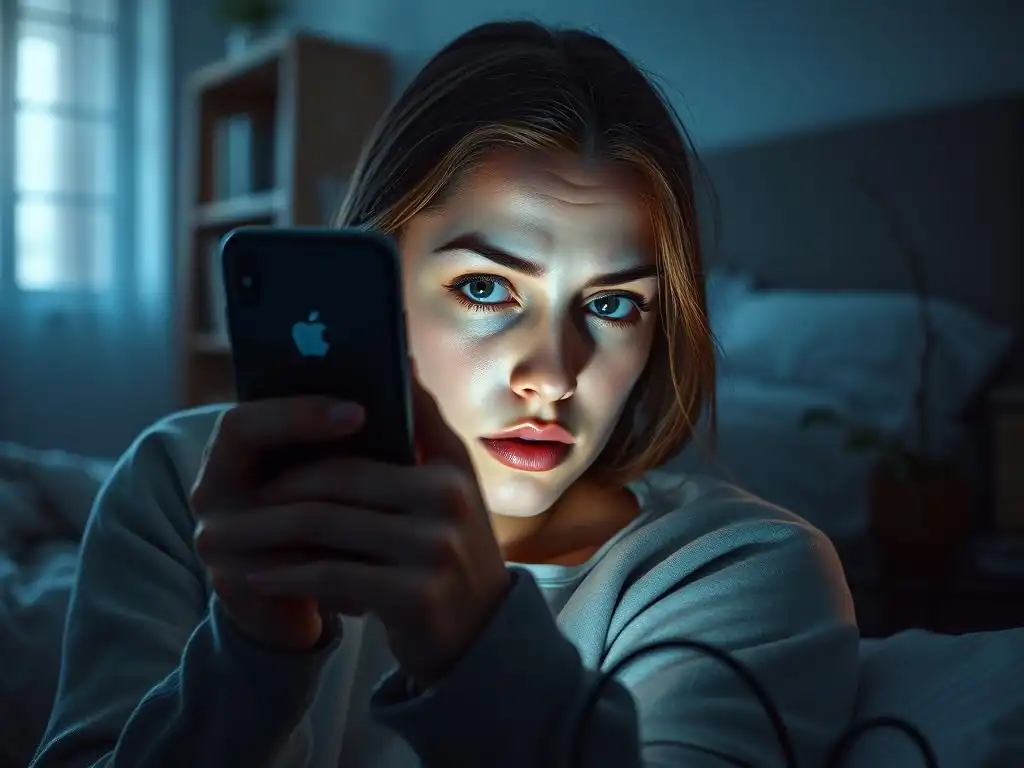
Feeling trapped in a cycle of late-night scrolling, only to be greeted by restless nights and mounting anxiety? You're not alone. This article delves into a growing concern: excessive phone use anxiety and its impact on your sleep. Discover the surprising connection between your screen time and those sleepless nights, and learn practical strategies to reclaim your peace of mind. Are you ready to finally understand why your phone is keeping you awake? Let's explore.
Screen Time & Sleep Anxiety: Why Your Phone is Keeping You Awake
- Understanding the Link Between Screen Time and Anxiety
- The Science Behind Sleep Anxiety and Digital Devices
- Identifying Symptoms of Problematic Screen Use Before Bed
- The Psychological Effects of Late-Night Screen Use on Anxiety
- Strategies to Reduce Screen Time and Improve Sleep Quality
- Alternative Activities to Replace Late-Night Screen Time
- Practical Tips for Managing Screen-Related Anxiety
- Long-Term Benefits of Reducing Screen Time Before Bed
-
Frequently Asked Questions
- What is the connection between excessive phone use and anxiety, particularly related to sleep?
- How does excessive phone use specifically contribute to "Excessive phone use anxiety"?
- What are some practical strategies to reduce "Excessive phone use anxiety"?
- How can I tell if my phone use is negatively impacting my mental well-being and contributing to anxiety?
- Where can I find support and resources for managing "Excessive phone use anxiety" and improving mental well-being?
- Final Reflection: Unplugging from Anxiety
- Unlock Deeper Sleep: Reclaim Your Nights!
Understanding the Link Between Screen Time and Anxiety
Exploring the Impact of Blue Light on Sleep Patterns
One significant factor contributing to sleep disruption is the blue light emitted by electronic screens, including smartphones, tablets, and computers. This specific wavelength of light is particularly effective at suppressing the body's production of melatonin, a hormone crucial for signaling to the brain that it's time to sleep. Our circadian rhythm, the internal biological clock that regulates sleep-wake cycles, is highly sensitive to light cues, and exposure to blue light in the evening hours tricks the brain into thinking it's still daytime.
Studies have consistently shown that exposure to blue light before bed can significantly delay the onset of sleep and reduce sleep quality. For example, research suggests that just two hours of exposure to blue light from electronic devices in the evening can reduce melatonin levels by approximately 22%. This suppression makes it harder to fall asleep and can lead to fragmented sleep throughout the night, directly impacting sleep duration and restorative processes essential for mental well-being.
How Excessive Phone Use Contributes to Sleep Problems
Beyond the biological effects of blue light, the very act of engaging with a smartphone excessively, especially late at night, keeps the mind active and stimulated. Checking emails, scrolling through social media feeds, reading news articles, or playing games all require cognitive processing that is counterproductive to winding down for sleep. This constant stream of information and interaction prevents the brain from entering a relaxed state necessary for transitioning into sleep.
Furthermore, excessive phone use anxiety can stem from the anticipation of notifications or the feeling of being constantly "on-call." This state of heightened alertness, sometimes referred to as 'techno-stress,' increases physiological arousal. When the body and mind are in this state of readiness or mild stress, falling asleep becomes a challenge. The brain remains engaged, processing potential alerts or interactions, rather than slowing down in preparation for rest.
The Vicious Cycle: Anxiety, Screen Time, and Sleep Deprivation
The relationship between anxiety, excessive phone use, and sleep problems is often a detrimental feedback loop. People experiencing anxiety may turn to their phones as a distraction or a coping mechanism, leading to increased screen time, particularly in the evening. This late-night screen use then disrupts sleep patterns, resulting in sleep deprivation.
Sleep deprivation, in turn, is a known exacerbator of anxiety symptoms. Lack of adequate sleep can impair emotional regulation, increase irritability, and heighten feelings of worry and stress. This heightened anxiety can then lead to further reliance on the phone for distraction or social connection late at night, perpetuating the cycle of excessive phone use anxiety, poor sleep, and increased anxiety. Breaking this cycle requires addressing both the screen time habits and the underlying anxiety.
The Science Behind Sleep Anxiety and Digital Devices
The Role of Cortisol and Melatonin in Sleep Regulation
Sleep regulation is a complex process heavily influenced by hormones, primarily melatonin and cortisol. Melatonin, produced by the pineal gland, is often called the "sleep hormone" because its levels typically rise in the evening, signaling the body to prepare for sleep. Cortisol, on the other hand, is a stress hormone produced by the adrenal glands, with levels usually peaking in the morning to promote wakefulness and declining throughout the day.
Exposure to light, especially the blue light from screens, directly inhibits melatonin production. This disruption shifts the timing of the body's internal clock, making it harder to feel sleepy when desired. Simultaneously, the mental stimulation and potential stress or anxiety associated with excessive phone use anxiety can elevate cortisol levels at night. An imbalance between these two hormones – low melatonin and elevated cortisol – creates a physiological state that is antagonistic to falling asleep and maintaining sleep.
Neurological Effects of Constant Stimulation from Smartphones
Smartphones are designed to be engaging, providing a constant stream of novel stimuli through notifications, apps, and content. This perpetual stimulation activates the brain's reward pathways, involving neurotransmitters like dopamine. While this can feel temporarily satisfying, it keeps the brain in a state of high alertness and engagement, which is the opposite of what is needed to transition into sleep.
The brain interprets incoming notifications and rapid content switching as signals requiring attention. This can lead to a state of cognitive arousal that persists even after the phone is put down. For individuals prone to anxiety, this constant state of readiness can amplify feelings of unease and worry, contributing to excessive phone use anxiety that bleeds into bedtime, making it difficult to quiet the mind and relax into sleep.
Research on the Correlation Between Screen Time and Sleep Quality
Numerous studies across various populations have established a clear correlation between increased screen time, particularly before bed, and negative sleep outcomes. Meta-analyses combining data from multiple studies consistently show that higher levels of evening screen use are associated with longer sleep onset latency (taking longer to fall asleep), shorter sleep duration, and poorer perceived sleep quality.
For instance, a large-scale study involving young adults found that those who reported using electronic devices extensively before sleep were significantly more likely to report insufficient sleep and symptoms of insomnia. While correlation doesn't equal causation, the biological mechanisms (blue light, hormonal disruption) and psychological factors (mental stimulation, anxiety) identified provide strong plausible pathways through which excessive phone use anxiety and screen habits directly impair sleep.
Identifying Symptoms of Problematic Screen Use Before Bed
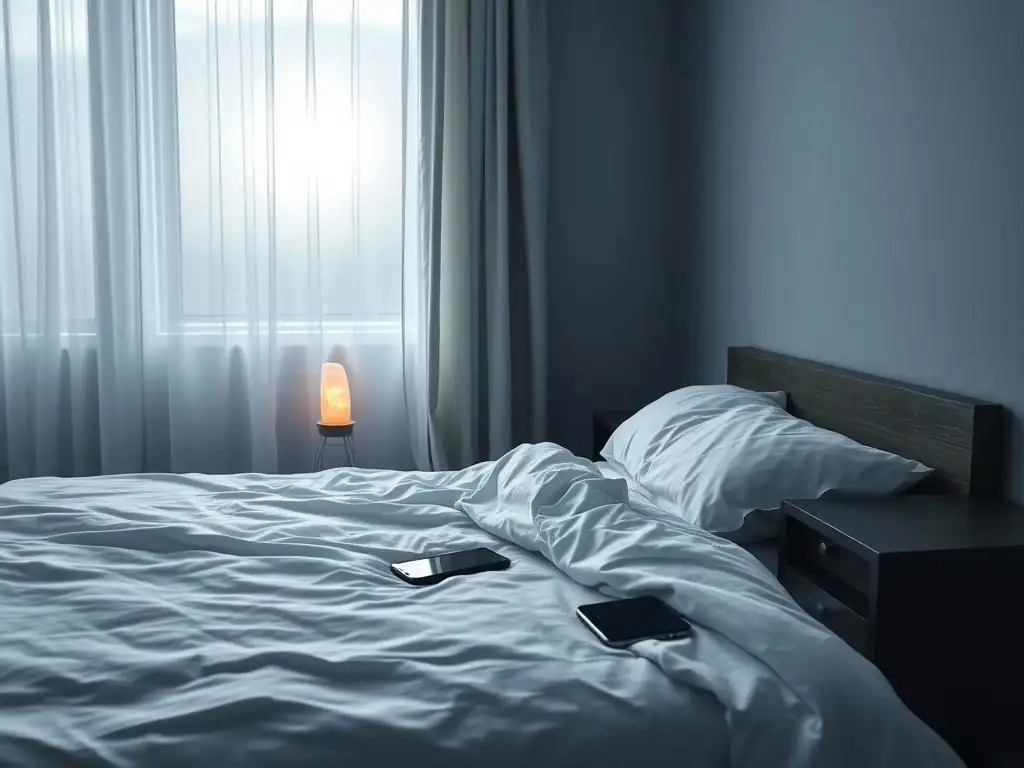
Recognizing Signs of Digital Dependence Before Bed
Identifying problematic screen use before bed is the first step toward improving sleep and managing excessive phone use anxiety. One key sign is a compulsion to check your phone repeatedly in the hour or two before sleep, even if there's no specific reason. You might find yourself feeling restless or anxious if the phone isn't within reach, or experiencing a strong urge to scroll through social media or news feeds as a default activity when unwinding.
Other indicators include bringing the phone into the bedroom and placing it right next to the bed, using the phone as the last thing you look at before closing your eyes, and the first thing you reach for upon waking. If you find that you consistently extend your intended bedtime because you're engrossed in your phone, or if you feel a sense of withdrawal or unease when attempting to disconnect, these are strong signals of potential digital dependence that can fuel excessive phone use anxiety related to being disconnected.
Social media platforms, often accessed frequently before bed, can be significant triggers for anxiety. Comparing oneself to others' curated online lives can lead to feelings of inadequacy, jealousy, or dissatisfaction. Seeing posts about others' achievements, social events, or seemingly perfect lives can spark anxious thoughts and self-doubt right when you should be relaxing.
Furthermore, engaging with news or current events late at night via social media or news apps can heighten worry about global or personal issues. The constant influx of potentially negative or triggering information keeps the mind in a state of alert concern. This form of excessive phone use anxiety, driven by comparison and exposure to distressing content, makes it incredibly difficult to quiet the mind and prepare for restful sleep.
Assessing Your Own Screen Time Habits and Their Impact on Sleep
A practical way to understand how your screen habits affect your sleep is to conduct a personal assessment. This involves tracking your screen time, particularly in the hours leading up to bed, and simultaneously monitoring your sleep patterns. Many smartphones now have built-in features that report daily and weekly screen time usage, broken down by app category.
Keep a sleep diary for a week or two, noting:
- What time you stopped using screens before bed.
- What activities you were doing on your phone.
- How long it took you to fall asleep.
- How many times you woke up during the night.
- How refreshed you felt in the morning.
Comparing your screen time data with your sleep observations can reveal patterns and highlight the extent to which your excessive phone use anxiety and late-night digital engagement are impacting your ability to get quality sleep.
The Psychological Effects of Late-Night Screen Use on Anxiety
One pervasive psychological effect of late-night screen use is the intensification of the Fear of Missing Out (FOMO). Scrolling through social media feeds before bed often presents a highlight reel of others' activities, interactions, and experiences. Seeing friends or acquaintances online or posting about events can trigger feelings of exclusion or anxiety that you're not participating or are somehow behind.
This feeling of FOMO creates a sense of restlessness and a need to stay connected, making it hard to mentally disengage. The anxiety associated with potentially missing an important update, message, or social interaction keeps the mind alert and prevents the relaxation needed for sleep. Excessive phone use anxiety is often directly fueled by this fear, driving continuous checking behavior even when tired.
The Pressure to be Constantly Connected and its Anxiety Effects
Modern digital culture often fosters an unspoken expectation of constant availability and responsiveness. Receiving work emails late at night, being part of active group chats, or feeling obligated to respond immediately to messages can create significant pressure. This constant pressure to be connected and responsive prevents the mind from truly switching off.
For individuals prone to anxiety, this can manifest as excessive phone use anxiety, where the inability to disconnect leads to persistent low-level stress. The thought of missing an important message or being slow to respond can trigger worry, making it hard to relax and transition into a sleep state. The boundary between work, social life, and personal time becomes blurred, extending the day's stresses into the night.
How Cyberbullying and Online Conflicts Disrupt Sleep
While less common for everyone, exposure to cyberbullying, online harassment, or engaging in online arguments late at night can have profoundly negative psychological impacts that severely disrupt sleep. Negative online interactions are highly emotionally charged and can trigger significant stress responses, including feelings of fear, anger, sadness, and humiliation.
These intense emotions and the associated physiological arousal are incompatible with sleep. The mind races, replaying the interaction, anticipating future conflict, or processing feelings of hurt or injustice. This form of excessive phone use anxiety, stemming from negative online experiences, can lead to rumination, nightmares, and significant sleep deprivation, sometimes requiring professional support to navigate the emotional fallout.
Strategies to Reduce Screen Time and Improve Sleep Quality
Creating a Digital Detox Routine Before Bed
Implementing a digital detox routine before bed is a highly effective strategy to combat excessive phone use anxiety and improve sleep. The goal is to create a buffer period between screen use and sleep, allowing your mind and body to wind down. A common recommendation is to put away all electronic devices emitting blue light at least 60-90 minutes before your intended bedtime.
During this detox period, engage in activities that promote relaxation rather than stimulation. This could include reading a physical book, listening to calming music, taking a warm bath, or practicing gentle stretching. Consistently adhering to this routine helps signal to your brain that the day is ending and it's time to prepare for rest, reducing the mental clutter often associated with late-night screen scrolling.
Implementing Time Limits and App Restrictions on Your Phone
Many smartphones offer built-in tools to help manage screen time, which can be invaluable for reducing excessive phone use anxiety. Features like 'Screen Time' on iOS or 'Digital Wellbeing' on Android allow you to monitor your usage, set daily limits for overall screen time, and even set specific time limits for individual apps.
You can configure these settings to make certain apps inaccessible after a specific time in the evening or restrict usage after you've reached your daily limit. Setting downtime or focus modes that silence notifications and grayscale the screen during your designated wind-down period can also discourage late-night usage. Utilizing these tools creates intentional barriers that help you stick to your digital detox goals.
Optimizing Phone Settings for Better Sleep: Blue Light Filters and Night Mode
While a digital detox period is ideal, sometimes late-night phone use is unavoidable (e.g., setting an alarm). In such cases, optimizing your phone's settings can mitigate some of the negative impacts. Virtually all modern smartphones have features like 'Night Shift' (iOS) or 'Night Light' (Android) that reduce the amount of blue light emitted, shifting the screen colors to warmer tones in the evening.
Enable these features to activate automatically based on sunset or a custom schedule. While blue light filters don't eliminate the stimulating effects of screen content or excessive phone use anxiety, they can help minimize the disruption to melatonin production. Lowering screen brightness and keeping the phone at a distance if used briefly can also be helpful adjustments.
Alternative Activities to Replace Late-Night Screen Time

Relaxation Techniques for Anxiety: Meditation and Deep Breathing Exercises
Replacing late-night screen time with relaxation techniques is a powerful way to reduce excessive phone use anxiety and prepare for sleep. Practices like meditation and deep breathing exercises calm the nervous system and quiet a racing mind. Simple deep breathing, focusing on slow, intentional inhales and exhales, can lower heart rate and promote a sense of tranquility.
Guided meditations, available through various apps or online resources (though be mindful of screen time to access them, perhaps using audio-only), can help train your mind to let go of anxious thoughts and focus on the present moment. Even 10-15 minutes of dedicated relaxation practice before bed can make a significant difference in your ability to fall asleep and manage excessive phone use anxiety.
Reading and Other Offline Activities to Promote Relaxation
Engaging in offline activities provides a welcome break from digital stimulation and helps promote relaxation. Reading a physical book is a classic choice; it occupies the mind in a focused, linear way that is less stimulating than scrolling through fragmented online content. Choose calming genres and avoid overly exciting or anxiety-provoking material.
Other relaxing offline activities could include listening to podcasts or audiobooks (again, audio-only to avoid screen light), journaling about your day or thoughts, doing a simple puzzle, or engaging in a quiet hobby like knitting or drawing. The key is to find activities that you find genuinely relaxing and enjoyable, providing a pleasant alternative to the pull of your phone and reducing excessive phone use anxiety.
Creating a Calming Bedtime Routine for Better Sleep
Developing a consistent and calming bedtime routine signals to your body that it's time to wind down and prepare for sleep. This routine should ideally start an hour or two before your target bedtime and exclude screen time. It could involve a sequence of relaxing activities performed in the same order each night.
- Take a warm bath or shower.
- Put on comfortable sleepwear.
- Read a few chapters of a book.
- Listen to quiet music or a calming podcast.
- Do some gentle stretching or yoga.
- Practice meditation or deep breathing.
A consistent routine helps regulate your body's internal clock and creates a peaceful transition from the day's activities to sleep, reducing the likelihood of excessive phone use anxiety disrupting your rest.
Cognitive Behavioral Therapy (CBT) Techniques for Anxiety Management
Cognitive Behavioral Therapy (CBT) is a highly effective therapeutic approach for managing anxiety, including excessive phone use anxiety. CBT helps individuals identify and challenge negative thought patterns and develop healthier coping mechanisms. Techniques learned in CBT can help you recognize the anxious thoughts triggered by screen use (like FOMO or comparison) and reframe them.
For example, you might learn to question the validity of social media portrayals or challenge the belief that you must be constantly available. CBT also equips you with behavioral strategies, such as gradually reducing screen time or practicing mindfulness when urges to check your phone arise. These techniques empower you to gain control over your reactions to digital stimuli and manage associated anxiety.
Seeking Professional Help for Digital Wellbeing and Sleep Disorders
If excessive phone use anxiety and related sleep problems are significantly impacting your life and ability to function, seeking professional help is a crucial step. A therapist specializing in anxiety or digital well-being can provide tailored support and strategies. They can help you explore the root causes of your anxiety and develop a comprehensive plan for managing your relationship with technology.
Similarly, if sleep disturbances are severe or persistent, consulting a sleep specialist is recommended. They can diagnose underlying sleep disorders and offer medical or behavioral interventions. Addressing both the anxiety and the sleep issues concurrently, often through a combination of therapy and lifestyle changes, leads to more effective and sustainable improvement.
Finding Online and Community Resources for Anxiety and Sleep Support
Numerous resources are available online and within communities to support individuals struggling with anxiety and sleep issues. Many reputable mental health organizations offer free articles, guides, and toolkits on managing anxiety and improving sleep hygiene. Online forums or support groups can provide a sense of community and shared experience, although it's important to use these mindfully and avoid excessive screen time.
Local community centers or mental health services may offer support groups or workshops focused on stress management, anxiety reduction, or sleep improvement. Exploring resources like mindfulness apps (used judiciously, perhaps on a device with a blue light filter or audio-only) or guided relaxation exercises can also be beneficial. Leveraging these resources can provide valuable information, strategies, and support in your journey toward better mental well-being and sleep.
Long-Term Benefits of Reducing Screen Time Before Bed
Improved Sleep Quality and Reduced Sleep Anxiety
The most immediate and significant long-term benefit of reducing screen time before bed is a marked improvement in sleep quality and a reduction in sleep anxiety. By minimizing exposure to blue light and reducing mental stimulation, you create a more conducive environment for falling asleep faster and experiencing more consolidated, restorative sleep.
As sleep quality improves, the anxiety specifically associated with the inability to sleep – the excessive phone use anxiety about being awake, the frustration, the worry about the next day – naturally diminishes. You feel more confident in your ability to fall asleep, and the bedroom becomes a place of rest and relaxation rather than a battleground with your phone and anxious thoughts.
Enhanced Mental Well-being and Reduced Stress Levels
Reducing excessive phone use anxiety and getting better sleep has profound positive effects on overall mental well-being. Chronic sleep deprivation is linked to increased risk of depression and anxiety disorders. By prioritizing sleep, you strengthen your emotional resilience and improve your mood regulation.
Less time spent scrolling through potentially triggering content before bed also reduces exposure to stressors like social comparison, negative news, or the pressure to be constantly connected. This digital boundary helps lower overall stress levels and creates more mental space for positive thoughts and activities, leading to a calmer, more balanced state of mind throughout the day.
Increased Productivity and Improved Overall Health
Quality sleep is fundamental to cognitive function, productivity, and physical health. When you are well-rested, your concentration, memory, problem-solving skills, and creativity are enhanced. Reducing late-night screen time directly contributes to this by ensuring you get sufficient restorative sleep, leading to improved performance in work, studies, or daily tasks.
Beyond cognitive benefits, sufficient sleep supports physical health by aiding in immune function, hormone regulation, and cellular repair. Reducing excessive phone use anxiety and improving sleep is not just about feeling less stressed; it's an investment in your long-term physical health, reducing the risk of chronic conditions associated with poor sleep and chronic stress.
Frequently Asked Questions
Excessive phone use, especially before bed, can trigger sleep anxiety due to blue light exposure and stimulating content which disrupts the natural sleep cycle and increases worry.
How does excessive phone use specifically contribute to "Excessive phone use anxiety"?
Constantly checking social media, news, or emails can create a fear of missing out (FOMO) and a sense of constant connectivity, fueling anxiety around being separated from your phone.
What are some practical strategies to reduce "Excessive phone use anxiety"?
Strategies include setting time limits on phone usage, establishing phone-free zones (like the bedroom), and practicing mindfulness techniques to manage urges to check the phone.
How can I tell if my phone use is negatively impacting my mental well-being and contributing to anxiety?
Signs include feeling anxious when unable to access your phone, experiencing sleep disturbances after phone use, and relying on your phone to cope with negative emotions.
Where can I find support and resources for managing "Excessive phone use anxiety" and improving mental well-being?
Mind Care Guide offers information, support, and resources for various mental health challenges, including managing screen time and reducing anxiety related to phone use.
Final Reflection: Unplugging from Anxiety
The pervasive glow of our screens isn't just affecting our sleep; it's fueling a silent epidemic of anxiety. The constant stream of notifications, the pressure to stay connected, and the curated perfection of social media are creating a perfect storm of stress that manifests in sleepless nights and racing minds. This isn't just about losing a few hours of rest; it's about the erosion of our mental well-being.
The impact of excessive phone use on our anxiety levels is undeniable, subtly reshaping our social interactions and self-perception. We've explored the neurological pathways linking screen time to sleep disturbances, and the resulting anxiety only exacerbates the cycle. The fear of missing out (FOMO), the constant comparison to others' seemingly perfect lives, and the overwhelming influx of information all contribute to a feeling of unease that lingers long after we've put down our phones. The greatest enemy of knowledge is not ignorance, it is the illusion of knowledge.
– Stephen Hawking. This quote resonates deeply because our constant connection often creates an illusion of understanding and control, masking a deeper underlying anxiety.
You now have the knowledge to break free from this cycle. Consider this your call to action. Start small: set boundaries for your screen time, create a digital detox routine before bed, and prioritize activities that nurture your mental and emotional well-being. Reconnect with the world around you, not just the digital one. By consciously choosing to unplug, you're not just improving your sleep; you're reclaiming your peace of mind and taking control of your mental health. The journey to a more restful and less anxious life begins with a single, deliberate step away from your screen.
Unlock Deeper Sleep: Reclaim Your Nights!
Thanks for taking the time to learn about the connection between screen time and sleep anxiety. We hope you gained valuable insights into how your phone might be impacting your rest. Now it's time to put that knowledge into action!
Here's how you can start reclaiming your nights:
- Implement a "digital sundown" routine: Set a specific time each evening to power down all devices – at least an hour before bed. This creates a calming transition to sleep.
- Explore alternative wind-down activities: Try reading a physical book, taking a warm bath, or practicing gentle stretching instead of scrolling through your phone. What relaxing activities could you incorporate?
- Share your experience: Let's build a supportive community! Share your tips and challenges in the comments below – your insights might help others.
What small change will you make tonight to improve your sleep?