
The Silent Struggle: MDD Symptoms in Older Adults Often Overlooked

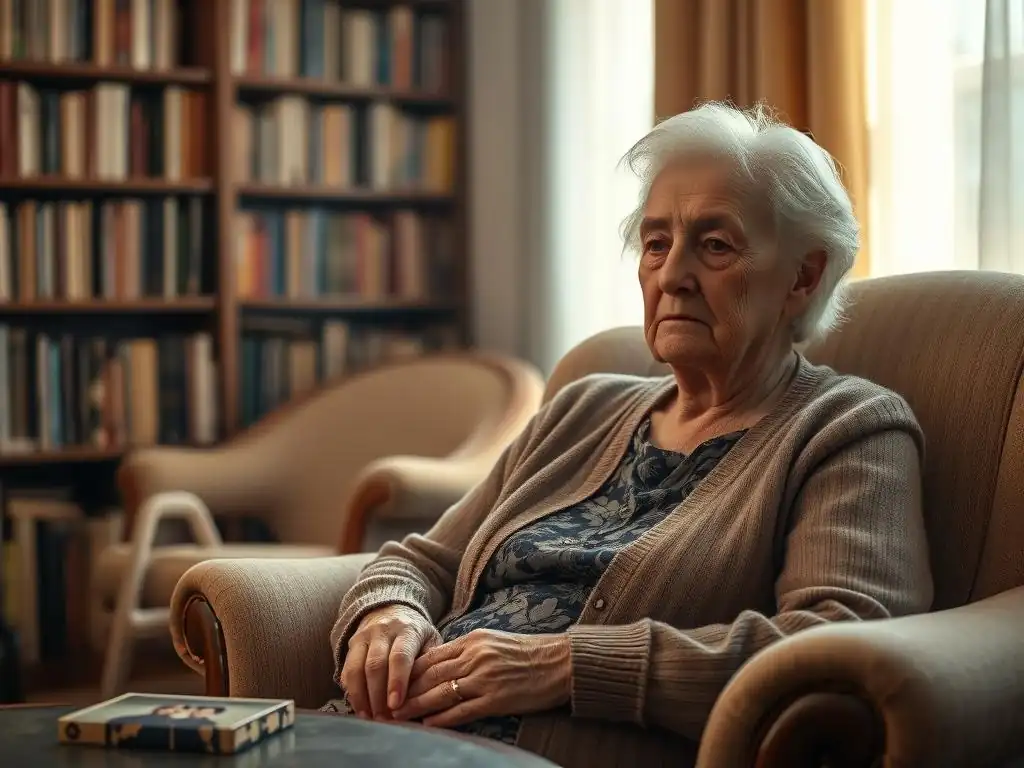
Welcome to Mind Care Guide, your trusted companion on the journey to mental well-being. It's easy to feel lost when navigating the complexities of mental health, and we're here to offer support and understanding. Did you know that depression can manifest differently in older adults, often masked by age-related changes? Dive into our latest article to uncover the overlooked MDD symptoms in seniors and learn how to provide compassionate care and support. Let's shed light on this silent struggle together.
The Silent Struggle: MDD Symptoms in Older Adults Often Overlooked
- Understanding Major Depressive Disorder (MDD) in Seniors
-
Identifying Overlooked MDD Symptoms in Seniors: Beyond Sadness
- Atypical Depression Symptoms in the Elderly: Recognizing the Differences
- Physical Manifestations of Depression in Older Adults: Somatic Complaints
- Cognitive Impairment and MDD in Seniors: Memory and Focus Issues
- Behavioral Changes as Indicators of Depression in the Elderly: Social Withdrawal and Irritability
- The Impact of Overlooked MDD Symptoms on Senior Health
- Diagnosing MDD in Older Adults: Challenges and Best Practices
-
Addressing Overlooked MDD Symptoms: Treatment and Support
- Tailoring Treatment Plans for Seniors with MDD: Considerations and Modifications
- The Role of Psychotherapy in Treating Depression in Older Adults: Cognitive Behavioral Therapy (CBT) and Interpersonal Therapy (IPT)
- Medication Management for MDD in Seniors: Antidepressants and Potential Side Effects
- The Importance of Social Support and Community Resources for Elderly Individuals with MDD: Senior Centers
- Raising Awareness and Reducing Stigma Surrounding MDD in Older Adults
- Conclusion: Prioritizing Mental Health in Seniors and Addressing Overlooked MDD Symptoms
-
Frequently Asked Questions
- What is MDD and why is it important to recognize in seniors?
- What are some overlooked MDD symptoms specifically common in older adults?
- Why are MDD symptoms in seniors often missed by healthcare providers and caregivers?
- How can family members and caregivers help identify potential MDD in an elderly loved one?
- What resources are available for seniors and their families seeking help for MDD?
- Final Reflection: The Unseen Burden of Late-Life Depression
- Unlock a Brighter Future: Supporting Older Adults with MDD
Understanding Major Depressive Disorder (MDD) in Seniors
Defining MDD and its Prevalence in the Elderly
Major Depressive Disorder (MDD), often referred to as depression, is a serious mood disorder characterized by persistent feelings of sadness, loss of interest, and a range of emotional and physical problems. While depression can affect people of all ages, it presents unique challenges in older adults. It's crucial to understand that depression is not a normal part of aging. While many seniors navigate late life with resilience, a significant number experience depression, impacting their health, quality of life, and longevity. Recognizing MDD in this population is the first step toward effective intervention.
The prevalence of MDD in the elderly varies depending on the setting. Studies suggest that approximately 1-5% of the general elderly population living in the community experiences MDD. However, this rate is considerably higher in older adults receiving home healthcare, potentially reaching up to 13.5%, and in hospitalized older adults, where it can be as high as 11.5%. These figures highlight that while not universal, MDD is a prevalent and concerning issue among seniors, particularly those with existing health conditions or limited mobility. Understanding these statistics underscores the importance of being vigilant for overlooked MDD symptoms in seniors.
Why MDD is Often Missed in Older Adults: Contributing Factors
Several factors contribute to why MDD symptoms in older adults are often overlooked or misdiagnosed. One primary reason is that seniors may present with atypical symptoms compared to younger individuals. Instead of expressing overt sadness, they might complain more about physical pain, fatigue, or memory problems, which can be easily attributed to normal aging or existing medical conditions. Furthermore, older adults may be less likely to report feeling depressed due to stigma, a belief that depression is a sign of weakness, or simply not wanting to burden others. This reluctance to articulate emotional distress makes identifying the condition challenging.
Another significant factor is the presence of multiple chronic health conditions common in older age. Symptoms of illnesses like heart disease, stroke, diabetes, or dementia can overlap considerably with depression symptoms, masking the underlying mood disorder. Healthcare providers, focused on managing acute or prominent physical ailments, might not probe for depression unless specifically trained or prompted.
Additionally, polypharmacy (the use of multiple medications) can introduce side effects that mimic depression, further complicating diagnosis. The cumulative effect of these factors means that many cases of depression in the elderly go unrecognized and untreated, leading to prolonged suffering and poorer health outcomes. Identifying these overlooked MDD symptoms in seniors is therefore paramount.
Identifying Overlooked MDD Symptoms in Seniors: Beyond Sadness
Atypical Depression Symptoms in the Elderly: Recognizing the Differences
Unlike younger adults who might openly express sadness or despair, older adults with depression often exhibit symptoms that are less emotionally focused and more somatic or cognitive. Atypical presentations are a key reason why MDD symptoms in older adults are often overlooked. Instead of saying "I feel sad," a senior might repeatedly complain about feeling tired, having no energy, or losing their appetite. They might become unusually withdrawn, irritable, or agitated, behaviors that could be misinterpreted as personality changes or reactions to physical discomfort rather than signs of depression.
Consider an older adult who has always been social and active. If they suddenly stop attending their regular community group meetings, refuse visitors, and spend most of their day isolated at home, these could be significant, yet easily dismissed, indicators of depression. They might not mention feeling down but might express pervasive boredom or a lack of motivation to do anything they once enjoyed. These subtle shifts in behavior and mood, deviating from their established patterns, are critical atypical symptoms that require careful attention when assessing for depression in seniors.
Physical Manifestations of Depression in Older Adults: Somatic Complaints
Physical symptoms, or somatic complaints, are particularly common and often overlooked MDD symptoms in seniors. Older adults with depression frequently report persistent, unexplained aches and pains that don't respond well to standard pain management. Headaches, backaches, joint pain, and gastrointestinal issues like constipation or nausea are common. These physical complaints can be particularly misleading because older adults often have genuine medical conditions that cause similar symptoms, making it difficult to discern the psychological root.
Beyond pain, changes in sleep patterns are a hallmark physical manifestation. This can include difficulty falling asleep, staying asleep, or waking up much earlier than desired, leading to daytime fatigue. Significant changes in appetite and weight are also prevalent; some older adults experience a loss of appetite and subsequent weight loss, while others might gain weight. Fatigue and a pervasive lack of energy (anergia) are also common, making even simple daily tasks feel overwhelming. These physical signs, when viewed in isolation, are easily attributed to aging or physical illness, obscuring the underlying depression.
Cognitive Impairment and MDD in Seniors: Memory and Focus Issues
Depression in older adults can significantly impact cognitive function, presenting as problems with memory, concentration, and decision-making. This is one of the most frequently overlooked MDD symptoms in seniors because these cognitive issues can resemble the early stages of dementia. Older adults with depression might complain about forgetfulness, difficulty focusing on conversations or tasks, or feeling mentally "slow." They may struggle with problem-solving or making even simple decisions.
This overlap with dementia symptoms creates a diagnostic challenge. However, there are often subtle differences. Depression-related cognitive impairment tends to have a more abrupt onset compared to the gradual decline seen in dementia. Individuals with depression might express distress about their memory problems, whereas those with dementia may be less aware or concerned. Furthermore, cognitive function in depression can fluctuate and often improves with successful treatment of the depression, which is typically not the case with progressive dementia. Differentiating between depression and dementia requires careful assessment, but recognizing cognitive changes as potential overlooked MDD symptoms in seniors is vital.
Behavioral changes are powerful, yet often dismissed, indicators of depression in older adults. Social withdrawal is a classic sign. An individual who was previously engaged in social activities might suddenly isolate themselves, avoiding friends, family, and community events. This isn't just a preference for solitude; it's a significant reduction in interaction and interest in activities they once enjoyed. This withdrawal can be mistaken for natural aging or a response to physical limitations, rather than a symptom of depression.
Another common behavioral change is increased irritability or agitation. Instead of seeming sad, an older adult with depression might become easily frustrated, short-tempered, or restless. They may complain more frequently, express dissatisfaction with their care or surroundings, or exhibit uncharacteristic anger. These behavioral shifts can strain relationships and are often perceived as personality flaws or the effects of chronic illness, further contributing to overlooked MDD symptoms in seniors. Recognizing these changes as potential signs of depression is crucial for timely intervention.
The Impact of Overlooked MDD Symptoms on Senior Health
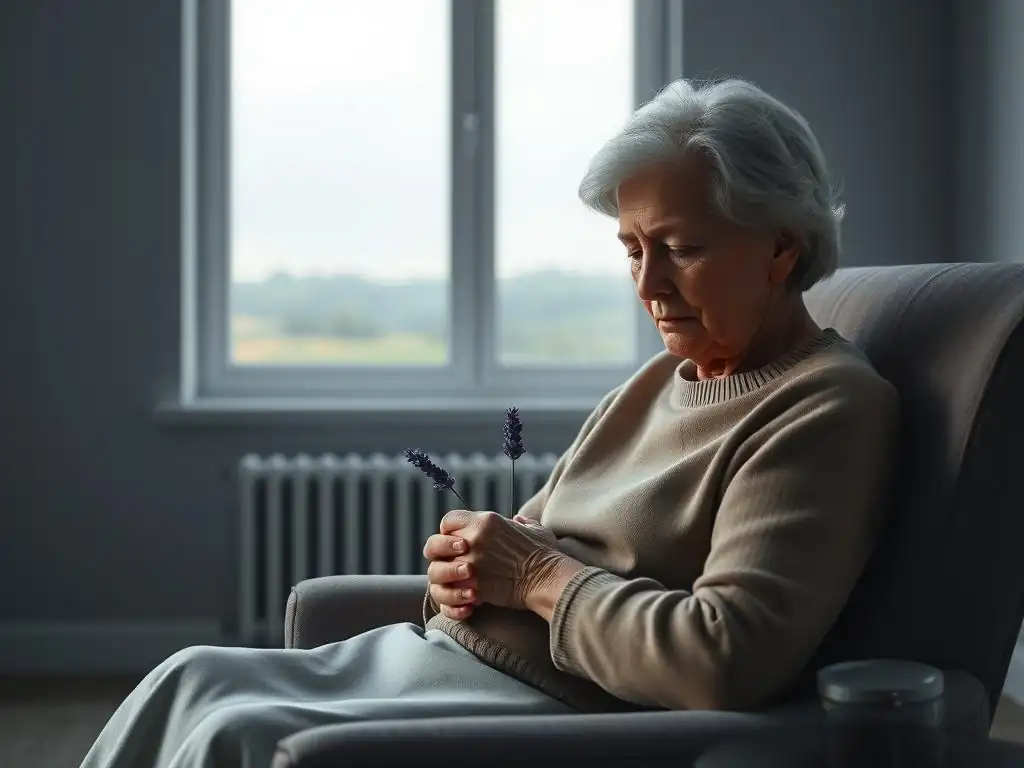
Increased Risk of Physical Health Problems: Comorbidities and MDD
Untreated or overlooked MDD symptoms in seniors have a profound negative impact on their physical health. Depression is not merely a mental state; it's a systemic illness that can exacerbate existing physical conditions and increase the risk of developing new ones. For example, depression can worsen outcomes for individuals with heart disease, potentially leading to increased hospitalizations and mortality. It can also make managing chronic conditions like diabetes or hypertension more difficult, as depressed individuals may lack the motivation or energy to adhere to medication regimens, healthy diets, or exercise plans.
Furthermore, depression can suppress the immune system, making older adults more susceptible to infections. Research indicates a strong link between depression and increased inflammation in the body, which is implicated in numerous age-related diseases. The cycle is vicious: physical illness can contribute to depression, and depression can worsen physical health, creating a complex web of comorbidities that significantly reduces quality of life and increases healthcare costs. Addressing overlooked MDD symptoms in seniors is thus a critical component of comprehensive senior healthcare.
Overlooked MDD symptoms in seniors severely diminish their quality of life. The loss of interest or pleasure in activities (anhedonia), coupled with fatigue and physical complaints, makes it difficult for older adults to engage in hobbies, social events, or even basic self-care. This leads to a pervasive sense of apathy and a feeling that life has lost its color and meaning. The cognitive effects, such as difficulty concentrating, can also make simple tasks like reading or following a favorite TV show challenging, further eroding enjoyment.
This reduced engagement inevitably leads to increased social isolation. As older adults withdraw due to depression, they lose contact with friends and family, which in turn can worsen their depressive symptoms. Social isolation is a significant risk factor for poor health outcomes in seniors, including higher rates of mortality.
The empathetic approach recognizes that these individuals are not choosing to be isolated but are often trapped by the debilitating effects of depression. Breaking this cycle requires identifying and treating the underlying mood disorder. The impact of overlooked MDD symptoms in seniors on their social well-being is profound and warrants urgent attention.
Higher Suicide Risk in Older Adults with Untreated MDD
Perhaps the most tragic consequence of overlooked MDD symptoms in seniors is the increased risk of suicide. While older adults represent a smaller percentage of the population, they account for a disproportionately high percentage of suicides in many countries. White men aged 85 and older have historically had the highest suicide rate of any demographic group. Depression is a major risk factor for suicide in this age group, and untreated depression is a primary driver.
Unlike younger individuals who may make non-fatal attempts, older adults who attempt suicide are often more determined and use more lethal methods, meaning their attempts are more likely to be fatal. Factors contributing to this high risk include social isolation, chronic illness, loss of loved ones, and financial difficulties, all of which can coexist with or exacerbate depression. Recognizing and treating depression is the single most effective strategy for reducing suicide risk in older adults. The silence surrounding overlooked MDD symptoms in seniors can have deadly consequences, making awareness and intervention critically important.
Diagnosing MDD in Older Adults: Challenges and Best Practices
Screening Tools for Depression in Seniors: Geriatric Depression Scale (GDS) and Patient Health Questionnaire-9 (PHQ-9)
Given the challenges in identifying depression in older adults, using standardized screening tools is considered a best practice. Two widely used and validated instruments are the Geriatric Depression Scale (GDS) and the Patient Health Questionnaire-9 (PHQ-9). The GDS is particularly useful for the elderly population as it focuses less on somatic symptoms that might be related to physical illness and more on feelings and mood, making it easier to differentiate depression from medical conditions. It is available in various lengths, including a 15-item version and a shorter 5-item version.
The PHQ-9 is a nine-item questionnaire that assesses the presence and severity of depressive symptoms based on the DSM-IV criteria (and is still widely used in clinical practice). While it includes some somatic items, it is also a reliable tool for older adults and can be used to monitor treatment response. These screening tools are not diagnostic on their own but serve as valuable indicators that a more thorough assessment for depression is warranted. Implementing routine screening in primary care and geriatric settings helps healthcare professionals detect potentially overlooked MDD symptoms in seniors.
A key challenge in diagnosing MDD in seniors is distinguishing depressive symptoms from normal age-related changes or the effects of other medical conditions. A thorough assessment is crucial and involves more than just a quick screening. It should include a detailed medical history, a comprehensive physical examination, a review of all medications (including over-the-counter drugs and supplements), and laboratory tests to rule out other causes of symptoms (e.g., thyroid problems, vitamin deficiencies).
The assessment should also delve into the individual's social history, recent life events (such as loss of a spouse or relocation), functional status (ability to perform daily activities), and cognitive function. Comparing current symptoms and behaviors to the individual's baseline functioning before the suspected onset of depression is essential. This comprehensive approach helps clinicians piece together the puzzle, determining whether symptoms like fatigue, memory issues, or social withdrawal are indeed overlooked MDD symptoms in seniors or attributable to other factors.
Importance of Collateral Information: Gathering Insights from Family and Caregivers
Because older adults may underreport or misinterpret their symptoms, gathering information from people who know them well – family members, close friends, or caregivers – is invaluable. This "collateral information" can provide crucial insights into changes in the senior's behavior, mood, activity level, and functioning that the individual themselves might not mention or even recognize. Family members might notice increased irritability, withdrawal, or a loss of interest in hobbies that the senior denies.
Caregivers, particularly those providing daily support, can offer detailed observations about changes in sleep patterns, appetite, energy levels, and engagement in daily tasks. Asking specific questions about observed changes over time can help build a clearer picture of potential overlooked MDD symptoms in seniors. However, it's important to gather this information sensitively and maintain patient confidentiality where appropriate, while also educating family and caregivers about the signs of depression in the elderly and encouraging them to communicate concerns with healthcare providers.
Addressing Overlooked MDD Symptoms: Treatment and Support

Tailoring Treatment Plans for Seniors with MDD: Considerations and Modifications
Treating depression in older adults requires a tailored approach that considers their unique circumstances, including co-existing medical conditions, cognitive status, and potential drug interactions. Treatment plans typically involve a combination of psychotherapy and medication, but modifications are often necessary. For instance, starting antidepressant medication at lower doses and increasing gradually ("start low, go slow") is a common practice to minimize side effects. Monitoring for adverse reactions is particularly important due to changes in metabolism and organ function with age.
Furthermore, treatment should address underlying factors contributing to the depression, such as social isolation, grief, or chronic pain. Integrating care with management of physical health conditions is vital, as improving physical health can positively impact mental well-being. The empathetic approach means ensuring the senior feels heard, respected, and involved in their treatment decisions, adapting communication styles and treatment modalities to their needs and preferences. Effectively addressing overlooked MDD symptoms in seniors requires this holistic and individualized strategy.
The Role of Psychotherapy in Treating Depression in Older Adults: Cognitive Behavioral Therapy (CBT) and Interpersonal Therapy (IPT)
Psychotherapy, or talk therapy, is a highly effective treatment for depression in older adults, often used alone for mild to moderate depression or in combination with medication for more severe cases. Two evidence-based therapies particularly beneficial for this age group are Cognitive Behavioral Therapy (CBT) and Interpersonal Therapy (IPT). CBT helps individuals identify and change negative thought patterns and behaviors that contribute to depression. It teaches coping skills and strategies for managing stress and improving mood.
IPT focuses on the role of relationships and social interactions in depression. It helps older adults address issues such as grief, role transitions (like retirement or loss of independence), and interpersonal conflicts that may be contributing to their depression. Both CBT and IPT can be adapted to meet the specific needs of older adults, including considering cognitive changes or physical limitations that might affect participation. These therapies provide seniors with tools to understand and manage their depression, offering hope and practical strategies for recovery from overlooked MDD symptoms in seniors.
Medication Management for MDD in Seniors: Antidepressants and Potential Side Effects
Antidepressant medications are a cornerstone of treatment for moderate to severe MDD in older adults. Selective Serotonin Reuptake Inhibitors (SSRIs) are often the first choice due to their favorable side effect profile compared to older classes of antidepressants like tricyclics or MAOIs. Examples of commonly prescribed SSRIs include sertraline (Zoloft), escitalopram (Lexapro), and citalopram (Celexa). Other classes, such as Serotonin-Norepinephrine Reuptake Inhibitors (SNRIs), may also be used.
However, medication management in seniors requires careful consideration. Older adults are more susceptible to side effects, such as dizziness, nausea, sleep disturbances, or hyponatremia (low sodium levels), which can increase the risk of falls or other complications. Potential interactions with other medications the senior is taking must also be carefully evaluated. Regular monitoring by a healthcare provider is essential to assess effectiveness, manage side effects, and make dosage adjustments. The goal is to find the medication and dose that effectively treats the depression with minimal adverse effects, improving outcomes for individuals with overlooked MDD symptoms in seniors.
Social support is a critical, often underestimated, component of recovery and maintaining well-being for older adults with depression. Encouraging engagement with friends, family, and community can combat the isolation that often accompanies depression. Family members and friends can provide emotional support, practical assistance, and encouragement to seek and adhere to treatment. Their involvement is also vital for recognizing signs of relapse.
Community resources, such as senior centers, religious organizations, and support groups, offer opportunities for social interaction, engaging activities, and a sense of belonging. Programs specifically designed for seniors can provide structure to their day and reduce feelings of loneliness. For instance, senior centers often host classes, social events, and meals that encourage participation. Connecting older adults with these resources can significantly enhance their quality of life and serve as a protective factor against depression and relapse. Leveraging these resources is key to supporting seniors struggling with overlooked MDD symptoms in seniors.
Raising Awareness and Reducing Stigma Surrounding MDD in Older Adults
Educating Healthcare Professionals on Recognizing Atypical MDD Symptoms
A critical step in addressing overlooked MDD symptoms in seniors is improving the recognition skills of healthcare professionals who regularly interact with this population, including primary care physicians, nurses, and geriatric specialists. Education should focus specifically on the atypical and somatic presentations of depression in older adults, moving beyond the stereotype of obvious sadness. Training programs can highlight the significance of symptoms like increased physical complaints, cognitive changes, irritability, and functional decline as potential indicators of depression.
Case studies and clinical vignettes illustrating how depression can manifest in seniors can be valuable teaching tools. Emphasizing the importance of routine depression screening using validated tools like the GDS or PHQ-9 in all elderly patients, regardless of their presenting complaint, is also crucial. Equipping healthcare providers with the knowledge and tools to identify depression in its varied forms is essential for reducing the number of seniors whose depression goes undiagnosed and untreated. This focused education is paramount for tackling the issue of overlooked MDD symptoms in seniors.
Empowering Seniors to Seek Help and Support: Breaking Down Barriers to Treatment
Reducing stigma is vital for empowering older adults to seek help for depression. Many seniors grew up in generations where mental health issues were not openly discussed and were often viewed negatively. Educational campaigns targeted at seniors themselves can help normalize depression as a treatable medical condition, not a personal failing. Providing accessible information about the signs of depression, emphasizing that it is common and treatable, and highlighting the benefits of seeking help can encourage seniors to voice their struggles.
Making mental healthcare more accessible is also key. This includes ensuring that services are affordable, conveniently located, and culturally sensitive. Integrating mental health services into primary care settings can reduce barriers, as seniors are often more comfortable discussing concerns with their regular doctor. Peer support programs, where older adults who have recovered from depression share their experiences, can also be incredibly empowering, showing others that recovery is possible and encouraging them to take the first step. Empowering seniors to recognize and report potential overlooked MDD symptoms in seniors is a crucial step in their care journey.
Families and caregivers play a vital role in identifying and supporting older adults with depression, but they often need guidance and resources themselves. Educating families about the signs and symptoms of depression in the elderly, including the often overlooked MDD symptoms in seniors, is essential. Providing them with strategies for approaching their loved one about their concerns in a supportive and non-judgmental way can facilitate open communication.
Support groups and educational materials specifically for families and caregivers of individuals with mental health conditions can offer emotional support, practical advice, and coping strategies. Information on how to access professional help, navigate the healthcare system, and find local resources is invaluable. Supporting the well-being of caregivers is also important, as caring for someone with depression can be emotionally taxing. By providing resources and support to the support network, we enhance the ability to identify and address depression in seniors effectively.
Conclusion: Prioritizing Mental Health in Seniors and Addressing Overlooked MDD Symptoms
Major Depressive Disorder is a significant health concern for older adults, yet its symptoms are frequently overlooked or misattributed to normal aging or physical illness. The silent struggle of depression in seniors, marked by atypical presentations like physical complaints, cognitive issues, and behavioral changes rather than overt sadness, demands greater awareness. Overlooked MDD symptoms in seniors have devastating consequences, including worsened physical health, social isolation, reduced quality of life, and a tragically increased risk of suicide.
Prioritizing the mental health of older adults requires a concerted effort from individuals, families, healthcare professionals, and communities. Implementing routine screening, conducting thorough assessments that include collateral information, and tailoring evidence-based treatments like psychotherapy and medication are crucial steps.
Equally important are efforts to raise awareness, reduce the stigma surrounding mental illness in this population, and empower seniors and their support networks to seek and provide help. By actively looking for and addressing overlooked MDD symptoms in seniors, we can significantly improve their well-being, restore their quality of life, and ensure that their later years are lived with dignity, engagement, and hope.
Frequently Asked Questions
What is MDD and why is it important to recognize in seniors?
MDD stands for Major Depressive Disorder, a serious mood disorder. It's crucial to recognize it in seniors because it often goes undiagnosed and untreated, leading to significant suffering and reduced quality of life.
What are some overlooked MDD symptoms specifically common in older adults?
Besides sadness, common overlooked symptoms include physical aches and pains, unexplained fatigue, and cognitive difficulties mimicking dementia. These can easily be attributed to normal aging.
Why are MDD symptoms in seniors often missed by healthcare providers and caregivers?
Symptoms are often dismissed as normal aging processes or attributed to other medical conditions. Also, seniors may be less likely to report emotional distress or understand their condition.
How can family members and caregivers help identify potential MDD in an elderly loved one?
Caregivers should be observant for changes in mood, behavior, and physical health. Look for loss of interest in activities, social withdrawal, and increased irritability.
What resources are available for seniors and their families seeking help for MDD?
Mind Care Guide offers information and resources on MDD. Additionally, contacting a mental health professional or geriatric psychiatrist is crucial for proper diagnosis and treatment.
Final Reflection: The Unseen Burden of Late-Life Depression
The pervasive nature of Major Depressive Disorder (MDD) in older adults is often underestimated, leading to a significant gap in diagnosis and treatment. This silent struggle, masked by physical ailments and societal misconceptions, results in untold suffering and a diminished quality of life for countless seniors. We must actively challenge this pervasive oversight.
The impact of overlooking MDD symptoms in seniors reverberates far beyond the individual. It affects families, healthcare systems, and the overall well-being of our aging population. The societal stigma surrounding mental health, particularly in older generations, further compounds the problem, creating a culture of silence and shame. The greatest barrier to mental health care is not the lack of resources, but the lack of awareness.
This quote highlights the crucial need for open dialogue and education surrounding late-life depression.
You, the reader, now hold a deeper understanding of the subtle signs and symptoms of MDD in older adults. Take this knowledge forward. Engage in open conversations with your loved ones, advocate for better mental health screenings for seniors, and challenge the stigma surrounding mental illness. By recognizing the silent struggle and actively seeking help, we can empower older adults to live fulfilling and meaningful lives, free from the unseen burden of depression.
Unlock a Brighter Future: Supporting Older Adults with MDD
Thanks for taking the time to learn about the often-overlooked signs of Major Depressive Disorder (MDD) in older adults. Understanding these subtle symptoms is a crucial first step towards making a real difference. Now, let's turn that understanding into action:
- Reach out to a loved one: Consider connecting with an older adult in your life—a parent, grandparent, neighbor, or friend—and initiate a gentle conversation about their well-being. Even a simple check-in can make a world of difference.
- Share this article: Help spread awareness by sharing this vital information with others who might benefit. Knowledge is power in combating this often-unseen condition.
- Learn more about MDD resources: Explore MindCareGuide.org for additional information and resources on supporting those experiencing MDD, regardless of age.
What small act of support will you take today to help someone struggling with MDD?