
The Impact on Women: Addressing Unique Mental Health Challenges in Indigenous Women

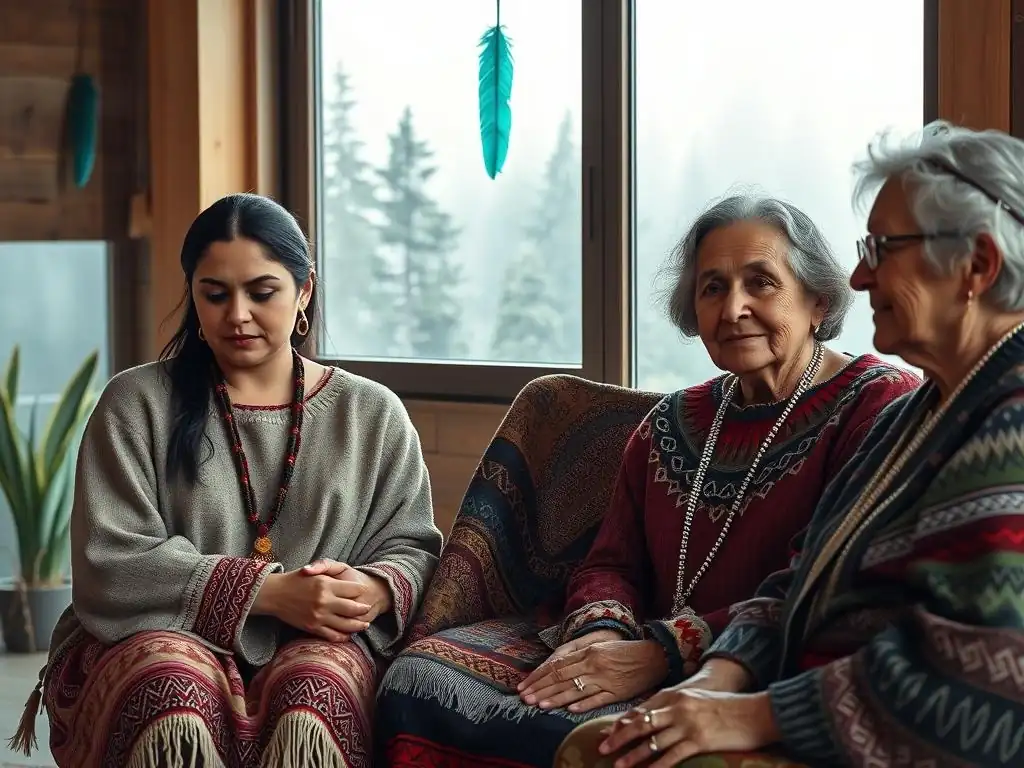
Welcome to Mind Care Guide.
Are you searching for answers and understanding surrounding the unique mental health challenges faced by Indigenous women? You're not alone. We understand the complexities and cultural nuances involved. This article delves deep into Indigenous women mental health support, exploring the critical need for culturally sensitive interventions and resources. Discover how we can collectively work towards fostering resilience and well-being. Let's explore the path to healing, together.
- Addressing Unique Mental Health Challenges in Indigenous Women
- Understanding Mental Health Disparities in Indigenous Communities
- Unique Mental Health Challenges
- Recognizing Signs and Symptoms
- Culturally Sensitive Approaches
- Building Resilience
- Resources
- Advocating for Systemic Change
- Conclusion: Empowering Through Support
-
Frequently Asked Questions
- What are some specific cultural barriers that Indigenous women face when seeking mental health support?
- How does historical trauma specifically contribute to mental health challenges in Indigenous women?
- What types of culturally sensitive mental health support are most effective for Indigenous women?
- Where can Indigenous women find specialized mental health resources tailored to their needs?
- What role does community support play in improving the mental well-being of Indigenous women?
- Final Reflection: Weaving Strength, Healing, and Hope for Indigenous Women
- Unleash Your Strength: Supporting Indigenous Women's Mental Wellness
Addressing Unique Mental Health Challenges in Indigenous Women
Mind Care Guide: Supporting Well-being
Mind Care Guide is committed to shedding light on critical mental health issues, including the profound challenges faced by Indigenous women. These challenges are deeply rooted in historical, social, and economic factors that have created significant disparities in well-being. Understanding this context is the first step towards providing effective Indigenous women mental health support.
Our goal is to offer information and resources that acknowledge the unique experiences of Indigenous women, advocating for approaches that are not only clinically sound but also culturally respectful and community-driven. We believe that true healing and resilience are fostered when support systems honor traditional knowledge and empower individuals within their own cultural frameworks.
Understanding Mental Health Disparities in Indigenous Communities
Context
The mental health landscape within Indigenous communities is complex, shaped by centuries of colonial policies, forced assimilation, and ongoing systemic discrimination. These historical and contemporary factors have disrupted traditional ways of life, weakened social structures, and created environments where mental health struggles are unfortunately prevalent. The context for Indigenous women is often compounded by gender-specific vulnerabilities.
Understanding this historical and systemic context is crucial for anyone seeking to provide or understand Indigenous women mental health support. It's not simply about individual pathology but about collective trauma and systemic disadvantage that require comprehensive, community-led, and culturally safe interventions to address the root causes of distress.
Higher Rates of Mental Health Issues
Research consistently indicates that Indigenous populations experience significantly higher rates of various mental health conditions compared to the general population. For Indigenous women, this includes elevated rates of depression, anxiety disorders, post-traumatic stress disorder (PTSD), and substance use disorders. While precise national statistics can vary and are often underreported, studies suggest rates of conditions like depression and anxiety can be two to three times higher than for non-Indigenous women.
These disparities are not inherent but are direct consequences of the challenging circumstances many Indigenous women navigate daily. Addressing these higher rates requires targeted, accessible, and culturally appropriate Indigenous women mental health support that acknowledges the intersecting factors contributing to their distress.
Unique Mental Health Challenges
Historical Trauma
Historical trauma refers to the cumulative emotional and psychological wounding over the lifespan and across generations, resulting from massive group trauma experiences. For Indigenous peoples, this includes events like forced removal from lands, residential schools, and the suppression of cultural practices. This trauma is not confined to the past but has lasting impacts on current mental, physical, and spiritual well-being.
The legacy of historical trauma manifests in various ways, including higher rates of mental health issues, substance use, and chronic illnesses. Recognizing this deep-seated impact is fundamental to providing effective Indigenous women mental health support that addresses the root causes of their suffering, rather than just the symptoms.
Intergenerational Trauma
Intergenerational trauma occurs when the impacts of historical trauma are passed down from one generation to the next. This transmission can happen through various mechanisms, including family dynamics, learned behaviors, and even epigenetic changes. Children and grandchildren of residential school survivors, for instance, may exhibit higher rates of depression, anxiety, and difficulty regulating emotions, even if they did not directly experience the original trauma.
Addressing intergenerational trauma requires healing approaches that involve families and communities, acknowledge the collective nature of the wound, and focus on restoring cultural connections and traditional parenting practices. Providing culturally sensitive Indigenous women mental health support is essential to break this cycle of trauma transmission.
Socioeconomic Factors
Socioeconomic disparities play a significant role in the mental health outcomes of Indigenous women. Many Indigenous communities face chronic underfunding in essential services, leading to inadequate infrastructure and limited opportunities. This creates a cycle of disadvantage that directly impacts well-being.
Issues such as high unemployment rates, lack of access to quality education, and limited economic opportunities contribute to stress, hopelessness, and increased vulnerability to mental health challenges. Addressing these socioeconomic factors is a crucial component of comprehensive Indigenous women mental health support.
Poverty, Housing, Food Insecurity
Poverty rates are significantly higher in many Indigenous communities compared to the national average, sometimes exceeding 25-30% in certain regions. This often translates into inadequate and overcrowded housing, leading to poor living conditions that impact physical and mental health. Food insecurity is also a major concern, with limited access to affordable, nutritious food contributing to stress and health problems.
Living with the constant stress of poverty, unstable housing, and food insecurity creates a fertile ground for anxiety, depression, and other mental health issues. Effective Indigenous women mental health support must therefore consider and address these fundamental social determinants of health.
Cultural Loss and Identity
Colonial policies actively sought to suppress Indigenous cultures, languages, and spiritual practices. This deliberate destruction has led to a sense of loss and disconnection for many, impacting identity and self-esteem. The erosion of cultural knowledge and practices can weaken community bonds and traditional coping mechanisms that historically supported mental well-being.
For Indigenous women, who often play vital roles in transmitting cultural knowledge and maintaining family and community connections, this loss can be particularly devastating. Reconnecting with culture is a powerful pathway to healing and resilience.
Cultural Connection
Reconnecting with traditional ceremonies, languages, land-based activities, and community practices is a vital protective factor for mental health in Indigenous communities. These cultural connections provide a sense of belonging, purpose, and continuity with ancestral knowledge and strength. Engaging in cultural practices can act as a buffer against the impacts of historical trauma and discrimination.
Culturally grounded Indigenous women mental health support often incorporates traditional healing methods and involves Elders and knowledge keepers. These approaches validate Indigenous worldviews and empower individuals to draw strength from their heritage.
Discrimination and Systemic Barriers
Indigenous women face ongoing discrimination in various aspects of life, including healthcare, education, employment, and the justice system. This systemic racism creates significant barriers to accessing necessary services and opportunities, perpetuating cycles of disadvantage and stress. The experience of being treated unfairly based on one's identity is a direct assault on mental well-being.
Navigating systems that are not designed to understand or respect Indigenous cultures and experiences is emotionally draining and can lead to feelings of powerlessness and mistrust. Addressing systemic racism is essential for creating environments where Indigenous women can thrive and access equitable care.
Racism and Access to Care
Racism within healthcare systems is a significant barrier preventing Indigenous women from seeking or receiving adequate mental health support. Experiences of discrimination, cultural insensitivity, and a lack of understanding of historical context can lead to negative interactions and reluctance to engage with services. Many Indigenous women report feeling judged, dismissed, or misunderstood by healthcare providers.
Improving access requires not just increasing the number of services, but ensuring they are culturally safe, trauma-informed, and free from racism. This involves training healthcare professionals, supporting Indigenous-led health initiatives, and creating spaces where Indigenous women feel respected and safe to seek Indigenous women mental health support.
Gender-Based Violence
Indigenous women experience alarmingly high rates of gender-based violence, including domestic violence, sexual assault, and the crisis of Missing and Murdered Indigenous Women and Girls (MMIWG). This epidemic of violence is intrinsically linked to historical trauma, systemic inequalities, and discrimination. The constant threat or experience of violence has profound and lasting impacts on mental health, leading to high rates of PTSD, depression, anxiety, and substance use.
Addressing gender-based violence is a critical component of Indigenous women mental health support. This requires comprehensive strategies that include prevention efforts, trauma-informed care for survivors, safe housing options, and systemic changes to address the root causes of violence and ensure accountability.
Recognizing Signs and Symptoms
Identifying Depression, Anxiety, PTSD
Recognizing the signs of common mental health conditions is crucial for seeking timely support. Symptoms of depression might include persistent sadness, loss of interest, fatigue, changes in sleep or appetite, and feelings of hopelessness. Anxiety can manifest as excessive worry, restlessness, irritability, and physical symptoms like rapid heartbeat or difficulty breathing. PTSD symptoms often include intrusive memories or flashbacks, avoidance of reminders of trauma, negative changes in mood or thinking, and hyperarousal (being easily startled, difficulty sleeping).
It's important to note that these symptoms may be expressed differently based on cultural background. Some individuals might present with physical complaints or withdrawal rather than overt emotional expression. Understanding these variations is key to providing effective Indigenous women mental health support.
Understanding Substance Abuse
Substance use disorders are often co-occurring with mental health conditions and can be a coping mechanism for dealing with trauma, stress, and difficult emotions. Rates of substance use are often higher in communities impacted by historical trauma and socioeconomic challenges. Understanding substance abuse requires recognizing it not just as a behavioral issue but often as a response to underlying pain and trauma.
Effective support for substance use disorders must be integrated with mental health care and address the root causes, including trauma and historical context. Culturally safe treatment options that incorporate traditional healing practices can be particularly effective in providing Indigenous women mental health support for substance use challenges.
Suicide Prevention
Suicide rates are tragically high in many Indigenous communities, particularly among youth and young adults, but this is a critical concern across all age groups for both men and women. Understanding the risk factors, which include historical trauma, poverty, discrimination, substance abuse, and lack of access to care, is essential for prevention efforts. Prevention is not just about crisis intervention but about building resilience, fostering hope, and addressing the systemic issues that contribute to despair.
Community-led suicide prevention strategies that focus on strengthening cultural identity, promoting connectedness, and providing accessible mental health support are vital. Empowering communities to develop their own solutions is key.
Recognizing Warning Signs
Recognizing the warning signs of suicide is a crucial step in prevention. These signs can include talking about wanting to die or self-harm, expressing feelings of hopelessness or being a burden, withdrawing from friends and activities, increased substance use, reckless behavior, giving away possessions, and significant changes in mood, sleep, or appetite. It is important to take any mention of suicide seriously.
If you recognize these signs in someone, reach out, listen without judgment, and connect them with support services. Providing accessible and culturally safe Indigenous women mental health support is paramount in times of crisis.
Culturally Sensitive Approaches
Cultural Competency
Cultural competency in mental health care means understanding and respecting the beliefs, values, and practices of different cultural groups. For Indigenous women, this involves recognizing the impact of historical trauma, understanding the role of community and family, and respecting traditional healing practices. It goes beyond mere awareness to actively incorporating cultural understanding into assessment and treatment.
Healthcare providers need training to develop cultural competency and humility, acknowledging that they are learners in understanding Indigenous worldviews. This is fundamental to building trust and providing effective Indigenous women mental health support.
Traditional Healing Practices
Traditional healing practices have been central to Indigenous well-being for millennia. These practices, which may include ceremonies, smudging, talking circles, storytelling, and the guidance of Elders and healers, address health and well-being in a holistic way, encompassing the physical, mental, emotional, and spiritual dimensions. They offer a sense of connection to ancestors, land, and community.
Integrating traditional healing practices with Western mental health approaches, where appropriate and desired by the individual, can significantly enhance the effectiveness of support. Respecting and supporting access to traditional healers is a vital part of comprehensive Indigenous women mental health support.
Indigenous Knowledge
Indigenous knowledge systems are rich sources of wisdom regarding health, healing, and resilience. This knowledge, passed down through generations, offers valuable insights into understanding mental well-being from an Indigenous perspective and developing effective, culturally relevant interventions. Recognizing the value of Indigenous knowledge is essential for decolonizing mental health care.
Working collaboratively with Indigenous communities and knowledge keepers to develop and implement mental health programs ensures that support is grounded in Indigenous worldviews and addresses the specific needs of Indigenous women. Leveraging this knowledge is key to building effective Indigenous women mental health support systems.
Community-Based Programs
Community-based mental health programs are often more accessible and effective for Indigenous women because they are developed and delivered within the community context, often by community members themselves. These programs can be tailored to specific cultural needs and incorporate traditional practices, making them more relevant and trustworthy than external services.
Examples include community wellness centers, peer support groups, land-based healing programs, and cultural workshops. These initiatives empower communities to take ownership of their health and provide support in a familiar and supportive environment.
Effective Initiatives
Effective community-based initiatives often share common characteristics: they are Indigenous-led, trauma-informed, culturally grounded, and focus on holistic well-being. Programs that connect individuals with their culture, provide skill-building, foster strong social connections, and address underlying social determinants of health demonstrate positive outcomes. Examples might include culturally adapted therapy models, youth mentorship programs, or programs that support traditional parenting.
Investing in and supporting these local, community-driven efforts is crucial for building sustainable and effective Indigenous women mental health support systems that truly meet the needs of the people they serve.
Accessing Services: Overcoming Barriers
Even when services exist, Indigenous women face numerous barriers to access, including geographical isolation, lack of transportation, financial constraints, long wait times, and the lack of culturally safe providers. For those living in remote communities, these barriers are particularly pronounced. Overcoming these challenges requires innovative and flexible approaches to service delivery.
Strategies like mobile health units, community health workers, and funding for transportation or childcare can help improve access. Addressing the systemic issues that create these barriers is also necessary for long-term solutions.
Telehealth and Remote Support
Telehealth and remote support services offer potential solutions for improving access to mental health care in remote and rural Indigenous communities. These technologies can connect individuals with therapists, counselors, and other mental health professionals regardless of geographical distance. This can reduce the need for travel and overcome some logistical barriers.
However, it is important that telehealth services are culturally adapted, respect privacy and confidentiality, and are supported by reliable internet access. While not a replacement for in-person, community-based care, telehealth can be a valuable tool in expanding Indigenous women mental health support.
Building Resilience
Strengthening Cultural Identity
Strengthening cultural identity is a powerful pathway to building resilience among Indigenous women. Connecting with language, traditions, stories, and community provides a sense of belonging, continuity, and strength that can act as a buffer against the impacts of trauma and discrimination. Participating in cultural activities helps affirm identity and fosters pride in heritage.
Programs and initiatives that support cultural learning and transmission, such as language immersion, traditional arts, and ceremony participation, play a vital role in promoting mental well-being. Supporting these efforts is a key aspect of fostering resilience.
Strong social connections and supportive relationships are fundamental to mental health and resilience. For Indigenous women, this often involves strong family ties, kinship networks, and community bonds. Having a supportive network provides emotional support, reduces feelings of isolation, and offers practical assistance during difficult times.
Community-based programs and initiatives that facilitate social connection, such as women's circles, community gatherings, and peer support groups, are invaluable. Fostering these connections is integral to building resilience and providing informal Indigenous women mental health support.
Promoting Self-Care
Self-care is essential for managing stress and maintaining mental well-being. For Indigenous women, self-care practices can be diverse and may include traditional activities, spending time in nature, engaging in creative pursuits, or connecting with spirituality. Promoting self-care is not selfish but a necessary component of maintaining health and capacity to navigate challenges.
Encouraging individuals to identify and engage in activities that nourish their spirit, mind, and body is important. Access to safe spaces, time, and resources to engage in self-care activities is also crucial.
Mindfulness, Meditation, Exercise
Practices like mindfulness, meditation, and exercise are widely recognized for their benefits in reducing stress, anxiety, and depression. Mindfulness can help individuals stay present and manage overwhelming thoughts, while meditation can promote relaxation and emotional regulation. Regular physical activity is known to improve mood and reduce symptoms of depression and anxiety.
These practices can be adapted and integrated into culturally relevant wellness programs. Encouraging engagement in physical activity, offering mindfulness workshops, or incorporating movement into traditional practices can contribute to building resilience and supporting Indigenous women mental health support.
Resources
National and Local Organizations
Numerous national and local organizations are dedicated to supporting the mental health and well-being of Indigenous women. These organizations often provide culturally specific programs, advocacy, and resources. Examples might include national Indigenous women's associations, tribal health services, and community-based wellness centers.
Seeking support from organizations that understand and respect Indigenous cultures is crucial. These groups can often provide connections to culturally safe services and community support networks.
Crisis Hotlines
Crisis hotlines provide immediate support for individuals experiencing mental health crises, including suicidal thoughts. Many regions have specific helplines dedicated to serving Indigenous populations, often staffed by individuals with cultural understanding. These services are available 24/7 and offer confidential support.
Knowing how to access these hotlines and sharing this information within communities is a vital part of suicide prevention efforts and ensuring immediate Indigenous women mental health support is available when needed.
Online Resources
A growing number of online resources offer information, tools, and support related to mental health for Indigenous peoples. These resources may include websites with information about specific conditions, online support groups, self-help tools, and directories of culturally safe service providers. While not a replacement for professional care, online resources can be valuable for accessing information and finding support, particularly for those in remote areas.
Ensuring these online resources are accessible, culturally appropriate, and trustworthy is important for their effectiveness in providing Indigenous women mental health support.
Advocating for Systemic Change
Addressing the social determinants of health – the conditions in the environments where people are born, live, learn, work, play, worship, and age – is fundamental to improving mental health outcomes for Indigenous women. This includes advocating for equitable access to education, employment, housing, clean water, and healthcare. Mental health cannot be fully addressed in isolation from these basic human needs.
Advocacy efforts must focus on challenging the systemic inequalities that create and perpetuate these disparities. Long-term improvements in Indigenous women mental health support require addressing the root causes of disadvantage.
Promoting Policy Changes
Policy changes at all levels of government are necessary to address the historical and ongoing impacts of colonialism and discrimination on Indigenous mental health. This includes advocating for policies that support self-determination in healthcare, adequately fund Indigenous-led health initiatives, implement the recommendations from inquiries like the MMIWG inquiry, and address systemic racism within institutions.
Policy advocacy is a powerful tool for creating structural change that supports the well-being of Indigenous women and communities. Sustainable Indigenous women mental health support requires supportive policy environments.
The Role of Advocacy
Advocacy plays a crucial role in raising awareness about the unique mental health challenges faced by Indigenous women, challenging stereotypes, and demanding action from governments and institutions. Advocacy can take many forms, from individual voices sharing their stories to organized campaigns and lobbying efforts. Amplifying the voices of Indigenous women is central to effective advocacy.
Supporting Indigenous-led advocacy efforts is essential for driving meaningful change and ensuring that mental health support is developed and delivered in ways that are responsive to the needs and priorities of Indigenous communities. Advocacy is key to ensuring equitable Indigenous women mental health support.
Conclusion: Empowering Through Support
The mental health challenges faced by Indigenous women are significant and complex, deeply intertwined with historical trauma, systemic inequities, and ongoing discrimination. However, Indigenous women possess immense strength and resilience, rooted in their cultures, communities, and traditions.
Providing effective Indigenous women mental health support requires a holistic, culturally sensitive, and trauma-informed approach that addresses both individual needs and the broader social determinants of health. It means respecting and integrating traditional healing practices, supporting community-led initiatives, and advocating for systemic change. By working together, listening to Indigenous voices, and investing in culturally safe resources, we can contribute to healing, resilience, and empower Indigenous women to achieve their full potential for well-being.
Frequently Asked Questions
What are some specific cultural barriers that Indigenous women face when seeking mental health support?
These barriers often include distrust of Western medicine due to historical trauma, a lack of culturally competent providers, and language differences impacting effective communication.
How does historical trauma specifically contribute to mental health challenges in Indigenous women?
Historical trauma, stemming from colonization and systemic oppression, leads to intergenerational trauma, resulting in higher rates of depression, anxiety, and substance abuse within Indigenous communities.
What types of culturally sensitive mental health support are most effective for Indigenous women?
Effective support often involves incorporating traditional healing practices, working with Indigenous healers and elders, and providing services in a safe and respectful environment that acknowledges their unique experiences.
Where can Indigenous women find specialized mental health resources tailored to their needs?
Organizations such as the Indian Health Service (IHS) and various tribal health programs offer specialized mental health services. Online directories and community centers can also provide valuable information and support.
What role does community support play in improving the mental well-being of Indigenous women?
Strong community connections are crucial, providing a sense of belonging and resilience. Community-based programs that promote cultural identity and social support networks are essential for healing and well-being.
Final Reflection: Weaving Strength, Healing, and Hope for Indigenous Women
The unique mental health challenges faced by Indigenous women are not merely historical relics; they are a persistent crisis demanding immediate and sustained attention. The systemic inequalities, historical trauma, and ongoing discrimination detailed in this article continue to inflict profound suffering, impacting not only individual well-being but also the vitality of entire communities. We cannot afford to ignore the urgent need for culturally-sensitive and accessible mental health support systems.
The resilience of Indigenous women, in the face of such adversity, is truly awe-inspiring. Their strength is a testament to the enduring spirit of their cultures and communities. We did not ask for this pain, but we will not allow it to define us.
This powerful sentiment, echoed by countless Indigenous women, underscores the need for empowerment and self-determination in the healing process. The ongoing fight for recognition, land rights, and cultural preservation is intrinsically linked to mental well-being, and progress in one area inevitably fosters progress in the other.
You, the reader, now hold a deeper understanding of the complexities surrounding Indigenous women's mental health. This knowledge is not simply for intellectual consumption; it is a call to action. Consider how you can contribute to creating a more just and equitable world, where Indigenous women have access to the support and resources they deserve.
Whether it's through advocating for policy changes, supporting Indigenous-led organizations, or simply amplifying the voices of Indigenous women, your engagement can make a tangible difference in fostering healing and hope. Let us work together to weave a future where strength, resilience, and well-being are the defining characteristics of Indigenous women's lives.
Unleash Your Strength: Supporting Indigenous Women's Mental Wellness
Thanks for taking the time to learn about the unique mental health challenges faced by Indigenous women. We hope this article provided valuable insights and sparked important conversations. Now, let's take action!
- Prioritize self-care: Identify one small, achievable act of self-care you can commit to today, even if it's just 5 minutes of mindful breathing. This is your starting point.
- Share this article: Spread awareness by sharing this article with your network – help us amplify important conversations about Indigenous women's mental wellness.
- Explore resources: Discover more support organizations and resources dedicated to Indigenous women's mental health in your community. Look for local groups and initiatives offering support.
What small step will you take today to contribute to a more supportive environment for Indigenous women's mental health?