
New to Guided Meditation? Your Ultimate Beginner's Handbook

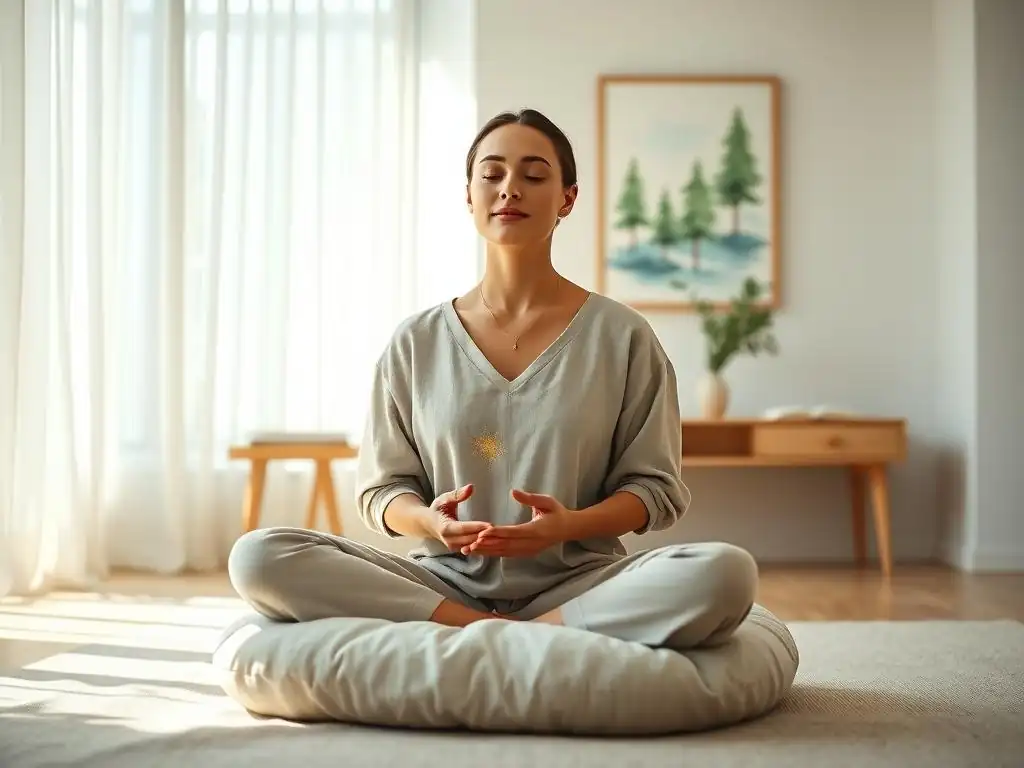
Welcome to Mind Care Guide, a space dedicated to nurturing your mental well-being.
Feeling overwhelmed by the idea of meditation? You're not alone. Discover the transformative power of mindfulness with our comprehensive guide: " New to Guided Meditation? Your Ultimate Beginner's Handbook". We'll walk you through practical guided meditation for beginners tips and techniques to help you cultivate inner peace and manage daily stress. Ready to begin your journey to a calmer, more centered you? Dive in and explore the possibilities.
New to Guided Meditation? Your Ultimate Beginner's Handbook
- Introduction to Guided Meditation for Beginners
- Getting Started with Guided Meditation: A Step-by-Step Guide
- Essential Guided Meditation for Beginners Tips for Success
- Common Challenges and Solutions in Guided Meditation for Beginners
- Advanced Guided Meditation Techniques (For When You're Ready)
- Integrating Guided Meditation Into Your Daily Routine
- Conclusion: Embracing the Journey of Guided Meditation for Mental Wellness
-
Frequently Asked Questions
- How can guided meditation benefit someone new to meditation?
- What are some beginner-friendly guided meditation techniques?
- Where can I find reliable guided meditations for beginners?
- How long should a beginner's guided meditation session be?
- What if my mind wanders during a guided meditation session?
- Final Reflection: Finding Your Inner Peace Through Guided Meditation
- Unlock Your Inner Calm: Start Your Guided Meditation Journey Today!
Introduction to Guided Meditation for Beginners
What is Guided Meditation? A Simple Explanation
Guided meditation is a form of meditation where a teacher or guide leads you through the process, typically using verbal instructions. This can be delivered in person, through audio recordings, videos, or even live online sessions. The guide provides cues on what to focus on – perhaps your breath, bodily sensations, or specific visualizations – making it easier for newcomers to follow along without needing prior experience. It's essentially having someone walk you through the steps, which can be particularly helpful when you're just starting out and might feel unsure about how to meditate on your own.
Unlike silent meditation where you rely solely on your own discipline and technique, guided sessions offer structure and support. They remove some of the guesswork and potential frustration that beginners might face, such as wondering if they are "doing it right" or struggling with persistent distractions. The guide's voice acts as an anchor, gently bringing your attention back whenever it wanders, a common experience for guided meditation for beginners. Many find this external guidance makes meditation feel more accessible and less intimidating, providing a clear path to explore mindfulness and inner peace from the very first session.
Benefits of Guided Meditation for Mental Well-being
Regular practice of guided meditation can offer significant benefits for mental well-being, especially for those new to the practice. One widely reported benefit is stress reduction. For instance, a study published in JAMA Internal Medicine in 2014, though not solely focused on guided meditation, found that mindfulness meditation programs led to moderate improvements in anxiety and depression symptoms. Guided sessions, by providing a structured approach, can help beginners cultivate the mindfulness skills necessary to observe stressful thoughts and feelings without getting overwhelmed by them.
Beyond stress and anxiety, engaging in guided meditation can improve focus and attention span. By repeatedly being guided back to the present moment, individuals train their minds to concentrate more effectively. Furthermore, many guided meditations incorporate themes like self-compassion and kindness, helping practitioners develop a more positive relationship with themselves and others. Case studies often highlight individuals who started with just 5-10 minutes of guided meditation daily and reported feeling calmer, more centered, and better equipped to handle daily challenges within just a few weeks, demonstrating the practical impact of these guided meditation for beginners tips.
Guided Meditation vs. Other Meditation Types: Key Differences
The primary distinction between guided meditation and other forms like silent meditation or walking meditation lies in the presence of external instruction. In silent meditation, for example, the practitioner relies on their own knowledge of techniques, such as focusing on the breath or a mantra, without any external voice directing them. This requires a certain level of self-discipline and familiarity with meditation principles, which can be challenging for someone completely new to the practice.
Walking meditation involves bringing mindful awareness to the physical sensations of walking, focusing on the movement of the body and the connection with the ground. While it also involves internal focus, it's tied to physical activity.
Guided meditation, conversely, is typically performed while seated or lying down and provides a continuous stream of verbal cues that tell you exactly what to do – focus on your breath, scan your body for tension, imagine a peaceful scene. This hand-holding approach makes it particularly suitable for beginners who are still learning the ropes and appreciate having clear instructions rather than figuring it out on their own.
Getting Started with Guided Meditation: A Step-by-Step Guide
Step 1: Finding a Quiet Space for Your Meditation Session
Finding a quiet space is crucial for a successful guided meditation for beginners experience. This doesn't mean you need a dedicated meditation room, but rather a place where you can minimize external distractions for the duration of your session. Look for a corner of your home where you are unlikely to be interrupted by pets, family members, or loud noises from outside. Even a bedroom corner, a quiet spot in your living room, or a porch can work, provided it offers a sense of peace and privacy.
Consider the time of day as well. Early mornings or late evenings might offer more natural quietness. Inform others in your household that you'll be taking some time for yourself to avoid disturbances. Ensure the space is comfortable – you might want a cushion, a blanket, or a comfortable chair. The goal is to create an environment that supports relaxation and focus, allowing you to fully immerse yourself in the guided experience without external interruptions pulling your attention away.
Step 2: Choosing the Right Guided Meditation for You
Selecting the right guided meditation is key to making the practice enjoyable and effective when you're just starting out. Think about what you hope to gain from meditation. Are you trying to manage stress from a busy workday, improve sleep quality, or simply cultivate a greater sense of calm? There are guided meditations tailored for various purposes, and choosing one that aligns with your current needs can make the experience more relevant and impactful. For instance, if you're feeling anxious, a guided meditation focused on calming the nervous system or body scan might be a good fit.
Types of Guided Meditations: Sleep, Stress Reduction, Self-Compassion
Guided meditations are categorized by their specific goals and techniques.
- Sleep Meditations: These often use calming voices, gentle music, and relaxation techniques to help quiet the mind and prepare the body for rest. They might involve progressive muscle relaxation or visualization of peaceful scenes. Many beginners struggling with insomnia find these particularly helpful.
- Stress Reduction Meditations: These often focus on breath awareness, body scanning, and observing thoughts without judgment, helping to activate the body's relaxation response. A typical 10-minute stress reduction session can lower cortisol levels in some individuals, though individual results vary.
- Self-Compassion Meditations: These guide you to cultivate kindness and understanding towards yourself, particularly during difficult times. They might involve phrases of self-kindness or visualizations of offering compassion. Research suggests self-compassion practices can reduce symptoms of depression and anxiety.
Where to Find Guided Meditations: Apps, Websites, and More
Accessing guided meditations is easier than ever. Numerous platforms offer vast libraries of sessions suitable for guided meditation for beginners.
- Meditation Apps: Popular apps like Headspace, Calm, and Insight Timer offer structured courses and individual sessions varying in length (from 3 to 60+ minutes) and theme. Many offer free introductory content, with subscriptions unlocking full libraries. Insight Timer, for example, boasts over 100,000 free guided meditations.
- Websites and Podcasts: Many meditation teachers, wellness blogs (like Mind Care Guide! ), and organizations offer free guided meditations on their websites or via podcasts. Searching for "beginner guided meditation" on platforms like YouTube or Spotify yields millions of results.
- Local Centers: Some yoga studios or meditation centers offer in-person guided sessions, which can provide a sense of community and direct interaction with a teacher. While less common for a quick session, they can be valuable for deeper learning.
Step 3: Preparing Your Mind and Body for Guided Meditation
Before you press play on your chosen guided meditation for beginners session, take a few moments to prepare yourself. Start by ensuring you are comfortable. This might mean adjusting your clothing, loosening a belt, or grabbing a blanket if you tend to get cold. Decide whether you'll sit on a cushion or chair, or lie down – choose the posture that allows you to be both relaxed and reasonably alert.
Next, take a few deep breaths to signal to your body that it's time to slow down. You don't need to empty your mind entirely; simply acknowledge any thoughts or feelings present without judgment. Think of it as gently transitioning from your busy day to this quiet time. Setting an intention, such as "I am here to relax" or "I am here to simply be present," can also help focus your mind before the guide's voice begins.
Step 4: What to Expect During Your First Guided Meditation
Your first guided meditation might feel different than you expect. You might find your mind wanders constantly – this is completely normal. Don't feel discouraged or like you're "failing." The practice isn't about stopping thoughts, but about noticing them without getting carried away and gently returning your attention to the guide's voice or the anchor they suggest (like your breath).
You might also experience physical sensations, such as tingling, warmth, or restlessness. Simply observe these sensations without needing to change them. The guide will lead you through different steps, perhaps focusing on body parts, breathing patterns, or visualizations. Just follow the instructions as best you can. There's no single "right" way to feel; the experience is unique to you. The key is to approach it with curiosity and a willingness to simply observe what arises.
Essential Guided Meditation for Beginners Tips for Success
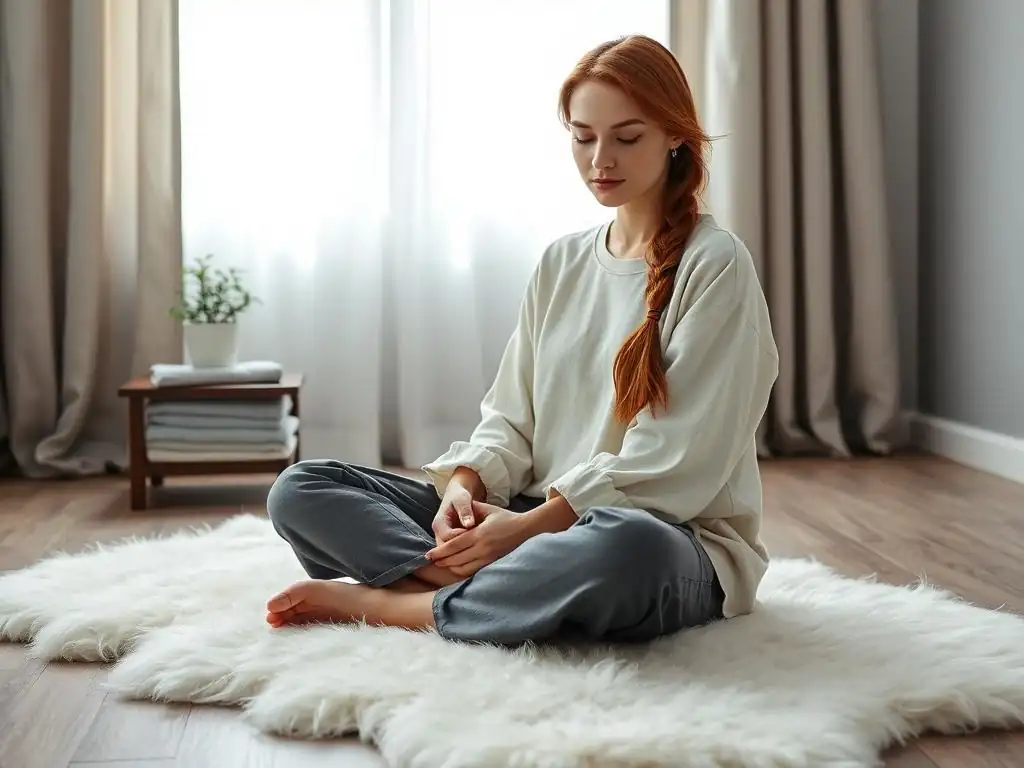
Tip 1: Focus on the Guide's Voice: Letting Go of Distractions
One of the most valuable guided meditation for beginners tips is to use the guide's voice as your primary anchor. When your mind inevitably starts planning dinner, rehashing a conversation, or worrying about tomorrow, gently acknowledge the thought without judgment. Then, consciously bring your attention back to the sound of the guide's voice and the instructions they are offering.
Think of the guide's voice as a gentle current in a stream. Your thoughts are like leaves floating by. You can notice the leaves, but you don't need to jump onto every single one and float away with it. Instead, keep your focus on the steady flow of the current – the guide's words. With practice, you'll find it becomes easier to redirect your attention, strengthening your ability to focus not just during meditation, but in daily life too.
Tip 2: Embrace Imperfection: It's Okay to Wander
A common misconception among guided meditation for beginners is that a successful meditation means having no thoughts. This is far from the truth. Even experienced meditators have thoughts. The practice is not about achieving a blank mind, but about developing awareness of your thoughts and learning to relate to them differently.
Embracing imperfection means accepting that your mind will wander. It's not a failure; it's simply what minds do. The "meditation" happens when you notice the wandering and gently, without self-criticism, guide your attention back to the meditation. Each time you notice your mind has drifted and you bring it back, you are building your mindfulness muscle. So, if you spend half your session lost in thought, that's okay. The moment you realize it and return is the moment of practice.
Tip 3: Finding the Right Posture: Comfort and Alertness
Your physical posture plays a significant role in your guided meditation for beginners experience. While lying down is perfectly acceptable, especially for sleep meditations, for daytime practice, a seated posture is often recommended as it helps maintain a balance between relaxation and alertness. Find a comfortable position where your spine can be relatively straight, allowing for ease of breathing, but not rigid.
If sitting on the floor, use cushions or a meditation bench to elevate your hips above your knees, which can help prevent discomfort in the hips and back. If sitting on a chair, sit forward so your back is straight and your feet are flat on the floor. Rest your hands comfortably in your lap or on your knees. The goal is to find a posture you can hold for the duration of the meditation without excessive fidgeting or discomfort, allowing you to focus on the guide's voice rather than your aching back.
Tip 4: Understanding Breathing Techniques for Guided Meditation
While many guided meditations for beginners simply instruct you to "notice your breath," some might introduce specific breathing techniques. These techniques, often called pranayama in yogic traditions, can deepen relaxation and focus. A common simple technique is diaphragmatic breathing (belly breathing), where you focus on letting your abdomen expand on the inhale and contract on the exhale, rather than just breathing into your chest.
Another technique sometimes incorporated is a simple count, like inhaling for a count of four and exhaling for a count of four. These techniques aren't about controlling your breath perfectly, but using it as a focal point. The rhythm and sensation of the breath provide a constant anchor, helping to ground you in the present moment and offering a reliable place to return your attention when thoughts pull you away.
Tip 5: Start Small: Short Meditation Sessions for Beginners
One of the most practical guided meditation for beginners tips is to begin with short sessions. Trying to sit for 30 or 45 minutes when you're brand new can feel daunting and quickly lead to frustration. Instead, start with guided meditations that are just 5 or 10 minutes long. These shorter sessions are much more manageable and make it easier to incorporate meditation into a busy schedule.
Consistency is more important than duration, especially in the beginning. A consistent daily practice of 5-10 minutes will yield better results over time than sporadic, longer sessions. As you become more comfortable and find the practice beneficial, you can gradually increase the length of your meditations. Many apps and websites offer filters specifically for session length, making it easy to find short beginner guided meditation options.
Common Challenges and Solutions in Guided Meditation for Beginners
Difficulty Focusing: Strategies for Staying Present
Difficulty focusing is perhaps the most common challenge faced by guided meditation for beginners. The mind is naturally active, and it's easy to get lost in thoughts, memories, or future worries. When you notice your mind has wandered, the strategy isn't to get frustrated, but simply to acknowledge the thought and gently return your attention to the guide's voice or the meditation's anchor point, such as your breath or bodily sensations. This act of noticing and returning is the practice.
Think of it like training a puppy: the puppy will run off, and you gently bring it back. You don't scold it; you patiently redirect it. Similarly, redirect your mind with kindness. Some guided meditation for beginners tips for improving focus include using a guided meditation with a strong, engaging voice, focusing on a physical anchor like the feeling of your feet on the floor, or even trying a walking guided meditation if sitting still is particularly challenging initially.
Falling Asleep During Meditation: How to Stay Awake
Falling asleep is another frequent hurdle, especially when meditating while lying down or when feeling tired. If your goal is relaxation or sleep preparation, falling asleep is fine. However, if you intend to cultivate mindfulness or focus, nodding off defeats the purpose. To combat this, ensure you are well-rested before meditating.
If you find yourself consistently falling asleep, try meditating in a seated position rather than lying down. Choose a chair that offers support but isn't overly plush. You can also try meditating at a time of day when you are naturally more alert, perhaps in the morning rather than late evening. Splashing cold water on your face beforehand or opening a window for fresh air can also help. If you start feeling drowsy during the session, gently adjust your posture or take a slightly deeper breath to re-energize yourself.
Feeling Restless: Addressing Physical Discomfort
Physical restlessness, whether it's fidgeting, itching, or general discomfort, can be a significant distraction for guided meditation for beginners. While some guided practices encourage observing sensations without reacting, ignoring intense discomfort can be counterproductive. It's okay to make small, mindful adjustments to your posture if you are genuinely uncomfortable.
Before starting, ensure your chosen posture is as comfortable as possible for the anticipated duration (remembering to start small, perhaps 5-10 minutes). Use cushions or supports as needed. If an itch arises, try to observe it for a few moments; sometimes, the sensation passes on its own. If it persists and is too distracting, mindfully scratch it and then return your attention to the meditation. The goal is not to become a statue, but to minimize unnecessary movement so you can focus on the mental practice.
Managing Negative Thoughts: Techniques for Dealing with Difficult Emotions
Sometimes, meditation can bring uncomfortable thoughts or emotions to the surface. This can be unsettling, especially for beginners. The key is not to suppress these thoughts or feelings, but to learn to observe them without judgment. The guide's voice can be particularly helpful here, often prompting you to simply notice what's happening in your inner experience with curiosity rather than criticism.
A helpful technique is to mentally label the thought or feeling without getting involved in its content. For example, if you notice worrying, you might mentally say "worrying" and then return your attention to the breath. You can also imagine putting the thought on a leaf and letting it float down a stream, or visualize it as a cloud passing in the sky. Remember, thoughts and feelings are temporary states, not permanent realities. Guided meditations focused on self-compassion or working with difficult emotions can be especially beneficial for developing these skills.
Advanced Guided Meditation Techniques (For When You're Ready)
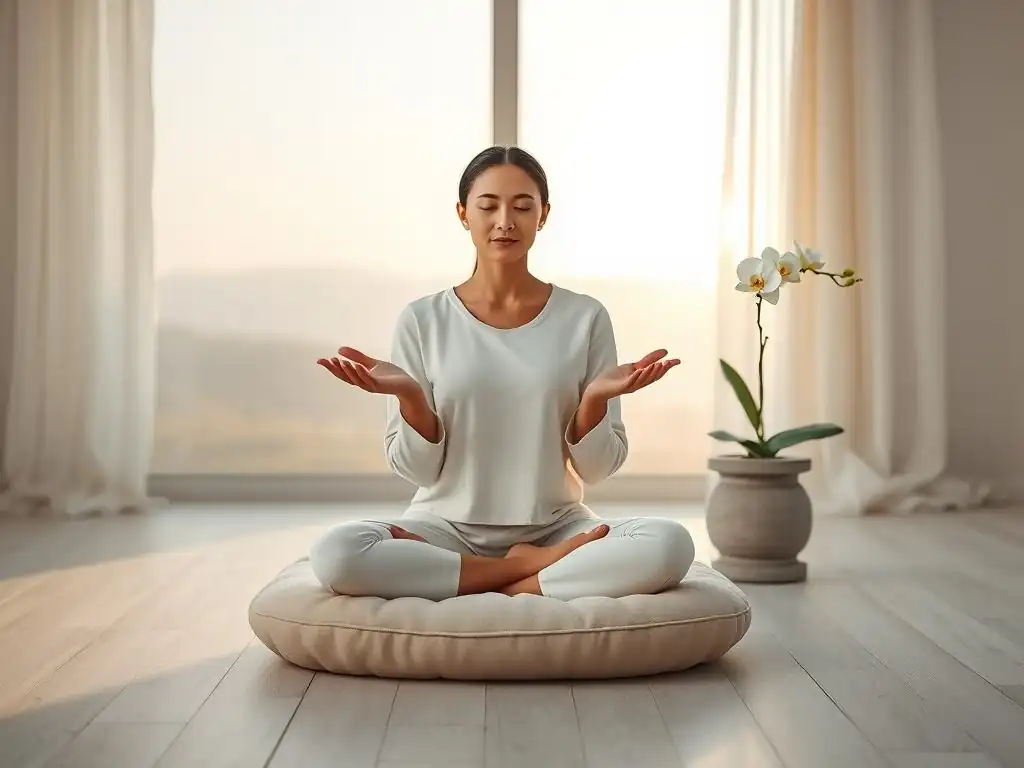
Deepening Your Practice: Using Affirmations with Guided Meditation
Once you're comfortable with basic guided meditation for beginners practices, you might explore techniques to deepen your experience. One such technique is integrating affirmations. Affirmations are positive statements that you repeat to yourself, either silently or aloud, to help cultivate positive beliefs and attitudes. Examples include "I am calm," "I am worthy," or "I am at peace."
Some guided meditations specifically incorporate affirmations, guiding you to repeat them during the session. You can also choose a personal affirmation and repeat it gently during moments of quiet within a guided session, or focus on it as an anchor alongside the guide's instructions. For instance, after a body scan guided meditation, you might silently repeat "I accept myself as I am." This practice can reinforce positive self-talk and help reshape limiting beliefs, adding another layer to the mindfulness cultivated through guidance.
Creating Your Own Guided Meditations: A Basic Guide
After experiencing various guided meditations, you might feel inspired to create your own, tailored specifically to your needs or to share with others. This process involves structuring a session with clear instructions, much like the guides you've followed. Start by deciding on the focus – relaxation, focus, gratitude, etc.
Outline the key stages:
- Opening: Guiding the listener to settle into a comfortable posture and take a few deep breaths.
- Body Scan/Relaxation: Guiding attention through different parts of the body to release tension.
- Anchor Focus: Guiding attention to the breath, bodily sensations, or a specific image.
- Core Theme: Incorporating instructions related to the chosen focus (e.g., visualizing light for gratitude, repeating calming phrases for anxiety).
- Closing: Gently guiding the listener back to their surroundings and ending the session.
Record yourself speaking slowly and calmly, leaving pauses for the listener to follow instructions. This allows you to personalize the practice and deepen your understanding of the elements that make guided meditation for beginners effective.
Exploring Different Meditation Styles: Mindfulness Meditation, Transcendental Meditation
As your meditation journey evolves beyond basic guided meditation for beginners, you might explore other styles. Mindfulness meditation, often the foundation of guided practices, emphasizes non-judgmental awareness of the present moment. This can be practiced guided or unguided, focusing on whatever is arising – thoughts, feelings, sounds, sensations.
Transcendental Meditation (TM) is a specific technique involving the silent repetition of a mantra twice daily for 20 minutes. Unlike many guided techniques that encourage observing thoughts, TM aims to allow the mind to settle inward to a state of "transcendental consciousness." While TM requires formal training, exploring the principles behind different styles can broaden your perspective and help you find the practices that resonate most deeply with you over time.
Integrating Guided Meditation Into Your Daily Routine
Setting Realistic Goals: Making Meditation a Habit
Making guided meditation for beginners a consistent habit requires setting realistic goals. Don't aim for an hour a day immediately. As suggested earlier, start with 5-10 minutes. Consider where meditation fits naturally into your day. Is it first thing in the morning to set a calm tone? During your lunch break to reset? Or in the evening to wind down? Choose a time you can realistically commit to most days.
Creating a ritual around your meditation can also help cement it as a habit. This might involve preparing your space, sitting on your cushion, or taking a few deep breaths before starting. Track your progress using a simple journal or a habit-tracking app. Seeing how many consecutive days you've meditated can be motivating. Remember that missing a day isn't a failure; just get back to it the next day. Aim for progress, not perfection.
Tracking Your Progress: Monitoring the Benefits of Guided Meditation
Monitoring the benefits of guided meditation for beginners can provide powerful motivation to maintain consistency. While changes might be subtle at first, paying attention can reveal the positive impact on your mental well-being. Consider keeping a simple journal where you jot down how you felt before and after each session, or note any shifts you observe in your daily life.
Ask yourself questions like:
- Did I feel calmer after meditating today?
- Was I less reactive to stress?
- Did I sleep better last night?
- Did I notice moments of mindfulness during the day (e.g., truly tasting my food, noticing the sky)?
- Did I feel more patient or compassionate?
Over time, reviewing these notes can highlight the cumulative effects of your practice, reinforcing its value and encouraging you to continue. Many people report feeling less anxious or stressed within 4-8 weeks of regular short daily practice.
Maintaining Consistency: Strategies for Long-Term Success
Maintaining consistency with guided meditation for beginners for long-term success involves anticipating and overcoming common obstacles. Life happens – you'll be busy, tired, or simply not feel like meditating. Having strategies in place for these times is crucial. One strategy is flexibility: if you can't do your usual 10 minutes, commit to just 3-5 minutes. Even a very short session is better than skipping entirely.
Another strategy is accountability. Tell a friend or family member about your goal, or join an online meditation community. Knowing others are practicing can provide support. Also, revisit guided meditation for beginners tips and explore new guided sessions if your current ones feel stale. Trying different guides or themes can reignite your enthusiasm. Remember why you started – for better mental well-being – and hold onto that motivation, even on challenging days.
Conclusion: Embracing the Journey of Guided Meditation for Mental Wellness
Starting with guided meditation is a wonderful step towards nurturing your mental well-being. It offers a gentle, accessible entry point into the world of mindfulness and inner peace, providing the guidance and structure that many beginners find invaluable. By following simple guided meditation for beginners tips – like finding a quiet space, choosing sessions aligned with your needs, embracing mind wandering, and starting with short durations – you can build a solid foundation for a rewarding practice.
Remember that meditation is a journey, not a destination. There will be days when it feels easy and days when it feels challenging. Approach each session with kindness and curiosity. The skills you develop on the cushion – increased awareness, reduced reactivity, self-compassion – will gradually weave themselves into your daily life, helping you navigate challenges with greater ease and cultivate a deeper sense of calm and presence. Embrace this practice, be patient with yourself, and enjoy the profound benefits it can bring to your mental wellness.
Frequently Asked Questions
How can guided meditation benefit someone new to meditation?
Guided meditation offers a structured and accessible entry point, providing verbal guidance and focused imagery to help beginners overcome common hurdles like wandering minds and discomfort with silence. It simplifies the process of achieving relaxation and mindfulness.
What are some beginner-friendly guided meditation techniques?
Common techniques involve focusing on breath awareness, visualizing peaceful scenes (like a beach or forest), or practicing body scans to increase awareness of physical sensations. These are all designed to promote relaxation.
Where can I find reliable guided meditations for beginners?
Mind Care Guide offers a range of audio and video meditations, tailored for beginners. You can also find resources on popular apps like Headspace and Calm, or search for free options on YouTube or Spotify.
How long should a beginner's guided meditation session be?
Start with shorter sessions, around 5-10 minutes, and gradually increase the duration as you become more comfortable. Consistency is more important than length when it comes to building a meditation habit.
What if my mind wanders during a guided meditation session?
It's completely normal for your mind to wander. Gently acknowledge the thought without judgment and redirect your focus back to the meditation guidance. This is a key aspect of developing mindfulness.
Final Reflection: Finding Your Inner Peace Through Guided Meditation
The ancient practice of guided meditation is experiencing a modern renaissance, offering a powerful antidote to the relentless pace of modern life. In a world saturated with constant stimulation and digital distractions, the ability to cultivate inner calm and focus is not just a luxury, but a vital necessity for our well-being. This handbook has explored the foundational techniques and benefits of guided meditation, providing a clear pathway for beginners to embark on this transformative journey.
The impact of mindfulness practices, including guided meditation, on our collective consciousness is undeniable. We are increasingly recognizing the importance of mental health and emotional well-being, and guided meditation offers a readily accessible tool for self-care and personal growth. It's a journey of self-discovery, a path towards understanding the intricate workings of our minds and cultivating a deeper connection with ourselves. The mind is everything. What you think you become.
– Buddha. This simple yet profound statement encapsulates the power of guided meditation to shape our thoughts, emotions, and ultimately, our lives.
Now, it's your turn. Take what you've learned from this handbook and integrate it into your daily routine. Even five minutes of daily practice can yield remarkable results. Don't be afraid to experiment with different techniques, find what resonates with you, and embrace the journey of self-discovery that awaits. Remember, the path to inner peace begins with a single, mindful breath. Start today, and experience the transformative power of guided meditation for yourself.
Unlock Your Inner Calm: Start Your Guided Meditation Journey Today!
Thanks for taking the time to explore the world of guided meditation! We hope this guide has equipped you with the knowledge and confidence to begin your inner peace journey. Now it's time to put your newfound knowledge into practice.
- Begin your first guided meditation session now. Even 5 minutes can make a difference. Find a quiet space, get comfortable, and let the journey begin!
- Share your experience! Connect with others on our social media channels and let us know what you discovered during your meditation.
- Explore different meditation techniques. This guide covered the basics, but the world of meditation is vast! Dive deeper and find what resonates best with you.
Ready to experience the transformative power of regular meditation? What small step will you take today to cultivate more inner peace?