
Gentle Guided Meditations for Seniors: Finding Peace in Later Life

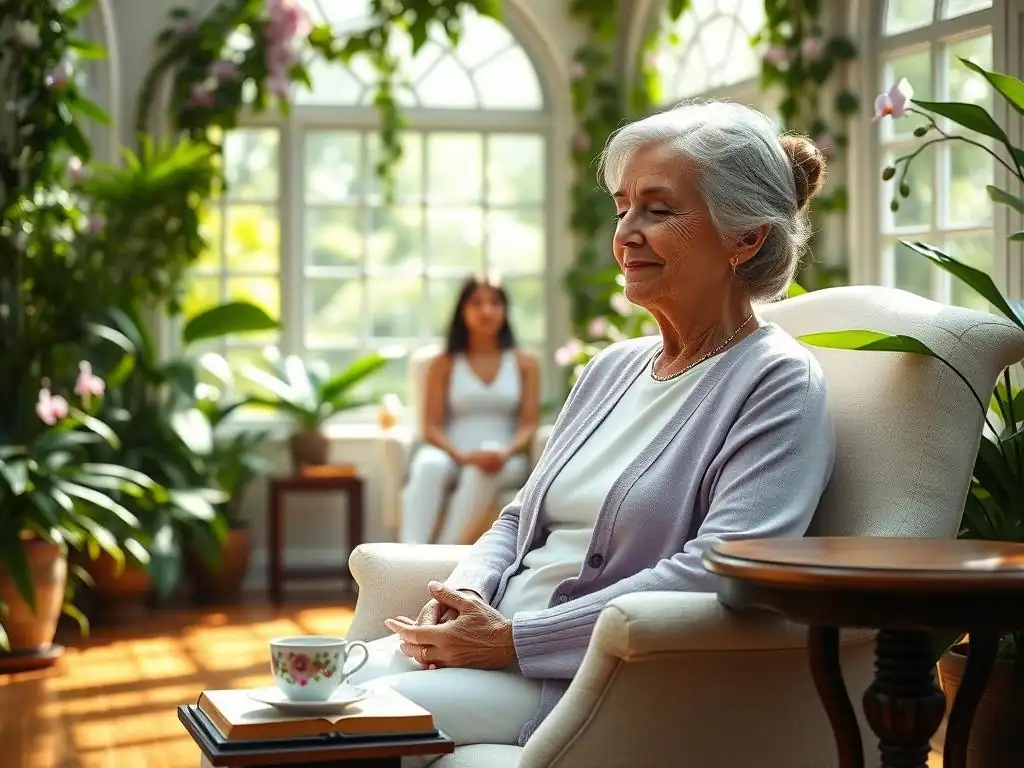
Welcome to Mind Care Guide.
Feeling overwhelmed, even in your golden years? You're not alone. Many seniors are discovering the power of mindfulness to navigate life's challenges. Explore our gentle guided meditations specifically designed to help you find inner peace and tranquility. This article delves into Senior meditation peace finding, offering practical techniques and insights that can transform your daily life. Ready to rediscover calm and contentment? Let's begin your journey towards a more peaceful you.
- Gentle Guided Meditations for Seniors: Finding Peace in Later Life | Mind Care Guide
- Types of Gentle Guided Meditations Suitable for Seniors
- Creating a Comfortable Meditation Practice for Seniors
- Step-by-Step Guide to Gentle Guided Meditation for Seniors
- Overcoming Challenges in Senior Meditation
- Resources for Guided Meditations Tailored for Seniors
- The Power of Mindfulness for Seniors: Cultivating Inner Peace and Well-being
- Conclusion: Embracing Gentle Guided Meditations for a Peaceful Later Life
-
Frequently Asked Questions
- What are the key benefits of meditation for seniors, particularly in finding peace?
- How do gentle guided meditations specifically cater to the needs of older adults?
- How can seniors overcome common challenges, such as physical discomfort or wandering thoughts, during meditation?
- Where can seniors find reliable resources and guided meditations specifically designed for their age group?
- How often should seniors practice meditation to experience noticeable improvements in their mental well-being and ability to find peace?
- Final Reflection: Cultivating Inner Peace in Our Golden Years
- Unlock Your Inner Calm: Start Your Journey to Peaceful Aging
Gentle Guided Meditations for Seniors: Finding Peace in Later Life | Mind Care Guide
Why Meditation is Beneficial for Older Adults: Reducing Stress, Improving Sleep, and Enhancing Cognitive Function
As individuals age, they may encounter unique stressors, from health concerns and loss of loved ones to changes in routine and social isolation. These factors can contribute to elevated stress levels, anxiety, and even depression. Gentle guided meditation offers a powerful tool to counteract these effects by activating the body's relaxation response.
Regular practice has been shown to lower cortisol levels, the primary stress hormone, leading to a greater sense of calm and emotional stability. For instance, a study involving older adults reported significant reductions in perceived stress after just eight weeks of mindfulness-based interventions, which often include guided meditation techniques. This reduction in stress is a key aspect of senior meditation peace finding, allowing for a more tranquil daily existence.
Beyond stress reduction, meditation can significantly impact sleep quality, a common challenge for seniors. Difficulty falling asleep, staying asleep, or experiencing restful sleep can negatively affect overall health and well-being. Guided meditation before bedtime helps quiet the racing thoughts that often interfere with sleep, promoting a state conducive to rest. Research indicates that older adults practicing mindfulness meditation experienced improvements in sleep quality and decreased insomnia severity compared to control groups.
Furthermore, the cognitive benefits are noteworthy; engaging in meditation can help maintain cognitive function and potentially slow age-related cognitive decline. Studies using MRI scans have shown that long-term meditators may have increased gray matter density in areas of the brain associated with attention, memory, and emotional regulation. For seniors seeking peace and mental clarity, guided meditation offers a holistic approach.
Addressing Common Concerns About Meditation for Seniors: Pain Management, Cognitive Decline, and Accessibility
One significant concern for many seniors considering meditation is managing chronic pain, which can make sitting or lying still uncomfortable. Gentle guided meditations, particularly those focused on body awareness or using supportive postures, can actually help individuals develop a different relationship with pain. Instead of fighting or being overwhelmed by discomfort, mindfulness encourages acknowledging sensations without judgment.
This shift in perspective can reduce the emotional distress associated with pain, effectively lowering the suffering component, even if the physical sensation remains. For example, programs incorporating mindfulness for chronic back pain patients, many of whom are seniors, have demonstrated clinically significant improvements in pain intensity and functional capacity. This highlights how gentle guided practice can be a valuable tool in senior meditation peace finding, even amidst physical challenges.
Another concern is cognitive decline, with some seniors worrying they won't be able to focus or "do it right." It's important to emphasize that meditation is not about emptying the mind but about gentle awareness. Guided meditations are particularly helpful here as they provide a voice and structure to follow, making it easier to stay engaged. Even if thoughts wander, the practice is simply to notice and gently return attention to the guide's voice or the breath.
Furthermore, as mentioned earlier, meditation can support cognitive health. Accessibility is also a practical issue; not everyone can attend in-person classes. Fortunately, the proliferation of online resources, apps, and audio recordings means gentle guided meditations are more accessible than ever, allowing seniors to practice from the comfort and safety of their homes, making the journey towards senior meditation peace finding more convenient.
Types of Gentle Guided Meditations Suitable for Seniors
Body Scan Meditations for Seniors: Enhancing Body Awareness and Relaxation
Body scan meditation is a foundational practice in mindfulness that involves systematically bringing gentle attention to different parts of the body, from the toes to the top of the head. For seniors, this practice can be particularly beneficial as it encourages a deeper connection with the physical self, which can sometimes feel disconnected due to age or health issues. The guided instruction typically prompts the meditator to notice sensations without judgment—whether it's warmth, coolness, tingling, or even mild discomfort.
This non-judgmental awareness helps reduce the tendency to react negatively to physical sensations, fostering acceptance and reducing anxiety related to bodily changes. A study published in a gerontology journal indicated that older participants who engaged in regular body scan practices reported improved body satisfaction and reduced symptoms of somatization (physical symptoms with no medical explanation), illustrating its tangible benefits for senior meditation peace finding.
The process of the body scan is inherently gentle and adaptable, making it ideal for seniors. It can be performed lying down, sitting in a chair, or even standing, depending on comfort levels. The emphasis is on soft, curious attention rather than deep concentration, which is less demanding. By systematically moving awareness through the body, individuals often become more aware of areas of tension they might be holding unconsciously.
Simply bringing awareness to these areas can sometimes initiate a release of tension, leading to profound physical relaxation. For example, a senior struggling with shoulder stiffness might notice the tension during the scan and, through gentle breathing and awareness, experience a slight easing. This enhanced body awareness cultivated through the scan contributes significantly to overall well-being and supports the goal of senior meditation peace finding.
Breathing Exercises for Seniors: Cultivating Calmness and Focus
Focusing on the breath is a core element of many meditation practices and is particularly effective for seniors seeking immediate calm and improved focus. Simple breathing exercises, often guided, involve bringing conscious attention to the sensation of the breath entering and leaving the body, perhaps noticing the rise and fall of the abdomen or chest, or the feeling of air at the nostrils. This simple act anchors the mind in the present moment, pulling it away from worries about the past or future.
For seniors who may experience anxiety related to health or life changes, returning to the steady rhythm of the breath can be a powerful way to regulate the nervous system and induce a state of relaxation. Even short, five-minute guided breathing sessions can significantly lower heart rate and blood pressure in older adults, demonstrating the physiological impact of this practice.
Guided breathing exercises are gentle and require no special physical ability, making them accessible to nearly everyone. They can be done anywhere, anytime, providing a readily available tool for managing stress or regaining focus during the day. For example, a senior feeling overwhelmed by a busy afternoon might pause for a few minutes to follow a guided deep breathing exercise, immediately feeling a sense of grounding and calm.
The breath also serves as a constant, reliable anchor for the mind; when thoughts inevitably arise, the guided instruction gently prompts the meditator to notice the thoughts and return attention to the breath, building the capacity for sustained focus over time. This cultivation of calmness and focus through guided breathing is fundamental to senior meditation peace finding and maintaining mental equilibrium.
Visualization Meditations for Seniors: Creating Positive Mental Imagery
Visualization meditation involves creating vivid mental images, often guided by a narrator, to evoke feelings of peace, safety, or joy. This type of meditation can be particularly uplifting for seniors, offering a mental escape to tranquil places or bringing to mind positive memories and aspirations. Guided visualizations might lead the listener through a peaceful garden, a serene beach, or a cozy, safe room.
The mind responds powerfully to imagery, and by focusing on positive, calming scenes, the body's stress response can be reduced, replaced by feelings of relaxation and well-being. For instance, a guided visualization that encourages imagining warm sunlight dissolving tension can lead to a palpable sense of warmth and relaxation in the body. This imaginative journey is a wonderful pathway for senior meditation peace finding, especially for those who enjoy storytelling or have active imaginations.
Beyond creating peaceful internal states, visualization can also be used to promote positive self-perception and cultivate feelings of gratitude or compassion. Some guided visualizations for seniors might focus on recalling happy memories, connecting with loved ones (even if physically distant), or imagining oneself feeling healthy and vibrant. These practices can counteract feelings of loneliness or negativity that some older adults experience.
For example, a guided session might prompt the listener to visualize a happy family gathering, focusing on the warmth and connection felt, thereby boosting mood and emotional well-being. The flexibility of visualization allows it to be tailored to individual preferences and needs, making it a versatile tool in the gentle guided meditation repertoire for seniors seeking peace and positivity.
Loving-Kindness Meditation for Seniors: Promoting Compassion and Connection
Loving-kindness meditation, also known as Metta meditation, is a practice focused on cultivating feelings of warmth, compassion, and kindness towards oneself and others. It typically involves silently or softly repeating phrases like "May I be happy," "May I be healthy," "May I be safe," and "May I live with ease." These phrases are first directed towards oneself, then towards loved ones, neutral individuals, difficult individuals, and finally, all beings.
For seniors, this practice can be profoundly healing, particularly in addressing feelings of isolation, loss, or strained relationships. By intentionally cultivating kindness, it can reduce feelings of resentment, loneliness, and depression, fostering a greater sense of connection and belonging. Research indicates that Metta meditation can increase positive emotions and reduce negative ones, even in individuals who are new to meditation.
The gentle, repetitive nature of the phrases in loving-kindness meditation makes it very accessible. It doesn't require deep concentration but rather a soft intention to wish well. For seniors, practicing Metta can be a way to process grief, cultivate self-compassion regarding age-related changes, and strengthen bonds with family and friends.
For instance, sending loving-kindness to a grandchild living far away can bridge the physical distance with emotional warmth. Extending kindness to oneself is particularly important for seniors who may struggle with self-criticism or regret; the practice encourages self-acceptance and gentleness. This cultivation of compassion, both inward and outward, is a powerful component of senior meditation peace finding, fostering a more positive outlook and richer emotional life.
Creating a Comfortable Meditation Practice for Seniors
Choosing the Right Meditation Environment
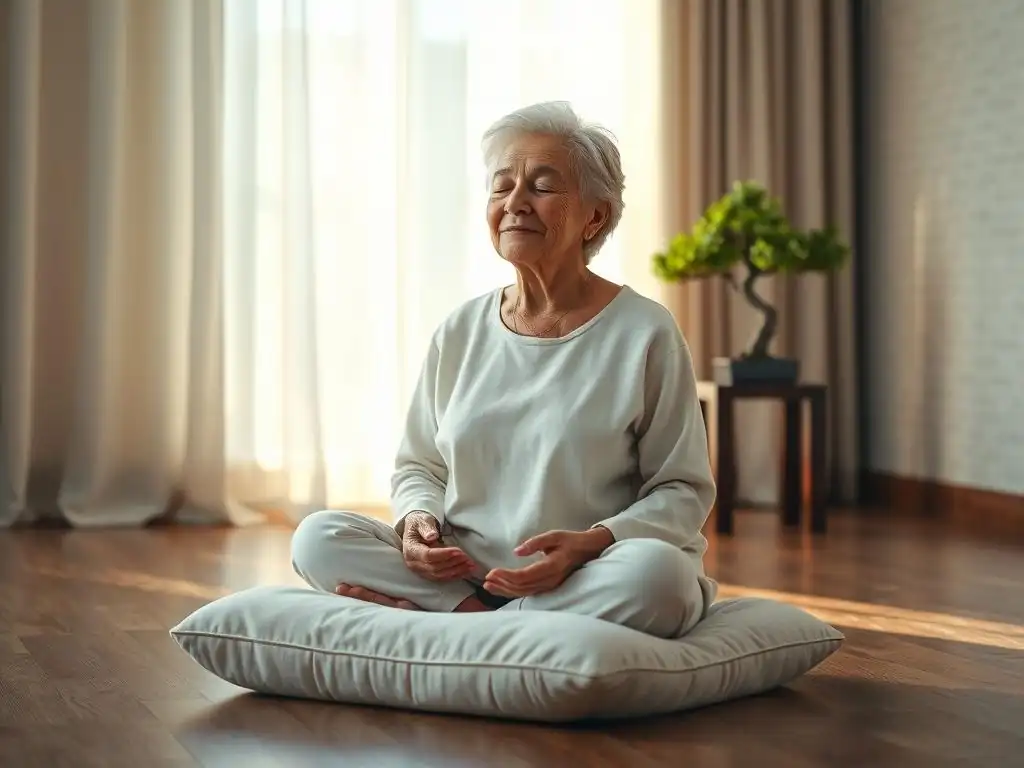
Selecting an appropriate environment is crucial for seniors beginning a gentle guided meditation practice. The ideal space should be quiet and free from distractions. This doesn't necessarily mean a dedicated meditation room; it could be a comfortable corner of a living room, a peaceful bedroom, or even a quiet spot in a garden if weather permits. The key is minimizing interruptions from phones, television, or other people.
It's helpful to inform family members or caregivers about the meditation time to ensure privacy. For example, choosing a time when the household is typically quiet, such as early morning or late afternoon, can make it easier to find solitude. Creating a consistent environment helps signal to the mind and body that it's time to relax and focus inward, facilitating the process of senior meditation peace finding.
Comfort is paramount in the chosen environment. Ensure the temperature is comfortable – not too hot or too cold. Soft lighting can also be helpful, though some prefer to meditate with eyes closed regardless. The space should feel safe and calming.
Adding a few personal touches, like a comfortable cushion, a soft blanket, or even a gentle, non-intrusive scent like lavender, can enhance the sense of peace and tranquility. The goal is to create a sanctuary, however small, where the senior feels completely at ease and able to let go of external worries for the duration of the practice. This attention to environmental detail significantly supports the effectiveness of gentle guided meditations for seniors.
Adapting Meditation Practices for Physical Limitations: Chair Meditation and Supported Postures
Physical comfort is essential for sustained meditation practice, and for many seniors, traditional seated postures on the floor may not be feasible due to joint pain, stiffness, or balance issues. Fortunately, gentle guided meditation is highly adaptable. Chair meditation is an excellent alternative, allowing individuals to sit comfortably with their backs supported. The feet can rest flat on the floor, or if that's uncomfortable, on a low stool or cushion.
Ensure the chair provides good lumbar support, or use a cushion for extra padding. The hands can rest gently in the lap or on the thighs. This simple adaptation makes meditation accessible to individuals with mobility limitations, allowing them to find peace and stillness without physical strain.
For those who prefer lying down but find traditional flat surfaces uncomfortable, supported postures are recommended. Using pillows under the knees or a rolled-up blanket under the neck can alleviate pressure points and make lying down more comfortable. Some guided meditations are specifically designed for lying down, often used for body scans or relaxation practices before sleep.
The key is to experiment with different positions and supports to find what works best for the individual's unique physical needs. A senior with hip pain, for instance, might find sitting on a firm cushion on a chair more comfortable than a soft sofa. Prioritizing physical ease ensures that discomfort doesn't become a distraction, enabling deeper engagement with the practice and facilitating senior meditation peace finding.
Time Commitment: Finding a Realistic Meditation Schedule
One of the biggest barriers to starting any new practice is finding the time. For seniors, daily routines may vary, but establishing a realistic and consistent meditation schedule is key to reaping the benefits of gentle guided meditation. It's a common misconception that meditation requires long periods; even 5 to 10 minutes of guided practice a few times a week can make a noticeable difference in stress levels and overall well-being.
Starting small is often more sustainable than aiming for daily 30-minute sessions right away. For example, committing to just 7 minutes of guided breathing every morning can build a strong foundation.
Finding the "right" time depends on individual preference and daily rhythm. Some seniors find morning meditation helps set a calm tone for the day, while others prefer evening practice to unwind before sleep. Integrating meditation into an existing routine can make it easier to remember – perhaps after breakfast or before watching the evening news. Using a calendar or setting a gentle reminder can also be helpful.
Consistency is more important than duration; regular, shorter sessions are often more effective than infrequent, longer ones. As a senior becomes more comfortable and experiences the benefits, they may naturally wish to extend the duration or frequency. The goal is to make senior meditation peace finding a sustainable, enjoyable part of their life, not another chore.
Step-by-Step Guide to Gentle Guided Meditation for Seniors
Step 1: Finding a Quiet and Comfortable Space
The very first step in starting a gentle guided meditation practice is identifying and preparing your meditation space. As discussed earlier, this space should be quiet and relatively free from potential disturbances. Think about where you feel most relaxed in your home – perhaps a favorite armchair, a spot by a window with a pleasant view, or even just a quiet corner of a room.
Ensure the area is tidy and clutter-free, as visual distractions can disrupt focus. The space should also be comfortable in terms of temperature and lighting. Turning off phones or putting them on silent mode is essential to prevent interruptions during the practice.
Once you've identified your spot, take a moment to make it as comfortable as possible. If you're sitting, choose a chair that offers good support. If you prefer lying down, ensure you have any cushions or pillows you might need for support under your knees or head. Having a light blanket nearby can also be comforting. The goal is to create an environment where you feel safe, relaxed, and supported, allowing you to fully immerse yourself in the guided experience. This initial preparation is vital for setting the stage for successful senior meditation peace finding.
Step 2: Choosing a Guided Meditation Audio or Video
With your comfortable space ready, the next step is selecting the guided meditation itself. For seniors, it's best to start with guided practices specifically designed for beginners or those labeled as "gentle" or "calming." These often feature slower pacing, clear instructions, and a soothing voice. Consider what type of meditation resonates with you – a body scan, breathing focus, visualization, or loving-kindness practice. Many resources offer short meditations (5-15 minutes), which are ideal for starting out. You can find guided meditations on various platforms.
Look for resources that are easy to access and use. Some may prefer simple audio files that can be played on a phone or computer, while others might find video guides helpful, although the visual aspect is often secondary to the audio instructions in meditation. Many libraries offer free access to meditation resources. Experiment with different voices and styles until you find a guide whose voice and approach feel calming and trustworthy. Having a few go-to guided meditations ready makes it easy to start your practice whenever you're ready, smoothing the path towards senior meditation peace finding.
Step 3: Getting Comfortable: Posture and Breathing
Before the guided meditation begins, take a moment to settle into your chosen posture. If sitting, sit upright but not stiffly, allowing your spine to be naturally aligned. Let your shoulders relax. Place your hands comfortably in your lap or on your thighs. If lying down, lie on your back with arms resting gently at your sides, palms up or down, whatever feels natural. Adjust any cushions or supports until you feel stable and at ease. There should be no strain in your body.
Once settled, bring your attention gently to your breath. You don't need to change your breathing in any way, just notice it as it is. Feel the sensation of the air entering and leaving your body. Perhaps notice the gentle rise and fall of your chest or abdomen.
Take a few slightly deeper, slower breaths if that feels comfortable, allowing yourself to release any initial tension. This simple act of connecting with your breath helps anchor you in the present moment and prepares your mind and body to receive the guided instructions. This initial settling is a quiet prelude to the journey of senior meditation peace finding.
Step 4: Following the Guided Meditation Instructions
Now, simply listen to the guided meditation audio or video and follow the instructions provided by the narrator. The guide will lead you through the practice, whether it's directing your attention to different parts of your body, guiding your breath, suggesting imagery, or offering phrases for reflection. Your only "job" is to listen and gently follow along. There's no right or wrong way to do this; the intention is what matters. If your mind wanders, which it inevitably will, don't get discouraged. This is a normal part of meditation.
When you notice your mind has drifted off into thoughts about the past, future, or simply random musings, gently acknowledge that the thought is there, and then kindly redirect your attention back to the guide's voice or the anchor they have suggested (like the breath or a specific body sensation). Think of it like training a puppy – when it wanders off, you gently lead it back, without scolding.
The practice is in this gentle returning. Staying present with the guide's voice is the core of gentle guided meditation for seniors, allowing the practice to unfold naturally and lead towards peace.
Step 5: Gently Returning to Awareness After Meditation
As the guided meditation comes to a close, the narrator will typically guide you back to your surroundings. This usually involves taking a few deeper breaths, perhaps wiggling fingers and toes, and slowly becoming aware of the sounds and sensations in the room. Resist the urge to rush up immediately. Take a moment to simply sit or lie quietly and notice how you feel. Pay attention to any shifts in your physical state, emotional state, or mental clarity. You might feel more relaxed, calmer, or more present.
Before fully opening your eyes (if they were closed), take a moment to appreciate the time you dedicated to yourself and your well-being. When you are ready, slowly open your eyes and gradually re-engage with your environment. Stand up slowly if you were sitting or lying down, especially if you are prone to dizziness. Carry the sense of calm and awareness you cultivated during the meditation with you as you transition back into your day. This gentle return helps integrate the benefits of the practice into your daily life, reinforcing the experience of senior meditation peace finding.
Overcoming Challenges in Senior Meditation
Dealing with Wandering Thoughts During Meditation: Acknowledgment and Gentle Redirection
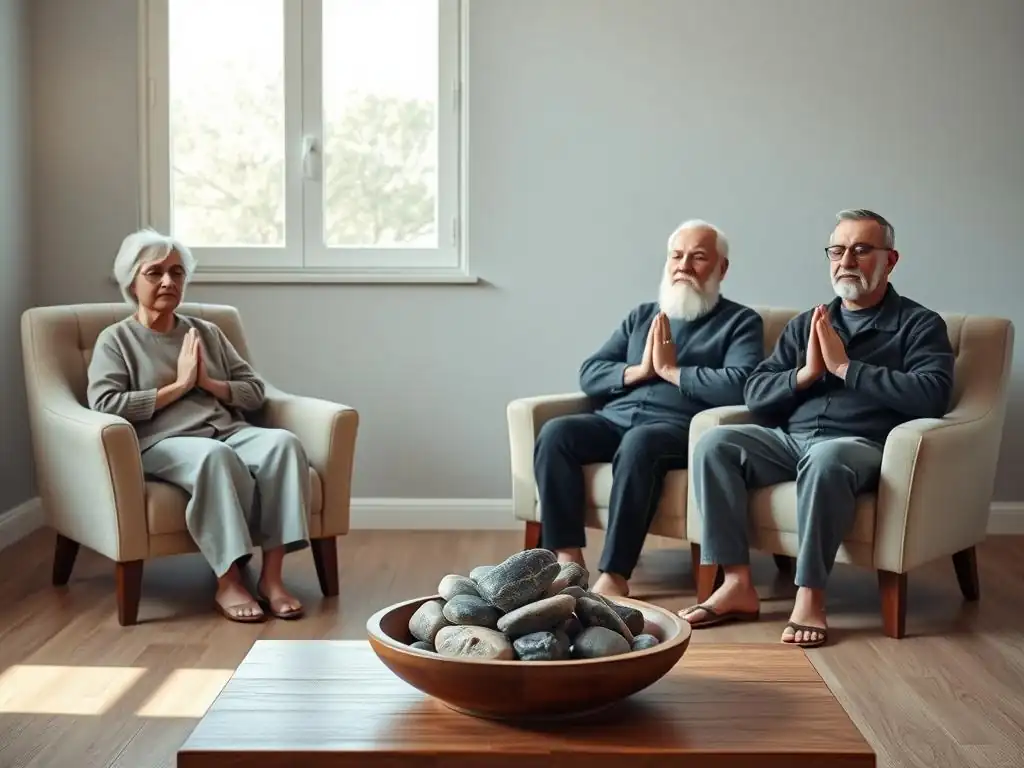
One of the most common challenges in meditation, regardless of age, is a wandering mind. For seniors, thoughts might drift to health concerns, family matters, or tasks that need doing. It's crucial to understand that having thoughts is completely normal and not a sign of failure. The mind is designed to think.
The practice of meditation isn't about stopping thoughts but about changing your relationship with them. When you notice your mind has wandered away from the guided instruction or your chosen anchor (like the breath), the first step is simple acknowledgment. Mentally note, "Ah, thinking," without judgment or frustration.
After acknowledging the thought, gently redirect your attention back to the meditation. If you're following a guided meditation, bring your awareness back to the narrator's voice. If you're focusing on your breath, gently bring your attention back to the sensation of breathing. There's no need to analyze the thought or get caught up in its content.
The redirection is a soft, kind action, not a forceful struggle. Think of it like watching clouds drift across the sky – you notice them, but you don't try to grab onto them; you just let them pass and bring your attention back to the open sky. This consistent, gentle practice of noticing and returning builds mental resilience and is key to successful senior meditation peace finding despite a busy mind.
Managing Physical Discomfort During Meditation: Adjustments and Modifications
Physical discomfort can be a significant obstacle to a peaceful meditation practice, particularly for seniors dealing with conditions like arthritis, back pain, or stiffness. It's important to remember that meditation should not cause pain. If you experience discomfort, first gently bring awareness to the sensation without judgment, as you might do in a body scan. Sometimes, simply acknowledging the discomfort can lessen its hold. However, if the discomfort is distracting or intense, it's perfectly acceptable and advisable to make physical adjustments.
This might involve shifting your weight, repositioning a limb, adding or removing a cushion, or even changing your entire posture. If sitting is uncomfortable, try lying down with support. If lying down causes pain, try sitting in a well-supported chair.
Don't feel obligated to maintain a posture that causes distress just because you think that's how meditation is "supposed" to be done. Gentle guided meditation for seniors prioritizes comfort and ease. Making necessary modifications ensures that physical sensations don't overwhelm the mental practice, allowing you to continue cultivating senior meditation peace finding in a way that respects your body's needs.
Staying Motivated with Meditation: Setting Realistic Goals and Tracking Progress
Maintaining motivation can be challenging with any new habit, including meditation. For seniors, seeing tangible benefits might take time, which can sometimes lead to discouragement. Setting realistic goals is crucial. Instead of aiming for daily hour-long sessions, start with a commitment that feels manageable, such as three 10-minute guided meditations per week. Celebrate small victories, like completing a session even when you felt restless or noticing a slight reduction in anxiety after meditating.
Tracking your progress, even informally, can also boost motivation. You could keep a simple journal noting the date, duration of the meditation, and how you felt before and after. Over time, looking back at these notes can reveal positive changes in your mood, sleep, or stress levels, providing concrete evidence of the benefits of your practice.
For instance, noting that you felt less agitated after a guided session on a particular day reinforces the value of the practice. Connecting with others who are also meditating, perhaps through a local group or online forum (while respecting the constraints of this format not to include links), can provide support and encouragement. Remembering why you started – the desire for senior meditation peace finding – can also serve as a powerful motivator during moments of waning enthusiasm.
Resources for Guided Meditations Tailored for Seniors
Online Meditation Apps and Websites
The digital world offers a wealth of resources for gentle guided meditation, making it highly accessible for seniors from the comfort of their homes. Numerous websites and apps provide extensive libraries of guided meditations, many of which include sessions specifically designed for older adults or those with specific needs like pain management, sleep issues, or stress reduction. While specific names cannot be mentioned here, searching for terms like "guided meditation for seniors," "chair meditation audio," or "mindfulness for older adults" on popular platforms that host meditation content can yield many options.
These platforms often allow users to filter meditations by duration, theme (e.g., relaxation, focus, compassion), or instructor. Some offer introductory series that teach the basics of meditation, which can be very helpful for beginners. While some resources require subscriptions, many offer free content or trial periods. Accessing these online resources requires a device like a smartphone, tablet, or computer and internet access, which are increasingly common among older adults. This digital access significantly lowers the barrier to entry for seniors seeking guided meditation peace finding.
Local Meditation Classes and Groups
For seniors who prefer in-person interaction or lack reliable internet access, local meditation classes and groups can be an excellent resource. Community centers, senior centers, libraries, and health and wellness centers often offer meditation classes tailored to older adults. These classes provide the benefit of in-person guidance from an instructor and the opportunity to connect with peers, which can foster a sense of community and shared experience. Learning in a group setting can also be motivating and provide a supportive environment for discussing challenges and successes.
Look for classes specifically labeled as "gentle meditation," "mindfulness for seniors," or "chair meditation." These classes are more likely to be designed with the physical needs and preferences of older adults in mind. Attending a local group can provide structure and accountability, making it easier to stick with a regular practice. Check local listings, community newsletters, or contact senior services organizations in your area to find available classes. Participating in a local group offers a communal path towards senior meditation peace finding.
Books and Audiobooks on Meditation
For seniors who enjoy reading or listening to audio content offline, books and audiobooks on meditation provide another valuable resource. Many experienced meditation teachers have written books that include explanations of mindfulness principles and scripts for guided meditations. Some books come with accompanying CDs or offer downloadable audio versions of the guided practices. Audiobooks are particularly convenient as they allow seniors to simply listen to the guided instructions without needing to look at a screen.
When choosing a book or audiobook, look for titles that focus on gentle approaches, mindfulness for specific conditions relevant to seniors (like chronic illness or aging), or those specifically aimed at older adults. Authors with backgrounds in gerontology, psychology, or mindfulness-based therapies may offer particularly relevant insights. Libraries are excellent places to find a wide selection of meditation books and audiobooks for free. Engaging with these resources offline offers a quiet, personal way for seniors to explore guided meditation peace finding at their own pace.
The Power of Mindfulness for Seniors: Cultivating Inner Peace and Well-being
Integrating Mindfulness into Daily Life
Mindfulness is more than just sitting meditation; it's a way of bringing present-moment awareness to everyday activities. For seniors, integrating mindfulness into daily life can significantly enhance well-being and cultivate a deeper sense of inner peace. This involves paying gentle attention to routine actions, such as eating a meal, taking a walk, or even washing dishes.
For example, during a meal, a senior can practice mindful eating by noticing the colors, textures, smells, and tastes of the food, chewing slowly, and paying attention to the body's signals of hunger and fullness. This simple act transforms a mundane activity into an opportunity for present-moment awareness.
Other opportunities for daily mindfulness include mindful walking, where attention is paid to the sensation of the feet touching the ground, the movement of the body, and the surrounding environment; mindful listening, truly focusing on what another person is saying without planning a response; and mindful movement, such as gentle stretching or Tai Chi, paying attention to bodily sensations. These practices don't require extra time carved out of the day but rather a shift in how activities are performed.
By weaving mindfulness into the fabric of daily life, seniors can extend the benefits of their gentle guided meditation practice beyond formal sessions, continuously reinforcing senior meditation peace finding throughout their day.
Benefits of Regular Meditation Practice: Long-Term Effects on Mental and Physical Health
Committing to regular gentle guided meditation practice yields cumulative, long-term benefits that significantly impact both mental and physical health for seniors. Mentally, consistent practice can lead to sustained reductions in anxiety, depression, and stress levels. For instance, studies have shown that participation in mindfulness programs can lead to lasting improvements in mood and emotional regulation months after the program concludes. This contributes directly to a greater sense of peace and emotional resilience in later life. The cognitive benefits, such as improved attention span and working memory, may also become more pronounced with ongoing practice.
Physically, the long-term effects are equally compelling. Regular meditation has been linked to improved sleep patterns, better management of chronic pain, and even positive impacts on cardiovascular health, such as lower blood pressure. While meditation is not a substitute for medical treatment, it can be a powerful complementary therapy.
For example, a meta-analysis of studies on mindfulness interventions found consistent positive effects on various health markers in older adults. The discipline and calm cultivated through regular practice can also help seniors cope more effectively with health challenges and the aging process itself. These enduring benefits underscore the profound impact of regular senior meditation peace finding on overall well-being.
Conclusion: Embracing Gentle Guided Meditations for a Peaceful Later Life
Frequently Asked Questions
What are the key benefits of meditation for seniors, particularly in finding peace?
Meditation offers numerous benefits, including reduced stress and anxiety, improved sleep quality, and a greater sense of inner peace and well-being.
How do gentle guided meditations specifically cater to the needs of older adults?
These meditations often involve slower pacing, simpler instructions, and focus on comfort and accessibility, making them suitable for seniors with physical limitations or cognitive changes.
How can seniors overcome common challenges, such as physical discomfort or wandering thoughts, during meditation?
Modifications like using a chair, practicing short meditation sessions, and employing mindfulness techniques to gently redirect thoughts can be very helpful.
Where can seniors find reliable resources and guided meditations specifically designed for their age group?
Resources can be found through websites like Mind Care Guide, local community centers, and specialized apps offering senior-friendly meditation programs.
How often should seniors practice meditation to experience noticeable improvements in their mental well-being and ability to find peace?
Even short daily sessions of 10-15 minutes can lead to significant improvements in mood, stress levels, and overall sense of peace and contentment.
Final Reflection: Cultivating Inner Peace in Our Golden Years
The pursuit of peace and tranquility is a universal human desire, and for seniors, this yearning often intensifies as life transitions unfold. Finding solace and inner calm amidst the challenges and changes of aging is not a luxury, but a vital component of well-being, enriching the quality of life in later years. This is especially true in our increasingly fast-paced and demanding world, where the need for mindful practices like meditation is more critical than ever.
The gentle guided meditations explored in this article offer a pathway to accessing this inner peace, a journey that transcends age and circumstance. They provide a tangible tool to navigate the emotional landscape of aging, fostering resilience and a sense of groundedness. As the Dalai Lama wisely stated, Peace is not merely the absence of war, but the presence of justice, compassion, and the pursuit of wisdom.
These meditations aim to cultivate precisely these qualities, offering a space for self-reflection, acceptance, and the gentle unfolding of inner wisdom.
Now, consider how you can integrate these practices into your own life, or the lives of your loved ones. Perhaps start with just five minutes a day, focusing on your breath and allowing yourself to simply be. Don't judge your progress, simply embrace the journey towards a more peaceful and fulfilling existence. The path to inner peace is a personal one, but with consistent practice and a gentle approach, you can discover a profound sense of serenity and joy in your golden years. Embrace the stillness, embrace the peace.
Unlock Your Inner Calm: Start Your Journey to Peaceful Aging
Thank you for taking the time to explore the world of gentle meditation for seniors with Mind Care Guide. We hope this article has inspired you to discover a new path towards inner peace and well-being. Now, let's turn that inspiration into action!
- Begin your personalized meditation practice today: Choose one of the guided meditations mentioned in the article and dedicate just 5 minutes to experiencing its benefits. Even a short session can make a significant difference!
- Share this article with a loved one: Let's spread the word about the power of mindful living in later life. Help a friend or family member discover this valuable resource.
- Explore our other resources on MindCareGuide.org: Discover further tips and techniques for maintaining mental well-being as you age. We have many resources waiting to help support your journey.
What small step will you take today to cultivate more peace and serenity in your life?