
Navigating Anniversaries and Holidays After Suicide Loss

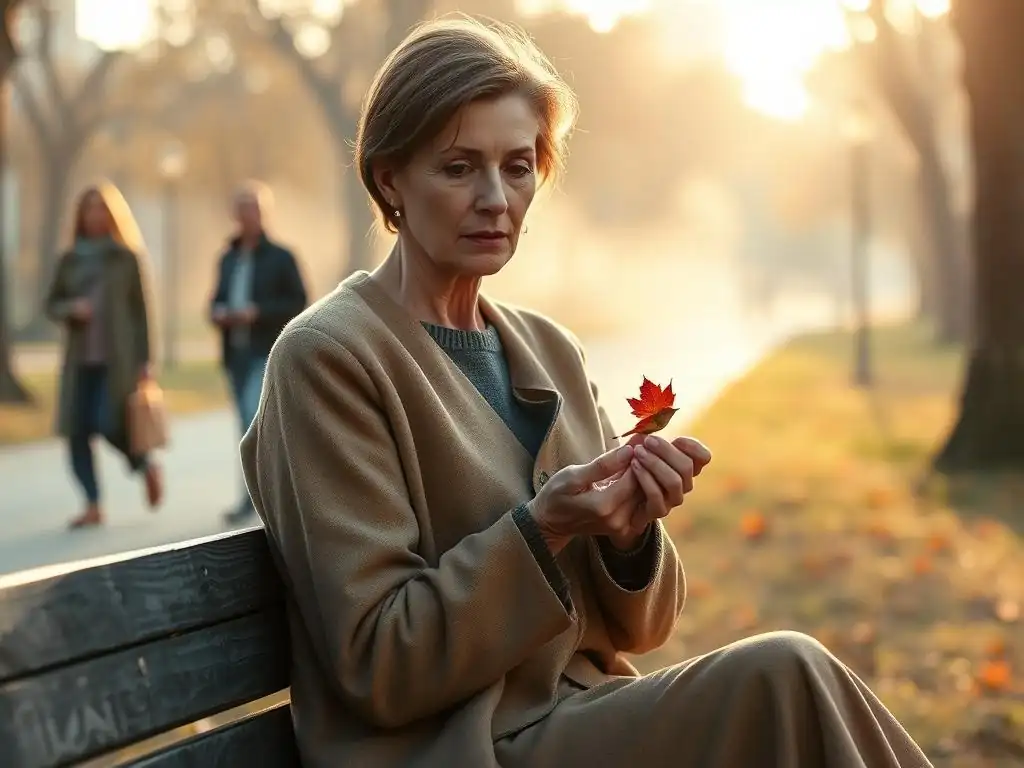
Welcome to Mind Care Guide.
We understand the pain of anniversaries and holidays after experiencing a suicide loss can feel overwhelming. You're not alone. This space is dedicated to offering solace and practical support as you navigate these difficult times. In this article, we'll explore suicide loss anniversary support resources, providing you with tools and guidance to honor your loved one while prioritizing your own well-being. Are you ready to discover strategies that can bring comfort and strength during these poignant moments?
Navigating Anniversaries and Holidays After Suicide Loss: A Mind Care Guide
- Understanding the Unique Grief of Suicide Loss Anniversaries
- Preparing for Anniversaries and Holidays After Suicide Loss
- Honoring Your Loved One's Memory on Anniversaries
- Managing Holiday Grief After Suicide Loss
- Seeking Support and Resources for Suicide Loss Anniversary
- Building Resilience and Hope After Suicide Loss
- Suicide Loss Anniversary Support Resources: A Comprehensive List
- Helping Others Understand Your Grief
-
Frequently Asked Questions
- How can I prepare emotionally for the anniversary of a suicide loss?
- What are some healthy ways to memorialize a loved one on the anniversary of their suicide?
- Where can I find Suicide Loss Anniversary Support Resources specifically designed for anniversaries?
- Is it normal to experience intense grief or re-traumatization on the anniversary of a suicide loss?
- How can I support someone who is grieving the anniversary of a suicide loss?
- Final Reflection: Finding Light Amidst the Shadows
- Rediscover Hope: Your Next Steps After Loss
Understanding the Unique Grief of Suicide Loss Anniversaries
Why Anniversaries and Holidays Intensify Grief After Suicide
Anniversaries, birthdays, and holidays can significantly amplify the pain experienced after losing someone to suicide. These specific dates often serve as powerful triggers, bringing memories and the stark reality of the absence into sharp focus. Unlike general waves of grief that may come and go, these calendar markers are predictable reminders, creating anticipation and dread that can be emotionally exhausting.
The date of the death, in particular, can feel like reliving the initial shock and trauma, sometimes referred to as an "anniversary reaction." This phenomenon is well-documented in trauma and grief literature, indicating that the body and mind can react intensely as the date approaches, even years later.
Furthermore, holidays are often deeply intertwined with shared traditions and family gatherings. The absence of a loved one who died by suicide is acutely felt during these times, disrupting familiar rituals and highlighting the void left behind. What were once joyous occasions can become painful reminders of what has been lost. The pressure to participate in celebrations while feeling profound sadness can be overwhelming, leading to feelings of isolation and guilt. Studies suggest that the period between Thanksgiving and New Year's Day can be particularly challenging for bereaved individuals, underscoring the heightened emotional vulnerability during these celebratory times.
Common Emotional Reactions During Anniversaries of Suicide Loss
The range of emotions experienced during suicide loss anniversaries and holidays is vast and can be unpredictable. Many survivors report intense sadness, despair, and a resurgence of acute grief symptoms. This might include crying spells, difficulty sleeping, loss of appetite, or a general lack of energy. It's not uncommon for feelings of shock, disbelief, or numbness, similar to the initial stages of grief, to resurface. These reactions are a normal part of the complex grieving process after a suicide loss.
Beyond sadness, other powerful emotions often emerge. Guilt and self-blame are particularly prevalent in suicide loss grief, and anniversaries can intensify these feelings as survivors reflect on the past. Anger, whether directed at the loved one, others, or even oneself, is also a common reaction. Some individuals may experience anxiety or panic attacks as the date approaches, driven by the dread of confronting the painful memories. It's important to remember that there is no right or wrong way to feel, and these varied emotional responses are valid and part of navigating the challenging terrain of suicide loss anniversary support.
Preparing for Anniversaries and Holidays After Suicide Loss
Pre-Anniversary Self-Care Strategies for Suicide Loss Survivors
Proactive self-care in the weeks leading up to an anniversary or holiday can significantly help manage the emotional intensity. This involves consciously prioritizing your physical and emotional well-being. Simple yet effective strategies include ensuring adequate sleep (aiming for 7-9 hours per night), maintaining a balanced diet, and engaging in regular physical activity, even if it's just a short walk. Mindfulness and relaxation techniques, such as deep breathing exercises or meditation, can also be helpful in grounding yourself when anxiety or overwhelming sadness arises.
Another crucial aspect of pre-anniversary self-care is emotional preparation. Acknowledge that the date will likely be difficult and give yourself permission to feel whatever emotions arise. Avoid the temptation to suppress feelings or "power through" without acknowledging the pain. Consider journaling about your feelings, memories, or fears related to the upcoming date. Engaging in comforting activities you enjoy, like reading, listening to music, or spending time in nature, can also provide solace and a sense of peace during this challenging time. Seeking out suicide loss anniversary support resources before the date arrives can also be a proactive step.
Creating a Plan for Managing Difficult Emotions
Having a concrete plan for how you will navigate the actual anniversary or holiday can reduce anxiety and provide a sense of control. This plan doesn't need to be rigid but should outline potential challenges and coping mechanisms. Identify specific triggers you anticipate, such as visiting a particular place, hearing a certain song, or interacting with certain people, and think about how you will handle them. Will you limit exposure, have an exit strategy, or prepare a response?
Include specific coping tools in your plan. This might involve scheduling time for self-soothing activities, having a list of supportive people you can call, or planning a quiet activity that honors your loved one without being overwhelming. For instance, you might plan to watch their favorite movie, cook their favorite meal, or look through photos privately. Having these steps outlined can provide a roadmap when you feel overwhelmed. Consider writing down your plan and keeping it accessible as a reminder during the difficult day or period.
Communicating Your Needs to Family and Friends
Open and honest communication with your support network is vital when facing anniversaries and holidays after suicide loss. Let your close friends and family know that this time will be difficult for you and explain what kind of support you might need. Be specific about your boundaries and preferences. For example, you might tell them you prefer not to discuss the loss extensively during a holiday gathering, or that you might need to leave early, or that you would appreciate a simple check-in call on the specific date.
It's also okay to communicate what you don't need. You might inform others that you don't want pity, unsolicited advice, or pressure to act cheerful. People often want to help but may not know how, and guiding them can prevent misunderstandings and hurt feelings. Remember that it is your grief journey, and you have the right to navigate these sensitive dates in a way that feels right for you. Clearly communicating your needs is a form of self-care and strengthens your support system.
Honoring Your Loved One's Memory on Anniversaries

Meaningful Ways to Commemorate a Life Lost to Suicide
Commemorating your loved one's life on anniversaries can be a powerful part of the healing process, shifting some focus from the loss itself to the life lived. There are countless meaningful ways to do this, tailored to your loved one's personality and your relationship with them. This could involve visiting a place they loved, like a park, museum, or restaurant. You might engage in an activity they enjoyed, such as hiking, painting, or listening to their favorite music.
Other commemorative activities can be more reflective or community-oriented. Writing a letter to your loved one, creating a memory box or scrapbook, or planting a tree or garden in their honor are deeply personal ways to remember. Some people choose to volunteer for a cause important to their loved one or make a donation in their name. Sharing stories and memories with trusted friends or family can also be a comforting way to keep their spirit alive. The goal is to find a way to honor their memory that feels authentic and provides some comfort amidst the pain.
Creating New Traditions to Honor Their Memory
As navigating old traditions without your loved one can be incredibly painful, creating new traditions specifically designed to honor their memory can be a helpful coping strategy. These new rituals can provide a way to include their presence in your life in a different, less painful context. For example, instead of focusing on how holidays used to be, you might start a new annual activity on their birthday that celebrates something they loved.
Examples of new traditions could include an annual charity walk in their memory, a special meal where everyone shares a positive memory, lighting a candle and spending a quiet moment of reflection, or creating a piece of art or writing inspired by them each year. These traditions can evolve over time and can be done alone, with close family, or with a wider group of friends.
They offer a way to actively engage with their memory in a positive or comforting way, providing a focal point for the day that is about remembrance rather than solely about the pain of absence.
Balancing Remembrance with Self-Care
While honoring your loved one is important, it's crucial to balance remembrance activities with ongoing self-care, especially on emotionally charged dates like anniversaries. It's easy to get consumed by grief and remembrance, potentially neglecting your own needs. Schedule breaks throughout the day, particularly if engaging in emotionally demanding activities. Give yourself permission to step away if you feel overwhelmed.
Listen to your body and mind. If your planned activity feels too difficult on the day, it's okay to modify or postpone it. There's no requirement to perform grief or remembrance in a specific way. Ensure your plan includes time for rest, nourishment, and activities that help you feel grounded and calm. This balance is key to navigating these challenging times without becoming completely depleted. Finding appropriate suicide loss anniversary support resources can also be part of this self-care strategy.
Managing Holiday Grief After Suicide Loss
Strategies for Coping with Holiday Triggers
Holidays are often filled with sensory triggers – specific songs, smells, decorations, or even the general atmosphere of festivity – that can unexpectedly bring back painful memories after a suicide loss. Developing strategies to cope with these triggers is essential. One approach is to identify potential triggers in advance and prepare your response. If a certain holiday song is particularly painful, you might choose to avoid places where it's frequently played or have a plan to listen to different music.
Another strategy is to create mental or physical "safe spaces." This could be a quiet room at a family gathering where you can retreat, or simply having a comforting object with you. Practicing mindfulness can help you acknowledge the trigger and the resulting emotion without becoming completely consumed by it. Remind yourself that it's okay to feel pain amidst celebration and that the feeling will pass. Having a trusted friend or family member informed about your triggers can also provide support if you need to step away or talk through a difficult moment.
Modifying Holiday Traditions to Ease Pain
Attempting to replicate holiday traditions exactly as they were before the suicide loss can be incredibly painful and highlight the absence. Modifying traditions can make the holidays more bearable and create space for new ways of experiencing the season. This doesn't mean abandoning all past traditions, but rather adapting them or introducing new elements. For example, if your loved one always carved the turkey, another family member might take on the role, or the task could be shared.
Consider which traditions are most difficult and brainstorm ways to change them. This might involve celebrating in a different location, changing the time of a gathering, or opting for a smaller, more intimate celebration instead of a large one. Some families choose to incorporate a specific way to remember their loved one into the modified tradition, such as lighting a candle, sharing a memory, or dedicating a moment of silence. These modifications acknowledge the reality of the loss while allowing for a sense of continuity and connection.
Setting Realistic Expectations for Holiday Celebrations
It is crucial to set realistic expectations for yourself and others regarding holiday celebrations after a suicide loss. The holidays will likely feel different, and they may be less joyful than in the past. Accept that it is okay not to feel festive or to participate in every activity. Give yourself permission to experience sadness, grief, and pain alongside any moments of connection or peace.
Communicate these realistic expectations to family and friends. Let them know that you are doing your best but that you may need to limit your participation or take breaks. Avoid putting pressure on yourself to "be strong" or "get into the holiday spirit" if you are not feeling it. Prioritize your emotional well-being above societal or familial expectations of holiday cheer. Remember that healing is a process, and navigating the holidays is just one part of that journey. Seeking suicide loss anniversary support resources can provide guidance on managing these expectations.
Seeking Support and Resources for Suicide Loss Anniversary
The Importance of Support Groups for Suicide Loss Survivors
Support groups play a vital role in the healing process for those grieving a suicide loss, especially around difficult times like anniversaries and holidays. Being with others who have shared a similar experience can reduce feelings of isolation and provide a profound sense of understanding that friends and family who haven't experienced this specific type of loss may struggle to offer. In a support group setting, survivors can share their stories, express complex emotions like guilt and anger without judgment, and learn coping strategies from others who are further along in their grief journey.
Many support groups are facilitated by trained professionals or experienced peers and offer a safe, confidential space. Participants often gain practical advice on navigating specific challenges, such as handling difficult questions from others, managing triggers, or finding meaning after loss. Connecting with a support group focused on suicide loss can be one of the most valuable suicide loss anniversary support resources available. These groups often offer specific guidance and shared experiences relevant to navigating significant dates.
Finding a Therapist Specializing in Grief and Trauma
Individual therapy with a mental health professional specializing in grief, trauma, or suicide loss can provide tailored support for navigating anniversaries and holidays. Therapists can help individuals process the traumatic aspects often associated with suicide, address complex emotions like guilt and shame, and develop personalized coping mechanisms. Unlike support groups which offer peer support, therapy provides a one-on-one relationship focused specifically on your unique experiences and needs.
A therapist can offer evidence-based approaches such as Cognitive Behavioral Therapy (CBT) or Eye Movement Desensitization and Reprocessing (EMDR) if trauma is a significant component of the grief. They can also help you develop strategies for managing anxiety and depression that may be heightened around anniversaries. When seeking a therapist, look for someone with experience working with suicide loss survivors. Many therapists list their areas of specialization, or you can inquire during an initial consultation. Finding the right professional can be a crucial step in accessing effective suicide loss anniversary support resources.
Online Resources for Suicide Loss Anniversary Support
In addition to local support groups and individual therapy, numerous online resources offer support for navigating suicide loss anniversaries and holidays. These resources provide accessibility and flexibility, allowing individuals to seek help from the comfort of their own homes or whenever they need it. Online platforms include forums and communities where survivors can connect with peers globally, sharing experiences and offering mutual support.
Many national and international grief and suicide prevention organizations offer dedicated sections on their websites with articles, toolkits, and webinars specifically addressing coping with anniversaries and holidays after suicide loss. Some provide online chat support or virtual support groups. While not a substitute for professional help if needed, these online resources offer valuable information, connection, and immediate suicide loss anniversary support. Examples include guides on creating coping plans, understanding anniversary reactions, and ideas for honoring loved ones remotely.
Building Resilience and Hope After Suicide Loss

Focusing on Self-Compassion and Forgiveness
Building resilience after suicide loss involves cultivating self-compassion and, eventually, forgiveness. Grief is a difficult and messy process, and it's easy to be hard on yourself, especially with the added layer of complex emotions like guilt often present in suicide bereavement. Practicing self-compassion means treating yourself with the same kindness, understanding, and patience you would offer a friend who is suffering. This involves acknowledging your pain without judgment and recognizing that grief reactions, including intense emotions around anniversaries, are normal responses to an abnormal event.
Forgiveness in the context of suicide loss can be complex. It might involve forgiving the loved one for their actions, forgiving yourself for perceived failures or regrets, or even forgiving others. Forgiveness is not about condoning the suicide but about releasing the emotional burden of resentment, anger, or guilt that can keep you trapped in pain. It is a process that takes time and is deeply personal. Focusing on self-compassion and working towards forgiveness are key components of healing and building emotional strength for the future.
Finding Meaning and Purpose After Loss
Finding meaning and purpose after a suicide loss is a long-term process that can contribute significantly to resilience. This doesn't mean finding a reason for the suicide, but rather finding ways to live a meaningful life despite the loss. For some, this involves honoring their loved one's memory by becoming involved in suicide prevention or mental health advocacy. For example, participating in awareness walks, sharing their story to help others, or volunteering for relevant organizations.
For others, finding meaning might involve rediscovering passions, setting new goals, or strengthening relationships. It could be pursuing a hobby, returning to education, focusing on personal growth, or dedicating time to helping others in different ways. This process is about reinvesting in life and finding reasons to move forward, carrying the memory of the loved one while building a future. It is a testament to the strength of the human spirit to find light again after profound darkness.
Cultivating Gratitude and Hope for the Future
Cultivating gratitude and hope might seem challenging in the depths of grief, but they are powerful tools for building resilience. Gratitude isn't about being thankful for the loss, but about finding things to appreciate despite the pain. This could be small things, like the beauty of nature, a moment of connection with a friend, or a comforting memory. Regularly practicing gratitude, even for a few minutes a day, can help shift focus from what has been lost to what remains and what is still possible.
Hope is not the belief that things will go back to exactly how they were, but the belief that healing is possible and that there can be moments of peace, joy, and connection in the future. It is the understanding that grief evolves and that while the pain of loss may never fully disappear, it can become less intense over time, and you can learn to live alongside it.
Cultivating hope involves setting small, achievable goals, allowing yourself to experience moments of happiness without guilt, and believing in your capacity to heal and find meaning again. Suicide loss anniversary support resources often emphasize the importance of finding hope.
Suicide Loss Anniversary Support Resources: A Comprehensive List
Crisis Hotlines and Mental Health Services
For immediate support or if you are experiencing overwhelming distress, especially around difficult anniversaries or holidays, crisis hotlines and mental health services are crucial suicide loss anniversary support resources. These services provide confidential support from trained professionals who can offer a listening ear, coping strategies, and connections to further help.
- Crisis Text Line: Text HOME to 741741 to connect with a crisis counselor. Available 24/7.
- The National Suicide Prevention Lifeline: Call or text 988 in the US and Canada, or call 111 in the UK. Provides 24/7 crisis support.
- Local Mental Health Services: Check with your local health department or community mental health center for available services, including emergency or walk-in options.
- Employee Assistance Programs (EAPs): If applicable, EAPs often provide short-term counseling services.
These resources are vital for immediate support, particularly when navigating the heightened emotions surrounding suicide loss anniversaries and holidays.
Support Groups and Organizations for Suicide Loss Survivors
Connecting with organizations dedicated to suicide prevention and post-suicide bereavement is essential for finding ongoing suicide loss anniversary support resources. These groups and organizations offer specialized support that understands the unique challenges of this type of loss.
- American Foundation for Suicide Prevention (AFSP): Offers support groups (both in-person and virtual), healing conferences, and educational materials for loss survivors. They have local chapters across the US.
- Survivors of Suicide (SOS) Groups: Many local communities have SOS groups, often listed through mental health associations or online directories.
- The Compassionate Friends: While supporting parents after any child loss, they have resources specifically for suicide loss.
- National Alliance on Mental Illness (NAMI): Offers support and education for individuals and families affected by mental health conditions, which can be relevant for understanding the context of the loss and accessing support.
- Grief Share: A non-profit network of grief recovery support groups, some of which may have members who have experienced suicide loss, although not exclusively focused on it.
These organizations provide community, understanding, and specific programs designed to help survivors navigate their grief journey, including the challenges of anniversaries and holidays.
Books and Articles on Grief and Healing After Suicide
Reading about suicide loss and grief can provide validation, understanding, and coping strategies. Numerous books and articles offer insights from both personal experiences and professional perspectives, serving as valuable suicide loss anniversary support resources.
- "Healing After the Suicide of a Loved One" by Ann Smolin and Arthur Guenther: An often-recommended book providing guidance through the complex grief process.
- "Dying to Be Free: A Healing Guide for Families After a Suicide": by Beverly Cobain and Jean Larch: Offers practical advice and emotional support.
- "Silent Grief: Living with Suicide Loss": by Christopher Lukas and Henry Lukas: A classic text exploring the experience of suicide loss.
- Online Articles and Guides: Websites of organizations like AFSP, SAMHSA (Substance Abuse and Mental Health Services Administration), and reputable grief counseling centers often publish articles specifically addressing coping with anniversaries and holidays after suicide loss.
- Memoirs by Survivors: Reading personal stories can provide a sense of connection and hope.
These written resources offer education, validation, and comfort, helping survivors feel less alone and providing tools to understand and manage their grief, especially during challenging times like anniversaries.
Helping Others Understand Your Grief
Educating Family and Friends About Suicide Loss
Educating your family and friends about the unique nature of grief after suicide loss can significantly improve the support you receive, particularly around sensitive times like anniversaries and holidays. Many people are uncomfortable or unsure how to respond to suicide loss, and their awkwardness or silence can inadvertently cause more pain. Explaining that this grief often involves complex layers of trauma, guilt, and stigma, in addition to profound sadness, can help them understand your reactions.
Share resources with them, such as articles or brochures from reputable organizations like the American Foundation for Suicide Prevention, that explain the specific challenges faced by suicide loss survivors. You might explain that certain dates are particularly difficult or that unexpected triggers can arise. By providing this information, you empower them to offer more empathetic and helpful support, reducing the likelihood of hurtful comments or actions born out of ignorance. This open communication is a crucial part of accessing effective suicide loss anniversary support.
Setting Boundaries and Protecting Your Emotional Well-being
Setting clear boundaries with family and friends is essential for protecting your emotional well-being, especially during emotionally vulnerable times like anniversaries and holidays. It's okay to say no to invitations or commitments that feel overwhelming. You have the right to decide who you want to spend time with and for how long. If certain topics or questions are too painful to discuss, politely but firmly communicate that you are not ready or willing to talk about them.
This might involve setting limits on holiday gatherings, choosing to spend an anniversary quietly alone or with only one or two trusted individuals, or asking people not to bring up certain memories that are currently too painful. Your priority is your healing and well-being. Do not feel obligated to make others comfortable at the expense of your own emotional health. Setting boundaries is an act of self-preservation and helps ensure that your interactions with loved ones are supportive rather than draining.
Guiding Children Through Grief on Anniversaries
Navigating anniversaries and holidays after suicide loss is particularly challenging when there are children involved. Children grieve differently than adults, often in shorter bursts, and their understanding of death and suicide varies with age. It's important to be honest with children in an age-appropriate way about the loss and the significance of anniversaries. Avoiding the topic can lead to confusion, anxiety, or feeling excluded from the family's grief.
Plan ways for children to remember their loved one that are meaningful to them. This could involve looking at photos, sharing happy memories, creating a piece of art, or visiting a place they enjoyed together. Allow children to express their feelings through words, play, or art, and validate their emotions. Maintain routines as much as possible during holidays to provide a sense of stability. Consider seeking professional help for children, such as a child grief counselor, who can provide specialized suicide loss anniversary support resources tailored to their needs and developmental stage.
Frequently Asked Questions
How can I prepare emotionally for the anniversary of a suicide loss?
Preparing emotionally involves acknowledging the date's significance and planning activities that offer comfort and remembrance. It's also crucial to manage expectations and allow yourself to feel a range of emotions. Remember to practice self-compassion.
What are some healthy ways to memorialize a loved one on the anniversary of their suicide?
Healthy memorialization can include creating a memorial display, writing a letter, volunteering for a cause they cared about, or engaging in a ritual of remembrance. It's about finding what feels meaningful and honors their memory.
Where can I find Suicide Loss Anniversary Support Resources specifically designed for anniversaries?
Mind Care Guide offers a dedicated section with articles and resources focused on anniversary support, including coping strategies and links to specialized organizations. You can also find local support groups through mental health directories.
Is it normal to experience intense grief or re-traumatization on the anniversary of a suicide loss?
Yes, it is completely normal to experience heightened grief and even re-traumatization. Anniversaries can trigger intense emotional reactions. Allow yourself to feel these emotions and seek professional support if needed.
How can I support someone who is grieving the anniversary of a suicide loss?
Offer unconditional support and understanding. Let them know you are there to listen without judgment. Respect their need for space or offer practical help like running errands or preparing meals.
Final Reflection: Finding Light Amidst the Shadows
The pain of suicide loss doesn't diminish with time; it transforms. Anniversaries and holidays, once filled with joy, become poignant reminders of what's been lost, a stark contrast that can feel unbearable. This article explored the unique challenges faced by those grieving a suicide, highlighting the need for specialized support and understanding during these particularly difficult times.
The impact of suicide loss ripples far beyond the immediate family, affecting communities and shaping the way we approach grief and mental health. The silence surrounding suicide often exacerbates the pain, leaving survivors feeling isolated and misunderstood. Grief is the price we pay for love,
—Queen Elizabeth II. This quote, while not specifically about suicide loss, speaks to the profound connection between love and the intense sorrow that follows its loss. Understanding this connection is crucial in navigating the complex emotions that arise during anniversaries and holidays. My own experiences researching this topic have underscored the importance of open conversations and the creation of supportive spaces for those who are struggling.
Now, I invite you to reflect on your own experiences with grief and loss. Consider how you can support those in your life who may be navigating similar challenges. Reach out, listen without judgment, and offer a compassionate presence. Remember, you are not alone, and seeking help is a sign of strength, not weakness. Let us work together to build a more supportive and understanding world where those grieving suicide loss can find comfort and healing, especially during the most challenging of times.
Rediscover Hope: Your Next Steps After Loss
Thanks for taking the time to explore this important topic. We hope this article offered comfort and guidance during a challenging time. Now, let's focus on moving forward with renewed hope. Here are some actionable steps you can take:
- Join a support group: Connecting with others who understand your experience can provide invaluable support and validation. Many online and in-person groups exist, offering a safe space to share your feelings and learn coping strategies. This is your most important step toward healing.
- Explore self-care practices: Even small acts of self-compassion can make a difference. Try incorporating mindfulness exercises, gentle movement, or spending time in nature—whatever helps you feel grounded and calm.
- Share this article: Helping others find resources like this can be a powerful act of healing and support for yourself as well.
What small act of self-care will you prioritize today?