
Crisis in Children: Recognizing Signs and Providing AgeAppropriate Help


Welcome to Mind Care Guide, a place dedicated to nurturing your mental well-being. Are you concerned about a child's emotional state? It can be incredibly distressing to witness a child struggling. Recognizing childhood mental crisis is the first, crucial step towards providing the support they desperately need. Discover the subtle signs, age-appropriate interventions, and vital resources that can help you navigate this challenging journey. Read on to learn how you can make a difference.
- Recognizing Childhood Mental Crisis: A Guide for Parents and Caregivers
- Identifying the Signs: What Does a Childhood Mental Crisis Look Like?
- Providing Age-Appropriate Help: Responding to a Child's Mental Health Crisis
- Seeking Professional Help: When and Where to Find Support
- Prevention and Early Intervention: Building Resilience in Children
- Conclusion: Empowering Parents and Caregivers to Support Children's Mental Health
-
Frequently Asked Questions
- What are some early warning signs that a child might be experiencing a mental health crisis?
- How can I differentiate between typical childhood mood swings and a genuine mental health concern?
- What are some age-appropriate ways to talk to my child about their mental health?
- What resources are available if I suspect my child is experiencing a mental health crisis?
- How can I help prevent a mental health crisis in my child?
- Final Reflection: The Urgent Need for Childhood Mental Health Awareness
- Unlock Your Child's Resilience: Take Action Today
Recognizing Childhood Mental Crisis: A Guide for Parents and Caregivers
Introduction: Understanding Mental Health Crises in Children
A mental health crisis in a child is more than just a temporary bad mood or a difficult phase. It represents a significant escalation of emotional or behavioral distress that disrupts their ability to function safely and effectively in their daily life. This could manifest as intense anxiety, severe depression, suicidal thoughts, aggressive outbursts, or a complete withdrawal from reality. While challenging behaviors are a normal part of development, a crisis involves changes that are sudden, severe, or persistent and pose a risk to the child's well-being.
Recognizing a childhood mental crisis can be particularly challenging because children may lack the words or emotional understanding to articulate what they are experiencing. They often communicate distress through their behavior or physical symptoms. Understanding these signs and knowing how to respond is crucial for providing timely support and ensuring the child's safety. This guide aims to equip parents and caregivers with the knowledge needed to identify potential crises and offer age-appropriate help.
Why is it Important to Recognize Early Signs of Mental Health Crisis in Children?
Recognizing the early signs of a mental health crisis in children is critically important because timely intervention can dramatically alter the course of their development and future well-being. Untreated mental health conditions in childhood can persist into adulthood, leading to significant difficulties in relationships, education, and employment. Addressing issues early, sometimes even before they reach a full-blown crisis, can prevent escalation and improve long-term outcomes. Studies consistently show that the earlier a child receives appropriate mental health support, the better their chances of recovery and leading a fulfilling life.
Furthermore, neglecting signs of distress can have serious consequences. A child in crisis might be at risk of self-harm, suicidal behavior, or harming others. They may also experience severe academic decline, social isolation, and increased family conflict. For example, a child whose severe anxiety is not recognized and treated might develop school refusal, leading to significant disruption in their education and social development. Being attuned to the subtle and overt indicators of distress is the first step in safeguarding a child's mental and physical health during vulnerable periods.
Identifying the Signs: What Does a Childhood Mental Crisis Look Like?
Common Signs of a Mental Health Crisis in Children and Adolescents
Identifying a childhood mental health crisis requires careful observation and attention to changes in a child's typical patterns. While every child is unique, certain signs are commonly associated with significant emotional distress across different age groups. It's important to look beyond isolated incidents and consider whether these changes are persistent, severe, or represent a notable departure from the child's usual temperament and behavior.
These common indicators often fall into several categories, including changes in behavior and mood, physical symptoms, social interactions, and academic performance. Recognizing childhood mental crisis involves looking for clusters of these signs rather than focusing on just one. For instance, a child might exhibit increased irritability combined with social withdrawal and difficulty sleeping, which together paint a clearer picture of potential crisis than any single symptom alone.
Changes in Behavior and Mood: Recognizing the Red Flags
Significant and persistent changes in a child's behavior or mood are often the most visible indicators of a mental health crisis. This can include sudden and intense defiance, increased risk-taking behaviors like substance experimentation or reckless physical activities, and dramatic shifts in energy levels (either hyperactivity or extreme lethargy). Mood changes might present as prolonged sadness or tearfulness lasting for weeks, intense irritability or anger that seems disproportionate to the situation, or rapid, unpredictable mood swings. For example, a child who was previously calm and easygoing might become explosively angry over minor frustrations daily.
These behavioral and mood shifts signal that the child is struggling to cope with overwhelming internal or external pressures. Persistent sadness could indicate depression, affecting approximately 1 in 5 adolescents. Intense anxiety might manifest as restlessness, constant worry, or avoidance behaviors. It's crucial to distinguish between typical developmental moodiness and changes that are severe enough to impair functioning or pose a risk, as this is key to recognizing childhood mental crisis.
Physical Symptoms: The Body's Response to Mental Distress in Children
Mental distress in children often manifests physically, sometimes as the primary way they communicate suffering when they lack the words. Common physical symptoms include recurrent headaches, stomachaches, nausea, or general aches and pains for which no medical cause can be found after examination. Children might also experience changes in appetite (eating significantly more or less than usual) or sleep patterns (difficulty falling asleep, staying asleep, nightmares, or sleeping excessively). For instance, a child experiencing severe school anxiety might complain of stomach pains every morning before school, which magically disappear on weekends or during school breaks.
These psychosomatic symptoms are real and reflect the strong connection between the mind and body. Stress, anxiety, and depression activate physiological responses that can lead to physical discomfort. Approximately 10-15% of children with anxiety disorders report significant physical symptoms. Persistent or unexplained physical complaints, especially when coupled with other behavioral or emotional changes, should be considered potential signs of underlying mental health issues, prompting a closer look at recognizing a childhood mental crisis.
Social Withdrawal and Isolation: Spotting the Warning Signs
A noticeable change in a child's social behavior, particularly withdrawal from friends, family, or activities they once enjoyed, can be a significant warning sign. This might include spending excessive amounts of time alone in their room, refusing invitations to social events, avoiding interaction with peers, or losing interest in hobbies or extracurricular activities that were previously important to them. For example, a teenager who was formerly active in sports and had a wide circle of friends might suddenly quit their team and spend all their free time isolated at home.
Social withdrawal can stem from various mental health challenges, such as depression making interaction feel exhausting or pointless, or anxiety making social situations feel terrifying. It can also be a sign of bullying or trauma. While some degree of alone time is healthy, a sudden or significant move towards isolation is a key indicator to watch for when recognizing childhood mental crisis, suggesting the child may be struggling profoundly and pulling away from their support systems.
Academic Decline: How Mental Health Impacts School Performance
Mental health issues frequently impact a child's ability to function effectively in the school environment, often leading to a noticeable decline in academic performance. This can involve dropping grades, difficulty concentrating in class or on homework, missing assignments, lack of motivation regarding schoolwork, increased absences, or behavioral problems at school that are new or worsening. For instance, a student who consistently earned good grades might suddenly start failing multiple subjects and receive disciplinary notices for disruptive behavior.
Anxiety can interfere with focus and memory, making learning difficult. Depression can reduce energy, motivation, and interest in school activities. Trauma can impair cognitive function and emotional regulation needed for the classroom. School difficulties are frequently one of the first places where a potential mental health crisis becomes apparent to adults outside the immediate family. Recognizing childhood mental crisis often involves communication with the school to understand changes in the child's academic and social functioning there.
Increased Irritability and Aggression: Understanding the Underlying Causes
While occasional frustration or anger is normal, a significant increase in irritability, defiance, or aggression can be a sign of a child in crisis. This might manifest as more frequent or intense tantrums (especially beyond the typical age range), snapping at family members or peers, verbal threats, physical aggression like hitting or pushing, or destructive behavior towards property. For example, a child who previously had mild behavioral issues might start having explosive outbursts multiple times a week, becoming physically aggressive when upset.
Aggression in children is often a sign of underlying pain, fear, anxiety, or frustration that they don't know how to express in healthier ways. It can be a manifestation of trauma, feeling overwhelmed, or struggling with emotional regulation. For some children, particularly boys, depression might present more as irritability and anger rather than sadness. Persistent aggression that is out of character or escalating should prompt further investigation as part of recognizing childhood mental crisis.
Age-Specific Signs of Mental Health Crisis
Recognizing childhood mental crisis is complicated by the fact that signs and symptoms vary significantly depending on the child's age and developmental stage. What might look like a crisis in a teenager could be typical exploratory behavior in a toddler, and conversely, signs of distress in a young child might be subtle and easily missed if you're looking for adult-like symptoms. Understanding these age-specific presentations is crucial for accurate identification.
Younger children tend to express distress through behavior, play, and physical complaints, as their verbal skills are still developing. Older children and teenagers have a greater capacity for verbalizing feelings but may also employ more complex coping mechanisms, including unhealthy ones like substance use or self-harm. Being aware of these developmental differences is key to effectively spotting a mental crisis in children.
Recognizing Mental Health Crisis Signs in Preschoolers (Ages 3-5)
In preschoolers, mental health crises often manifest as significant behavioral changes or regressions in development. Signs might include excessive clinginess to caregivers, extreme separation anxiety that prevents participation in age-appropriate activities, persistent fearfulness not tied to a specific object or situation, or a noticeable increase in the frequency and intensity of tantrums. Regression in previously mastered skills, such as reverting to thumb-sucking or experiencing frequent wetting accidents after being fully potty-trained, can also signal distress.
Preschoolers communicate distress primarily through their actions. Changes in play can be indicative – a child might engage in repetitive, anxious, or unusually aggressive play themes. Persistent difficulties with sleep or eating, beyond typical picky eating phases, are also red flags. For example, a 4-year-old who suddenly refuses to be left at preschool, cries inconsolably at drop-off for weeks, and starts having nightmares every night might be experiencing a crisis related to separation anxiety or a traumatic event.
Recognizing Mental Health Crisis Signs in School-Aged Children (Ages 6-12)
School-aged children begin to develop more complex emotional lives and verbal skills, but they still rely heavily on behavior to express distress. Signs of a crisis in this age group might include persistent worry or anxiety about specific things (school, friends, family health) or general worries, specific phobias, difficulty concentrating, and noticeable academic problems. Social withdrawal, increased irritability, defiance towards adults, and an increase in physical complaints like headaches or stomachaches without a clear medical cause are also common.
This age group might internalize distress, leading to anxiety or depression, or externalize it through disruptive or aggressive behavior. They may start expressing feelings of worthlessness or hopelessness. For instance, an 8-year-old might develop intense anxiety about school, leading to frequent physical complaints to avoid attending, coupled with difficulty focusing in class and withdrawing from playground interactions with friends. Recognizing childhood mental crisis at this age often involves observing a combination of internal distress and external behavioral changes.
Recognizing Mental Health Crisis Signs in Teenagers (Ages 13-18)
Teenagers can express mental health crises in ways that may seem similar to adults, but are often magnified by the developmental changes of adolescence. Signs can include significant and persistent changes in mood (profound sadness, prolonged irritability, or even reckless euphoria), social isolation or changes in peer group (especially associating with peers involved in risky behaviors), loss of interest in previously enjoyed activities, and significant changes in sleep patterns (insomnia or sleeping excessively) or appetite. Substance use, self-harming behaviors (like cutting or burning), and talking about death or suicide are particularly concerning signs.
Teenagers are navigating identity, independence, and complex social pressures. While some moodiness is typical, persistent feelings of hopelessness, worthlessness, or agitation, coupled with significant behavioral changes, warrant serious attention. Approximately 1 in 5 teenagers experiences a serious mental health condition. Suicide is a leading cause of death for this age group, making the ability to recognize a mental crisis in children and teens, and particularly suicidal ideation, critically important for immediate intervention and support.
Providing Age-Appropriate Help: Responding to a Child's Mental Health Crisis

Immediate Steps to Take During a Child's Mental Health Crisis
When you are recognizing childhood mental crisis unfolding, the initial moments are critical. Your immediate response can significantly impact the child's safety and the effectiveness of subsequent help. The primary goal during a crisis is to ensure the child's immediate physical and emotional safety and to create a calm, supportive environment. Remaining calm yourself, though challenging, is essential, as children often mirror the emotional state of the adults around them.
Beyond ensuring safety, the immediate steps involve establishing communication and connection. This means being present with the child, offering comfort, and attempting to understand what they are experiencing. It's a time for listening rather than talking, and for validating their feelings without judgment. Remember that a child in crisis is overwhelmed and needs reassurance and support, not criticism or blame.
Ensuring Safety: Prioritizing the Child's Well-being
The absolute priority during a child's mental health crisis is ensuring their immediate safety. This involves assessing any potential risks and taking steps to mitigate them. If there is any indication that the child is at risk of self-harm, suicide, or harming others, you must take immediate action.
This might involve staying with the child at all times, removing access to potential means of harm (like medications, sharp objects, or firearms), and, if necessary, contacting emergency services or a crisis hotline immediately. For example, if a teenager expresses suicidal intent or has a plan, do not leave them alone, call a crisis line or 911, and seek immediate professional help.
Ensuring safety provides the necessary foundation before any other form of help can be effective. A child in crisis may have impaired judgment and impulse control, making them vulnerable. Physical safety must be secured first. This crucial step in recognizing childhood mental crisis and responding effectively is non-negotiable and may require seeking external professional support immediately.
Active Listening and Validation: Creating a Safe Space
Once immediate safety is addressed, creating a safe emotional space through active listening and validation is vital. Active listening means giving your full, undivided attention to the child. This involves making eye contact (if comfortable for the child), nodding, using encouraging phrases like "I hear you," and reflecting back what you understand them to be saying ("It sounds like you're feeling really overwhelmed right now"). Avoid interrupting or formulating your response while they are speaking.
Validation is about acknowledging and accepting the child's feelings as real and understandable from their perspective, even if you don't fully understand why they feel that way or agree with their actions. Saying something like, "I can see how upsetting this is for you," or "It makes sense that you would feel scared in this situation," helps the child feel heard and understood.
This is not the same as agreeing with harmful thoughts or behaviors, but rather validating the underlying emotion. Validation helps de-escalate intense feelings and builds trust, encouraging the child to share more openly during and after recognizing a childhood mental crisis.
Avoiding Judgment and Blame: Fostering Trust and Open Communication
It is paramount to avoid judgment, criticism, or blame when responding to a child in a mental health crisis. Phrases like "You're just doing this for attention," "Stop crying," or "You need to just snap out of it" are incredibly damaging. They invalidate the child's experience, increase feelings of shame, and shut down any possibility of open communication. Mental health crises are complex and not a result of the child being "bad" or "weak."
Instead of focusing on why they are acting this way in a blaming manner, focus on what they are experiencing and how you can help. Approach the situation with empathy and compassion. Let the child know that you are there for them and that you want to help them feel better, without making them feel guilty for their distress. Fostering trust by being a non-judgmental presence is essential for helping a child navigate a crisis and for future conversations about their mental health after recognizing childhood mental crisis signs.
Age-Specific Intervention Strategies
While the core principles of safety, listening, and validation apply universally, the specific ways you interact with and support a child during a mental health crisis must be tailored to their age and developmental level. What is effective for a teenager will likely not work for a preschooler, and vice versa. Understanding these differences allows for more effective and comforting interventions.
Younger children often benefit from comfort, routine, and non-verbal ways of expressing and processing emotions, such as play or art. Older children and teens may be more receptive to talking, collaborative problem-solving, and learning specific coping techniques. Adjusting your approach based on the child's age is key to providing truly age-appropriate help when recognizing a mental crisis in children.
Supporting Preschoolers During a Mental Health Crisis
When supporting a preschooler during a mental health crisis, focus on providing physical comfort and maintaining a sense of safety and routine. Offer gentle hugs, hold them close, and speak in a calm, soothing voice. Use simple language and short sentences to explain what is happening or what you need them to do. Maintain their regular routines as much as possible, as predictability is very comforting at this age.
Encourage them to express feelings through play or art, as they may not have the vocabulary to talk about complex emotions. For example, providing crayons and paper or simple figurines might allow them to act out what they are feeling. Avoid complex explanations or asking "why" questions. Reassure them that they are safe and loved. Consistency, patience, and a focus on regulating their nervous system through calm presence and physical comfort are the most effective strategies.
Supporting School-Aged Children During a Mental Health Crisis
For school-aged children in crisis, you can begin to introduce more verbal and cognitive strategies alongside comfort and reassurance. Help them identify and name their feelings using simple terms or visual aids like feeling charts. Teach them basic coping skills, such as taking deep breaths, squeezing a stress ball, or thinking of a happy place. Break down overwhelming problems into smaller, more manageable steps.
Encourage them to talk about what's bothering them, but don't force it. Maintain structure and routine, which provides a sense of security. You can start to involve them in simple problem-solving about how to feel better. Helping them understand that feelings are temporary and that they have tools to manage them is empowering. For example, if a child is anxious about a test, help them practice a breathing exercise and break down studying into short, timed sessions.
Supporting Teenagers During a Mental Health Crisis
Supporting a teenager in a mental health crisis requires balancing support with respect for their growing independence. Offer a safe, non-judgmental space for them to talk, but don't pressure them. Be available and present, even if they push you away initially. Encourage them to identify their triggers and discuss potential coping mechanisms collaboratively. This could involve exploring healthy outlets like exercise, creative activities, or connecting with trusted peers or mentors.
Avoid lecturing or minimizing their feelings. Validate their struggles, which may involve complex social dynamics, academic pressures, or identity issues. Openly discuss the possibility of seeking professional help and involve them in the process of finding a therapist or counselor. For example, if a teen is withdrawn and struggling with depression, suggest watching a movie together or going for a walk, offering quiet companionship and opportunities for conversation if they choose to talk. Recognizing a mental crisis in children and teens often involves navigating these complex interactions with empathy and patience.
Seeking Professional Help: When and Where to Find Support
Recognizing childhood mental crisis signs is a critical first step, but parents and caregivers are not expected to manage a significant crisis or ongoing mental health issues alone. Professional help is often necessary and can provide specialized assessment, diagnosis, and treatment. Knowing when to seek help and understanding the types of professionals available are vital components of supporting a child's mental well-being.
Seeking professional support is a sign of strength and commitment to your child's health. It ensures that the child receives evidence-based care tailored to their specific needs. Navigating the mental healthcare system can feel overwhelming, but resources are available to help families find the right support.
Identifying Mental Health Professionals for Children and Adolescents
Several types of mental health professionals specialize in working with children and adolescents. The best fit for your child depends on their specific needs, the severity of the issues, and whether medication might be considered as part of the treatment plan. It's important to find a provider who has experience and training in child and adolescent mental health.
A comprehensive evaluation by a qualified professional is often the starting point to understand the nature of the child's difficulties and develop an appropriate treatment plan. Different professionals bring different skills and approaches to the table, offering a range of support options for families after recognizing childhood mental crisis or ongoing struggles.
Child and Adolescent Psychiatrists
Child and adolescent psychiatrists are medical doctors who have completed specialized training in the diagnosis and treatment of mental health conditions in children and teenagers. They are qualified to conduct comprehensive psychiatric evaluations, diagnose mental illnesses, prescribe and manage psychiatric medication, and provide various forms of therapy.
Psychiatrists are typically involved in cases where there are complex diagnoses, severe symptoms, or when medication is being considered as part of the treatment plan. They often work as part of a multidisciplinary team. Access to child psychiatrists can sometimes be limited, with significant wait times in many areas, so seeking a referral from a pediatrician or primary care doctor early is advisable when recognizing childhood mental crisis that may require medication or complex assessment.
Child Psychologists
Child psychologists hold doctoral degrees (PhD or PsyD) in psychology and specialize in child development and mental health. They are trained to conduct psychological assessments and testing to help diagnose conditions or understand learning and behavioral patterns. They provide individual, family, and group therapy using various evidence-based approaches such as Cognitive Behavioral Therapy (CBT), Dialectical Behavior Therapy (DBT), and play therapy (especially for younger children).
Psychologists are key providers of therapeutic interventions and diagnostic services but do not prescribe medication. They focus on understanding a child's thoughts, feelings, and behaviors and teaching coping strategies. Therapy sessions are often a cornerstone of treatment, providing a safe space for the child to process emotions and develop healthier ways of responding to challenges.
Licensed Clinical Social Workers (LCSW) specializing in children
Licensed Clinical Social Workers (LCSWs) have a Master's degree in social work and have obtained specific clinical licensure. Many LCSWs specialize in working with children and families. They provide individual and family therapy, crisis intervention, and case management services. LCSWs often have expertise in understanding the impact of family dynamics, trauma, and social environments on a child's mental health.
LCSWs are often highly accessible providers and can work in various settings, including schools, community mental health clinics, hospitals, and private practice. They are skilled at connecting families with necessary resources and providing support that addresses the broader social and environmental factors affecting the child. Their holistic approach can be invaluable when supporting a child and family after recognizing childhood mental crisis.
Mental Health Counselors specializing in children
Mental health counselors typically hold a Master's degree in counseling and are licensed to provide therapeutic services. Many counselors specialize in working with children and adolescents, focusing on helping them cope with emotional and behavioral challenges. They use a range of therapeutic techniques to support children dealing with issues like anxiety, depression, grief, peer problems, and family transitions.
Mental health counselors provide essential therapeutic support aimed at improving a child's coping skills, emotional regulation, and overall well-being. They can work with children individually, with families, or in group settings. They are a widely available type of mental health professional offering valuable support after recognizing childhood mental crisis and during ongoing mental health care.
Finding Mental Health Resources for Children and Families
Finding the right mental health resources for your child can feel overwhelming, but there are several avenues to explore. Starting points often include professionals already involved in your child's life, as well as community and national organizations dedicated to mental health. Persistence and seeking support from multiple sources may be necessary.
It's helpful to gather information about your child's symptoms, their history, and any specific concerns you have before reaching out for help. Be prepared to share the signs you observed when recognizing childhood mental crisis or ongoing struggles.
Local Mental Health Agencies and Clinics
Local community mental health agencies and clinics are often valuable resources, particularly for families seeking accessible or affordable care. These organizations, sometimes affiliated with county or state health departments, typically offer a range of services including assessments, individual and family therapy, and sometimes crisis intervention or case management. Many offer services on a sliding fee scale based on income.
These agencies can be a good starting point for getting an initial evaluation or connecting with ongoing therapy. While waitlists can sometimes be a factor, they often have crisis lines or walk-in hours for urgent situations. Many counties or states have a dedicated department of mental health services that can provide information or direct support, serving as a hub for recognizing childhood mental crisis resources in the community.
National Crisis Hotlines and Helplines
National crisis hotlines and helplines provide immediate, 24/7 support for individuals experiencing a mental health crisis, including children and teens, or for parents concerned about their child. These lines are staffed by trained crisis counselors who can provide de-escalation, emotional support, and referrals to local resources. They are a critical resource during moments of acute distress, including suicidal ideation or intent.
Having the numbers for these hotlines readily available is important. They offer confidential support and can help assess the severity of the situation and determine next steps, which might include connecting with emergency services if there is immediate danger. Millions of calls are answered by crisis hotlines annually, providing vital support during emergencies and helping families navigate the moments after recognizing childhood mental crisis at its peak.
Online Mental Health Resources for Children and Parents
The internet offers a wealth of online mental health resources, although it's crucial to use reputable sources. Websites from established mental health organizations, government health agencies, and reputable non-profits provide information about specific conditions, symptoms, treatment options, and directories of providers. Some sites offer parenting tips, articles, or online support communities.
While online resources can be excellent for education, finding information, and locating potential providers, they should never replace professional evaluation and treatment, especially during a crisis. Be discerning about the information you find online and always verify sources. Websites from reputable mental health organizations often provide downloadable guides or checklists for recognizing childhood mental crisis signs and finding local help.
Navigating the mental healthcare system to find appropriate support for your child can be complex and challenging. It often involves understanding insurance coverage, finding providers who are accepting new patients and specialize in children, and advocating for your child's needs within different systems like healthcare and education.
It requires persistence and a willingness to ask questions and seek clarification. Remember that you are your child's best advocate, and understanding the system, even imperfectly, empowers you to get them the support they need.
Understanding Insurance Coverage for Mental Health Services
Understanding your health insurance coverage for mental health services is a necessary step in accessing care. Coverage varies significantly between plans and providers. Key things to check include deductibles, co-pays, whether providers are in-network or out-of-network, limits on the number of therapy sessions per year, and requirements for referrals or pre-authorization.
Contact your insurance company directly to understand your benefits for outpatient therapy, psychiatric evaluations, and crisis services. Ask about the process for finding in-network providers who specialize in children. While mental health parity laws aim to ensure coverage is comparable to physical health coverage, gaps and limitations still exist for many families. Being informed about your coverage is essential for planning your child's care after recognizing childhood mental crisis requires professional intervention.
Advocating for Your Child's Mental Health Needs
Advocating for your child means actively communicating their needs to doctors, therapists, school staff, and insurance providers, and ensuring they receive appropriate care and support. This involves clearly describing the signs you observed when recognizing childhood mental crisis or ongoing struggles, sharing relevant history, asking questions about treatment options, and following up to ensure services are being provided.
For children whose mental health issues impact their education, advocacy might involve working with the school to develop a 504 plan or an Individualized Education Program (IEP) to provide necessary accommodations and support services. You are the expert on your child; your input is valuable and necessary for professionals to provide the best care. Keep detailed records of appointments, evaluations, and communications to help you track progress and advocate effectively.
Prevention and Early Intervention: Building Resilience in Children
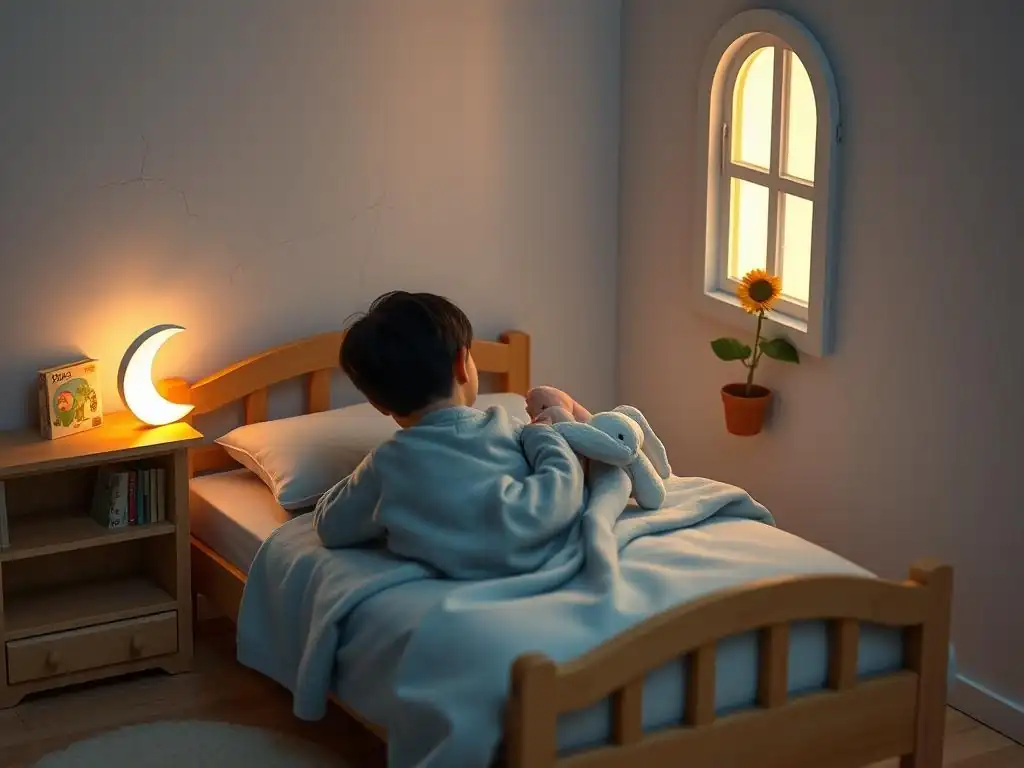
While recognizing childhood mental crisis and knowing how to respond is crucial, focusing on prevention and early intervention is equally important. Building a strong foundation of positive mental health and addressing risk factors early can help children develop resilience and potentially prevent future crises or reduce their severity. This involves creating supportive environments, teaching coping skills, and fostering open communication.
Early intervention means addressing mental health concerns when they first emerge, rather than waiting for them to escalate into a crisis. This proactive approach can significantly improve outcomes and equip children with the tools they need to navigate life's challenges more effectively.
Promoting Positive Mental Health in Children
Promoting positive mental health is an ongoing process that involves nurturing a child's emotional, social, and psychological well-being. It's about more than just the absence of illness; it's about fostering their capacity to cope with stress, build healthy relationships, and thrive. This foundation is built through consistent effort and positive interactions within the family and community.
Key aspects of promoting positive mental health include creating a supportive and nurturing environment where children feel safe and loved, actively teaching them skills to manage their emotions and cope with challenges, and fostering open, honest communication about feelings. These practices help build resilience, making children better equipped to handle difficulties they may face.
Creating a Supportive and Nurturing Environment
A supportive and nurturing environment provides children with a secure base essential for healthy emotional development. This includes a stable home life with predictable routines, feeling safe and protected, experiencing consistent love and affection from caregivers, and having clear, consistent expectations and boundaries. Opportunities for positive family interactions, like shared meals, games, or outings, strengthen bonds and provide a sense of belonging.
Such an environment helps children feel valued, understood, and safe to express themselves. It fosters a sense of security that allows them to explore, learn, and develop confidence. Children raised in nurturing environments are often more resilient and better able to cope with stress, reducing their vulnerability to mental health crises.
Teaching Children Coping Skills and Emotional Regulation
Teaching children coping skills and emotional regulation involves helping them identify their feelings and learn healthy ways to manage difficult emotions like anger, sadness, anxiety, or frustration. Examples include teaching deep breathing exercises, mindfulness techniques, strategies for problem-solving, positive self-talk, and healthy outlets for stress like physical activity or creative expression (drawing, writing, music).
Emotional regulation is a learned skill, and parents can model healthy coping strategies and practice them with their children. Starting with simple skills in early childhood and building upon them as the child grows helps them develop a toolkit for managing stress throughout life. Equipping children with these skills can significantly reduce the likelihood of overwhelming distress that might lead to a mental health crisis.
Encouraging Open Communication about Feelings
Fostering open communication means creating an atmosphere where children feel safe talking about their thoughts and feelings without fear of judgment or punishment. This involves actively listening when they speak, validating their emotions ("It makes sense that you're feeling frustrated"), sharing your own feelings appropriately to model openness, and asking open-ended questions that encourage them to elaborate beyond simple "yes" or "no" answers.
When children feel comfortable discussing their feelings, they are more likely to share when they are struggling before they reach a crisis point. This allows parents and caregivers to intervene early and provide support. Making conversations about feelings a normal and regular part of family life strengthens the parent-child bond and aids in recognizing childhood mental crisis signs more readily.
Recognizing and Addressing Risk Factors for Mental Health Crisis
Identifying and addressing risk factors can play a significant role in preventing mental health crises. Risk factors are characteristics or experiences that increase a child's vulnerability to developing mental health problems. While having risk factors doesn't guarantee a crisis will occur, being aware of them allows for increased vigilance and targeted support.
Common risk factors include a family history of mental illness, exposure to trauma (such as abuse, neglect, or significant loss), chronic stress (like poverty, family conflict, or discrimination), bullying, learning disabilities, or existing physical health problems. Recognizing these vulnerabilities highlights the need for proactive support and monitoring.
Identifying Children at Risk for Mental Health Issues
Identifying children at risk involves being aware of their personal history, family background, and environmental circumstances. This includes knowing if there is a family history of mental health conditions, observing how a child responds to stressful life events, noting persistent difficulties in social interactions or academic performance, or if the child has experienced significant trauma or adverse childhood experiences (ACEs).
For example, children who have experienced two or more adverse childhood experiences (ACEs) are significantly more likely to face mental health challenges later in life. Identifying these children is not about labeling them but about understanding their potential vulnerabilities so that additional support and monitoring can be put in place. This proactive approach is a crucial part of preventing a full-blown mental health crisis.
Providing Early Intervention Services to Prevent Crisis
Early intervention involves providing support and treatment at the first sign of a mental health concern, even if it doesn't yet meet the criteria for a formal diagnosis or crisis. This might include seeking therapy for early signs of anxiety or depression, enrolling in parenting programs to improve family dynamics, accessing school-based counseling services, or getting support for learning or behavioral difficulties.
Addressing issues when they are mild or moderate is often more effective and less disruptive than waiting until they escalate to a crisis level. Early intervention can help a child develop coping skills, improve their emotional regulation, and address underlying issues before they become overwhelming. Providing this support can reduce the severity and duration of mental health challenges and potentially prevent a future mental health crisis.
Conclusion: Empowering Parents and Caregivers to Support Children's Mental Health
Key Takeaways: Recognizing and Responding to Childhood Mental Crisis
Recognizing childhood mental crisis is a vital skill for parents and caregivers. It involves being attuned to significant, persistent, or sudden changes in a child's behavior, mood, physical health, social interactions, and academic performance. These signs are not uniform and vary considerably based on the child's age and developmental stage, requiring a nuanced understanding of age-specific indicators in preschoolers, school-aged children, and teenagers.
Responding effectively to a mental health crisis requires prioritizing the child's immediate safety, practicing active listening and validation without judgment, and providing age-appropriate support tailored to their needs. Crucially, parents and caregivers are not alone; seeking professional help from child psychiatrists, psychologists, social workers, or counselors is essential. Utilizing local agencies, crisis hotlines, and online resources can provide necessary support and guidance during and after a crisis.
The Importance of Ongoing Mental Health Support for Children and Families
Supporting a child's mental health is an ongoing journey that may extend beyond a single crisis event. Children who have experienced a mental health crisis, or who have ongoing mental health conditions, often benefit from continued professional support, including therapy, medication management, and family counseling. Recognizing childhood mental crisis is just the beginning; consistent, long-term support is key to recovery and building resilience.
Empowering parents and caregivers involves providing them with knowledge, skills, and access to resources. Taking care of their own mental health is also essential, as supporting a child through a crisis can be incredibly demanding. By fostering supportive environments, teaching coping skills, encouraging open communication, and not hesitating to seek professional help when needed, families can navigate challenges and work towards positive mental well-being for everyone.
Frequently Asked Questions
What are some early warning signs that a child might be experiencing a mental health crisis?
Children might exhibit changes in behavior, such as increased irritability, withdrawal, or persistent sadness. Look for sudden shifts in academic performance or sleep patterns.
How can I differentiate between typical childhood mood swings and a genuine mental health concern?
Observe the duration and intensity of the mood changes. If symptoms persist for more than two weeks and significantly impact their daily functioning, it's a cause for concern. Seek professional help from mental health experts.
What are some age-appropriate ways to talk to my child about their mental health?
Use simple, age-appropriate language and create a safe, judgment-free space for them to share their feelings. Validate their emotions and reassure them that seeking help is a sign of strength.
What resources are available if I suspect my child is experiencing a mental health crisis?
Contact your pediatrician, school counselor, or a local mental health organization. The Mind Care Guide and similar websites also offer valuable information and support.
How can I help prevent a mental health crisis in my child?
Promote open communication, encourage healthy coping mechanisms, and create a supportive and understanding home environment. Prioritize their physical health, including adequate sleep and nutrition.
Final Reflection: The Urgent Need for Childhood Mental Health Awareness
The pervasive crisis in children's mental health is not merely a statistic; it's a silent epidemic demanding immediate attention. We've explored the crucial signs of childhood mental health struggles, highlighting the importance of age-appropriate recognition and intervention. Understanding these signs is the first, vital step towards building a supportive and resilient future for our children.
The impact of this crisis ripples through families, communities, and society as a whole. The long-term consequences of untreated mental health issues in childhood can be devastating, affecting educational attainment, social relationships, and overall well-being. The best time to plant a tree was 20 years ago. The second best time is today.
This proverb applies perfectly to addressing the childhood mental health crisis. We cannot afford to delay action any longer; early intervention is key to fostering healthy development and preventing future suffering.
You, the reader, now hold a powerful tool: the knowledge to recognize the signs of distress in children. Take this knowledge and use it. Engage in open conversations with the children in your life. Learn to listen attentively, validate their feelings, and seek professional help when needed. By fostering a culture of understanding and support, we can collectively create a brighter, healthier future for the next generation. Let's transform this crisis into an opportunity for growth, healing, and hope.
Unlock Your Child's Resilience: Take Action Today
Thanks for taking the time to learn about recognizing and addressing childhood crises. You've gained valuable insights into supporting your child's well-being, and now it's time to put that knowledge into action.
- Prioritize open communication: Schedule a dedicated time to talk with your child, creating a safe space for them to share their feelings without judgment. This consistent effort will make a significant difference.
- Explore additional resources: Delve deeper into age-appropriate coping mechanisms and support systems tailored to your child's specific needs. Knowing where to find further help is crucial.
- Share this vital information: Spread the word to other parents and caregivers. Help us create a community that supports children's mental health by sharing this article with those who could benefit.
What small step can you take today to nurture your child's resilience and emotional well-being?